
Dongfeng Fengguang Miniev Export Guide for Overseas Buyers
Buy Dongfeng Fengguang Miniev vehicles from China with guidance on trims, electric range options, pricing logic, MOQ, shipping, compliance and rival models.
At a glance
- The Miniev is a compact battery-electric city car suited to urban fleets and cost-conscious private buyers.
- Practical and Candy trims separate utility-led buying from appearance-led buying.
- Range, charging, and equipment vary by version, making the exact listing specification essential.
- Export pricing combines vehicle configuration with freight, Incoterms, currency, and destination charges.
- Live listings should be used for current unit prices, MOQ, availability, and document status.
- RHD availability, homologation, and battery transport rules must be confirmed before ordering.
Why the Dongfeng Fengguang Miniev matters for export markets
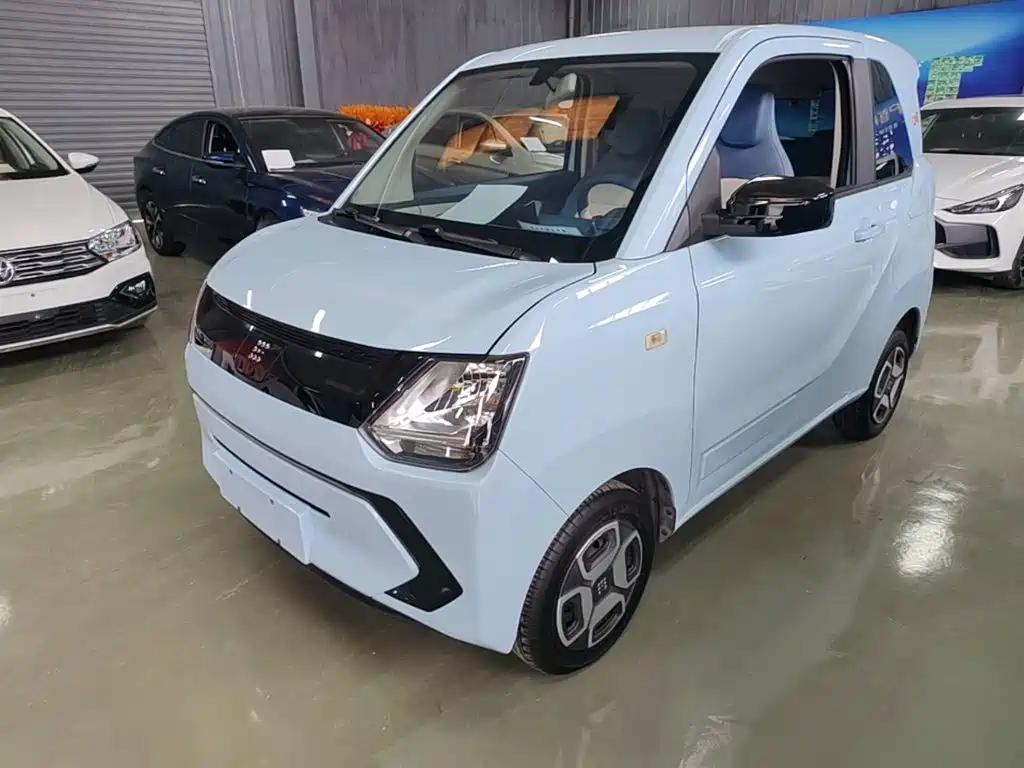
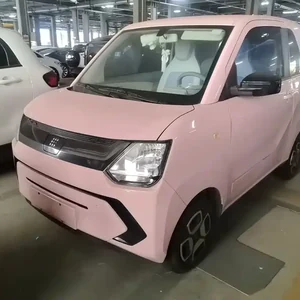
The Dongfeng Fengguang Miniev is a compact battery-electric city car built for accessible urban mobility. Its small footprint makes it easier to park and maneuver than a conventional hatchback, while the absence of a combustion engine suits short commutes, campuses, resorts, and municipal fleets operating on predictable routes. For overseas buyers, it is most relevant where vehicles spend most of their time in dense cities rather than on long intercity routes. Evaluate it on usable range, charging access, and local compliance rather than headline positioning alone before committing to a fleet order.
Export demand for this segment is driven less by long-range capability than by operating economics and ease of deployment. Dealers can serve customers who need a second vehicle, shared-mobility operators, or businesses replacing short urban trips with electrified fleets. A China-sourced Miniev may appeal where the destination has suitable charging infrastructure, manageable import duties, and a supportive parts network. It is less convincing where consumers expect highway range, rapid charging, or extensive brand recognition. Those conditions determine whether its compact format becomes a commercial strength or a limitation in real-world use.
The commercial case should be built around route profiles, not just the vehicle badge. Map daily distance, dwell time, charging locations, payload, and seasonal temperatures, then compare the result with a similarly sized combustion car and a larger battery-electric alternative. Fleet buyers should confirm replacement-part lead times, diagnostic access, insurance treatment, and whether one configuration can be standardized across sites. A model that is easy to source but difficult to support can be a poor long-term choice. This discipline matters when buying from China, where homologation and aftersales differ from the factory’s home market.
- Compact footprint for dense urban operations.
- Best fit is short, predictable, chargeable routes.
- Verify charging, homologation, and aftersales before scaling.
Model range, trims and powertrain variants: how the lineup is structured and how to choose
The export-facing line-up separates into a practical group and an appearance-led Candy group. Practical labels include Model Practical Edition Comfort, Practical Style Utility Type, and Practical Style Luxury Type; Candy versions use names such as Lollipop, Bubble Gum, Half Sugar, Full Sugar, Light Sweet, and Nine Invitation. These translated names help locate a listing but do not establish equipment levels. Buyers should request an option sheet and confirm standard and fitted equipment in writing, because a name may conceal differences in range, instrumentation, comfort features, and safety equipment in that unit.
The Miniev is a battery-electric vehicle, so there is no engine, fuel system, or conventional multi-speed gearbox to compare. Power comes from an electric motor, and published performance, battery, and range figures vary by version and homologation market. Range is generally quoted under China’s CLTC cycle; that laboratory figure should not be treated as a guaranteed real-world result, particularly with load, traffic, terrain, temperature, and sustained air conditioning. For any specific unit, the seller’s configuration sheet and destination-market certificate take precedence over generic model descriptions. Ambiguous listings should not be ordered on assumption.
Choose the range and battery version by reproducing the buyer’s normal route on a live listing, then applying a conservative allowance for weather and detours. Also check usable payload, charging connector, AC charging provision, DC fast-charging provision, and charging time, because a low purchase price can be offset by poor availability or slow turnaround. For fleet standardization, match one range version across the order to simplify charging, spares, and driver familiarization. For private buyers, the shortest route that safely covers the use case may reduce the acquisition and operating burden.
- Practical and Candy trims serve different buying priorities.
- Range and battery specifications vary by version.
- Translated trim names do not confirm fitted equipment.
New vs used Dongfeng Fengguang Miniev: how export inventory is structured and how buyers choose
Export inventory can include new vehicles, used vehicles, or a mixture, but the condition shown on each unit is the controlling fact. A new Miniev should have a defined model year, trim name, mileage status, and factory condition; a used vehicle may arrive with lower acquisition cost but an unknown history unless documents and inspection are supplied. Because stock changes continually, buyers should not infer availability or condition mix from an old catalogue or a general model page. The ChinaCarDirect live unit record is the only source to consult for current status.
New units are usually the more straightforward choice for a fleet buyer because specification consistency, warranty administration, battery condition, and delivery presentation are easier to document. Confirm that the warranty can be supported in the destination country and ask what the seller will provide if a component fails before delivery. Low displayed mileage alone is not proof of quality; compare factory condition, tire age, paint, underbody, option list, production date, and VIN consistency. A pre-delivery inspection remains worthwhile for a new export purchase. Ask for an inspection before the balance payment is released.
A used Miniev can make sense for a buyer comfortable with condition risk, particularly where the vehicle will receive immediate maintenance and the acquisition saving is meaningful. Prioritize battery state of health, evidence of consistent charging, motor and reduction-gear condition, accident repair quality, tire wear, software history, recalls, and remaining manufacturer support. Require the identification and ownership documents needed for import, verify the odometer, and inspect underbody and battery area. If any result cannot be verified, price the repair and support risk into the decision rather than relying on photographs alone.
- Document condition, mileage, and identity for every unit.
- New vehicles simplify fleet specification and warranty work.
- Used imports require battery, history, and ownership checks.
How export pricing works: the factors behind a live listing price, and how to read one
A live Dongfeng Fengguang Miniev export price is a vehicle-level quote, not a permanent model price. It moves with model year, trim, range or battery version, factory options, mileage and condition, production status, order quantity, seller margin, and the exchange rate used by the transaction. New and used units must be compared on like-for-like specifications. A nominally cheaper listing may omit charging accessories, have a different range version, or carry a higher freight assumption. The binding amount should always come from the individual listing and its formal quotation for that unit.
Freight can be included or excluded depending on the Incoterm. An EXW-style vehicle amount, for example, leaves the buyer to arrange collection, export handling, and onward carriage; FOB places more responsibility at the named Chinese port; CIF may include ocean freight and insurance to a destination port. Later charges can include terminal handling, documentation, customs brokerage, destination port fees, duties, taxes, and delivery. Compare quotations on the same Incoterm, destination, insurance level, and unit specification, then request a written landed-cost estimate that identifies every pass-through charge before placing a deposit.
Read a live listing as a commercial document. Check the model year, exact trim, range or battery specification, mileage or new status, optional equipment, VIN or stock identity, seller location, currency, quote validity, payment milestones, and what the price includes. Ask whether the seller can supply matching photos, a factory specification sheet, inspection evidence, and export documents. Then model total acquisition cost with a landed quote rather than comparing headline amounts. Use the ChinaCarDirect live listing for the current per-unit price, MOQ, and availability because none can be guaranteed from an evergreen guide.
- Compare like-for-like vehicles on the same Incoterm.
- A vehicle quote may exclude substantial landed costs.
- Use each live listing for current binding figures.
MOQ, ordering and payment: single units vs consolidating a container
The minimum order quantity is a commercial term attached to a particular seller, trim, and shipment, so verify it rather than assume it from the model. Some listings may accept a single-unit inquiry, while others may set a larger multiple or require a consolidated vehicle order. A buyer wanting one vehicle can request an individual quote, but should state the destination, preferred specification, and delivery basis immediately. Check the ChinaCarDirect live listing for its stated MOQ, and treat the supplier’s formal quotation or pro forma invoice as binding for the order.
Wholesale container consolidation can improve freight efficiency when several compatible units are ordered together. Grouping the same trim and range version simplifies allocation, charging equipment, spare-parts planning, and fleet training, while mixed configurations may create unnecessary variation. Consolidation also requires careful vehicle allocation, insurance values, loading records, and customs-document accuracy. Balance lower per-unit freight against slower inventory turnover, more cash tied up, and the risk that one discrepancy holds up the shipment. A mixed container may still be possible, but each unit should have a distinct identity, agreed option list, inspection result, and declared value before loading.
A disciplined order process reduces payment and shipment risk. Start with a written RFQ, compare the specification and landed-cost basis, request a pro forma invoice, verify the legal seller and beneficiary account, and agree on inspection, document, and payment milestones. Many buyers use a deposit followed by balance payment after inspection or document approval, but the actual sequence must be negotiated. Never send funds based only on a messaging-app conversation or bank-detail change. Include the agreed vehicle identity, remedies for mismatch, and cancellation terms in the final written documents or informal assurances.
- MOQ varies by seller, trim, and loading plan.
- Consolidating compatible units can spread freight costs.
- Use a formal pro forma invoice and payment milestones.
Shipping, homologation and market compliance caveats: LHD/RHD and import rules by country
Chinese-market approval does not automatically make a Miniev roadworthy in another country. The importer or local vehicle agent normally has to confirm the model’s approval status, VIN and identification rules, safety requirements, electrical compatibility, software features, and any registration restrictions. Even a battery-electric vehicle can face rules relating to vehicle type, battery safety, radio equipment, or emissions declarations. Requirements differ by destination and may change over time. Obtain a written compliance checklist from a local customs broker or vehicle homologation specialist before paying a balance and before committing the cargo.
Steering configuration is another early filter. Vehicles sourced from China are commonly left-hand drive, while some markets require or strongly favor right-hand drive; the Miniev’s production and export availability should therefore be confirmed for the intended country. A steering conversion may be possible through a specialist, but it adds cost, can affect warranty and approvals, and should never be undertaken without local guidance. Charging connector type, electrical supply, and any on-board charging limitations also need to match the destination. Ask for evidence of the actual configuration, not just a translated trim description.
Lithium-battery cargo requires disciplined documentation and packaging. Request the battery test summary, safety data or material information, applicable transport declaration, and evidence that the pack and vehicle are prepared under the carrier’s current rules. The freight forwarder should classify the shipment, confirm UN 38.3 and related dangerous-goods requirements where applicable, and explain container-loading and securing measures. Destination classification, customs valuation, tariff treatment, taxes, recycling obligations, and local registration fees should also be mapped. Treat compliance as a shared responsibility between exporter, importer, broker, and carrier, not a line hidden in the freight quote.
- Local homologation is separate from Chinese factory approval.
- Confirm LHD or RHD availability before selection.
- Agree battery transport documentation before booking.
Who should buy the Miniev — and who should pick a different vehicle
The Miniev is a strong candidate for urban dealers, short-route fleets, campus transport, hospitality operations, and consumers seeking a compact second car. It makes the most sense when daily mileage is predictable, overnight or workplace charging is available, and the vehicle can be charged without long idle time. A fleet operator can gain operational simplicity by standardizing the range version, access to common charging equipment, and a clear maintenance plan. The strongest business case is a route for which a small vehicle is genuinely sufficient, not simply a way to minimize the initial acquisition.
It is a weaker fit for buyers with long daily routes, frequent intercity travel, limited charging access, heavy payloads, or a need for a larger safety and luggage envelope. Severe weather, rough tracks, and constant high-speed motorway use can expose the limits of a compact city vehicle and its shorter-range versions. Commercial operators should also assess load volume, duty cycles, tire replacement cycles, and repair downtime. If those needs dominate, a larger battery-electric hatchback, a plug-in hybrid, or a combustion model may offer a more practical operating profile despite higher purchase or fuel costs.
Before ordering, create a simple total-cost comparison over the intended holding period. Include the vehicle quote, freight, insurance, customs and taxes, charging hardware, energy, maintenance, replacement tires, software or hardware support, and expected resale. Test the range decision against a conservative route map rather than the maximum published rating, and assign a value to charging time during working hours. Also check local parts stocking and workshop capability. The right vehicle is the one whose verified configuration and support structure remain workable after discounts, freight, and operating assumptions are included fully.
- Strong fit for short urban and predictable fleet routes.
- Weak fit for long distance, heavy loads, or sparse charging.
- Compare total operating cost, not the ticket alone.
Main rivals and how the Miniev compares
The Wuling Mini EV is the closest category benchmark because it also targets very small urban electric cars with distinctive trim and color choices. The Miniev should be compared with the Wuling on certified range for the destination, usable cabin and cargo space, standard equipment, charging provision, service access, and parts availability rather than on appearance alone. Wuling has a particularly visible role in the global micro-EV conversation, which may affect buyer recognition or resale expectations. Neither model substitutes for a full-size EV when passengers, luggage, or route demands exceed city-car limits.
Chery QQ Ice Cream is another direct small-EV rival, with a similarly playful design brief and an urban buyer proposition. Side-by-side evaluation should focus on the exact homologated battery and range version, cabin layout, standard safety and convenience equipment, charging interfaces, and the availability of parts in the importing market. Styling and trim names can create a strong emotional pull, but a fleet buyer should prioritize configuration consistency and support. The Miniev’s Practical and Candy families give buyers both fleet-oriented and appearance-led choices, but each listing still needs specification verification.
The Dongfeng Nano Box is a useful in-house alternative because it comes from the same manufacturer but occupies a somewhat different small-EV proposition. Buyers should compare seating and luggage usability, rated range, platform features, charging, equipment, and after-sales reach rather than assume shared badges mean identical cars. It may suit a buyer who needs more conventional hatchback practicality, while the Miniev may better match a compact footprint and distinctive trim program. Since availability and certification vary by market, neither should be shortlisted without a local compliance check and evidence that parts and technical support are sustainable.
- Wuling Mini EV: the closest global micro-EV benchmark.
- Chery QQ Ice Cream: a direct, design-led urban rival.
- Dongfeng Nano Box: a larger same-manufacturer alternative.
Live Dongfeng Fengguang Miniev export inventory
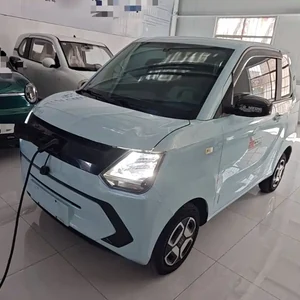
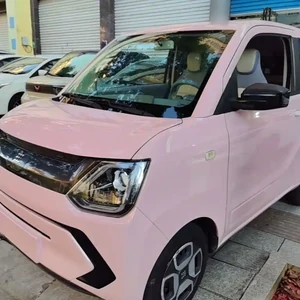
View all listings →Real units currently on ChinaCarDirect with per-unit asking prices and MOQ. Availability updates live from the catalogue.
How to buy a Dongfeng Fengguang Miniev from China
-
1
Define the operating case
Record daily routes, payload, charging access, operating hours, and destination country. This determines whether the compact Miniev platform is genuinely suitable.
-
2
Shortlist the configuration
Choose between the Practical and Candy families, then verify the range version, battery, motor output, charging provision, and equipment. Do not rely on translated trim names alone.
-
3
Review the live listing
Check the current per-unit price, stated MOQ, availability, condition, vehicle identity, photographs, and seller details. Use the live record rather than an archived catalogue.
-
4
Request a landed quotation
Ask for the Incoterm, freight basis, insurance, documentation, payment milestones, and quote validity. Compare all options using the same destination and cost basis.
-
5
Complete destination compliance review
Have a local broker or homologation specialist confirm import, type-approval, LHD/RHD, charging, registration, and battery-transport requirements.
-
6
Inspect and secure the order
Approve the pro forma invoice, verify the beneficiary account, and agree inspection and mismatch remedies. Release the balance only after the agreed checks are completed.
-
7
Arrange freight and customs
Give the forwarder the approved vehicle list and required battery documents, then confirm loading, insurance, customs classification, duties, taxes, and delivery tracking.
Miniev vs rivals
| Wuling Mini EV | The Wuling Mini EV is the closest global category benchmark, so compare certified range, equipment, charging, parts access, and destination homologation directly. It may appeal to buyers seeking stronger brand recognition, while the Miniev offers Practical and Candy choices for fleet and appearance-led requirements. |
|---|---|
| Chery QQ Ice Cream | The Chery QQ Ice Cream competes on compact dimensions, expressive styling, and urban usability. The Miniev may offer a broader practical-versus-appearance selection, but the deciding factors should be range version, cabin layout, equipment, and local parts support rather than design alone. |
| Dongfeng Nano Box | The Dongfeng Nano Box provides a more conventional small-hatchback proposition from the same manufacturer. It may suit buyers needing greater luggage and everyday practicality, while the Miniev better matches a very compact footprint and distinctive trim program. |
Frequently asked questions
How is the export price determined, and where is the live quote?
Each live ChinaCarDirect listing shows the current per-unit price, stated MOQ, and availability, while the formal supplier quotation is binding. Vehicle pricing changes with model year, trim, range or battery version, condition, options, quantity, seller terms, and exchange rate. Freight, insurance, terminal handling, customs, taxes, and delivery may sit outside the displayed amount, depending on the Incoterm.
What powertrain and range does the Dongfeng Fengguang Miniev use?
The Miniev is a battery-electric vehicle powered by an electric motor, with no combustion engine or conventional gearbox. Range and battery capacity vary by version, and China-market figures generally use CLTC rather than representing a guaranteed real-world result. Check the certified range, test cycle, charging connector, and charging times in the live listing and destination-market documents.
Is buying a used Dongfeng Fengguang Miniev better than a new one?
New units generally provide clearer condition, consistent specifications, and simpler warranty administration. Used units can reduce acquisition cost but add uncertainty around battery health, mileage, accidents, service history, and ownership documents. Inspect and document both categories, but apply a stricter condition and support risk assessment to a used import.
What is the MOQ for a Miniev order?
There is no permanent model-wide MOQ that should be assumed from an evergreen guide. A seller may quote one unit, a multiple, or a consolidated vehicle order depending on trim and loading plan. Check the live listing’s stated MOQ, then confirm the binding quantity in the written pro forma invoice.
How long does shipping take, and what affects the cost?
Shipping time and cost depend on origin and destination ports, vessel and consolidation schedules, container availability, Incoterm, cargo documentation, insurance, and destination charges. Lithium-battery preparation and regulatory checks can add time. Ask the freight forwarder for a route-specific schedule and a written cost breakdown covering every charge outside the vehicle quote.
Are spare parts available for the Dongfeng Fengguang Miniev?
Do not assume every part is immediately available merely because the model has a local presence. Ask for the exact part number, compatible model year and trim, stock location, and expected lead time for lamps, brakes, tires, chargers, and electronic modules. For a fleet, include high-use consumables in the first order and agree on a parts-support route before vehicles arrive.
Is a right-hand-drive Miniev available?
RHD availability depends on production and export allocation and must be confirmed for each live listing. Do not assume a left-hand-drive unit can be converted without affecting local approval, warranty, or operating arrangements. Provide the destination country early and have a local specialist review any conversion or import requirements.
How do I order a Dongfeng Fengguang Miniev from China?
Start with a live listing, verify the vehicle identity and specification, and submit an RFQ stating quantity, destination, Incoterm, and required documents. Review the pro forma invoice, payment milestones, inspection rights, and correction process before sending funds. After destination compliance and pre-shipment inspection are settled, book freight, complete customs, and track the shipment to delivery.
Ready to source the Dongfeng Fengguang Miniev?
Send your destination, quantity, and configuration requirements to ChinaCarDirect for a current Miniev export quotation and MOQ confirmation.
Request a quote