
Dongfeng Fengguang S560 Export Buying Guide
Compare Dongfeng Fengguang S560 trims, engines and seating for export, then learn pricing, MOQ, shipping, homologation and practical sourcing.
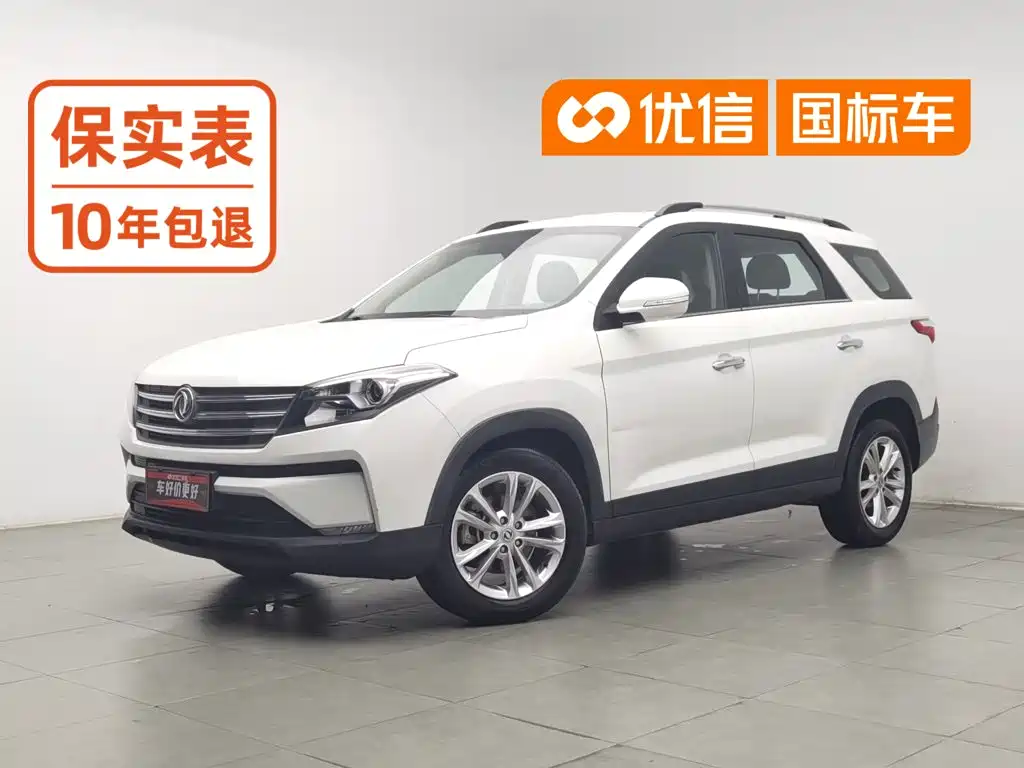
At a glance
- The S560 is a gasoline compact SUV with five- or seven-seat layouts and manual or CVT choices.
- Engine options span a 1.5L turbo, 1.8L and 2.0L, allowing specification matching by duty and market.
- Five-seat, seven-seat, facelift and upgraded versions should be checked as distinct configurations.
- Live unit listings and written RFQs provide the current price, MOQ and availability for purchasing decisions.
- Single-unit sourcing can serve test markets, while container consolidation may improve freight efficiency but adds coordination risk.
- LHD/RHD availability, homologation, duties and local approval must be confirmed before an import commitment.
Why the Dongfeng Fengguang S560 matters for export markets
The Dongfeng Fengguang S560 is a compact, gasoline-powered SUV positioned for value-conscious overseas buyers who need more practical space than a small crossover but not a premium badge. Its defining export proposition is flexibility: the model family spans five- and seven-seat configurations, manual and CVT transmissions, and 1.5-litre turbo, 1.8-litre and 2.0-litre engine choices. That combination makes it relevant to importers serving family transport, staff fleets, ride-hailing and distributors building an accessible SUV range. It is useful where buyers prioritize seating flexibility, fuel familiarity and straightforward servicing over electrified powertrains.
Demand for vehicles in this part of the export market is driven less by luxury and more by usable interior room, familiar mechanical architecture and an acquisition cost that can be justified to local customers. The S560 answers that brief without tying an importer to one specification: a five-seater can be evaluated for fleet duty, while a seven-seater broadens its appeal to larger families and group transport. For distributors in emerging or value-oriented markets, that range can support several channel strategies from one model name, subject to local demand and homologation.
The S560’s relevance should not be confused with universal demand. It has no battery or charging proposition in the versions represented here, so buyers in markets with strong electric-vehicle policy will not find it a fit. Its case is strongest where gasoline vehicles remain normal, importers understand Chinese-brand residual values, and the operator can build a realistic parts and aftersales plan. For those markets, compare the actual unit, match seating and powertrain to demand, and calculate total landed cost before committing to scale. The vehicle must still pass local market and import requirements.
Model range, trims and powertrain variants: how the lineup is structured and how to choose
Stable structure starts with three engine families: a 1.5-litre turbo engine, a 1.8-litre engine and a 2.0-litre engine. Buyers can also find manual or CVT transmissions, depending on trim, and seating configured for five or seven occupants. Model year and trim name do not tell the whole story. A year can represent an earlier, facelift or upgraded version, while labels such as Urban, Comfort, Elite, Premium and Smart Connect denote different equipment and packaging tiers. Confirm the build sheet and physical vehicle rather than assuming similarly named units are identical.
Five-seat versions will usually be easier to place where passenger capacity is less important, while seven-seat versions create a clearer reason to choose the S560 over a similarly priced five-seat crossover. The seven-seat labels should be treated as a distinct product requirement, not simply an option to assume from the body shape. For fleet buyers, consider whether the third row is needed at all; for family and shuttle operators, inspect access, luggage flexibility and the actual seating configuration. The live listing’s model designation and photographs should agree before a specification is approved.
Powertrain choice should follow the operating environment and driver profile rather than the largest engine shown. A manual can suit markets where a straightforward, driver-engaged transmission is preferred and traffic conditions permit; a CVT may make stop-and-go use and varied speed ranges easier for many drivers. The turbocharged 1.5-litre option offers a different emphasis from the 1.8-litre and 2.0-litre choices, but published output, fuel economy and payload figures must be checked on the live listing. Never infer towing, acceleration or carry-on capacity from displacement alone or from the body style alone.
- Match engine and gearbox to duty.
- Confirm seating on every unit.
- Check facelift and upgraded builds.
New vs used Dongfeng Fengguang S560: how export inventory is structured and how buyers choose
Export inventory should be understood as a sequence of individual vehicles, not a homogeneous factory batch. New examples are generally easier to compare because their condition, mileage and equipment can be documented more consistently; used examples may offer a different acquisition basis but require closer inspection. A buyer looking for a used Dongfeng Fengguang S560 should not assume a used vehicle is available merely because the model supports that market category. Availability, condition and pricing must be checked against the live unit-level listings. Each listing remains the starting point for a transaction.
New units are usually cleaner for an importer establishing a repeatable sales proposition: the buyer can align colour, seating, transmission and equipment before marketing the vehicle, and customer expectations can be standardized. A used S560 can make sense for a budget operator seeking an immediate lower capital commitment, but the apparent purchase saving may be offset by repair uncertainty, replacement tyres or fluids, uneven wear and uncertain presentation. Ask for service records, an odometer statement and evidence of any prior damage rather than accepting a trim name as proof of condition.
If choosing among different ages or condition grades, build a total-cost comparison instead of selecting on model year alone. Newer examples may carry a different equipment specification from older ones, so confirm whether infotainment, safety equipment, upholstery and cabin layout meet the target customer’s expectations. An older unit can remain suitable if it is mechanically sound, correctly configured and honestly represented. Use a pre-purchase or pre-export inspection, reconcile chassis identity and options against the documents, and secure written confirmation of what is being sold before any payment or shipping commitment.
How export pricing works: the factors behind a live listing price, and how to read one
An export price guide should explain the variables behind a quote rather than publish a fixed number that soon becomes stale. The Dongfeng Fengguang S560 price can move with model year, engine, transmission, seating capacity, trim, mileage and condition for used units, plus the seller’s cost and intended sales channel. Export transactions also respond to exchange rates, freight, insurance, port charges, inland delivery and the selected Incoterm. A lower vehicle figure can produce a higher landed cost if freight terms or taxes are treated differently when quotations use different assumptions.
When reading a live Dongfeng Fengguang S560 listing, separate the vehicle asking price from the complete delivered cost. Check whether the offer uses FOB, CFR, CIF or another term, and establish what handling, documentation, insurance, loading and destination charges are included. Compare the stated year, trim, engine, transmission and seat count against photographs, and ask for build information. The [live inventory on ChinaCarDirect](https://chinacardirect.com/products?q=S560&brands%5B%5D=1355) shows the current price, MOQ and availability for each unit, so it is the place to verify numbers that can actually be ordered, and confirm them directly.
Buyers should use the same comparison template for every candidate: unit price, stated Incoterm, currency, validity period, payment milestone, inspection scope, document set, freight assumptions and destination charges. Request a written quotation rather than relying on a search-result number alone, especially when a listing represents a particular vehicle rather than a standardized order. If the quote uses another currency, record the exchange-rate date and recalculate when placing funds. This methodology makes the Dongfeng Fengguang S560 export price guide comparable across unlike vehicles and trims without hiding the underlying assumptions.
- Separate vehicle price from landed cost.
- Compare identical specifications.
- Require a written, dated quotation.
MOQ, ordering and payment: single units vs consolidating a container
The minimum order quantity is a transaction field, not a permanent promise attached to the model name. Some live S560 listings may be offered to individual buyers, while a seller may impose a lot requirement for a batch, production run or container plan. Confirm the MOQ shown on the unit listing and the seller’s written terms before reserving vehicles. If you buy one unit, clarify whether its MOQ is genuinely one vehicle or whether the listing is only a sample from a larger lot, and whether it will be released as a standalone consignment.
For an overseas buyer looking to buy a Dongfeng Fengguang S560 from China, a single-unit purchase can limit inventory exposure and allow evaluation against local customers before larger purchasing. The trade-off is that buying one vehicle at a time may offer less control over freight consolidation and carries fixed transaction, inspection and shipping costs over a smaller consignment. Payment milestones should be defined in writing, covering deposit, balance trigger, evidence of inspection, document release and refund conditions. Confirm acceptable payment methods, transfer fees and the payee identity rather than assuming the listing supplies every term in writing.
Container consolidation can lower freight and handling cost per vehicle when several S560 units share compatible cargo space and paperwork, but it changes the risk profile. One delayed inspection, mismatched specification or unresolved payment can hold the whole group, while loading plans must reflect dimensions, weight, securement and destination requirements. Buyers may reserve units with multiple sellers, but should appoint one coordinator or freight forwarder to reconcile references, customs descriptions and delivery milestones. Obtain an all-in proposal for the actual grouping; do not assume an available vehicle is ready to load.
- Confirm MOQ on each listing.
- Define payment milestones in writing.
- Plan consolidation around actual cargo.
Shipping, homologation and market compliance caveats: LHD/RHD and import rules by country
Transport planning begins with the destination and exact specification. The relevant choices—container, break-bulk, roll-on/roll-off or another specialist method—depend on carriers, cargo dimensions, urgency and consolidation opportunities. The S560’s dimensions and variant data should be checked in the live listing before a carrier confirms loading requirements. Freight cost is affected by route distance, port and terminal charges, fuel and handling surcharges, insurance, destination clearance and inland delivery. Transit time is equally variable, so ask for milestones rather than a generic estimate, including the point at which each risk transfers.
Left- and right-hand drive availability must be treated as a sourcing question, not assumed from the model name. Confirm the steering position of the physical unit, and whether the destination accepts that configuration without modification. Import rules can also require evidence of emissions compliance, roadworthiness, safety equipment, vehicle identification and local type approval; requirements differ by country and may include inspections, customs duties, taxes and age restrictions. No S560 listing should be treated as globally certified, so obtain current requirements from the destination’s competent authorities or a qualified customs and homologation adviser before paying.
A sound export file connects the vehicle to its documents and inspection record. Before release, match the chassis or VIN, model designation, engine and transmission, seating configuration, colour and options across the bill of sale, inspection report and shipping papers. Photograph the condition at loading, clarify who is responsible for transit damage, and ensure insurance covers the agreed risk. A destination broker can coordinate clearance and delivery, but cannot repair an incorrect description or replace market approval. Spare-part planning should begin before shipment, especially for less common trims or market-specific equipment.
- Verify the physical steering position.
- Complete local approval before payment.
- Match VIN and shipping documents.
Who should buy the S560 — and who should pick a different vehicle
The S560 is strongest for value-oriented importers and operators who need a conventional internal-combustion SUV with genuine choice of cabin capacity. It can suit a distributor building a broad, price-accessible SUV range, especially where manual transmissions remain familiar and seven-seat demand supports family, shuttle or light-group transport. The model also lets buyers tune specification by engine and gearbox without moving immediately to a larger or premium vehicle. The strongest business case is operational: clear customer fit, manageable parts planning and a landed cost the target segment can realistically absorb over time.
It is a weaker choice for buyers whose priority is an electric powertrain, strong performance, premium cabin technology or a model with a deeply established international service network. Those buyers should evaluate electrified crossovers, larger-capacity vehicles or better-supported nameplates instead. Nor should an importer select the S560 solely because a listing looks inexpensive after excluding freight, duties and compliance work. The seven-seat layout is only an advantage if customers need it; the CVT is only an advantage if drivers prefer it. Specification must match the actual market rather than the broadest catalogue.
Before placing an order, create a decision scorecard covering target retail segment, five- versus seven-seat demand, engine and transmission preference, parts holding, service capability, homologation work and target landed cost. Include dealer preparation, warranty handling, marketing and unsold stock, not only vehicle and ocean freight. A short pilot can test demand, but it should have a defined sales period and reorder decision rather than become an unplanned accumulation. For fleet programs, also check duty cycles, loading access and driver training because those factors can outweigh small differences in trim name.
- Best for value-led SUV distribution.
- Unsuitable for electric-first mandates.
- Compare full operating costs.
Main rivals and how the S560 compares
The closest rivals depend on market and seat requirement, but the Haval H6, Chery Tiggo 7 and Hyundai Creta are useful benchmarks. The Haval H6 represents the mainstream global compact-SUV proposition with broad market familiarity; the Tiggo 7 is a closer Chinese-brand export alternative; and the Creta is a mature import benchmark with established after-sales expectations in many countries. Equipment, powertrains and local prices change by market, so comparisons should use the exact derivative and landed-cost structure rather than badge or brochure claims before committing import capital or fleet volumes.
Against the Haval H6 and Chery Tiggo 7, the S560’s strongest differentiator is its breadth of seating and mechanical choices: certain versions are five- or seven-seaters, and the line includes manual and CVT applications. The Haval generally has greater international recognition, while the Chery competes from a similar Chinese-brand value perspective but commonly emphasizes five-seat derivatives. That makes the S560 attractive where an importer can exploit a specific seven-seat use case. It is less compelling where buyers prioritize a familiar global badge, standardized resale support or a model already deeply represented in local service networks.
Versus the Hyundai Creta, the S560 may offer a more flexible, value-led specification brief, including seven seats in designated trims and lower-displacement manual choices. The Creta generally carries the advantage of a more established international identity, owner familiarity and clearer expectations for parts and residual values in supported markets. An S560 buyer should compensate for any local support gap with careful parts forecasting, technician familiarity and a realistic warranty policy. In practical terms, choose the S560 for configuration value and utility; choose the rival when service reassurance and brand acceptance outweigh those benefits.
- Compare exact market derivatives.
- Weigh service access and residuals.
- Include freight, tax and support costs.
Live Dongfeng Fengguang S560 export inventory
View all listings →Real units currently on ChinaCarDirect with per-unit asking prices and MOQ. Availability updates live from the catalogue.
Dongfeng Fengguang Fengguang S560 2018 1.8L Manual Comfort 7-Seater
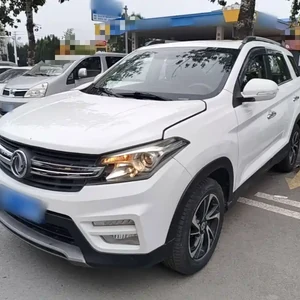
Dongfeng Fengguang Fengguang S560 2018 1.8L Manual Comfort 7-Seater
How to buy a Dongfeng Fengguang S560 from China
-
1
Define the market and configuration
Set the destination country, five- or seven-seat requirement, engine and transmission preference, intended customer and compliance needs. This prevents a technically suitable unit from becoming commercially unsuitable.
-
2
Shortlist a live listing
Review the [live Dongfeng Fengguang S560 listings](https://chinacardirect.com/products?q=S560&brands%5B%5D=1355) and compare units by year, trim, engine, transmission, seating and condition rather than by the model name alone.
-
3
Verify the physical specification
Request recent photographs, the build sheet, chassis or VIN information, production details and confirmation of seating and equipment. The seller’s description must match the vehicle being sold.
-
4
Request a landed quotation
Ask for the unit price, MOQ, currency, Incoterm, freight, insurance, inspection, documentation, destination charges and quote validity. Keep vehicle cost separate from taxes and other import expenses.
-
5
Confirm MOQ and payment terms
Clarify whether the requirement applies to an individual unit, seller lot or shipment. Record the payee, payment milestones, document-release trigger, inspection condition and refund terms before transferring funds.
-
6
Inspect before release
Use a pre-export inspection to verify the chassis identity, engine, gearbox, seating, mileage or condition, bodywork and option list. Reconcile the inspection report with the bill of sale and shipping documents.
-
7
Ship, insure and clear
Confirm the carrier method, loading plan, insurance coverage, shipping terms and destination broker before dispatch. Complete local homologation and import clearance before the vehicle is offered for sale.
S560 vs rivals
| Haval H6 | The Haval H6 is a mainstream compact-SUV benchmark with greater international recognition and clearer expectations for established service support. The S560 can suit buyers who prioritize designated seven-seat versions, manual options and configuration flexibility, but local parts and aftersales coverage need confirmation. |
|---|---|
| Chery Tiggo 7 | The Tiggo 7 is a close Chinese-brand export competitor with similar value intent and mainstream positioning. The S560 stands apart through designated five- and seven-seat versions plus manual and CVT choices; the best fit depends on the derivative and support package the importer can secure. |
| Hyundai Creta | The Creta is a mature import benchmark with stronger brand acceptance and clearer parts and residual-value expectations in many supported markets. The S560 offers a more flexible configuration brief and can suit value-led buyers, but they should plan technician training and parts holding carefully. |
Frequently asked questions
How is the Dongfeng Fengguang S560 export price determined?
The live price depends on model year, trim, engine, transmission, seating, condition or mileage, seller terms, exchange rates, freight, insurance and the chosen Incoterm. Taxes and destination charges can change the landed total. Check the [live S560 listings](https://chinacardirect.com/products?q=S560&brands%5B%5D=1355) for the current per-unit price, MOQ and availability, then request a written quotation.
Which engines, transmissions and seating layouts are available?
The range includes 1.5-litre turbo, 1.8-litre and 2.0-litre engines, with manual or CVT transmissions and five- or seven-seat configurations depending on trim. These are gasoline vehicles and do not have a battery-based range specification. Confirm the exact engine, gearbox and seating arrangement on the live listing.
Should an overseas buyer choose a new or used Dongfeng Fengguang S560?
A new vehicle provides more consistent condition, mileage and equipment, which helps importers standardize specifications and customer expectations. A used unit may suit a capital-constrained operator, but condition, service history, wear and repair risk require closer inspection. Current used availability is unit-specific and should be confirmed through the live listings.
How does MOQ work when buying the S560 from China?
MOQ is agreed for the particular seller, listing or shipment rather than being a permanent model-wide condition. The live listing displays the current requirement, which the buyer should confirm in writing along with the applicable price and availability. A wholesale program may use different terms from an individual-unit purchase.
What determines shipping time and cost?
Route, transport method, port and terminal charges, cargo configuration, consolidation, fuel surcharges, insurance, customs clearance and inland delivery all affect the result. Consolidation can spread some freight costs across several vehicles but may delay the group if one unit is not ready. Request carrier milestones and an all-in quote for the actual shipment.
Can spare parts for the S560 be ordered separately?
Service items and replacement parts can generally be sourced separately, but compatibility should be verified using the exact vehicle and trim rather than the model name alone. Before shipping, identify high-wear service parts and any less common components likely to be needed locally. A supplier or distributor should confirm the applicable part references.
Is right-hand-drive S560 availability assured?
No. Right-hand-drive availability cannot be inferred from the model name and must be confirmed for the physical unit and destination market. Steering position, local type approval, roadworthiness, emissions and import rules should all be checked before ordering, because an LHD vehicle may require modification or face restrictions.
How do I order a Dongfeng Fengguang S560 for export?
Review the live inventory, shortlist the most suitable unit and submit an RFQ with the destination, required seating, powertrain and shipping terms. The seller should confirm the current unit price, MOQ, availability, specification, payment schedule, inspection scope and document set. Review and accept those terms in writing before paying or arranging freight.
Ready to source the Dongfeng Fengguang S560?
Request a unit-specific S560 quotation with the current price, MOQ, Incoterm, documentation, inspection and shipping options.
Request a quote