
Dongfeng Fengxing Cm7 Export Buying Guide
Buy a Dongfeng Fengxing Cm7 from China with a clear view of trims, engine options, export pricing, MOQ, shipping and market compliance requirements.
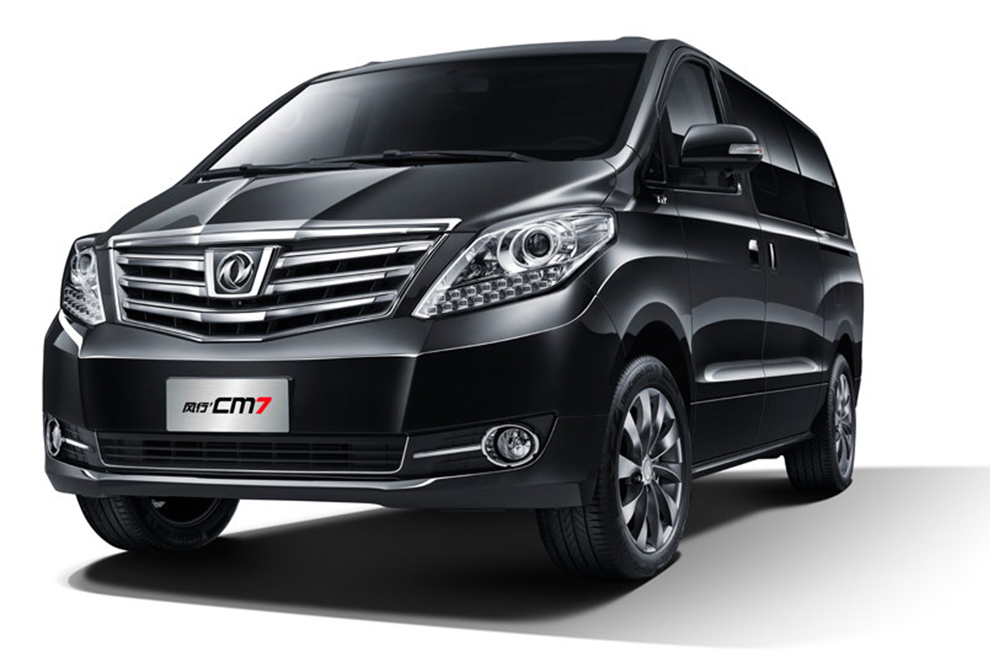
At a glance
- The Dongfeng Fengxing Cm7 for export is a compact gasoline crossover SUV with 2.0T and 2.4L engine options.
- Manual and automatic transmissions appear across different trim and model-year configurations.
- Its export appeal is strongest for value-focused dealers and fleets that can support Chinese-brand servicing.
- Pricing must be assessed per live unit, including trim, age, condition, freight and Incoterm.
- LHD/RHD availability and destination-country homologation must be confirmed before ordering.
Why the Dongfeng Fengxing Cm7 matters for export markets
The Dongfeng Fengxing Cm7 occupies the value-oriented compact crossover SUV segment, a format that can appeal in overseas markets where buyers want a raised, SUV-style vehicle without moving into a larger and generally more expensive class. Its available 2.0T and 2.4L gasoline engines, plus manual and automatic choices, give importers room to match local driving habits and fleet requirements. The result is not a single export proposition but a family of configurations for dealer, taxi, rideshare and company-car programs. Its strongest export case therefore rests on practical positioning rather than on a headline specification.
Global demand for the Cm7 should be assessed by segment, not by assuming that every compact SUV market will convert. It is most relevant where fuel-station coverage supports combustion vehicles, compact dimensions ease urban use and parking, and buyers value the availability of a manual gearbox for lower-traffic or fleet duty. It may also suit replacement programs that need a recognizable SUV body, established parts categories and a straightforward comparison against other Chinese brands. Marketing language should be replaced by market-level evidence from local registration and sales data before stocking.
For an importer, the practical advantage is choice at the trim and transmission level. A manual 2.0T can serve buyers who prioritize straightforward operation, while an automatic version reduces driver workload in dense traffic. The 2.4L manual option provides another engine-and-gearbox route, subject to the exact vehicle specification. Those combinations matter because local fuel economy, parts stocking and residual-value expectations can differ even within one model name. Confirm each configuration rather than generalizing from the Cm7 badge. That discipline also prevents a buyer from assuming that visually similar vehicles share identical equipment, tax treatment or homologation.
- 2.0T and 2.4L gasoline engines.
- Manual and automatic choices by trim.
- Value-focused compact crossover positioning.
Model range, trims and powertrain variants: how the lineup is structured and how to choose
The Dongfeng Fengxing Cm7 lineup is structured around two petrol engine families: the 2.0-liter turbocharged unit, written as 2.0T in listing names, and a 2.4-liter engine. Depending on year and grade, the Cm7 appears with a manual or automatic transmission. Familiar listing names include 2.0T Manual Luxury, Premium Edition, Exclusive, Automatic Flagship and Classic Automatic Premium, as well as 2.4L Manual Official and Business editions. These names are useful for searching, but they are not a universal equipment catalogue because equipment and availability can change between model years and source markets.
Two labels deserve special attention in the Dongfeng Fengxing Cm7 specs: “Facelift” and “Classic.” They help distinguish the visible product generation in a listing name, while the model year narrows the vehicle further. Trim labels such as Luxury, Premium, Exclusive, Flagship, Official and Business suggest hierarchy, but Chinese export catalogues can change equipment names and contents. Treat the trim word as a search and shortlisting aid, then verify features, paint, wheels, infotainment, safety equipment and documents against the specific vehicle before including it in an approved quotation or import plan.
For selection, start with the operating environment and then the drivetrain. A manual 2.0T is a logical shortlist for fleets comfortable with driver input and straightforward servicing; a 2.0T automatic is more appropriate where congestion, long shifts or varied drivers make ease of use important. The 2.4L manual route may suit buyers who prefer the larger-displacement engine. Actual engine–transmission pairings, output figures and equipment must be checked for each listing, because the same trim wording does not guarantee identical specification across years. Request the vehicle's own documents before finalizing the order.
- Facelift and Classic labels identify generation context.
- 2.0T trims span Luxury to Flagship labels.
- 2.4L listings use Official and Business trims.
New vs used Dongfeng Fengxing Cm7: how export inventory is structured and how buyers choose
Export stock for the Dongfeng Fengxing Cm7 should be read as a set of individual vehicle records, each with its own production year, condition, mileage, trim, engine, transmission and seller terms. A unit marked new may be a current-production vehicle, while other descriptions can refer to unused stock, demonstrator vehicles or parallel-import examples; those labels are not interchangeable. Buyers who want a used Dongfeng Fengxing Cm7 should verify that status directly. The safest approach is to treat condition and supporting evidence as unit-specific facts, not assumptions based on the model name.
A new Cm7 is generally the cleaner choice when the buyer values predictable condition, known delivery status and a simpler handover process. Ask for the production date, VIN, mileage reading, factory status and a written statement of whether the vehicle has been registered or driven. Warranty coverage and included accessories must be confirmed rather than assumed from the word “new.” For fleet rollouts, documented condition also makes vehicle handover and repair planning more consistent, although the importer must still define its own pre-delivery inspection standard before any payment or shipment is made.
A used vehicle can make sense for a buyer with a firm budget and a specific replacement need, but the apparent purchase saving should be tested against likely rectification, maintenance and downtime. Inspect bodywork, tyres, fluids, brakes, cooling and exhaust systems, and verify service records, accident history, title status and odometer consistency. For a used Dongfeng Fengxing Cm7, the 2.0T and 2.4L mechanical choices still apply, but condition may matter more than trim prestige. If a mixed fleet is planned, standardize only after checking which engines and transmissions your technicians and spare-parts suppliers can support locally.
- New status needs production-date and VIN evidence.
- Used status needs history, condition and title checks.
- Standardize fleet configurations for easier support.
How export pricing works: the factors behind a live listing price, and how to read one
A Dongfeng Fengxing Cm7 export price guide should explain variables rather than publish a fixed figure that may quickly become outdated. The live price for a particular unit is shaped by model year, facelift or Classic designation, engine, gearbox, trim, production status, mileage and condition. Seller margin, currency movements and the level of prep included in the offer also matter. For used units, repair history and originality can affect value. The practical starting point is therefore the live ChinaCarDirect inventory, where current unit price, MOQ and availability are shown, followed by a written quote for the exact vehicle and intended quantity.
Read the commercial basis before comparing offers. A vehicle-only export price may exclude inland transport, documentation, export declaration, insurance, loading, ocean freight and destination charges. Some sellers quote on an FOB or CIF basis, but the label alone does not answer every question: ask what port is named, whether the vehicle is secured and insured, which documents are included, and who acts as importer of record. Duties, VAT or GST, registration and port handling may also sit outside the listing. Build a landed-cost worksheet so similar-looking units are compared on the same basis.
Buyers should also distinguish a listing price from a binding written quote. Confirm whether the price is locked in the chosen currency, how long it remains valid and what event triggers a revision. Payment milestones, inspection rights, shipping dates and the consequences of a failed pre-shipment inspection belong in the order terms. For a wholesale program, request quantity-based pricing, an allocation method and a written procedure for substitutions. This protects the purchasing decision from changes in exchange rates, freight or vehicle condition while preserving a clear link to the live unit.
- Compare vehicles on one landed-cost basis.
- Confirm currency, validity and Incoterm.
- Request a written quote for the exact unit.
MOQ, ordering and payment: single units vs consolidating a container
MOQ for an imported vehicle is a seller and transaction rule, not a universal characteristic of the Cm7. Some offers may accept a single unit, while a seller may require several vehicles, a mixed batch or a full container. The live record should show the seller’s stated requirement, and an RFQ should confirm it for the proposed configuration. Buyers wanting a Dongfeng Fengxing Cm7 wholesale shipment should not infer container economics from a one-vehicle listing. Ask for a quantity schedule that separates unit price, deposits, documentation, loading, freight and destination costs.
A single-unit purchase can suit a dealer testing demand or an operator replacing one vehicle, but freight, brokerage and compliance costs are spread across fewer units, so the all-in cost per vehicle is usually less competitive. Consolidating a container can improve freight efficiency, yet it requires accurate forecasting of body style, engine, gearbox, trim and colour demand. Mixing configurations can complicate allocation, domestic distribution, insurance and later resale. A mixed container can still be sensible when each unit has a defined buyer, but the allocation plan should be agreed before payment rather than improvised after loading.
Ordering mechanics normally move through specification and commercial confirmation, payment, inspection, release for shipment and document handover. The deposit and balance schedule should be tied to clear milestones, while the VIN should be assigned to the contracted vehicle before loading where possible. The buyer should state who arranges export customs, marine insurance, terminal handling and the destination clearance. A written purchase agreement should also cover title transfer, serial-number matching, accessories, warranty support and what happens if the vehicle differs materially from the approved description. Never rely on informal messages alone.
- Check MOQ on each live seller record.
- Consolidate only against clear configuration demand.
- Tie deposits and release to written milestones.
Shipping, homologation and market compliance caveats: LHD/RHD and import rules by country
Left-hand-drive and right-hand-drive availability cannot be assumed from a global model name. The Cm7 listings should be checked for the steering position, and the VIN and build specification must match what the buyer intends to register. Some markets accept only one configuration, while others require the vehicle to be imported in a prescribed form. Converting steering position after shipment is not a substitute for factory configuration and can add cost, delay and compliance risk. If right-hand-drive is mandatory, request a matching example and its supporting documents before placing the order.
Import rules are determined country by country and can include age limits, emissions requirements, safety and equipment standards, VIN checks, customs valuation, duty and tax, quotas, type approval and local registration rules. The importer of record should confirm the applicable route with a licensed customs broker or local authority before committing. Engine configuration, emissions evidence and equipment may affect eligibility even when the trim name looks suitable. Also budget charges not shown in the vehicle listing, such as duty, VAT or GST, port handling, storage, inspection and registration. Requirements should be recorded in the purchase specification.
Shipping method should follow quantity and vehicle characteristics, not a fixed habit. Ro-Ro, container or flat-rack arrangements each affect loading security, exposure and cost, and the correct choice depends on the units’ dimensions, weight and destination handling capability. Before release, complete a pre-shipment inspection covering exterior panels, glass, tyres, interior condition, mileage, warning lamps, fluids and included equipment. Photograph and record the VIN, fuel level, odometer, accessories and any existing damage. Ensure the export documents, keys, manuals and service information match the contracted vehicle and accompany it through customs and delivery.
- Specify factory LHD or RHD before ordering.
- Confirm destination rules with a customs broker.
- Inspect and document the vehicle before loading.
Who should buy the Cm7 — and who should pick a different vehicle
The Cm7 is a strong candidate for importers seeking a compact, gasoline-powered SUV with multiple engine and gearbox choices at the value end of its segment. It may suit dealer groups able to standardize on the 2.0T, fleets comfortable with manual vehicles and buyers entering a market where parts can be sourced through established Chinese-brand channels. It is particularly useful when the business case depends on a straightforward body style and configuration flexibility rather than premium branding. The decisive question is whether local demand and aftersales capability support the total cost of ownership.
It may be the wrong choice for buyers prioritizing battery range, plug-in capability or the lowest lifecycle emissions, because the Cm7 lineup discussed here is an internal-combustion vehicle. It can also disappoint those who require a full suite of modern driver-assistance features, a specific premium cabin, high towing capacity or a globally uniform service network as non-negotiable. Local crash, emissions and equipment rules may further narrow what can be sold. A buyer should not substitute low acquisition cost for missing infrastructure: if few technicians understand the model or parts lead times are uncertain, a more established rival may be easier to support.
For a one-off retail customer, shipping a single Cm7 from China can be impractical unless the buyer already has access to an importer and local mechanics. For a fleet buyer, the model becomes more credible when several units share the same engine, transmission and trim, allowing one inspection routine, common tool requirements and simpler parts forecasting. Before ordering, compare the Cm7 with locally available rivals on purchase price, fuel use, insurance, servicing and resale. If the local market already has a well-supported comparable model with lower logistics and compliance risk, that rival may offer the stronger business case.
- Best for value-focused SUV fleets and distributors.
- Weaker for EV needs or premium feature priorities.
- Local service capability decides the business case.
Main rivals and how the Cm7 compares
The closest export alternatives depend on market, but the Geely Coolray is a frequent benchmark for buyers comparing a modern Chinese compact SUV. It generally competes for the same design-led, turbocharged crossover customer, often with newer-car presentation and a stronger international model identity. The Cm7 can still make sense when its particular engine, gearbox and trim combination is more suitable or when a distributor relationship creates a commercial advantage. Compare the exact imported specification, not showroom versions, because equipment and homologation vary by destination. Do so before fixing the export order.
The Chery Tiggo 5x is another close value-oriented compact SUV competitor, with a comparable emphasis on practical packaging and broad export relevance. Its local badge recognition, dealer coverage and parts channels can outweigh a different equipment package for some buyers. Conversely, a Cm7 may be preferable when its manual options, particular grade mix or commercial terms better suit the target fleet. The fair comparison covers engine choice, automatic availability, safety equipment, warranty handling, spare-parts lead times and the total landed cost of an equivalent vehicle entering the same destination market.
The Haval Jolion is a useful third reference because it too sits in the Chinese compact crossover export field and has been offered with turbocharged and driver-choice powertrain strategies in different markets. It may be easier for some buyers to compare against a rival with greater international model awareness. The Cm7’s strongest counter-argument is configuration flexibility, including manual and automatic applications across its two engine families. Whichever model is considered, verify local safety and emissions approval, test the after-sales network, obtain binding quotes and assess resale prospects before placing a bulk Dongfeng Fengxing Cm7 order.
- Compare exact destination-market specifications.
- Include service, parts, homologation and resale.
- Use binding quotes for equivalent vehicles.
Live Dongfeng Fengxing Cm7 export inventory
View all listings →Real units currently on ChinaCarDirect with per-unit asking prices and MOQ. Availability updates live from the catalogue.
Dongfeng Fengxing Fengxing CM7 2018 Facelift 2.0T Manual Exclusive
How to buy a Dongfeng Fengxing Cm7 from China
-
1
Define the destination and operating requirement
Identify the destination country, required steering position, passenger or fleet use, expected quantity and preferred 2.0T or 2.4L configuration. Include manual versus automatic preferences in the initial brief.
-
2
Shortlist the live Cm7 inventory
Review current vehicles by engine, transmission, trim and model year. Check the live unit price, stated MOQ, availability and seller information for each shortlisted record.
-
3
Request document-level verification
Ask for the VIN, production date, condition, mileage, title status, steering position, equipment list and photographs. For a used vehicle, also request service and accident-history evidence.
-
4
Validate homologation and landed cost
Have a local broker confirm age, emissions, safety, documentation, duty and tax requirements. Compare freight and destination charges using the same Incoterm for every quotation.
-
5
Agree the order and payment terms
Record the vehicle price, quantity, MOQ, deposit and balance milestones, allocation method, inspection rights, documents, warranty handling and substitution policy in writing.
-
6
Approve and ship the vehicles
Complete a pre-shipment inspection and document the VIN, odometer, condition, accessories and existing damage. Confirm secure loading, marine insurance, export clearance and handover of all required documents.
-
7
Plan registration and aftersales
Arrange destination clearance and registration before arrival where possible. Identify parts suppliers, technician training, service documentation and warranty administration for the selected configuration.
Cm7 vs rivals
| Geely Coolray | It competes for the same design-led compact-SUV buyer, often with newer-car presentation and stronger international recognition. The Cm7 is worth considering when its specific engine, gearbox, trim or distributor terms fit the target market better. |
|---|---|
| Chery Tiggo 5x | It shares the value-oriented compact SUV and export focus, while local badge recognition, dealer coverage and parts channels can influence buyer preference. Compare exact engine, automatic availability, safety equipment, warranty handling and landed cost before choosing. |
| Haval Jolion | It occupies the same Chinese compact crossover export field and has used turbocharged and driver-choice powertrain strategies in various markets. The Cm7 may suit buyers prioritizing its manual and automatic options, but both should be judged on local homologation, service access and resale. |
Frequently asked questions
How is the export price of a Dongfeng Fengxing Cm7 determined?
The export price of a specific Cm7 is determined by its model year, facelift or Classic status, engine, transmission, trim, condition, mileage, production status, seller terms and market costs. ChinaCarDirect’s live CM7 listings show the current price and stated MOQ for each available unit; freight, insurance, duty and tax may be separate. Request a written quote for the exact vehicle, quantity, destination and Incoterm because those terms determine the binding landed cost.
What engine and transmission options does the Cm7 have?
The Cm7 is a gasoline internal-combustion vehicle, not an EV, so there is no battery range or charging specification to evaluate. The stable lineup references 2.0T and 2.4L engines, with manual and automatic transmissions appearing in different trims and years. Confirm the exact pairing and any output or equipment figures on the live listing, since trim labels are not standardized across model years.
Should I choose a new or used Dongfeng Fengxing Cm7?
New vehicles generally offer more consistent condition and clearer delivery status, while used vehicles can suit buyers with a firm replacement budget. A used unit requires more scrutiny of mileage, service history, accident repair, title, tires, fluids and mechanical condition. Verify the condition category and supporting documents for each unit rather than assuming all export inventory shares the same status.
How does MOQ work for a Cm7 purchase?
MOQ is set by the seller and transaction; it may be one vehicle, a mixed batch or a container requirement, and it can differ between live offers. Check the MOQ stated on the selected listing and ask for a quantity-specific quotation. Consolidation can reduce per-unit logistics cost, but mixed configurations should match real demand and a clear allocation plan.
What determines Cm7 shipping time and cost?
Shipping time and cost depend on origin and destination ports, vessel schedules, congestion, vehicle dimensions and weight, loading method, insurance, documentation and destination charges. Ro-Ro, container and flat-rack options have different handling characteristics. Obtain a freight quotation tied to the agreed Incoterm and include customs clearance, duty, tax, port and registration costs in the landed budget.
How should buyers plan for Cm7 spare parts?
Parts planning should start with the exact VIN and model year, because engine, transmission, facelift status and trim can change the required components. Confirm catalog availability, packaging, lead times and cross-border shipping terms before committing to a fleet. Also verify that the seller can supply service information, maintenance records, warranty administration and a practical route for returning defective parts.
Is right-hand-drive Dongfeng Fengxing Cm7 availability confirmed?
Right-hand-drive availability depends on the factory-built configuration and the destination market; it should not be assumed from the model name. Ask for a matching LHD or RHD vehicle, its VIN, build information and documents before ordering. If local rules require a particular configuration, obtain written confirmation from the importer or broker, because post-shipment conversion is costly and may not restore homologation.
How do I buy a Dongfeng Fengxing Cm7 from China?
To buy a Dongfeng Fengxing Cm7 from China, shortlist the live inventory, choose the engine, transmission and trim, then request an RFQ with destination, quantity, steering position and required documents. Agree the unit price, MOQ, payment milestones, inspection, allocation and Incoterm in writing before paying. Complete pre-shipment inspection, export documentation, freight and destination clearance, then register the vehicle and establish local servicing and parts support.
Ready to source the Dongfeng Fengxing Cm7?
Request a current Dongfeng Fengxing Cm7 export quote with your destination, quantity, trim and powertrain preferences.
Request a quote