
Dongfeng Fengxing Lingzhi Export Buying Guide
Buy Dongfeng Fengxing Lingzhi from China with clear guidance on trims, export pricing, MOQ, shipping, RHD availability, compliance, rivals and fleet fit.
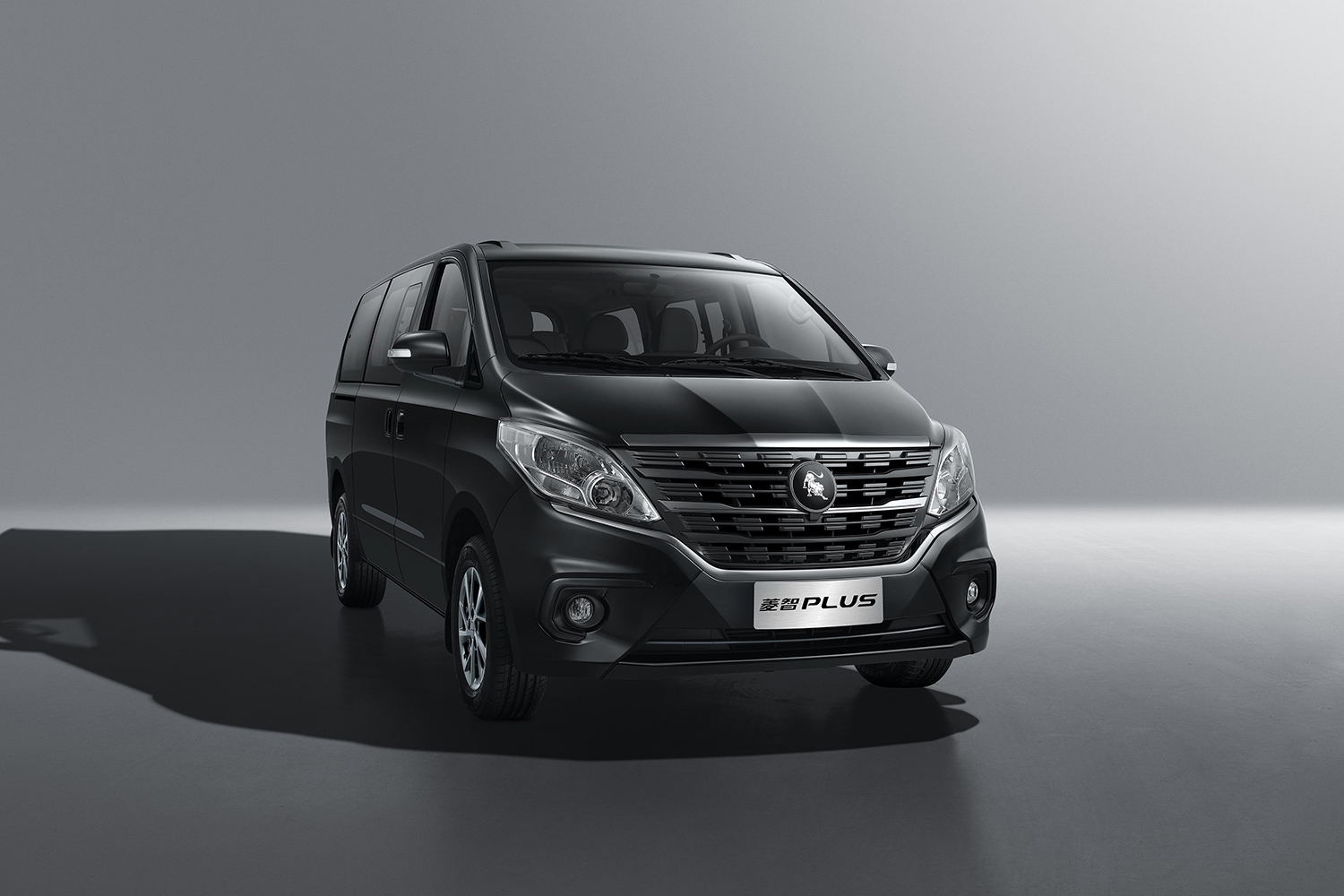
At a glance
- The Lingzhi combines compact MPV packaging with configurable passenger layouts.
- M3, M3L, M5 and M5L cover several body and seating concepts.
- The range uses petrol powertrains with multiple displacement and turbo options.
- Exact price, MOQ and availability must be read from each live listing.
- RHD availability, homologation and import suitability require unit-level confirmation.
Why the Dongfeng Fengxing Lingzhi matters for export markets
The Lingzhi is positioned as a compact, combustion-powered multi-purpose vehicle for buyers needing passenger flexibility without moving to a large van or premium people carrier. Its appeal comes from a family-car footprint with five-, seven- or nine-seat layouts across M3, M3L, M5 and M5L versions. This suits small distributors, hotel and airport transfer operators, executive drivers, and community transport businesses seeking a practical alternative to a sedan. Buyers must still verify passenger-transport rules, load ratings and equipment for local use before committing a vehicle to commercial service in their market.
Export interest is strongest where buyers value configurable seating, straightforward petrol operation and a lower-complexity vehicle than an electric minivan. The Lingzhi can serve as a workhorse for hotel shuttles, school or staff transport where regulations permit, light commercial passenger duties, and family use where a larger sedan is impractical. For fleet managers, the important question is not simply whether it has seven seats; it is whether the chosen body, seat layout, equipment and local approvals match the actual service. This prevents a suitable-looking MPV from becoming an unsuitable commercial asset.
The model’s export proposition also rests on China’s broad vehicle manufacturing base, which can support mixed configurations for dealer-led distribution. A distributor may stock several seating and equipment grades, while a fleet buyer can focus on a single repeatable specification for shuttle, rental or staff use. However, export readiness is not the same as domestic readiness: lighting, emissions, safety labelling, steering position and service arrangements must be checked for the destination. The brand hub is a starting point for model background, not a substitute for destination-market approval and compliance review.
- Flexible seating for mixed passenger duties
- Petrol focus suits charging-limited markets
- Local approvals decide commercial suitability
Model range, trims and powertrain variants: how the lineup is structured and how to choose
The lineup is easiest to read by separating body family, seating and powertrain. M3 and M3L denote one family, while M5 and M5L cover another, with “L” commonly indicating the extended version in relevant names. Titles also identify Utility, Base, Comfort, Luxury and Special Edition grades, but naming and equipment can change between model years. A buyer should therefore treat a listing title as a search label, then use the build sheet and production plate to confirm the exact body, seat count, wheelbase and equipment before final payment is released.
Engine choices visible across the range include 1.5L, 1.6L and 1.5T applications, alongside manual transmissions on certain listed versions. The listings do not support one universal Lingzhi specification, so engine output, torque, gearbox type, fuel and drivetrain should be confirmed for each unit. Short- and long-wheelbase descriptions also affect loading access and interior packaging. If power, fuel economy or towing is central to the purchase, request the exact technical sheet rather than extrapolating from the displacement badge or a similar model year. The same rule applies to any special edition.
Seat layout should follow the mission rather than the badge hierarchy. Five-seat M5 utility versions suit cargo-carrying or executive transport needs; seven-seat M3L and M5L derivatives prioritize passenger capacity; and a nine-seat Lingzhi PLUS example shows the upper capacity end of the range. For commercial passenger work, also verify seatbelt design, luggage accommodation, air conditioning and any required accessibility or child-seat provisions. A more luxurious trim may improve cabin comfort, but it does not by itself establish better payload, safety compliance or commercial suitability for the intended operating market locally.
- M3/M3L and M5/M5L body families
- 1.5L, 1.6L and 1.5T labels
- Confirm gearbox and dimensions by unit
New vs used Dongfeng Fengxing Lingzhi: how export inventory is structured and how buyers choose
Export inventory should be read as a catalogue of individual vehicles rather than a single homogeneous Lingzhi offer. Listings can differ in model year, body family, seating, engine label, wheelbase, equipment grade and documented condition. This structure lets a dealer compare several specifications without buying blindly, but it also means that an attractive family-level price or feature description is not enough. The vehicle’s own title, build sheet, photographs, identification data and seller-confirmed condition must agree before a buyer treats it as an orderable unit before it enters the destination market.
New vehicles are generally the simpler route when a buyer wants a current model-year specification, known equipment from the outset and a clearer chain of ownership. They can simplify fleet standardisation because several units can be ordered to the same written configuration, subject to the seller’s production and allocation. New does not mean automatically compliant or fit for purpose, however. Buyers still need to confirm emissions version, steering side, optional equipment, delivery documents and local homologation. The advantage comes from reduced configuration uncertainty, not from exemption from destination-market duties and inspections.
A used Lingzhi can make sense when acquisition cost matters more than model-year uniformity, especially for a fleet operator willing to manage the asset directly. The trade-off is additional uncertainty: mileage, service history, accident repair, wear, corrosion, equipment condition and title documentation all require evidence. A clean cabin photograph cannot establish mechanical condition. Ask for an independent inspection, maintenance records where available, a current production-plate or VIN check, and disclosure of modifications. Exact used-unit availability is not assumed; buyers should use ChinaCarDirect’s live Lingzhi listings and filter for the condition displayed.
- Compare each unit’s build sheet
- New reduces configuration uncertainty
- Used vehicles require condition evidence
How export pricing works: the factors behind a live listing price, and how to read one
A live Lingzhi price is a vehicle-specific starting point, not a fixed market tariff. The seller builds it around model year, body and trim, seating, engine and transmission, wheelbase, mileage or condition, and included accessories or service items. Equipment can also separate otherwise similar examples. Buyers should compare like with like: a lower asking price for a different year, powertrain, seat count or condition is not evidence of a bargain. Check the displayed MOQ, availability status and included documents. ChinaCarDirect’s live Lingzhi listings are the source for the current per-unit figure.
Export cost can be built above or alongside the vehicle price, depending on the agreed Incoterm and payment scope. Freight, marine insurance, port handling, inland transport, export documentation, destination charges, customs duties and taxes may sit outside the displayed figure. Exchange-rate movements can also affect a quote made in another currency, and a container consolidation changes the freight allocation. Ask if the quote includes preparation, loading, sea freight, insurance and destination charges, or only the vehicle at the handover point. A landed-cost worksheet is more useful than the lowest headline amount.
Read the live listing as a structured quotation, not just a number and photograph. Confirm currency, seller, model year, trim wording, seat count, engine label, transmission, condition, mileage where applicable, VIN or production-plate details, and whether the price is negotiable. Also check the displayed MOQ, availability status and included documents. Then reproduce the same quote in writing with the Incoterm, payment milestones, inspection rights and deadline for validity. If terms differ between units, ask the seller to explain the difference rather than assuming that every similarly named M5L is equivalent.
- Compare year, trim and condition
- Separate vehicle price from landed cost
- Verify currency, MOQ and validity
MOQ, ordering and payment: single units vs consolidating a container
MOQ is the seller’s minimum order quantity for a particular listing, not a permanent rule for the Lingzhi model. Some unit-based offers can be purchased individually, while other arrangements may require several vehicles or a full shipment allocation. The quantity shown against each live listing is the transaction starting point. A dealer buying to stock may accept a higher MOQ in exchange for a consistent configuration; a fleet or test buyer may prefer one vehicle before committing to a larger order. Never infer either flexibility from the model name alone.
Single-unit purchasing is useful for market testing, a company shuttle, a rental pilot or a dealer’s first sample order. It reduces inventory exposure and allows the buyer to assess real-world loading, comfort, fuel use and parts support before scaling. Several trims can also be bought as display vehicles, although each unit may carry separate terms. For consolidation, compare mixed units that share dimensions and destination handling requirements, obtain written permission for non-standard combinations, and document who owns the units before loading. A lower per-vehicle freight rate does not justify mixing incompatible specifications.
Payment structure should mirror risk and documentation. A workable sequence separates an order deposit, inspection or production evidence, balance payment and release against shipping documents, but milestones must be agreed in writing. Confirm the legal seller, invoice, currency, bank charges, cancellation terms and export-customs responsibility. For a larger order, tie final payment to verified vehicle identity and inspection rights rather than only a model name. Use the RFQ process to request one written quotation per configuration, with a stated quote-validity period and every charge either included or explicitly excluded.
- Read MOQ on every listing
- Pilot one vehicle before scaling
- Link final payment to inspection
Shipping, homologation and market compliance caveats: LHD/RHD and import rules by country
Complete vehicles are commonly moved by specialist roll-on/roll-off shipping, with container transport possible only when a vehicle and its handling requirements fit the carrier’s accepted configuration. Export planning starts with production-plate or VIN identity, ownership documents, export eligibility, booking acceptance and the loading location. Transit cost and duration depend on origin and destination ports, vessel space, sailing schedule, transshipment, terminal handling, congestion, weather and inland delivery—not merely distance. Request an all-in freight proposal and identify the handover point before comparing quotations from different forwarders or accepting a nominal freight figure.
Steering configuration is a critical sourcing question. Chinese-market Lingzhi vehicles are commonly encountered with left-hand drive, while right-hand-drive availability must be checked for the specific unit rather than assumed from the brand or model year. For RHD markets, obtain written confirmation of steering position, instrument cluster, lighting, mirrors, climate controls and any other affected equipment before payment. A conversion may be technically and legally possible in some circumstances, but it can alter cost, warranty, conformity and safety; never treat an informal “convertible” note as destination-market approval in the importing country.
Import rules are country-specific and may include age limits, emissions and noise standards, safety requirements, customs valuation, duties, taxes, VIN checks, inspection, type approval and commercial-passenger restrictions. A China V or China VI label shown in the listing describes a Chinese emissions classification; it is not automatic evidence of acceptance elsewhere. Buyers should obtain a written homologation assessment from a local vehicle specialist or customs adviser before committing. The same caution applies to insurance, registration, financing and resale, because imported-unit rules can alter legal status and commercial economics for the vehicle.
- RoRo is the usual export mode
- Confirm LHD or RHD in writing
- China V/VI is not local approval
Who should buy the Lingzhi — and who should pick a different vehicle
The Lingzhi fits a distributor or operator prioritising seating flexibility, a compact footprint and petrol convenience rather than premium refinement or electric range. It suits a repeatable seven-seat shuttle specification, a mixed five- and seven-seat fleet, or a nine-seat vehicle where passenger rules permit. Dealers can use one platform to cover family, light commercial and executive transport demand, provided trim levels remain commercially distinct. The strongest case is a clear use matched to a verified configuration, not an assumption that Chinese MPVs are automatically cheaper to operate in the target market.
Small fleet operators can gain from repeatable purchasing, shared spare-part references and simpler driver familiarisation across M5 utility or M5L comfort derivatives. A dealer may stock base vehicles for price-sensitive customers and luxury versions for operators who value cabin presentation, while a nine-seat derivative can serve premium group transport. These decisions should be tested against local running costs, fuel availability, expected residual values and service support. Because the Lingzhi may be less familiar than established domestic nameplates, maintenance intervals, parts lead times and workshop capability deserve attention before scaling the order.
It is a poor fit for buyers whose core requirement is battery range, rapid charging, emissions-zero operation, off-road capability, premium refinement, heavy towing or a guaranteed high payload. It may also be unsuitable where only fully homologated late-model vehicles are eligible, where RHD support cannot be documented, or where a large dealer network is essential. Electric vans and purpose-built commercial vehicles can serve those needs more directly. The Lingzhi is most persuasive when its passenger capacity and operating simplicity outweigh the uncertainties around homologation, residual value and after-sales provision in advance.
- Best for configurable passenger fleets
- Consider electric vans for zero-emission needs
- Avoid where local parts support is weak
Main rivals and how the Lingzhi compares
JAC Refine M3 is the closest conceptual alternative for buyers focused on a compact Chinese-built people carrier with several seating choices. It competes on the same practical brief, not prestige, so the decision should turn on the exact seat layout, engine and transmission, boot usability, equipment, local homologation and parts support. The Lingzhi may be attractive where its particular M3L or M5L specification meets fleet needs, but neither name guarantees lower operating costs. Request equivalent build sheets and landed quotes before choosing. Do not let a model badge decide the order.
GAC Trumpchi M6 offers another credible direct MPV comparison, particularly for seven-seat family, shuttle and light-commercial use. It may suit a buyer seeking a different local badge, specification or dealer proposition, while the Lingzhi offers its own mix of utility, comfort and luxury derivatives. Compare actual luggage capacity with passengers aboard, visibility, air conditioning, seat comfort and serviceability in local conditions. Engine performance and fuel economy should be assessed from verified specifications, not displacement alone. Parts support, warranty handling and financing availability may prove more decisive than the vehicle badge.
Baojun 730 is a more conventional compact MPV alternative for buyers comparing a simpler seven-seat package with the Lingzhi’s broader body and trim choices. It can suit families or small operators seeking straightforward packaging, while Lingzhi buyers may prioritise a particular luxury grade, long-wheelbase option or nine-seat derivative. The final choice should use a weighted scorecard covering capacity, equipment, safety data, verified powertrain, freight, compliance, parts and expected resale. Comparing current quotes for equivalent units is more reliable than assuming one brand delivers better value in every importing country consistently.
- JAC Refine M3: compact MPV alternative
- GAC Trumpchi M6: seven-seat rival
- Baojun 730: simple MPV benchmark
Live Dongfeng Fengxing Lingzhi export inventory
View all listings →Real units currently on ChinaCarDirect with per-unit asking prices and MOQ. Availability updates live from the catalogue.
Dongfeng Fengxing Lingzhi PLUS 2021 Wagon 2.0L Manual Comfort 7-Seater
Dongfeng Fengxing Lingzhi PLUS 2023 2.0L Manual Luxury CNG 7-seater
Dongfeng Fengxing Lingzhi New Energy 2025 420km EV City Transport 5-seater
How to buy a Dongfeng Fengxing Lingzhi from China
-
1
Define the destination and operating duty
Specify the importing country, steering side, passenger count, fuel availability, route and intended use. Check local commercial-passenger restrictions before narrowing the search.
-
2
Compare equivalent live inventory
Use the live Lingzhi listings to compare model year, body family, seating, engine label, wheelbase, condition and equipment. Treat each listing as a separate vehicle rather than a uniform catalogue offering.
-
3
Request the unit dossier
Ask for the full vehicle name, build sheet, production-plate or VIN details, photographs, options, condition and mileage where applicable, plus available ownership and export documents.
-
4
Validate condition and compliance
Commission an independent inspection for a used vehicle and obtain a destination-specific homologation assessment. Confirm lighting, emissions, safety equipment, steering configuration and commercial-use rules.
-
5
Request a written landed-cost quotation
Ask for the per-unit price, currency, MOQ, payment milestones, Incoterm, freight basis, insurance and included charges. Separate vehicle cost from freight, handling, duties and destination expenses.
-
6
Complete the order safely
Verify the legal seller, invoice and ownership information. Tie final payment to the correct vehicle identity, satisfactory inspection and receipt of agreed supporting documents.
-
7
Book freight and clearance
Engage a forwarder experienced with the selected route, confirm cargo acceptance and insurance, and coordinate export and destination customs. Retain the production plate, VIN, bill of lading and customs records with the vehicle file.
Lingzhi vs rivals
| JAC Refine M3 | The Refine M3 is a close compact-MPV alternative for buyers prioritising practical seating and equipment rather than prestige. Compare the actual Lingzhi and Refine specifications for capacity, powertrain, local approval, parts support and landed cost. |
|---|---|
| GAC Trumpchi M6 | The Trumpchi M6 competes directly for seven-seat family, shuttle and light-commercial use. The Lingzhi may offer a broader selection of utility, comfort and luxury derivatives, but verified aftersales support and availability in the destination market remain decisive. |
| Baojun 730 | The Baojun 730 provides a simpler compact-MPV benchmark for buyers focused on straightforward seven-seat packaging. The Lingzhi may be preferable where a particular luxury grade, long-wheelbase body or nine-seat configuration meets the fleet requirement. |
Frequently asked questions
How is the Dongfeng Fengxing Lingzhi export price determined?
A live price reflects the specific vehicle’s year, trim, seating, engine and transmission, wheelbase, condition and included items. Freight, insurance, handling, duties and taxes may sit outside the displayed vehicle price depending on the Incoterm. Check the current per-unit quote in ChinaCarDirect’s live Lingzhi listings and request a written landed-cost breakdown before paying.
Is the Lingzhi electric, and what engine options are available?
The export range represented in the listings is petrol-powered rather than a battery-electric MPV, so there is no battery capacity or driving-range figure to use. Titles identify 1.5L, 1.6L and 1.5T applications, with manual versions on certain listings. Confirm output, torque, gearbox, fuel, drivetrain and emissions from the exact unit’s build sheet.
Should I buy a new or used Dongfeng Fengxing Lingzhi?
New vehicles generally reduce configuration uncertainty and can support a consistent fleet specification, but they do not remove import-compliance checks. Used vehicles may suit budget-conscious buyers who accept condition, mileage, repair-history and documentation risk, subject to inspection and title verification. Current condition and availability must be checked on each live listing rather than assumed from the model family.
What is the MOQ for Lingzhi orders?
MOQ is set per listing or seller and can permit one unit or require a larger batch; it is not a permanent model-wide rule. A buyer can request a single unit for testing or consolidate several units if the seller accepts the configuration. Read the MOQ on the live listing and repeat it in the written order and quotation before paying.
How long does shipping take, and what changes the cost?
Transit time and freight cost depend on the loading point, destination port, vessel schedule, space, transshipment, terminal handling, congestion, weather, insurance and inland delivery. Complete vehicles commonly move by roll-on/roll-off carrier, subject to booking and route acceptance. Ask the freight provider for a current route-specific quotation with the Incoterm and handover point stated.
Can spare parts be ordered for the Lingzhi?
Parts can usually be ordered by exact vehicle family and production code, but availability and lead time depend on the supplier and destination. Before buying, request the build sheet, identify commonly serviceable components and check whether a local workshop or regional distributor supports that configuration. Keep the production-plate or VIN details with every parts order to reduce mismatch risk.
Is a right-hand-drive Lingzhi available for export?
Chinese-market Lingzhi vehicles are commonly left-hand drive, while RHD supply must be checked for the specific listing and production batch. Ask in writing for steering position, instrument cluster, lighting, mirrors and climate-control details, and obtain local approval before assuming a conversion is lawful. Do not rely on a photograph or an informal statement that a vehicle can be converted.
How do I order a Dongfeng Fengxing Lingzhi from China?
Start with the live Lingzhi inventory, compare equivalent configurations and request an RFQ for the vehicle or consolidated order you need. The seller should provide identity and build documents, a specification sheet, condition evidence, a live price, MOQ, payment milestones and Incoterm. Verify compliance and inspection arrangements, then complete payment and freight booking only against the agreed written terms.
Ready to source the Dongfeng Fengxing Lingzhi?
Request a unit-specific Lingzhi quotation from ChinaCarDirect with your destination, seating, engine and compliance requirements.
Request a quote