
Dongfeng Fengxing S500 Export Guide for Overseas Buyers
Buy a Dongfeng Fengxing S500 from China with expert guidance on trims, export pricing, MOQ, shipping, compliance, rivals and sourcing for importers.
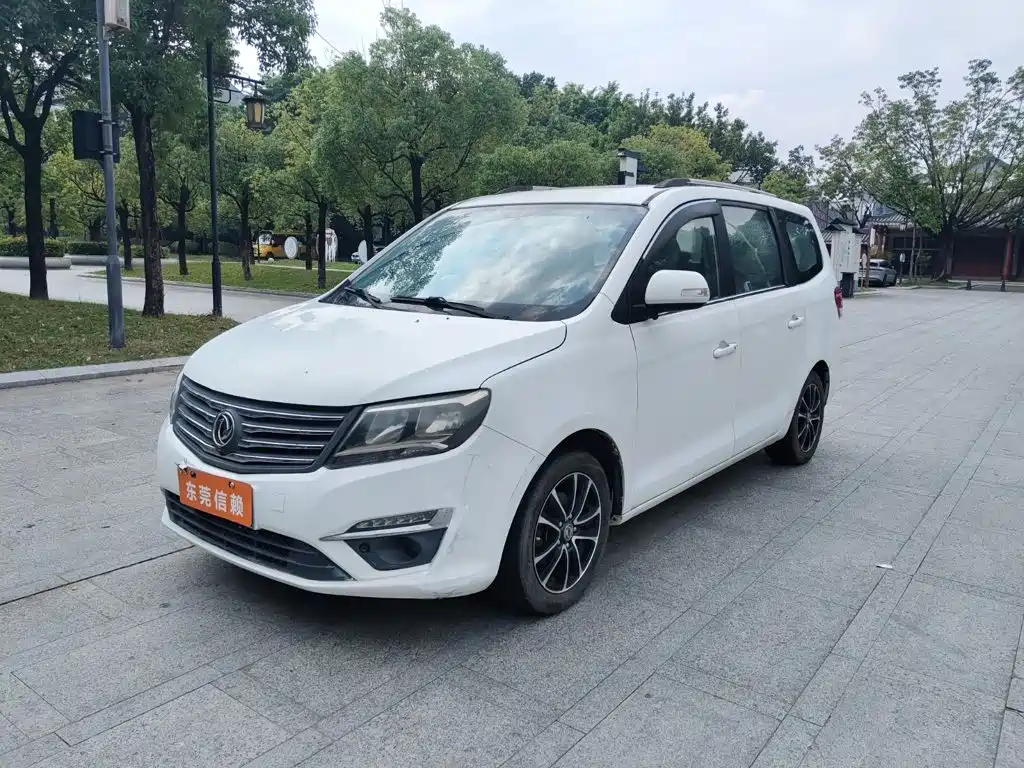
At a glance
- The S500 is a compact gasoline SUV with 1.5L and 1.6L engine choices and manual or CVT transmissions depending on trim.
- Its export case rests on straightforward ownership, regional fleet suitability and disciplined unit-level inspection.
- Model year, trim, condition and included services can materially change a live quote.
- Current price, MOQ and availability should always be confirmed on the live ChinaCarDirect listing.
- LHD/RHD configuration, homologation, parts support and landed freight must be settled before shipment.
Why the Dongfeng Fengxing S500 matters for export markets
The Dongfeng Fengxing S500 occupies a practical corner of the export SUV market: a compact, gasoline-powered model offered with 1.5-litre and 1.6-litre engines. For overseas dealers and fleet buyers, its attraction is not headline technology but accessible packaging, familiar mechanical layouts and a specification hierarchy that can be matched to labour cost, road conditions and local running-cost expectations. It is especially relevant where buyers want a straightforward internal-combustion vehicle rather than an EV. The model should be assessed on documented condition, parts support and suitability for the destination, rather than on the badge alone.
In markets where used vehicles are imported for resale or fleet use, an older S500 can be attractive as an affordable daily carrier. That case is strongest when the vehicle has been selected carefully, has clear service history and can be supported by a parts plan. It is weaker when the importer expects modern crash protection, electronic reliability or low-maintenance operation without checking a specific unit. Dealer buyers should treat age as a sourcing variable that affects price and risk, not as a proxy for quality under the same inspection standard.
Global demand for the S500 is therefore best understood as demand for a straightforward regional-market SUV. Its strongest audience may include independent garages, small rental operators, employers buying employee transport and importers serving price-sensitive used-car channels. Those buyers need parts availability, steering compatibility and repair simplicity more than a long equipment list. Before entering the segment, compare the S500 with locally familiar models on fuel use, service intervals, spare-part lead times and the resale support your workshop can actually sustain. It is a vehicle to scale carefully, not buy blindly on catalogue presentation.
- 1.5L and 1.6L gasoline choices
- Manual or CVT, depending on trim
- Unit-level inspection remains essential
Model range, trims and powertrain variants: how the lineup is structured and how to choose
The export-facing lineup is straightforward. Four naming combinations describe the main choices: 1.5L Manual Luxury, 1.5L Manual Comfort, 1.6L Manual Premium and 1.6L CVT Premium. This structure separates displacement, gearbox and equipment grade, allowing buyers to avoid paying for a higher specification than their operation can use. Equipment details should still be checked in the live listing and inspection report, because a trim name alone does not prove the presence of a specific feature. It also does not establish whether the vehicle is configured for the destination market or road use.
Manual versions generally appeal to buyers who value mechanical simplicity, straightforward servicing and predictable operating behaviour. They may be a sensible fit for markets where automatics are less familiar, repair skills are manual-based, or vehicles work long hours with access to competent garages. The trade-off is driver workload in dense traffic. A CVT-equipped S500 can reduce that burden and suit fleets with many drivers, but buyers should confirm its condition, service record and local repair capability before treating the gearbox as a convenience upgrade on a test drive and documented inspection.
The 1.5L and 1.6L engines should be treated as a choice of operating character and availability, not as a promise of performance figures. The 1.6L options provide another displacement tier for buyers who prefer it, while the 1.5L variants provide the entry point into the nameplate. Because published power, torque, fuel-consumption and equipment data can vary by market or specification, verify the live listing and ask for the engine number, emissions information and any service documentation before placing a firm order. A signed inspection sheet helps resolve those checks before payment.
- Four principal trim combinations
- Manual and CVT operating trade-offs
- Verify equipment and outputs per unit
New vs used Dongfeng Fengxing S500: how export inventory is structured and how buyers choose
Inventory labels and model age are two different sourcing variables. A marketplace condition category can describe how a vehicle is being sold, while the production year still determines age-related depreciation and repair risk. Buyers should therefore read both fields on every S500 listing rather than assuming that “new” means a current-production vehicle or that an older year automatically means a used-car opportunity. The live inventory should be treated as a set of individual vehicles with distinct histories. Never use one label to substitute for an inspection, title check or service review.
Newer or newer-looking inventory is generally preferable when the buyer wants the shortest wear cycle, current equipment and fewer ageing concerns, but a low purchase quote can be offset by freight, compliance work and expected downtime. Older units may suit a narrower brief: a proven platform, a known trim and a competitive acquisition cost for fleet use. That value depends on condition, remaining service life and resale prospects in the destination. A used vehicle should never be accepted on odometer reading alone. Inspect bodywork, tyres, fluids, restraint systems and service history.
S500 buyers should structure a comparison by total operating expectation. For a dealer, resale speed and workshop support may outweigh the lowest acquisition figure. For a fleet operator, uptime, fuel consumption and parts availability may dominate. For an individual importer, simplicity of ownership and suitability for local repair networks become more important. Because condition categories can vary between marketplaces, use the same inspection checklist for every unit and ask for photographs, documents and a mechanic’s report before comparing offers. That approach keeps a catalogue label from hiding unit-specific repair or compliance costs.
- Condition and production year differ
- Used units suit defined fleet briefs
- Inspect every vehicle consistently
How export pricing works: the factors behind a live listing price, and how to read one
An S500 export quote is a combination of vehicle value and transaction variables, not a permanent model price. The starting point normally reflects model year, trim, engine and transmission, then condition, mileage, ownership history and the quality of the available evidence. Where cars differ materially in condition, two vehicles carrying the same trim label should not be expected to receive identical valuations. A disciplined buyer compares like with like and asks the seller to identify every assumption behind the displayed amount, including whether freight, tax or export paperwork is included in writing.
The final landed cost also responds to exchange-rate movement, freight method, route distance, insurance, port charges and the Incoterm selected. Ro-Ro and container shipping can produce different handling requirements and cost structures; container consolidation may spread fixed charges across several vehicles but adds loading and slot coordination. Local duty, VAT or equivalent taxes are normally the importer’s responsibility and can change the effective cost even when the vehicle quote appears unchanged. Record the currency, quote validity and calculation basis in writing. A quoted vehicle price is not automatically a landed, duty-paid price.
To read a live listing correctly, start with the unit identifier, model year and exact trim, then compare condition photographs, mileage disclosure and seller notes. Move to the commercial fields: asking currency, stated minimum order, Incoterm, destination port and what is included in documents. Ask for an itemised quotation if the page does not make those points clear, and use the same checklist on competing vehicles. Exact price, minimum order and availability are shown on each live ChinaCarDirect listing and should be reconfirmed before contractual commitment or order for the intended destination.
- Year, trim, condition and mileage matter
- Freight and Incoterm change landed cost
- Check current figures on the live listing
MOQ, ordering and payment: single units vs consolidating a container
Minimum-order mechanics should be checked on the specific listing rather than inferred from the model name. Some vehicle lines are offered one unit at a time, allowing a dealer to test demand before committing to a full container; other arrangements may require a batch or a seller-approved consolidation plan. The displayed MOQ for each live unit is the operative commercial term at that moment. Buyers should confirm whether it counts vehicles, mixed trims or another booking unit, and whether the threshold applies before or after payment in the final contract in writing.
For a single-unit purchase, the process is relatively direct: select the vehicle, confirm its specification and condition, accept the commercial terms, provide the agreed payment, complete document checks, and release the shipment. For several vehicles, create one order sheet that identifies each unit or trim, repeats the price basis, states the MOQ, sets inspection requirements and defines the shipping date. Consolidation can improve freight planning and reduce repeated handling, but mixed condition grades or destinations should be separated logically to avoid claims and clearance delays before the booking is finalized in writing.
Payment terms deserve precise documentation. The buyer should know the deposit, balance trigger, payment currency, beneficiary details, cancellation conditions and treatment of inspection failures. Funds should be transferred only through the agreed seller or intermediary channel, with invoices and receipts retained for banking, customs and insurance purposes. If third-party finance or deferred payment is required, confirm whether the seller supports it and what additional cost applies. Never rely on informal messages to define a refund or guarantee; attach agreed terms to the purchase contract before releasing the balance payment in full.
- MOQ appears on each live listing
- Single and consolidated bookings differ
- Define deposits, balances and refunds
Shipping, homologation and market compliance caveats: LHD/RHD and import rules by country
Steering configuration is an early filter, not a closing detail. An S500 built for left-hand-drive markets cannot simply be assumed suitable for right-hand-drive operation, and some destinations require a specific regional version rather than a converted car. Ask the seller to state the steering side, then verify it from clear photographs, the VIN and supporting documents. Where a factory-built RHD example is required, wait for a matching unit rather than approving a conversion that has not been properly assessed. Conversion work can also affect insurance, warranty and compliance in that market.
Import requirements vary by country and can include VIN and title checks, customs valuation, emissions rules, roadworthiness inspection, safety or equipment standards, and age restrictions on used vehicles. Local taxes may be calculated on the vehicle, engine capacity, options or another customs basis, so the importer should obtain a written assessment rather than rely on an online estimate. Dealer status and a recognized importer may be necessary for commercial quantities. Compliance should be mapped before payment because alterations, paperwork problems or rejected cargo can be expensive and slow to resolve locally.
Shipping choice affects both cost and vehicle condition. Ro-Ro handling is commonly used for vehicles moving on their wheels, while container shipping can offer greater physical protection but requires suitable loading equipment and securement. Break-bulk cargo, specialist trailers and enclosed transport are additional options, each with different capacity, route and price implications. Sea transit, port handling, inland haulage, insurance and destination charges all influence the schedule; port congestion or inspection holds can extend it. Never promise a delivery date until the carrier or forwarder has confirmed the booking and supporting documents before release.
- Confirm LHD or RHD configuration
- Check homologation and age rules
- Price freight and delivery risk
Who should buy the S500 — and who should pick a different vehicle
The S500 is a strong candidate for an importer seeking a compact, conventional gasoline SUV with manual or CVT options and a straightforward service proposition. It can suit small dealerships building a mixed fleet, regional rental operators and workshops that already understand the model’s mechanical layout. The decision is strongest when the buyer has a reliable destination workshop, access to the relevant trim and a clear plan for residual values. A low acquisition price alone cannot compensate for unavailable parts or unsuitable local rules or a mismatch with import law and compliance.
A different vehicle is preferable when comfort, safety technology, towing, ride height, emissions compliance or brand-level residual support has greater importance than acquisition simplicity. Buyers needing a modern hybrid or battery-electric model should choose a dedicated electrified vehicle rather than assume the S500 offers such a powertrain. High-mileage commercial users should weigh warranty availability and downtime against any purchase saving. Very large-load operators may also need a vehicle with verified payload and towing figures; those figures must come from the exact listing and documents, not from the model name or seller description alone.
Before committing, create a shortlist that tests the S500 against the actual operating brief rather than against abstract rivals. Compare fuel consumption measured or stated for comparable units, availability of tyres, fluids and service items, workshop familiarity, driver comfort and expected downtime. Then test whether the proposed steering configuration and homologation route fit the destination. If the S500 passes those checks and offers a competitive total cost, it can be a sensible fleet backbone. If one or two decisive requirements fail, moving to another model is usually cheaper than accepting a poorly supported vehicle.
- Strong conventional fleet fit
- Needs local workshop support
- Mismatched needs favour other models
Main rivals and how the S500 compares
JAC S3 is one of the closest Chinese compact-SUV alternatives to investigate, particularly for buyers already considering older domestic-style vehicles from the same broad price and age bracket. Both names should be compared through actual listings because trim, gearbox, condition and equipment vary. The S500 may offer a useful choice of 1.5L and 1.6L manual versions plus a 1.6L CVT; the JAC’s strongest fit may instead come from whichever configuration is locally supported and properly equipped in the destination. Availability and parts support can substantially reverse an initial specification preference for a buyer.
Haval M6 is relevant for buyers who want a compact SUV name with a more visible export presence and may accept a different engine and equipment proposition. Its buyer appeal often centres on brand familiarity, broader distributor awareness and the availability of newer generations in some markets. The S500 can still make sense where a particular 1.5L or 1.6L manual vehicle is competitively presented and supported by the seller. Compare safety equipment, fuel use, warranty, parts and real landed cost rather than assuming the newer-looking rival is automatically better in every market.
Chery Tiggo 4 represents a more modern compact-SUV alternative that buyers may shortlist when technology, design and wider international recognition matter more. It can offer newer vehicle generations and, depending on the market, a different selection of safety and convenience equipment. The S500’s case is strongest for buyers prioritising a simpler conventional purchase and a specific older-unit opportunity, especially with manual transmission. Neither badge guarantees affordability, so the final comparison should be made between inspected, destination-compliant vehicles and equivalent landed-cost scenarios, including warranty, parts and expected resale performance in the destination market.
- JAC S3: close Chinese alternative
- Haval M6: visible export presence
- Chery Tiggo 4: newer technology option
Live Dongfeng Fengxing S500 export inventory
View all listings →Real units currently on ChinaCarDirect with per-unit asking prices and MOQ. Availability updates live from the catalogue.


How to buy a Dongfeng Fengxing S500 from China
-
1
Define the destination requirements
Confirm the destination country, LHD or RHD requirement, road type, load needs, fuel standard and applicable import rules before choosing a vehicle.
-
2
Shortlist live S500 inventory
Use the live S500 search to compare model year, exact trim, engine, transmission, condition, steering side and seller information.
-
3
Compare the exact specification
Review photographs, mileage, equipment, documents and any disclosed defects. Ask for missing specifications rather than assuming they are present.
-
4
Request an independent inspection
Have a qualified inspector or local workshop check the engine, transmission, bodywork, tyres, fluids, restraints and service history.
-
5
Obtain an itemised export quote
Request the currency, unit-level price, MOQ, Incoterm, freight basis, port charges, insurance, documentation and payment schedule in writing.
-
6
Lock the contract and payment terms
Record the selected vehicle, deposit, balance trigger, beneficiary details, inspection conditions, cancellation terms and refund procedure before transferring funds.
-
7
Book shipping and prepare clearance
Use a qualified forwarder to confirm the transport method, booking, insurance, export documents and destination charges before vehicle release.
S500 vs rivals
| JAC S3 | A close Chinese compact-SUV alternative for buyers evaluating vehicles from a similar age and price bracket. The stronger choice depends on the available configuration, condition, parts network and landed cost of the specific units. |
|---|---|
| Haval M6 | Often attractive to buyers prioritising brand familiarity and a more visible export presence. The S500 can remain competitive when a suitable 1.5L or 1.6L unit is well presented and supported in the destination. |
| Chery Tiggo 4 | A more modern, technology-led compact-SUV option for buyers who prioritise newer design, safety equipment and international recognition. The S500 offers a more conventional acquisition route for value-focused fleet and dealer buyers. |
Frequently asked questions
How is Dongfeng Fengxing S500 export pricing determined?
The live quote reflects variables such as model year, trim, engine, transmission, mileage, condition, documentation and available inventory. Freight, insurance, exchange rates, port charges, taxes and the selected Incoterm affect the landed cost. Current per-unit pricing and availability are shown on the live ChinaCarDirect listing.
What engine and transmission options does the S500 have, and does it have electric range?
The export lineup is represented by 1.5L and 1.6L gasoline engines paired with manual or CVT transmissions, depending on trim. These are internal-combustion configurations, so no battery, motor or electric-range specification applies. Confirm the exact engine output, fuel consumption and emissions information in the live listing.
Is a new-condition or used Dongfeng Fengxing S500 better?
A new-condition unit may reduce immediate wear concerns, but the production year still affects ageing and expected servicing needs. A used S500 can suit a fleet buyer when its condition, service history and total operating cost are attractive. Apply the same inspection and documentation standard to both.
How does MOQ work when ordering a Dongfeng Fengxing S500 from China?
MOQ is a commercial term that may vary by vehicle and seller, so it should be checked on the specific live listing rather than inferred for the model. Some sales may allow one-unit purchases, while container buyers may consolidate several vehicles under agreed terms. Confirm what the threshold counts and when it becomes binding.
What determines S500 shipping time and cost?
Transport method, route distance, vessel or trailer availability, port charges, insurance, Incoterm, documentation and destination handling all affect the result. Congestion, customs inspections or missing papers can extend the schedule. Ask the forwarder for a confirmed booking basis and current route-specific quotation.
Can spare parts for the Dongfeng Fengxing S500 be ordered with the vehicle?
Parts can generally be sourced separately, but compatibility depends on the exact vehicle, engine and trim. Provide the VIN, engine details and required part numbers before ordering, and confirm availability and lead time directly with the supplier. Include parts in the order only if the seller expressly accepts them.
Is a right-hand-drive Dongfeng Fengxing S500 available for export?
RHD availability depends on the live inventory and the destination market’s requirements; it should not be assumed from the model name. Ask the seller to confirm factory configuration with photographs and documents. If a factory RHD unit is required, do not approve an unassessed steering conversion.
How do I order a Dongfeng Fengxing S500 from China?
Start with the live S500 listings, shortlist exact units and send an RFQ stating the destination, steering side, preferred trim, quantity and required Incoterm. Request current price, MOQ, documentation, inspection and freight terms for those units. A written purchase contract and agreed payment schedule should precede shipment.
Ready to source the Dongfeng Fengxing S500?
Send your destination, steering requirement, preferred trim, quantity and Incoterm with an S500 RFQ for a current unit-level quotation.
Request a quote