
Dongfeng Fengxing Starlight V9 Export Buying Guide
Compare the Dongfeng Fengxing Starlight V9 for export, covering 200 km PHEV trims, camper options, pricing logic, MOQ, shipping and compliance.
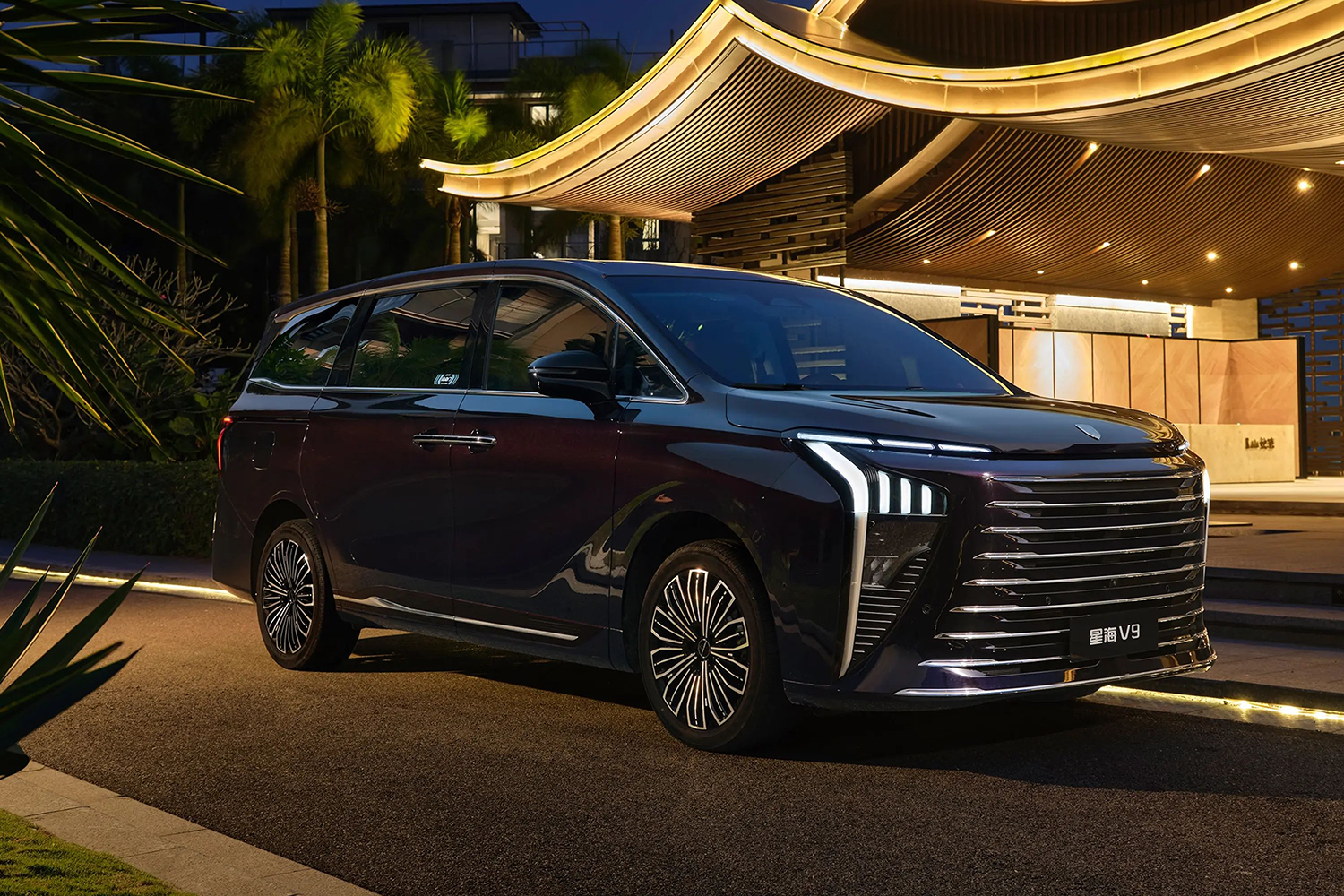
At a glance
- The Starlight V9 is a compact plug-in hybrid SUV with 200 km-designated versions suited to markets transitioning toward electrified transport.
- Its 1.5TD naming and Cloud Ladder, Chinese Knot and Beyond Joy series give importers a structured but feature-specific range to compare.
- A four-seat pop-top camper edition creates a specialist leisure and rental opportunity beyond ordinary SUV sales.
- Export quotes must be evaluated per SKU, separating vehicle cost from freight, insurance, duties, taxes and the selected Incoterm.
- LHD or RHD availability, local homologation and after-sales support should be confirmed before a firm order.
Why the Dongfeng Fengxing Starlight V9 matters for export markets
The Dongfeng Fengxing Starlight V9 enters export consideration as a compact plug-in hybrid SUV rather than another conventional combustion vehicle or a battery-only crossover. Its useful proposition is the combination of a 200 km electric-range designation with an internal-combustion powertrain, which can suit markets where workplace charging is improving but long journeys still need the reassurance of a second energy source. For an overseas dealer, that means assessing the vehicle as a transition platform for private, company-car and destination-tourism channels. Global buyer demand is likely to cluster where taxation, fuel access, charging networks and importer service capability reinforce one another, rather than where novelty alone attracts attention. Import decisions should still be driven by local rules and real-world use, not by the headline range alone.
The export-facing 1.5TD 200 km labels are central to understanding the model. They point to a plug-in hybrid offering with substantial electric-only operating potential, while the engine remains relevant where charging coverage is incomplete. For fleet and leisure buyers, the appeal is operational flexibility: routine urban use can lean toward electric propulsion, while the combustion unit supports longer routes. Do not treat “200 km” as a guaranteed real-world figure, however; ask for the test cycle, certification status and usable range of the exact vehicle before making a commercial comparison.
What distinguishes the Starlight V9 from many export listings is its choice of named series and a four-seat pop-top camper derivative. That camper version can open a specialist leisure, rental or motorhome-conversion conversation that a standard SUV cannot, while the Cloud Ladder, Chinese Knot and Beyond Joy labels cover different buyer-facing grade structures. Series names alone do not prove equipment levels, and translated labels can obscure what is standard or optional. An importer should compare the actual equipment list, seating layout and documents for each SKU before reserving a unit.
- Compact plug-in hybrid SUV positioning.
- 200 km export-range versions.
- Four-seat pop-top camper option.
Model range, trims and powertrain variants: how the lineup is structured and how to choose
Within the named Starlight V9 export derivatives, every highlighted version carries a 200 km range designation, including the 1.5TD Cloud Ladder, Chinese Knot and Beyond Joy versions. This makes range version a relatively simple first filter, but not a complete specification check. Range figures can be tied to different test cycles, onboard battery capacities, drive modes and market certification. Ask the seller to identify the battery version and certified electric range for the destination, then request the homologation document rather than relying on the trim title alone unaided.
The named configurations provide a useful commercial map: Cloud Ladder Series Premium, Chinese Knot Series Exclusive, Chinese Knot Series Luxury, Beyond Joy Series Comfort, Beyond Joy Series Luxury, and the four-seat pop-top camper. Their names imply relative positioning, but they do not reveal whether a buyer receives identical infotainment, safety equipment, upholstery or convenience hardware. Treat grade selection as a feature-and-budget decision supported by a line-by-line equipment comparison, not as a hierarchy that can be assumed from a translated label. Confirm whether each item is factory fitted or market optional.
The 1.5TD designation should be reconciled with the detailed powertrain sheet before an order is placed. In this context the vehicle is structured as a plug-in hybrid, but final transmission, drivetrain, battery capacity, motor output, charging connection and fuel type need to be verified for the selected SKU. If the 1.5TD unit is the diesel version normally associated with that label, local diesel availability, fuel standard and emissions rules become additional selection criteria. Request written confirmation rather than inferring those technical points from the listing name for your destination market.
New vs used Dongfeng Fengxing Starlight V9: how export inventory is structured and how buyers choose
New and used Starlight V9 units should be evaluated as different products with different risk profiles. A new vehicle normally offers the cleanest model-year alignment, factory warranty route and documented delivery condition, although the buyer may still need local registration work. A used plug-in hybrid can reduce acquisition and depreciation exposure, but introduces questions about battery health, engine service history, accident repair, software region and remaining manufacturer support. The export category is unit-based, so availability must be confirmed on the live inventory rather than assumed from historical patterns for the SKU.
For a new unit, ask for the production or model year, factory configuration, colour, optional equipment, warranty terms and evidence that the vehicle is intended for export. Also establish whether the range label and 1.5TD powertrain match the certification package in the destination country. A recent model year alone does not prove local approval, particularly where emissions, safety or charging rules differ from China. Buyers should obtain photographs, a signed specification sheet and a clear condition statement before paying a non-refundable deposit through an unverified intermediary or relying only on catalogue imagery.
A used example can suit a buyer seeking a lower entry cost, a specific camper conversion or an immediately available display vehicle, but only after a stricter inspection. Ask for battery state-of-health evidence where measurable, high-voltage system diagnostics, maintenance invoices, original keys, warning-light history and evidence of repair quality. Check whether the software, charging equipment and on-board equipment suit the destination, and confirm that used-import age, emissions and inspection rules do not disqualify it. Total cost must include likely battery or major-component risk, not only the acquisition difference per vehicle.
- New units prioritize condition and warranty.
- Used units require hybrid and provenance checks.
- Live inventory determines current availability.
How export pricing works: the factors behind a live listing price, and how to read one
An export price is not one fixed factory figure. It is the result of the selected model year, trim or series, 200 km powertrain specification, production timing, colour and option content, and whether the vehicle is new or used. Condition, mileage and repair history move a used-vehicle quote, while exchange rates and the seller’s commercial terms affect the base. Freight, marine insurance, terminal handling, inland delivery, duties, taxes and compliance work are then added or assigned according to the chosen Incoterm. Buyers should therefore separate vehicle cost from landed cost.
When reading a live Starlight V9 listing, look first for the complete vehicle name and SKU, then verify model year, series, range version, seating, condition and any camper body treatment. Check whether the displayed amount is the seller’s vehicle price or a delivered estimate, and whether freight, insurance, tax, customs clearance and local registration are included. A quote should also state the validity period and payment currency. If two listings look similar, the decisive differences may be production year or equipment rather than cosmetic trim naming on the quote.
Exchange-rate movements can alter an overseas quote even when the Chinese vehicle itself has not changed. Volume purchasing, production timing and seller negotiation can also affect the commercial terms, which is why a catalogue observation should never be treated as a promise to deliver the same vehicle later. The safest method is to shortlist the exact SKU, request a written quote tied to it, confirm whether the quote is FOB or another Incoterm, and then model the destination charges separately. Current per-unit prices and availability should always be read from the live ChinaCarDirect listings.
MOQ, ordering and payment: single units vs consolidating a container
Minimum order quantity is a commercial term, not a fixed property of the model name. A buyer should ask whether the seller accepts a single vehicle for the selected SKU, whether payment or shipping must be consolidated, and whether any dealer, container or program conditions apply. Never infer a permanent MOQ from one catalogue entry or from another seller’s terms. For a trial order, a one-unit request may be evaluated differently from a mixed-model container, so the quantity, destination and delivery schedule should be stated together in the inquiry record.
Single-unit ordering suits dealers testing demand, importers establishing a service reference vehicle, and buyers seeking a distinctive camper specification before scaling. The process should identify the exact listing, request photographs and documents, agree on a production or dispatch window, and state whether the price covers the vehicle only or the chosen delivery scope. Payment milestones should correspond to identifiable events such as order confirmation, production completion, inspection and shipment. Any bank charges, escrow arrangement or letter-of-credit terms should be understood before funds are transferred to the nominated supplier or agent.
Container consolidation can improve freight planning by combining compatible orders, but it adds coordination, identification and handover risk. Ask whether vehicles will be assigned to a shared container, who performs pre-shipment inspection, how damage claims are recorded, and what happens if one unit is delayed or does not meet the agreed specification. Mixed configurations may also create different loading, weight or customs treatment. Any savings should be compared with the additional administrative cost, longer consolidation period and reduced flexibility to substitute a specific vehicle before the order is confirmed.
- Confirm MOQ for each exact SKU.
- Single-unit orders need tailored terms.
- Consolidation adds coordination requirements.
Shipping, homologation and market compliance caveats: LHD/RHD and import rules by country
Shipping begins with a clear Incoterm and destination, not with a booking alone. The vehicle’s dimensions, gross weight, packing requirements, route, carrier availability and whether it travels with other units influence freight method and cost. Sea transport is commonly suited to vehicle shipments, while rail, road or air combinations may matter by origin and destination, but the forwarder should recommend the practical route. Marine insurance, terminal charges, export handling, customs brokerage, destination port fees and inland haulage must be mapped clearly and assigned to the correct party in the quote.
Left- and right-hand-drive availability must be confirmed for the exact source vehicle. A marketplace photo may not reveal conversion status, and changing steering position can affect parts, electrical arrangements, insurance and approval. Importers should establish whether the manufacturer or approved conversion route supports the destination configuration, and require documentary evidence before contracting. The 1.5TD label also calls for verification of fuel type and emissions category. If the final vehicle is diesel, buyers need confidence that suitable fuel and service support exist locally, while PHEV users still need access to compatible charging.
No export sale removes the destination country’s type-approval, customs, emissions, safety or registration duties. Depending on the market, the importer may need a certificate of origin, commercial and packing documents, transport paperwork, a VIN check, customs valuation and evidence of roadworthiness. The pop-top camper requires particular attention because body conversion, component approval, restraint systems and habitation rules can be stricter than for an ordinary SUV. A Chinese-market plate or successful domestic registration is not evidence of export approval. Budget for local certification and inspection before scheduling loading or final payment.
- Verify LHD or RHD before contracting.
- Complete destination type approval early.
- Camper conversions need specialist approval.
Who should buy the Starlight V9 — and who should pick a different vehicle
The Starlight V9 is a strong candidate for an importer that wants a compact PHEV SUV with a clearly advertised 200 km version, flexible series choice and an unusual four-seat pop-top camper option. It may also suit company-car buyers, destination-tourism operators and rental specialists seeking a visually differentiated product. The business case is strongest where charging infrastructure is expanding, local rules recognize plug-in hybrids, and the importer can support Chinese vehicle servicing. The model is not a general-purpose substitute for every van, seven-seat SUV or long-distance coach with different needs.
Dealers should not choose it solely for the headline range. A buyer operating mostly on long highways without dependable charging may obtain better operational value from a conventional hybrid, efficient diesel SUV or a vehicle designed primarily for high payload. A pure-electric model can be more appropriate where charging is reliable and local incentives favor zero-emission vehicles. A larger MPV or certified camper may better serve groups carrying more passengers or requiring a professionally approved habitation system. The correct alternative depends on utilization, not on a generic ranking of powertrains.
The most important buyer-fit test is whether the importer can make the vehicle supportable and legal after arrival. Spare-parts planning, technician training, diagnostic equipment, software support, warranty reimbursement and parts lead times should be assessed before the first shipment. The camper derivative also needs specialist inspection and destination approval. If the dealer cannot secure those resources, a rival with a stronger local network may be commercially safer despite a less distinctive model. The Starlight V9 deserves consideration as a focused proposition, not as an unsupported turnkey retail product for resale.
- Best for PHEV and camper-market importers.
- Requires local charging and service support.
- Choose alternatives for payload or group travel.
Main rivals and how the Starlight V9 compares
The BYD Song Plus DM-i is a natural benchmark because it competes for the same compact plug-in hybrid SUV buyer, combining electrified range positioning with a large international brand footprint. It may offer a simpler service and residual-value proposition in markets where BYD already has strong dealer support. The Starlight V9’s distinguishing angle is its 1.5TD naming, named 200 km versions and especially its four-seat pop-top camper derivative. Buyers should compare verified local specifications, not assume that equivalent-sounding range labels provide identical certified or real-world performance after local homologation.
Geely Galaxy Starship 7 EM-i is another close comparison for importers seeking a modern compact SUV with plug-in hybrid capability and a design-led presentation. Its appeal may be stronger where the buyer values contemporary styling, digital cockpit content and an established Geely group support structure. The Starlight V9 competes through a more differentiated series structure, a 1.5TD engine designation that must be verified, and the specialist camper route. Neither model should win automatically: compare tax treatment, homologation, parts supply and the exact range version offered locally in the destination market.
Chery Tiggo 7 C-DM is a relevant rival because it occupies the same broad plug-in hybrid compact-SUV territory and benefits from substantial export-market recognition. Chery’s established importer network can reduce the operational risk of launching a new nameplate, while the Tiggo offers a more conventional SUV proposition than the pop-top Starlight. Conversely, the Starlight V9 may offer a more interesting conversion choice for tourism buyers and a different series architecture. The decision should follow local sales evidence, certification, service capability and total landed cost for the precise specification in each market.
- BYD emphasizes brand and service scale.
- Geely emphasizes modern design and integration.
- Chery offers broad export recognition.
Live Dongfeng Fengxing Starlight V9 export inventory
View all listings →Real units currently on ChinaCarDirect with per-unit asking prices and MOQ. Availability updates live from the catalogue.
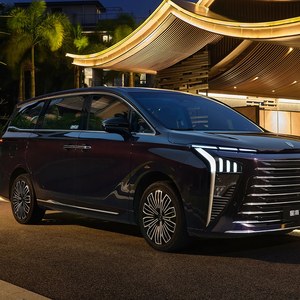
Dongfeng Fengxing Starlight V9 2024 1.5TD 200km Chinese Knot Series Luxury
Dongfeng Fengxing Starlight V9 2026 Beyond Joy Series 200km Luxury
Dongfeng Fengxing Starlight V9 2024 1.5TD 200km Chinese Knot Series Exclusive
Dongfeng Fengxing Starlight V9 2024 1.5TD 200km Cloud Ladder Series Premium
How to buy a Dongfeng Fengxing Starlight V9 from China
-
1
Define the destination requirements
Confirm LHD or RHD, charging access, fuel availability, homologation route, intended seating and camper requirements before selecting a vehicle.
-
2
Shortlist exact live configurations
Use the Starlight V9 live listings to compare the named 200 km series, model year, condition and available body configurations by SKU.
-
3
Request the technical dossier
Ask for battery version, motor and transmission details, charging specifications, emissions information, dimensions, equipment list and destination-certification documents.
-
4
Build a landed-cost quote
Separate the vehicle price from freight, insurance, terminal charges, customs brokerage, duties, taxes, inland delivery and the selected Incoterm.
-
5
Complete the compliance pre-check
Verify local type approval, emissions and safety requirements, fuel standards, charging rules and, for the camper edition, habitation and conversion approval.
-
6
Agree the order and payment terms
Record the exact SKU, condition, configuration, warranty, ownership documents, payment milestones, inspection rights and dispatch window in the contract.
-
7
Inspect, load and track the shipment
Complete or commission a pre-shipment inspection, document vehicle condition, confirm loading and container arrangements, and retain the transport and customs file.
Starlight V9 vs rivals
| BYD Song Plus DM-i | A close compact PHEV SUV rival with a stronger international brand and service footprint in many established markets. The Starlight V9 is more differentiated through its named 200 km versions and four-seat pop-top camper derivative. |
|---|---|
| Geely Galaxy Starship 7 EM-i | A design-led plug-in hybrid alternative suited to importers prioritizing modern styling and integrated technology. The Starlight V9 offers a more distinctive series structure and specialist camper positioning. |
| Chery Tiggo 7 C-DM | An export-recognized compact PHEV SUV with a more conventional dealer proposition. The Starlight V9 may appeal more strongly to tourism and rental buyers seeking its specialist four-seat camper configuration. |
Frequently asked questions
How is export pricing determined for the Starlight V9?
The live price reflects the exact model year, series, range and powertrain version, equipment, condition, production timing and seller terms. Freight, insurance, port charges, duties, taxes and inland delivery are then included or assigned according to the Incoterm. Check the current per-unit quote on each live ChinaCarDirect listing rather than relying on an old catalogue observation.
What powertrain and range does the Dongfeng Fengxing Starlight V9 have?
The named versions are plug-in hybrids with a 1.5TD designation and a 200 km range label. Do not treat that label as guaranteed road range: confirm the test cycle, battery version, certified range, motor output, charging specification and final fuel label for the exact SKU.
Should I buy a new or used Dongfeng Fengxing Starlight V9?
A new unit generally offers clearer model-year alignment, factory warranty documentation and a known delivery condition. A used PHEV may cost less to acquire but requires battery-health, high-voltage diagnostic, service-history, accident and software checks. Used-import age and emissions rules should also be checked before selection.
What is the MOQ for the Starlight V9?
MOQ is a seller and transaction term rather than a permanent attribute of the model. Ask on the exact listing whether a single-unit order is accepted and what conditions apply to the chosen destination and delivery plan. Container consolidation may offer different terms, but those terms must be confirmed before the order is placed.
How long does shipping take and what affects the cost?
Transit time and freight cost depend on origin and destination ports, carrier schedules, route, vehicle dimensions and weight, consolidation arrangements and the selected Incoterm. Marine insurance, terminal handling, customs brokerage, destination port fees and inland delivery can also change the landed cost. A forwarder should quote the practical route and assign every charge clearly.
How are spare parts and technical support handled?
Before ordering, ask the seller to identify the parts channel, diagnostic process, software-support route and warranty-reimbursement procedure. Confirm expected parts lead times and technician requirements for the destination market. This is particularly important for high-voltage components and the specialist pop-top camper body.
Is a right-hand-drive Starlight V9 available?
RHD availability depends on the exact source vehicle and seller, so it should not be inferred from the model name or marketplace photographs. Request the dashboard and steering-position evidence and confirm whether any conversion is manufacturer-supported, documented and compatible with local approval requirements. Current RHD units must be identified on the live listings.
How do I buy a Dongfeng Fengxing Starlight V9 from China?
Start with the live Starlight V9 inventory, select the relevant series and configuration, and request a SKU-specific export quote and technical dossier. Agree on condition, production timing, payment milestones, warranty, documents, inspection and delivery scope before paying. Send the destination and Incoterm requirements with the RFQ so the seller can quote the correct transaction.
Ready to source the Dongfeng Fengxing Starlight V9?
Send an RFQ for a current Starlight V9 export quote with your destination, configuration and preferred delivery terms.
Request a quote