
Dongfeng Xiaokang K07s: Export Buying Guide for Dealers
Buy Dongfeng Xiaokang K07s from China with a clear guide to trims, used versus new vehicles, export pricing, MOQ, shipping and market compliance.
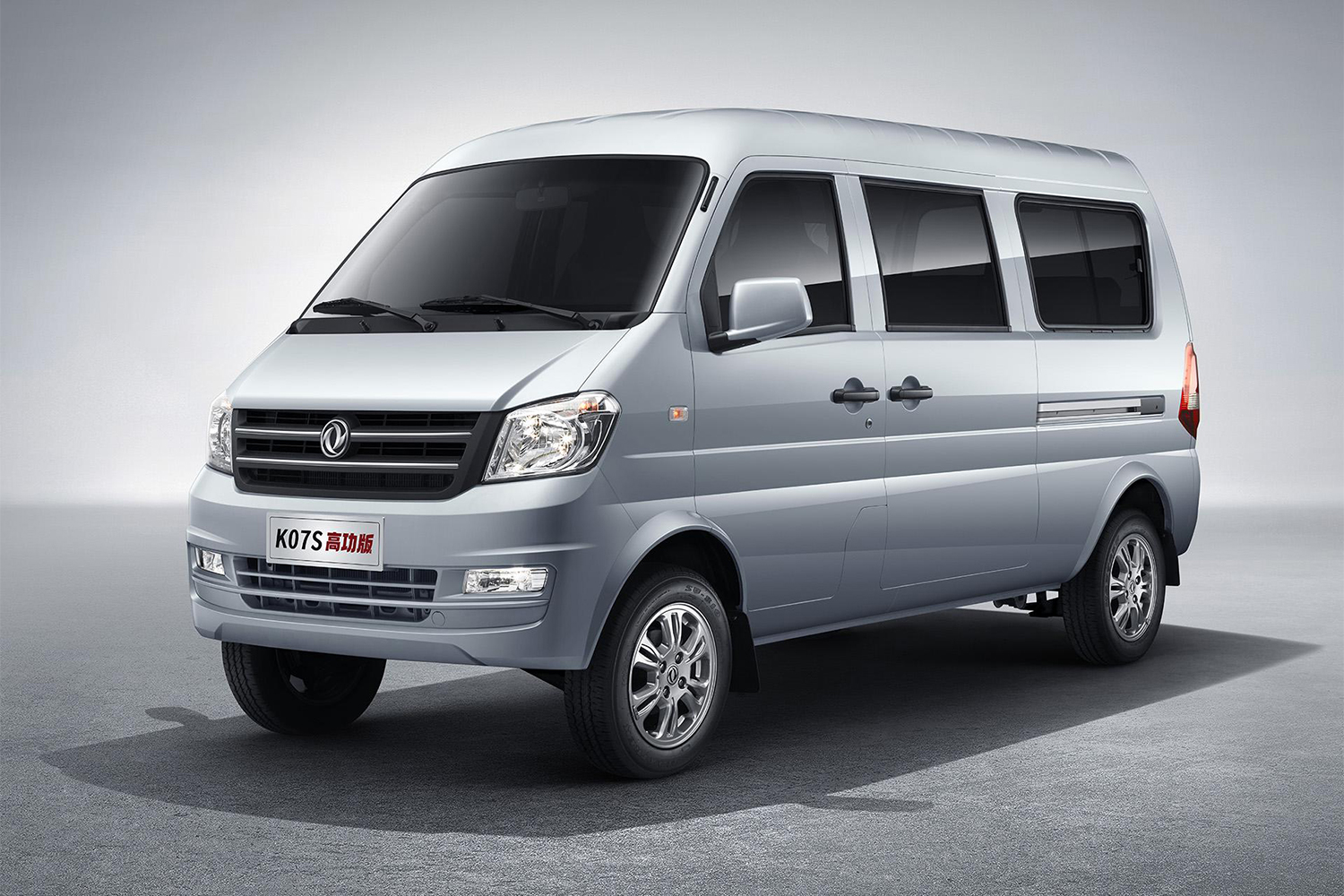
At a glance
- The K07s is a compact gasoline crossover suited to cost-conscious dealers and light-duty fleets.
- The lineup spans 1.0L, 1.2L and 1.3L engines, with practical, utility, base and deluxe-style trims.
- Used vehicles can suit buyers seeking accessible acquisition, provided condition, documents and mechanical checks are rigorous.
- New vehicles reduce wear uncertainty, but configuration, warranty coverage and destination approvals still require confirmation.
- Export pricing and MOQ are offer-specific; use live listings for current unit terms and compare landed cost under one Incoterm.
Why the Dongfeng Xiaokang K07s matters for export markets
The Dongfeng Xiaokang K07s sits in the low-cost compact gasoline crossover segment, where overseas buyers prioritize purchase economics, simple propulsion and workable utility rather than premium styling or high-performance driving. Its raised, five-door SUV format can appeal to importers serving urban and regional markets where a compact footprint and conventional service needs matter. For dealers, the model offers a way to address the entry crossover category without moving into larger, costlier vehicles. It is particularly relevant where fleet budgets constrain total operating costs but buyers still want the seating and road presence of an SUV.
The K07s is most relevant to buyers who need a small vehicle that bridges passenger-car comfort and van-derived practicality. The crossover body can be easier to live with than a traditional panel van, while its relatively straightforward mechanical package is generally easier to support than a more complex electrified model. That does not make it a heavy-duty hauler: buyers should still confirm payload, cargo volume, towing limits and axle ratings for the exact listing before assigning it commercial duties. Do not infer commercial certification from the model name or trim label.
Global demand for this type of vehicle is driven by affordable mobility, especially where consumers want more visual presence than a basic hatchback. The K07s can suit light fleet duties, staff transport and small-business use where a five-door crossover is easier to position as a multipurpose vehicle. Its appeal should be tested against local fuel quality, road conditions, parts access and homologation work. A lower acquisition commitment is valuable only if downtime, parts lead times and compliance costs remain controlled. Buyers should therefore treat the K07s as a market-fit decision, not simply a low-cost container filler.
- Compact gasoline crossover.
- Utility-led fleet fit.
- Verify commercial payload.
Model range, trims and powertrain variants: how the lineup is structured and how to choose
The lineup is organized around 1.0L, 1.2L and 1.3L gasoline engine families, with practical, utility, base, standard, high-power and deluxe-style trim labels appearing across export listings. Some versions are explicitly marked China VI, while others carry older or less descriptive emissions wording. These labels identify the broad vehicle family, but they are not a substitute for the specification sheet. Engine code, transmission, axle ratio, equipment and production details should be confirmed on the unit. A trim name alone does not establish performance, equipment or destination-market legality.
For fleet planning, displacement should be matched to load, route and operating conditions rather than selected on nameplate appeal alone. The smaller engines can suit cost-focused urban work, while the 1.3L option may be the more sensible candidate for heavier loads, steeper routes or more varied road conditions. That is a general engineering principle, not a guarantee of performance. Actual payload, power, fuel consumption and gradeability depend on the exact engine, transmission, curb weight and local test conditions. Ask for a laden-weight and duty-cycle check before committing to a larger engine.
Transmission and equipment choices need to be read from the live vehicle record rather than inferred from “practical” or “deluxe.” Some buyers may prioritize fuel economy and direct control; if the listed transmission is automated, others may value its convenience in dense traffic. Air conditioning, infotainment, safety equipment, wheel size, roof rails, spare-wheel arrangement and cargo modifications can vary. For export, the best trim meets local regulations and driver needs without paying for equipment that will never be used. Request the exact equipment list before final payment.
- Three gasoline engine families.
- Trim labels vary.
- China VI availability varies.
New vs used Dongfeng Xiaokang K07s: how export inventory is structured and how buyers choose
Export inventory can contain both new vehicles and used examples from different production years, so the first task is to separate condition from age. A newer car may be a base commercial-oriented trim, while an older used vehicle may carry a more elaborate equipment list. The relevant comparison is therefore not simply new versus used, but whether the vehicle’s condition, specification, documentation and remaining service life fit the planned market. Current unit status must always be confirmed on the live listing. Ask the seller to confirm whether a vehicle is registered or unregistered.
A used K07s can make economic sense when the buyer values familiar dimensions, a proven configuration or a lower entry commitment. The vehicle should, however, be selected through a detailed inspection covering mileage authenticity, service records, fluid leaks, brakes, suspension, tyres, corrosion, accident repairs, engine cold start, emissions equipment and the condition of the interior and cargo area. Also verify that its VIN, production year, engine code and trim correspond to the documents being transferred. A pre-purchase inspection by an independent inspector is preferable to photographs alone.
A new K07s reduces uncertainty about wear and prior fleet use, and may offer a more current emissions designation or standard equipment set. In exchange, the buyer should check whether any listed warranty is valid in the destination, whether the vehicle is dispatchable, and whether its configuration matches homologation plans. Do not assume a new listing includes the accessories a working vehicle needs. Compare life-cycle cost, expected downtime, financing exposure and resale prospects before choosing new over a well-selected used example. The live inventory should be used to confirm every current condition detail.
- Condition differs from age.
- Inspect used vehicles independently.
- Confirm every new configuration.
How export pricing works: the factors behind a live listing price, and how to read one
A Dongfeng Xiaokang K07s export or wholesale price is not one fixed factory rate. It moves with production year, engine and trim, condition, mileage, visible wear, included options, seller location and quote validity. Currency movements also matter when a buyer compares suppliers in different currencies. Beyond the vehicle, freight, marine insurance, port charges, inspection, documentation and taxes can change the landed result. The sensible comparison is the complete landed cost, not the most eye-catching listing headline. Treat the live unit price as one input, not the final purchase decision or binding contract.
When reading a live listing, expand the vehicle description and identify what is included in the displayed amount. Confirm whether the seller quotes FOB, CFR, CIF or another term, and which destination port is assumed. Ask whether transport is arranged separately, whether the stated condition report is current, and whether payment requires a deposit. A listing can remain informational until the seller verifies stock, reserves the unit and issues a binding pro forma invoice with the agreed specifications and delivery terms. Confirm the currency, quote-validity period and cancellation conditions in writing.
Build a like-for-like worksheet that normalizes every quote to the same Incoterm and destination. Include vehicle selection, inland transport, freight, insurance, inspection, port handling, customs, duty, tax and vehicle preparation. For used units, add an allowance for maintenance and tyres; for new units, check accessories and delivery preparation. Comparing the worksheet over the planned ownership period is more reliable than ranking vehicles by one visible number. Use ChinaCarDirect’s live K07s inventory for current per-unit price, MOQ and availability, then obtain written seller confirmation before making any final binding purchase decision.
- Normalize to one Incoterm.
- Compare landed, not headline, cost.
- Check live unit terms.
MOQ, ordering and payment: single units vs consolidating a container
Minimum order quantity is a commercial term attached to the seller and listing, not a permanent property of the K07s nameplate. Some export offers are sold to individual professional buyers at unit level, while other quotations may impose a batch condition for a particular seller, trim or shipment. Buyers should read the MOQ field in each live listing and also ask for a separate single-unit quotation. That written confirmation should state the quantity, unit price, deposit, balance trigger, production or dispatch date and whether the unit is reserved before contracting.
Consolidating several K07s units can improve freight planning, but it also concentrates risk. Mixed engine sizes, emissions versions and equipment levels may create homologation and resale complexity, while a damaged vehicle or missing document can hold up the whole group. Buyers should ask whether the seller can provide a loading plan, how units will be secured, which vehicle is placed where, and whether a failure at inspection allows replacement before loading. Do not assume a container can be filled without checking the actual vehicle dimensions and port handling constraints at destination.
The ordering sequence should run from specification to inspection, reservation, payment and release. First obtain a written vehicle description and pro forma invoice; then verify identity, ownership or export eligibility and the payment beneficiary. Agree how inspection findings are handled, what evidence supports mileage and condition, and which party bears charges if the vehicle does not match the contract. Use a protected payment route appropriate to cross-border trade, with milestone payments tied to documentary and physical checks. Keep every amendment and condition report in the transaction record for later reference.
- MOQ is offer-specific.
- Request single-unit terms.
- Use protected payment milestones.
Shipping, homologation and market compliance caveats: LHD/RHD and import rules by country
Vehicle exports commonly move by roll-on/roll-off carrier, and some K07s consignments may also travel in containers or through break-bulk handling. The appropriate method depends on dimensions, loading equipment, terminals, sailing frequency and cargo urgency. Freight quotations should state the route, carrier type, loading port, destination port, insurance coverage and terminal exclusions. Ask whether the vehicle is delivered under a recognized Incoterm and who is responsible for the point at which risk and cost transfer. A shipping quote should never be interpreted without these definitions and the exclusions attached to them.
Left-hand-drive availability is generally easier to source than right-hand-drive configurations, but it must not be assumed for every market. A right-hand-drive K07s may require conversion or may be offered only by certain sellers, with consequences for lead time, cost, safety equipment and warranty coverage. Import rules differ by country and can depend on vehicle age, engine emissions, VIN, previous registration, steering configuration, safety standards and documentary history. China VI labeling does not itself guarantee approval in the destination market. Obtain a written local compliance assessment before paying an RHD or conversion premium.
Before dispatch, confirm customs classification, import rules, duty and tax treatment, emissions approval, customs valuation, shipping documents, ownership records and used-vehicle restrictions. Local registration may also require safety, lighting, noise, radio, language or equipment checks. These are destination-specific rather than universal China export rules. A buyer should appoint a customs broker or local compliance adviser, provide the exact VIN and variant early, and keep approval conditions separate from assumptions based on the listing title. Record every approval and document in the purchase contract so third parties can verify compliance later.
- Confirm steering configuration.
- Verify local approvals.
- Use destination compliance experts.
Who should buy the K07s — and who should pick a different vehicle
The K07s fits dealers and fleet operators that need a compact, gasoline-powered crossover for staff transport, light delivery, regional mobility or budget-conscious retail customers. Its appeal is strongest where paved roads dominate, loads are modest and the operator values easy ingress, useful space and straightforward fueling over cabin refinement. It can also serve as an accessible second vehicle for a rental or mixed-use fleet. The buyer should define daily passenger count, load profile, route surface, annual distance and local fuel availability before choosing a variant. These checks prevent an unsuitable trim from becoming an expensive purchase.
Buyers should look elsewhere if they require a premium cabin, advanced driver-assistance systems, a modern electrified powertrain, high towing capacity, a heavy-duty payload or extensive after-sales coverage. Extreme off-road use, severe winter operation and high-temperature duty can exceed what a basic small crossover should deliver. An electric or plug-in hybrid may suit fleets with charging infrastructure and local emissions incentives, while a mainstream compact SUV may be easier to support where local K07s service coverage is thin. A pilot purchase can be wiser than a large speculative order for cautious buyers.
Total-cost analysis should include purchase and transport, expected fuel use, maintenance, tyres, insurance, downtime, registration and eventual resale. For a used vehicle, add likely near-term repairs and inspect corrosion and accident history carefully; for a new vehicle, check accessory installation, warranty administration and delivery preparation. A smaller vehicle can still be economical if utilization is high and reliability is supported. Conversely, a low entry price can be misleading when fuel consumption, repairs or unsold stock rise. Match the variant and condition to the buyer’s business model, not merely to the lowest visible quote.
- Best for light fleets.
- Not for heavy premium duties.
- Assess total ownership cost.
Main rivals and how the K07s compares
The closest Chinese-built alternatives to the K07s include the Chery Tiggo 3x, JAC Jiayue X4 and Changan CS15 Plus. All occupy the affordable compact-SUV territory, but each differs in engine tune, transmission, equipment, ride, refinement and parts support. A meaningful comparison must use the same destination assumptions rather than trim names from different markets. Review engine approvals, warranty coverage, fuel choice and service access, then compare loaded operating requirements. Do not assume a visually similar rival has the same compliance status, commercial equipment or payload rating in the destination market.
Compared with those rivals, the K07s generally makes the clearest case for buyers prioritizing accessible acquisition, simple gasoline operation and compact utility. Competing small SUVs may offer a more polished cabin, newer infotainment, broader export experience or stronger dealer support in particular countries. Those advantages can justify a higher acquisition and homologation cost. The K07s is more compelling when duty cycles are straightforward, parts can be obtained reliably and the fleet needs many identical, economical vehicles rather than a premium buyer experience. Its value case should be demonstrated with a landed-cost calculation.
A structured side-by-side review is better than choosing on badge or appearance. Compare verified dimensions, payload, engine and transmission, fuel consumption, safety equipment, warranty, local parts prices, homologation, expected resale and the delivered cost for an equivalent vehicle. If the K07s is shortlisted, inspect the exact unit and confirm that its documents, emissions version and equipment match the intended fleet specification. The other models may be preferable where premium comfort, stronger residual values or easier local servicing justify the additional outlay. Use a written quote and inspection checklist to keep the decision objective.
- Three close Chinese rivals.
- Compare exact variants.
- Test landed economics.
Live Dongfeng Xiaokang K07s export inventory
View all listings →Real units currently on ChinaCarDirect with per-unit asking prices and MOQ. Availability updates live from the catalogue.
How to buy a Dongfeng Xiaokang K07s from China
-
1
Define the operating requirement
Record passenger count, payload, daily routes, road surfaces, annual distance, fuel assumptions and destination-country rules before selecting a vehicle.
-
2
Match the engine and trim
Shortlist the 1.0L, 1.2L or 1.3L engine and appropriate equipment level. Confirm transmission, emissions version, payload and accessories in the exact listing.
-
3
Review the individual vehicle
Use the live K07s inventory and request the VIN, photographs, equipment list, condition report, service history and available inspection evidence for the selected unit.
-
4
Build a landed-cost quote
Ask for vehicle price, inland transport, freight, insurance, port charges, customs, duty and tax under one stated Incoterm and destination port.
-
5
Clear compliance before payment
Provide the VIN and variant to a local customs broker or compliance adviser. Confirm steering configuration, emissions approval, local safety requirements and used-vehicle import restrictions.
-
6
Place the order with written terms
Verify the seller and payment beneficiary, then use a written pro forma invoice covering the vehicle, documents, inspection remedies, payment milestones, dispatch and refund conditions.
-
7
Inspect and release the vehicle
Complete the agreed pre-shipment inspection, reconcile the VIN and condition report, verify shipping documents and release funds or cargo only when the inspection requirements are satisfied.
K07s vs rivals
| Chery Tiggo 3x | A close Chinese-built budget crossover, often attractive to buyers wanting a more consumer-oriented badge and broader market recognition. Compare the exact engine, equipment, warranty and local parts support against the K07s before assuming the trims are equivalent. |
|---|---|
| JAC Jiayue X4 | A similarly compact and affordable SUV with a direct fleet and private-buyer comparison set. Its fit improves where its engine choice, warranty and after-sales network align more closely with the destination market. |
| Changan CS15 Plus | A small SUV that may appeal more to buyers prioritizing cabin comfort, styling and mainstream feature content. The K07s may provide the more accessible utility-led proposition, subject to the exact variant and landed cost. |
Frequently asked questions
How is the Dongfeng Xiaokang K07s export price determined?
A live asking price reflects the vehicle’s year, trim, engine, condition, mileage, options, seller location and currency conditions. Freight, insurance, port charges, customs, duty and tax are separate unless the Incoterm includes them, so compare landed cost rather than the headline price. ChinaCarDirect’s live K07s listings show current per-unit terms; request a written seller quote before relying on any number.
What engine and range options does the K07s have?
The export lineup uses 1.0L, 1.2L and 1.3L gasoline engines, so battery capacity, electric range and charging time do not apply. Transmission and exact engine code can differ by trim, so confirm them in the live unit record. Actual driving range depends on fuel use, load, route and traffic rather than a fixed catalogue figure.
Should an overseas buyer choose a new or used K07s?
New vehicles offer lower wear uncertainty and may carry a newer emissions designation; used vehicles can reduce the initial commitment when inspected well. The right choice depends on condition, mileage, documents, repair history, warranty and downtime risk, not simply age. Review current condition reports and use an independent inspection for a used example.
Is there a fixed MOQ for the Dongfeng Xiaokang K07s?
MOQ is set by the seller and individual offer, not permanently by the model. Some listings permit purchases at unit level, while a particular quotation may impose a batch condition. Check the MOQ shown for each live unit and request written single-unit and fleet quantities separately.
How long does K07s shipping take and what does it cost?
Transit time and freight depend on the route, carrier, loading method, port congestion, documentation and destination handling. Roll-on/roll-off, container or break-bulk movement may be used depending on the shipment. Obtain a written freight quote under a defined Incoterm with insurance, origin, destination and terminal charges stated.
Are spare parts available for the K07s?
Parts support should be checked before purchase because availability depends on the engine, trim, production year and destination. Give the supplier the exact VIN and required part numbers, then ask about catalogs, lead times, equivalent parts and local service channels. A low-priced vehicle can be uneconomic if common parts are difficult to source.
Is a right-hand-drive K07s available for export?
Right-hand-drive availability is seller- and market-specific and should never be inferred from left-hand-drive availability. Confirm whether the exact vehicle is factory right-hand drive or converted, and obtain local registration approval plus written details on safety, warranty and delivery timing. If no compliant example is available, select an approved alternative.
How do I buy a Dongfeng Xiaokang K07s from China?
Start with the live K07s listings, shortlist the year, trim, engine and condition, and request the VIN, photographs, condition report and landed quote. Verify the seller and payment beneficiary, then agree inspection remedies, documents, refund conditions and payment milestones in writing. Complete the agreed inspection and release the vehicle or payment only after the required checks are satisfied.
Ready to source the Dongfeng Xiaokang K07s?
Request a current K07s quote with the exact vehicle condition, Incoterm, freight, documentation and destination-compliance requirements.
Request a quote