
Dongfeng Yipai Eπ007 Export Buying Guide
Compare Dongfeng Yipai Eπ007 trims, BEV and EREV options, export pricing, shipping, compliance, and ordering for overseas buyers and fleet procurement.
At a glance
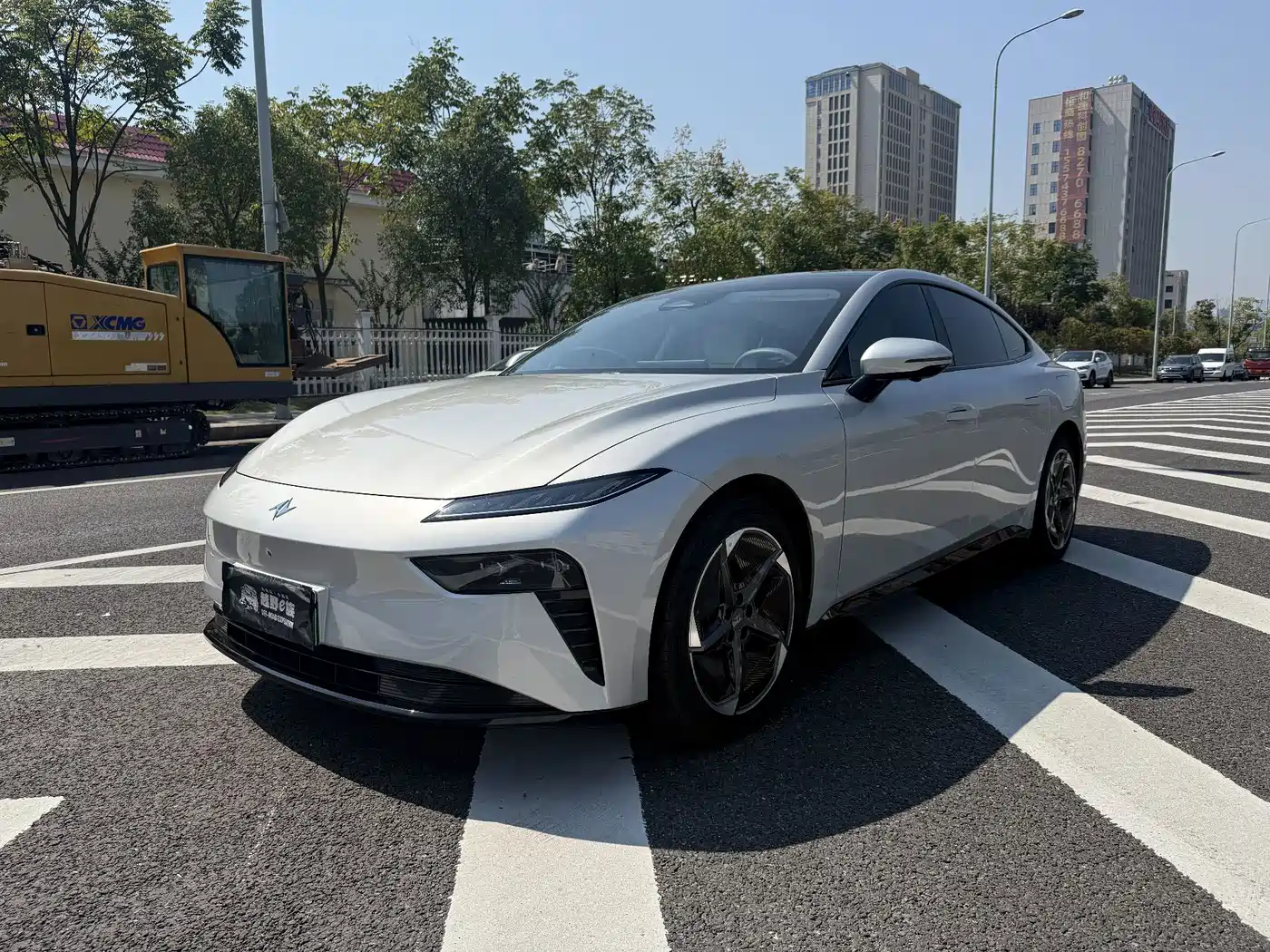
- The Eπ007 is a Chinese-built fastback sedan with battery-electric and extended-range electric variants.
- Its catalogue spans multiple range-labelled BEV trims, 2WD and AWD options, and equipment-focused editions.
- The 200 and 230 labels identify EREV derivatives, but certified range and real-world performance remain configuration-specific.
- Current vehicle price, condition, MOQ and availability should be read from the live inventory page for each unit.
- Destination homologation, charging access, parts support and freight terms decide whether the model is commercially viable.
Why the Dongfeng Yipai Eπ007 matters for export markets
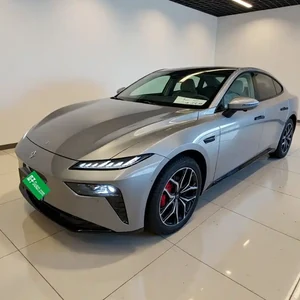
The Dongfeng Yipai Eπ007 is a Chinese-built fastback sedan positioned around the mainstream premium EV segment. Its export relevance comes from a broad mix of battery-electric and extended-range electric configurations, with trim names indicating two- and four-wheel-drive options. For overseas dealers, that combination creates a useful bridge between customers who can charge reliably and those who need an engine-backed fallback. It is more strategically flexible than a single-powertrain electric sedan. The model therefore suits importers building a broader EV proposition rather than a narrowly specified pilot programme. It also gives fleet buyers a clearer technical route to segment demand.
Demand for this model in its segment is not based on one universal specification. Overseas buyers are looking for a modern electric sedan that combines recognizable executive-car proportions with a broad equipment list, while import channels increasingly make Chinese platforms accessible to local dealers. The Eπ007 is relevant because it lets a distributor address both charging-dependent and charging-uncertain customers from one model family. That is commercially useful in markets where infrastructure adoption is still uneven. It also gives sales teams a clearer proposition than a generic budget EV or an imported combustion sedan.
The strongest export case is therefore operational rather than purely promotional. A dealer can segment the Eπ007 by powertrain, range class, drive layout and equipment, then build local packages around charging access, duty cycles and aftersales expectations. Buyers should still treat Chinese-market specifications as a starting point: destination certification, left- or right-hand drive, software, charging standards and service support must be confirmed before import. Done properly, the model offers useful choice; done casually, it creates compliance and resale risk. This is why model-level evaluation should precede any volume commitment by the importer.
- BEV and EREV breadth.
- Range labels need verification.
- Compliance precedes export.
Model range, trims and powertrain variants: how the lineup is structured and how to choose
The Eπ007 range is broader than the name might suggest. Listing names identify battery-electric trims carrying 530, 540, 550, 620 and 650 labels, as well as extended-range versions carrying 200 and 230 labels. Feature-oriented names such as Air, Pro, Max, Pilot, Cruise, Ruyi and Navigation further differentiate the catalogue. These labels are useful for locating a configuration, but should not be read as a universal global trim hierarchy or as guarantees of equipment. For a buyer seeking Dongfeng Yipai Eπ007 specs, the seller's configuration sheet must take precedence over marketing shorthand.
For BEV buyers, the first decision is charging reality. A driver with dependable home or depot charging can evaluate the higher-range labels against route needs, while a driver with irregular access may prefer a smaller listed range if the vehicle and battery condition justify it. The difference between 2WD and AWD versions adds another layer: AWD may suit towing, gradients or adverse conditions, whereas 2WD can reduce purchase and servicing complexity. Actual range, battery capacity, motor output and charging rate must be checked for the exact vehicle before any ordering decision.
EREV versions answer a different requirement: they retain electric driving while adding an engine generator for longer journeys where local charging coverage is incomplete. That makes the 200 and 230-labelled cars relevant to regional sales plans, provided the buyer understands that an EREV is not the same as a plug-in hybrid and still benefits from regular charging. For fleets, compare duty cycles rather than badges, and request the certified electric-only and combined-use figures, fuel type, tank capacity and conversion approvals for the destination market and all relevant homologation documents before contracting.
- Choose by charging access.
- Trim numbers are identifiers.
- Verify every technical specification.
New vs used Dongfeng Yipai Eπ007: how export inventory is structured and how buyers choose
Export inventory should be read as a set of individual vehicle records rather than a generic new-or-used category. The live catalogue can show whether a unit is sold as new, used or otherwise classified, and each record should be checked for model year, mileage, condition notes, title status and dealer status. New Chinese vehicles often arrive without the same usage history as a used car, but the label alone does not prove inspection quality, original ownership, battery condition or export readiness. Those details belong in the offer and inspection record.
A used Dongfeng Yipai Eπ007 can make sense for a dealer seeking a lower entry cost, an immediate demonstration car, or a specific former-fleet configuration. The discount is only attractive if it reflects the vehicle’s real commercial value. Buyers should request an independent inspection, battery state-of-health evidence where available, mileage verification, charging-cycle records, accident history, software status and evidence of title or ownership. A low purchase price can be erased by battery repair, electronics work, body correction, missing keys or unsuitable warranty terms or unresolved software and diagnostic access issues.
A new vehicle offers the cleaner path when the buyer needs an agreed specification, a documented warranty, known delivery condition and predictable accessory fit. Its disadvantages are a higher acquisition commitment, exposure to normal new-car depreciation and a longer route from factory or stock through inspection and international transit. Used stock can shorten that route but transfers more uncertainty to the importer. The right comparison is therefore total operating and resale cost over the intended holding period, not simply the amount payable for the vehicle before freight, duty and tax.
- Verify condition and mileage.
- Inspect used battery health.
- Compare ownership and resale cost.
How export pricing works: the factors behind a live listing price, and how to read one
An Eπ007 export price is not one fixed factory number. It moves with model year, trim, BEV versus EREV, range and battery version, 2WD or AWD layout, production features, condition, mileage, market demand and the seller’s commercial terms. Currency movements also matter, while freight, marine insurance, port charges, inspection and destination taxes can change the landed result. The numerical figure attached to a live listing is the current vehicle-level quote, but it should not be mistaken for an all-in cost in the importing country. Read the Incoterm and included-cost schedule before comparing suppliers.
When reading a listing, separate the vehicle price from the landed-cost schedule. Check whether the seller is quoting FOB, CIF, or another trade term; whether export documentation, loading, transport and insurance are included; and whether the unit is new, used, demo, or a specific former-fleet vehicle. Also verify that the title, VIN, photos, trim description and stated equipment match the unit being offered. A lower displayed vehicle price may be irrelevant if insurance, compliance work, port handling, duties, or taxes are added later. Ask for a written, destination-specific cost breakdown.
For Dongfeng Yipai Eπ007 wholesale buyers, the best price comparison is like-for-like. Request quotes for the same year, powertrain, drive layout, range class, condition, warranty and Incoterm, then clarify which costs are fixed and which may change before loading or arrival. Treat the ChinaCarDirect live inventory page as the source for current per-unit price, MOQ and availability, while using an RFQ for a binding landed quotation. This avoids comparing a basic 2WD BEV with an AWD or EREV vehicle and prevents a provisional listing figure from being mistaken for final landed cost in writing.
- Compare equivalent configurations.
- Separate landed-cost components.
- Use live listings and RFQs.
MOQ, ordering and payment: single units vs consolidating a container
Minimum order quantity is a seller and listing term, not a permanent property of the Eπ007. A buyer may be able to order one vehicle for a pilot, while a seller preparing a consolidated export batch may impose a higher MOQ or require compatible configurations. MOQ should be confirmed on the live record and in the pro forma invoice before any deposit. Buyers wanting multiple units should compare the benefits of consolidation—lower unit freight and simpler coordination—with the risks of mixed specifications, uneven condition, delayed titles and a single shipment delay affecting several vehicles.
The ordering path normally begins with a live listing or RFQ, followed by seller confirmation of the exact vehicle, commercial terms and documents. Expect a specification sheet or pro forma invoice describing the model, powertrain, options, quantity, Incoterm, payment schedule, delivery window and warranty. Payment terms may include a deposit and balance linked to inspection or shipping documents. Both parties should reconcile the SKU, VIN, photos and configuration before the vehicle is released, because changes that seem minor can affect range, charging, software and import eligibility in the destination market.
Payment risk is controlled through traceability and document discipline. Use the stated corporate payment channel, verify the beneficiary and invoice details, and avoid sending funds against an informal description that differs from the written contract. A pre-shipment inspection should check identity, condition, battery health indicators, charging function, mileage, warning lights, software and included equipment. Keep the inspection, transport and customs paperwork aligned with the same VIN. For container consolidation, define responsibilities for damage, missing accessories, delayed documents and claims before the balance is released to the agreed business and banking parties.
- Confirm listing-specific MOQ.
- Reconcile VIN and invoice.
- Define consolidation liabilities.
Shipping, homologation and market compliance caveats: LHD/RHD and import rules by country
Shipping begins with the battery, not just the vehicle. Lithium-ion traction batteries must be declared and handled under the carrier’s dangerous-goods rules, and the selected sea, container, roll-on/roll-off or other service must accept the vehicle and battery configuration. Transit time and cost depend on origin and destination ports, sailing frequency, cargo space, terminal handling, insurance, security requirements and Incoterm. Damaged or partially charged batteries may face additional restrictions, so ask the carrier or freight forwarder to confirm acceptance before paying for the exact vehicle, battery state of charge, and route.
A Chinese-market Eπ007 is not automatically road-ready in another country. The importer may need local type approval, emissions approval for the EREV configuration, proof of cybersecurity and software compliance, compatible charging hardware, and inspection for lighting, brakes, tyres and other regulated equipment. Left-hand-drive and right-hand-drive availability must be confirmed rather than assumed. Steering, pedal, display, camera, radio, climate and driver-assistance functions can also be market-dependent, and modifications should be assessed for legality and warranty consequences. The homologation route depends on destination rules, vehicle specification and whether local conversion is permitted.
Use an importer and freight partner familiar with new-energy vehicles rather than treating the shipment as a generic used-car movement. Before release, agree on the HS classification, customs value, export declaration, certificate documents, duties, VAT or GST, insurance and any local registration or incentive requirements. Verify whether chargers, software setup, service manuals and local type approval are included in the delivery scope. The importer remains responsible for declaring the vehicle accurately; a cheap vehicle price does not offset a compliance failure that prevents registration or creates an unsafe and unserviceable vehicle.
- Declare battery cargo correctly.
- Confirm destination homologation.
- Use an EV-experienced importer.
Who should buy the Eπ007 — and who should pick a different vehicle
The Eπ007 fits an overseas buyer who wants a technology-led fastback sedan and needs flexibility across electric-only and extended-range operating models. Dealers can use it for company-car programmes, executive fleets, ride-hailing where regulations allow, or retail test-drive fleets. It is particularly logical where charging access varies by driver and the destination recognizes both BEV and EREV vehicles. The buying case should cite the customer’s routes, charging pattern and service coverage rather than relying on the longest published range label. A pilot vehicle can test the proposition before a larger wholesale order is placed.
It is a weaker choice for buyers who require an established local service network, conservative residual-value assumptions or a long record of parts availability in their country. A fastback sedan may also be less suitable than an SUV or MPV when cargo volume, easy ingress, towing or all-weather access is the priority. For a high-utilization fleet, verify duty-cycle suitability, tyre replacement, diagnostic access and downtime procedures. If charging is rarely available, an EREV may reduce range anxiety, but it should not be mistaken for a conventional petrol car in use.
Run a structured comparison rather than choosing from badges alone. Score each candidate on certified range, real-route energy use, charging access, safety and driver-assistance content, warranty, parts lead time, service training, residual value, insurance, tax treatment and the importer’s homologation workload. Request a destination-specific landed-cost simulation, then test-drive and inspect the exact derivative. For a fleet, compare total cost per kilometre and downtime; for a dealer, compare margin after local certification, marketing, charger installation and warranty reserve. Scale gradually if the local proposition is unproven in the destination market. Add local compliance to that decision.
- Fit: mixed charging access.
- Avoid: weak service support.
- Pilot before scaling.
Main rivals and how the Eπ007 compares
The BYD Seal is the closest high-volume global comparison for a sleek BEV fastback sedan. It gives a buyer a well-known electrified brand and a straightforward battery-electric proposition, whereas the Eπ007 distinguishes itself through the wider choice of BEV and EREV versions and AWD-labelled derivatives. That breadth can help a dealer cover more driving patterns with one model family. It does not automatically outweigh Seal advantages in brand recognition, established international service routines or local resale acceptance, all of which vary by country. Compare certified figures and landed cost locally.
Deepal SL03 is a particularly useful rival because it also combines fastback-sedan packaging with BEV and extended-range concepts. The comparison moves beyond shape to the operating proposition: charging performance, certified range, software interface, driver assistance, drivetrain options and the practical availability of parts and service. Neither Chinese brand should be assumed to have the same local readiness in every market. The Eπ007 is the better proposition only if its exact specification, certification path and aftersales package produce a stronger commercial outcome in the destination country for the buyer’s target segment.
Leapmotor C01 is another relevant price- and segment-level alternative because its liftback format also spans battery-electric and extended-range offerings. It may appeal to fleet buyers who prioritize a different body shape and packaging, while the Eπ007 offers a more traditional fastback profile and a distinct trim ladder that includes multiple range labels. The deciding issues are not brochure hierarchy but the certified derivative, usable cargo space, charging provisions, warranty, spare-parts route, local certification and landed operating cost. A side-by-side quotation and inspection should settle the choice for the target market.
- Seal: stronger global recognition.
- SL03: closest layout rival.
- C01: flexible fleet alternative.
Live Dongfeng Yipai Eπ007 export inventory
View all listings →Real units currently on ChinaCarDirect with per-unit asking prices and MOQ. Availability updates live from the catalogue.
How to buy a Dongfeng Yipai Eπ007 from China
-
1
Define the destination and duty cycle
Identify the importing country, expected routes, charging access, fleet or retail use, and required drive orientation. This determines whether a BEV, EREV, 2WD or AWD derivative is the sensible starting point.
-
2
Shortlist Dongfeng Yipai Eπ007 units to buy from China
Review the live inventory and compare matching trims, powertrains, drive layouts, condition and documented equipment. Treat each listing as a separate vehicle record rather than assuming every Eπ007 has identical specifications.
-
3
Verify configuration and documents
Request the VIN, trim sheet, battery and motor information, certified range test, charging details, ownership documents, warranty terms and any export certificates. Resolve differences between the listing title, photographs and written specification.
-
4
Request a destination-specific landed quote
Send an RFQ stating the destination, quantity, MOQ, preferred Incoterm, delivery window and required documents. Request vehicle, freight, insurance, handling, duty and tax assumptions separately so they can be compared clearly.
-
5
Confirm the order and payment schedule
Review the pro forma invoice, beneficiary details, deposit and balance conditions, warranty scope and delivery terms. Make sure the VIN, model, options, quantity and Incoterm agree across the contract and payment records.
-
6
Approve pre-shipment inspection
Verify identity, mileage, exterior and interior condition, battery indicators, charging operation, warning lamps, software and included accessories. Document any discrepancy before authorising final payment or shipment.
-
7
Ship, clear and register
Use a freight forwarder and customs broker familiar with battery-electric vehicles. Confirm dangerous-goods acceptance, insurance, HS classification, duties, VAT or GST, registration, insurance and destination compliance before delivery.
Eπ007 vs rivals
| BYD Seal | A direct BEV fastback-sedan comparison. The Seal has a more globally established brand presence, while the Eπ007’s distinguishing choice is its BEV/EREV spread and AWD-labelled configurations; local support and homologation should decide the fit. |
|---|---|
| Deepal SL03 | Also a Chinese fastback sedan sold with BEV and extended-range concepts, making it one of the closest architectural comparisons. Evaluate certified range, software, service-network coverage and destination compliance rather than assuming trim labels translate directly between brands. |
| Leapmotor C01 | A liftback alternative with BEV and EREV options, so it competes for fleet buyers seeking flexibility. The Eπ007 may suit those wanting its specific fastback design and trim ladder, but C01 buyers should compare charging, cargo practicality, parts support and landed cost. |
Frequently asked questions
How is Dongfeng Yipai Eπ007 export pricing determined?
A listing’s export price reflects model year, trim, BEV or EREV configuration, battery and range version, drivetrain, options, condition, mileage, currency, seller terms and any included freight or insurance. Read the Incoterm and inclusions carefully because a displayed vehicle price is not automatically a landed, duty-paid cost. Current binding per-unit prices, MOQ and availability are shown in the ChinaCarDirect live listings.
What powertrain and range options does the Dongfeng Yipai Eπ007 have?
The model is offered in battery-electric and extended-range electric forms. BEV trims carry 530, 540, 550, 620 and 650 designations, while EREV trims carry 200 and 230 designations; these should not be treated as guaranteed real-world range results. Confirm the battery, certified test cycle, motor output, charging system and fuel specification on the exact listing.
Should I choose a new or used Dongfeng Yipai Eπ007?
A new vehicle generally provides an agreed configuration, documented warranty and known delivery condition, while a used vehicle may reduce acquisition cost but adds uncertainty. Used Eπ007 units should receive stronger scrutiny of battery health, mileage, accident history, software, title and warranty coverage. Compare total ownership and resale costs rather than choosing on the vehicle price alone.
How does MOQ work when ordering an Eπ007?
MOQ is set by the individual seller and listing, so it should be checked on the live record and repeated in the pro forma invoice. Some sellers may accept a single-unit pilot, while larger export batches can require consolidated quantities or compatible configurations. The current binding MOQ for each offer is shown in the live inventory.
What determines shipping time and cost for an Eπ007?
Origin and destination ports, sailing schedules, cargo space, battery acceptance, handling, insurance, security and the selected Incoterm all affect the shipment. Lithium-ion batteries must be declared and handled under carrier dangerous-goods rules. Obtain a freight quotation for the exact vehicle, battery state of charge and route rather than relying on a generic vehicle rate.
How are spare parts and technical support handled?
Confirm the parts catalogue, diagnostic procedure, software support and warranty process before importing, particularly if no authorised local service centre exists. Ask the supplier which common components are held in China, which can be shipped promptly and whether parts returns are covered. For fleet operations, downtime and diagnostic-tool access should be included in the purchase decision.
Is a right-hand-drive Dongfeng Yipai Eπ007 available?
Right-hand-drive availability must be confirmed for the specific derivative and destination; a left-hand-drive Chinese-market vehicle should not be assumed to be locally compliant. Steering, pedals, displays, lighting and driver-assistance functions may require market-specific configuration or conversion. The importer should verify type approval, safety requirements, charging compatibility and the legality of any conversion before shipment.
How do I order a Dongfeng Yipai Eπ007 from China?
Shortlist a unit from the live listings, verify its configuration and documents, and submit a destination-specific RFQ stating the required quantity and Incoterm. After the seller confirms the vehicle and pro forma terms, complete the agreed payment process, inspection and shipping steps. Use the same VIN consistently across the invoice, inspection report, transport documents and customs file.
Ready to source the Dongfeng Yipai Eπ007?
Send your Dongfeng Yipai Eπ007 shortlist to ChinaCarDirect for a destination-specific, landed-cost RFQ.
Request a quote