
Dongfeng Yipai Eπ008 Export Buying Guide
Buy Dongfeng Yipai Eπ008 from China with a practical guide to trims, powertrains, export pricing, MOQ, shipping, homologation and buyer selection.
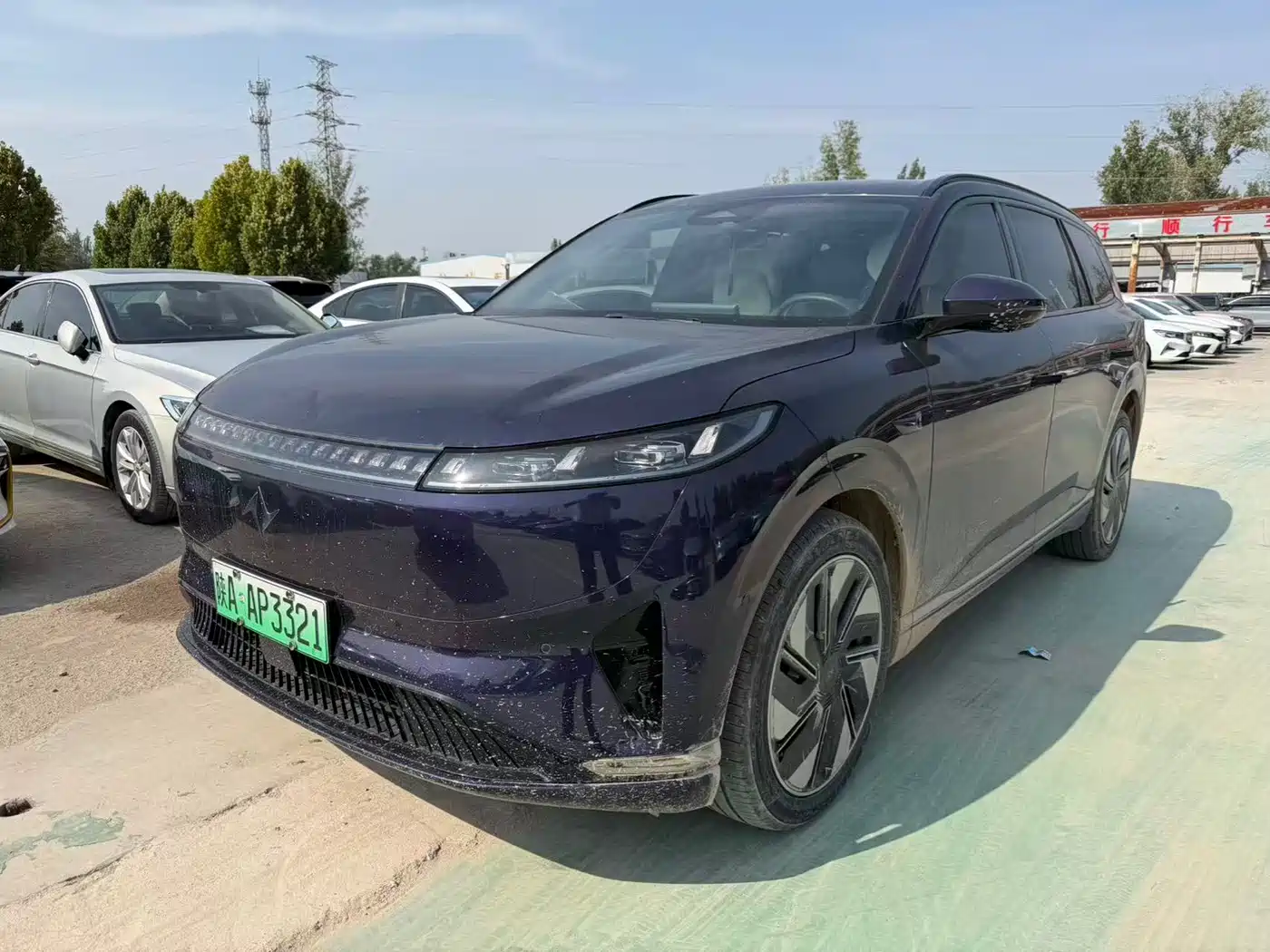
At a glance
- The Eπ008 combines five- and six-seat layouts with pure-electric and range-extender branches for family and fleet use.
- The catalogue separates 636 pure-electric names from 210 range-extender names, but certified range must be checked for each listing.
- Max, Ultra, Ruyi and Family-style grades require configuration-level comparison rather than comparison by model badge alone.
- Export pricing is driven by trim, seating, powertrain, model year, condition, logistics, exchange rates and Incoterms.
- MOQ, unit price, availability and right-hand-drive suitability are listing-specific and should be confirmed in writing.
Why the Dongfeng Yipai Eπ008 matters for export markets
The Eπ008 sits in the large family SUV segment, where buyers often need more passenger space and luggage flexibility than a compact crossover can provide. Its five- and six-seat layouts, combined with pure-electric and range-extender branches, make it relevant to importers serving family transport, executive shuttles and premium ridesharing. The case for export is therefore practical: one name can address both charging-led and range-anxiety markets. That does not remove local compliance work, but it gives distributors a broader initial proposition than one sold with only a single energy type in that market.
Demand for Chinese electrified vehicles in export markets is strongest where distributors can combine competitive vehicle acquisition with credible after-sales support. The Eπ008 is more useful in that context when the destination’s charging network, fuel availability and technical-support structure are understood before stock is committed. A large, feature-rich vehicle can attract attention, yet fleet uptime depends on parts supply, diagnostic capability and realistic charging or refuelling plans. For overseas buyers, product breadth should therefore be treated as flexibility to be matched carefully to local operating conditions rather than as proof of immediate market fit.
The Eπ008 also competes in a crowded global segment where buyers can compare large SUVs, premium MPVs and plug-in or range-extended alternatives. Its differentiator is not simply catalog size: it is the combination of seating choice and two electrified operating concepts under one model family. Buyers should still test that proposition against after-sales coverage, homologation effort and residual-value expectations, because imported premium vehicles can lose value when local service capacity is thin. The sensible export case is strongest for a distributor with a defined customer segment and a plan for parts, diagnostics and compliant road testing.
- BEV and range-extender choices.
- Five- and six-seat layouts.
- Local homologation remains essential.
Model range, trims and powertrain variants: how the lineup is structured and how to choose
Within the Eπ008 range, the 636 names identify pure-electric variants, while the 210 names identify range-extender versions. Seat count changes the practical brief: five-seat cars prioritize rear passenger comfort and luggage capacity, whereas six-seat versions add a third row for larger families or executive transport. Max and Ultra grades appear alongside named Ruyi, Family, Family Joy and high-configuration editions, so a useful comparison must begin with the complete trim designation rather than the model name alone. Equipment, battery or range version, drivetrain and seating should all be matched before judging commercial value.
For a range-extender buyer, the attraction is the ability to cover everyday electric driving while retaining a combustion-based energy source for longer journeys, subject to the exact system specification. That can suit mixed charging access and high daily mileage, but it does not make fuel, servicing or emissions costs disappear. Request the official electric-only range, combined-range standard, fuel type, tank capacity and real-world consumption figures for the precise 210 configuration before making a fleet-cost calculation. The same discipline is essential when comparing an EREV with a conventional hybrid or a pure battery-electric alternative.
Pure-electric 636 variants suit buyers with dependable charging access, shorter charging downtime requirements and a low-emission operating policy. They offer a straightforward one-energy operating model, but route planning, connector compatibility, cold-weather performance and battery degradation should be checked against the destination climate and duty cycle. If those conditions are uncertain, the Eπ008’s range-extender branch may reduce operational risk; if they are strong, the BEV branch can simplify ownership. Neither branch is universally cheaper, so freight, energy, maintenance, insurance and residual value belong in the same total-cost comparison for fleet use.
- 636 identifies pure-electric names.
- 210 identifies range-extender names.
- Compare full edition names.
New vs used Dongfeng Yipai Eπ008: how export inventory is structured and how buyers choose
For the Eπ008, export sourcing is principally a new-vehicle exercise rather than a deep used-vehicle market. New units allow buyers to compare configurations, specify a model year and request a consistent factory condition, while avoiding the unknown history of an individual used car. That structure favors importers and fleet operators that can place a defined specification order. It also means buyers should confirm whether a unit is factory-new, display stock, parallel-imported or already prepared for another market. The live listing, not the model name, should be treated as the source for unit status and supporting documents.
A new Eπ008 is usually the cleaner route for fleets because battery condition, accident history and wear are not inherited from another operator. It can also make specification comparison easier across units, subject to production batches and market preparation. Buyers should inspect the actual vehicle, verify documents and ask whether any factory warranty can transfer across borders; neither condition nor warranty coverage should be inferred from a listing label. For a dealer launch, standardizing a six-seat range-extender and a five-seat pure-electric model may be more valuable than the lowest figure on an unspecified listing.
Used Dongfeng Yipai Eπ008 examples require a different decision framework because the available unit, rather than a production specification, defines the offer. Ask for VIN and registration records, service history, accident repair evidence, battery state-of-health report for a BEV, odometer reading and confirmation of software or replacement parts. A used vehicle may carry a visible discount, but its residual value, parts support and cross-border compliance can be less predictable than those of a documented new unit. Do not assume used availability, condition quality or a uniform discount from the model’s export catalogue.
- New units lead Eπ008 sourcing.
- Used status needs unit-level confirmation.
- Used BEVs need battery reports.
How export pricing works: the factors behind a live listing price, and how to read one
An Eπ008 listing price begins with the vehicle itself: model year, exact trim, energy type, seating layout, equipment and production status can all move the amount. Mileage and condition become more relevant for a used unit, while for a new vehicle the relevant question is whether the specification and market preparation match the buyer’s plan. A price comparison is meaningful only when all these items are aligned, rather than when two listings appear to carry the same model badge. The displayed figure should also be checked for currency, tax treatment and the seller’s commercial terms.
Read the live listing line by line. Confirm the full trim name, five- or six-seat layout, pure-electric or range-extender branch, model year, exterior details and listed options; then check whether images, documents and equipment match the description. Identify the currency and Incoterm, because an EXW-style vehicle price is not the same as a delivered or duty-paid quotation. Also look for price validity, deposit terms, exclusions and whether replacement units may be offered at a different specification. Treat any displayed amount as a starting point for a written quote rather than a guaranteed landed price.
The landed-cost worksheet should add international freight, insurance, port and terminal charges, documentation, inland delivery, import duty, VAT or sales tax, registration and local compliance work. Exchange-rate movements can change the final exposure even when the vehicle quote appears stable. For a multi-unit order, ask whether freight is quoted per vehicle or for the consolidated shipment and whether deposits are refundable. Current per-unit prices and terms must be taken from live listings and the seller’s written confirmation. This discipline prevents an attractive vehicle figure from masking an expensive market entry.
- Match trim and powertrain first.
- Check currency and Incoterm.
- Calculate landed cost separately.
MOQ, ordering and payment: single units vs consolidating a container
The minimum order quantity is a listing term, not a permanent attribute of the Eπ008. Some sellers may accept a single retail unit, while a containerized wholesale arrangement may involve multiple vehicles or a mixed set of trims. Buyers should read the MOQ shown for each unit and ask the supplier to confirm it in the quotation, especially when planning to combine a range-extender and a pure-electric allocation. Any promise to relax the listed MOQ should be written into the order terms before payment is requested for that exact shipment.
For a single-unit importer, the ordering sequence is straightforward: shortlist exact units, request photographs and documents, obtain a written quote, confirm production or condition status, then agree deposit and balance milestones. For a consolidated container, build the shipment manifest by SKU and seat count, check how the MOQ applies to each line, and specify the required inspection and documentation standard. Consolidation can reduce unit-level freight and handling, but only if every vehicle has the same destination and timing requirements. Do not treat vehicles booked at slightly different prices as a single homogeneous batch without recording the differences.
Payment arrangements commonly divide the transaction into an initial deposit and a balance linked to inspection or release, but the actual method, milestones and refund conditions vary by seller and destination. Confirm the paying currency, who bears bank charges, the title-transfer process and the documents needed for customs before sending funds. For a larger order, tie the final payment to satisfactory pre-shipment inspection, verified VINs and corrected discrepancies. Keep the signed quotation, invoice, packing list and payment receipts together. Any negotiated exception should appear in the final contract rather than only in informal correspondence.
- Read each listing’s MOQ.
- Confirm mixed-SKU policies.
- Document payment milestones.
Shipping, homologation and market compliance caveats: LHD/RHD and import rules by country
Large SUVs such as the Eπ008 may travel by container or roll-on/roll-off service, depending on exact dimensions, port facilities and carrier routing. Obtain the packed or vehicle dimensions and weight for the selected trim before booking, because seat configuration and market equipment can affect logistics. International freight cost also responds to origin and destination ports, sailing schedule, insurance, terminal handling, inland haulage and congestion. A door-to-door quote is usually more useful than comparing ocean freight in isolation. The vehicle should not be dispatched until loading equipment, securing points and lashing arrangements are confirmed.
Destination-market approval is a separate gate from transport. Importers must check local rules for vehicle type approval, emissions, safety, battery or range-extender restrictions, charging equipment, customs classification and registration. Requirements differ by country and can also vary for fleet, commercial or passenger-car use. The model’s Chinese-market compliance does not automatically satisfy another jurisdiction. Give the broker the exact VIN and configuration early, and retain evidence that the imported vehicle or powertrain is permitted before making a non-refundable commitment. Local electrical standards and language labels may also affect equipment acceptance there.
Most Chinese domestic vehicles are configured for left-hand drive, while some export markets require or strongly favor right-hand drive. Do not assume a conversion is available or legally acceptable. Steering-wheel, pedal, display, lighting, safety-system and homologation changes can affect cost, parts support and warranty; an informal swap may create a compliance problem. First ask whether a market-ready RHD unit exists, then obtain local written approval before authorizing any conversion, and confirm that the converter’s work is documented. The importer remains responsible for the final road-legal configuration in the importing country.
- Check packed dimensions early.
- Approve before shipment.
- Verify RHD conversion rules.
Who should buy the Eπ008 — and who should pick a different vehicle
The Eπ008 is a strong candidate for importers serving premium family transport, hotel or executive shuttles, and distributors that want a roomier alternative to a compact electrified SUV. Five-seat versions suit buyers who prioritize second-row space and luggage flexibility, while six-seat versions target larger families and group-transfer operations. The ability to offer both BEV and range-extender branches can also help a dealer address customers with different charging access and journey patterns within one model family. Its appeal rises when the vehicle is specified for a clear duty cycle rather than simply for headline equipment.
It is less suitable for buyers focused on compact urban parking, minimal operating cost without charging access, or markets without a viable parts and diagnostic network. Pure-electric demand should be supported by reliable charging and realistic route planning, while a range-extender purchase still requires fuel, servicing and emissions planning. Buyers needing a commercial certificate, heavy-duty payload rating or a model with an established local residual-value market may prefer a rival already supported by local dealers. A low acquisition quote alone does not resolve any of these operating constraints for buyers.
The decision should compare total cost over the intended holding period: acquisition, freight, duties, energy or fuel, maintenance, insurance, downtime and expected resale. Then test whether the chosen Eπ008 trim provides the seats, range system, equipment and documentation required. If those answers are positive, request current Eπ008 inventory and a destination-specific quote. If charging, homologation, support or resale remains weak, a locally supported alternative may carry less commercial risk despite a different specification. It is also sensible to compare the Eπ008 with actual rivals before carefully committing planned launch stock.
- Strong for family transport.
- Useful across BEV and EREV.
- Requires charging and service support.
Main rivals and how the Eπ008 compares
The closest comparisons include the Li Auto L9 for large range-extender family SUVs, the XPeng X9 for premium electric MPV-style transport, and the BYD Denza N8 for a large SUV with plug-in-hybrid positioning. Each addresses a different part of the Eπ008 proposition: Li Auto emphasizes the extended-range use case, XPeng competes most directly in the large battery-electric cabin, and Denza sits closer to the SUV-and-family-hybrid buyer. Their relevance still depends on destination-market availability and homologation rather than brochure similarity alone. All three are useful benchmarks, but none removes the need to compare local rules, service coverage and actual specifications.
Against the Li Auto L9, the Eπ008 offers a broader export catalogue that places a range-extender option beside a pure-electric branch, although the rival may have greater familiarity in certain home markets. Against the XPeng X9, the Eπ008 provides both five- and six-seat SUV configurations for buyers who prefer SUV packaging over a premium MPV format. The Denza N8 is a useful benchmark for buyers considering plug-in hybrid operation, but the Eπ008 range extender serves a distinct long-distance energy strategy. Local service networks, approved software, parts availability and resale evidence can outweigh powertrain architecture.
These are genuine segment comparisons, not claims that every specification, feature or homologated range is equivalent. An overseas buyer should compare the actual Eπ008 listing with the rival available in the target country, including seat layout, charging or fuel provisions, safety approval, warranty support and expected resale. The Eπ008 is most compelling when its two powertrain choices, seating flexibility and export sourcing package solve a buyer problem that the locally established rival cannot. If the rival already has the required configuration and stronger dealer support, it may be the safer commercial choice.
- Li Auto L9: EREV benchmark.
- XPeng X9: large BEV benchmark.
- BYD Denza N8: large PHEV SUV.
Live Dongfeng Yipai Eπ008 export inventory
View all listings →Real units currently on ChinaCarDirect with per-unit asking prices and MOQ. Availability updates live from the catalogue.
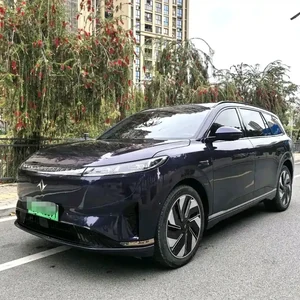
How to buy a Dongfeng Yipai Eπ008 from China
-
1
Define the required configuration
Specify BEV or range extender, five or six seats, preferred grade, destination market and operating duty cycle. This prevents broad model names from producing incomparable quotations.
-
2
Review live Eπ008 units
Compare the exact trim names, model years, options, photographs and documents in the live listings. Current price, unit status, MOQ and availability must be confirmed for the selected vehicle.
-
3
Request a written quotation
Send the configuration, quantity, destination, Incoterm, shipping window and proposed payment method. Ask the seller to separate vehicle price, freight, duties, documentation and inland delivery.
-
4
Run the compliance review
Provide the VIN and configuration to the broker and check local rules for LHD or RHD, type approval, emissions, battery systems, charging, customs and registration. Do not commit to a non-refundable order before written feasibility is established.
-
5
Place the order and inspect
Agree the MOQ, deposit, balance, title transfer, warranty, inspection and cancellation terms in the contract. Pay against the agreed invoice and retain the signed quotation, receipts and inspection record.
-
6
Ship, clear and support the vehicle
Book transport only after dimensions and weight are verified and the shipment documents match the units. Follow pre-shipment inspection, export release, customs clearance, registration and the initial spare-parts plan through to delivery.
Eπ008 vs rivals
| Li Auto L9 | A direct large-family range-extender benchmark with six-seat appeal. The Eπ008 differentiates through access to both BEV and range-extender branches in one export range, although local service and homologation may favor the rival. |
|---|---|
| XPeng X9 | The closest large premium BEV comparison, particularly for buyers seeking a spacious multi-row cabin. The Eπ008 adds SUV packaging and a range-extender choice, while X9 buyers should compare charging support and destination approval. |
| BYD Denza N8 | A large-family SUV alternative with plug-in-hybrid positioning. The Eπ008 range extender offers a different long-distance energy strategy, while its BEV branch competes with large electric family vehicles. |
Frequently asked questions
How is the Dongfeng Yipai Eπ008 export price determined?
The live price is built from model year, trim, powertrain, seating, options, condition and market preparation. Freight, exchange rates, insurance, Incoterms, duties and local charges may sit outside that figure and affect landed cost. Check each live Eπ008 listing for the current vehicle amount, then request a written quote stating currency, Incoterm, validity and exclusions.
What powertrain and range options are available?
The catalogue separates 636 pure-electric versions from 210 range-extender versions, with five- and six-seat trims across the range. The numbers are configuration identifiers and should not replace certified electric-only, combined-range and test-cycle figures for the exact unit. Verify battery capacity, motor output, charging and range-extender fuel or engine details in the live listing and homologation file.
Should I buy a new or used Dongfeng Yipai Eπ008?
New Eπ008 sourcing is generally simpler for fleets because the specification is documented and the unit has no inherited battery, mileage or accident history. A used example can suit a lower-budget operator but requires VIN, service and accident checks, odometer verification and a battery state-of-health report for the BEV. Current used-unit availability is not guaranteed, so check the live listing and treat each unit separately.
How does the MOQ work for an Eπ008 order?
MOQ is set per listing and may differ between a single retail sale and a consolidated wholesale order. Read the unit’s MOQ, ask whether mixed trims can share the same shipment, and obtain written acceptance before paying. Do not assume one buyer’s negotiated quantity applies to every seller or every Eπ008 configuration.
What affects Eπ008 shipping time and cost?
Shipping time and cost depend on origin and destination, carrier route, sailing or road schedule, congestion, insurance, terminal handling, customs and inland delivery. Because the Eπ008 is a large vehicle, verify exact dimensions and weight before choosing container or roll-on/roll-off service. Request a door-to-door quotation and confirm loading, securing and pre-shipment inspection arrangements.
How are spare parts and after-sales support handled?
Parts support depends on the destination dealer network and exact model year, so confirm common wear parts, high-voltage service items, diagnostic software and warranty procedures before launch. Provide the VIN when ordering parts and ask the supplier to identify any China-specific components or software limitations. Local technicians should also be trained for the selected BEV or range-extender system.
Is a right-hand-drive Eπ008 available?
A factory right-hand-drive Eπ008 should not be assumed, especially when the vehicle is prepared for the Chinese domestic market. Ask the seller and check the live listings for an RHD unit and destination approval. If a conversion is proposed, obtain local written approval first and budget for changes to controls, safety systems, documentation, parts support and warranty.
How do I order a Dongfeng Yipai Eπ008 from China?
Start with the live Eπ008 listings, shortlist exact trims and seat layouts, and send one consolidated RFQ stating destination, quantity, Incoterm and required documents. Review the written MOQ, deposit, balance, inspection, title-transfer and cancellation terms, then pay against the agreed invoice. After inspection, confirm export release, shipping, customs clearance, registration and the initial spare-parts plan.
Ready to source the Dongfeng Yipai Eπ008?
Request a current Eπ008 quotation for your destination, preferred seating layout and BEV or range-extender requirement.
Request a quote