
Dongfeng Yipai Nano 01 Export Buying Guide
Plan a Dongfeng Yipai Nano 01 export purchase with trim, range, pricing, MOQ, shipping, compliance, rival and live-inventory guidance for overseas dealers.
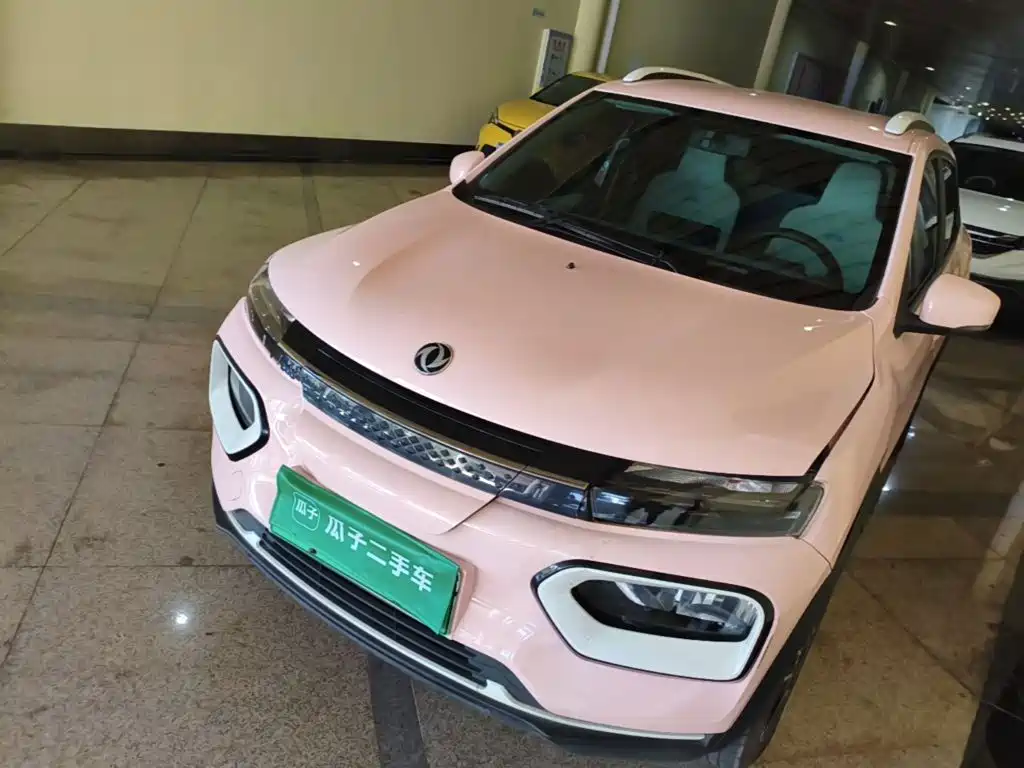
At a glance
- The Nano 01 is a compact five-door battery-electric hatchback suited to urban and fleet use.
- The 330 and 430 labels identify CLTC range families, while Air, Plus, Max, and Smart+ denote equipment positioning.
- A 31.4 kWh or 43.0 kWh nominal battery choice affects weight, cost, and expected route flexibility.
- New vehicles simplify fleet standardization; used purchases require battery-health and condition evidence.
- Confirm the current per-unit price, MOQ, availability, and destination compliance in the live listings.
Why the Dongfeng Yipai Nano 01 matters for export markets
The Dongfeng Yipai Nano 01 is a compact, five-door battery-electric hatchback positioned for buyers who need practical urban mobility without moving to a larger crossover. Its appeal comes from a straightforward proposition: two recognizable range families, several equipment tiers, and a footprint suited to dense commercial use. For overseas dealers, that makes the model easier to place than a premium import, while its electric drivetrain can support low running-cost fleet propositions in markets building charging infrastructure. The trade-off is that international suitability still depends on local approval, charger compatibility, and a credible parts plan.
Global demand is strongest for this kind of vehicle where roads are urban, daily routes are predictable, and operators can control charging. Ride-hailing, hotel and staff transport, campus fleets, municipal procurement, and short-distance delivery businesses can all use a compact EV economically, provided utilization is high enough to offset the vehicle’s purchase and deployment costs. The Nano 01 is not simply a low-cost car: for these users, the business case depends on utilization, energy planning, residual-value assumptions, and a credible local workshop support network in the destination market. Local execution determines whether that proposition is commercially credible.
For export markets, the Nano 01 matters because it gives importers a mainstream Chinese BEV with different size and price-positioning alternatives rather than one isolated specification. Its 330 and 430 designations help buyers separate the shorter-range and longer-range branches, while Air, Plus, Max, and special-edition labels provide a basis for matching equipment to the buyer. The important caveat is that Chinese-market trim naming does not automatically create a homologated overseas product; certification, software, connector, and after-sales work remain destination-specific and should be budgeted as separate import work rather than assumed.
- Compact five-door BEV, not a large SUV
- Two nominal CLTC range families
- Destination approval and charger fit are critical
Model range, trims and powertrain variants: how the lineup is structured and how to choose
The lineup is easiest to decode by separating range family from equipment grade. The 330 and 430 names correspond to the model’s nominal CLTC range classes, while Air, Plus, Max, and Smart+ suffixes indicate different equipment positioning within those families. Youth, Renewal, Original Heart, Standard, and co-creation names are special or model-year labels rather than a reliable global hierarchy. Buyers should therefore compare the exact edition on the live listing instead of assuming two similarly named trims are mechanically identical or that names remain identical across different production periods.
The two battery branches create the core operating trade-off. The smaller pack is associated with the 330 class, and the larger pack with the 430 class; both are sensible choices when the vehicle’s route pattern is known. A smaller battery reduces weight and purchase cost but leaves less reserve for detours, climate load, and repeated fast charging. The larger pack is more appropriate for higher daily mileage or less predictable routes, although its extra capacity does not guarantee proportionally greater real-world distance under local test conditions because ambient conditions vary materially.
Performance and charging choices should then be matched to the mission. The 330 branch is generally associated with a 70 kW motor, whereas the 430 branch uses a higher-output 120 kW motor, with single-speed electric drive and front-wheel drive. That difference can matter on gradients, fully loaded trips, or routes with frequent acceleration. Charging is supported by both AC and DC systems, but connector design, AC input, and rapid-charge performance must be confirmed for the export configuration and destination charging network and freight plan before committing to a multi-vehicle order.
- 330 family: 31.4 kWh nominal battery
- 430 family: 43.0 kWh nominal battery
- Smart+ equipment must be verified per listing
New vs used Dongfeng Yipai Nano 01: how export inventory is structured and how buyers choose
Export inventory should be read first by condition, then by model year, edition, and specification. A listing explicitly marked new should be treated as new; a used Nano 01 must carry its own mileage, ownership, service, and condition disclosures rather than being inferred from the model name. New vehicles are the primary Nano 01 export format. Buyers seeking a used example should confirm availability directly, then request vehicle-level inspection evidence before paying a deposit or authorizing shipment in writing and should obtain written confirmation of condition and documents before any commitment.
A new vehicle is the cleaner choice for fleet launchers, financed dealer programs, and buyers who need a documented delivery condition and the manufacturer’s applicable new-vehicle warranty. It also simplifies configuration, allowing a buyer to standardize on one range family and equipment grade. The trade-offs are exposure to normal depreciation, possible stock age if a model year is not current, and the risk that a seemingly complete specification misses software, regional certification, or accessories needed in the destination market. These risks are manageable with a written specification and pre-shipment inspection.
A used Nano 01 can make sense for a buyer seeking a known route pattern, a lower acquisition commitment, or an immediate fleet addition, but it should be treated as a separate asset purchase rather than a cheaper equivalent of a new listing. Battery state of health, DC charging performance, warning history, accident repair, underbody condition, and remaining manufacturer support can materially affect value. Require the VIN, maintenance records, independent inspection, battery-health evidence, and a clear statement of what warranty, if any, transfers before the vehicle is committed to export.
- Read condition before model year
- Used purchases require VIN and battery evidence
- New vehicles simplify fleet standardization
How export pricing works: the factors behind a live listing price, and how to read one
There is no defensible fixed export price for the Dongfeng Yipai Nano 01, because a live quote is a combination of vehicle attributes and transaction terms. Model year, range family, motor output, trim, production status, condition, mileage, visible options, and exchange-rate movements all influence the seller’s ask. At the shipment level, freight method, origin and destination charges, insurance, documentation, port handling, and the selected Incoterm can move the final commercial total substantially. A low vehicle figure can therefore produce an expensive landed cost if freight scope is not understood clearly.
Read each live ChinaCarDirect Nano 01 listing as the starting vehicle price, not automatically the amount payable at your warehouse. The exact current price, MOQ, and availability are shown per unit in that live inventory. Check whether the seller states the Incoterm, whether the battery is included as expected, which documents are supplied, and whether images identify the exact edition. Then ask for a written quotation that separates the vehicle, domestic China charges, international freight, insurance, taxes or duties if quoted, and any warranty or service package before adding financing and operating costs.
Pricing should be refreshed at the moment of purchase because the vehicle, freight market, taxes, and currency can all change before a production slot or vessel is confirmed. Buyers using a multi-vehicle wholesale budget should request a price for each trim rather than one blended figure, and should identify whether savings come from a different battery, less equipment, an older model year, or simply a different delivery scope. The safest comparison is the same Incoterm, destination, inspection standard, payment schedule, and warranty assumption on every quote. Confirm the quote validity period in writing.
- Compare one Incoterm and destination
- Separate vehicle cost from landed charges
- Refresh the written quote before payment
MOQ, ordering and payment: single units vs consolidating a container
Minimum order quantity is a commercial rule, not a fixed property of the model. Some Nano 01 sellers or stock programs may accept a single unit; others may apply a trim-specific minimum, require a mixed allocation, or only release a batch after production allocation. Buyers should therefore treat the MOQ shown for each live listing as the starting point and obtain written confirmation before treating one unit as a test order. A supplier’s willingness to sell one sample does not automatically mean the same terms apply to every trim or a repeat order.
A one-unit purchase is useful for testing demand, validating charger compatibility, and photographing a realistic vehicle before committing to a container. Consolidating several units usually improves freight efficiency, especially when vehicles are selected for one fleet specification, because loading, documentation, and port handling are spread across more cargo. It also creates concentration risk: a trim error or compliance issue affects more vehicles at once. Mixed-trim consolidation can improve flexibility, but it should be accepted only with clear allocation records and condition criteria for every unit before the balance payment is released.
The normal sequence starts with a model-year, range-family, and equipment brief, followed by a written quotation and a vehicle-level inspection request. The buyer then confirms the contract, payment milestones, production or stock allocation, and the exact unit identifier. Before release for shipment, inspect the exterior, interior, mileage, options, charging function, warning messages, and documents; unresolved discrepancies should be corrected in writing. Final freight booking follows the commercial handover, with inspection and payment terms protected rather than assumed from a catalogue photograph. For larger orders, use a sample-approved inspection protocol and unit list.
- Confirm MOQ per seller and trim
- Test one vehicle before scaling
- Tie final payment to inspection
Shipping, homologation and market compliance caveats: LHD/RHD and import rules by country
Steering configuration is an early export filter. Most China-origin vehicles are configured for left-hand drive, so a right-hand-drive requirement usually means asking for an RHD-origin unit, a documented conversion, or another market’s stock. Do not assume a Chinese-listing photograph reveals the correct configuration. Buyers should specify LHD or RHD in the purchase order, verify the steering position and any associated equipment, and confirm that local registration rules permit the vehicle as delivered before paying for freight. The importer remains responsible for confirming whether any local conversion is acceptable in law.
Import compliance is destination-specific, not a single export certificate. Depending on the country, the importer may need vehicle type approval, conformity documents, emissions or noise compliance, battery and charging rules, cybersecurity and software requirements, radio approval, local labels, or an inspection certificate. The charging connector and interface can be as important as the approval itself: a GB/T-equipped vehicle may require an approved adapter or a properly configured export version. A qualified local agent should define the document list before contract signature, not after the vehicle reaches the port, and should record the requirements in writing.
Shipping cost and lead time depend on the number of vehicles, chosen method, route, sailing schedule, port charges, cargo handling, insurance, and the dimensions and weight of the load. Container consolidation is often operationally simpler than shared LCL cargo, while vehicle carriers or specialist transport can suit other volume patterns. Lithium-battery cargo requires correct documentation, secure stowage, and carrier approval; importers should confirm battery state, packing requirements, and insurance coverage with the forwarder. Transit time should be quoted for the actual route and service, not inferred from a generic China-to-market estimate.
- Specify LHD or RHD in writing
- Confirm connector and destination approvals
- Quote the actual route and service
Who should buy the Nano 01 — and who should pick a different vehicle
The Nano 01 is a strong candidate for urban fleet operators that can provide dependable charging, standardize routes, and maintain vehicles through local technicians. Ride-hailing, hotel and staff shuttles, campus transport, short-distance delivery, and compact municipal or corporate fleets can benefit from its usable footprint and two range choices. The strongest business case combines a high daily mileage profile, controlled charging, predictable maintenance, and a total-cost model that credits lower energy use without overstating the savings from unverified range figures. Dealers should model utilization, charging downtime, and residual values separately.
The case weakens when operations include long intercity routes, remote destinations, severe temperature exposure, heavy payloads, towing, or unreliable charging access. Buyers needing a larger cargo bay, SUV ground clearance, a proven international service network, advanced driver-assistance features, or a strong residual-value brand should pause before ordering. These are not necessarily flaws in the Nano 01; they are use-case mismatches. The right comparison is total delivered operating capability over the vehicle’s planned service life, not the most attractive specification sheet or the lowest vehicle quote after local homologation and charging checks.
Retail buyers and smaller importers should also consider whether their market can support the model after delivery. Parts catalogs, diagnostic software, battery repair capability, technician training, and a realistic warranty workflow can matter more than a small specification advantage. For a trial shipment, one unit can reveal fit, finish, software behavior, and charger compatibility, but it will not establish demand. A staged order allows the importer to validate registration, servicing, and resale or utilization before scaling the fleet or dealership allocation. Ask for a written local support plan before shipment is released.
- Best suited to controlled urban fleets
- Requires dependable local charging
- Weak fit for towing or remote routes
Main rivals and how the Nano 01 compares
The BYD Dolphin is the closest conceptual rival: a compact battery-electric hatchback sold for similar urban and fleet missions. It may appeal to buyers who prioritize stronger international brand recognition, established homologation experience, or a wider dealer and residual-value proposition in some markets. The Nano 01 competes through its compact five-door format, multiple range and equipment grades, and value-oriented sourcing. The comparison should be made on the exact destination specification, after-tax cost, warranty, charging support, and service access rather than on headline range alone over the intended ownership period.
The GAC Aion Y offers a taller, crossover-style alternative with a different packaging proposition and a more upright seating position. It can be more attractive where SUV styling, additional cabin height, or flexible family-and-fleet use is important, while the Nano 01 may be easier to place where a low, conventional hatchback is preferred. Neither automatically wins: buyers should compare usable cargo volume with seats folded, rear comfort, motor performance, route energy, charger fit, and the local after-sales network before deciding and obtain a landed-cost comparison for the exact destination.
The Wuling Bingo is a smaller city-EV rival aimed at short urban routes and highly price-sensitive buyers. It can be a rational choice when space, charging access, and acquisition cost matter more than highway performance or sustained high-speed use. The Nano 01 offers a larger-car proposition and broader range-family choice, which may suit fleets wanting more passenger room or longer daily mileage. Again, the decision should reflect real route energy, payload, safety equipment, and after-sales support in the destination rather than a simple size ranking. A final comparison should use the same destination rules, charger, payload, annual mileage, and operating schedule, then compare vehicle cost, energy, insurance, maintenance, charging equipment, downtime, and residual value.
- BYD Dolphin: direct compact-hatchback rival
- GAC Aion Y: taller crossover alternative
- Wuling Bingo: smaller city-EV option
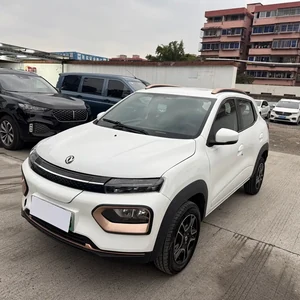
Live Dongfeng Yipai Nano 01 export inventory
View all listings →Real units currently on ChinaCarDirect with per-unit asking prices and MOQ. Availability updates live from the catalogue.
Dongfeng Yipai Nano BOX 2022 Facelift Breeze Edition 201KM Standard
How to buy a Dongfeng Yipai Nano 01 from China
-
1
Define the operating brief
Record daily mileage, route profile, payload, charging access, budget, and required LHD or RHD configuration before selecting a vehicle.
-
2
Choose the range family and trim
Compare the 330 and 430 branches against real route needs, then verify the exact equipment and battery on the selected live listing rather than relying on trim shorthand.
-
3
Build the destination compliance list
Ask a qualified local agent to confirm type approval, battery and charging rules, radio, software, labels, connector format, and inspection requirements.
-
4
Request comparable live quotations
Request the current per-unit price, MOQ, Incoterm, freight scope, insurance, taxes, documentation, warranty, and quotation validity for each shortlisted vehicle.
-
5
Assign and inspect the exact vehicle
Obtain the VIN or SKU, photographs, equipment list, mileage, condition report, charging test, warning-message record, and document check before payment.
-
6
Confirm the order and payment terms
Put the model year, trim, unit quantity, MOQ, deposit and balance milestones, documents, inspection standard, warranty, and remedy for discrepancies in writing.
-
7
Release and book the shipment
Complete final inspection, confirm battery-cargo documentation, secure insurance and stowage, approve the route and freight booking, and retain delivery records.
Nano 01 vs rivals
| BYD Dolphin | The Dolphin is the closest global-style rival in the compact BEV hatchback class and may offer stronger brand recognition or deeper service coverage in certain markets. The Nano 01 may suit buyers seeking a value-oriented five-door with more range-family and equipment combinations. |
|---|---|
| GAC Aion Y | The Aion Y provides a taller, crossover-like package and more upright seating, potentially appealing where SUV style and flexible family use matter. The Nano 01 is better aligned with buyers wanting a low, conventional hatchback footprint and straightforward urban fleet deployment. |
| Wuling Bingo | The Bingo is a smaller city-EV alternative focused on short routes and acquisition-value buyers. The Nano 01 offers a larger cabin and broader range choice, making it more relevant to fleets that need additional passenger space or greater daily-mileage flexibility. |
Frequently asked questions
How is the Dongfeng Yipai Nano 01 export price determined?
Export pricing combines the exact vehicle with the delivery scope. Model year, 330 or 430 battery branch, trim, condition, mileage, options, exchange rates, freight, insurance, port charges, taxes, and Incoterm all affect the final amount. Use the live ChinaCarDirect Nano 01 listings for the current per-unit price and request a written landed-cost quotation before paying.
What powertrain and range specifications does the Nano 01 have?
The Nano 01 is a battery-electric vehicle with 330 km and 430 km CLTC-rated classes, normally paired with nominal 31.4 kWh or 43.0 kWh packs. The 330 family uses a 70 kW motor, while the 430 family uses a 120 kW motor. CLTC is a Chinese test cycle, so destination-range estimates should reflect the buyer’s own routes and climate.
Should an overseas buyer choose a new or used Nano 01?
New units provide cleaner configuration, documented delivery condition, and the applicable manufacturer warranty; used units can suit buyers prioritizing a lower acquisition commitment. A used purchase needs the VIN, service history, battery state of health, charging tests, accident and underbody inspection, and confirmation of transferable warranty. Read the condition stated on every listing rather than assuming used Nano 01 inventory is available.
What is the minimum order quantity for the Nano 01?
MOQ is set by the seller, trim, stock program, or production allocation, not by the vehicle model itself. A listing may permit a single-unit trial order, but buyers should confirm the quantity, unit allocation, and repeat-order terms in writing. Check the MOQ shown on each live listing before requesting payment instructions.
How long does shipping take and what determines the cost?
Shipping cost and lead time depend on unit count, container or shared-cargo method, route, sailing schedule, port handling, insurance, and battery documentation. The forwarder should quote the actual service and state what the vehicle price includes. A generic China-to-market transit estimate is not a binding schedule for a particular shipment.
Are spare parts available for the Dongfeng Yipai Nano 01?
Parts support depends on the importer’s chosen channel and the seller’s ability to supply model-specific items. Before ordering, request the parts catalog or list for wear items, charging accessories, high-voltage service parts, and diagnostic support, together with lead times and warranty procedures. Local technician access and software tools can be as important as parts availability.
Is a right-hand-drive Nano 01 available for export?
Many China-origin vehicles are left-hand drive, while some export vehicles may be right-hand drive. RHD availability is market-specific, so specify it before payment and verify the steering position and charging equipment. A conversion may be possible, but its legality, warranty effect, and cost must be confirmed locally.
How do I order a Dongfeng Yipai Nano 01 from China?
Start with the live Nano 01 listings, then send the chosen trim and destination for a written quotation. Confirm the exact vehicle, MOQ, payment milestones, documents, inspection, warranty, Incoterm, and freight plan before releasing the balance. ChinaCarDirect can receive the request through its contact page for a tailored export quote.
Ready to source the Dongfeng Yipai Nano 01?
Send ChinaCarDirect your destination, required LHD or RHD configuration, range family, and order quantity for a current Nano 01 export quotation.
Request a quote