
Dongfeng Yipai Nano Ex1 Export Buying Guide for Overseas Buyers
Plan a Dongfeng Yipai Nano Ex1 export purchase with trim, range, pricing, MOQ, shipping and compliance guidance for overseas dealers and fleet buyers.
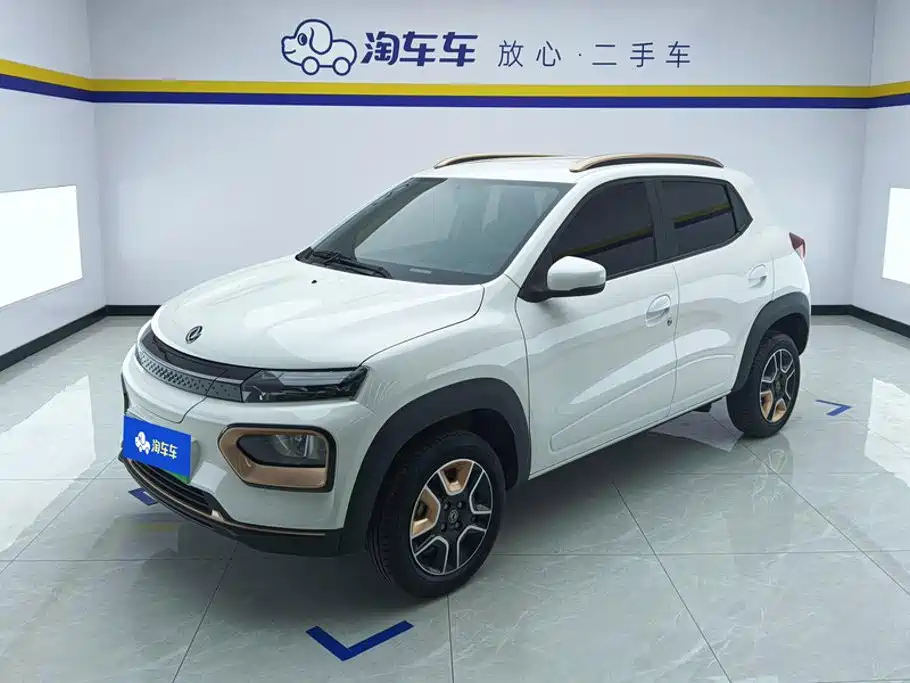
At a glance
- The Nano Ex1 is a compact battery-electric model suited to urban and light fleet duties.
- Short, predictable routes and dependable charging are central to its business case.
- Trim labels do not establish battery size, range, output or equipment without verification.
- Export pricing depends on unit specification, condition, Incoterm and delivered logistics.
- Destination homologation, steering side, parts support and charging compatibility require pre-purchase checks.
Why the Dongfeng Yipai Nano Ex1 matters for export markets
The Dongfeng Yipai Nano Ex1 sits in the affordable compact electric-car segment, between basic mobility vehicles and conventional small EVs. For overseas buyers, its relevance comes from a compact footprint, electric architecture and lower-complexity urban proposition. It is not positioned as a premium long-distance model; it is better suited to short commutes, private fleets and customers prioritizing affordability and ease of operation over high-speed refinement or extensive cargo capability. This can be relevant in cities where parking is constrained and incentives favor zero-emission vehicles, provided operating and compliance costs are validated locally.
Interest in this class is driven less by headline performance than operating economics. A small EV can reduce energy and service requirements for short-distance fleets, while its limited size simplifies dealer forecourt planning. Export demand is strongest where buyers see the model as an affordable second car, campus vehicle or light urban fleet unit. It is less convincing where expectations center on motorway range, rapid DC charging, roomy cabins or established nationwide aftersales support, so local alternatives must be checked before importing. Compare insurance, charging and residual-value risk, not acquisition cost alone.
The Nano Ex1 should therefore be assessed as a focused product, not a universal EV. Its commercial value comes from matching a small duty cycle to a manageable specification, then confirming that compliance and parts support will not undermine savings. For distributors, demand planning should be based on realistic customer use cases and local incentives. It becomes more compelling when a buyer can charge regularly, travel limited daily distances and accept a smaller, more utilitarian vehicle than a mainstream hatchback or crossover. Correcting a product mismatch after delivery is costly.
- Compact BEV for urban and fleet use
- Short routes and regular charging
- Validate incentives, parts and service
Model range, trims and powertrain variants: how the lineup is structured and how to choose
The export-facing lineup uses several named grades rather than one generic Nano Ex1 badge. Visible labels include PRO Light Breeze Standard and Lightning, PRO Joy Star, Comfort and World, PRO Tiger Glow Advanced, Facelift PRO Prestige, Premium Enjoyment, and Quality Action and Enjoyment editions. These names identify a vehicle, but they do not by themselves disclose battery capacity, rated range, motor output or charging capability. Ask for the complete technical sheet and equipment list before translating a trim label into a customer promise. Photos and descriptive copy are useful, but incomplete.
Battery-electric range is the most consequential specification to compare, yet it should be checked at the unit level. A listing may represent a different battery or homologated range version, and the trim title alone is not reliable evidence. Compare usable battery capacity, rated range, charging rate, motor output and consumption only when those figures are documented. For fleet duty, prioritize usable range under the intended route and climate rather than a headline maximum measured under ideal test conditions. This approach also makes comparisons with differently branded rivals more meaningful overall.
Equipment choice should be assessed around the buyer’s operation. For a commercial user, charging access, payload, software, warranty and repairability may matter more than cosmetic trim differentiation. Confirm whether a charging cable is included, which connector and AC rate apply, whether DC charging is available, and what roadside and battery warranty applies. Also verify production date, software status and local parts availability. A well-chosen grade should deliver the required utility without paying for equipment the fleet will never use. Compare each grade against real operating needs before purchase in writing.
- Verify battery and range versions
- Trim names are not specifications
- Match charging and warranty to duty
New vs used Dongfeng Yipai Nano Ex1: how export inventory is structured and how buyers choose
Export inventory should be read by condition, age and documentation rather than by model name alone. A new vehicle offers a clearer ownership history, while a used example may appeal to buyers seeking a lower acquisition outlay or an established depreciation profile. Both can reach export channels through different routes, including dealer stock, trade-ins and fleet disposals. The condition field and inspection record in each live Nano Ex1 listing are therefore more important than broad assumptions about whether the model is usually new or used. Disclose any prior fleet use.
A new unit is often the simpler choice for a dealer building a repeatable sales package. Its history can be easier to explain, and the buyer can compare warranty, production date and delivered specification directly. However, “new” does not remove transport damage, manufacturing defects or unsuitable trim selection. Inspect exterior panels, cabin condition, battery indicators, software and included accessories, and retain written confirmation of the condition and delivery date. These checks matter even when a unit is presented as dealer stock. It also helps to compare warranty transferability in the destination market.
A used Nano Ex1 can make sense when the price of a new unit is difficult to justify, but the discount is only valuable after condition risk is priced in. Obtain the service history, mileage basis where applicable, battery state-of-health evidence, accident disclosures, title documents and a fresh inspection. High usage or incomplete battery information can narrow the buyer pool and affect financing, insurance and resale. For a commercial fleet, total cost should include expected downtime and parts, not merely the difference between new and used acquisition costs. Protect margin.
- Check every condition label
- Inspect new units too
- Verify used battery history
How export pricing works: the factors behind a live listing price, and how to read one
A Nano Ex1 export price is not a fixed market rate; it is the result of several variables attached to a particular vehicle and transaction. Model year, trim, battery or range version, condition, mileage and visible equipment affect the base ask. Seller location and vehicle availability also matter, especially if the unit must be repositioned before export. Buyers should treat the displayed amount as a live unit-level starting point, not a guarantee of the final landed cost or a promise that comparable vehicles will be quoted alike. Request written terms.
Logistics and contract terms can move the total as much as the vehicle specification. Exchange-rate changes affect supplier costs, while freight, insurance, terminal handling, documentation and destination charges depend on origin, route, carrier and Incoterm. Duties, taxes, registration charges and incentives are destination-specific and may not be included. A quoted vehicle amount therefore needs a clear scope: whether it covers export handling, sea freight, insurance, customs clearance, delivery and warranty support. Comparing quotes with different scopes can be misleading. The same Incoterm can also produce different cash requirements in practice.
Read a live listing line by line. Confirm the vehicle identity, production year, exact trim, condition, battery version, included charger, visible damage and seller location. Then check whether the price is negotiable, the quote validity period, payment terms and the named Incoterm. Ask for an all-in estimate separately from the vehicle price, including estimated freight and destination charges. Current exact prices, availability and seller terms should always be taken from the live ChinaCarDirect Nano Ex1 inventory, because they can change with the unit, exchange rates or logistics. Use dated written quotations.
- Specification drives the base ask
- Incoterm changes landed cost
- Use current unit-level quotes
MOQ, ordering and payment: single units vs consolidating a container
Minimum order quantity is a commercial term, not a fixed characteristic of the model. A retailer buying one vehicle should ask whether the seller will release a single unit and which documents or freight arrangements apply to that order. A wholesale buyer planning a container should expect a separate quotation because vehicle allocation, loading, documentation and payment milestones may differ. The relevant ChinaCarDirect live listing and written supplier response should state the applicable MOQ; do not infer it from the model or from a general marketplace page. Clarify MOQ in writing.
Ordering mechanics should be agreed before any balance is sent. The purchase sequence normally begins with a specific unit or batch quotation, followed by identity and document checks, then payment under stated terms and release for export after agreed conditions are met. Ask what deposit and balance schedule applies, who holds funds, when title transfers, and what happens if inspection, shipping or customs reveals a discrepancy. The invoice, VIN, trim description and agreed condition should match across every document. Independent inspection is particularly valuable when a buyer cannot attend the vehicle personally.
Consolidating several vehicles into one container can improve shipment efficiency and reduce repeated handling, but it creates a different risk profile. Confirm whether each unit is independently saleable and how the seller allocates deposits, keys, documents and release approvals. Verify actual vehicle dimensions, tie-down arrangements, battery transport documentation and any restrictions before choosing full-container or shared-load logistics. Payment exposure should be tied to clear milestones, while a buffer should be kept for port, storage, damage, customs and demurrage costs that may sit outside the headline freight quote. Use a freight forwarder.
- MOQ is shipment-specific
- Tie payment to milestones
- Confirm loading and tie-down plans
Shipping, homologation and market compliance caveats: LHD/RHD and import rules by country
Shipping begins with the vehicle’s condition and the route from the seller to the buyer. Vehicles may move by rolling cargo, container or approved multimodal combination, and the best method depends on origin facilities, destination port, dimensions, battery requirements and delivery deadline. Freight cost is influenced by distance, seasonality, carrier capacity, terminal fees, insurance and handling, while time is affected by sailing schedules, transshipment, customs clearance and inland delivery. A forwarder should confirm the packing plan and battery documentation rather than assume standard vehicle procedures apply unchanged. Check battery rules.
Steering configuration is a sourcing issue, not a cosmetic preference. Some export units are left-hand drive, while right-hand-drive availability depends on factory production, conversion capability and the seller’s actual stock. Never assume a market suffix guarantees a particular steering side. Ask for the VIN, photographed steering position and a written statement of the configuration. If conversion is necessary, establish who performs it, whether warranty is affected, and whether the destination authority accepts the converted vehicle before committing to a shipment. A local inspection can provide a final independent pre-shipment safeguard.
Import compliance must be checked for the destination country, and no single rule set applies globally. Buyers may need vehicle identification, type approval, customs classification, emissions or energy documentation, proof of ownership, safety equipment, local charging compatibility and registration support. Duties, taxes, exemptions and dealer registration can materially affect the decision, and EV incentives may depend on local sourcing, price thresholds or battery rules that change over time. Use a customs broker or local compliance specialist, supply the exact vehicle data early, and confirm requirements in writing promptly before loading.
- Route affects logistics
- Confirm battery transport rules
- Verify LHD or RHD before contracting
Who should buy the Nano Ex1 — and who should pick a different vehicle
The Nano Ex1 is best suited to buyers whose duty cycle is compact. It can fit an urban dealer trying to offer an affordable electric second car, a campus or hotel operation managing short trips, or a fleet replacing petrol use where vehicles return to a known base for charging. The commercial case is strongest when routes are predictable, daily mileage is modest, charging is available and customers accept a smaller cabin or cargo area. These use cases can turn low vehicle size into an operational advantage rather than a limitation.
It is also suitable for a distributor testing whether a small EV segment has local demand without committing to a large national rollout. Start with a limited mix of trims, explain charging and range clearly, and collect customer feedback on size, equipment and after-sales confidence. Marketing should avoid promising a range that cannot be supported by the exact variant, especially in hot or cold conditions where usable energy may vary. A dealer investing in staff training, charging guidance and transparent condition reports will usually create more trust than headline claims.
Different vehicles are better when requirements extend beyond the Nano Ex1’s core proposition. Long-distance travel, motorway use, heavy payloads, poor roads, extreme climates or frequent seven-seat needs favor a larger and more powerful vehicle. Buyers requiring a mature nationwide parts network, advanced driver assistance or established residual values should also compare better-supported mainstream EVs. A used Nano Ex1 may suit a private buyer with local repair knowledge, but a fleet needing predictable uptime should prioritize diagnostic capability and spare-parts availability over a lower acquisition cost. Consider suitability beyond purchase price.
- Suited to urban fleets with depot charging
- Useful for focused distributor pilots
- Choose larger EVs for heavier duties
Main rivals and how the Nano Ex1 compares
The closest price-tier competitor is the Wuling Hongguang MINI EV, another very small urban electric car. The Nano Ex1’s appeal should therefore be judged against locally homologated Wuling versions on usable space, equipment, warranty and parts access, not against abstract brand images. For a city dealer, the deciding factor may be which model has the simpler approval path and stronger local support. Neither should be presumed suitable for long-distance work, and actual range figures should be taken from each exact vehicle rather than general model summaries. Check charging and resale.
The Chery QQ Ice Cream competes in the light electric-city-car category and may appeal to buyers seeking a similarly compact, design-led alternative. The Nano Ex1 has multiple named trims in the export catalogue, but equipment must still be carefully verified for each candidate vehicle. A rational comparison should cover the actual battery and range variant, safety equipment, warranty, charging equipment and local parts support. Ultimately, the better choice is the one that is legally and economically supportable in the destination, not automatically the model with the more attractive brochure alone.
Leapmotor T03 is a useful cross-shop when a buyer wants a more conventional compact-EV format rather than the smallest city-car packaging. It may be a better operational fit where greater cabin or cargo flexibility and a broader driving proposition matter, although the final choice depends on the exact variant and local approval. For all three rivals, compare battery specification, usable range, charging, warranty, service parts, safety specification and expected resale before ordering. A head-to-head test drive and verified delivery-cost calculation are more reliable than general rankings. Check local availability carefully.
- Compare city-EV parts support
- Compare Chery on equipment and approval
- Compare Leapmotor for compact-EV flexibility
Live Dongfeng Yipai Nano Ex1 export inventory
View all listings →Real units currently on ChinaCarDirect with per-unit asking prices and MOQ. Availability updates live from the catalogue.
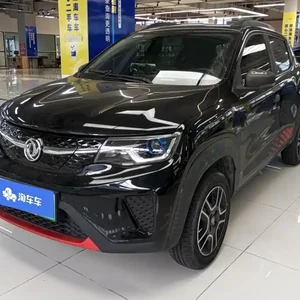
Dongfeng Yipai Dongfeng Nano EX1 2022 PRO Tiger Glow Advanced Edition
How to buy a Dongfeng Yipai Nano Ex1 from China
-
1
Define the destination and duty cycle
Set the daily distance, route, climate, payload and charging location before selecting a vehicle. Confirm the destination country’s import, charging and registration requirements with a local specialist.
-
2
Compare live vehicles from China
Review the available Nano Ex1 units by year, trim, condition and advertised equipment. Shortlist vehicles whose documented configuration appears suitable for the intended customers.
-
3
Verify specifications and documents
Request the VIN, complete technical sheet, battery and range version, charging details, warranty, accessories, ownership documents and steering-side photographs. Do not rely on the trim badge alone.
-
4
Request a landed quotation
Ask for the vehicle price, Incoterm, freight, insurance, handling, customs-clearance scope, applicable duties and taxes, MOQ and payment milestones as separate line items. Use a dated quotation tied to the chosen unit.
-
5
Inspect before final payment
Use an independent inspector where practical, checking VIN details, exterior and interior condition, battery information, included equipment and agreed repairs. Ensure the invoice and vehicle description match before releasing the balance.
-
6
Book compliant export logistics
Instruct a specialist freight forwarder to confirm loading method, battery documentation, tie-downs, insurance, route, destination clearance and inland delivery. Complete local registration and after-sales planning before customer handover.
Nano Ex1 vs rivals
| Wuling Hongguang MINI EV | This is the closest direct competitor in the very small urban EV category. Choose between the two based on the exact homologated version, usable space, equipment, local parts support and approval process rather than badge preference. |
|---|---|
| Chery QQ Ice Cream | The QQ Ice Cream is another light city-focused EV and may suit buyers prioritizing compact packaging and design. The Nano Ex1 offers several named trims, but a fair comparison still requires checking each vehicle’s range version, safety equipment, warranty and charging compatibility. |
| Leapmotor T03 | The T03 provides a more conventional compact-EV alternative and may be worth considering where cabin or cargo flexibility matters more than minimum footprint. The final decision should follow destination approval, verified range, service coverage and a delivered-cost comparison. |
Frequently asked questions
How is the Dongfeng Yipai Nano Ex1 export price determined?
The export price reflects the specific vehicle and transaction, including model year, trim, battery or range version, condition, mileage, equipment, exchange rate, freight, insurance, handling and Incoterm. Duties, taxes, registration and local incentives belong in the landed-cost calculation and may not be included in the vehicle quote. Check the live ChinaCarDirect Nano Ex1 listings for the current unit-level ask, then request a dated written quotation tied to the chosen vehicle.
What powertrain and range specifications should I request?
The Nano Ex1 is a battery-electric model, and exact versions can differ in battery, rated range, motor output and charging capability. Do not infer those figures from the trim badge; request the unit’s technical sheet and destination-market homologation details. Real-world range also varies with route, speed, load, temperature and charging habits.
Should I choose a new or used Dongfeng Yipai Nano Ex1?
A new vehicle offers the clearest ownership history and a simpler warranty, condition and handover process, although it still needs inspection. A used vehicle may reduce acquisition cost, but buyers should verify service records, accident history, battery state-of-health evidence and title documents. Compare total operating risk and local resale prospects, not just the difference in acquisition price.
How does MOQ work for an export order?
MOQ is set by the seller, vehicle allocation and shipment method rather than by the model name. A retail purchase may be possible as a single unit, while a containerized wholesale order may have separate allocation and payment conditions. Read the terms attached to each live listing and have the applicable MOQ confirmed in the written quotation.
What determines shipping time and cost?
Shipping time and cost depend on origin and destination, route, carrier schedules, vessel or roll-on capacity, port handling, customs, inland delivery and insurance. Vehicle dimensions, battery transport documentation, damage inspection and destination readiness also affect the plan. Ask a freight forwarder for a route-specific estimate and landed-cost breakdown rather than relying on a generic freight allowance.
Can overseas buyers obtain spare parts for the Nano Ex1?
Confirm that spare parts and diagnostic support are available for the exact trim before import. Ask about wear items, electronics, software updates, battery-related service and warranty handling in the destination market. If local support is thin, the vehicle may not suit a fleet even when its purchase economics appear attractive.
Is right-hand-drive Nano Ex1 availability guaranteed?
Right-hand-drive availability depends on factory production, conversion capability and the seller’s actual inventory; the model name does not guarantee it. Require the VIN, steering-side photographs and a written configuration statement. If conversion is needed, confirm acceptance by the destination authority and any effect on warranty before contracting.
How do I order a Dongfeng Yipai Nano Ex1 from China?
Start with the live Nano Ex1 listings, compare the exact unit, and request a written quote covering specification, Incoterm, MOQ, payment milestones and documentation. Inspect the vehicle and verify the VIN, invoice, title and agreed condition before release, then use a specialist freight forwarder for loading and destination clearance. ChinaCarDirect can receive the buyer’s requirement for a tailored quotation.
Ready to source the Dongfeng Yipai Nano Ex1?
Request a written Nano Ex1 export quote with the exact specification, Incoterm, MOQ and shipping options.
Request a quote