
Dongfeng Yufeng Yufeng Export Buying Guide
Buy Dongfeng Yufeng Yufeng from China with guidance on diesel and electric variants, trims, export pricing, MOQ, shipping, homologation and rivals.
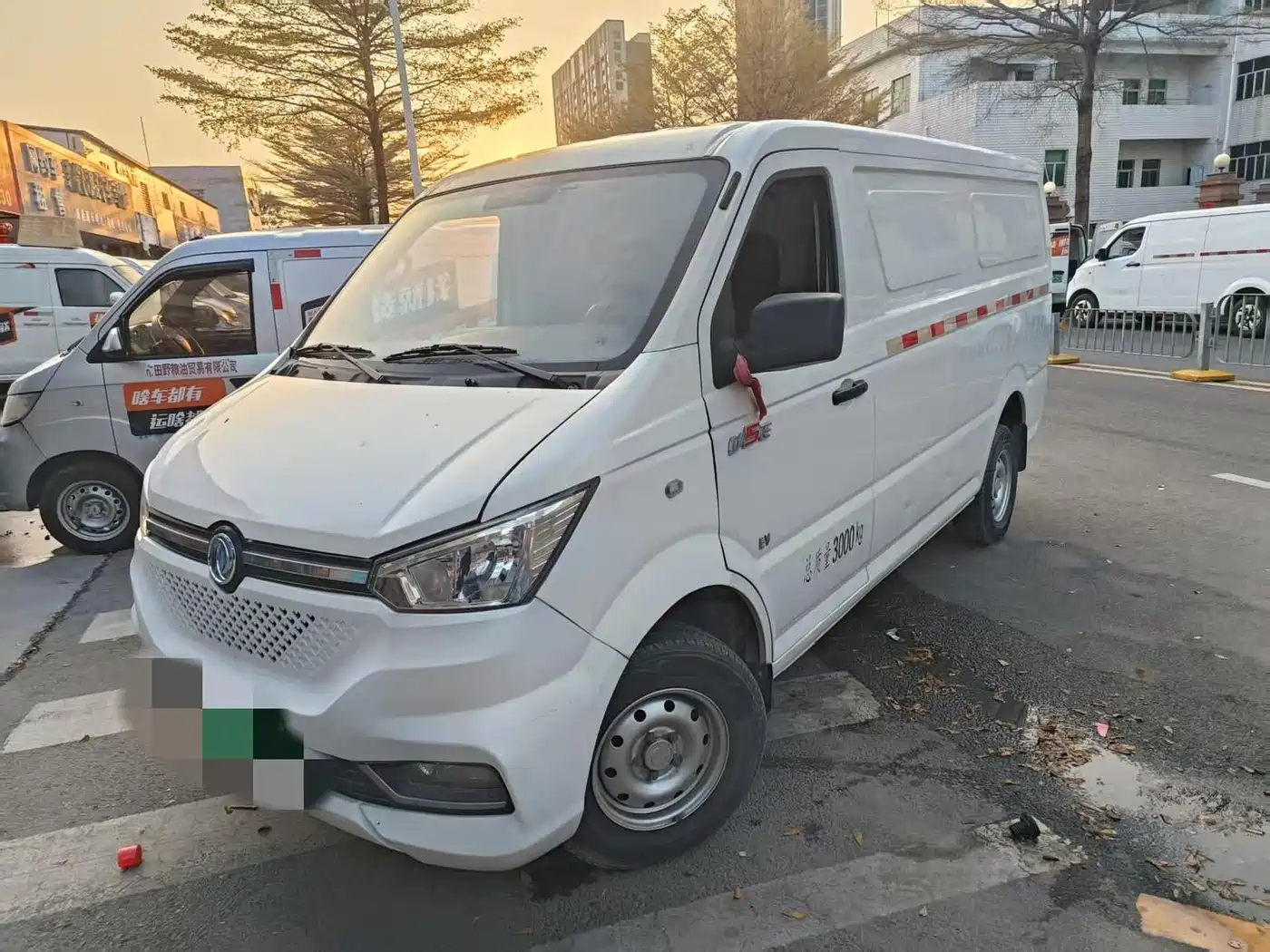
At a glance
- The Yufeng covers cargo, passenger, RV-conversion and vocational body formats across short- and long-wheelbase layouts.
- Diesel derivatives center on 2.0- and 2.3-litre units, with manual and automatic transmissions and front- or rear-wheel drive.
- Electric listings identify 41.472 kWh Henan Lithium and 41.86 kWh CATL batteries; range and charging details require unit-level confirmation.
- Buyers can source new or used vehicles, but should compare landed cost, compliance, condition and parts support rather than condition labels alone.
- MOQ, availability and live pricing are seller- and unit-specific and should be checked in current inventory before payment.
Why the Dongfeng Yufeng Yufeng matters for export markets
The Dongfeng Yufeng Yufeng sits in the light-commercial van and multi-purpose vehicle segment, where buyers prioritize carrying capacity, fleet uptime and purchase economics over passenger-car refinement. Its export appeal comes from a broad mix of short- and long-wheelbase bodies, cargo and passenger configurations, diesel power and battery-electric derivatives. That breadth allows importers to configure the same nameplate for distribution, staff transport, mobile services or converted-camper projects without moving to a different vehicle architecture. For overseas trade buyers, the key question is not whether the Yufeng is one global specification, but which roof, seat, axle and powertrain combination is homologated and economically suitable for their market.
Demand for this kind of vehicle comes from businesses that need a flexible chassis rather than a fixed-format van. Logistics operators can select three-seat cargo bodies with enclosed rear compartments, while passenger converters can work from five-, six- or multi-seat layouts. Short wheelbases and low or medium roofs may suit urban deliveries and restricted loading areas; longer bodies and high roofs offer greater payload potential. Export buyers should therefore assess loading length, roof clearance and route conditions before comparing versions. The most useful shortlist is built around operating duty, not displacement or trim badge alone.
For dealers and fleet buyers, the Yufeng is also relevant because China offers a broad manufacturing base for commercial-vehicle specialization, including vocational bodies and interior conversions. A domestic listing can therefore represent more than a basic van: rear axle layout, dual rear tires, roof configuration, door arrangement and seat count may materially change carrying capacity. Cross-border procurement adds another layer, since local registration rules, load ratings and safety requirements can exclude a visually similar configuration. The model family is most attractive where those technical checks are completed before the commercial commitment.
- Cargo, passenger and converted layouts
- Diesel and battery-electric choices
- Match body to operating duty
Model range, trims and powertrain variants: how the lineup is structured and how to choose
The model family is easier to understand as a body-and-powertrain matrix rather than a simple car trim ladder. Listings include the Yulibao 2.5T derivative, 2.0T and 2.3T logistics versions, and V9+ passenger or cargo variants. Seating can run from a three-seat enclosed cargo arrangement to five-, six-, seven-, eight- or nine-seat passenger configurations. Manual and automatic transmissions appear, as do front-wheel-drive and rear-wheel-drive layouts. These combinations should be selected around payload, route, driver preference and destination rules, not badge hierarchy. The live listing title is therefore a starting specification, not a complete technical record.
Electric versions appear under the Model Premium Edition with a 41.86 kWh CATL battery and the Standard Edition with a 41.472 kWh Henan Lithium battery. These figures identify the battery supplier and nominal capacity for those listings, but they do not establish usable range, charging curve, payload after conversion or motor output. A buyer should request the certified range test, charging specification and curb weight for the exact vehicle. If the intended use involves rapid depot turnarounds, route temperature, payload or charging access is more useful than battery capacity alone.
For combustion-powered units, the visible choices center on 2.0- and 2.3-litre diesel derivatives, with the 2.5T Yulibao forming another branch. Transmissions include manual and automatic examples, while axle layout ranges from front-wheel drive to rear-wheel drive. A manual van may suit a lower-cost commercial operation, whereas an automatic can reduce driver workload in stop-start traffic. Rear drive and dual rear tires may matter for load-carrying versions, but the listing must be checked for axle ratings, payload and local gross-weight limits before selection. No engine badge should be treated as proof of towing or load capability.
- Yulibao, V9+ and logistics branches
- 41.472 kWh and 41.86 kWh EV batteries
- Manual/automatic; front/rear drive
New vs used Dongfeng Yufeng Yufeng: how export inventory is structured and how buyers choose
Export inventory for the Yufeng should be read as two different procurement strategies. A new vehicle offers the most direct route to a defined configuration and may be easier to align with an importer’s homologation file, while a used unit can deliver a lower entry cost or a body format no longer offered locally. However, new and used describe condition, not suitability. The commercial specification, service history, emission standard, remaining regulatory life and conversion status still determine whether a vehicle can be registered and operated profitably in the destination market.
Used buying shifts attention toward evidence rather than brochure specifications. Buyers should request chassis and VIN identity, service records, engine and gearbox condition, battery health for an electric variant, accident history, tire wear and a physical inspection of the load floor, roof, doors and rear bodywork. Modifications such as camper conversion, insulated panels or altered seating can add value but may reduce payload, complicate inspection or make original approval documents unavailable. A lower purchase price can be erased by repairs, replacement parts, compliance work or downtime if the listing is not properly assessed.
New inventory is generally more attractive when a buyer needs predictable specification, known delivery timing, or a base vehicle for a regulated conversion. The advantage is not automatically lower landed cost: destination taxes, port charges, inland freight, insurance, warranty handling and certification work must all be included. Used vehicles can be more practical where the importer already knows a body style, wants to test demand with mixed stock, or needs a niche configuration. The correct decision is therefore operational: compare total cost, homologation risk and vehicle availability over the period the fleet will actually be used.
- New units favor predictable specifications
- Used units require condition evidence
- Compare lifecycle cost, not condition alone
How export pricing works: the factors behind a live listing price, and how to read one
Export pricing is not a fixed model-list price. It is generated for each vehicle from factors such as production year, exact trim, engine or battery version, transmission, mileage, condition, ownership history, options, and whether the unit is new or used. Market demand and the number of comparable units can also affect a seller’s asking position. Currency movements between the seller’s quote and your payment can change the final total. Therefore, two Yufeng listings with similar names may not be economically equivalent, and the live price should be treated as the seller’s current asking position, not a guaranteed landed cost.
To read a live listing, first separate vehicle price from logistics and regulatory costs. Confirm the VIN or chassis number, model year, trim description, fuel type, transmission, drivetrain, seating, roof and wheelbase, odometer reading and condition grade. For an electric van, verify battery capacity, stated range, charging interface and battery report. Then request an itemized quotation that separately identifies the vehicle, inland transport, export documentation, freight, insurance, destination charges and any applicable taxes. This prevents a low vehicle price from being mistaken for a low delivered price for the importer.
Pricing discipline also depends on controlling exchange-rate and quote validity. Ask the supplier to state the currency, tax treatment, payment stages, validity period, and what triggers a price revision. A buyer comparing vehicles should apply the same cost model to each option, including expected fuel or electricity consumption, maintenance, spare-parts coverage and likely depreciation. The current per-unit price, minimum order quantity and availability are shown in live inventory on ChinaCarDirect, so a shortlist should be updated there immediately before requesting a binding quotation and confirming the unit that will be reserved.
- Compare like-for-like configurations
- Separate vehicle and landed cost
- Confirm quote currency and validity
MOQ, ordering and payment: single units vs consolidating a container
MOQ is a commercial term that should be established per supplier and per listing, not assumed from the model name. Some export sellers will release a single unit, while others structure pricing around a pallet, several units or a full container. A one-unit purchase can suit a distributor testing local demand, a fleet needing replacement vehicles, or a buyer converting one platform. A larger consolidated order can reduce per-unit freight and handling costs, but it raises inventory risk and may force the buyer to mix trims, ages or conditions that do not share one resale strategy.
Ordering should begin with a written specification and commercial sheet rather than a deposit against a generic name. The sheet should identify the exact vehicle or production batch, homologation assumptions, Incoterm, payment milestones, inspection rights, document list, production or dispatch lead time and remedy for mismatch. Payment may be structured through deposit and balance stages, but the sequence and protection should match the seller’s documentary and shipping milestones. Buyers should verify the legal entity, payment beneficiary and bank details independently, and avoid sending funds through an unverified intermediary before the balance is released.
When consolidating a container, treat the load plan as a commercial and technical exercise. Confirm that every vehicle has the same destination approval basis, then compare roof height, length, seat configuration, emissions and loading requirements against bay and trailer limits. Mix only where the buyer can market each unit separately and absorb a longer resale cycle for less desirable combinations. Also reserve budget for loading supervision, securing, damage inspection and demurrage if dispatch is delayed. The savings from freight consolidation can be lost quickly through poor allocation, clearance delays or unplanned port charges.
- Confirm MOQ on each selected listing
- Use a specification-bound pro forma invoice
- Allocate container space before payment
Shipping, homologation and market compliance caveats: LHD/RHD and import rules by country
Commercial vans are shipped by container, roll-on/roll-off or, for smaller projects, consolidated vehicle freight, and the best method depends on dimensions, quantity and destination handling capability. Export packing should protect doors, mirrors, glass, roof equipment and load-floor edges, while securing the vehicle for voyage without damaging suspension or bodywork. Before booking, confirm container capacity, lashing points, route suitability, port-to-door trucking and any special permit for roof height or oversized loading. Freight quotations should specify origin, destination, service basis and charge inclusions rather than presenting one generic shipping amount to all parties.
Steering configuration is a first-order export issue. Standard China-market Yufeng examples are generally left-hand-drive, so a right-hand-drive buyer should not assume local availability from a standard Chinese listing. A conversion or regional specification must be confirmed in writing, including whether the steering, pedals, instrument cluster, lighting, wipers and safety systems are market-compliant. Even after conversion, local type approval may still be required. For markets with established right-hand-drive supply, it may be more practical to compare the Yufeng with a natively configured competitor rather than accept the cost and residual-value uncertainty of a late conversion.
Import rules vary by country and can include vehicle type approval, customs valuation, emissions or noise limits, safety requirements, age restrictions, inspection, insurance and local registration taxes. A China VI or National V label in the listing does not prove acceptance in the destination market. Buyers should obtain a written homologation assessment from an accredited local specialist, confirm the VIN and production documents, and check whether the intended use is commercial passenger carriage, goods transport or a converted camper. Each classification can trigger different rules, so the conversion should be declared rather than treated as ordinary cargo equipment.
- Confirm LHD or RHD before ordering
- Obtain destination-specific type approval
- Declare commercial or camper conversion
Who should buy the Yufeng — and who should pick a different vehicle
The Yufeng is a strong candidate for distributors that already understand Chinese light commercial vehicles and need flexible bodies at a sensible fleet cost. It also suits trades businesses, logistics operators, shuttle or staff-transport providers, and converters needing a van platform that can be adapted. The strongest case is a mixed operation where one platform must serve several configurations and the importer can provide parts, inspection and homologation support. A buyer focused only on lowest acquisition cost without those capabilities may find compliance and downtime more expensive than expected over the vehicle’s working life.
It is less suitable for buyers who require a factory-certified camper, a premium passenger MPV, an off-road derivative, or a vehicle with guaranteed right-hand-drive supply in a tightly regulated market. Buyers requiring advanced driver-assistance systems, a comprehensive dealer network, transparent residual values or immediate parts delivery should verify those features before committing. It may also be wrong where high utilization makes reliability and warranty support more important than body flexibility. The decision should be based on total cost of ownership and uptime, not only the initial vehicle quotation or the displayed specification.
A disciplined buyer can reduce uncertainty by running a three-part pre-purchase test. First, confirm that a legally importable configuration exists in the required body, fuel and steering form. Second, calculate landed cost plus operating cost for the intended routes and utilization. Third, test parts and service support by identifying common wear parts, warranty process and a realistic repair interval. If the vehicle passes all three tests and offers a configuration a mainstream competitor cannot match economically, the Yufeng can be a sound fleet purchase. If not, narrow the shortlist to better-supported alternatives.
- Best for flexible commercial fleets
- Requires hands-on homologation support
- Choose alternatives for premium or off-road needs
Main rivals and how the Yufeng compares
The closest alternatives depend on whether the buyer needs a diesel workhorse, a passenger-carrying van, or an electric fleet platform. SAIC Maxus V90 is the broadest conventional comparison, offering familiar van and people-carrier formats and potentially clearer support in markets where its network is established. Foton View G3 is another Chinese light-commercial alternative aimed at fleet and distribution users. JAC Refine M3 competes in the multi-purpose and passenger-van segment. These models should be compared by homologated body, payload and total cost rather than by brochure size or domestic-market badge recognition in isolation.
Against the Maxus V90, the Yufeng’s distinguishing strengths are its broad derivative structure and visible options spanning cargo, passenger and converted uses. The Maxus may have a clearer advantage for a buyer seeking established international parts channels or a readily identified market homologation. Against the Foton View G3, the deciding factors are transmission availability, axle and roof configurations, load-floor suitability and after-sales support. For a JAC Refine M3 comparison, examine seating flexibility, passenger comfort, fuel use and whether the van will be registered for commercial service or converted for private use.
For the Yufeng electric versions, a fair comparison should include another Chinese battery-electric commercial van rather than a combustion model with different energy economics. The relevant checks are usable range under the destination climate, charging standard and time, payload after conversion, battery warranty and service access. The Yufeng’s 41.472 kWh and 41.86 kWh battery options give buyers identifiable starting points, but live range and motor data remain configuration-specific. Among electric and hybrid competitors, select on the complete duty cycle and compliance package, not on the largest published battery figure alone.
- Maxus V90: broader global familiarity
- Foton View G3: fleet-van alternative
- JAC Refine M3: passenger and MPV option
Live Dongfeng Yufeng Yufeng export inventory
View all listings →Real units currently on ChinaCarDirect with per-unit asking prices and MOQ. Availability updates live from the catalogue.
Dongfeng Yufeng Yufeng EM26 2023 Model Premium Edition 41.86kWh CATL
Dongfeng Yufeng Yufeng EM26 2023 Model Premium Edition 41.86kWh CATL
Dongfeng Yufeng Yufeng EM26 2023 Standard Edition 41.472kWh Henan Lithium
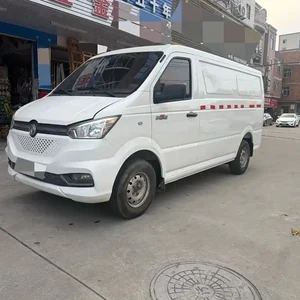
Dongfeng Yufeng Yufeng EM26 2023 Standard Edition 41.472kWh Henan Lithium
How to buy a Dongfeng Yufeng Yufeng from China
-
1
Define the operating requirement
List payload, passengers, load length, roof access, routes and local approvals. Select the cargo, passenger or conversion body before comparing trim names.
-
2
Build a specification-matched shortlist
Review current Yufeng inventory and filter by fuel, transmission, drivetrain, seating, wheelbase, roof and condition. Confirm that each candidate satisfies the intended duty.
-
3
Request unit-level documents
Ask for the VIN or chassis number, production details, options, service or battery history as applicable, and photographs. For used vehicles, request inspection evidence and modification records.
-
4
Validate destination compliance
Obtain a written local type-approval and import assessment for the intended use. Check steering side, emissions, noise, safety, load limits, insurance and registration treatment.
-
5
Compare itemized quotations
Ask sellers to separate vehicle price, inland transport, documentation, freight, insurance, destination charges and taxes. Apply the same currency, Incoterm and payment assumptions to every option.
-
6
Confirm MOQ and payment protection
Check the current MOQ on the selected listing and obtain a pro forma invoice with deposit and balance milestones, document triggers and inspection rights. Verify the legal entity, beneficiary and bank details independently.
-
7
Book shipping and inspect on arrival
Agree packing, loading supervision, route, insurance, delivery terms and document handover before dispatch. Inspect and photograph the vehicle, packaging and paperwork immediately after arrival.
Yufeng vs rivals
| SAIC Maxus V90 | A broad van and people-carrier alternative with potentially clearer support in markets where its network is established. The Yufeng may win on derivative breadth, while the Maxus may be easier for buyers prioritizing established parts and homologation channels. |
|---|---|
| Foton View G3 | A close Chinese light-van competitor for fleet and distribution duties. Compare the homologated body, drivetrain, axle ratings, roof options and local service rather than assuming either brand is cheaper after freight. |
| JAC Refine M3 | A relevant passenger and multi-purpose van rival, especially for shuttle work. The Yufeng offers a broader cargo-to-high-seat range, while passenger comfort and right-hand-drive availability should be compared directly for either model. |
Frequently asked questions
How is the export price for a Dongfeng Yufeng Yufeng determined?
The live price reflects the individual vehicle’s year, trim, powertrain, transmission, mileage, condition, options and market position. Freight, insurance, taxes, exchange rates and destination charges are separate landed-cost items that must be included in any quotation. Check the current per-unit price in the live Yufeng inventory and request an itemized, time-valid quote before reserving a vehicle.
Which engines and electric batteries are available in the Yufeng range?
The range includes 2.0- and 2.3-litre diesel derivatives, a 2.5T Yulibao branch, and electric Standard and Model Premium versions with 41.472 kWh Henan Lithium and 41.86 kWh CATL batteries respectively. Usable electric range, motor output and charging details must be verified for the exact listing because they vary by configuration.
Should an overseas buyer choose a new or used Dongfeng Yufeng Yufeng?
New vehicles suit buyers requiring a predictable specification, defined delivery process or approved conversion base. Used vehicles can reduce entry cost or provide a discontinued body configuration, but require stronger inspection of condition, modifications, service history and battery health where applicable. Compare total operating and compliance cost over the planned fleet life.
How does MOQ work for ChinaCarDirect orders?
MOQ is set by the seller and the selected listing and may be one unit, several units or a container, subject to the current terms shown for that inventory. A small order reduces inventory exposure, while consolidation can improve freight economics but increases resale and vehicle-mix risk. Confirm the binding MOQ in the RFQ and pro forma invoice.
What determines shipping time and cost for a Yufeng?
Shipping time and cost depend on the selected body dimensions, quantity, origin and destination ports, transport method, route, fuel surcharges, handling, insurance and inland delivery requirements. Export packing and vessel space also affect availability. Obtain a quote that states the service basis, charge inclusions and expected stages rather than relying on a generic freight figure.
How are spare parts arranged for an exported Yufeng?
Before ordering, identify common wear parts and ask whether they can be supplied by the seller, a local distributor or an alternative aftermarket source. Confirm part references, lead times, warranty procedures and compatibility for the exact engine, transmission or battery configuration. A documented parts plan is especially important for high-utilization commercial vehicles.
Is a right-hand-drive Yufeng available for export?
Standard China-market Yufeng examples are generally left-hand-drive, so right-hand-drive availability must be confirmed rather than assumed. Ask for the steering configuration, conversion approval and destination-market type approval in writing. Where no compliant RHD unit can be secured, a natively configured alternative may reduce cost and compliance risk.
How do I order a Dongfeng Yufeng Yufeng from China?
Start with the live Yufeng listings, select a vehicle that matches the required body and powertrain, and request a unit-specific RFQ. Verify the specification, documents, destination compliance, MOQ, Incoterm and payment milestones before paying. After production or inspection, agree export packing, freight, insurance and delivery, then inspect the vehicle and paperwork at arrival.
Ready to source the Dongfeng Yufeng Yufeng?
Send your required body, powertrain, quantity and destination to ChinaCarDirect for a current unit-level quote and compliance check.
Request a quote