
Dongfeng Rich 6 Export Guide for Overseas Buyers
Buy Dongfeng Rich 6 from China with guidance on trims, diesel and gasoline options, new-energy range, export pricing, MOQ, shipping and compliance.
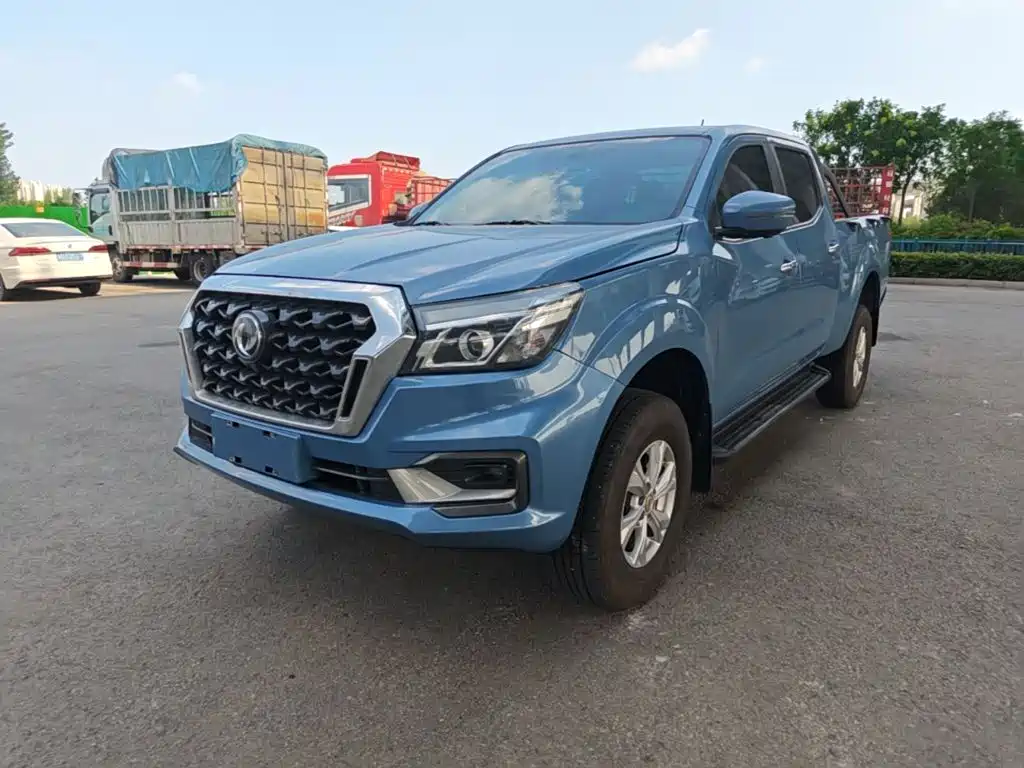
At a glance
- The Rich 6 covers passenger, cargo, flatbed, Palasso van and bucket utility configurations.
- Combustion versions span 2.3T and 2.5T diesel plus 2.4L gasoline, with manual or automatic choices by trim.
- Drive layouts include 2WD, 4x2 and 4WD, subject to the selected configuration.
- New Energy variants carry stated ranges of 320 km for the Palasso Van and 350 km for the Bucket Standard.
- Current unit pricing, MOQ and availability should be confirmed on live inventory and in a written RFQ.
Why the Dongfeng Rich 6 matters for export markets
The Dongfeng Rich 6 is best understood as a compact utility family rather than a single body style. The export-facing range includes passenger-oriented versions, long cargo boxes, flatbeds, a Palasso van and bucket-bodied derivatives. That breadth gives distributors a way to address work fleets, regional trades and buyers who want a load-carrying platform without moving into a full-size pickup. For overseas channels, the key attraction is configuration flexibility, not one universal specification. Buyers should compare the body, duty cycle and regulations rather than assuming every Rich 6 has identical dimensions or equipment.
For fleet and dealer buyers, demand usually follows practical jobs: works fleets need payload and serviceability; contractors need enclosed cargo protection; agricultural and rural operators value selectable two- or four-wheel drive; and commercial users may prefer the van or flatbed. The model’s mix of diesel and gasoline engines can help distributors serve markets with different fuel habits. These are durable reasons to evaluate the Rich 6 for export, although operating conditions and tax rules determine whether the proposition is competitive. Treat it as a platform decision, not merely a trim decision.
Because specifications and homologation differ by destination, overseas interest should be assessed configuration by configuration. A Chinese-market China VI label does not automatically establish approval in another country, and a Cross Country, Luxury, cargo, van or bucket version may require separate type approval. Dealers should therefore treat ChinaCarDirect’s live Rich 6 listings as a sourcing catalogue and build a shortlist around certified homologation, parts support and expected residual demand before committing container space. That discipline protects landed-cost and resale assumptions. It also prevents attractive specifications from obscuring unresolved destination-market requirements.
- Passenger, cargo, van, flatbed and bucket bodies.
- Diesel and gasoline powertrains.
- New Energy van and bucket derivatives.
Model range, trims and powertrain variants: how the lineup is structured and how to choose
The Rich 6 lineup is structured around body configuration, engine, transmission and drivetrain. Conventional listings cover 2.3T and 2.5T diesel applications, including M9T and ZD25T5 designations, alongside a 2.4L gasoline option identified as 2TZD. Manual and automatic transmissions appear, as do two-wheel-drive, 4x2 and four-wheel-drive layouts. Because the same model name can therefore describe very different vehicles, a buyer’s first filter should be the complete trim name—not model year alone. Record the intended body—passenger vehicle, enclosed van, flatbed or other work configuration—then use the corresponding equipment, loading and homologation checks.
For a working fleet, the choice starts with the body: a long cargo box, flatbed, Palasso van or bucket version answers a different requirement from a passenger-oriented utility vehicle. Cross Country and Luxury labels suggest positioning, but the description must confirm equipment such as climate control, infotainment, axle or differential locks and exterior hardware. Buyers should verify cab capacity, bed dimensions, payload, towing and ground clearance because these figures are not inferred from the trim title and may vary by destination specification. A fit-for-purpose checklist prevents an attractive trim from becoming an unsuitable purchase.
New Energy variants add a different decision path. The available nomenclature includes a Palasso Van Standard Edition with a stated 320 km range and a Bucket Standard Edition with a stated 350 km range. Those figures help identify versions, but buyers still need the battery capacity, motor output, charging protocol, payload after battery weight and the applicable range-test standard for the exact unit. For conventional models, compare torque characteristics, fuel availability, emissions treatment and maintenance familiarity alongside the choice between manual and automatic rather than assuming every derivative performs identically.
- Choose the body before the powertrain.
- Verify payload, towing and dimensions.
- Check equipment on Cross Country and Luxury.
New vs used Dongfeng Rich 6: how export inventory is structured and how buyers choose
Export inventory should be read as a set of individual units with different production years, trims, specifications and histories. The Rich 6 market can include factory-new vehicles as well as registered, unregistered or previously operated examples from earlier production, so “new” and “used” are commercial conditions rather than model categories. A dealer comparing options should use the live vehicle record to establish whether a unit is factory-new, demonstrator, previously registered or imported, and then confirm title, registration and service history. This distinction matters for warranty, registration and residual value assumptions.
A factory-new unit is easier to standardise across a batch, compare specifications and support with a stated warranty, subject to the seller’s terms and destination rules. It is preferable for fleet procurement where downtime from mixed repair histories would be costly. New inventory gives the buyer freedom to select drivetrain, transmission and body configuration before production age becomes a constraint. The trade-off is that the buyer carries model-year depreciation and may wait for the right configuration rather than taking immediate delivery. Check the live listing for the unit and confirm warranty applicability.
A used Rich 6 can make sense when a buyer wants a proven configuration at a lower acquisition outlay, especially where the vehicle will receive maintenance immediately. The trade-off is uncertainty: mileage, accident repair, corrosion, gearbox condition, chassis wear and remaining emissions-system life may not be obvious from a listing. Request the registration document, service records, inspection photographs, cold-start video and a mechanical report; also check whether the seller can export the exact unit and whether warranty support follows the vehicle. Never infer condition from model year or photographs alone.
- Define factory-new, demonstrator or used status.
- Verify title, registration and service records.
- Confirm exportability and warranty transfer.
How export pricing works: the factors behind a live listing price, and how to read one
A live export price is the result of several interacting variables, not a fixed “Rich 6 price.” The exact vehicle’s production year, trim, engine, transmission, drivetrain, body, new or used condition and mileage all shape its starting point. Seller margin, currency movements and the buyer’s destination or delivery terms can then change the quote. The practical method is to compare like with like: place the same body, powertrain and condition on a specification sheet before judging one offer against another. A low headline figure can therefore conceal a materially different vehicle.
Freight is a major part of landed cost, especially for a single-unit purchase. Container capacity, pick-up location, road transport, port charges, marine insurance, documentation and destination handling can all vary. Incoterms determine where responsibility passes, so a lower vehicle amount may simply move cost or risk into the buyer’s account. Ask for the vehicle price, inland transport, export handling, freight, insurance and tax/duty treatment as separate lines, then calculate the total landed cost under the same terms. Use a written quote to make every shortlisted supplier and configuration directly comparable.
When reading a live listing, verify the title against the photos and attributes: a repeated trim title may describe several vehicles, while the unit price may not include shipping. Check the SKU or reference, body configuration, fuel type, gearbox, drive layout, condition, availability status and what the seller includes. ChinaCarDirect’s live Rich 6 inventory is the authoritative place for current per-unit pricing and availability; request an RFQ for the final quote and confirm that the selected unit has not changed before payment. Do not rely on a saved search or third-party summary.
- Compare equivalent bodies and powertrains.
- Separate vehicle cost from freight and tax.
- Confirm what the live quote includes.
MOQ, ordering and payment: single units vs consolidating a container
MOQ means the minimum quantity a seller will sell in one order, not a permanent factory requirement for the Rich 6. ChinaCarDirect shows the applicable requirement at the listing level, and a buyer can ask whether one unit or several units may be combined under different terms. The relevant questions are whether the order is one shipment, one payment and one set of documents or several linked consignments. Do not assume that a marketplace buying route carries the same MOQ as a factory wholesale program or that it applies across trims.
A single-unit purchase suits a dealer testing demand, a fleet acquiring a few specialized vehicles, or a buyer wanting one exact configuration. It offers more choice but gives less freight leverage, so the freight per vehicle may be higher. A consolidated container can lower unit logistics cost and simplify stock planning when several buyers accept the same specification, but it ties up more capital and requires careful matching of colours, trim levels and production dates. Shipping consolidation does not remove regulatory or minimum-share restrictions. Plan the sales cycle before ordering.
A sound transaction follows a sequence: specification approval, live-unit or batch confirmation, written commercial terms, payment, inspection, release, export documentation and shipping. Clarify the currency, deposit and balance schedule, who holds the payment, title-transfer timing, inspection rights, refund conditions, and the exact Incoterm and named place. For a multi-vehicle order, put the same details in the pro forma invoice and attach a unit list keyed to each SKU or VIN. Never let a price discussion substitute for a binding order confirmation. This protects both sides if the source market changes during the process.
- Read the listing-level MOQ.
- Model single-unit and container economics.
- Use written payment and delivery terms.
Shipping, homologation and market compliance caveats: LHD/RHD and import rules by country
The first shipping question is not which trim looks best; it is whether that exact vehicle can be registered and operated legally in the destination. Import rules can cover vehicle type approval, emissions, safety, noise, radio and connectivity equipment, right- or left-hand drive, age restrictions, customs valuation, duties, taxes and local inspection. A China VI designation is useful evidence of the Chinese configuration, but it does not replace destination-country approval. Buyers should obtain a written compliance assessment for the exact body, powertrain and steering-hand arrangement. Do this before paying the deposit.
Source-specific Rich 6 configurations require steering-hand and market-equipment checks before ordering. Left-hand-drive vehicles are commonly encountered in export sourcing, but availability of a right-hand-drive conversion or factory RHD version varies by unit and market; it should never be assumed. If local rules require or buyers prefer RHD, ask whether the conversion is complete, safe, documented and accepted by registration authorities. Also verify lighting, instruments, mirrors, catalytic or emissions systems, electrical components and local safety equipment rather than relying on a visual check. Conversion quality can affect both approval and resale.
Shipping time and cost depend on the Incoterm, origin and destination ports, transport mode, container availability, seasonality, documentation, inspection, customs clearance and inland delivery after arrival. Budget for pre-export inspection, secure loading, damage protection, marine insurance and demurrage or storage risk as applicable. Use an export coordinator and freight forwarder to confirm the shipping plan, then inspect the vehicle against a signed condition record immediately after arrival. Keep that record with the purchase and customs documents for any warranty claim. The cheapest ocean route is not always the lowest-risk route.
- Check destination type approval.
- Verify LHD or RHD.
- Document condition at arrival.
Who should buy the Rich 6 — and who should pick a different vehicle
The Rich 6 is a strong candidate for dealers and fleet buyers that need one model family to cover several vocational roles. Contractors may prefer a flatbed; cargo operators a van or box body; rural and utility fleets a four-wheel-drive diesel; and urban commercial users a new-energy van or bucket variant. The business case comes from matching the body, powertrain and service package to a repeatable job, then proving that parts, financing and residual demand support the investment. It is less compelling when buyers need only passenger-car comfort or full-size pickup capacity.
It may be the wrong choice for buyers who need a premium passenger SUV, a heavy-duty towing platform, a large enclosed van with a high-load floor, or an EV with a verified long-distance charging and range package. Likewise, a buyer without a viable import and certification pathway should not treat the model as an export option, regardless of its list features. The deciding question is operational fit after taxes, insurance, maintenance and local registration—not whether the vehicle looks inexpensive in a catalogue. Operational compatibility should outweigh headline equipment in every case.
Before ordering, build a total-cost-of-ownership case using local fuel or electricity prices, realistic payload and towing needs, expected downtime, parts lead times and resale prospects. Compare at least three configurations within the Rich 6 range, then benchmark a leading rival on the same basis. Test whether the selected version has the documentation, service network and spare-parts plan required for the buyer’s market. That process turns the model’s variety from a browsing advantage into a disciplined procurement decision. It also gives suppliers a clearer RFQ and usually produces faster, more comparable responses.
- Strong for mixed vocational fleets.
- Weak for premium or heavy-duty needs.
- Validate lifecycle support.
Main rivals and how the Rich 6 compares
The closest direct comparisons depend on the body and market. For a Chinese compact pickup with diesel, manual or automatic and selectable drive options, the Great Wall Wingle 7, also called the GWM Cannon, is a natural benchmark. The JMC Baodian and Foton General G9 compete from a similar Chinese industrial-vehicle base, with pickup derivatives aimed at similar commercial buyers. These comparisons should be made at equivalent body style, powertrain, duty rating and homologation level, not across unlike entry trims. A passenger-oriented Rich 6 should also be compared with compact SUVs.
The Rich 6’s advantage is configuration breadth: passenger, cargo, flatbed, van and bucket formats are combined with gasoline and diesel options and different drive layouts. Across GWM, JMC and Foton, the decision depends on the exact derivative, local certification, parts support and landed cost rather than brand advantage alone. For a mixed fleet, that breadth can be decisive, while a rival may be easier to resell where its dealer network is stronger. No comparison is valid before verifying the live specification and destination support plan for that market.
For a meaningful test, ask each supplier for a like-for-like specification sheet, VIN or production identity, photos, dimensions, payload and towing information, emissions documents, shipping scope and warranty terms. Add destination duties, taxes, port charges and financing to the delivered cost, then compare expected uptime over several years. The best rival is not simply the newest or best-equipped model; it is the alternative that meets the buyer’s duty cycle, documentation route and after-sales needs at an acceptable lifecycle cost. For vans or new-energy derivatives, compare the relevant body and range certification directly.
- GWM Wingle 7 / Cannon.
- JMC Baodian.
- Foton General G9.
Live Dongfeng Rich 6 export inventory
View all listings →Real units currently on ChinaCarDirect with per-unit asking prices and MOQ. Availability updates live from the catalogue.
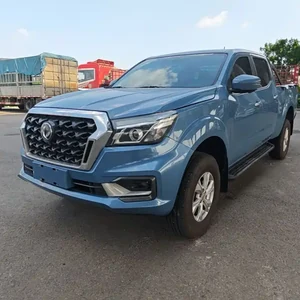
Dongfeng Rich 6 Pro 2025 Model 2.3T Automatic 4x2 Diesel Luxury Edition Flatbed Long Cargo Box
How to buy a Dongfeng Rich 6 from China
-
1
Define the body and duty cycle
List the intended use, passenger or load capacity, road type, fuel preference, drive layout and destination before selecting a trim. This turns the broad Rich 6 range into a comparable shortlist rather than mixing unrelated derivatives.
-
2
Review the exact live vehicle
Open the live Rich 6 results and review the complete title, body, engine, transmission, drivetrain, condition, SKU and photographs. Ask the seller to confirm attributes that are missing or ambiguous before requesting a firm quote.
-
3
Check destination compliance
Give the destination country and preferred steering-hand arrangement to a compliance adviser or relevant authority. Confirm type approval, emissions, safety, customs and import rules for that body and powertrain.
-
4
Request a written landed quote
Ask for the vehicle amount, inland transport, export handling, freight, insurance, taxes or duties and Incoterm as separate lines. State the quantity and delivery place so alternatives can be compared on the same basis.
-
5
Confirm MOQ and payment terms
Read the MOQ on the selected listing and state whether you need one unit or a consolidated batch. Confirm the deposit, balance, title transfer, inspection rights, refund terms and documentary requirements in the pro forma invoice.
-
6
Inspect, document and ship
Approve a pre-export inspection tied to the vehicle condition and retain signed photographs. Book freight only after the unit, compliance route, payment receipt, export documents, insurance and delivery terms have all been confirmed.
Rich 6 vs rivals
| Great Wall Wingle 7 / GWM Cannon | The Wingle 7 is a close Chinese-brand benchmark for compact pickup work, especially when comparing diesel, transmission and drive choices. The Rich 6’s differentiator is the visible breadth of passenger, cargo, van, flatbed and bucket derivatives, so compare the exact body and destination support. |
|---|---|
| JMC Baodian | The JMC Baodian competes directly in the Chinese pickup and commercial-vehicle segment and may suit buyers already familiar with Jiangling channels. Choose between the two on verified specification, certification, parts availability, landed cost and after-sales reach rather than on brand name alone. |
| Foton General G9 | Foton General G9 is another Chinese pickup competitor for work and fleet use. It may be relevant where its local configuration or distributor support is a better fit; against the Rich 6, test matching drivetrain, body, load requirements and lifecycle cost. |
Frequently asked questions
How is Dongfeng Rich 6 export pricing determined, and where can I see the live price?
Export pricing starts with the exact unit’s year, trim, body, engine, gearbox, drivetrain, mileage and condition. Freight, insurance, exchange rates, destination charges and Incoterms then affect the landed quote. View current per-unit amounts in the live Dongfeng Rich 6 listings and request a written quote for the selected vehicle.
Which powertrains and ranges are available?
The conventional range includes 2.3T and 2.5T diesel versions and a 2.4L gasoline version, with manual or automatic transmissions and two- or four-wheel-drive layouts depending on trim. New Energy nomenclature includes a Palasso Van Standard Edition listed at 320 km and a Bucket Standard Edition listed at 350 km. Confirm the range-test standard, battery, motor, charging and payload on the exact live listing before ordering.
Is a new or used Dongfeng Rich 6 better for export?
Factory-new units are easier to standardise and may carry clearer warranty and service-history records; used units can suit buyers seeking a lower acquisition outlay but carry more condition uncertainty. For a used Rich 6, request title and registration documents, service records, inspection photos, a mechanical report and confirmation of exportability. Never treat model year alone as proof of condition.
How does MOQ work for Dongfeng Rich 6 purchases?
MOQ is the minimum order quantity set for a particular listing or commercial offer, not a permanent Rich 6 factory rule. Read the live listing and ask whether one unit may be purchased or several units can be consolidated under the same shipment and payment terms. Confirm the requirement again in the pro forma invoice because terms can differ by trim, condition and seller.
What determines shipping time and cost?
Shipping time and cost depend on origin and destination, transport mode, container availability, port and inland handling, documentation, inspection, customs and the Incoterm. Freight, marine insurance and destination charges should be shown separately from the vehicle amount. Ask the freight forwarder for the route, schedule, charge inclusions and any storage or demurrage exposure.
How are spare parts and after-sales support evaluated?
Confirm that the seller can supply the exact parts and service information for the selected body and powertrain before purchase. Ask for parts lists, recommended service intervals, consumable references and the process for warranty claims, then check local dealer or distributor support. Fast sourcing does not guarantee fast parts delivery if the destination lacks a service network.
Is LHD or RHD availability guaranteed?
Steering-hand availability varies by unit and configuration, so LHD or RHD must be confirmed rather than inferred from the model name. If a right-hand-drive conversion is required, request documentation and evidence of safe, complete conversion and local registration acceptance. Check lighting, instruments, mirrors and market-specific equipment on the vehicle selected for import.
How do I order a Dongfeng Rich 6 from China?
Start with the live inventory, choose the exact body and powertrain, then send the destination and required quantity through the RFQ process. The seller should confirm the unit, MOQ, price, payment schedule, inspection terms, Incoterm, documentation and shipping plan in writing. Pay only after those terms and the destination compliance route have been checked and accepted.
Ready to source the Dongfeng Rich 6?
Send an RFQ with your destination, body style, powertrain and quantity to obtain current unit pricing, availability and a written landed-cost proposal.
Request a quote