
Dongfeng Yufeng Em27 Export Buying Guide for Dealers and Fleets
Buy a Dongfeng Yufeng Em27 from China with practical guidance on battery variants, export pricing, MOQ, shipping, compliance, rivals and live listings.
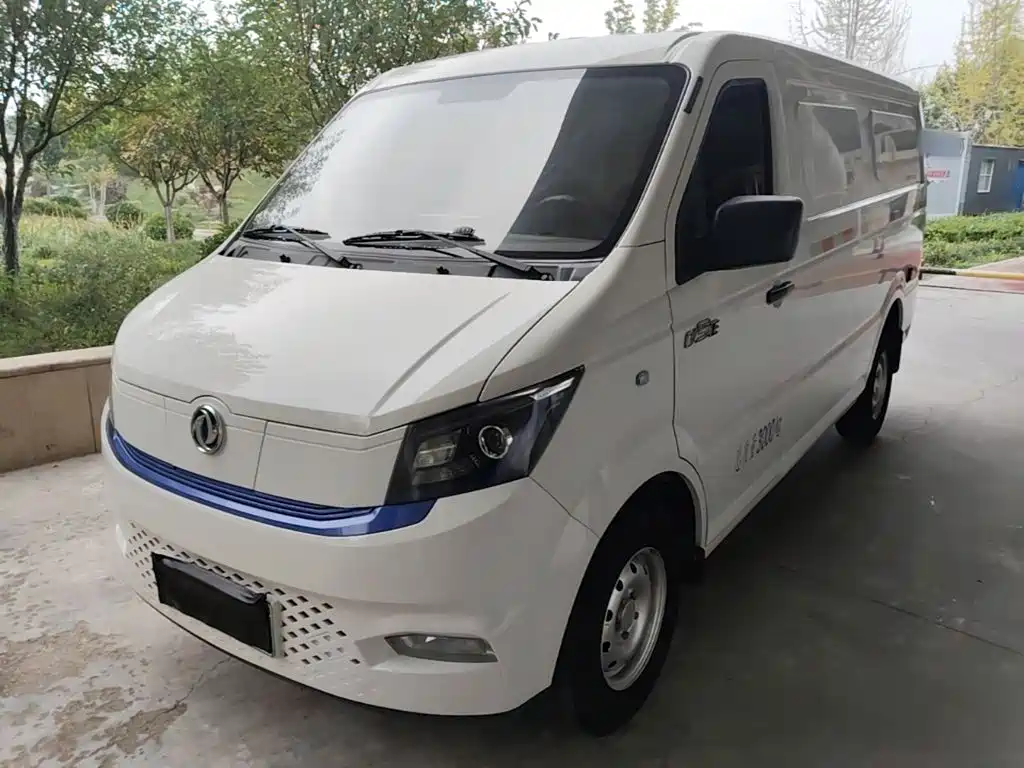
At a glance
- The Em27 is positioned as a compact battery-electric SUV for distributors and fleet operators.
- The 41.472 kWh and 41.86 kWh battery families provide distinct sourcing configurations.
- EM27 and EM27L should be compared for dimensions, seating, cargo and equipment before ordering.
- Export price depends on specification, condition, Incoterm, freight, currency and destination charges.
- New and used vehicles serve different launch, pilot and fleet objectives; live listings hold current terms.
Why the Dongfeng Yufeng Em27 matters for export markets
The Dongfeng Yufeng Em27 sits in the compact battery-electric SUV segment, a useful middle ground between a small city crossover and a larger family vehicle. Its appeal for overseas buyers is not based on one headline specification but on the combination of a practical SUV body, closely sized battery options and China-origin sourcing that can suit distributors, fleet operators and dealers seeking a manageable electrified product. For markets building charging networks or lowering operating emissions, that positioning makes the Em27 relevant before detailed trim comparisons begin or importers establish a new electric-SUV line.
Demand should be evaluated by use case rather than by global sales rankings. Urban commuters, airport and hotel operations, regional delivery fleets, and dealer groups serving cost-conscious private buyers may value an electric SUV that is easier to manage than a full-size model. The Em27 can be especially relevant where short- to medium-distance routes dominate and depot charging is controlled. It may be less persuasive where customers require long highway autonomy, seven-seat flexibility, premium refinement, or the after-sales density of an established European marque. Dealers should test these assumptions against local route data before committing.
Export potential also depends on whether the model can be homologated and supported commercially in the destination. Compact Chinese EVs increasingly enter markets through local distributors, but import duties, emissions rules, cybersecurity requirements, charging standards and warranty arrangements can alter the proposition. The Yufeng Em27 should therefore be viewed as a sourcing candidate, not an automatically approved product. Buyers who compare the model with domestic alternatives should include certification work, spare-parts planning and realistic residual-value assumptions in the business case. That discipline keeps apparent vehicle value separate from the cost of selling and supporting it in a new market.
- Compact BEV format suits short and predictable routes.
- Actual demand depends on charging access and local rules.
- Homologation and service support determine export viability.
Model range, trims and powertrain variants: how the lineup is structured and how to choose
The lineup is organized around the EM27 and EM27L designations, with listing names also identifying the battery supplier. The 41.472 kWh versions are associated with Henan Lithium Power and Henan Lithium Dynamics, while the 41.86 kWh versions are associated with CATL, EVE Power and BYD CATL. These are meaningful sourcing identifiers, but they should not be treated as a complete trim hierarchy. Ask for the exact battery, motor, range rating and equipment sheet before assuming similarly named vehicles are interchangeable in your target market. Configuration, software and warranty terms can also differ.
Nominal battery capacity alone does not establish comparable range, so vehicles should be compared using the same test cycle and rating basis. A CLTC figure, a WLTP figure and a real-world estimate answer different questions; do not rank units by one number copied from different listings. For fleet buyers, calculate usable energy, charging time, route climate, payload and expected duty cycle. For dealers, present a conservative operating range while checking whether the battery warranty is tied to capacity, calibration, State of Health, or a specified minimum threshold. The warranty certificate can matter more than the headline distance.
The EM27 and EM27L labels require particular care. Their physical dimensions, seating arrangement, cargo capacity and market equipment may differ, but those differences should be verified from the individual vehicle rather than inferred from the letter suffix. A buyer should request a dimensioned specification sheet, gross and curb-weight information, axle loads, boot volume, seat-fold details, turning circle and towing limits. Those figures determine garage access, route suitability and payload economics, and they prevent a procurement error caused by an attractive battery description but unsuitable packaging. Ask whether any listed variant is intended for a particular market or body configuration.
- 41.472 kWh and 41.86 kWh are the key capacity families.
- EM27 and EM27L require physical-configuration checks.
- Compare range by one cycle and one route profile.
New vs used Dongfeng Yufeng Em27: how export inventory is structured and how buyers choose
Export inventory may include both new and used Yufeng Em27 vehicles, and each represents a different route to market. New units are generally easier to align with factory configuration, warranty expectations and a coherent presentation, but their acquisition cost and lead-time requirements should be considered against the launch plan. Used units can make a pilot programme or fleet deployment possible at a different acquisition profile, particularly when a buyer accepts prior use. Neither category should be selected solely from a listing label; condition and history evidence must support it. For a dealer launch, a mixed test order can be more informative than a large speculative purchase.
For a used vehicle, ask for the VIN or chassis identity, registration documents, import history, service records, battery State of Health report, charging-cycle history if available, and evidence of accident or flood repair. Inspect bodywork, tyres, suspension, brake condition, cabin wear and the completeness of factory options. A battery-capacity label alone cannot demonstrate remaining usable capacity. For fleet use, require a documented test route and a baseline charge/discharge reading, then compare actual consumption with the route plan rather than with a catalogue range. That evidence protects both the buyer and the vehicles that will be sold onward.
For new units, verify that the vehicle is current for the intended homologation and that no features depend on a domestic software or connectivity ecosystem. Confirm the warranty start point, service access, owner manual language, charging cable or adapter provision, and whether spare parts are sold with the vehicle. A new vehicle can still carry commercial, fleet or trial-use kilometres, so new should be defined contractually. The cleanest approach is to specify new and used vehicles separately in the RFQ, with acceptable thresholds for age, condition and documentation. This also simplifies a mixed shipment.
- New vehicles suit configured launches and cleaner warranty alignment.
- Used vehicles suit pilots when history and condition are documented.
- Treat new and used acceptance criteria as separate.
How export pricing works: the factors behind a live listing price, and how to read one
An export listing price is not simply a China domestic price converted into another currency. The figure may combine the vehicle's acquisition terms, export preparation, transport arrangements, taxes or fees, and the seller's commercial margin. It can also move with the vehicle year, exact EM27 or EM27L specification, battery supplier, mileage and condition, production status, exchange rate, financing, and the Incoterm selected. For that reason, the same model name can produce materially different quotes without either quote being misleading. Always read the price field together with its inclusions and exclusions.
To compare two live offers, first confirm they refer to equivalent vehicles: same body designation, battery capacity, motor output, range basis, seating, equipment, condition and model year. Then check the stated Incoterm, destination, documentation scope, insurance, battery-shipping restrictions, commissioning or pre-delivery inspection, and validity period. A lower headline figure can be less expensive if it excludes inland haulage, export clearance, marine insurance or destination charges. Ask for an all-in landed-cost worksheet rather than comparing headline numbers in isolation. This prevents hidden logistics from entering too late or after payment.
The practical method is to treat every current quote as a configuration-specific offer. Record the live price, currency, Incoterm, quantity break, vehicle identifiers and validity, then model the destination charges separately. Revisit the exchange rate when payment is due and reconfirm the unit before placing a deposit. ChinaCarDirect's live Yufeng Em27 listings are the binding place to check current per-unit asking prices and availability; the factors above explain how to read them, but they do not replace the seller's current quotation. Use the RFQ for a written landed-cost comparison before ordering.
- Compare equivalent vehicles, not model names alone.
- State the Incoterm and list every included cost.
- Use live listings for current per-unit offers.
MOQ, ordering and payment: single units vs consolidating a container
Ordering starts with the commercial unit, not an assumed catalogue minimum. A dealer or fleet buyer may be able to purchase one vehicle for a trial or sample order, while a container programme is usually negotiated separately to obtain better vehicle, handling and freight efficiency. The minimum order quantity shown for a particular listing, if any, must be confirmed in the offer. In all cases, define whether a single unit means one vehicle, one mixed-model shipment, or one full consignment, and have that definition written into the pro forma invoice and sales contract. Wholesale terms should be negotiated against the selected quantity and vehicle mix.
Payment structure should follow risk and title. Common elements include a deposit, a balance payment against inspection or shipping evidence, and payment through a method that provides documentary traceability. The buyer should confirm the registered seller, payment beneficiary, vehicle title or ownership-transfer process, refund conditions, inspection rights, and what happens if a unit fails agreed inspection. For a first order, splitting payment around independently verifiable milestones can reduce exposure. For a larger consignment, a staged release linked to production evidence, inspection and bill-of-lading documents may be more appropriate. Use bank details verified through a second communication channel.
Container consolidation changes the economics but not the need for precise unit-level controls. If several vehicles are combined, agree an acceptance protocol before loading: exterior and interior condition, battery readings, mileage, spare keys, documents, charging accessories and defect photographs. Decide who bears damage, replacement or delay costs, and whether the sales unit remains identified once vehicles share a container. Buyers should also compare the cost of several small shipments against one consolidated load, including handling, customs, insurance and destination inventory carrying costs. The cheapest vehicle price is not always the cheapest delivered vehicle.
- Single-unit terms must be confirmed in writing.
- Tie payments to verifiable milestones.
- Define container acceptance criteria before loading.
Shipping, homologation and market compliance caveats: LHD/RHD and import rules by country
Import requirements are determined by the destination country, and a Chinese-market vehicle cannot be assumed to be road-ready elsewhere. The buyer should establish the applicable type approval, emissions and noise requirements, battery and vehicle safety rules, cybersecurity and software-update provisions, local charging-voltage and connector standards, and rules for radio or connected services. Some markets permit limited personal imports but restrict commercial resale. A vehicle intended for fleet or dealer distribution should be treated as a homologation project, not a simple shipment, and local regulatory advice is essential before funds are committed. Document responsibilities and lead times.
Steering configuration is a major sourcing decision. Left-hand-drive and right-hand-drive variants are not always available in the same trim, equipment or condition, and a steering conversion is not an acceptable shortcut for homologation. State the required hand of drive when requesting offers, then verify the VIN-level configuration and production status. For right-hand markets, confirm whether the seller can supply an RHD vehicle or whether local conversion is lawful and covered by an approved procedure. Local rules, not the supplier's ability to modify a car, should determine what is permissible. Verify the final configuration before release payment.
Battery transport adds another layer of planning. The UN 38.3 transport summary, test summary, battery declaration, charging-equipment documentation and dangerous-goods handling requirements must be checked for the shipment mode. Sea freight, road transit and air cargo have different constraints, especially for damaged or recalled batteries. Confirm insurance coverage, packaging, booking acceptance, and who handles customs and dangerous-goods declarations. Also verify that high-voltage service is safe and available in-country; a model that cannot be diagnosed or repaired may create a disproportionate lifetime cost. Plan a first-response troubleshooting route with the supplier.
- Confirm destination-country type approval and import rules.
- Specify LHD or RHD before ordering.
- Validate battery transport and high-voltage service files.
Who should buy the Yufeng Em27 — and who should pick a different vehicle
The Yufeng Em27 is a strong candidate for importers and fleet operators that need a compact electric SUV, operate on predictable routes, and can support charging and maintenance locally. It also suits dealers testing a lower-cost Chinese EV brand without committing immediately to a broad model range. The buyer's total-cost case should include depot electricity, insurance, tyres, service, battery warranty and residual value. If those assumptions are sound, the Em27's battery-supplier choice and model designations can be matched to routes rather than treated as cosmetic selections. It rewards disciplined fleet planning and route validation.
It is a weaker fit for buyers whose priority is long-distance travel without frequent charging, maximum payload, seven-seat flexibility, premium cabin acoustics, advanced driver assistance at a high specification, or a broad established dealer network. Very cold regions may reduce usable range and charging performance, while markets with fragmented charging standards can weaken convenience. Buyers requiring a guaranteed residual value or a long, transferable battery warranty should seek written terms before purchase. These are not automatic exclusions; they are issues that need tested fit against the vehicle. A pilot can expose gaps before fleet expansion.
Model designation, battery capacity and supply-chain structure should determine choice, rather than badge alone. The buyer must compare a consistent specification and total cost against each alternative. A slightly different rival may offer a longer published range, a stronger service network, or a more familiar charging and warranty setup, while another may deliver lower acquisition and operating cost. The Em27 should be selected when its compact dimensions, electric powertrain and sourcing economics align with the actual duty cycle. If they do not, a purpose-built EV or a conventional hybrid may be the better commercial answer.
- Best for controlled routes, pilots and value-focused fleets.
- Weak fit where range, payload or seven seats dominate.
- Model the full operating and residual-value case.
Main rivals and how the Yufeng Em27 compares
The closest comparisons depend on size, price positioning and charging strategy, but three real alternatives are useful for a structured shortlist. The BYD Yuan Plus/Atto 3 is a mainstream compact electric SUV with broad international recognition; it may appeal where brand confidence and established after-sales support outweigh the sourcing advantages of a newer export relationship. The Chery Omoda E5 is another direct compact EV SUV competitor, offering an alternative design, specification and distributor proposition. Buyers should compare the exact export derivative because equipment, battery options and homologation differ by market for each model.
The Leapmotor B10 is a closer value-oriented rival in many export markets, combining a compact electric-SUV format with an emphasis on equipment and competitive acquisition economics. Its presence can put pressure on a buyer to scrutinize the Em27's warranty, software support, service access and residual-value assumptions. The comparison should be made on equivalent criteria: the same range test, charging method, payload, warranty scope and landed cost. A nominally longer range does not compensate for weaker parts access or a destination market with unsuitable charging infrastructure. Request proposition terms from every supplier.
The Em27's strongest case is not that it wins every specification table. It is that it gives overseas buyers a choice of closely related battery configurations and compact electric-SUV sourcing options, subject to due diligence. Against the BYD, Chery and Leapmotor alternatives, the decisive questions are homologation cost, local support, battery warranty, software continuity, parts access and delivered operating cost. For a dealer, a short measured pilot can reveal demand and serviceability. For a fleet, route simulation can show whether the Em27's packaging and charging assumptions survive real operation. That is a more reliable basis for a purchasing decision than headline specifications alone.
- BYD emphasizes brand recognition and service reach.
- Chery offers an alternative design and distributor proposition.
- Leapmotor is a value-oriented, closely compared alternative.
Live Dongfeng Yufeng Em27 export inventory
View all listings →Real units currently on ChinaCarDirect with per-unit asking prices and MOQ. Availability updates live from the catalogue.
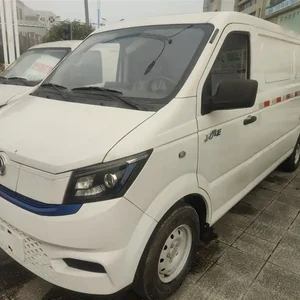
How to buy a Dongfeng Yufeng Em27 from China
-
1
Define the operating case
List route length, payload, daily mileage, charging pattern, destination and handover model. Separate mandatory requirements from preferred features before choosing a vehicle.
-
2
Shortlist exact variants
Compare EM27 versus EM27L and confirm the battery family, motor, range basis, seating and equipment. Obtain the model-year specification sheet rather than relying on the listing title.
-
3
Review live inventory
Use the live Yufeng Em27 listings to check the current per-unit price, condition, location and seller details for each candidate. Record the listing identifier so the RFQ refers to an exact vehicle.
-
4
Request a landed quote
Ask for an itemized quote stating Incoterm, currency, payment milestones, documentation, inspection, freight and destination charges. Check how the quotation changes for single-unit and consolidated orders.
-
5
Verify compliance
Confirm destination type approval, LHD or RHD, charging connector, software, insurance, battery transport and high-voltage service requirements. Obtain local regulatory or customs advice before committing funds.
-
6
Inspect and document
For used units, review identity, service history, battery State of Health and physical condition. Define acceptance tolerances, photographic evidence and remedies for nonconformity in the contract.
-
7
Order and ship
Pay only through verified instructions against agreed milestones, then confirm inspection, export documents, VIN matching, packing and freight booking. Keep the vehicle-level dossier with the final handover and warranty pack.
Yufeng Em27 vs rivals
| BYD Yuan Plus/Atto 3 | The BYD Yuan Plus/Atto 3 is a direct compact electric-SUV benchmark with stronger international brand recognition in many markets. Choose it when established service reach and resale familiarity outweigh the Yufeng sourcing proposition; compare the exact export derivative because equipment and homologation vary. |
|---|---|
| Chery Omoda E5 | The Chery Odoma E5 competes directly in the compact electric-SUV segment with a different design, specification and distributor proposition. It may suit buyers prioritizing an alternative supplier relationship, while the Em27 remains relevant where its exact configuration and China sourcing terms provide a better commercial fit. |
| Leapmotor B10 | The Leapmotor B10 is a value-oriented rival for buyers comparing equipment and acquisition economics in the compact electric-SUV class. The Em27 may be preferable where its battery configurations and export support fit the route better, but warranty, software, parts access and residual-value terms should decide the comparison. |
Frequently asked questions
How is the Dongfeng Yufeng Em27 export price determined?
The live price is set by the exact vehicle and the seller's commercial terms, not by the model name alone. Configuration, year, condition, battery option, exchange rate, freight, insurance, taxes, documentation and Incoterm can all change it. Compare equivalent vehicles in the live listings and request a written quote showing inclusions, exclusions and validity.
What powertrain, battery and range should I expect?
The Yufeng Em27 is a battery-electric compact SUV. Its identified battery families are 41.472 kWh and 41.86 kWh, with several supplier labels attached to those capacities. Motor output, charging specification and usable range vary by configuration, so check the live listing and homologation file rather than assuming a range.
Should I buy a new or used Yufeng Em27?
New vehicles usually suit a controlled launch, while used vehicles can support pilots or fleet testing. New units need checks for software, warranty start and factory completeness; used units need condition, service, identity and battery-health evidence. Specify the two categories separately and require documentary acceptance criteria.
What is the MOQ for the Yufeng Em27?
There is no universal MOQ that can be assumed from the model name. A seller may offer a single unit for a sample order, while container pricing and allocation can use different terms; confirm the quantity, configuration mix and unit price in the current quote. The live listing and written pro forma invoice are the places to verify binding quantity conditions.
How long does shipping take and what does it cost?
Shipping time and cost depend on origin, destination, transport mode, battery acceptance, documentation readiness, customs, congestion and the chosen Incoterm. A vehicle-ready shipment is not the same as a booking-ready or homologation-ready shipment. Ask the supplier for a milestone schedule and an itemized freight estimate.
Are spare parts available for export?
Spare-parts availability depends on the supplier's export support, the destination and the exact vehicle configuration. Before ordering, request high-voltage diagnostic capability, key service-part references, warranty process, lead times and technical support. Do not assume that a part available in China will be stocked or delivered promptly in the destination market.
Is a right-hand-drive Yufeng Em27 available?
RHD availability depends on the production variant and current export configuration; it should never be inferred from the EM27 or EM27L name. State LHD or RHD in the RFQ and obtain VIN-level confirmation before payment. If conversion is proposed, verify that the procedure is lawful, approved and covered by the intended homologation and insurance.
How do I order a Dongfeng Yufeng Em27 from China?
Start with the live Yufeng Em27 listings, select a candidate and send an RFQ identifying the exact body, battery, range basis, seats, condition and destination. Ask for an itemized pro forma invoice, payment schedule, inspection terms, freight method and export-document list. Release funds only against agreed milestones and keep the signed vehicle, title, service and warranty records.
Ready to source the Dongfeng Yufeng Em27?
Send an RFQ for your preferred Yufeng Em27 configuration, itemized landed-cost quote and export-document check.
Request a quote