
Exeed Exlantix Et Export Buying Guide for Overseas Buyers
Export buying guide for the Exeed Exlantix Et, comparing BEV and EREV trims, pricing factors, MOQ, shipping, compliance and direct rivals for dealers.
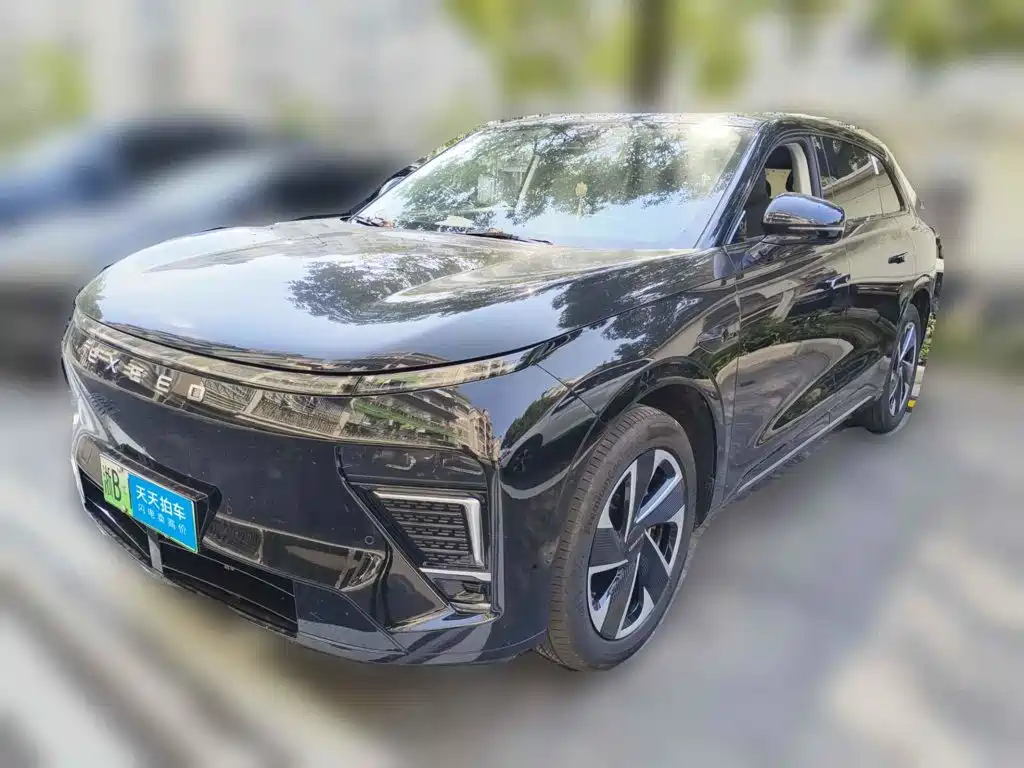
At a glance
- The Exlantix Et combines pure-electric and extended-range powertrains in one mid-size SUV family for differing charging and route requirements.
- Range-designated trims, 2WD choices and 4WD-labelled versions allow buyers to match configuration with fleet duties.
- A live export quote should separate the vehicle price from freight, insurance, duties, taxes and destination charges.
- Order quantities should reflect homologation, aftersales support, inventory risk and available loading capacity rather than an assumed model MOQ.
- LHD or RHD availability, local certification and charging or fuel infrastructure must be confirmed before contracting.
Why the Exeed Exlantix Et matters for export markets
The Exeed Exlantix Et matters in export markets because it gives importers a single model family spanning battery-electric and extended-range configurations. That breadth is commercially useful: a distributor can serve workplaces with dependable charging infrastructure with a BEV, while addressing longer routes or mixed charging access with an EREV. The lineup also includes 2WD and 4WD/AWD-labelled versions, allowing the same SUV name to cover efficiency-led and traction-oriented fleet briefs. Its value for buyers is the ability to align powertrain, equipment and drivetrain with each destination rather than importing a generic configuration for every market.
Importers evaluating Chinese brands need a proposition they can explain to fleet customers: realistic range, charging or fuel assumptions, driver-assistance content, parts support and residual-value risk. The Exlantix Et is relevant because its range-labelled trims make those differences visible at the model level, while the EREV option gives operators an alternative where plugs are not guaranteed. That makes it a candidate for distributors, company-car specialists and mixed fleets, provided local compliance and aftersales planning are completed before shipment. For an overseas buyer, demand should therefore be understood as fit-out demand: matching vehicles to local infrastructure and customer missions.
A disciplined export buyer should treat visible demand cautiously. A model name does not prove local acceptance: taxes, insurance categories, charging standards, service capability and consumer familiarity can outweigh a long headline range. For the Et, the key export question is whether the selected BEV or EREV can be supported in the destination and whether the trim’s equipment matches the buyer’s willingness to pay. A smaller planned launch is often more informative than an unsupported large order. Dealer feedback after handover, service-part uptake and utilization data should then guide the next purchasing cycle.
- Match powertrain to charging access.
- Compare 2WD and 4WD use cases.
- Validate demand through a controlled launch.
Model range, trims and powertrain variants: how the lineup is structured and how to choose
The Et should be decoded by energy source first, then range designation, drivetrain and equipment tier. Export names include EREV 200 Pro and Pro+, EREV 240 Max AWD, EREV 240 Pro 4WD Highway Assist, and EREV 265 Pro 2WD Highway Assist. BEV variants include EV 540 Pro 4WD Edition, EV 625 Pro, Pure Electric 655 Ultra and Pure Electric 760 Max. These names create a useful shortlist, but only the live vehicle record should confirm the final configuration. The naming pattern also keeps powertrain, range class and drive layout separate when comparing alternatives.
The figures embedded in model names—200, 240, 265, 540, 625, 655 and 760—are range identifiers, not battery capacities. For an EREV, evaluate usable electric range only after confirming the duty cycle, charging access and fuel assumptions. For a BEV, compare route energy needs against charging intervals rather than assuming the highest headline figure applies to every trim. Ask the seller to state the applicable CLTC or other test-cycle wording and avoid comparing figures from different standards without context. This distinction is essential when balancing battery cost, operating range and payload.
Choose drivetrain around load, route and road conditions: 2WD versions may suit fleets with predictable urban or highway use, while 4WD-labelled variants provide an additional option where traction, load or adverse surfaces justify the extra hardware. Equipment naming also needs care. Pro, Max, Ultra, Pro+ and Highway Assist indicate trim positioning, but buyers should verify standard equipment on the exact vehicle. Driver-assistance labels do not replace homologation or driver training, and motor output, battery capacity and charging rate should be checked in the live specification. Ask for a signed option list before comparing vehicles.
- Decode energy, range, drive and equipment.
- Treat model-name numbers as range identifiers.
- Verify technical data on the exact vehicle.
New vs used Exeed Exlantix Et: how export inventory is structured and how buyers choose
New and used Exlantix Et units should be treated as different procurement channels, not interchangeable grades of the same offer. New inventory can include recent production or carryover stock from earlier model years, so the production date and model year remain important. Used units may enter export through fleet de-fleet programs, private sales or specialist importers, making odometer reading, service history and prior use central to valuation. The live marketplace category and unit record establish which category applies. Neither label alone explains battery health, paint condition, software status or whether the warranty remains valid locally.
A new vehicle generally offers the cleanest ownership chain, the most predictable factory configuration and easier alignment with a new-model aftersales campaign, although warranty coverage may not transfer automatically across borders. A used Exlantix Et can suit a buyer seeking a lower initial acquisition consideration or a known trim with established local familiarity, but that apparent economy must be tested against battery condition, repairs, software updates and resale positioning. For a BEV, ask for battery state-of-health evidence; for an EREV, inspect both the electrified system and the engine-generator package before commitment.
Wholesale planning should keep new and used purchases on separate approval checklists rather than mixing them in one acquisition assumption. For new stock, confirm model year, trim, drivetrain, range variant, production date, warranty route and expected delivery documentation. For used stock, add VIN history, odometer verification, accident or flood checks, battery report, charging test, key count and service invoices. Whichever route is chosen, use a pre-shipment inspection and a written handover document, because condition descriptions alone do not resolve disputes. A folder shared by buyer, seller and inspector creates a clear acceptance record.
- New vehicles offer cleaner ownership chains.
- Used vehicles require condition-specific due diligence.
- Inspect and document every unit.
How export pricing works: the factors behind a live listing price, and how to read one
An export listing price for the Exlantix Et is the seller’s asking price for a specific vehicle, not a universal model price. The principal drivers are model year, exact trim, energy and battery or range version, drivetrain, included options, condition, mileage where relevant, production timing and the seller’s sourcing terms. Exchange-rate movement also affects quotes converted into another currency. For a wholesale buyer, two units with similar model names can require different landed budgets once specification and transaction terms are reconciled. Compare only like-for-like vehicles and currencies when reviewing quotations.
The vehicle price is only one layer of the acquisition cost. Depending on the agreed Incoterm, ocean or specialist-carrier freight, marine insurance, export handling, port charges, customs duties, taxes, registration, inspection and destination transport may sit outside the displayed figure. A quotation based on an ex-works location is not directly comparable with one delivered to a buyer’s warehouse. Ask for each charge to be identified, including which party pays it and when it becomes due, rather than relying on an all-in label that may conceal important exclusions. That transparency prevents false comparisons.
To read a live listing correctly, open the unit record and confirm currency, model year, trim name, powertrain, range designation, drive layout, new or used status, seller location and the stated terms of sale. Check whether the displayed amount is for one vehicle or a shipment package and whether it includes export documentation. The exact current per-unit price, MOQ and availability are shown on the live inventory; use those current figures rather than an old catalogue or comparison article. Then request a written quotation that reconciles the vehicle, freight, payment milestones and delivery basis in full.
- Compare identical vehicles and currencies.
- Itemize freight, taxes and destination charges.
- Use live listings for binding prices.
MOQ, ordering and payment: single units vs consolidating a container
For a buyer seeking to buy an Exeed Exlantix Et from China, MOQ is a seller and transaction rule, not a permanent model attribute. One Exlantix Et may be available to a dealer or fleet buyer, while another seller may require a batch, a deposit schedule or a first order containing several units. Read the minimum stated on the live unit and ask what it means in practice: one VIN per order, several VINs of the same SKU, or an approved mixed-SKU container. Obtain the answer in the quotation and pro forma invoice because a general marketplace page cannot replace the seller’s binding terms.
For a container-sized purchase, consolidation is primarily a planning exercise. Estimate how many vehicles fit the permitted container or carrier configuration, then decide whether to standardize one trim for simpler training and spares or mix complementary variants for different customers. Mixed configurations may complicate allocation, software setup, homologation and parts stock, so any proposal should list each VIN and destination before loading. A small demonstration order can validate handover, charging or fuelling workflows and service response before a larger fleet commitment. This staged approach also limits the exposure created by uncertain local demand.
The ordering sequence should be documented from quote to handover. Confirm the legal entities, specify every vehicle, agree the permitted payment currency and remittance method, request a pro forma invoice, and state the deposit and balance milestones in writing. The invoice should identify the agreed MOQ, documents, inspection standard, warranty route, delivery term and cancellation treatment. Verify that the beneficiary and invoice details match the verified seller before transferring funds, and keep the signed contract, inspection report and shipping documents together for claim handling. This record also defines who bears risk at each handoff.
- MOQ belongs to the seller and order.
- One-unit orders suit controlled market testing.
- Consolidate only after configuration review.
Shipping, homologation and market compliance caveats: LHD/RHD and import rules by country
Shipping cost and time are route-specific rather than fixed attributes of the vehicle. The main drivers are origin and destination ports, carrier type, sailing or service frequency, vessel space, port congestion, cargo documentation, insurance and the delivery term. An exporter may use a roll-on/roll-off vehicle carrier or a specialist vehicle transport service, but the method must match the destination and cargo value. Quote requests should ask for the planned route, permitted loading configuration, estimated transit and separate origin, freight and destination charges. Seasonal disruption and terminal efficiency can also change the final plan.
A vehicle built for the Chinese market is not automatically road-legal in another country. The importer may need to address vehicle type approval, safety and emissions rules, software and cybersecurity requirements, radio approval, charging or fuel standards, local VIN and registration rules, and any import quota, tariff or tax treatment. An EREV can face a different approval path from a BEV because its propulsion and fuel provisions differ. Obtain a destination-specific compliance opinion from a qualified importer or authority before loading, and do not assume a Chinese specification plate or approval will be accepted.
Steering configuration is a separate sourcing check. The Et may be offered in left- or right-hand-drive form depending on production and export availability, so ask for the VIN, steering-wheel position and dashboard image rather than inferring it from the listing title. A right-hand-drive conversion can affect homologation, safety-system operation and parts availability and should not be treated as a casual local conversion. Before release, complete a pre-delivery inspection covering exterior condition, software, warning systems, charging or fuel functions, tools, manuals and handover documents. For fleet deliveries, retain one approved vehicle as a reference.
- Confirm steering side before production.
- Obtain destination-specific homologation advice.
- Complete a pre-shipment vehicle inspection.
Who should buy the Exlantix Et — and who should pick a different vehicle
The Exlantix Et is a strong candidate for importers seeking one mid-size SUV name with both BEV and EREV routes, especially where customer missions vary within a single fleet. It suits distributors that can build a clear charging proposition for BEV customers or explain the extended-range model’s combined electric-drive and engine-generator logic where charging coverage is incomplete. Buyers needing 2WD efficiency-led versions or 4WD-labelled alternatives can match drivetrain to fleet policy. The strongest case is a planned launch with local service and import support already in place rather than speculative volume.
It is a weaker fit for buyers who require an established, mature dealer network, highly predictable residual values or a single proven powertrain across the entire fleet. It may also be unsuitable where charging infrastructure, EREV fuel logistics, diagnostic capability or spare-part lead times are weak. Buyers with unusually high towing, payload, seven-seat or cold-weather requirements should verify the exact vehicle’s published ratings and local suitability rather than generalizing from the SUV format. In those cases, a simpler fleet platform or an established local model may reduce operational and resale risk.
The decision should be based on total operating suitability, not only the vehicle price. Compare energy or fuel consumption, insurance and registration, maintenance, tyres, software support, parts logistics and expected downtime alongside acquisition and depreciation. A fleet pilot can reveal charging time, route confidence, technician requirements and customer acceptance more effectively than a large speculative shipment. Use that evidence to select the initial trim mix, then review live Exlantix Et quotations and rival options under the same landed-cost and compliance assumptions. That makes the final award defensible to finance, operations and compliance teams.
- Best for mixed-powertrain fleet planning.
- Weaker where service and residual values dominate.
- Pilot before committing at scale.
Main rivals and how the Exlantix Et compares
BYD Sealion 7 is the closest conceptual rival because it is also a midsize electrified SUV offered with pure-electric and extended-range versions. The choice often turns on brand recognition, local support, specification consistency and the importer’s confidence in each drivetrain rather than a single headline specification. The Sealion 7 may be a safer shortlist choice where established brand familiarity matters, while the Exlantix Et should be preferred when its exact trim, drivetrain and equipment combination is more attractive for the planned customer mix. Neither brand should be selected without a destination-market service review.
Leapmotor C10 is another close export-market comparison because it competes in the same electrified SUV format with BEV and EREV choices. C10 buyers may prioritise a different design, equipment hierarchy or brand proposition, while Exlantix Et buyers can focus on its range-labelled trims and 2WD/4WD selection. The deciding factors should be actual landed cost, local homologation, charger or fuel availability and a credible parts plan. If the importer can support only one Chinese marque initially, the stronger workshop and residual-value evidence in that market should outweigh brochure-level feature comparisons and customer interviews.
Deepal S07 is another close technical and format comparison because it too spans BEV and EREV midsize-crossover versions. Its selection can appeal to buyers prioritizing a different design and brand identity, whereas the Exlantix Et provides a distinct range-labelled trim and 2WD/4WD matrix. The choice should come down to destination compliance, local service evidence and the exact powertrain package. Do not treat shared size or electrification as proof of equivalent equipment; compare each vehicle’s specification, warranty route and landed cost. Neither name removes the need for a pilot and destination-specific parts plan.
- Compare real landed cost and local support.
- Match powertrain strategy to fleet infrastructure.
- Test aftermarket demand before bulk orders.
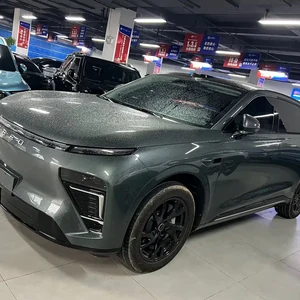
Live Exeed Exlantix Et export inventory
View all listings →Real units currently on ChinaCarDirect with per-unit asking prices and MOQ. Availability updates live from the catalogue.
How to buy a Exeed Exlantix Et from China
-
1
Define the market use case
Map daily routes, charging or fuel access, load requirements, driving side and local registration rules before selecting a powertrain.
-
2
Build a configuration shortlist
Compare BEV and EREV range classes, 2WD or 4WD layouts and equipment grades using the specifications shown on each live listing.
-
3
Verify every candidate vehicle
Check model year, exact trim, VIN, condition, photographs, mileage where relevant and available export documents.
-
4
Request a landed-cost quotation
Ask for the per-unit price, currency, freight, insurance, duties, taxes, destination charges, delivery term and quotation validity to be separated.
-
5
Confirm MOQ and payment terms
Record the minimum order, deposit and balance schedule, permitted remittance method, beneficiary details and cancellation conditions in the pro forma invoice.
-
6
Complete compliance and shipping planning
Secure destination-specific homologation advice, confirm LHD or RHD configuration, arrange inspection and insurance, and nominate the vehicle carrier.
-
7
Inspect before release
Verify exterior condition, software, warning systems, charging or fuel functions, tools, manuals and handover documents before accepting the shipment.
Exlantix Et vs rivals
| BYD Sealion 7 | It is a close format and powertrain competitor with BEV and EREV versions, so brand familiarity and local service evidence can be decisive. The Exlantix Et is more attractive when its exact trim, range designation and equipment package better fits the planned fleet. |
|---|---|
| Leapmotor C10 | The C10 competes with similar electrified-SUV buyers through different design, equipment and brand priorities. Choose between them using landed cost, homologation, charging or fuel access, parts planning and demonstrated local support rather than headline range alone. |
| Deepal S07 | The S07 offers a closely comparable BEV-and-EREV crossover proposition, making it a useful direct shortlist rival. The Exlantix Et stands out for its distinct trim and drivetrain matrix, but each vehicle still requires an exact specification and destination-compliance review. |
Frequently asked questions
How is Exeed Exlantix Et export pricing determined?
Each live price relates to a specific vehicle or unit group and is affected by model year, trim, powertrain, range or battery version, drivetrain, options, condition, currency and transaction terms. Freight, insurance, duties, taxes and destination charges may be separate depending on the Incoterm. Check the current per-unit figures in the live listings and request a written quotation for the binding landed cost.
What powertrain and range options are available?
The lineup includes battery-electric versions with trim-designated range figures from 540 to 760 km and extended-range versions designated from 200 to 265 km. Those numbers are range identifiers, not battery capacities. Confirm the applicable test cycle, motor configuration, battery details and charging or fuel information on the exact export listing.
Should a buyer choose a new or used Exlantix Et?
New vehicles generally provide a cleaner ownership chain, predictable factory configuration and clearer new-model support, but cross-border warranty coverage must be confirmed. Used vehicles may offer a lower initial acquisition consideration, yet battery condition, software status, service history and accident checks become more important. Choose from the live new and used categories according to the unit’s documented condition.
What is the minimum order quantity for the Exlantix Et?
MOQ is set by the seller and transaction rather than being a permanent model rule. It may refer to one VIN, a batch of identical vehicles or an approved mixed-SKU shipment. Read the MOQ on the live listing and have the selected quantity, deposit requirement and consequences of changing the order stated in the pro forma invoice.
How long does shipping take and what does it cost?
Transit time and cost depend on the origin and destination, carrier service, vessel space, port congestion, documentation, insurance, loading method and delivery term. There is no fixed rate or timetable for every Exlantix Et shipment. Request a route-specific freight quotation with origin, destination and other charges separated so it can be compared with the vehicle price.
Are spare parts available for exported Exlantix Et vehicles?
Parts compatibility must be confirmed using the model year, trim, VIN and production date because equipment and powertrain configurations differ. Ask what service items, maintenance consumables and electronic components the seller can supply, along with lead times and export procedures. A workable parts list should be agreed before a large fleet commitment.
Is a right-hand-drive Exlantix Et available for export?
Right-hand-drive availability depends on production, sourcing and the particular vehicle offered, so it should be confirmed rather than inferred from the model name. Ask for the VIN, steering-wheel position and dashboard photographs. A local conversion is not an automatic substitute because homologation, safety systems and parts supply may be affected.
How do I order an Exeed Exlantix Et from China?
Start with the live listings, shortlist the relevant BEV or EREV configuration, and verify the unit’s specifications and documents. Request a written quotation, agree the MOQ and payment milestones through a pro forma invoice, complete destination compliance checks, and arrange a pre-shipment inspection. The handover should occur only after the vehicle, documents and agreed inspection standard have been verified.
Ready to source the Exeed Exlantix Et?
Send your destination, preferred trim, quantity and delivery-term requirements to ChinaCarDirect for a current Exlantix Et quotation.
Request a quote