
Exeed Yaoguang C-dm Export Buying Guide for Dealers
Buy an Exeed Yaoguang C-dm from China with expert guidance on trims, electrified range, export pricing, MOQ, shipping, compliance and market fit.
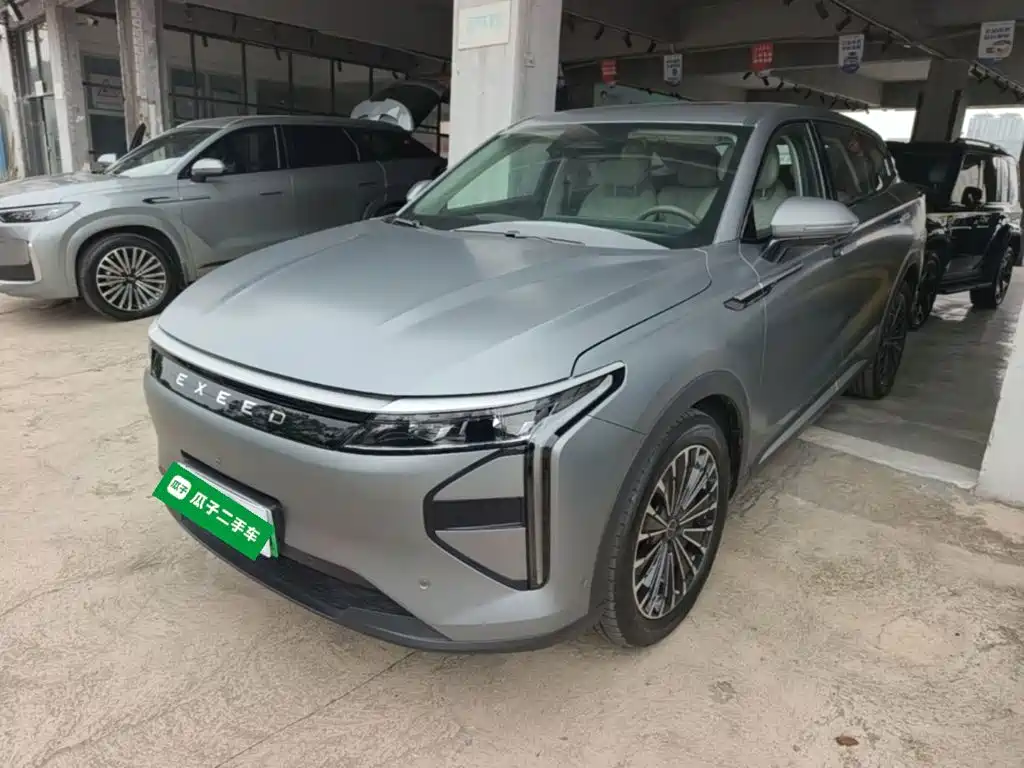
At a glance
- The lineup spans front-wheel-drive and all-wheel-drive electrified SUVs, including 100, 120 and 200 range-labelled grades.
- The 1.5T Extended Range Pro gives buyers another configuration for prioritizing longer-distance operating flexibility.
- CLTC-labelled figures require careful translation into local test cycles, duty calculations and real-world operating expectations.
- Live Exeed Yaoguang C-dm listings remain the source for current per-unit price, condition, MOQ and availability.
- A realistic landed-cost budget must include freight, insurance, duties, taxes, registration, certification and local service.
Why the Exeed Yaoguang C-dm matters for export markets
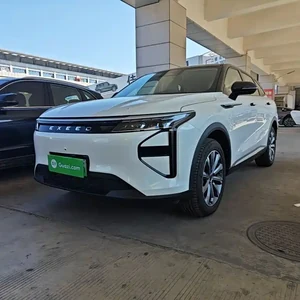
The Exeed Yaoguang C-dm occupies an unusual export position: it combines the presence of a modern SUV with an electrified powertrain for buyers who cannot rely on dense charging networks. Its family spans front-wheel-drive and all-wheel-drive versions, together with extended-range and long-range positioning. This creates a practical bridge for markets where daily electric running is useful but long-distance flexibility still matters. It can therefore appeal to importers serving mixed urban and regional routes rather than only short commutes. For dealers, the test is whether the versatility can be supported with compliant parts, service coverage and realistic costs.
Global interest should be assessed segment by segment, not inferred from domestic styling alone. The Yaoguang C-dm is most relevant where buyers want SUV space, modern technology and lower dependence on petrol, yet regulatory rules or charger coverage make a full battery-electric vehicle less straightforward. Dealer demand is likely to be strongest among business customers with controlled routes and importers able to explain hybrid operation to local customers. It is less compelling where consumers equate electrified vehicles only with zero-emission models. That distinction materially affects both marketing, after-sales education and practical operating economics.
Because export markets are not a single market, the model’s strongest case is in destinations that combine a meaningful SUV customer base with permissive electrified-vehicle rules. Importers should test the proposition against local fuel prices, electricity costs, duty bands, insurance categories and service capability. The vehicle can broaden a portfolio between compact hybrids and larger premium plug-in SUVs, but only if margin survives freight, tax and compliance work. Those commercial conditions matter more than headline styling or domestic range figures. A disciplined importer begins with a target market and landed-cost model, not with an attractive catalogue photograph.
- FWD and AWD address different operating priorities.
- Range labels do not replace local certification.
- Service access can determine export viability.
Model range, trims and powertrain variants: how the lineup is structured and how to choose
The visible lineup is organized around several named grades: 1.5T Extended Range Pro, 100 Long Range Pro FWD, 100 Long Range Plus FWD, 120 Long Range 2WD, Global Edition 120 Long Range 2WD and 200 Ultra Long Range Pro AWD. Exact equipment can vary by market and production year, so the trim name is only the first filter. Buyers should compare the drive layout, electric-range class, battery version and standard equipment in the individual listing. This avoids treating similarly named grades as interchangeable before building a landed quote or promising a customer configuration.
Front-wheel-drive variants are generally the simpler starting point for buyers who prioritize efficiency, packaging and lower drivetrain complexity. The AWD 200 Ultra Long Range Pro adds all-wheel-drive hardware and should be considered where traction, load movement or all-weather confidence is worth the additional cost and consumption. Do not infer the final performance from the badge alone. Battery capacity, power output, suspension, tires and local homologated equipment can materially change how a version feels and operates. For fleet tenders, the decisive documents are the homologated specification and measured consumption data, not marketing terminology.
The 100 and 120 grades sit within the long-range family, while the 200 Ultra Long Range Pro represents the upper AWD position. Those numbers should be treated as trim identifiers until the listing confirms the applicable test-cycle value, such as CLTC, and the corresponding battery capacity. For an export buyer, a nominal figure does not guarantee usable range after local certification, climate, speed, load and charging habits. Compare energy capacity and real-world duty together rather than selecting the largest badge by default. Pro and Plus grades also require direct equipment checks and dimensions.
- Match FWD or AWD to route duty.
- Confirm battery and certified range.
- Check equipment against the exact model year.
New vs used Exeed Yaoguang C-dm: how export inventory is structured and how buyers choose
Export inventory for the Yaoguang C-dm is organized at the individual-vehicle level, with model year, trim, drivetrain, condition, mileage and option details used to define each listing. Buyers should open the specific unit rather than rely on a model-wide headline. A recent model year can still describe vehicles built for different export destinations, while condition labels may not tell the whole story. The relevant question is whether the VIN, production details and physical condition support the intended sale. Ask for a production-month confirmation, an odometer photograph and clear photographs of every panel and wheel.
New vehicles are generally easier to align with warranty, accessories and factory finish because the buyer can define the configuration before shipment. Used vehicles may offer a lower acquisition basis and can help if the source market has a narrow model-year requirement, but they introduce uncertainty in battery health, wear, service history and remaining warranty. A used electrified SUV also needs more scrutiny than a photograph suggests. Treat the battery state, periodic-maintenance records and absence of structural damage as separate approval gates, not minor inspection details, before any deposit is paid independently.
For importers, the best route is a two-stage decision: first define the target specification and acceptable condition, then shortlist the live units that meet it. Compare new and used examples on a total-cost basis, including any battery or tire replacement likely to be needed, rather than on acquisition price alone. New inventory is more likely to fit a consistent merchandising plan, whereas a used unit can be rational for a known buyer or a specific route. Neither route should be selected merely because a listing appears unusually inexpensive without proper scrutiny.
- Verify VIN and odometer.
- Review battery and service records.
- Compare ownership adjustments.
How export pricing works: the factors behind a live listing price, and how to read one
An export price is a moving commercial calculation, not a permanent model price. The base vehicle quote is shaped by model year, trim, range class, battery version, drivetrain, production specification, condition, mileage and options. It can also move with the seller’s cost base, currency movements, stock positioning and the volume committed. For that reason, two listings displaying the same model name may not be directly equivalent. The only reliable comparison is between fully specified, like-for-like units with the same commercial terms. Ask for a written quotation tied to the exact listing.
A live vehicle price may or may not include international freight, marine insurance, export documentation, terminal charges, customs duty, VAT or other local taxes. It may also exclude registration, certification, inspection, inland transport and dealer preparation. Read the Incoterm and exclusions rather than assuming the headline amount is a delivered price. A useful pro forma invoice separates the vehicle, inland handling, origin charges, main carriage, insurance and destination costs. It should also state currency, quote validity, payment milestones and the exact unit included. Request that breakdown in writing before comparing offers and unit allocation.
Buyers should read a live Exeed Yaoguang C-dm listing from top to bottom, then request clarification of every ambiguous line. Check the model year and trim against the photos, confirm whether odometer and condition fields match the vehicle, and note any options that affect price. Ask whether the displayed amount is FOB, CIF or another basis, who arranges export clearance, and when the quote expires. Then build the landed-cost model separately rather than treating marketplace visibility as an all-in offer. A listing is a starting point for due diligence, not a substitute for a binding quotation and sales contract.
- Compare like-for-like vehicle specifications.
- Separate vehicle and landed costs.
- Confirm quote basis, currency and validity.
MOQ, ordering and payment: single units vs consolidating a container
Minimum order quantity is a commercial field on each vehicle listing, not a permanent attribute of the model. A marketplace buyer may be able to purchase an individual vehicle if the seller confirms that arrangement, while a container buyer can pool several units from different listings to reduce freight cost per unit. Neither route should be assumed before the relevant seller or supplier confirms it. Read the MOQ shown for the exact listing, ask whether mixed trims can share a shipment, and obtain the terms in the pro forma invoice in writing.
Single-unit purchasing is useful for test programs, a dealer’s first allocation or a customer order with a defined specification. It gives flexibility but offers less freight leverage and may leave consolidation, customs and fixed-charge exposure to one vehicle. Container consolidation spreads origin handling, ocean freight and certain destination charges across more units, improving unit economics. It also requires tighter control over model-year consistency, trim mix, allocation timing, inspection and payment coordination. Consolidating is useful only if carrying and selling every unit is realistic rather than merely lowering freight per vehicle.
A sound ordering sequence starts with a written specification, then a pro forma invoice, then a refundable deposit or other agreed payment instrument. Before releasing balance, confirm the VIN, production details, condition, inspection evidence, export documents and shipment terms against the contract. Payment should be made only to the verified seller entity named in the contract, with an independently checked bank beneficiary. Clarify who bears risk at each transfer point, what triggers the balance payment and what remedy applies if the vehicle or documents do not match the purchase agreement in writing.
- Read each listing's MOQ.
- Pool units for freight leverage.
- Use a written specification contract.
Shipping, homologation and market compliance caveats: LHD/RHD and import rules by country
Shipping starts with a destination-market homologation decision, not a container booking. A China-market type approval or Global Edition name does not by itself establish approval elsewhere. The destination country may impose type approval, emissions, safety, electrical, language, VIN, insurance or registration requirements, and the rules can apply differently to new and used imports. Buyers should obtain a written regulatory checklist from an experienced importer or local authority before paying, and ensure the vehicle configuration and documents match what is permitted there. EU and UK buyers should plan around whole-vehicle type approval and emissions evidence, while Gulf, Latin American or Australasian markets may impose different age, inspection or registration conditions. A CLTC-labelled range also does not automatically translate into WLTP, EPA or destination-market labels.
Steering configuration is equally important. Many China-origin vehicles are supplied in left-hand-drive form, while right-hand-drive availability depends on the actual build, source market and seller. The listing’s photos or trim name are not sufficient proof. Ask for a clear cockpit view and steering-wheel confirmation, then verify that the configuration suits registration, insurance and local driving expectations. For commercial fleet use, also check driver visibility, controls, towing or load requirements and any restrictions that affect vehicle class approval. These checks are basic, but they prevent costly mismatches at customs or delivery for each destination market.
Electrified vehicles also require attention to lithium-battery transport documentation, dangerous-goods declarations where applicable, charging-equipment compatibility and safe handling. Chargers vary by market, so confirm voltage, connector and onboard charging capability from the homologated specification rather than assuming one universal system. Sea, rail and road options differ in transit time, routing, damage exposure and cost, while container loading must respect actual dimensions and securement rules. Budget for pre-shipment inspection, port handling, insurance, customs clearance and destination registration rather than freight alone. The freight quotation should identify every included service and separate exclusions clearly.
- Confirm destination type approval.
- Verify steering configuration.
- Budget certification and battery logistics.
Who should buy the Yaoguang C-dm — and who should pick a different vehicle
The Yaoguang C-dm fits buyers who want one vehicle to cover electric urban use, regional travel and SUV practicality without depending entirely on public charging. It is particularly relevant to company fleets, ride-hailing or rental operations with predictable routes, provided local rules permit the powertrain and operators can manage charging. Dealers should also consider customers replacing a combustion SUV who are reluctant to adopt a full battery-electric model. The strongest business case combines a realistic route profile with confirmed service access and residual-value assumptions before committing to a scaled import program.
It is a weaker fit for buyers whose priority is a certified zero-emission vehicle, because a range-extended or plug-in hybrid should not automatically be presented as zero-emission. It may also be unsuitable where charging standards, parts coverage or homologation support are weak. Highly urban buyers with dependable charging may obtain better operating economics from a full battery-electric SUV. Conversely, infrequent drivers with poor charging access should examine the entire powertrain, warranty and fuel assumptions before choosing an electrified SUV and should not accept vague supplier assurances at face value.
The decision should be framed around total cost and operational fit rather than trim prestige. Compare indicative transport cost, energy use, maintenance, insurance, registration, charging access, expected resale and the value of the AWD option. If the vehicle will carry substantial loads or travel through areas with poor road conditions, verify those uses in the actual homologated specification. For a first import program, one well-specified unit or a small mixed shipment can test demand more safely than committing to a large homogeneous order, subject to the seller’s confirmed ordering terms.
- Best for mixed urban and regional use.
- Not a substitute for certified BEV demand.
- Validate service, parts and residual value.
Main rivals and how the Yaoguang C-dm compares
The closest comparisons depend on how a buyer defines the segment: a midsize electrified SUV, a plug-in hybrid family vehicle or a premium-styled Chinese import. BYD Song Plus DM-i is a useful benchmark because it competes in the same broad PHEV-SUV class and benefits from strong international recognition. Deepal S07 range extender targets buyers seeking electric daily running with longer-distance backup, while Chery Tiggo 8 C-DM is a direct Chinese-market plug-in hybrid alternative. None can be judged on domestic trim names alone; each imported version must be compared after local certification in the target market.
Against the BYD, the Yaoguang C-dm may appeal to dealers seeking a distinctive design and differentiated feature set, but BYD’s established brand presence and broader international recognition can reduce customer-acquisition effort. Against the Deepal S07, packaging, charging capability, equipment and after-sales support matter more than nominal range labels. The Chery Tiggo 8 C-DM is especially relevant for buyers already familiar with that brand ecosystem and its China-based support structure. The winner is the model whose certified specification, landed cost and service plan fit the destination and whose residual risk is acceptable.
A useful comparison sheet should use identical criteria across all four vehicles: destination-certified electric range, real-world consumption, drivetrain, cargo utility, warranty, service coverage, spare-part lead time, safety equipment and total landed cost. Avoid comparing Chinese test-cycle numbers with European or local figures, and do not assume a familiar badge guarantees the same equipment in every country. Test-drive and inspect where possible, then negotiate service commitments in writing. The closest rival is not always the largest model; it is the one your customers can understand, maintain and resell most easily locally in practice.
- Compare ranges on one cycle.
- Price service and resale support.
- Match rivals to buyer priorities.
Live Exeed Yaoguang C-dm export inventory
View all listings →Real units currently on ChinaCarDirect with per-unit asking prices and MOQ. Availability updates live from the catalogue.
How to buy a Exeed Yaoguang C-dm from China
-
1
Define the destination and compliance scope
Select the destination country, intended customer segment, road configuration and regulatory requirements before selecting a vehicle. Obtain a local import and homologation checklist for the proposed model.
-
2
Choose the required configuration
Compare FWD and AWD options, range-labelled trims, equipment and model year against your route and customer needs. Use the live listings to see which variants are currently presented.
-
3
Request a written pro forma invoice
Ask for the exact unit, current price, MOQ, currency, quote validity, payment milestones and Incoterm in writing. Request a breakdown of charges that are excluded from the vehicle price.
-
4
Verify the individual vehicle
Confirm the VIN, production details, odometer, condition, battery information, photos and option list. For a used vehicle, request maintenance records and independent inspection evidence.
-
5
Confirm ordering and payment terms
Check whether the seller permits a single-unit purchase or consolidation, and whether mixed trims can share a shipment. Pay only through a contract naming the verified seller and beneficiary.
-
6
Approve inspection and documents
Review the pre-shipment inspection, export documents, VIN consistency, condition report and release conditions before authorizing the balance payment. Record any repair or discrepancy remedy in the contract.
-
7
Ship, clear and register
Book freight only after compliance and payment milestones are settled. Track port handling, customs clearance, inland delivery and destination registration as separate responsibilities.
Yaoguang C-dm vs rivals
| BYD Song Plus DM-i | A mainstream PHEV-SUV benchmark with strong international recognition; BYD may be easier to sell where brand familiarity and service support outweigh differentiated styling. Compare destination-certified range, equipment and landed cost. |
|---|---|
| Chery Tiggo 8 C-DM | A direct Chinese-market plug-in hybrid alternative, particularly relevant to buyers already familiar with Chery products and support. Compare size, drivetrain, availability, warranty and local service against the Yaoguang. |
| Deepal S07 range extender | A close extended-range SUV competitor for buyers balancing electric commuting with longer-distance flexibility. Compare charging capability, certified range, equipment, parts support and destination approval. |
Frequently asked questions
How is the Exeed Yaoguang C-dm export price determined?
Price is affected by model year, trim, range class, battery version, drivetrain, condition, mileage, options, currency movements and the commercial terms requested. The current per-unit price and what it includes are shown on each live listing, while freight, insurance, duties and other destination charges may need to be added separately.
What powertrain and range options are available?
The lineup includes the 1.5T Extended Range Pro, 100 and 120 long-range front-wheel-drive grades, and the 200 Ultra Long Range Pro all-wheel-drive grade. Exact battery capacity, motor output, charging details and certified CLTC range must be confirmed in each live listing.
Should an overseas buyer choose a new or used Yaoguang C-dm?
A new vehicle is generally easier to specify and align with factory warranty expectations, while a used unit can reduce acquisition cost but adds battery, wear and service-history uncertainty. Compare the total cost of each individual vehicle and require appropriate inspection evidence before paying.
What is the MOQ when ordering from China?
MOQ is agreed per listing and seller, not fixed permanently for the model. Read the field shown on the exact vehicle listing and ask whether single-unit purchases or consolidation of compatible vehicles are permitted.
What affects shipping time and cost?
Origin and destination, transport mode, routing, season, container availability, vehicle dimensions, insurance and lithium-battery documentation all affect the shipment. Request an itemized freight quotation with its validity and included services clearly stated.
How are spare parts obtained?
Parts should be ordered against the vehicle’s VIN, model year and trim, with the seller confirming whether they come through the brand network, an authorized distributor or an aftermarket supplier. Ask about current lead times, fitment guarantees and return procedures before placing a parts order.
Is right-hand-drive availability confirmed?
Right-hand-drive availability cannot be inferred from the model name or listing photographs alone. Ask the seller to confirm the steering configuration, build origin and destination-market suitability for the specific unit.
How do I order an Exeed Yaoguang C-dm from China?
Start with the live listings, shortlist the required configuration and request a written pro forma invoice. After verifying the unit, MOQ, inspection process, Incoterm and payment terms, use a contract that identifies the vehicle and release conditions before paying the balance.
Ready to source the Exeed Yaoguang C-dm?
Send your target market, trim, quantity and destination details to request a current Exeed Yaoguang C-dm export quote.
Request a quote