
Ferrari GTC4Lusso Export Buying Guide for Overseas Buyers
A practical export buyer guide to Ferrari GTC4Lusso engines, live pricing factors, sourcing, MOQ, shipping, homologation, inspection and rivals.
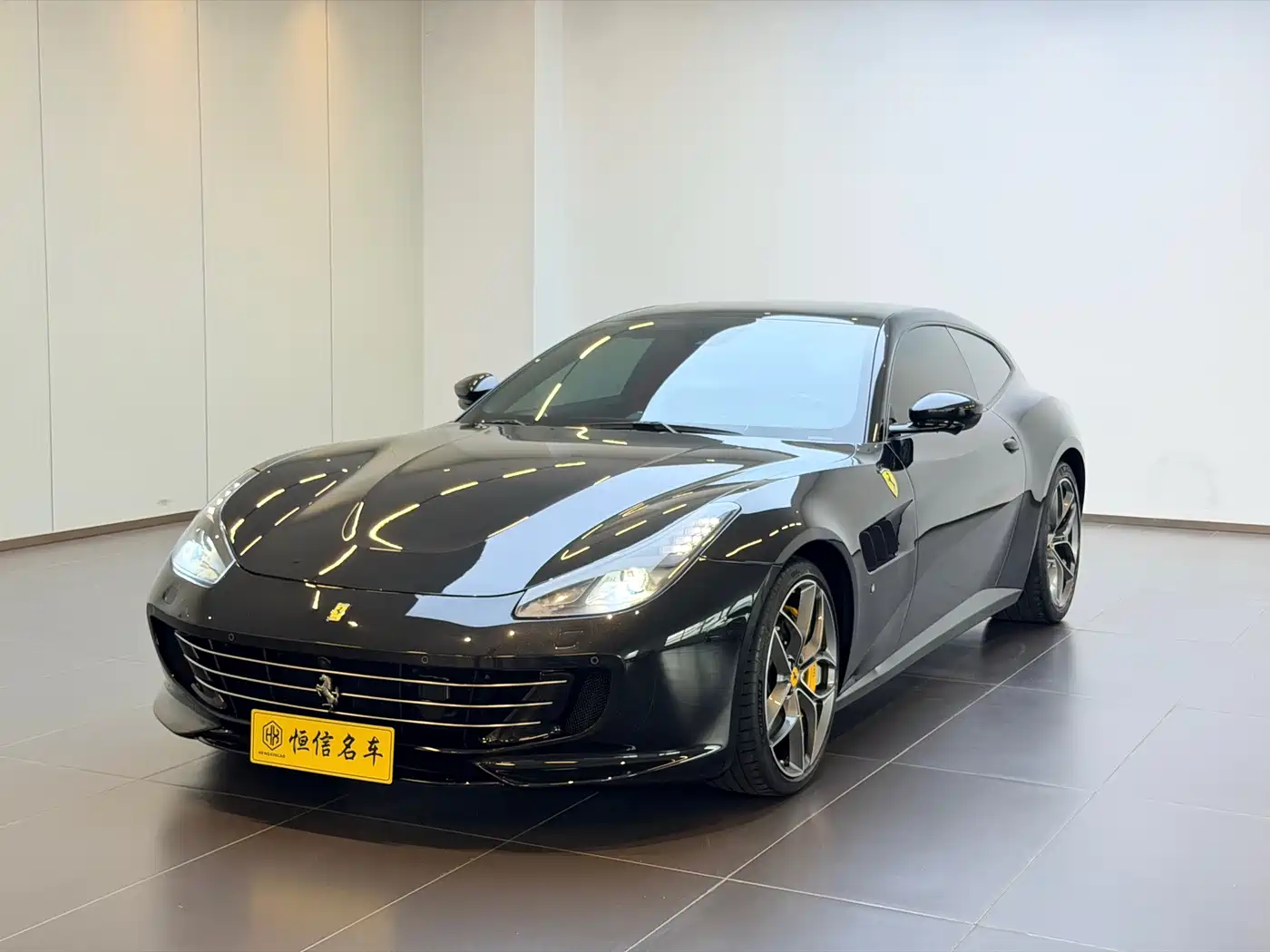
At a glance
- The GTC4Lusso pairs Ferrari performance with a usable 2+2, four-door grand-touring layout.
- The export-relevant choice is between a 3.9L twin-turbo V8 and a 6.3L naturally aspirated V12.
- New and used examples demand different evidence on condition, mileage, ownership, warranty and provenance.
- Treat the live vehicle price separately from freight, duty, tax, insurance, registration and financing.
- Confirm steering configuration, VIN, inspection and destination-market homologation before releasing final payment.
Why the Ferrari Gtc4lusso matters for export markets
The Ferrari GTC4Lusso matters because it combines Ferrari performance with a four-seat grand-touring format. Its 2+2 cabin and rear luggage area make it more useful than a conventional two-seat supercar, while the front-mid-mounted V8 or V12 preserves the layout and character associated with a Maranello GT. That combination gives it clear appeal to collectors who want emotional design and driving involvement without abandoning occasional rear passengers for international clients who need to travel to shows, hotels or business meetings without giving up the impact of an exotic Ferrari on the road.
Across export markets, demand is driven less by daily utility than by the model’s rarity, Ferrari recognition and ability to serve as both a collector car and a long-distance grand tourer. Dealers serving wealthy clients can use the four-door layout to widen the customer pool, while V8 and V12 versions create different propositions. For an overseas buyer, the relevant question is not simply whether the car is attractive, but whether its specification, documents and service support suit the destination in terms of registration, servicing, insurance and residual value.
The model’s export appeal also comes with a responsibility to treat each car as a specialist transaction rather than a routine used-vehicle purchase. Ferrari provenance, paint condition, interior wear, accident history, matching components and service records can affect confidence and value. Buyers should compare cars by documented condition and compatibility, then ask the destination authority or specialist importer what evidence is required before the vehicle is committed to shipping. That early verification protects budget, avoids rework and creates a cleaner handover for the buyer, insurer, customs broker and registering dealer.
- Four-seat Ferrari grand touring
- Distinct V8 and V12 identities
- Specialist provenance requires scrutiny
Model range, trims and powertrain variants: how the lineup is structured and how to choose
The GTC4Lusso range is organized around two rear-wheel-drive powertrains: a 3.9-liter twin-turbocharged V8 and a 6.3-liter naturally aspirated V12. Both use Ferrari’s eight-speed dual-clutch transmission and sit in the same four-seat, front-mid-engine architecture. The distinction is therefore meaningful but focused: buyers choose the character, operating profile and market positioning of the engine rather than a body style with a completely different layout. For export buyers, compare the V8’s broader usability with the V12’s naturally aspirated drama, then evaluate condition, provenance and destination-specific costs. That makes the choice concrete without overlooking cross-border ownership.
The 3.9-liter V8 is the more versatile expression of the GTC4Lusso for many buyers because it blends strong performance with a more manageable road character than the V12. It still delivers the visual drama, rear-drive balance and high-speed intent expected of a Ferrari GT, but it is generally easier to live with during long journeys and repeated use. An overseas buyer should nevertheless evaluate fuel logistics, servicing capability and local ownership costs rather than assuming the smaller engine eliminates running-cost concerns for the vehicle’s chosen destination market and climate.
The 6.3-liter V12 serves buyers who regard the engine as part of the ownership experience, not merely a means of moving the car. Its naturally aspirated response, soundtrack and presence are the principal reasons to accept the additional operating demands and likely cost profile. Because these are specialist cars, originality matters: ask for engine and gearbox identifiers, documented maintenance, detailed photographs and evidence that the listed configuration matches the vehicle being sold. That discipline is important in a cross-border sale, where mismatched engine designations, options or repairs can compromise the purchase.
- 3.9L twin-turbo V8
- 6.3L naturally aspirated V12
- Eight-speed DCT, rear-wheel drive
New vs used Ferrari Gtc4lusso: how export inventory is structured and how buyers choose
New and used GTC4Lusso inventory should be separated by condition and documentation, not treated as interchangeable versions of the same purchase. A listing labelled new may mean a never-registered example held by a dealer or an older car presented in new condition; it does not necessarily mean current factory production. The model itself is mature, so model year, delivery age, mileage, warranty status and any pre-delivery work must be checked independently before an overseas buyer accepts the description. Identification documents, production-era details, inspection findings and seller representations provide reliable evidence.
For a car described as new, verify whether it has completed delivery preparation, road testing, registration or service, and whether the warranty can be transferred across borders. Inspect paint under consistent light, check panel alignment, wheel and tire condition, and review the cabin for delivery protection rather than ordinary use. Also establish who owns the vehicle, whether the seller is the importer of record, and whether local taxes or charges have already been settled. Newness without a file can conceal a demonstration unit, a repaired car or unresolved title issue.
A used GTC4Lusso can make more sense for a collector entering the model or for a buyer seeking a particular specification without waiting for a suitable new example. The discount or value case should be assessed against condition, mileage, remaining factory support, repair history and immediate maintenance needs, not age alone. Require an independent inspection covering structure, engine, transmission, paint, electronics and cabin, and test that every claimed factory option is present and working. Inspection focused on mileage or cosmetics is inadequate; replacement parts should be distinguished from factory-original items.
- Define what “new” means
- Inspect condition and documents
- Used value depends on evidence
How export pricing works: the factors behind a live listing price, and how to read one
A live GTC4Lusso export price is the starting point for a transaction, not the full cost of placing the car in the buyer’s garage. The vehicle-side amount normally reflects the engine variant, model year, mileage or condition, specification, history, seller location and market positioning. Export-specific charges then accumulate around it. A disciplined buyer keeps the vehicle price separate from freight, insurance, inspection, customs, taxes, registration and financing so that each quote can be challenged or renegotiated. That separation prevents a headline figure from concealing an unfavorable exchange-rate assumption or risky Incoterm terms.
The engine choice is one of the clearest price levers because the V8 and V12 have different demand, operating costs and collector appeal. Within either version, year, provenance, options, paint, cabin condition, mileage and the quality of documentation can support a meaningful premium. Currency conversion also matters: confirm the currency, period and exchange-rate basis of every quotation. Avoid comparing currencies loosely or treating a shipping-inclusive statement as directly equivalent to an ex-works vehicle price. Likewise, distinguish a dealer’s asking price from the amount payable after bank fees or payment arrangements.
To read a live listing, start with the identification number and exact title, then verify engine, model year, condition, options and documents. Next, determine which Incoterm is quoted, what the seller includes, and which party arranges transport, export declaration, customs clearance and delivery. Request a written landed estimate to the final destination, with exclusions identified. Current per-unit prices and availability must be confirmed on the live Ferrari GTC4Lusso listings, because asking terms can change without notice. Treat an unusual quote as a reason for verification until identity, condition and delivery obligations are reconciled.
- Separate vehicle and landed costs
- Compare like-for-like specifications
- Verify currency and Incoterm
MOQ, ordering and payment: single units vs consolidating a container
MOQ means the minimum quantity a seller will accept in one order, and its practical meaning depends on the sales model. Individual vehicle listings may be sold per unit, while a dealer or consolidator may set a minimum for a booking or require several cars before accepting a consolidated shipment. Buyers should therefore ask what quantity applies to this specific seller, whether the reservation is refunded, and whether payment is required per vehicle or for the group. Do not infer container-load terms from an assumed catalogue rule without seller confirmation.
Consolidating several GTC4Lusso units can reduce the number of shipments and give a consolidator better control over loading and documentation, but it also concentrates value and risks. Each vehicle must retain an individual VIN, condition record and export file, while the consignee must ensure that the container configuration, securing methods and discharge plan suit large, low-clearance luxury cars. Consolidation may suit an established dealer ordering for known clients; a first-time importer should compare the operational savings against the consequences of one damaged car affecting the entire group or delaying clearance.
A secure order normally proceeds through specification confirmation, document review, inspection, a written sales contract, deposit, final payment and release against agreed documents. The exact sequence and payment instruments must be negotiated, because bank transfer, escrow and other arrangements carry different protection and cost. State who is the exporter of record, when title passes, what governs a cancellation, and what evidence is required before the balance is paid. A request for unusual payment routing or pressure to bypass inspection should stop the process. Reconcile written RFQ instructions with the contract and invoice.
- Confirm seller-specific MOQ
- Keep unit files distinct
- Link final payment to documents
Shipping, homologation and market compliance caveats: LHD/RHD and import rules by country
Specialist enclosed-car shipping is the normal starting point because an exotic should not be exposed unnecessarily to weather, road debris or handling damage. The transport mode, carrier, route, insurance limits, pickup window and terminal arrangements all affect cost and timing. For an export from China, the seller’s inland movement to the loading point, port charges, ocean freight, destination handling and customs work are separate workstreams. Confirm whether quoted freight is door-to-door or only port-to-port before comparing logistics estimates. Insurance should cover vehicle value, perils and claims, since carrier liability may be limited.
Steering configuration is a critical compatibility point. A left-hand-drive car is often the easier starting point for markets that require left-hand drive, while right-hand-drive demand exists in the United Kingdom and other markets; however, the actual configuration must be verified for every listing and never assumed from the export country or model name. Conversion can be costly and invasive, so an RHD example normally commands a different sourcing decision. Confirm local rules on hand changes, VIN records and alterations before paying. Documents help authorities scrutinize steering conversions or imported VINs.
Import compliance begins with identifying the vehicle’s origin, engine, year, value and VIN, then checking the destination country’s customs classification, duty and tax treatment, emissions and safety rules, luxury-vehicle charges, insurance and registration requirements. Local emissions and noise standards may be more restrictive than the origin market, while age-related restrictions can affect older examples. Use a local customs broker or specialist importer, provide the complete dossier early, and treat registration approval as a separate condition from physical delivery. No deposit is risk-free until the importer confirms that model, configuration and paperwork are acceptable locally.
- Verify LHD or RHD
- Insure enclosed specialist transport
- Complete destination compliance first
Who should buy the Gtc4lusso — and who should pick a different vehicle
The GTC4Lusso is most suitable for a collector or dealer serving clients who value a dramatic Ferrari, a usable 2+2 layout and long-distance touring in the same car. It also suits a buyer who understands specialist ownership and wants either the V8’s relative usability or the V12’s emotional appeal. Chauffeur or hotel-transfer use can make the rear seats valuable, while the hatch-like luggage arrangement is more practical than that of a low two-seat supercar. The purchase should still be framed as enthusiast ownership, not ordinary transport with local service support.
It is a poor match for a buyer seeking low running costs, effortless daily usability, abundant cargo space or a vehicle that can be ignored. Insurance, fuel, tyres, scheduled specialist servicing and depreciation can all be substantial, and older examples may need immediate attention. Buyers in markets with stringent emissions requirements or limited Ferrari service coverage should investigate those constraints first. Anyone buying primarily for status without retaining a serviceable car may find a less exotic grand tourer more rational. That practical reality keeps the long-term ownership proposition in proper perspective.
The decision becomes clearer when the buyer defines the intended use, acceptable specification, inspection standard, total ownership budget and destination-market support before selecting a listing. A dealer may prioritize a well-documented, marketable example and the completeness of its file; a private collector may place greater weight on originality, color, options and service history. If the purpose is primarily track performance, maximum rear-seat room or family utility, a different vehicle will usually deliver more directly. The GTC4Lusso succeeds when style, performance and occasional practicality matter together rather than any one in isolation.
- Best for collectors and dealers
- Match engine to use case
- Check ownership costs early
Main rivals and how the Gtc4lusso compares
The Bentley Continental GT Speed is the most practical close rival because it also combines a four-seat layout, a large front-mounted engine and a high-speed grand-touring brief. Its W12 character overlaps with the GTC4Lusso V12, while all-wheel drive, where fitted, may reassure buyers who prioritise stability or all-weather usability. The Bentley generally places more emphasis on refinement and effortless pace, whereas the Ferrari carries a more explicit supercar character and a four-door design. Choose according to comfort, involvement and brand identity, not headline prestige. The Ferrari wins when drama and driver focus matter most.
The Aston Martin DBS Superleggera is a closer performance and price-spirit alternative for buyers who do not need the GTC4Lusso’s rear seats. It delivers a front-mid-engine V12 grand tourer with dramatic road presence, but its two-door coupe configuration limits passenger and luggage flexibility. The Ferrari therefore gains an advantage for clients carrying occasional passengers and for showroom appeal around its four-seat layout; the Aston may feel more focused for a driver. Both require specialist care, so local service capability should be checked before either is chosen for properly planned cross-border ownership.
The Rolls-Royce Wraith is the alternative for buyers who prioritize a four-seat grand tourer, effortless performance and bespoke luxury over the Ferrari’s sharper driver focus. It shares the broad use case of an opulent V12 coupe, but its identity is more heavily oriented toward chauffeur comfort and hand-finished calm. The GTC4Lusso offers a livelier visual and mechanical character for an enthusiast-led purchase. For a wealthy client wanting both, the decisive factors become option lists, service networks, condition, and the importance placed on exclusivity versus driver involvement and actual daily use patterns.
- Continental GT favors refinement
- DBS Superleggera favors two-seat focus
- Wraith favors chauffeur luxury
Live Ferrari Gtc4lusso export inventory
View all listings →Real units currently on ChinaCarDirect with per-unit asking prices and MOQ. Availability updates live from the catalogue.
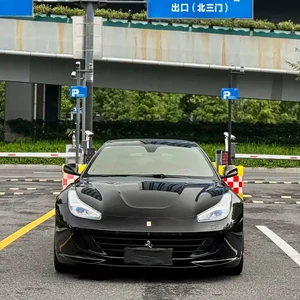
How to buy a Ferrari Gtc4lusso from China
-
1
Define the use and destination
List the required engine, passenger needs, LHD/RHD configuration, condition preference, destination country and total ownership budget. This filters unsuitable cars before commercial discussions begin.
-
2
Buy Ferrari GTC4Lusso from China
Use the live Ferrari GTC4Lusso inventory to shortlist units by engine, year and condition, then open each listing for its current per-unit terms. Treat availability as live information and request confirmation for the exact unit.
-
3
Verify identity and provenance
Match the VIN, model year, engine designation, options and ownership documents with the seller’s description. Ask for service history, accident or repair disclosure, production photos and any title or customs documents that will be exported.
-
4
Order inspection and a landed quote
Commission a physical or independent specialist inspection and ask for a written quote by Incoterm. Separate vehicle cost from freight, insurance, duty, tax, registration, delivery and any repair or commissioning work.
-
5
Confirm MOQ and wholesale terms
Ask whether the vehicle may be ordered singly or only within a group, and confirm deposits, cancellation, title transfer and final-release conditions. For consolidation, require a unit-level file and clear responsibility for loading and documentation.
-
6
Complete compliance before payment
Give VIN and configuration details to a customs broker or specialist importer in the destination market. Resolve emissions, safety, tax, registration, insurance and RHD requirements before agreeing the balance.
-
7
Ship, clear and take delivery
Release payment only against verified documents, then track pickup, enclosed transport, port handling, customs and final delivery. Inspect the car again on arrival and document condition before accepting handover.
Gtc4lusso vs rivals
| Bentley Continental GT Speed | The Continental GT Speed matches the GTC4Lusso’s four-seat grand-touring role and large-engine character, often emphasizing comfort and available all-wheel drive more strongly. The Ferrari is the stronger choice for buyers prioritizing supercar visuals, rear-door usability and a more driver-focused ownership identity. |
|---|---|
| Aston Martin DBS Superleggera | The DBS Superleggera shares a front-mid-engine V12 and similar exotic grand-touring appeal, but its two-door layout gives up the GTC4Lusso’s occasional rear-seat and luggage flexibility. Choose the DBS for a more focused coupe experience; choose the Ferrari for four-door practicality and broader client appeal. |
| Rolls-Royce Wraith | The Wraith competes as a four-seat V12 luxury coupe, emphasizing effortless pace, chauffeur comfort and bespoke calm over the GTC4Lusso’s sharper driver focus. The Ferrari suits an enthusiast-led buyer who wants more visual drama and engagement, while the Wraith suits a luxury-first client. |
Frequently asked questions
How is Ferrari GTC4Lusso export pricing determined?
Export pricing is not a fixed model-level figure. A live quote is shaped by engine, model year, mileage or condition, options, history, seller terms and exchange rate; freight, insurance, duty, tax, registration and Incoterm can change the landed total. Check the current per-unit amount in the live Ferrari GTC4Lusso listings, then request a written landed quotation naming every inclusion and exclusion.
Which GTC4Lusso engines are available, and does it have electric range?
The core choices are a 3.9-liter twin-turbocharged V8 and a 6.3-liter naturally aspirated V12, paired with an eight-speed dual-clutch and rear-wheel drive. Because this is an internal-combustion car, there is no battery or electric range to compare; usable distance depends on fuel capacity, efficiency, driving conditions and refuelling. Confirm the exact engine and any market-specific equipment on the selected vehicle.
Is a new or used Ferrari GTC4Lusso the better export choice?
A new-labelled example may be unregistered or older inventory, so verify model year, mileage, delivery preparation, warranty and ownership rather than trusting the label. A used example can offer a better route to a specific configuration, but condition, repairs, matching parts, service history and immediate maintenance needs may offset its acquisition value. Use a specialist inspection and matching document review for either route.
What is the MOQ for a Ferrari GTC4Lusso order?
MOQ is set by the seller and the transaction structure, not automatically by the model. Ask whether the quoted vehicle can be ordered individually, what quantity applies to a group booking, and how deposits and cancellations are handled. For wholesale or container consolidation, require unit-level VIN, condition and export files plus clear responsibility for payment and release.
What determines shipping time and cost from China?
Shipping time and cost depend on origin port and destination, carrier schedule, transport mode, route, insurance, pickup, port handling, customs and Incoterm. An enclosed specialist carrier is generally the prudent choice, but the quote should separate inland movement, ocean freight, destination charges and delivery. Have the freight forwarder and customs broker confirm the route and likely critical path before paying.
How are spare parts and after-sales support handled?
Spare-part support must be checked for the exact model year, engine and option list, and for the buyer’s destination service network. Some parts may require specialist ordering, identification or specialist handling, so confirm availability, lead-time method, shipping restrictions and warranty treatment before purchase. A complete service history and known local Ferrari support are more valuable than a generic parts promise.
Can I find a right-hand-drive GTC4Lusso for export?
RHD availability cannot be assumed from the China sourcing route; verify the steering configuration of each unit in the live listing and request VIN-level confirmation. Conversion can be expensive, invasive and subject to local alteration and registration rules. Buyers requiring RHD should include that condition in the RFQ and reject any seller unable to document the configuration.
How do I order a Ferrari GTC4Lusso through ChinaCarDirect?
Start by defining destination, engine, steering, condition and inspection standard, then shortlist live units. Before paying, verify VIN and ownership documents, commission an inspection, obtain a landed quote, confirm local import and homologation, and sign a contract that states MOQ, payment milestones, title transfer and cancellation. Final release should follow evidence that the vehicle and export documents match the agreed unit.
Ready to source the Ferrari Gtc4lusso?
Send ChinaCarDirect your destination, preferred engine, steering configuration and inspection requirements to request a current Ferrari GTC4Lusso export quotation.
Request a quote