
Ferrari Portofino Export Buying Guide for Overseas Buyers
Export a Ferrari Portofino from China with confidence: compare trims, pricing logic, MOQ, shipping, homologation and rivals through a buying process.
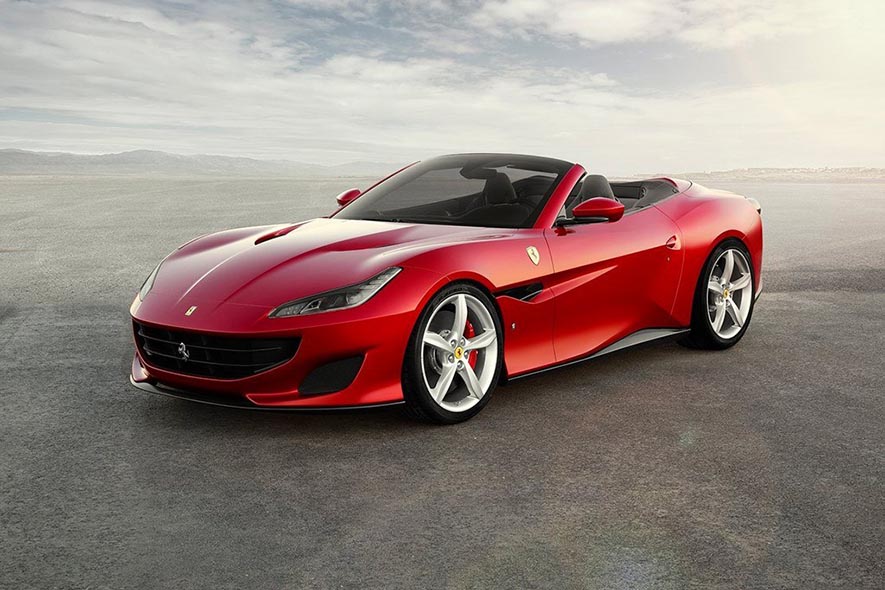
At a glance
- The Portofino combines a front-engined 3.9-litre twin-turbo V8 with a usable 2+2 grand-touring layout.
- Choose between the 450 hp 3.9T and 460 hp 3.9T M, then verify the VIN-specific build.
- New, demonstrator and used cars require different documentary and condition checks.
- Export quotes must separate vehicle price from freight, duties, insurance and Incoterm terms.
- Single-unit requests, consolidation and payment milestones should be confirmed on the live listing and in writing.
Why the Ferrari Portofino matters for export markets
The Portofino occupies a distinctive place in Ferrari’s portfolio: a front-engined V8 grand tourer with two front seats, two rear seats and a retractable hardtop. It is more usable than a track-focused supercar, yet its badge and performance still make it an emotional purchase rather than a transport-only decision. For overseas dealers, that combination creates demand from affluent private buyers, corporate hospitality clients and drivers who want a recognisable Ferrari. Its relevance also depends on local rules, road quality, service coverage and whether buyers value prestige and GT usability in roughly equal measure.
Export buyers often ask why a Ferrari would be sourced through China rather than a familiar Ferrari market. The relevant point is the route of the sale, not the origin of the marque: China can be a supply point for dealer stock held under different ownership and registration histories. Cross-border buyers should separate the car’s manufacturing heritage from the seller’s business model, and verify the VIN, title, import history and destination-market eligibility before treating a listing as export-ready. Established Ferrari markets in Europe, North America, the Middle East and parts of Asia-Pacific offer the clearest customer base, but service coverage and regulation still determine where the car can be supported.
The model appeals most when the buyer prioritises exclusivity, long-distance comfort and visual presence rather than minimum running cost or maximum cargo capacity. A dealer should assess its likely customer carefully: access to authorised servicing, local technical familiarity and realistic parts support can matter as much as the brochure. The strongest export case is a well-specified, fully documented car sold where Ferraris have an established customer base, not simply a rare listing without a clear ownership and after-sales plan. Financing, insurance classification and residual-value assumptions should be checked at the same time.
- Front-engined V8; retractable-hardtop grand tourer.
- 2+2 layout suits private and dealer buyers.
- Local service and regulation shape demand.
Model range, trims and powertrain variants: how the lineup is structured and how to choose
Portofino listings are commonly divided into the 3.9T model and the later 3.9T M designation. The core layout is a 3.9-litre twin-turbocharged V8, an eight-speed dual-clutch gearbox and rear-wheel drive. The standard car produces 450 hp, while the M raises output to 460 hp. These are stable model identities, but an abbreviated seller title is not proof of specification; the VIN-linked build record is the final reference. Options remain market-specific, and M should not be confused with aftermarket tuning or a cosmetic package or a dealer-renamed vehicle without supporting documents.
For buyer selection, the standard 3.9T is the all-round starting point because it retains the Portofino’s grand-touring brief while normally costing less than the M. The M is the performance-focused choice for drivers who value the final increment in output, sharper responses and a more distinctive specification. Because Ferrari options can change weight, equipment and character, evaluate each car on its own equipment list rather than assuming the badge tells the whole story. A daily-driven car may be better judged by comfort and condition than by a small factory-rated power difference.
Specification checking should extend beyond the engine designation. Confirm the roof configuration, paint and interior choices, wheels, braking equipment, infotainment and regional electrical features, then ask whether any service history or warranty claim affects the sale. The Portofino’s compact 2+2 cabin can still feel tighter than a full-size GT, so rear-seat space and luggage usability deserve an in-person inspection. For an export purchase, matching the car’s specification to the destination is more meaningful than assembling an option list from memory, especially when equipment was originally sold for another market entirely.
- 3.9T: 450 hp; 3.9T M: 460 hp.
- Eight-speed dual-clutch; rear-wheel drive.
- VIN confirms the final build.
New vs used Ferrari Portofino: how export inventory is structured and how buyers choose
Export inventory should be classified carefully rather than accepted at face value from a new-or-used badge. Factory-new, dealer demonstrator, parallel-import stock and a lightly registered used car may be marketed differently. The decisive questions are whether the car has ever been registered, how many owners it has had, whether it accumulated dealer miles, and what documents establish its history. A clean title and consistent service records are more useful than a generic condition label. Buyers should request registration status, invoices, inspection evidence and photographs of wear before paying a non-refundable deposit.
A genuinely new or demonstrator Portofino can offer the strongest cosmetic proposition, the most complete option set and less uncertainty about wear, provided its status is documented. It may also carry a manufacturer warranty in the market where it was sold, but coverage may not transfer to another country and can be affected by date, mileage and prior use. Conversely, a well-maintained used car may deliver lower entry cost and established depreciation while still meeting a dealer’s customer brief, especially when the original buyer’s specification was desirable. Service history can still reveal how the car was treated.
Used-car assessment should be more forensic. Require a VIN-specific condition report, independent inspection, service invoices, evidence of accident repair, confirmation of remaining manufacturer coverage where applicable, and photographs of tyres, brakes, underbody and interior. For a new car, the equivalent checks are production status, option consistency, factory protective delivery, shipping preparation and the absence of undisclosed damage during logistics. In both cases, compare expected ownership costs—not purchase price alone—against local insurance, fuel, service and depreciation assumptions. Also test any planned resale timing and local financing cost for the importing dealer.
- Labels do not replace ownership records.
- Used cars require VIN-specific inspection.
- Warranty transfer varies by market.
How export pricing works: the factors behind a live listing price, and how to read one
Export pricing is a live commercial calculation rather than a fixed model tariff. The vehicle’s year, 3.9T or M specification, factory options, mileage, condition, ownership history and negotiating position all influence the asking figure. Currency movements can alter an otherwise unchanged quote. The same car can also show different totals depending on transport method, insurance, destination charges, customs treatment and the Incoterm, because those elements determine which party carries cost and risk after the vehicle leaves the seller. A precise comparison is only meaningful if every quote uses the same currency, tax assumptions and delivery basis.
When reading a listing, first separate the vehicle’s sale price from the estimated landed cost. Check whether freight, marine insurance, inspection, export handling, documentation, customs duty, taxes, port charges and broker fees are included or merely possible additions. Then read the Incoterm and named place: delivery terms alter what the seller controls and where responsibility transfers. Deposit terms, payment milestones, quote validity and cancellation conditions are as important as the displayed number because luxury inventory can be re-marketed quickly. Ask for each exclusion to be valued rather than described vaguely as handling or fees.
Buyers should normalise quotations before comparing them. Match model year and M designation, option level, mileage, condition, currency, Incoterm and destination; otherwise an apparently favourable total may simply contain a different scope of work. Ask for a written pro-forma invoice or quotation that itemises the vehicle and each logistics or compliance charge. Current binding prices, the applicable MOQ and per-unit availability must be checked on the live Portofino listings on ChinaCarDirect, rather than inferred from an old catalogue, an exchange-rate assumption or another car’s quotation or a broker’s preliminary estimate without written scope.
- Compare like-for-like vehicles and terms.
- Separate sale price from landed charges.
- Confirm currency, Incoterm and validity.
MOQ, ordering and payment: single units vs consolidating a container
MOQ is the minimum quantity a seller requires in one transaction, not an inherent property of the Portofino. For a single-vehicle purchase, ask whether the listing is released individually and whether that unit is reserved for the buyer. Some sellers accept one vehicle; others focus on consolidated orders or full-container allocations. The live listing and written response should confirm the applicable minimum, allocation method and whether different vehicles can share one booking. Do not infer terms from another listing, because the seller, vehicle and shipping slot may follow different arrangements.
A sound ordering process begins with a vehicle-specific pro-forma invoice, followed by the agreed deposit and milestone schedule. The balance should be linked to documented milestones such as inspection approval, export documentation and release for shipment, with clear refund terms if the car fails an agreed condition or documentary check. Verify the contracting entity, beneficiary details and invoice ownership before transferring funds, and use protected or escrowed payment where available. Payment method, currency and bank charges should be stated in writing, not left to a verbal side arrangement between the parties.
Consolidation can improve freight efficiency for Ferrari Portofino wholesale buyers purchasing several cars, but it changes the commercial and operational risk. Mixed trims, colours, option lists and document histories require separate records and allocation discipline, while one damaged vehicle or delayed document can affect the whole group. Compare the saving against port handling, insurance, inspection and the risk of tying up more capital. For one customer car, a specialist carrier or consolidated container through a logistics provider may be more sensible than attempting to fill a container independently. The shipping plan must preserve each vehicle’s identity from allocation through loading and discharge.
- Confirm unit allocation in writing.
- Link balance to inspection milestones.
- Consolidation adds allocation risk.
Shipping, homologation and market compliance caveats: LHD/RHD and import rules by country
Shipping method should match the quantity and urgency. A single car is often moved by enclosed vehicle carrier or roll-on/roll-off service, while several vehicles may justify container consolidation, subject to safe securing and discharge access. Luxury-car carriers can provide higher containment than an open-deck carrier, but protection, insurance and route availability still require review. Before booking, confirm that the vehicle’s dimensions, weight, roof state and handling instructions are communicated to the carrier and that loading, lashing and destination discharge are documented. Do not assume a standard shipping quotation includes loading equipment, storage or customs clearance.
Homologation is destination-specific and should be settled before a non-refundable payment. Import rules can cover emissions, noise, safety equipment, VIN identification, age or emissions limits, customs valuation, duties, taxes and local registration. A left-hand-drive Portofino cannot simply be assumed acceptable, legal or easy to register in a right-hand-drive market; converting the steering position does not solve every approval or equipment issue. Conversely, availability of a right-hand-drive car in China may be limited, so confirm the configuration before selecting an alternative. Country rules must be checked rather than assumed from neighbouring markets.
Ask the seller for the VIN, registration or import documents, invoices, photographs, customs history where applicable, and any declaration needed for the destination. Confirm whether the vehicle is being exported by an authorised importer, a dealer or a parallel-import channel, because that can affect warranty support, parts supply and buyer confidence. The local Ferrari importer or customs broker should review the specific car before contract. Insurance must also reflect the chosen route and destination; a policy valid for domestic road use is not automatically valid during marine transit or after import.
- Confirm steering configuration before selection.
- Check destination rules before deposit.
- Validate documents and service access.
Who should buy the Portofino — and who should pick a different vehicle
The Portofino suits a buyer or dealer serving clients who want a recognisable Ferrari, an engaging V8 and a car that can plausibly be used on long road trips. Its 2+2 layout adds occasional rear-seat value, and the retractable hardtop broadens its appeal in suitable climates. It is especially persuasive as a flagship or halo vehicle for a luxury retailer, where the emotional badge and GT usability can matter more than carrying capacity or a lower-cost fleet policy. It can also suit a private buyer moving from a sports car who values comfort without abandoning rear-wheel-drive GT proportions.
It is a poor fit for a buyer whose priorities are maximum rear-passenger room, large cargo volume, minimal operating cost or purely track-focused performance. The small rear seats and limited luggage practicality cannot be disguised by the badge, while insurance, fuel, tyres and scheduled Ferrari servicing can make ownership demanding. Dealers in markets without a Ferrari presence should also be cautious: a low-cost acquisition can become expensive if inspections, parts, technician training and warranty work must be handled through distant channels or if the car is used intensively without local support.
Before buying, compare the Portofino with the customer’s actual use case rather than a generic supercar list. A GT-oriented buyer may accept its compromise; a frequent four-adult traveller should prioritise cabin and luggage space, while a high-mileage operator should focus on ownership cost and service access. If the brief requires those strengths more than Ferrari identity and V8 dynamics, a different premium grand tourer, sports coupé or practical vehicle will probably produce a better commercial outcome. The test is whether residual value, dealer margin and client satisfaction justify specialist support.
- Best for V8 grand-touring buyers.
- Poor fit for cargo or minimum cost.
- Match purchase to actual use.
Main rivals and how the Portofino compares
The Maserati GranTurismo is the closest conceptual rival: both are front-engined, four-seat-capable grand tourers intended to combine performance with long-distance use. The GranTurismo generally places greater emphasis on cabin space, comfort and a relaxed touring character, while the Portofino delivers a more overtly sporting Ferrari identity and sharper driver focus. For a buyer choosing between them, the decisive issues are specification, after-sales access, fuel use and the balance between daily usability and the emotional appeal of the marque. A live-market comparison should also test the cost of servicing and the availability of parts locally.
The Aston Martin Vantage occupies a smaller, more road-focused end of the same premium performance market. Its compact proportions, strong performance and driver-oriented character can appeal to someone who finds the Portofino’s GT packaging too relaxed, but rear accommodation and luggage flexibility are generally less useful. The Portofino’s advantage is its open-roof grand-touring format and Ferrari badge; the Vantage may be more appropriate when visual compactness and a sharper road car are the priority. Neither choice removes the need to verify local homologation and workshop support before a final purchase.
The Bentley Continental GT is a more luxurious alternative in the broader front-engined GT class. It emphasises materials, isolation and effortless high-speed touring, but typically adds weight and a higher ownership burden compared with the more driver-focused Portofino. The Portofino should feel more agile and compact, while the Bentley may better suit a chauffeur-led or comfort-first customer. Across all three, compare exact specification, landed cost, service arrangements and residual outlook rather than badge alone. The best rival is the one that better satisfies the passenger, luggage, performance and ownership priorities.
- GranTurismo: closest GT alternative.
- Vantage: smaller and road-focused.
- Continental GT: comfort and luxury.
Live Ferrari Portofino export inventory
View all listings →Real units currently on ChinaCarDirect with per-unit asking prices and MOQ. Availability updates live from the catalogue.

How to buy a Ferrari Portofino from China
-
1
Define the destination and configuration
Set the destination country, preferred steering configuration, expected use and budget framework before selecting a vehicle. Check preliminary import and registration constraints with the local importer or customs broker.
-
2
Shortlist exact vehicles
Review the live Portofino listings and compare the 3.9T or M designation, factory options, condition, documentation and location. Treat each VIN as a separate vehicle rather than assuming every listing has the same specification.
-
3
Verify identity and ownership history
Request the VIN, invoices, registration or import documents, service history, option list and photographs. Confirm how the vehicle was used and whether any warranty or recall issue could affect the export.
-
4
Request an itemised quotation
Ask for a vehicle-specific pro-forma invoice showing the vehicle price, freight, insurance, inspection, documentation, customs and other charges. State the currency, Incoterm, named place, payment milestones and quote-validity period.
-
5
Complete the compliance pre-check
Have the destination’s importer or broker assess LHD/RHD suitability, homologation, customs valuation, taxes, registration and insurance. Resolve uncertain approvals before paying a non-refundable deposit.
-
6
Contract and pay by milestones
Verify the seller and beneficiary details, then use a written contract with inspection and documentation conditions. Link the balance payment to agreed approval, export-document and shipment-release milestones.
-
7
Inspect, release and ship
Use an independent pre-shipment inspection and confirm that the agreed condition, option list and documents match the contracted car. Approve release, secure suitable insurance and track loading, consolidation and discharge.
Portofino vs rivals
| Maserati GranTurismo | The closest conceptual rival is the front-engined, four-seat-capable GranTurismo. It can offer more rear space and a comfort-led touring bias, while the Portofino has a sharper sporting character and stronger Ferrari identity; compare local servicing and exact specification. |
|---|---|
| Aston Martin Vantage | The Vantage is smaller and more road-focused than the Portofino. It may suit a driver seeking compact proportions and sharper handling, while the Portofino offers a retractable hardtop, grand-touring comfort and stronger Ferrari marque appeal. |
| Bentley Continental GT | The Continental GT sits at the comfort-and-luxury end of the class. It generally provides a more isolated, materially rich cabin but adds weight and ownership burden; the Portofino is the more agile, driver-focused choice for buyers who do not need Bentley-level chauffeur comfort. |
Frequently asked questions
How is Ferrari Portofino export pricing determined?
Export pricing starts with the specific vehicle’s market value and is adjusted for year, 3.9T or M trim, options, mileage, condition and ownership history. Currency, freight, insurance, customs, taxes, documentation and the chosen Incoterm can change the landed total. Check the current per-unit quote in the live Portofino listings on ChinaCarDirect rather than relying on an old catalogue range.
What engine and powertrain does the Ferrari Portofino use?
The Portofino uses a 3.9-litre twin-turbocharged V8 paired with an eight-speed dual-clutch gearbox and rear-wheel drive. The standard 3.9T is rated at 450 hp, while the 3.9T M is rated at 460 hp. Confirm the exact build from the VIN and manufacturer records because equipment and market specification can vary.
Is a new or used Ferrari Portofino better for export?
A new or demonstrator car can reduce uncertainty about wear and provide the preferred factory option combination, but warranty coverage may not transfer across borders. A used car can offer a lower entry cost and established depreciation, but it requires stricter inspection of condition, service history, title and prior use. The best choice depends on the destination, documentation and the buyer’s risk tolerance.
What is the MOQ when ordering a Ferrari Portofino?
MOQ is set by the seller and live listing rather than by the model itself. A buyer can request one specific unit, but the written order must confirm the applicable minimum, unit allocation, deposit and cancellation terms. For several cars, ask how mixed specifications are allocated and how the shipping plan affects each VIN.
What affects shipping time and cost for a Ferrari Portofino?
Shipping time and cost depend on origin and destination ports, carrier availability, container consolidation, route, fuel surcharges, insurance, cargo handling and customs clearance. A single vehicle may use an enclosed or roll-on/roll-off carrier, while a consolidated container can suit multi-car orders. Obtain a transport quotation using the exact vehicle dimensions and destination before paying the balance.
Are spare parts and servicing available for imported Ferraris?
Parts and servicing depend on the destination’s official Ferrari network and the car’s market and import history. A local importer should confirm parts ordering, technician access, warranty handling and recommended service intervals before purchase. For a used car, request maintenance evidence because deferred service can affect both safety and resale value.
Can I buy a right-hand-drive Ferrari Portofino from China?
A right-hand-drive Portofino may be available, but availability cannot be assumed and should be checked against the live listing and VIN. LHD and RHD cars may also face different market approval, equipment and valuation issues. Choose the configuration required by the destination and confirm registration with the local importer before contract.
How do I order a Ferrari Portofino through ChinaCarDirect?
Start with the live Portofino inventory, select a VIN-specific car and send a detailed RFQ covering trim, options, condition, destination and Incoterm preference. Ask for an itemised quotation, documentary checklist, inspection opportunity and written payment milestones before transferring a deposit. After approval, complete payment and shipping only against the agreed documentation and inspection milestones.
Ready to source the Ferrari Portofino?
Send ChinaCarDirect a Portofino RFQ with your destination, trim preference and inspection requirements for a current vehicle-specific quotation.
Request a quote