
Ford Classic Transit Export Guide for Wholesale Buyers
Buy a Ford Classic Transit from China with a guide to trims, diesel options, export pricing, MOQ, shipping, compliance, rivals, and live availability.
At a glance
- The Classic Transit combines cargo-van and multipurpose layouts for distributors, service fleets and passenger operators.
- A diesel-led powertrain range is joined by gasoline and alternative engine configurations.
- Used buying rewards inspection, service records and verified condition rather than model-year labels alone.
- Right-hand-drive availability and destination homologation must be confirmed before payment.
- Live inventory provides the current per-unit price, MOQ and availability for each vehicle.
Why the Ford Classic Transit matters for export markets
The Ford Classic Transit is a China-built, Ford-badged light commercial vehicle that has earned attention in export markets as a practical van for local distribution, service work and passenger transport. Its strongest proposition is not luxury or the latest digital feature set; it is a combination of diesel availability, adaptable body layouts and a straightforward commercial-vehicle format. For overseas dealers, that makes the Classic Transit relevant when the duty cycle matters more than having the newest model-year technology. It can suit importers consolidating mixed fleets rather than sourcing one ultra-luxury specification.
Demand for this type of vehicle tends to be strongest in markets where operators need useful carrying capacity without moving to a much larger truck. A short-wheelbase van can negotiate tighter depots and streets, while a long-wheelbase body or six-seat multifunction derivative can serve mobile trades, hotels, staff transport or light passenger conversion. The Ford name may improve recognition with fleet buyers, but overseas success still depends on local parts support, fuel availability and the importer’s ability to homologate each configuration. No single body style is automatically the best export choice.
Buyers should therefore treat the Classic Transit as a platform rather than a single vehicle. A distributor may prefer the familiar cargo-van form, while a government contractor or ride operator may focus on seating, emergency exits and local passenger-vehicle rules. A rural dealer can value a medium-roof diesel configuration more than a top-spec derivative. The correct selection starts with cargo volume, passenger count, route conditions and service coverage, then narrows to engine, wheelbase and trim before a quote is requested. This avoids paying for unusable capacity or unnecessary compliance risk.
Model range, trims and powertrain variants: how the lineup is structured and how to choose
The lineup is easiest to understand as a matrix of body function, wheelbase, seating and roof. Cargo vans are typically offered with a short or long wheelbase and a three-seat commercial cab. Multi-function or MPV derivatives commonly carry six passengers and may use either wheelbase. Most examples use a medium roof. The range also includes a long-wheelbase 17-seat configuration, while roof height remains a practical loading and garage-access variable. Because a model code alone does not describe payload or interior layout, buyers should compare the actual body, seats and axle length on every individual listing before ordering.
The powertrain choice is centered on diesel, especially the 2.8T family in the range, including facelifted versions associated with the JX493ZLQ4 code. Other documented examples include 2.0T and 2.2T diesels, a 2.7-liter JMC Transit diesel and a 2.4-liter gasoline multi-function version. Some named examples specify a manual transmission, while others omit the gearbox description. Engine output, emissions family and gearbox must therefore be confirmed from the vehicle record rather than inferred from the Ford badge or trim wording. This is particularly important when destination rules distinguish displacement, fuel, or commercial classifications.
Selection should follow workload rather than the newest-looking trim. A diesel van may suit high-mileage local delivery because fuel efficiency and service familiarity can dominate ownership costs, but buyers should compare local fuel quality with the engine’s requirements. A gasoline derivative may simplify sourcing where diesel is less attractive. For passenger use, prioritize available seat belts, exits, ventilation and permitted seating over cosmetic multi-function branding. For cargo use, measure load length, payload rating, tie-down points and loading height, all of which need confirmation for the selected unit before final dispatch.
- Three-seat cargo layouts.
- Six-seat multi-function variants.
- Short and long wheelbases.
- Confirm engine and gearbox.
New vs used Ford Classic Transit: how export inventory is structured and how buyers choose
Export inventory for the Ford Classic Transit includes both new and previously operated vehicles, but the two categories solve different commercial problems. A new example may offer a cleaner ownership history and more predictable cosmetic condition; a used example can make a fleet replacement economically accessible and may already carry practical mileage. Because used examples are part of the buying choice, the buying task is less about choosing a generic new badge and more about determining whether the condition, age and service evidence of a particular unit match the intended route.
For a used van, the decisive evidence is not paint condition alone. Inspect body panels, doors, roof, floor and load area for repair evidence; verify engine and chassis condition; and ask for maintenance records, odometer reading, tire age, fluid condition and a cold-start assessment. Check rust, leaks, overheating signs, steering wear, braking condition and the condition of any passenger conversion. A well-maintained older diesel can suit planned urban work, whereas an undocumented work van may create downtime and uncertainty despite an attractive initial quote for the importing dealer at handover.
A new vehicle is preferable when downtime from unknown repair history would outweigh the acquisition budget, when a buyer wants an agreed delivery condition, or when the vehicle will be presented directly to fleet customers. It is also worth comparing warranty scope with local aftersales support, because a new purchase is not automatically the lowest total cost. Used buying makes more sense when the application is understood, inspection is rigorous and replacement timing is flexible. In either case, write the expected condition, documents and acceptance checks into the order terms.
- Used vehicles demand records and inspection.
- New vehicles reduce history uncertainty.
- Compare warranty with local support.
How export pricing works: the factors behind a live listing price, and how to read one
A Ford Classic Transit export price is a unit-specific commercial calculation, not a fixed model-wide figure. The starting vehicle price reflects year, mileage, condition, engine, transmission, body style, wheelbase, seating and whether the vehicle is new or used. Market variables then matter: the buyer’s destination, steering-hand requirement, exchange rate, freight route, insurance, taxes, customs charges and the selected Incoterm. For fleet buyers, volume and production timing may also influence terms. Always separate the vehicle’s live listing price from the landed cost. A landed-cost worksheet should begin before any international transaction.
To read a live listing correctly, first verify the exact vehicle identity: model year, trim title, engine, gearbox, wheelbase, roof, seat count, steering side and stated condition. Next determine what the displayed amount does not include. A seller’s quoted unit price may be separated from documentation, inland transport, port handling, ocean freight, insurance and import charges; the commercial term determines where responsibility ends. Compare like with like, because a short-wheelbase three-seat van and a long-wheelbase six-seat derivative can have different economics. Use the RFQ to request a written breakdown rather than infer exclusions from a headline listing.
Worked comparison: a dealer considering two similar diesel vans should compare the actual purchase quote, then add the same destination charges to each. A unit needing steering conversion, substantial body repair or a different emissions specification may cost more once adapted, even if its headline price looks lower. For a multi-vehicle order, ask whether freight is quoted per vehicle, per shipment or as a consolidated service and whether insurance begins at the stated Incoterm point. Exact current prices and availability must be taken from live inventory and confirmed in the quotation.
- Separate unit and landed costs.
- Compare matching vehicle specifications.
- Confirm Incoterm and exclusions.
- Use live per-unit pricing.
MOQ, ordering and payment: single units vs consolidating a container
Minimum order quantity is a commercial term that should be read on each live vehicle offer, not assumed for the model or for a particular dealer. Some unit listings are structured for a single-vehicle purchase, while multi-vehicle programs may impose a different minimum or a production allocation. The relevant question is not simply whether one can be ordered; it is whether the supplier will release that unit under the proposed payment and shipping terms. Buyers using the Classic Transit for fleet replenishment should compare one-unit purchasing with staged batches that allow inspection and sell-through between consignments.
Container consolidation can make a small fleet order more practical without changing the vehicle MOQ on an individual offer. The importer identifies comparable units, places deposits or pays according to the agreed schedule, and instructs the supplier or freight provider to group them under one shipment reference. The group then moves through pre-delivery inspection, document preparation, port handling and loading. Consolidation can reduce duplicated handling, but only compatible vehicles should be grouped; differing wheelbases, roof heights, seat configurations or destination approvals can affect securing, lashing, space utilization or customs treatment in transit.
Ordering and payment should follow a controlled sequence. Use the live record to select the unit, request a pro forma invoice and confirm the specification, price, MOQ, payment milestones, refund conditions, inspection standard and release documents. Verify the beneficiary details against the supplier’s communication, pay only against the agreed invoice, and retain inspection photographs and handover records before the balance stage. The balance terms should reflect the contractual point at which the vehicle is accepted, not an informal promise that paperwork will follow. For larger orders, escrow or another independently verifiable arrangement may reduce risk when commercially available.
- Read MOQ per vehicle offer.
- Group compatible fleet orders.
- Record payment milestones in the invoice.
- Document inspection before balance release.
Shipping, homologation and market compliance caveats: LHD/RHD and import rules by country
Before ordering, confirm that the Classic Transit configuration is legal for the destination and intended use. Import rules may depend on vehicle age, engine displacement, fuel, emissions category, steering side, customs valuation, roadworthiness and whether the vehicle is classified as goods or passenger transport. Local authorities can also impose requirements for seat belts, exits, windows, lights, mirrors, tires, noise, emissions or commercial licensing. A Ford-badged vehicle assembled in China does not inherit approval in another country automatically, and the word Classic offers no assurance about import eligibility in every market.
Right-hand-drive availability must be specified rather than assumed. Some source vehicles may be left-hand drive, while a destination may require or strongly favor right-hand drive; a conversion also touches steering, lighting, mirrors, instrument functions and sometimes controls. Ask for photographs of the steering side and a written confirmation of whether the vehicle is factory RHD or converted. Then verify local recognition, inspection and registration requirements for that conversion. If passenger service is planned, obtain destination-specific advice on seating, emergency access and operator licensing rather than treating a six- or seventeen-seat listing as automatically roadworthy.
Shipping cost and timing depend on the chosen mode, origin and destination ports, vessel schedule, vehicle dimensions, cargo grouping, securing requirements, insurance and document readiness. Because dimensions are not consistently stated across the model, obtain the exact unit measurements before comparing freight options. The importer should also define who arranges inland haulage, export clearance, terminal charges, marine insurance, destination customs and final delivery. Delays in inspection, registration documents or payment can affect the sailing plan, so the commercial invoice, purchase documents and vehicle handover file should be reconciled before dispatch.
- Verify destination import eligibility.
- Specify LHD or RHD.
- Reconcile vehicle and shipping documents.
- Price freight using exact dimensions.
Who should buy the Classic Transit — and who should pick a different vehicle
The Classic Transit is a strong candidate for an importer that needs a configurable commercial or light-passenger vehicle and can support the model locally. It fits local delivery operators, mobile maintenance businesses, equipment installers, hotel or staff transport, community shuttles and conversion builders. Diesel-led configurations suit buyers who expect steady mileage, while short-wheelbase vans are easier to maneuver and six-seat derivatives provide a middle ground between cargo capacity and passenger use. The decisive business case is utilization: a vehicle that can be deployed across several operating days and serviced locally usually creates more value than a larger van left underused.
It is a weaker choice when the operation requires the latest active-safety systems, a newer platform, high-speed motorway refinement, electrified powertrains or a verified emissions strategy for a restrictive market. Buyers with heavy payload, extensive towing, high-roof loading or off-road needs should not assume this passenger-derived commercial van can carry those duties; they need the certified limits for the exact vehicle. Similarly, operators without a viable source for diesel, gearbox components or model-specific body parts may incur long downtime. Modern alternatives may cost more initially but can better fit modern fleet policy.
Before deciding, build a total-cost comparison over the intended service life. Include acquisition and adaptation, freight, taxes, insurance, registration, fuel, maintenance, tyres, downtime and eventual resale. For a used vehicle, add the cost of rectifying wear or non-compliance; for a new one, include any local warranty gap. A dealer with predictable routes and a short replacement cycle can justify a used unit, while a fleet presenting vehicles directly to customers may favor documented delivery condition. The best choice is the configuration that remains compliant, serviceable and economically productive in the destination market, not simply the lowest initial quote.
- Strong for adaptable commercial use.
- Weak for heavy or electrified duties.
- Compare lifetime operating cost.
- Check certified payload.
Main rivals and how the Classic Transit compares
The closest alternatives depend on whether the priority is cargo utility, passenger conversion or an established Ford service relationship. The Toyota HiAce is a natural van and multipurpose benchmark, the newer-generation Ford Transit represents the newer family direction, and the Iveco Daily competes in commercial-duty use where load capacity matters. These are more useful comparisons than premium passenger vans because they address similar fleet roles. The winner should be chosen by measured load dimensions, seating legality, permitted powertrain, local parts support and total operating cost, not badge preference or a single purchase-price headline.
Against the Toyota HiAce, the Classic Transit offers a distinct Ford-badged alternative with short- and long-wheelbase diesel van and six-seat multi-function configurations visible in the range. HiAce has broad international recognition and may offer stronger local familiarity in some markets, so parts and workshop support should be checked rather than assumed. A Classic Transit buyer should compare the precise body, diesel variant, load area and passenger equipment against the HiAce available locally. The better fit is the one that meets route and legal requirements with the more practical service network.
The newer-generation Ford Transit is the logical alternative for buyers prioritizing a newer generation, updated safety technology and a more global product identity. The Classic Transit can remain relevant where acquisition cost, familiarity and the suitability of an available body configuration outweigh newer-platform features. The Iveco Daily is another serious commercial choice, particularly when load volume or heavier-duty character is central, but buyers should compare certified payload, dimensions and local support rather than assume equivalence. Across all rivals, request current destination-compliant specifications and a landed quote before changing the procurement shortlist.
Live Ford Classic Transit export inventory
View all listings →Real units currently on ChinaCarDirect with per-unit asking prices and MOQ. Availability updates live from the catalogue.

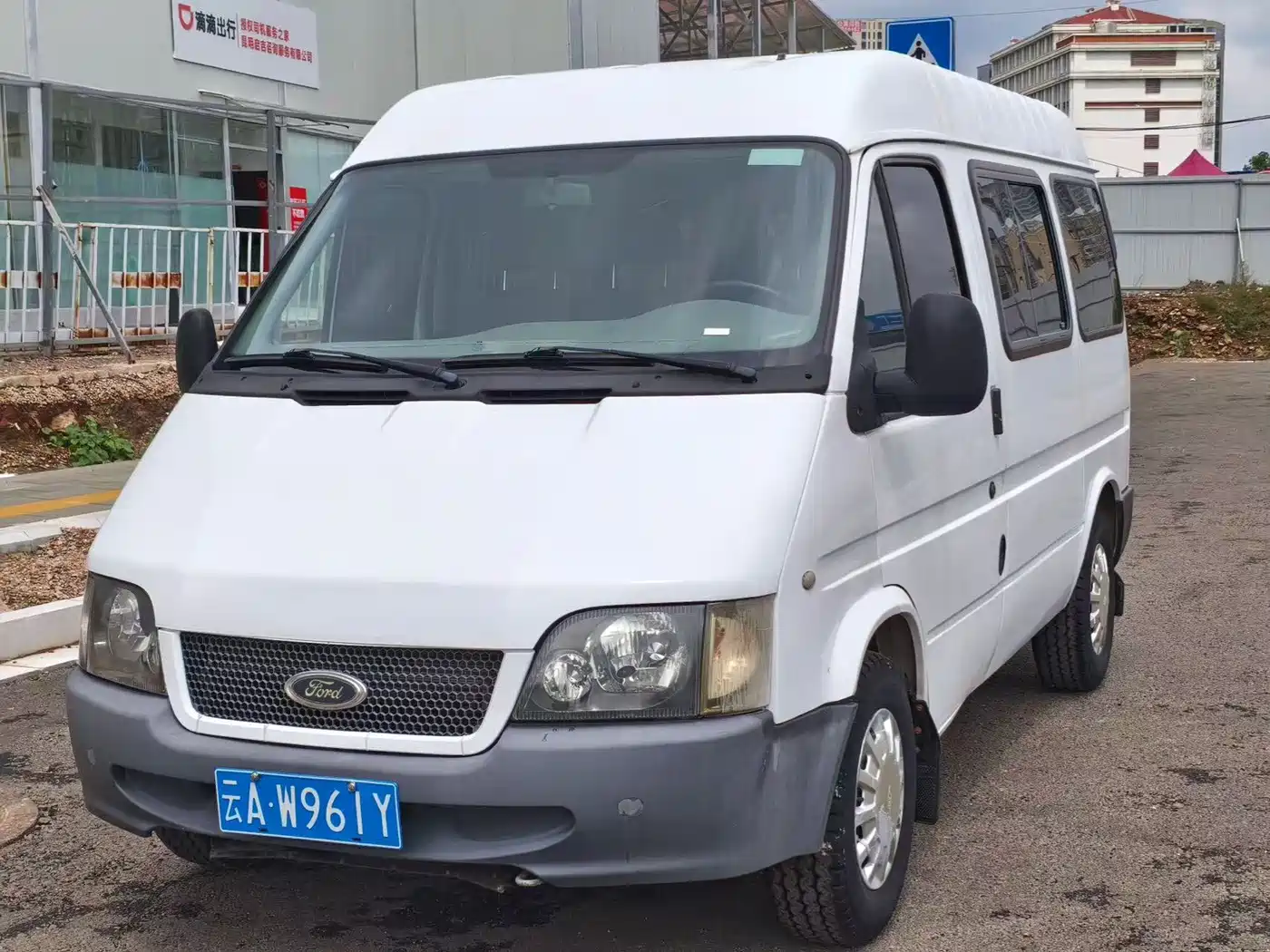
Ford Classic Transit 2016 Model 2.8T Diesel Short Wheelbase 6-Seat Medium Roof Multi-Purpose Vehicle JX493ZLQ4
Ford Classic Transit 2016 Model 2.8T Diesel Long Wheelbase 6-Seater Medium Roof Multi-Purpose Vehicle JX493ZLQ4
Ford Classic Transit 2016 Model 2.8T Diesel Short Wheelbase 6-Seat Medium Roof Multi-Purpose Vehicle JX493ZLQ4
Ford Classic Transit 2016 Model 2.8T Diesel Short Wheelbase 6-Seat Medium Roof Multi-Purpose Vehicle JX493ZLQ4
How to buy a Ford Classic Transit from China
-
1
Define the operating requirement
Write down the intended cargo or passenger role, route, body length, seat count, fuel preference and target market. This turns a broad model search into a shortlist that can be compared consistently.
-
2
Review the live inventory
Review the live Classic Transit inventory and save matching units. Treat the displayed per-unit price, MOQ and availability as current listing information, then ask the supplier to confirm them for the chosen vehicle.
-
3
Verify configuration and compliance
Verify engine, gearbox, steering side, wheelbase, roof, seating, dimensions, VIN and service history against the destination’s rules. Obtain written confirmation of any RHD conversion or passenger configuration before paying.
-
4
Request a written quotation
Request a pro forma invoice and landed-cost breakdown. Confirm whether the quote includes inland transport, export clearance, port charges, freight, insurance, taxes, customs and final delivery under the stated Incoterm.
-
5
Complete a pre-delivery inspection
Use an inspection covering body, glass, tires, fluids, engine, chassis, braking, mileage, emissions equipment and conversion work. Keep photographs, the inspection report and handover record with the transaction file.
-
6
Agree payment and release terms
Confirm the beneficiary, payment milestones, refund conditions, release point and required documents in the invoice. Pay only against the agreed terms, and release the balance only after the agreed inspection and handover conditions are met.
-
7
Consolidate, ship and clear
Consolidate compatible vehicles if required, then coordinate securing, export documentation, freight booking and destination clearance. Keep the purchase file, vehicle handover file and shipping file aligned so payment and dispatch can proceed without avoidable delays.
Classic Transit vs rivals
| Toyota HiAce | The HiAce is a close alternative for cargo and multipurpose work, with broad international familiarity. The Classic Transit’s short- and long-wheelbase diesel van and six-seat layouts can suit fleets seeking a Ford-badged option, but local HiAce and Classic Transit parts support should be verified before deciding. |
|---|---|
| Ford Transit (newer generation) | The newer Ford Transit offers a more modern platform and feature set for markets where it is homologated and better supported. The Classic Transit may make more sense for planned fleet use where a suitable used configuration, familiar model and lower acquisition emphasis outweigh newer safety and technology updates. |
| Iveco Daily | The Daily is a credible alternative for buyers prioritizing commercial load volume and a broader heavy-duty van portfolio. It may be less attractive when a compact footprint, a specific Classic Transit seating layout or established JMC/Ford familiarity matters more; compare certified payload, dimensions, engine rules and support. |
Frequently asked questions
How is the Ford Classic Transit export price determined?
Each vehicle has its own live price, which should be read alongside model year, mileage, condition, engine, gearbox, body, seating, steering side and destination. Freight, insurance, taxes, port charges, exchange rates and the selected Incoterm affect the landed total rather than the vehicle’s core listing amount. ChinaCarDirect’s live Classic Transit inventory displays the current per-unit price; request a written RFQ quote for the exact configuration and delivery terms.
What are the main Ford Classic Transit engine and range specs?
The Ford Classic Transit range includes a 2.8T diesel as its central version, plus documented examples with 2.0T, 2.2T and 2.7-liter diesel engines and a 2.4-liter gasoline engine. These are conventional internal-combustion vehicles, so battery capacity and electric range do not apply unless a separate conversion has been performed. Confirm the exact engine, emissions specification, output, gearbox and fuel requirement on the live vehicle listing.
Should an overseas buyer choose a new or used Ford Classic Transit?
A used Classic Transit can suit planned fleet work when inspection, service history and remaining condition are well documented. A new vehicle reduces uncertainty from prior operation and can be easier to present to fleet customers, but local warranty support and acquisition cost still matter. Choose the condition that matches your downtime tolerance, resale plan and total-cost model rather than relying on new-versus-used labels alone.
How does MOQ work for a Ford Classic Transit order?
The MOQ shown on each live vehicle offer is the minimum for that particular transaction; check the listing and written quotation rather than assuming a model-wide rule. One-unit purchases may be available, while multi-vehicle programs can introduce a different minimum or production allocation. Consolidating compatible vehicles into one shipment does not automatically override the MOQ on each vehicle offer.
What affects shipping time and cost?
Shipping time and cost depend on origin and destination ports, transport mode, vessel or carrier schedule, exact dimensions, cargo grouping, securing, insurance, handling charges and document readiness. Inspection, registration paperwork or payment delays can also move the shipping date. Provide the exact vehicle and delivery terms to the freight provider for a current route-specific quote.
How should overseas buyers source Classic Transit spare parts?
Use the engine designation and model code, such as JX493ZLQ3, JX493ZLQ3A or JX493ZLQ4, together with body and roof details to identify compatible parts. Availability varies by destination and is stronger where local Ford or JMC support is established. Before buying, ask for common service items, electronic components and body-part alternatives, and include expected lead times in the operating plan.
Is right-hand-drive Classic Transit availability guaranteed?
Right-hand-drive availability varies by source vehicle and destination, so it should be specified at the RFQ stage. Confirm whether a unit is factory RHD or a documented conversion, and obtain photos of the steering side, lights, mirrors and instruments. Verify that local inspection and registration rules recognize the configuration before payment and dispatch.
How do I order a Ford Classic Transit from China?
To buy a Ford Classic Transit from China, review the live listings, select a matching configuration and send an RFQ with your body, seating, steering, destination port and Incoterm requirements. Review the pro forma invoice, live unit price, MOQ, payment milestones, inspection terms and release documents before paying. After the agreed inspection and handover, complete shipment and destination clearance using the documented file.
Ready to source the Ford Classic Transit?
Request a destination-specific Ford Classic Transit quotation, with your required body, seating, engine, steering side, Incoterm and delivery port confirmed through the RFQ desk.
Request a quote