
Ford Ecosport Export Guide for Overseas Dealers and Buyers
Ford Ecosport export buying guide for overseas dealers and fleet buyers, covering trims, engines, pricing logic, MOQ, shipping, compliance and key rivals.
At a glance
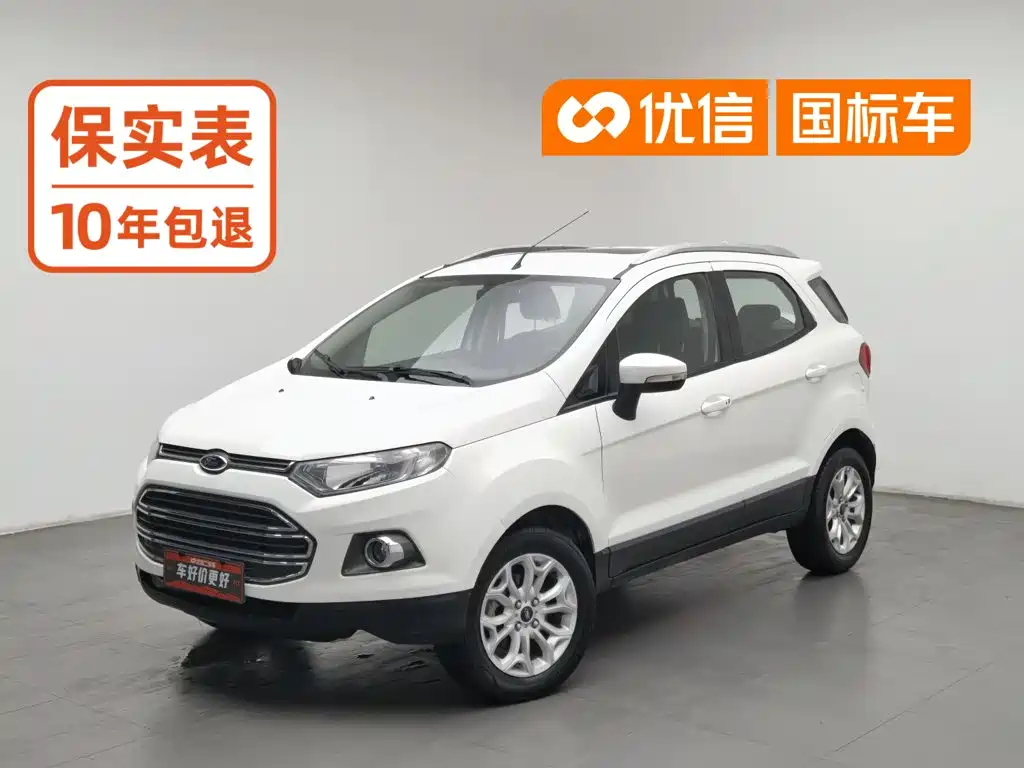
- The China-market Ford Ecosport is a compact petrol-powered crossover with 1.0-litre GTDi, 1.5-litre, 1.5-litre EcoBoost125 and 2.0-litre options.
- Manual and automatic transmissions, plus a 2.0-litre 4x4 variant, allow buyers to match gearbox and traction requirements.
- Trim labels range from Comfort and Trend to Premium, Platinum Wing and Prestige, but equipment must be verified for each VIN.
- New units suit uptime-sensitive fleets, while used units can fit tighter capital plans when inspection is rigorous.
- Use live per-unit listings and written quotations as the binding reference for current price, MOQ and availability.
- RHD availability and destination-country homologation must be confirmed before placing a deposit or booking freight.
Why the Ford Ecosport matters for export markets
The Ford Ecosport is a compact crossover SUV that combines a relatively manageable footprint with the higher seating position and adaptable load space associated with the segment. Its appeal for export buyers is less about futuristic technology than straightforward transportation: petrol engines, manual or automatic transmissions, and a Ford-branded design that is already familiar in many international markets. That makes it relevant to city-focused dealers, small fleets, and distributors serving customers who want SUV styling without moving into a large, expensive off-road class. It also suits buyers who prioritize ease of operation, serviceability and lower operating complexity.
For overseas markets, demand in this compact-SUV segment tends to follow usable size, fuel choice, brand recognition and after-sales coverage. The Ecosport's strongest export case is versatility rather than one headline specification. Buyers can compare naturally aspirated 1.5-litre units, a 1.0-litre GTDi, an EcoBoost125 version, and a 2.0-litre automatic offered with four-wheel drive in the China-market range. These choices let distributors segment vehicles by transmission preference, fuel-economy priorities or need for added traction. Actual performance and equipment vary by market and trim, so export planning should begin with the individual vehicle rather than a generic model page.
Global familiarity also helps resale and parts planning, although it should not be treated as a guarantee of identical service support in every destination. Local regulations, road conditions, tax treatment and customer expectations can make a model that is popular in one country less suitable in another. For a B2B buyer, the relevant question is therefore not simply whether the Ecosport is popular, but whether a documented, correctly configured unit can be imported, insured, serviced and sold profitably in the intended market at a sustainable margin without unresolved compliance costs.
- Compact petrol crossover with manual and automatic choices.
- Trims span Comfort through Platinum Wing.
- Service and compliance determine export fit.
Model range, trims and powertrain variants: how the lineup is structured and how to choose
The China-export Ecosport lineup is organized around displacement, transmission and equipment grade. Available listing names include 1.5-litre automatic and manual cars in Comfort, Trend, Style, Premium, Premium Edition, Platinum Wing and Wing Elite grades, plus facelift Platinum Wing versions. A 1.0-litre GTDi manual Premium and a 2.0-litre automatic 4x4 Prestige Trim broaden the range. These labels are useful for initial sorting, but they do not replace a trim-by-trim equipment check. Compare the VIN-specific photos, option list, documents and condition report with the trim name before reserving funds or arranging freight.
For fleet buyers, the 1.5-litre models form the core choice because they cover both manual and automatic applications. A manual can suit drivers already familiar with that gearbox, while an automatic reduces stop-start workload and may be easier to place with customers who prefer convenience. The 1.0 GTDi represents a distinct downsized, turbocharged offering, while the EcoBoost125 automatic is a separate EcoBoost-branded derivative. Confirm the engine badge, gearbox, maintenance history and destination-market acceptance rather than relying on the marketing label alone. The VIN and original build sheet should support all three.
The 2.0-litre automatic 4x4 Prestige variant is the logical candidate when buyers want more traction-oriented capability or a higher trim, but it should be assessed against the destination road environment and local running costs. Four-wheel drive adds no benefit on every surface, and buyers should verify tyre availability, ground clearance and real-world suitability from the live listing rather than assuming a badge. Across all engines, check emissions documentation, cooling-system condition, service records and parts support before finalizing a mixed-fleet purchase because engine choice affects both compliance and after-sales burden locally.
- 1.5-litre units anchor the range.
- EcoBoost125 and 2.0-litre 4x4 broaden choice.
- Verify equipment against VIN-specific evidence.
New vs used Ford Ecosport: how export inventory is structured and how buyers choose
Ford Ecosport export inventory is organized as individual vehicle listings, with each unit carrying a condition label, model year, trim and powertrain description. It can include new vehicles and previously registered stock, so buyers should separate condition categories rather than assume every offer is alike. A new unit offers predictable history, factory-fresh condition and potentially simpler warranty handling, although the exact warranty must be confirmed in writing. A used unit can make a specific older trim or equipment combination available at lower initial outlay, but the buyer assumes more uncertainty about wear, maintenance and repair needs. That uncertainty must be priced into the buying decision.
For used Ecosports, the condition report should cover bodywork, paint, glass, tyres, brakes, suspension, steering, cooling system, engine oil, transmission behavior, electrical equipment and underbody condition. Ask for straight-on and underside photographs, a current odometer reading, service records and the vehicle's identification documents, then compare them with an independent pre-shipment inspection. Older used units may also face tighter import-age rules, emissions requirements or inspection standards in the destination country, so compliance must be cleared before the vehicle is treated as stock. Ownership transfer and export eligibility should be verified in parallel.
New units make more sense for fleet operators that value uptime, standardized specifications and a straightforward handover process. They are less attractive when the commercial plan depends on a specific low-cost configuration or when capital is constrained and the vehicle will have a short service life. Used units can be rational for budget rental fleets, secondary-market dealers or buyers comfortable with maintenance, provided the inspection and import checks are stricter. Neither condition label guarantees suitability; the VIN, trim, options and destination rules ultimately decide.
- New units reduce history risk.
- Used units need inspection and age checks.
- Match condition to fleet replacement plans.
How export pricing works: the factors behind a live listing price, and how to read one
A Ford Ecosport export price is not one fixed national price. It moves with model year, trim, engine and transmission, drivetrain, mileage and condition for used cars, plus market demand and the physical condition of the unit. Currency movements also affect the quote because the vehicle cost is calculated in China and may be converted for the buyer. The cleanest approach is to read the live unit listing first, then request a written quote that states the currency, Incoterm and any taxes or charges that are included in the total.
Start with the vehicle subtotal, then identify whether the quoted amount covers export documentation, inland transport, terminal handling, inspection, insurance and ocean freight. Under an FOB-style arrangement, the buyer normally takes responsibility from the named port; under a delivered or delivered-at-place arrangement, more obligations may be included, but the exact boundary must be read rather than assumed. Destination charges such as VAT, customs duty, port fees, inland haulage, registration and compliance work can vary substantially by country and should be budgeted separately from the listing price rather than guessed at all.
Compare like with like: the same year, trim, engine, gearbox, drivetrain, condition and steering configuration should be used when evaluating offers. A lower displayed amount can be outweighed by sea freight, deviation, rework, a replacement unit or import costs. Subtract documented export charges from each all-in offer, then add the same destination charges and estimate residual value. Exact price, MOQ and availability are shown per unit in the live inventory on ChinaCarDirect, but binding terms should appear in a current written quotation rather than a historical market average or online guide figure.
- Vehicle subtotal is only part of landed cost.
- Confirm currency, Incoterm and included services.
- Use live listings for binding figures.
MOQ, ordering and payment: single units vs consolidating a container
The minimum order quantity is a commercial term set for the particular vehicle or seller, not a universal property of the Ecosport model. A live unit may be available to an individual buyer, while a seller might require several units for a customized production or shipment program. Read the MOQ shown on each listing and include it in the written quotation. If the page and the quotation differ, pause the order until the supplier confirms which quantity applies and whether mixed trims or model years can share the same order.
Single-unit purchasing suits a dealer testing local demand or a fleet buyer adding a few vehicles to an existing operation. The trade-off is freight efficiency: one vehicle occupies carrier capacity without filling it, so the buyer may need to arrange less-than-container loading, shared space or consolidated trucking rather than assuming a dedicated container. For wholesale shipments, consolidating several Ecosports can improve freight economics and simplify fleet standardization, but it increases exposure to one delayed unit, inspection problem or shipment disruption. Sequence payments and releases so an entire consolidated order is not tied to the weakest vehicle.
A sound payment sequence links deposits to documentary and inspection milestones. Before paying, verify the seller's identity, the vehicle's VIN and ownership status, the sales contract, invoice contents, export-declaration responsibility and refund terms. Ask whether the balance is due before shipment, against a signed inspection or on presentation of transport documents, and specify which party bears the risk if the vehicle does not match the agreed specification. Bank fees, payment-currency exposure and the validity period of the quote should be explicit, not left to a sales chat or email exchange alone.
- Read and reconfirm each listing's MOQ.
- Single units may require shared freight.
- Link final payment to inspection and documents.
Shipping, homologation and market compliance caveats: LHD/RHD and import rules by country
Shipping an Ecosport from China begins with the destination's legal and technical requirements, not the vehicle's Chinese-market approval. Importers must check applicable age restrictions, emissions standards, safety requirements, engine and fuel rules, customs classification, duty, VAT or taxes, insurance, registration and local type approval. A unit built for Chinese conditions does not automatically satisfy another country's road-use rules. Because requirements change and may differ for new and used vehicles, obtain a written assessment from a local customs broker or vehicle-compliance specialist for the exact model year, engine and destination market.
Steering configuration is another critical check. Chinese export stock may include left-hand-drive and, depending on source and production run, right-hand-drive vehicles, but a listing title alone does not prove which side is installed. Ask for a clear cabin photograph, the steering-wheel position, VIN, build sheet and evidence of any factory RHD conversion. For an RHD order, confirm availability before deposit and whether the vehicle was designed for the destination or converted after manufacture, because local approval and safety expectations can differ. Inspection and conversion records should be obtained before shipment is released.
Transport method affects both cost and risk. Depending on the exact vehicle dimensions and available cargo, the Ecosport may travel on a RoRo carrier, in a container or through specialist vehicle logistics; the forwarder should confirm actual stowage rather than assume it. Compare ocean versus road or rail alternatives, and ensure the quotation states insurance, loading, destination terminal charges and delivery beyond the port. Documents commonly needed include the commercial invoice, packing list, transport document, export paperwork, ownership evidence, insurance and any certificates required by the destination. Used vehicles can face additional age and roadworthiness checks.
- Verify steering side, VIN and build sheet.
- Check destination emissions and import rules.
- Compare available transport methods.
Who should buy the Ecosport — and who should pick a different vehicle
The Ecosport fits buyers who need a compact, petrol-powered crossover for mixed urban and regional use, particularly small dealer groups, ride-hailing or rental operators, and local-government or corporate fleets that value easier maneuverability than a full-size SUV. It is particularly attractive when customers value familiar Ford branding, conventional controls and the option of manual or automatic transmission. A fleet that prioritizes low purchase complexity can standardize around one engine and gearbox, but should still budget for servicing, tyres, insurance and eventual replacement rather than assuming the lowest purchase price is the lowest cost.
It is a weaker fit for buyers who require a battery-electric powertrain, zero-emission urban access, seven seats, a very large cargo bay, premium crash-safety ratings not yet verified for the source vehicle, or advanced driver-assistance systems. It may also fall short for sustained heavy towing, serious off-road work or commercial applications that place extreme load on the suspension and drivetrain. The 4x4 version can improve traction, but four-wheel drive does not transform a road-focused compact crossover into a heavy-duty utility vehicle. Buyers should specify the load, route and duty cycle before choosing it.
Used Ecosports can suit secondary-market dealers and fleet buyers with disciplined inspection budgets, especially when a lower initial outlay matters more than factory warranty support. New vehicles make more sense when downtime is expensive, financing and resale expectations favor a newer condition, or fleet customers require consistent specification and handover documentation. In either case, evaluate total cost over ownership, including import work, parts availability, insurance, fuel, maintenance and expected downtime. If the destination lacks a viable Ford service network or cannot support the chosen version economically, choose a locally serviced model instead.
- Strong fit for compact fleets and urban dealers.
- Poor fit for EV, seven-seat or heavy towing.
- Assess local Ford service coverage first.
Main rivals and how the Ecosport compares
The Renault Captur is one of the closest conceptual rivals because it also targets buyers seeking a compact crossover with mainstream running costs and urban-friendly dimensions. It can be attractive where the destination has a stronger Captur dealer network or where buyers prefer its particular design and equipment mix. The Ecosport's stronger case is broader visibility of the Ford name in many markets and the wide choice of manual, automatic, EcoBoost and 4x4-branded options shown in Chinese listings; availability and RHD support must still be checked in each local market.
The Hyundai Creta competes when a buyer wants a compact SUV with a more up-to-date crossover proposition, a different equipment and financing ecosystem, and strong local brand recognition. It is often the safer retail choice in markets with dense Hyundai support, but the trim, engine, dimensions and price position must be compared with the exact Ecosport unit rather than with a broad badge. For fleet importers, the deciding factors are parts availability, warranty handling, resale expectations and whether the buyer can accept an automatic-only or market-specific powertrain before any fleet commitment is made.
The Kia Stonik is another modern compact-crossover alternative for buyers who prioritize newer styling, a broader retail image and current safety and technology expectations in markets where Kia has scaled its network. It may be less suitable where the target customers need a manual, an older Ford-badged product or a vehicle already familiar to local mechanics. Against the Ecosport, neither model wins automatically: compare the exact drivetrain, boot, safety equipment, tax treatment, parts and after-sales support. The best rival is the one that can be imported and supported at the lowest sustainable total cost.
- Captur is a direct size-and-format rival.
- Creta competes through modern positioning and support.
- Stonik targets retail-focused compact-SUV buyers.
Live Ford Ecosport export inventory
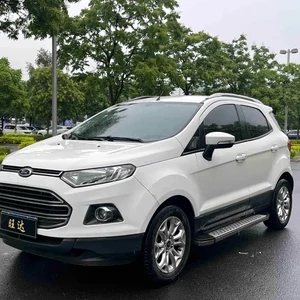
View all listings →Real units currently on ChinaCarDirect with per-unit asking prices and MOQ. Availability updates live from the catalogue.
How to buy a Ford Ecosport from China
-
1
Define the destination-market brief
State the destination, fleet or retail use, passenger load, route conditions, preferred transmission and required steering side. Add local emissions, age, tax and safety constraints before comparing vehicles.
-
2
Shortlist live inventory
Use the Ford Ecosport listings to sort by condition, trim, engine, transmission and drivetrain. Save each candidate unit reference because trim names alone can conceal different equipment or condition.
-
3
Verify every candidate
Request the VIN, build sheet, current photographs, odometer reading, service records and ownership or export documents. For a used vehicle, require an independent inspection covering mechanical, body and underbody condition.
-
4
Request an itemized quotation
Ask for the currency, Incoterm, unit price, export documentation, inland transport, inspection, insurance, freight and quote validity. Request the same cost structure for every shortlisted unit to enable a true landed comparison.
-
5
Confirm MOQ and payment terms
Check the MOQ displayed on the live listing and have it reconfirmed for mixed or consolidated orders. Agree deposit and balance triggers, title transfer, refund terms, bank fees and responsibility for a nonconforming vehicle.
-
6
Clear compliance before dispatch
Give the exact vehicle details to a destination broker or compliance specialist. Confirm steering side, emissions, roadworthiness, customs classification, duty, VAT or taxes, registration and used-vehicle restrictions.
-
7
Inspect, book and track
Approve a pre-shipment inspection, then select a carrier or container based on confirmed stowage and insurance. Verify the commercial invoice, packing list, export and transport documents, release payment against agreed milestones and track the shipment.
Ecosport vs rivals
| Renault Captur | A direct conceptual rival in the small crossover segment, with similar emphasis on urban usability and accessible ownership. The Ecosport may appeal where Ford recognition and the availability of manual, automatic, EcoBoost and listed 4x4 variants are decisive. |
|---|---|
| Hyundai Creta | A stronger retail alternative in markets with dense Hyundai support and buyers wanting a more modern compact-SUV package. Choose by exact equipment, powertrain, dimensions, warranty and local parts coverage rather than badge alone. |
| Kia Stonik | A modern compact-crossover competitor offering a different design and retail proposition, but less relevant where a manual, an older Ford-badged vehicle or China-spec Ecosport service familiarity is required. |
Frequently asked questions
How is the Ford Ecosport export price determined?
The vehicle subtotal reflects model year, trim, engine, transmission, drivetrain, mileage, condition and exchange-rate movements. Export documentation, inland handling, inspection, insurance, freight, destination duty or VAT and compliance work determine the landed cost. Exact price, MOQ and availability are shown per unit in ChinaCarDirect's live inventory; request a current written quotation before paying.
Which Ford Ecosport powertrains are available for export?
The referenced China-market range includes 1.0 GTDi, 1.5, 1.5 EcoBoost125 and 2.0-litre petrol variants, with manual or automatic transmissions depending on trim. A 2.0-litre automatic 4x4 Prestige Trim is also represented. Confirm the exact engine, gearbox, output and fuel label on the selected vehicle because trim names and specifications are not uniform.
Is a new or used Ford Ecosport better for an overseas fleet?
New vehicles generally reduce uncertainty about history and wear and may simplify warranty and handover, but the actual warranty must be confirmed. Used vehicles can reduce initial capital needs or provide a specific trim, yet require stronger inspection, ownership-document and age-rule checks. Choose based on downtime tolerance, service life and total cost, not the condition label alone.
What is the MOQ for Ford Ecosport?
MOQ is set per vehicle or seller and can change between a single available unit and a shipment program. Read the quantity shown on the live listing and have the supplier reconfirm it in the quotation, including whether mixed trims may be combined. Do not assume a catalogue-wide MOQ applies to every Ecosport.
What determines shipping time and cost for a Ford Ecosport?
The main factors are transport mode, route and transit distance, port handling, vehicle or carrier availability, insurance, documentation and customs clearance. RoRo, container, road or rail options each carry different capacity and risk profiles. The freight quotation should state the named place, included services and delivery point; use the unit's confirmed dimensions to plan stowage.
Are spare parts available for China-spec Ford Ecosports?
Parts can be VIN-, engine- and trim-specific, and a China-market configuration may not match the trim inventory of a local Ford dealer. Ask the supplier for verified part numbers, maintenance schedules and a recommended initial service kit. For fleets, agree on parts sourcing, warranty responsibility and a stocking plan before shipment.
Can I buy a right-hand-drive Ford Ecosport from China?
Availability cannot be inferred from a general model listing or trim title. Request a steering-wheel photograph, VIN, build sheet and conversion records, and confirm whether an RHD unit was factory-produced for the destination. RHD sourcing may carry different availability and approval conditions, so resolve this before deposit and freight booking.
How do I order a Ford Ecosport for export?
Start with the live Ford Ecosport listings, shortlist compatible units and submit an RFQ with destination, trim, transmission, steering side, quantity and budget requirements. Confirm a binding quotation, MOQ, payment milestones, ownership documents, inspection and Incoterm. After compliance approval, release the balance against the agreed conditions and book insured transport.
Ready to source the Ford Ecosport?
Request a current Ford Ecosport quote by sending your destination, trim, transmission, steering side, quantity and inspection requirements.
Request a quote