
Ford Escape Export Buying Guide for Dealers and Fleet Buyers
Plan a Ford Escape export purchase with practical guidance on trims, powertrains, live pricing, MOQ, shipping, homologation, rivals and buyer fit.
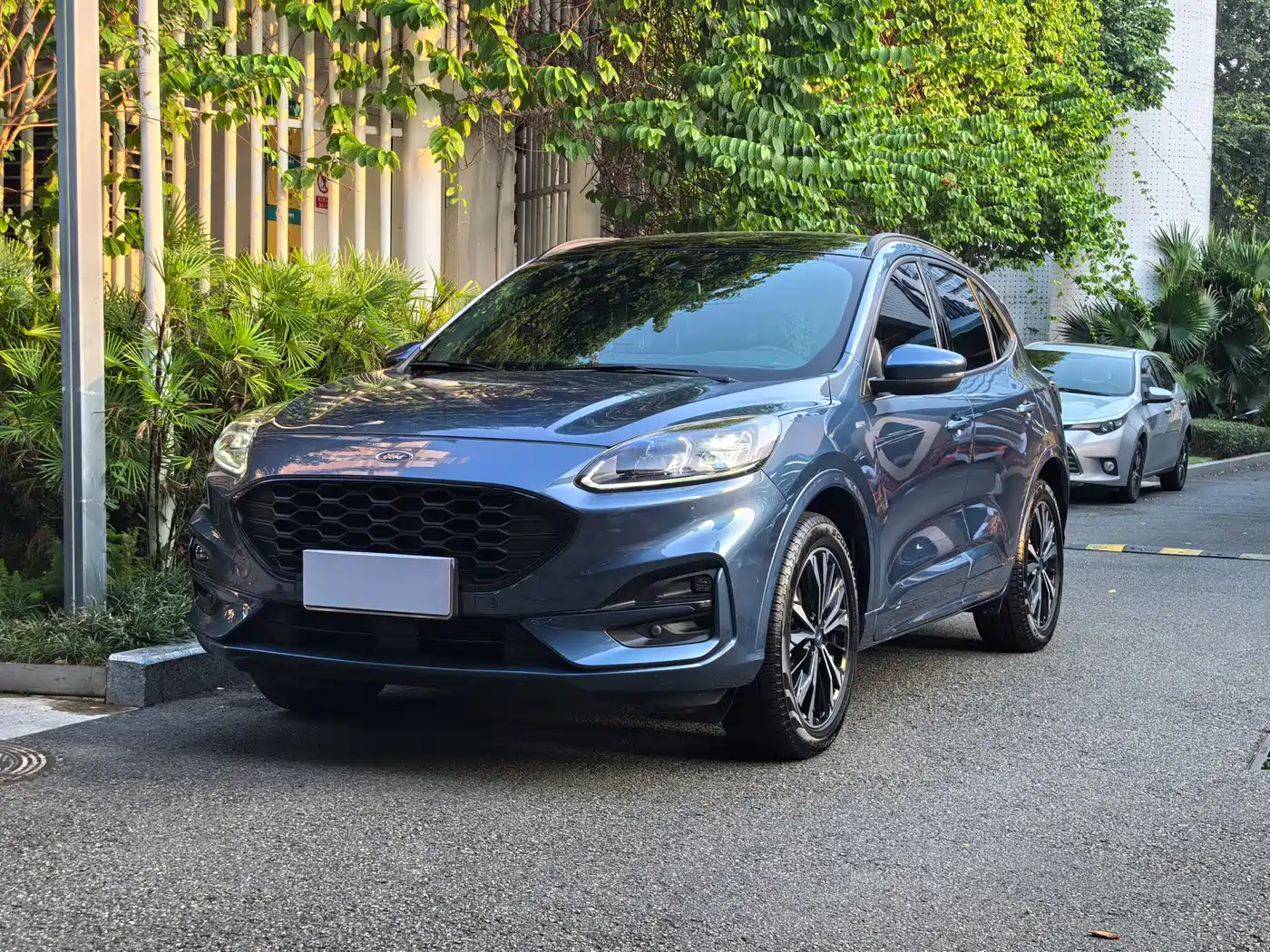
At a glance
- The Ford Escape is a mainstream compact SUV suited to importers balancing usable space, familiar branding and manageable fleet operating requirements.
- China-origin examples can include EcoBoost 245 gasoline and PHEV configurations, with 2WD or AWD/4WD depending on trim.
- Market-specific trim labels require an option-sheet and VIN check rather than assumptions based on another country.
- Export decisions should compare landed cost, compliance work, parts support and expected resale alongside the live vehicle quote.
- Current unit price, availability and order terms should always be confirmed against the live ChinaCarDirect listing.
Why the Ford Escape matters for export markets
The Ford Escape sits in the mainstream compact-SUV segment, combining a familiar Ford name with a body style that suits family use, urban driving and light fleet duty. For overseas distributors, its value proposition is not exotic engineering but accessible packaging: a five-door vehicle that can carry passengers and cargo without the operating burden of a full-size SUV. That broad role makes it relevant to markets where buyers want a recognizable model, manageable dimensions and a vehicle that can be supported with ordinary dealer equipment and readily understood servicing expectations.
Demand also benefits from the Escape's long-running presence in global compact-SUV markets, which supports brand awareness and makes model-specific parts, diagnostics and resale references more familiar. A Chinese-origin example can appeal to importers seeking a late-production or carefully selected used unit, while newer gasoline or plug-in hybrid examples may suit fleets seeking a current-looking product. Neither origin removes the need for a destination-market inspection: importers should verify condition, specification consistency and the availability of service support before treating a listing as commercially viable for shipment into the importing country and region.
The strongest export case is usually a disciplined fit rather than a volume-only argument. Dealer groups can compare several trims against local competition, fleet operators can test the balance between utility and operating cost, and private importers can benchmark the Escape against other compact SUVs. The model also gives buyers a useful choice of two-wheel-drive, all-wheel-drive and electrified configurations. The decisive questions are whether the powertrain suits local fuel and charging conditions, whether equipment can be homologated, and whether aftersales parts are obtainable for the expected service life of the vehicle.
- Position the Escape as a practical, familiar compact-SUV choice.
- Match gasoline or PHEV power to local infrastructure.
- Verify service support before committing fleet volume.
Model range, trims and powertrain variants: how the lineup is structured and how to choose
Escape listings use market-specific trim labels rather than a simple global equipment hierarchy. Common EcoBoost 245 names include 2WD Premium, AWD ST-LINE, Premium, Leisure and Smart Premium grades, and a PHEV version may appear as a separate configuration. Labels such as ST-Line signal a particular market positioning, but they do not prove that every driver-assistance feature, wheel size or cosmetic item found in another country is present. Buyers should request, in writing, a photographed option list and the original market configuration sheet for each candidate before comparing it with a rival.
The first powertrain decision is between the turbocharged EcoBoost 245 gasoline model and the plug-in hybrid. The 245 designation belongs to the trim family; it should not be read as a complete description of torque, fuel economy or emissions. For the gasoline versions, buyers can compare two-wheel-drive against AWD or 4WD designations depending on the exact trim. Two-wheel drive may fit fleets prioritizing purchase simplicity and efficiency, while all-wheel drive can suit regions with wet roads, snow or a need for additional traction for the vehicle's expected operating environment and duty cycle.
For a PHEV, the evaluation changes because the vehicle combines a rechargeable battery, an electric motor and a combustion engine. Buyers should establish whether they will charge regularly, how far daily routes can be covered electrically and whether the destination permits this powertrain to be registered and used as intended. Exact battery capacity, electric range, charging specification and fuel-consumption figures must be taken from the individual listing rather than inferred from the PHEV badge. A long test drive and battery-state check are especially important for a used example before commitment.
- Verify each VIN's axle designation and market configuration.
- Compare option sheets, not trim labels alone.
- Check PHEV battery, charging and electric-range evidence.
New vs used Ford Escape: how export inventory is structured and how buyers choose
New and used Ford Escape examples serve different commercial purposes, so condition should be treated as a separate sourcing stream rather than a single price category. A new listing may represent unregistered stock, a demonstrator or a vehicle prepared for export; confirm production date, odometer reading, title status and whether the vehicle has been started, moved or stored. A genuinely new vehicle should arrive with coherent documents and protective delivery condition. Ask for dated photographs, tire dates and a physical inspection rather than accepting the listing label alone without explanation.
Used Ford Escape sourcing can provide access to established trims at lower acquisition cost, but the apparent saving must be tested against rectification, maintenance and residual-value risk. Review the VIN, service history, accident disclosure, paint thickness, panel gaps, underbody condition, road-wheel condition and tire wear. For an EcoBoost, check service records and warning lights rather than assuming the warranty history is complete. For a PHEV, request a battery-state-of-health report and confirm that the high-voltage system has not been altered or improperly discharged because these factors directly affect operating cost and buyer confidence.
Dealers should structure new and used purchases as two different approval workflows. For a new vehicle, focus on factory specification, production age, delivery protection, warranty transfer and the availability of a clean title. For a used vehicle, add a condition report, mechanic inspection, battery assessment for PHEVs and a realistic reconditioning budget. Fleets with planned replacement cycles may favor standardized new configurations, whereas a used vehicle can suit lower-mileage needs or a test market when its condition supports immediate resale, provided inspection, documentation and margin assumptions are all built into the deal.
- Clarify whether 'new' means stock, demonstrator or export-prepared.
- Use independent inspection for used and PHEV vehicles.
- Compare landed cost, warranty support and resale potential.
How export pricing works: the factors behind a live listing price, and how to read one
A Ford Escape export price guide should treat each quote as a combination of vehicle attributes and transaction assumptions. The vehicle side can move with model year, trim, drivetrain, EcoBoost versus PHEV configuration, mileage, condition, production date, factory options and market demand. The transaction side can change with the supplier's cost base, currency exchange, payment terms, inspection, insurance, inland transport, port charges and freight. Because those inputs are not fixed, a buyer should never transfer a remembered price from an old listing or another vehicle in the same family without confirming the current unit and terms directly with the supplier.
A live ChinaCarDirect listing should be read line by line rather than treated as a final delivered price. The live inventory shows the exact price, stated MOQ and availability applicable to each unit. First check whether the displayed amount covers only the vehicle or also documentation, inspection, domestic transport, export handling and sea freight. Identify the Incoterm and the point at which risk passes, then list any items excluded from the quote. Review the stated year, trim, drivetrain, mileage, condition and VIN. Ask the supplier to repeat these in a written pro forma invoice so that the vehicle being priced is unmistakable to every buyer before payment.
The most useful comparison is landed cost over the planned ownership period. Start with the live vehicle quote, add the agreed freight, insurance, duty, taxes, port and inland handling charges, then reserve funds for registration, compliance work and expected maintenance. A lower quote can still be more expensive if it excludes a necessary service, has weaker documentation or creates repair risk. Conversely, the highest quote may be justified by a newer configuration or better after-sales terms. Obtain written quotations on the same Incoterm and document basis before comparing alternatives side by side.
MOQ, ordering and payment: single units vs consolidating a container
For Ford Escape wholesale purchasing, minimum order quantity is a commercial term, not a fixed property of the Escape model. Some suppliers and vehicle owners may release a single unit, especially for a selected used vehicle or one-of-a-kind specification, while fleet, dealer-group or project orders may be consolidated into a container-sized batch. The binding quantity belongs on the current offer. Buyers should check the MOQ displayed for the selected listing and ask whether it applies per model, per configuration, per seller or across mixed units. One-unit buying should never be assumed without written confirmation from the supplier.
Ordering one vehicle and ordering a consolidated shipment create different cash-flow and risk profiles. A single unit lowers inventory exposure and allows the buyer to validate the model before scaling, but it may not deliver the best unit-level freight economics. Consolidation can improve shipping efficiency and simplify a fleet rollout, yet it ties up more capital, requires every vehicle to meet the same acceptance standard and exposes the buyer if one selected unit is unavailable. Mixed trims or drivetrains should be allowed only when the buyer is comfortable with that portfolio and can track each VIN separately.
Payment terms should mirror the risk of each stage. A common sequence is a deposit to reserve the specified vehicle, inspection and document verification, a balance payment before shipment, and settlement of freight or other separately contracted services. Buyers should verify the beneficiary name against the supplier entity, understand bank charges and refund conditions, and ensure that the pro forma invoice identifies the VIN or agreed vehicle description, price, Incoterm and delivery terms. For larger mixed orders, use a unit schedule showing deposit, balance, release and shipment status for every vehicle.
- Read MOQ on the current offer, not a remembered market norm.
- Put VIN, milestones and refund terms in writing.
- Track every unit in a consolidated shipment.
Shipping, homologation and market compliance caveats: LHD/RHD and import rules by country
Chinese-market Escape vehicles may be left-hand drive, while some destinations require or strongly prefer right-hand drive. Buyers must confirm the steering position from the VIN and photographs rather than infer it from the trim name or assume that a conversion is included. A factory right-hand-drive example may simplify compliance and resale; a converted vehicle needs specialist inspection, altered-part documentation and confirmation that safety, lighting and steering components meet local rules. Market preference also affects parts availability, so configuration should be settled before payment by the buyer and before a shipment is committed.
Import requirements vary by country and can include customs classification, age restrictions, emissions standards, safety and equipment checks, VIN verification, taxes, duties, insurance and local type approval. The vehicle's approval in China does not automatically establish compliance in the destination market. The importer of record should confirm current rules with a customs broker and the relevant authority, especially where European, Middle Eastern, African, Asian or Latin American standards differ. The same responsibility applies to used vehicles: age and emissions rules can outweigh an attractive purchase specification at the time of entry.
Shipping a PHEV also raises battery-document and dangerous-goods questions. The supplier should provide the vehicle's battery declaration, safety documentation and transport instructions, while the freight forwarder confirms acceptance under the selected carrier and route. Insurers and carriers may require evidence of battery condition, and port authorities may inspect shipping papers. Buyers should also plan the pre-delivery inspection, photography, securement checks and customs-release process. These steps take time and can expose an importer to storage or demurrage charges if incomplete, so schedule them before vessel departure and assign clear responsibility with the forwarder.
- Confirm LHD/RHD and destination compliance before payment.
- Request battery papers and carrier acceptance for PHEVs.
- Allow contingency for customs, storage and inspection delays.
Who should buy the Escape — and who should pick a different vehicle
The Escape is well suited to importers and dealers seeking a mainstream, five-door compact SUV with multiple drivetrain and trim choices. It can fit a distributor that wants recognizable branding, a fleet buyer balancing passenger capacity with manageable size and a private buyer who values a practical family vehicle. The PHEV option may also appeal where charging access exists and a reduced-emission driving pattern is commercially useful. These benefits are strongest when local fuel prices, road conditions, service coverage and resale expectations align with the selected configuration and the vehicle's condition.
Different vehicle buyers should look elsewhere. A fleet requiring seven seats, a high roof or workshop utility may need a larger people carrier or van. Operators needing a zero-emission-only product should not treat a PHEV as a battery electric vehicle, and buyers without reliable charging access may gain little from the hybrid system. Heavy-duty users should verify towing, payload and duty-cycle limits rather than relying on SUV positioning. For buyers whose priority is the lowest possible acquisition and operating outlay, a smaller crossover or domestic used vehicle may be more rational.
The Escape can lose value for an importer if parts support is weak, the left- or right-hand-drive configuration is wrong for the market, or homologation work erodes the purchase advantage. It can also be a poor fit when every vehicle must share identical fleet specification, because export listings may contain mixed trims and production dates. The right decision therefore combines product fit with operational feasibility: verify spare-part lead times, workshop training, warranty handling, inspection access and expected residual value. If those controls are not in place, a locally supported rival may carry lower business risk.
- Best for practical compact-SUV importers and fleets.
- Choose alternatives for seven seats, BEV-only or heavy-duty needs.
- Consider rivals when local parts and homologation support is stronger.
Main rivals and how the Escape compares
The Toyota RAV4 is a direct segment benchmark because it competes for the same family-SUV and fleet consideration. Buyers often compare the Escape with the RAV4's powertrain choices, driving character, equipment and resale reputation, then select according to local availability and delivered economics. The Escape's EcoBoost focus and ST-Line positioning can appeal to buyers wanting a more distinctive or sport-oriented specification, while the RAV4 may be attractive where hybrid familiarity and broad service support dominate. Neither is automatically cheaper or compliant in every destination, so local homologation still governs the decision.
The Honda CR-V competes on packaging, refinement and a broad global dealer footprint, and it is often relevant to buyers prioritizing cabin space, ride quality and established ownership costs. The Escape counters with a turbocharged EcoBoost identity, selectable two- or four-wheel-drive configurations and sport-oriented trim choices. CR-V hybrid availability can be advantageous in markets with strong electrified demand, so buyers should compare the exact powertrain rather than the model badge alone. The practical choice comes down to the destination's parts network, fleet discount structure and expected resale after local homologation.
The Nissan Rogue is another close competitor for compact-SUV buyers who place value on mainstream packaging, available equipment and established consumer recognition. The Escape may distinguish itself through its turbocharged engine character, available ST-Line appearance and choice of PHEV operation, while the Rogue's market-specific trims and powertrains can create a different ownership case. Rather than declaring a universal winner, importers should score both vehicles on landed cost, cargo utility, fuel or charging strategy, warranty handling, availability of service parts and twelve- to twenty-four-month resale expectations specific to their destination market and fleet plan.
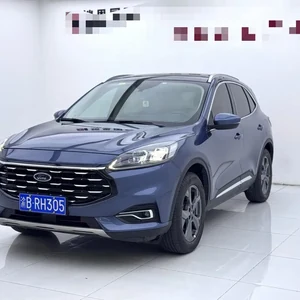
Live Ford Escape export inventory
View all listings →Real units currently on ChinaCarDirect with per-unit asking prices and MOQ. Availability updates live from the catalogue.
How to buy a Ford Escape from China
-
1
Define the destination and use case
List the destination country, fuel and charging access, road type, passenger and cargo needs, handedness and homologation requirements before selecting a trim.
-
2
Filter the live Escape inventory
Review current Ford Escape listings by year, trim, drivetrain, powertrain, condition and mileage. The live inventory carries the binding unit price, stated MOQ and availability.
-
3
Request identity and specification evidence
Ask for the VIN, production date, odometer reading, option sheet, photographs, title or registration documents and a pro forma invoice naming the exact vehicle.
-
4
Inspect before commitment
Use an independent inspector for used or PHEV units. Check service history, accident disclosure, underbody condition, tires, warning lights and battery state of health where applicable.
-
5
Confirm MOQ and payment terms
Confirm the offer-specific MOQ, deposit, balance trigger, beneficiary, refund conditions, Incoterm and quote inclusions. Keep a VIN-level schedule for mixed orders.
-
6
Arrange compliance and freight
Use a destination broker to confirm customs, emissions, safety and local type approval. Instruct the forwarder on LHD/RHD and PHEV battery documents before releasing the vehicle.
-
7
Inspect on arrival and release claims
Complete arrival inspection, photography, customs clearance and local registration before final acceptance. Document shipping damage and follow the agreed claim procedure.
Escape vs rivals
| Toyota RAV4 | The RAV4 is a close global benchmark for hybrid availability, packaging and mainstream fleet support. It may suit buyers prioritizing hybrid familiarity, while the Escape offers a turbocharged EcoBoost identity, ST-Line positioning and a PHEV option that should be compared on exact market specification. |
|---|---|
| Honda CR-V | The CR-V is particularly relevant to buyers focused on cabin space, refinement and established ownership costs. The Escape differentiates through its EcoBoost character and available AWD or sport-oriented configurations, but exact hybrid availability and local parts support may favor the CR-V in some markets. |
| Nissan Rogue | The Rogue competes for mainstream compact-SUV buyers through familiar packaging and market-specific equipment choices. The Escape may be more attractive for turbocharged character, ST-Line styling or PHEV operation, so the final decision should reflect destination compliance, fleet costs and expected resale. |
Frequently asked questions
How is Ford Escape export pricing determined?
The live price reflects the specific vehicle's year, trim, drivetrain, powertrain, mileage and condition, plus the supplier's commercial terms. Freight, insurance, duties, taxes, port charges, exchange rates and Incoterms can materially change the landed total. Check the current unit price in ChinaCarDirect's live inventory and request a written quote that identifies the vehicle and states what is included.
What Ford Escape engine and powertrain details should I verify?
EcoBoost 245 listings refer to the turbocharged 2.0L EcoBoost gasoline family, with 2WD or AWD/4WD configurations depending on trim. A PHEV is a separate electrified version; battery capacity, electric range, charging and motor output must be checked on the individual live listing rather than inferred from the badge.
Is a new or used Ford Escape better for export?
New units generally reduce wear and uncertainty but require close checks on production date, documentation, warranty and delivery condition. Used units can offer lower acquisition cost and suitable trims, but buyers should price in inspection, repairs, battery condition for a PHEV and lower residual-value uncertainty.
Can I order one Ford Escape, and how does MOQ work?
MOQ is set by the current offer and supplier terms, not by the model name. A selected unit may be released individually, while project or container orders can require consolidation; read the live listing and secure written confirmation of the quantity, unit schedule and payment milestones.
What affects Ford Escape shipping time and cost?
Shipping cost and timing depend on origin and destination ports, carrier space, sailing schedule, congestion, customs work, insurance, vehicle size, securing requirements and any battery-document process for a PHEV. Ask the forwarder for a written freight quotation using the agreed Incoterm and include inspection, storage and demurrage contingencies.
Are spare parts available for exported Ford Escape vehicles?
Parts support depends on the destination's Ford dealer network and whether the imported vehicle's configuration is represented locally. Before purchase, request VIN-based parts identification, a sample service-parts list and confirmation of electronic, mechanical and high-voltage support where applicable. For a PHEV, verify that diagnostic and battery components can be serviced through an appropriately equipped network.
Is a right-hand-drive Ford Escape available for export?
Availability varies by source market, configuration and seller, so buyers should not assume either handedness from the model name. Confirm the steering position from the VIN and listing photographs; for a conversion, obtain engineering, safety, lighting, registration and altered-parts approvals for the destination country.
How do I order a Ford Escape from China?
Select a unit in the live inventory, request an RFQ with the exact trim, condition, MOQ, Incoterm and documentation, then verify identity and inspection before releasing the balance. Coordinate customs approval, freight booking, payment, shipping and arrival inspection as linked milestones, using the live listing for the binding current price and availability.
Ready to source the Ford Escape?
Request a unit-specific Ford Escape quotation with the VIN, condition, MOQ, Incoterm, documentation and freight assumptions clearly stated.
Request a quote