
Ford Everest Export Buying Guide for Dealers and Fleets
Buy a Ford Everest from China with practical guidance on trims, powertrains, used-vehicle checks, MOQ, freight, compliance and landed-cost planning.
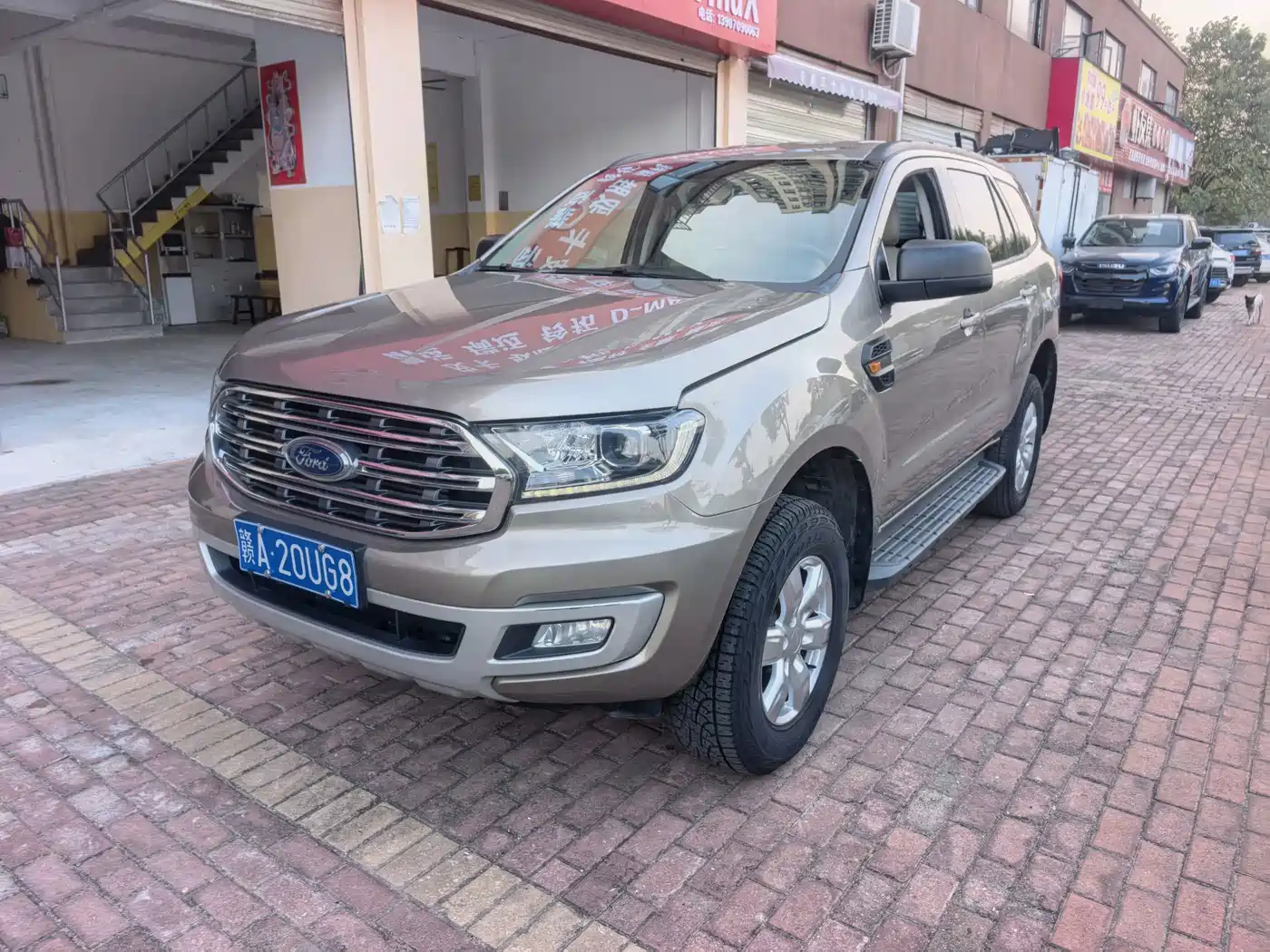
At a glance
- The Everest combines body-on-frame construction, four-wheel-drive options and five- or seven-seat layouts for mixed passenger and work use.
- Export-market powertrain choices include 2.0T and 2.3T automatic gasoline versions and a 2.2T manual diesel.
- Elite, Luxury and Flagship equipment tiers should be verified against the individual vehicle because specifications vary.
- Used examples require a condition-focused inspection, while newer vehicles reduce initial wear uncertainty.
- Use live listings for current, binding per-unit pricing, availability and MOQ, then build a complete landed-cost forecast.
Why the Ford Everest matters for export markets
The Ford Everest occupies a middle ground between a family SUV and a working 4x4. Its body-on-frame construction, ground clearance and three-row packaging appeal to buyers who need passenger capacity without a full-size pickup or commercial off-road truck. For dealers and fleet operators, it offers versatility: one platform can serve executive transport, site visits, road work and family use, depending on seat and drivetrain. That makes specification discipline more important than badge recognition: seating, transmission and drive layout should be chosen around the duty cycle rather than around appearance alone.
Demand for the Everest is strongest in markets where roads, weather or operating environments place a premium on durability and selectable four-wheel drive. Distributors in Africa, the Middle East, Central and South Asia, Southeast Asia, Latin America and parts of Oceania regularly evaluate it for government, NGO, construction, mining and utility fleets, as well as premium family transport. The model also benefits from a long-established global profile: buyers can compare it with locally familiar 4x4 SUVs and assess resale more easily than with an unknown niche model and after-sales expectations.
Chinese export purchasing adds another layer of choice because different consignments can include 2.0T and 2.3T gasoline vehicles, a 2.2T diesel, manual or automatic transmissions, two- or four-wheel drive, and five- or seven-seat bodies. Those combinations reflect the model’s long-running production history rather than one single export specification. A responsible importer should therefore identify the exact vehicle, not merely advertise “Everest,” and should verify whether it was prepared for left- or right-hand drive use before committing to freight, homologation work or regulatory approval in the destination market at the border.
- Five- or seven-seat layouts.
- Gasoline and diesel options.
- 4x4 for mixed-road fleets.
Model range, trims and powertrain variants: how the lineup is structured and how to choose
The Everest line-up should be read across three practical axes: seat count, equipment grade and powertrain. Elite, Luxury and Flagship designations identify different equipment tiers, while five-seat variants prioritize passenger and cargo flexibility and seven-seat versions add a third row for buyers who regularly carry larger groups. Because trim names do not disclose every standard feature, importers should request a current specification sheet, photograph the cabin and verify items such as infotainment, climate control, safety equipment and exterior finish against the exact vehicle offered in the destination market in writing.
For gasoline buyers, the export-relevant choices include a 2.0T engine with an automatic transmission and a 2.3T engine with an automatic transmission. The smaller unit is a prevalent configuration in the model’s export history, while the larger engine can suit buyers who place greater emphasis on performance under load or in hot conditions. Neither label should be read as a guarantee of fuel economy, towing capacity or payload. Those outcomes depend on the vehicle’s condition, load, driving pattern, road speed, local testing and any relevant market-specific equipment requirements during operation.
The 2.2T diesel with a manual transmission offers a distinct operating proposition for buyers who value diesel availability, load-carrying ability and direct gear selection. Some versions are four-wheel drive, while a two-wheel-drive diesel configuration also exists, so “Everest diesel” is not a complete description. Four-wheel drive is usually the logical choice for poor surfaces, while two-wheel drive may suit sealed-road users who do not need terrain capability. Confirm the axle ratio, final-drive equipment and local parts support if low-speed work is important before placing a large fleet order with confidence.
- Elite, Luxury and Flagship tiers.
- Five- or seven-seat bodies.
- Automatic gasoline; manual diesel.
New vs used Ford Everest: how export inventory is structured and how buyers choose
A new Ford Everest should be evaluated as an unused vehicle with a production history, while a used example should be evaluated as a depreciating asset whose condition must be proved. New units can simplify initial presentation and may carry manufacturer warranty, subject to the seller’s documentation and the destination market’s rules. Used vehicles may offer a lower entry point and access to established trims, but their purchase price is only one part of the decision: deferred maintenance, short-term reliability risk and immediate resale pressure can outweigh that apparent saving.
For a used Everest, the inspection should move beyond cosmetic paint and interior polish. Ask for the VIN and production or registration documents, then examine engine cold start, smoke, oil condition, transmission operation, clutch or torque-converter behavior, four-wheel-drive engagement, brake condition, suspension noise and cooling-system performance. Underbody inspection is especially important for off-road history: look for impact marks, altered mounting points, corrosion, fluid loss and evidence of repair. Electronic functions and seat condition should be checked because electronics and cabin repairs can be expensive once the vehicle reaches the destination.
The best new-versus-used choice depends on how quickly the vehicle must enter service and how much uncertainty the buyer can absorb. A dealer building launch stock or a company replacing operational vehicles may favor newer examples for presentation and predictable ownership. A used unit can make sense for a buyer who understands its condition, has a local inspection capability and can price refurbishment before the sale. Compare total ownership cost over the planned holding period, including expected repairs, insurance, fuel, downtime and local resale, rather than comparing acquisition cost alone.
- New units: cleaner initial condition.
- Used units: condition-led inspection.
- Compare full ownership costs.
How export pricing works: the factors behind a live listing price, and how to read one
A Ford Everest export price is a negotiated outcome, not a fixed property of the model. The vehicle’s year, trim, engine, transmission, four-wheel-drive layout, seating and mileage materially affect its base value. For a used example, condition, service history, paint condition, tire wear and the quality of its inspection can move the result further. At the transaction level, exchange-rate movements, freight, marine insurance, port charges, destination taxes and the selected Incoterm determine the landed cost. Comparing two live listings without normalizing these variables can be misleading for the same market.
To read a live listing correctly, first separate the vehicle price from the total procurement commitment. Confirm whether the displayed amount is the seller’s asking price and whether it excludes shipping, insurance, customs, taxes, registration, inland transport and dealer margin. Then verify the exact year, trim, powertrain, gearbox, drive system, seat count, mileage, condition notes and unit identifier. Ask whether the quote is firm, how long it remains valid and what event would trigger a price revision. Current per-unit prices and availability should be confirmed in the live inventory page.
A useful comparison is a written like-for-like quote. For example, a five-seat 2.0T automatic 4x4 and a seven-seat 2.3T automatic 4x4 should not be treated as equivalent until equipment, condition and destination charges are aligned. Where a buyer plans several units, ask whether the seller can hold one quotation across a defined specification and shipment window, and whether payment milestones or FX clauses apply. This makes it easier to turn an attractive vehicle price into a landed budget and to compare the Everest against rival offers on the same basis.
- Normalize specification before comparing.
- Add freight, tax and Incoterms.
- Confirm quote validity conditions.
MOQ, ordering and payment: single units vs consolidating a container
Minimum order quantity should be read as a transaction rule, not as a fixed characteristic of every Ford Everest sale. A single-unit importer can request a quote for one vehicle, provided the seller accepts that commercial structure and the destination can economically absorb a unit shipment. Dealers assembling launch stock or fleet operators may prefer several units or a containerized program. The binding MOQ for each offer appears in the live listing and must be reconfirmed in the quotation, because model, condition and seller arrangements can differ at order time.
The ordering sequence for any Ford Everest wholesale or single-unit order should be controlled before money changes hands. Select the required steering side, seats, powertrain and condition; request a vehicle-specific quotation; review the VIN or unit identifier and documents; agree inspection, payment milestones, title transfer and shipping terms; then authorize the order. Sellers may offer different deposit and balance arrangements, so the buyer should accept only terms that are written, understandable and linked to a named vehicle. Keep the signed contract, invoice, export documents, inspection record and correspondence together for customs, insurance, warranty claims or later disputes.
Container consolidation can improve vehicle utilization, but it changes the buying risk. A mixed container lets a buyer combine trims, seat layouts or powertrains for different customers, subject to each seller’s allocation and export packing rules. It can also make freight more predictable per vehicle than several individual shipments. The trade-off is less flexibility: one damaged vehicle, documentation problem or delayed unit can affect the whole group, and changes to the mix become harder after loading. Before consolidating, model the cost per vehicle, insurance exposure, inspection timing and sale-rotation period.
- Read MOQ per live listing.
- Use written order terms.
- Weigh consolidation against flexibility.
Shipping, homologation and market compliance caveats: LHD/RHD and import rules by country
Steering configuration is a critical destination-market check. Chinese-market and export-channel vehicles may be left-hand drive, while some Everest production has been configured for right-hand-drive markets; neither condition should be assumed from the model name. Confirm the steering-wheel side, accelerator and brake arrangement, instrument display, switchgear and VIN documentation. Converting a left-hand-drive vehicle to right-hand drive is possible in some jurisdictions, but it adds cost, engineering and certification work, while creating delays before local registration. For an RHD market, sourcing a native RHD example is the cleaner operational and resale proposition.
Import and road legality must be assessed in the destination country, not inferred from the vehicle’s overseas identity. Regulators may impose homologation requirements covering VIN approval, emissions, safety equipment, noise, modifications, engine capacity, vehicle age, customs valuation, taxes and insurance. A used vehicle can face different rules from a new one, while a diesel model may be treated differently from a gasoline model. Obtain current written guidance from the destination customs authority or an accredited local compliance adviser, and confirm that the seller can provide the documents the importer will need.
Shipping method should match the vehicle’s condition and the commercial priority. Ro-ro vessels suit completed vehicles, while containerized transport may offer greater protection but depends on securing the vehicle correctly and observing loading constraints. For a used Everest, photograph all panels, wheels, glass and underbody before loading, confirm moisture protection and tie-downs, and record fuel and battery condition for transport. Marine insurance should reflect the agreed Incoterm and the buyer’s risk-transfer point. Delays, transshipment, port congestion and destination inland transport can all change the final arrival cost and schedule materially.
- Verify LHD/RHD configuration.
- Check destination-country requirements.
- Document condition before loading.
Who should buy the Everest — and who should pick a different vehicle
The Everest is a strong candidate for buyers who need a single vehicle to combine passenger space, road presence and credible four-wheel-drive capability. It suits private importers serving mixed urban and regional roads, family-use vehicle businesses, and fleet managers supporting field staff in construction, agriculture, utilities, mining, aid operations or emergency response. A five-seat version can be more practical where cargo space matters, while seven seats serve organizations that regularly move a larger crew. The decisive point is that the selected configuration should match the actual route, load and conditions.
It is less suitable for buyers whose priorities are low operating cost in dense cities, a turning circle, rear-cargo flexibility with no third-row compromise, or a new platform with the latest hybrid efficiency. A large SUV can be harder to park and may consume more fuel than a compact crossover or hybrid. Buyers needing a van-like load bay should consider a panel van or commercial derivative. Buyers planning to carry loads beyond the manufacturer’s limits should select equipment and towing approval for that use rather than relying on SUV reputation.
Before placing an order, the buyer should turn the marketing label into operating criteria: required seats, daily route, road surface, towing need, payload, fuel choice, driver comfort, local parking limits and expected service access. Then compare the Everest’s inspection result and landed cost with the rival on the same worksheet. This is important for fleets, where a difference in fuel use, downtime or insurance can outweigh a purchase price over several vehicles. The right Everest is the one whose configuration and total operating burden remain rational in the destination market.
- Passenger and work versatility.
- Five seats for cargo.
- Check towing, payload and service.
Main rivals and how the Everest compares
The closest alternatives depend on the buyer’s home market, because rival models have different levels of dealer familiarity and residual value. The Toyota Fortuner is the most immediate global comparison for a body-on-frame, diesel-capable family 4x4. The Mitsubishi Pajero Sport is a credible alternative where rugged image, diesel choice and off-road use are priorities. The Isuzu MU-X competes strongly in price-sensitive fleet and utility segments with a reputation for diesel practicality. These are buying alternatives, not specification equivalents; the final choice should follow local service coverage and verified vehicle condition.
Against the Fortuner, the Everest’s buying case is less about superior specification and more about access to a vehicle at the right condition and price. The Fortuner can be easier to compare with local expectations because it has a strong market presence in many relevant regions. An importer should compare seating, drive layout, diesel availability, equipment, inspection evidence and landed cost for each vehicle. The Ford becomes compelling when its configuration, history and terms fit the buyer better, not simply because it is newer or carries a different trim badge.
Against the Pajero Sport, the deciding factors will usually be the exact powertrain, condition, local parts network and intended duty. Pajero Sport is often considered when a buyer wants a rugged alternative with a global following, while the Everest may offer a suitable combination of trim, seating and availability for a shipment. The Isuzu MU-X deserves consideration in fleet and commercial contexts where diesel operating costs and parts familiarity are decisive. In every case, obtain inspection reports, verify homologation and calculate the cost of parts, insurance and downtime before signing.
- Fortuner: closest global benchmark.
- Pajero Sport: rugged diesel option.
- MU-X: strong fleet comparator.
Live Ford Everest export inventory
View all listings →Real units currently on ChinaCarDirect with per-unit asking prices and MOQ. Availability updates live from the catalogue.
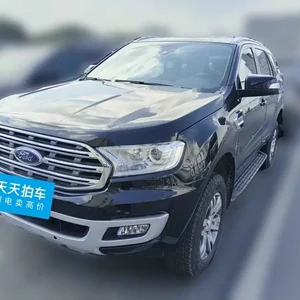
Ford Everest 2017 2.0T Gasoline Automatic 4WD Luxury Edition 5-Seater
Ford Everest 2017 2.0T Gasoline Automatic 4WD Flagship Edition 7-Seater
How to buy a Ford Everest from China
-
1
Define the destination requirement
List the destination country, steering-side requirement, seat count, engine, gearbox, drive layout, road conditions and operating priorities. This prevents a visually similar but commercially unsuitable vehicle from entering the shortlist.
-
2
Review the live inventory
Compare unit-level photographs, descriptions, year, trim, powertrain, seating, condition and identifiers in the live Ford Everest listings. Use the displayed per-unit price, MOQ and availability as the current source for those figures.
-
3
Request a vehicle-specific quotation
Send an RFQ for each shortlisted unit or clearly defined batch. Ask what is included, how long the quote remains valid, which Incoterm applies and which inspection, payment and documentation terms are offered.
-
4
Verify identity and compliance
Match the VIN, production or registration documents, steering side and equipment against the listing. Confirm destination-country import and homologation requirements with the relevant authority or a qualified local adviser.
-
5
Inspect before commitment
Use a pre-shipment inspection, with additional underbody and drivetrain checks for used vehicles. Record structural repairs, fluid loss, four-wheel-drive operation, engine condition, mileage and equipment functionality.
-
6
Agree written order terms
Confirm the MOQ, named vehicle, deposit and balance schedule, title transfer, inspection rights and shipping terms before payment. Avoid relying on verbal promises about vehicle substitution or undisclosed repairs.
-
7
Prepare and track the shipment
Document condition before loading, confirm securement and moisture protection, and arrange suitable marine insurance. Track customs clearance, port handling and inland delivery before final acceptance.
Everest vs rivals
| Toyota Fortuner | The closest broad global benchmark for a body-on-frame family 4x4 with diesel choices in many markets. The Fortuner may have stronger local dealer familiarity, while the Everest can be preferable when a specific vehicle’s configuration, condition and commercial terms fit the buyer better. |
|---|---|
| Mitsubishi Pajero Sport | A credible alternative for buyers prioritizing rugged positioning, diesel options and off-road use. The Pajero Sport offers a well-established global alternative, so local parts support and the condition of the specific vehicle should decide the choice. |
| Isuzu MU-X | A direct competitor in fleet, utility and commercial-oriented markets, particularly where diesel operating considerations are influential. Compare the Everest’s available equipment and seat configurations against the MU-X’s suitability for the same routes, payload and duty cycle. |
Frequently asked questions
How is Ford Everest export pricing determined?
The live price reflects year, trim, engine, transmission, drive system, seating, mileage and condition; exchange rates, freight, insurance, taxes and Incoterms affect the landed cost. Compare like-for-like units and use the live Everest inventory for the current per-unit price and availability, then request a written quotation.
Which Ford Everest powertrains are available?
Available configurations include 2.0T and 2.3T gasoline engines with automatic transmissions and a 2.2T diesel with a manual transmission. These are combustion-powered vehicles, so there is no battery-electric driving range to quote; verify the engine, gearbox, drive system and fuel in the exact listing.
Should an overseas buyer choose a new or used Ford Everest?
A new vehicle reduces initial wear uncertainty and may simplify presentation, while a used vehicle can offer a lower entry point but carries more condition risk. Choose according to inspection evidence, service history, refurbishment needs, warranty terms and the total cost of ownership over the planned holding period.
What is the MOQ for a Ford Everest order?
MOQ is a transaction term and should be read on each live listing rather than assumed for every vehicle. A buyer can request a single-unit quotation, and any multi-unit or container program should have its MOQ, allocation and payment schedule confirmed in writing.
What determines Ford Everest shipping time and cost?
Shipping time depends on vessel schedules, port handling, transshipment, congestion, customs clearance and inland transport. Cost is influenced by freight method, fuel surcharges, insurance, destination charges, taxes and the Incoterm that defines the transfer of risk.
How should buyers plan Ford Everest spare parts?
Confirm engine, transmission, trim, steering side and model-year compatibility before ordering, and obtain original part numbers where possible. Check whether local dealers or specialist suppliers support the specific configuration, particularly for less common diesel, electronics or interior components.
Is a right-hand-drive Ford Everest available for export?
Some Everest production has been configured for right-hand-drive markets, but availability must be checked on the individual listing. Confirm the steering-wheel side, pedals, instruments and VIN documentation; a left-hand-drive conversion may be possible, but it adds cost and compliance work.
How do I order a Ford Everest from China?
Shortlist vehicles in the live inventory, request a vehicle-specific RFQ, verify documents and condition, and agree the MOQ, payment milestones, title and shipping terms in writing. After inspection and final payment, the vehicle can be prepared for the agreed maritime shipment and destination clearance process.
Ready to source the Ford Everest?
Request a vehicle-specific Ford Everest quotation and confirm the current per-unit price, availability, MOQ, steering side and landed-cost assumptions through the RFQ team.
Request a quote