
Ford Evos Export Guide: Trims, Pricing and Buying Risks
Export buyers' guide to the Ford Evos, covering trims, EcoBoost powertrain, live pricing, MOQ, shipping, homologation and key rivals before purchase.
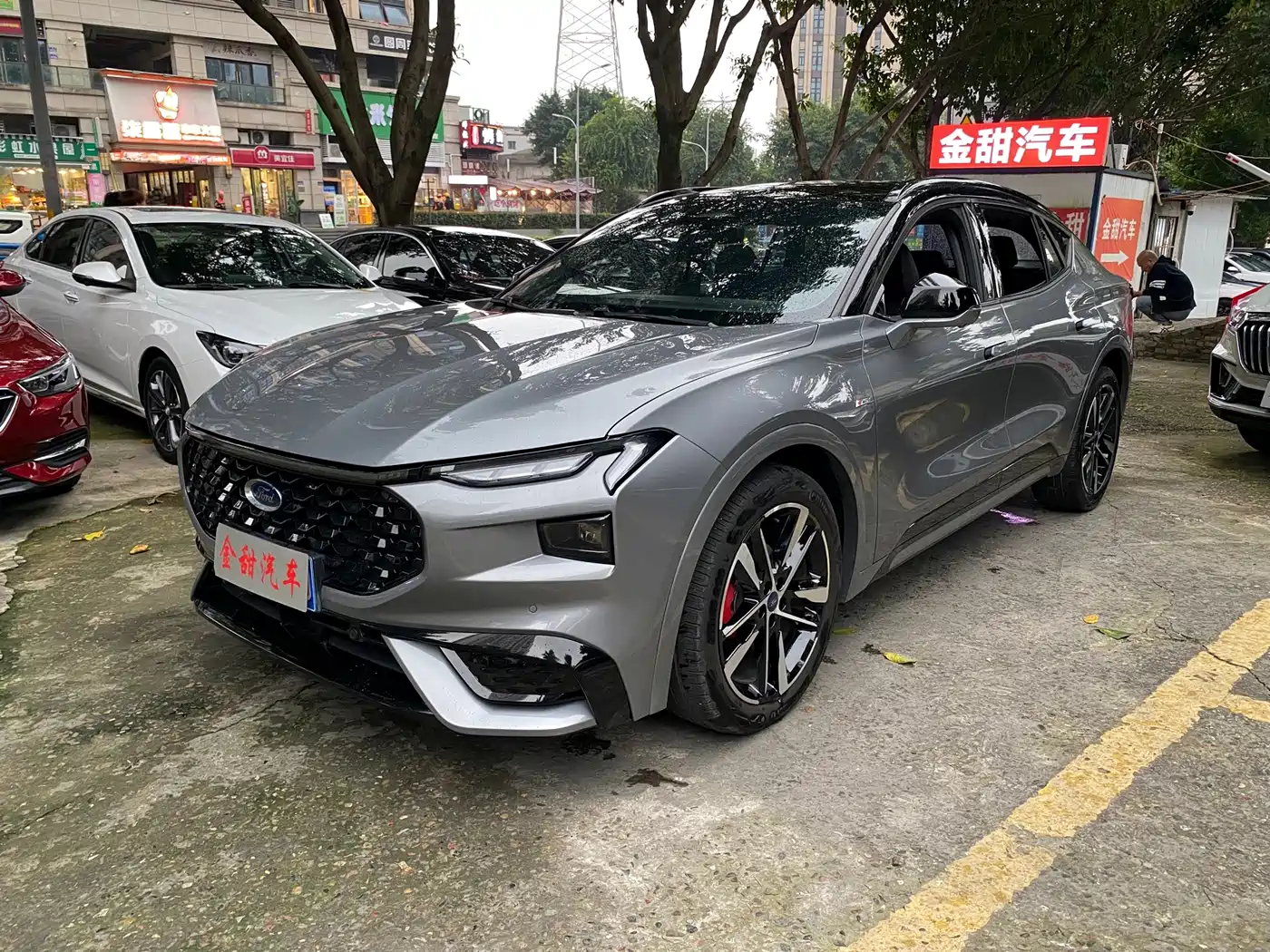
At a glance
- The Evos is a China-built compact crossover with a sportier Ford identity.
- The EcoBoost 245 range is petrol-powered, with Trend, Sport and ST-Line positioning.
- New stock reduces condition uncertainty, while used sourcing shifts risk into inspection.
- Live export prices move with trim, year, condition, currency, freight and Incoterm.
- LHD/RHD configuration, homologation and parts support must be checked before ordering.
Why the Ford Evos matters for export markets
The Ford Evos is a five-door compact crossover built for the Chinese market, combining SUV practicality with the sporting image and turbocharged performance emphasis associated with Ford. Its export relevance is strongest where buyers want a right-sized vehicle that feels more distinctive than a basic family crossover. For dealers, the key proposition is not simply low acquisition cost, but a well-equipped, modern product with broad appeal and manageable shipping dimensions. Because model names, powertrain choices and equipment can change across destination markets, the exact listing must be treated as a separate commercial and regulatory offer.
In its segment, the Evos competes for attention with compact crossovers that combine five-seat practicality, road presence and a higher driving position. The visible EcoBoost 245 identity helps it stand out for buyers who value a turbocharged gasoline engine rather than a hybrid-only or battery-electric approach. That positioning can work well for importers seeking a visually modern alternative, although it depends on local fuel quality, servicing capability and the availability of compatible parts. It is also more relevant to buyers who understand Chinese-market specification than to fleets searching for a globally standardized model name.
Export demand should be assessed market by market because the Evos is not necessarily offered under the same name, equipment list or emissions specification everywhere. A dealer in one country may regard it as a desirable compact SUV, while another may find the model too small for its roads or prefer established nameplates with deeper residual-value support. Before committing, buyers should test whether the model has a realistic customer base, not assume that popularity in China automatically transfers overseas. Local tax bands and parking constraints can materially change its appeal.
- China-built compact crossover.
- Turbocharged EcoBoost 245 positioning.
- Market-by-market demand assessment.
Model range, trims and powertrain variants: how the lineup is structured and how to choose
The Evos range visible for export is structured around the EcoBoost 245 powertrain and four appearance-oriented designations: Trend Edition, Sport Edition, ST-Line and facelift EcoBoost 245 ST-Line. The hierarchy should help buyers narrow priorities, but trim names alone do not establish equipment. A Trend example may suit value-focused procurement, while Sport and ST-Line examples generally target buyers seeking more visual distinction; confirm the exact specification, condition and photos in each live record. The facelift label also makes model-year and detail revisions important comparison points for buyers comparing otherwise similar vehicles.
Under the hood, the China-market Evos is a gasoline vehicle, not a battery-electric model: the 245 badge denotes an EcoBoost 245 version, commonly associated with a 1.5-liter turbocharged four-cylinder and an eight-speed automatic. Front-wheel drive is the normal layout. Because output calibration, emissions equipment and market specification can vary, dealers should request the engine plate, VIN, gearbox type and homologation file rather than infer them from the badge. That documentation also protects the importer’s valuation assumptions. It also prevents avoidable variation between vehicles purchased for the same fleet program and customer proposition.
Choosing a trim is therefore a balance between procurement cost, expected retail positioning and the cost of preparing a vehicle for local use. A buyer planning fleet resale may prefer the simplest trim that still meets safety and equipment expectations, while a dealer serving style-conscious customers may choose Sport or ST-Line. Compare the VIN-specific option sheet, wheel and tire sizes, infotainment, driver-assistance hardware and warranty coverage before treating one listing as the benchmark for the others. Local preferences for restraint or visual branding should guide that decision in that market.
- EcoBoost 245 engine family.
- Trend, Sport and ST-Line hierarchy.
- Front-wheel-drive platform.
- VIN-specific equipment confirmation.
New vs used Ford Evos: how export inventory is structured and how buyers choose
For export purposes, new and used Evos units should be evaluated as different risk profiles. A new vehicle generally offers clearer ownership history, known mileage and the possibility of manufacturer or seller warranty support, subject to the exact terms. It may also carry a higher acquisition cost and lose value more quickly once registered. Used examples can reduce that initial exposure, but require stricter inspection of wear, repairs, keys, service records and any history of structural damage. The most reliable comparison is total expected ownership cost, not the headline purchase figure alone.
Chinese export inventory for this model may be presented as dealer-prepared new stock, while used Evos supply is less predictable and may come through separate used-car channels. That does not mean used units are interchangeable with new units in a quotation. Mileage, remaining factory coverage, paint condition, option calibration and repair quality can all affect resale value. Buyers should treat the live Evos search as the source for present availability and request direct confirmation for any used vehicle that is not shown there, before placing a deposit or freight commitment.
For fleet buyers, used units may make sense when low entry cost and rapid deployment matter more than warranty uniformity. Dealers may accept more condition risk in exchange for a broader age range, provided they can inspect and refurbish vehicles. For retailers, new stock offers a cleaner customer story and easier presentation, whereas used stock can fill a lower price tier. In both cases, a pre-shipment inspection, VIN verification and document review should precede any balance payment. Inspection scope should cover cold start, warning lights, fluid condition, underbody damage and road test.
How export pricing works: the factors behind a live listing price, and how to read one
Export pricing is not a fixed manufacturer price and should never be read as one. The live figure reflects a negotiated combination of the vehicle’s year, trim, facelift status, specification, mileage and condition, together with the seller’s commercial terms. Currency movements, factory availability, inspection and refurbishment work, transport, insurance, port charges and the selected Incoterm can all change the landed amount. Ask for a written quotation that separates vehicle price from logistics and destination charges. A buyer should also know which costs are fixed in the quotation and which remain subject to local assessment.
Read a live Evos listing from the VIN and trim outward. First confirm that it is EcoBoost 245, then identify whether it is Trend, Sport or ST-Line, and whether it is a facelift example. Review whether the description includes a specific condition grade, odometer reading and equipment list. Next check what the stated MOQ, payment schedule and Incoterm mean; a low displayed vehicle figure can still become materially more expensive after freight, taxes, insurance and compliance work. Prices shown are transaction-specific offers, not universal benchmarks for all importers or markets.
The most useful comparison is like-for-like: the same year, trim, facelift status, condition, currency and delivery scope. That prevents a Sport unit from being compared with a Trend unit simply because both carry the Evos name. For a mixed fleet, request both unit-level pricing and a consolidated logistics estimate, and clarify which costs are fixed, which are variable and which taxes are payable by the buyer. Exact current figures and availability should be confirmed in the live inventory and in the final pro forma invoice before funds are committed.
- Trim and facelift status matter.
- Condition and mileage affect value.
- Incoterm changes landed cost.
- Live quotes set current terms.
MOQ, ordering and payment: single units vs consolidating a container
MOQ means the minimum quantity a seller requires for an order, and it should be read offer by offer rather than assumed from the model name. Some Evos listings may be available to individual professional buyers, while container-oriented sellers may set a higher minimum to make loading and freight efficient. The MOQ shown against a live listing is the relevant starting point, but buyers should also ask whether mixed trims, mixed years or a staged first order can satisfy the seller’s requirement in the written quotation before any deposit is paid.
Single-unit purchasing is useful for a dealer testing demand, a fleet filling a small replacement need or a buyer validating specification before scaling. The trade-off is less freight leverage and potentially less attractive commercial terms. Consolidating several vehicles into one container can improve unit economics and provide a more consistent retail batch, but it increases exposure to one inspection failure, one shipping delay or one destination rule. Buyers should compare the savings after all charges with the additional inventory and cash-flow risk. Do not order extra units solely to reach a threshold before measuring local sell-through.
A sound ordering process starts with a written purchase order, deposit terms, inspection standard, document list, production or stock deadline and balance-payment trigger. The final invoice should state the agreed Incoterm, named port or delivery point, insurance responsibility and treatment of discrepancies found during inspection. Keep the purchase contract aligned with the shipping document and payment milestones, and obtain written confirmation if the seller changes the trim, VIN or commercial terms before shipment. A contingency for exchange-rate movement is prudent when payment and delivery dates differ across the whole transaction.
Shipping, homologation and market compliance caveats: LHD/RHD and import rules by country
Shipping starts with the destination’s legal and physical requirements. Confirm whether the Evos is configured for left- or right-hand drive, and check whether the receiving country permits that configuration or requires conversion. Determine the emissions, safety, cybersecurity, noise, lighting and type-approval rules applicable to the model year. Local rules can also impose age limits, roadworthiness tests, customs valuation procedures or registration fees, so an importer should obtain a broker’s written assessment before paying. Model approval is separate from customs clearance and prior export formalities.
Transport choice affects cost, timing and risk. A secured container suits buyers consolidating several vehicles and gives more control over loading, while roll-on/roll-off shipping can offer flexibility for smaller lots or faster sailing options depending on the route. Compare freight to the named port, terminal handling, insurance, inspection, storage and inland delivery. Secure the vehicle correctly, photograph its condition at handover and agree the inspection standard and claims process before departure. Do not assume the car is covered merely because it was loaded. Check the cargo policy against the agreed Incoterm and route.
Compliance ownership should be assigned before the deposit is paid. The importer is responsible for confirming that the VIN, engine, emissions certificate, customs classification and safety equipment match the destination market; the seller can provide documents but should not be treated as the local legal authority. If a steering-wheel change is needed, budget for labor, parts, recertification and possible insurance effects. Deliveries should be held for pre-registration inspection where local rules require it, with the vehicle kept insured throughout, including any period before registration and the sale are completed where locally applicable.
- Confirm LHD or RHD configuration.
- Check destination approval requirements.
- Assign importer and broker duties.
- Document condition at handover.
Who should buy the Evos — and who should pick a different vehicle
The Evos is a strong candidate for dealers and fleet buyers who prioritize a modern five-door compact SUV, turbocharged gasoline performance and a more design-led presentation than a conventional budget crossover. It can work particularly well where corporate identity and road presence matter, and where the importer can support Chinese-market parts, software and service requirements. It is less compelling for buyers whose core requirement is battery-electric range, extensive cargo capacity or the lowest possible fuel and compliance burden. The right decision depends on local demand as much as on the vehicle itself.
Before buying, assess whether the target market has a Ford service network capable of supporting the model and whether compatible mechanical, electronic and body parts can be obtained without long delays. Fleets should test fuel consumption, insurance categories, residual values and tax treatment against their actual operating routes. Private buyers should consider warranty portability, parts support and the availability of a second key and complete service history. A visually attractive vehicle still needs a sustainable ownership plan. Those checks are especially important when the vehicle is imported in left-hand-drive form.
Choose a different vehicle if you need a proven global platform with standardized global variants, a broad hybrid or electrified range, heavy towing, large-family seating or easier access to service. An electric crossover is more suitable for fleets with dependable charging and a clear emissions strategy; a conventional hybrid may fit high-mileage operators better; a larger SUV may better serve families. These are not criticisms of the Evos, but different uses demand different total-cost and homologation profiles. The import decision should follow the use case rather than badge appeal alone.
- Best for style-led compact-SUV buyers.
- Suited to supported petrol fleets.
- Weak fit for EV-first strategies.
- Cargo and towing needs favor larger rivals.
Main rivals and how the Evos compares
The Mazda CX-5 is one of the closest conceptual alternatives because it also targets buyers wanting a compact, road-focused crossover with a similar need to balance size, equipment and price. The Evos stands out through its EcoBoost turbo character and China-market design, while the CX-5 benefits from a more established international identity. For a dealer, the deciding factors will be local brand recognition, warranty support and the real cost of homologating and stocking each model. Compare both under the same tax, freight, warranty and registration assumptions, not purchase price alone.
The Hyundai Tucson competes for the same style-conscious compact-SUV customer but often offers a broader mix of conventional, hybrid and electrified powertrains, depending on the destination market. That can reduce fleet risk where emissions strategy or fuel use is decisive. The Evos remains simpler as a petrol-led proposition and may appeal where turbo performance and its distinctive design justify a more market-specific import. Neither model should be chosen without checking local certification and parts support. Specifications differ by country and model year, so confirm the exact derivative before comparing equipment.
The Kia Sportage is another credible rival, particularly for buyers comparing equipment value, family usability and contemporary styling. Kia’s broader market presence can make residual-value and service planning easier in some countries, while the Evos may offer a more performance-oriented character for dealers seeking a differentiated Ford alternative. A sensible shortlist places all three on the same basis: equivalent warranty, tax, fuel, freight, servicing and registration assumptions. The lowest purchase figure alone is not a reliable ranking once destination-market taxes and servicing costs are included in the local operating environment.
- CX-5: road-focused global alternative.
- Tucson: broader electrified powertrain range.
- Sportage: equipment and family focus.
Live Ford Evos export inventory
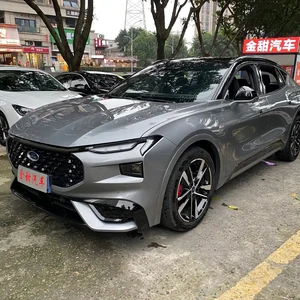
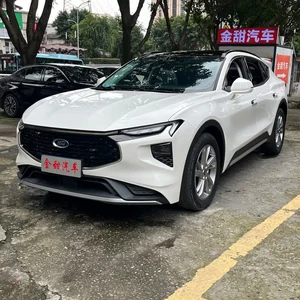
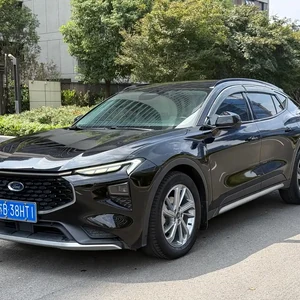
View all listings →Real units currently on ChinaCarDirect with per-unit asking prices and MOQ. Availability updates live from the catalogue.

How to buy a Ford Evos from China
-
1
Define the destination and operating profile
Identify the destination country, required steering-hand configuration, fuel needs, passenger capacity and operating routes. Separate regulatory requirements from preferred trim and equipment choices.
-
2
Shortlist matching live listings
Compare the live Evos inventory by year, trim, facelift status, condition, mileage and VIN. Exclude vehicles whose specification or documents do not match the intended market.
-
3
Request a written quotation
Ask for unit pricing, applicable MOQ, payment milestones, Incoterm, named port, freight assumptions and a pro forma invoice. Confirm whether mixed trims or staged orders are permitted.
-
4
Verify identity, options and documents
Check the VIN against the listing, then review the engine specification, emissions certificate, equipment list, service history and title or import documents. Record every discrepancy in writing.
-
5
Inspect before releasing the balance
Use a pre-shipment inspection covering cold start, warning lights, fluids, underbody condition, tires, bodywork and a road test. Tie final payment to satisfactory inspection and document delivery.
-
6
Plan homologation, insurance and freight
Appoint a local broker to confirm approval, customs, tax and registration requirements. Select the transport mode, cargo coverage, delivery scope and claims procedure before shipment.
-
7
Ship, clear and register
Complete the balance payment against agreed documents, photograph the vehicle at loading, retain shipping records and arrange pre-registration inspection. Complete customs clearance and local registration before release to customers.
Evos vs rivals
| Mazda CX-5 | The CX-5 is the closest road-focused and globally established alternative, while the Evos differentiates itself through turbo character and China-market design. The better import choice depends on local recognition, warranty support and comparable landed costs. |
|---|---|
| Hyundai Tucson | The Tucson can offer a broader hybrid and electrified range for markets where emissions strategy is decisive. The Evos is a simpler petrol-led choice for buyers attracted by turbo performance and distinctive styling. |
| Kia Sportage | The Sportage is a credible rival for equipment value, family usability and contemporary design. The Evos may provide a more performance-oriented Ford alternative, but parts support and residual-value assumptions should be compared locally. |
Frequently asked questions
How is Ford Evos export pricing determined?
Export pricing reflects the vehicle’s year, trim, facelift status, mileage, condition and specification, combined with currency, freight, insurance, port charges and Incoterm terms. A quoted vehicle price may not be the final landed cost. Check the live listings for the current unit-level figure and request a written pro forma invoice showing all separate charges.
Is the Ford Evos electric, and what engine does it use?
The Ford Evos is combustion-powered rather than a battery-electric vehicle. The common China-market EcoBoost 245 uses a 1.5-liter turbocharged four-cylinder, an eight-speed automatic and front-wheel drive, but final calibration should be confirmed for the VIN. It has no battery-electric range figure, so use market-specific fuel-consumption data for operating-cost calculations.
What are the main new versus used Ford Evos trade-offs?
New vehicles generally provide clearer history, known mileage and more straightforward warranty presentation, while used vehicles can reduce initial acquisition cost but introduce wear and repair uncertainty. For used units, verify the VIN, odometer, service records, ownership documents and structural-repair history. Current used availability should be confirmed in the live listings.
How does MOQ work when ordering a Ford Evos?
MOQ is an offer-specific term and is not fixed by the Evos model name. Some sellers may accept a single vehicle, while container-oriented sellers may require a batch; check the MOQ attached to each live listing and the written quotation. Buyers can also ask whether mixed trims or a staged first order can satisfy the seller.
What determines Ford Evos shipping time and cost?
Shipping time and cost depend on the route, vessel schedule, port, transport mode, consolidation, handling, insurance and seasonal capacity. Compare a port-only freight quote with a door-to-door figure that includes inland delivery and relevant charges. The confirmed transit period and charges should appear in the final booking or freight document.
Are spare parts available for an imported Ford Evos?
Parts support depends on the VIN and destination market, so availability should be checked before purchase. Ask a Ford dealer or specialist to confirm common service items, electronic modules, body parts and trim-specific components, including expected sourcing lead times. A China-market vehicle may require specialist support and an inventory contingency.
Is right-hand-drive Ford Evos availability guaranteed?
RHD availability cannot be inferred from the Evos name; it depends on the source specification and destination market. Ask the seller to state the steering-hand configuration and confirm whether that version can be registered without conversion. If conversion is contemplated, price labor, parts, recertification and insurance effects, and obtain local approval before committing.
How do I order a Ford Evos from China?
Start with the live Evos listings, shortlist vehicles by VIN and specification, and request a written quotation covering MOQ, payment and delivery terms. Complete document verification, inspection and the agreed payment milestones before shipment. A ChinaCarDirect RFQ can be used to request VIN-specific availability and an export quotation.
Ready to source the Ford Evos?
Request a VIN-specific Ford Evos quotation and current export availability through ChinaCarDirect.
Request a quote