
Ford Fiesta Export Guide for Overseas Buyers
Ford Fiesta export guide for overseas buyers, with practical advice on trims, engines, pricing logic, MOQ, shipping, homologation and rival comparisons.
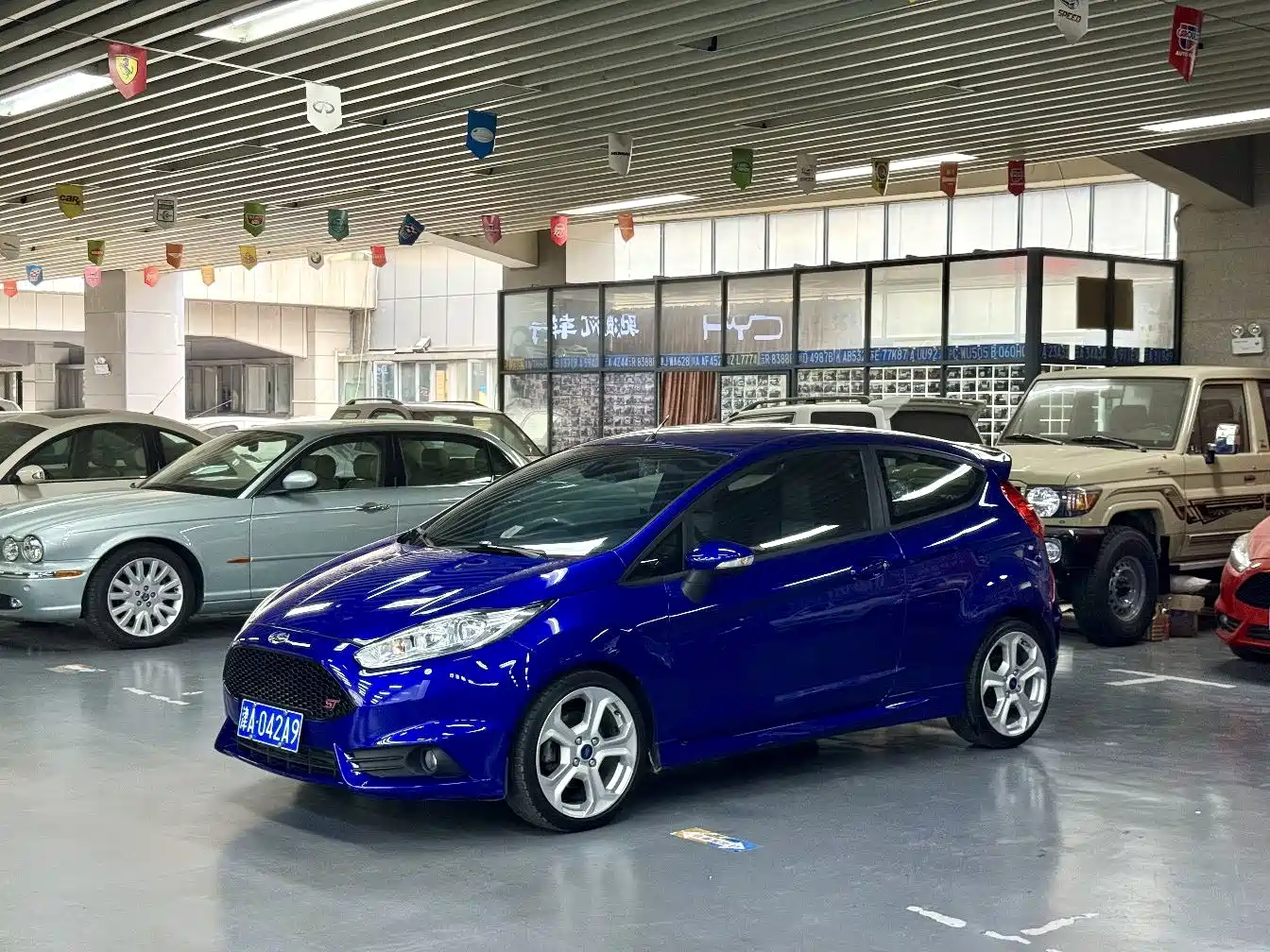
At a glance
- The Fiesta is a compact B-segment choice available in hatchback and saloon body styles.
- The petrol range spans 1.5-litre, 1.0 GTDi turbo and 1.6T ST configurations.
- Manual and automatic versions suit different driver and fleet preferences.
- Condition, provenance, steering position and destination-market approval deserve equal attention.
- Live inventory is the source for current per-unit quotes, MOQ and export terms.
Why the Ford Fiesta matters for export markets
The Ford Fiesta established itself as a compact B-segment model, combining a small footprint with enough practicality for private buyers, rental operators and light commercial users. For export markets, its appeal is straightforward: familiar packaging and a choice of hatchback or saloon body styles. That positioning can suit importers seeking an economical urban car without moving into a larger family model. It also gives dealers room to match equipment levels to different local budgets rather than relying on one specification or promoting a single imported model across an entire range.
Demand for the Fiesta is especially relevant where buyers prioritise operating economy, easy parking and straightforward servicing over the latest connectivity or electrified powertrains. Its long-running global profile also helps parts and service businesses identify common components, although exact availability must still be checked for the particular engine and market. In emerging destinations, a well-maintained imported example may offer better equipment value than a newer domestic entry model. In mature markets, however, buyers should compare the Fiesta carefully against current emissions, safety and crash-test requirements before treating affordability as the deciding factor.
The model also offers a useful bridge for commercial buyers. A compact hatch can be more economical to ship and easier to allocate across a mixed fleet than a passenger vehicle, while a saloon may be preferable where a separate luggage compartment is valued. Export appeal nevertheless depends on more than the badge: parts sourcing, software support, fuel standards and local repair capability can determine ownership cost. The best market fit is not simply the country with the most listings, but where the Fiesta’s operating strengths align with rules and dealer support.
- Compact urban footprint
- Hatchback or saloon
- Check local rules
Model range, trims and powertrain variants: how the lineup is structured and how to choose
Ford Fiesta export listings can span several equipment levels and body configurations. Common designations include Trend, Fashion, Premium, Sport and Dynamic Limited Edition, while ST identifies the performance-oriented 1.6T version. The hatchback is generally the core derivative, and a 1.5-litre petrol sedan also appears in the selection. Trim names help identify equipment, but should not be treated as a universal global hierarchy. A buyer should compare the individual vehicle record, including gearbox, engine, options and condition, rather than assuming every market received the same equipment and feature set as another.
The petrol powertrain choice has practical centres of gravity: the 1.5-litre normally aspirated engine, the 1.0-litre GTDi turbo model and the 1.6T ST. The naturally aspirated unit is the straightforward choice for buyers prioritising simplicity and predictable service needs. The GTDi adds turbocharging and is normally paired with an automatic transmission in the represented configurations, making it more relaxed for dense traffic. ST appeals to buyers who want sharper response and sportier presentation, but it should be judged on condition, maintenance history and local running costs as well as performance.
Manual and automatic transmissions broaden the decision. A manual can suit drivers who value control, mechanical simplicity and lower acquisition cost, while an automatic reduces interruption in stop-and-go traffic and may be easier for rental customers to use. The combinations pair the 1.5-litre engine with both transmissions and place the 1.0 GTDi and ST focus on automatic-equipped cars. Before ordering, verify the gearbox, steering position and whether the car starts and shifts correctly. For fleet use, driver familiarity and availability of an automatic variant may matter more than the trim.
- 1.5 petrol core
- 1.0 GTDi turbo
- 1.6T ST performance
- Verify steering side
New vs used Ford Fiesta: how export inventory is structured and how buyers choose
Export stock may be described as new-unused, demonstrator, parallel-imported or used, and each label requires a different interpretation. New-unused should mean no prior registration or operating use, subject to the seller’s declaration and supporting documents. A demonstrator can be road-registered and low mileage, while an older parallel import may have an unfamiliar service history. Used cars normally offer the broadest choice of age and specification, but condition becomes the central purchase risk. Buyers should therefore classify vehicles by documented status, not simply by the model year shown in an advertisement.
For a used Fiesta, the most useful due diligence is physical and documentary. Ask for exterior and interior photographs, underside views, evidence of mileage, service records, keys, documents and a clear explanation of accident or flood history. Inspect panel gaps, paint consistency, tyre wear, brakes, fluid leaks, cooling-system condition and visible engine-bay deterioration. A cold start and road test should reveal warning lights, rough idle, transmission hesitation or steering issues. If the car cannot be inspected before dispatch, use an independent pre-shipment inspection rather than relying solely on listing images.
New-unused cars can reduce uncertainty about wear and prior repair, but age is not the same as condition. An old unit may be attractive if it is complete, serviceable and documented, especially for budget-conscious importers. Conversely, a low-mileage label alone does not establish roadworthiness. Fleets may prefer the vehicle with the simplest specification, keys and access to parts, because familiar cars are easier to deploy across drivers. Whichever route is chosen, insist on a condition report, ownership status, and a written remedy if the delivered car differs from the agreed description.
- Condition over model year
- Inspect used units
- Verify legal documents
How export pricing works: the factors behind a live listing price, and how to read one
A Ford Fiesta export price guide starts by distinguishing the seller’s asking price for one specific vehicle under defined commercial terms from a fixed model-wide figure. The starting point is year, body style, trim, engine and transmission. Condition, mileage, repair history, options, ownership documents and whether the vehicle is unused affect the ask. Imported examples can differ in provenance and specification, so two cars carrying the same trim name may not be comparable. Compare like with like, and do not treat a model-level price as the market value of a Fiesta.
The commercial layer matters as much. Seller margin, payment terms, order quantity, inspection level, documentation, inland transport, export packing and the selected Incoterm all influence what the buyer ultimately pays. Exchange-rate movement can alter a quote expressed in a currency, while destination taxes, customs charges and registration fees may sit outside the vehicle price. Freight can move with the carrier market, port congestion, routing and shipment size. Ask for a quotation that states what is included and what remains payable locally rather than assuming the displayed figure is a landed cost.
On ChinaCarDirect, use the live Ford Fiesta inventory for the per-unit ask and its stated terms. Open the individual record rather than relying on a category page, then check the year, exact trim, gearbox, body style, condition, mileage, images, MOQ and quote status. Confirm whether the displayed amount includes export preparation and which Incoterm is offered. If several records look similar, request a like-for-like comparison and ask the seller to explain differences. Final approval should follow a written pro forma invoice and signed specification sheet, not a chat message or price photograph.
- Compare like-for-like
- Separate ask and landed cost
- Use written terms
MOQ, ordering and payment: single units vs consolidating a container
MOQ means the minimum quantity a seller will accept for an order or quotation, not a universal rule for every Ford Fiesta transaction. A unit-level listing may allow a single-car purchase, while a seller consolidating vehicles may impose a batch requirement. The figure should appear in the live unit record or be confirmed in the pro forma invoice. Ford Fiesta wholesale planning should distinguish MOQ from the minimum quantity needed for a shipping rate: one vehicle can be shipped individually, but several units may allow shared handling, consolidation and better freight planning.
A single-unit order is simple but offers little consolidation control. It may suit a test purchase, a dealer needing one demonstrator or a fleet buyer filling a small gap. A consolidated container can reduce per-vehicle handling and improve scheduling, but it increases capital exposure and makes specification consistency more important. The buyer should agree on vehicle allocation, whether every unit must have the same trim or gearbox, and who bears mismatch or rejection costs. Clear packing, marking and unit-level acceptance rules should be attached to the order rather than settled informally after payment.
Payment structure should mirror the risk. A sequence is a deposit to reserve the vehicle, inspection against an agreed specification, balance payment before release, and shipping against the agreed Incoterm. The sequence varies, so buyers must confirm which party holds the vehicle, when title transfers, what evidence is supplied and what remedy applies if the car is different. Use a traceable bank transfer or a protected method, verify the beneficiary matches the contracting seller, and avoid unexplained third-party accounts. For consignments, consider an inspection or release condition linked to final payment.
- Confirm live MOQ
- Define unit allocation
- Link release to inspection
Shipping, homologation and market compliance caveats: LHD/RHD and import rules by country
Fiesta is commonly shipped by roll-on/roll-off vessel, with vehicles driven into an enclosed space for loading and secured for the voyage. The voyage can be followed by discharge, customs clearance, storage and inland delivery. Transit duration depends on port pair, sailing schedule, congestion, customs workload and inland connections; it should not be represented as a fixed timetable. Roll-on/roll-off is suitable for roadworthy cars, but non-running vehicles, modified fleets or high-value units may need a different method. Confirm the loading standard, securing plan and whether the unit is covered throughout the transport chain.
Steering configuration is an early destination check. A left-hand-drive Fiesta is not suitable for a right-hand-drive market without further assessment, and a right-hand-drive example should not be assumed to satisfy every left-hand-drive jurisdiction. Steering position, accelerator and pedal arrangement, lighting, mirrors and equipment can affect usability and approval. Conversion is possible, but it adds cost, lead time and uncertainty and cannot substitute for local type approval. Because source vehicles can differ in market and steering configuration, buyers should specify the required side in the order and verify it from photographs, VIN data and the vehicle before loading.
Import eligibility and homologation must be checked in the destination country, not assumed from Chinese-market approval. Issues can include age restrictions on used imports, emissions rules, VIN and document recognition, customs valuation, duty and tax, roadworthiness testing, insurance, local standards and required safety or environmental equipment. A car for one market may lack features or specifications another does not accept. Before paying, have a customs broker or destination specialist review VIN, chassis and papers, then retain written approval of classification and registration route. Rules change, so every shipment needs a destination check.
- Specify steering side
- Check import eligibility
- Use a customs broker
Who should buy the Fiesta — and who should pick a different vehicle
The Fiesta is a candidate for an importer or dealer serving urban customers who want a compact, affordable petrol car with straightforward requirements. It is relevant where hatchback practicality, manageable dimensions and a choice of manual or automatic versions matter. Fleets can use the model for staff transport or short urban assignments when drivers know the selected transmission and the destination has servicing infrastructure. A test unit or mixed-trim approach can reveal demand before committing to a batch. The strongest case is where resale support, parts access and homologation are clear.
Conversely, buyers seeking the latest driver-assistance suite, embedded connectivity, hybrid efficiency or strong residual values should compare newer alternatives. A high-mileage example may make sense for a low-budget used-car dealer, but repair and downtime risks can make it poor value. Air-conditioned, long-distance fleet use may justify a larger saloon or crossover, while a commercial operator may need a durable van. The Fiesta is less suitable where local emissions standards or import-age rules make this generation difficult to register. There, a compliant vehicle may cost less than owning a compliant-looking but unusable car.
The decision should be based on operating cost rather than purchase price alone. For a vehicle held for years, fuel consumption, servicing, tyres, insurance, downtime and resale value can outweigh a saving at acquisition. The 1.5-litre model is sensible where simplicity matters; the GTDi or ST needs a buyer comfortable with turbocharged-petrol characteristics and servicing requirements. Manual and automatic versions create fleet-management demands. Ask each supplier for ownership documents, service evidence and clear photos, obtain independent inspection, and compare the delivered vehicle with at least one domestic alternative before signing.
- Best for urban fleets
- New compliance may rule it out
- Compare operating cost
Main rivals and how the Fiesta compares
The Volkswagen Golf is an alternative for buyers who want a compact hatchback with a premium positioning and service familiarity. It is typically larger and more expensive to acquire, but its engineering, residual-value profile and parts network can suit drivers who prioritise refinement over cost. A Fiesta offers an economical route to the same class, while the Golf may be easier to place in a market with strong Volkswagen support. Neither should be chosen by badge alone: compare the imported car, local warranty access and maintenance cost in the destination country.
The Hyundai i20 is a B-segment rival, matching the Fiesta’s small-hatch concept with a range of equipment and, in many markets, modern engine and safety technology. Its appeal depends on whether the competing car is locally supported and how the Chinese-import alternative compares on condition, specification and ownership documents. The Fiesta may be more relevant where an export channel offers a suitable unit and buyers know older petrol configurations, whereas a current domestic i20 can reduce repair and compliance uncertainty. For fleet buyers, driver acceptance and parts availability should outweigh any specification sheet.
Toyota Yaris is another relevant urban rival, particularly where buyers prioritise efficient petrol operation, compact dimensions and established brand confidence. Depending on the market, local Yaris versions may include hybrid technology that the petrol Fiesta lacks, while availability and specification can differ substantially from a Chinese import. The Fiesta remains attractive when its documented condition, lower acquisition cost and service familiarity fit the buyer. A fair comparison therefore extends beyond catalogue features: check safety and emissions compliance, real-world running costs, parts lead times, insurance and resale prospects for the exact source and destination.
- Golf: premium alternative
- i20: close B-segment rival
- Yaris: efficient rival
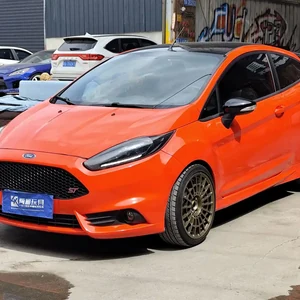
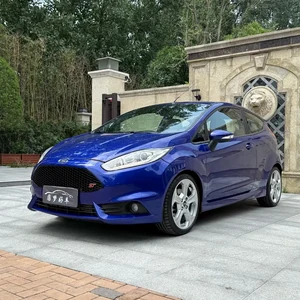
Live Ford Fiesta export inventory
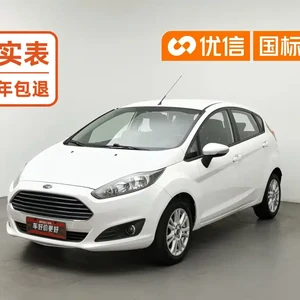
View all listings →Real units currently on ChinaCarDirect with per-unit asking prices and MOQ. Availability updates live from the catalogue.
How to buy a Ford Fiesta from China
-
1
Define the destination and compliance scope
Specify the country, steering side, body style, engine, transmission and intended use before shortlisting. Ask a local broker to check import-age, emissions, type-approval and registration constraints for the exact vehicle.
-
2
Shortlist like-for-like Ford Fiesta units
Compare year, trim, engine, gearbox, body, condition and mileage across live listings. Reject records that do not disclose material details or provide enough photographs for an initial assessment.
-
3
Request an itemised export quotation
Ask for the per-unit price, Incoterm, export preparation, inland transport, freight, documentation, MOQ and payment schedule. Identify separately which customs duties, taxes, port charges and local fees remain payable in the destination country.
-
4
Verify identity, documents and condition
Check the VIN or chassis number, ownership status, import papers, keys, service records and mileage evidence. Commission an independent pre-shipment inspection for a used or higher-value unit.
-
5
Lock the specification, MOQ and payment
Have the pro forma invoice and specification sheet state the exact vehicle, condition, accessories, steering position, Incoterm, MOQ, inspection requirements, title transfer and remedies. Release funds only against agreed payment milestones.
-
6
Approve inspection and shipment
Review the inspection result, correct any material discrepancy and confirm the release condition before paying the balance. Verify the shipping method, loading and securing plan, insurance coverage and export-document set.
-
7
Complete customs, delivery and registration
Use the appointed broker to confirm classification, duties, taxes, port handling, inland delivery and roadworthiness arrangements. Ensure the destination authority accepts the vehicle for registration before it moves from the port.
Fiesta vs rivals
| Volkswagen Golf | The Golf is the more premium and typically larger alternative for buyers prioritising refinement, residual-value perception and broad service support. The Fiesta suits importers seeking a more economical compact petrol package, although condition and local parts access remain critical. |
|---|---|
| Hyundai i20 | The i20 is a close modern B-segment alternative, especially attractive where local dealer support and newer safety or equipment expectations matter. The Fiesta becomes more relevant when an export channel offers a suitable unit and buyers are comfortable with its petrol configuration. |
| Toyota Yaris | The Yaris is a strong urban rival where efficient petrol operation, compact size and hybrid options in the local range matter. The Fiesta lacks the Yaris’s hybrid proposition but may suit buyers prioritising a simpler petrol vehicle and a fully documented import unit. |
Frequently asked questions
How is the export price for a Ford Fiesta determined?
The live figure is a seller’s ask for one unit, shaped by year, trim, body style, engine, transmission, condition, mileage, provenance and commercial terms. Exchange rates, freight, insurance, port handling, inland transport and the chosen Incoterm can also change the total. Check the individual ChinaCarDirect listing for the current price and request an itemised quote separating vehicle cost from destination charges.
What engine and range options are available?
The represented range uses petrol engines: 1.5-litre normally aspirated, 1.0-litre GTDi turbo and 1.6T ST, with manual or automatic transmissions depending on configuration. These are combustion vehicles, so battery capacity and electric range are not relevant comparisons; compare verified fuel consumption and practical driving range instead. Check the exact listing because trim, gearbox and market specification can differ.
Should I buy a new-unused or used Ford Fiesta?
New-unused status can reduce uncertainty about wear and repair, while used cars may offer broader specification and age choices but carry more condition risk. Neither model year nor a low-mileage claim proves roadworthiness, so inspect and verify documents in either case. The right choice depends on budget, fleet use and tolerance for maintenance downtime.
What is the MOQ for a Ford Fiesta export order?
There is no single catalogue-wide MOQ; the requirement depends on the selected unit and seller’s order terms. The live unit record and written quotation should state whether one vehicle is accepted and whether batch orders have a different threshold. Consolidation can improve freight coordination, but it also increases capital and specification risk.
How long does shipping take and what affects cost?
Transit time depends on the Chinese port pair, sailing schedule, congestion, customs clearance, inland connections and the agreed Incoterm; no fixed delivery window should be assumed. Cost is affected by vehicle preparation, loading method, freight market, insurance, port charges, documentation and inland delivery. The quotation should separate seller-covered charges from destination-country expenses.
Can I obtain spare parts for an imported Fiesta?
Parts support depends on the exact engine, gearbox, model year and the destination country’s dealer network. Before purchase, request VIN-based parts confirmation, a list of consumable items and evidence of local or export supply for items such as brakes, filters, tyres and sensors. Common mechanical components generally present less sourcing risk than electronic or trim-specific parts.
Can I buy a right-hand-drive Fiesta from China?
Right-hand-drive availability can change by source vehicle, so it must be confirmed on the individual listing rather than assumed from the model name. Specify the required steering position, then verify it from photographs, VIN data and the physical car before shipment. Local type-approval, lighting and equipment rules still apply when a genuine right-hand-drive example is found.
How do I order a Ford Fiesta from China?
To buy a Ford Fiesta from China, start with the live inventory, select a unit matching the written specification and request a pro forma invoice stating the vehicle, MOQ, Incoterm, payment milestones, inspection and remedy terms. Approve only after identity, condition, ownership documents and destination compliance are checked, and use protected payment with the correct contracting seller. ChinaCarDirect can receive the RFQ details needed to prepare a current quotation.
Ready to source the Ford Fiesta?
Send your destination, body style, engine, transmission, quantity and inspection requirements for a current unit-level Ford Fiesta quotation.
Request a quote