
Ford Focus for Export: A Buyer’s Guide for Dealers and Fleets
Source a Ford Focus from China with guidance on trims, engines, pricing factors, MOQ, shipping, LHD/RHD, homologation and live inventory for overseas buyers.
At a glance
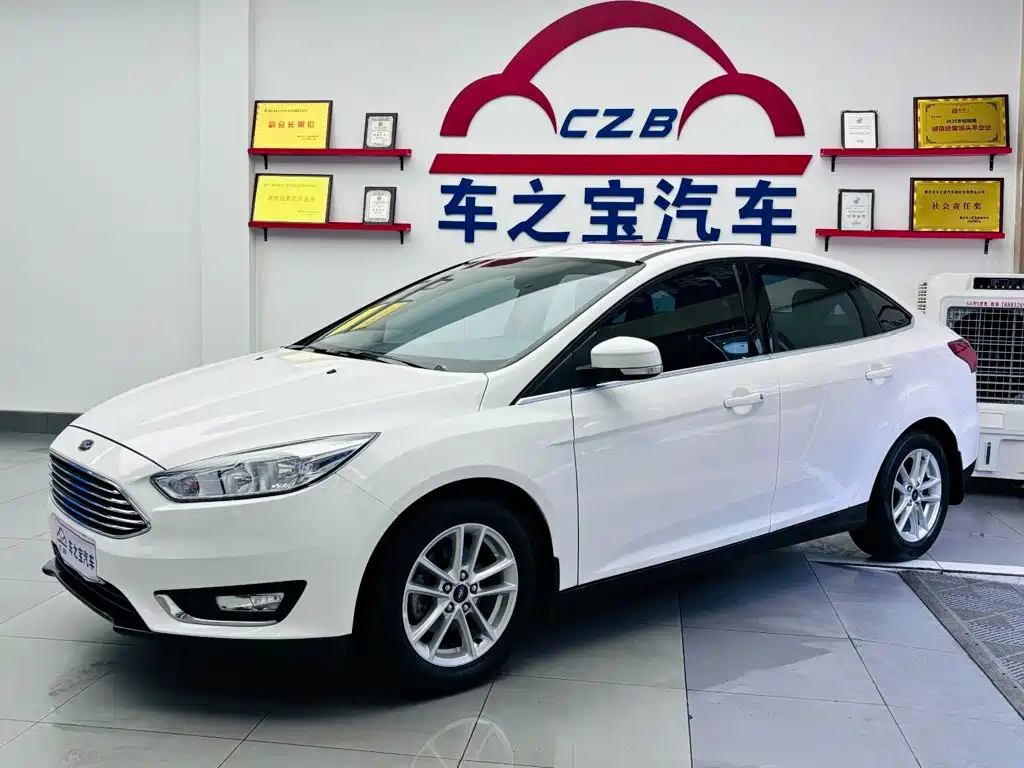
- The Ford Focus is available in hatchback and sedan body styles for compact-car buyers.
- Ford Focus specs include 1.6L, 1.8L and EcoBoost 125/180 variants, with manual or automatic choices.
- Chinese trim labels such as Trend, Comfort and Smart Edition require option-level verification.
- The strongest export fit is for distributors and fleets valuing compact packaging and driver-focused petrol vehicles.
- LHD/RHD configuration, homologation, parts support and landed cost must be checked before ordering.
- Current per-unit pricing, condition, MOQ and availability appear in the live inventory.
Why the Ford Focus matters for export markets
The Ford Focus occupies a useful middle ground in the compact-car segment: it is small enough for efficient fleet deployment, yet carries the driver-focused character that made the name familiar to overseas buyers. Chinese-market Focus examples are especially relevant to distributors seeking a practical hatchback or sedan with established trim naming and readily described petrol powertrains. The model’s value proposition is not simply low acquisition cost; it is the combination of packaging, manageable dimensions, automatic availability and a choice of equipment-focused editions. That balance makes it worth comparing against other compact sedans and hatchbacks on a landed-cost basis.
Demand for the Focus typically comes from buyers who want a recognizable C-segment name without moving into a larger family car. The hatchback suits dealer groups serving urban customers, while the sedan can appeal to corporate fleets, airport operators and ride-hailing buyers seeking a conventional three-box profile. In markets where compact vehicles face high fuel and road-cost pressure, a petrol Focus may be easier to justify than an electrified alternative, particularly when charging infrastructure or fleet electrification policy is still developing. Import compliance and residual-value assumptions still require local advice.
The export decision should not be based on the badge alone. A Chinese-built Focus can differ from versions sold in Europe, North America or other regions in suspension tuning, infotainment, emissions equipment, trim content and parts references. Overseas buyers should therefore treat the Focus as a model family, not a globally standardized specification. The strongest case is where the seller can document the exact vehicle, support the chosen body style, and align its mechanical configuration with the destination’s registration and fleet-use requirements before funds are committed to a shipment plan.
- Hatchback and sedan.
- Verify destination specification.
- Compare landed practicality.
Model range, trims and powertrain variants: how the lineup is structured and how to choose
The Focus range in the Chinese export catalogue is structured around two body styles: hatchback and sedan. The hatchback lineup includes 1.6L Comfort, Trend, Smart Edition, Classic, EcoBoost and ST Line-labelled versions. Sedan examples similarly appear with 1.6L and 1.8L engines in Comfort, Trend, Fashion, Classic and EcoBoost naming. These labels are useful for initial screening, but they describe Chinese-market equipment more than a universal global trim hierarchy. A buyer should compare the exact equipment list, gearbox and homologation documents rather than assuming that two similarly named trims are mechanically identical.
Petrol powertrain choices are another selection layer. The catalogue naming identifies 1.6L and 1.8L displacement variants, plus EcoBoost-badged examples carrying 125 or 180 designations. It also shows both manual and automatic transmissions, with automatics especially prominent across the visible trim names. For fleet ease, an automatic can reduce driver adaptation and stop-start friction; for buyers with trained manual drivers or specific cost priorities, a manual may merit consideration. Confirm the actual gearbox type on each unit because transmission calibration and market-specific compatibility may alter suitability for local use or registration.
Choosing among trims starts with the operating brief, not the badge. A delivery fleet should prioritise durable upholstery, straightforward controls, climate equipment and serviceability, while a retail buyer may prioritise infotainment, safety convenience and visual equipment. Names such as Smart Edition, Million Edition, Flagship, Comfort and Trend indicate catalogue positioning, but do not reveal every included item. Request a photographed option list, tyre specification, maintenance record and VIN-linked technical description before comparing one Focus with another. This avoids paying for prestige wording while missing a practical feature that the local operation actually needs.
- Choose body style.
- Confirm engine, gearbox.
- Compare market-specific labels.
New vs used Ford Focus: how export inventory is structured and how buyers choose
Marketplace export inventory is structured as individual records organized by condition and specification; do not infer condition from model year. A unit explicitly described as new should be evaluated for production date, delivery status, warranty commencement and whether it has completed a dealer handover or registration process. A used Focus may offer a lower entry point or a more familiar specification, but its value depends on mileage, service history, prior use and mechanical condition. Always verify the condition label in the live listing and obtain the supporting documents for the exact chassis before contracting or shipping.
New inventory is usually easier to reconcile because ownership, wear and service intervals can be treated as more straightforward, although the production and sales history still needs checking. A used Focus can be attractive to a buyer who knows the model, wants a particular older configuration or has a smaller initial capital commitment. The trade-off is that savings at acquisition may be offset by near-term maintenance, uncertain wear and less predictable warranty coverage. Buyers should calculate ownership cost over the intended service life, not purchase price alone for the fleet.
Inspection discipline changes when the Focus is used. For a used unit, request exterior and underbody photographs, tyre age and condition, fluid levels, cold-start behaviour, warning-light checks, service invoices and evidence of accident repair. For a new unit, confirm that protective films, delivery checks and warranty registration are complete, and that the vehicle has not been driven in a way inconsistent with its declared status. These checks also expose whether a seller has described the vehicle consistently. A discrepancy is a reason to pause payment and seek a vehicle-specific inspection or documentary proof.
- Check condition, mileage.
- Inspect used units.
- Compare lifecycle costs.
How export pricing works: the factors behind a live listing price, and how to read one
A live Ford Focus export price is a vehicle-specific quote, not a permanent model price. The starting reference normally reflects model year, body style, trim, engine and gearbox, together with mileage, condition and the seller’s commercial terms. Currency movements and destination costs can also alter the final payable amount. A rare-looking trim may command a different position from a common configuration, but the listing must be assessed on the exact vehicle rather than on the prestige of its name. The live inventory is the binding source for each unit’s current quote.
To read a listing correctly, separate the vehicle’s quoted amount from the estimated landed cost. The former may reflect the seller’s commercial scope; the latter adds international freight, marine insurance, documentation, handling, destination charges, taxes and duties according to the Incoterm and importing country. FOB, CIF and other terms shift different costs and risks between seller and buyer, so the headings are not interchangeable. Ask which costs are included, which remain estimates, and what event marks the transfer of responsibility. This prevents a low vehicle figure from becoming an unexpectedly expensive delivered vehicle.
Buyers should compare like-for-like configurations and request a written quote tied to a specific SKU or vehicle. Ask the seller to restate the model year, body style, engine label, transmission, condition, mileage, steering side, warranty, MOQ and Incoterm. Then ask for the payment schedule, validity period and a freight estimate to the named port or inland destination. If the quote changes after selection, return to the ChinaCarDirect live Focus listings rather than relying on an earlier message, because current availability and commercial terms can move independently. Treat the final invoice as the controlling record.
- Compare matching configurations.
- Separate landed charges.
- Confirm Incoterm validity.
MOQ, ordering and payment: single units vs consolidating a container
MOQ is a seller-level commercial term, not an inherent property of the Focus. Each live listing should state the minimum order quantity, and buyers must check that field rather than infer it from the model or marketplace category. Some vehicle offers are available as single-unit purchases; others may be tied to a batch, colour allocation or repeat-order arrangement. Whether a vehicle is sold alone or within a group affects negotiation, allocation priority, documentation and the practical economics of freight. If the listing permits a single unit, confirm that it applies to the selected configuration.
For a test-market buyer or small dealer, a single-unit order can reduce exposure to an unfamiliar model and make it easier to validate demand, resale channels and workshop support. Freight economics may nevertheless favor consolidation. A Ford Focus wholesale programme can combine compatible Focus units with other China-sourced vehicles to reduce transport cost per unit, but it complicates allocation, inspection, customs records and parts planning. If a container is the objective, agree the trim mix, target quantities, loading plan and shipping terms before paying balances, rather than discovering mismatched stock after production or purchase orders are placed.
Payment sequencing should mirror the risk. Confirm the identity and authority of the seller, the exact vehicle reference, MOQ, deposit, balance trigger, cancellation terms and refund conditions in writing. A buyer should also define the inspection period, document checklist, title or ownership status, export packing and release process. Keep every payment tied to an invoice or contract and retain correspondence. For a consolidated shipment, use a master packing list that maps each VIN to its trim, option, condition and destination allocation, so customs, PDI and receiving teams receive an accurate vehicle record.
- Check listing MOQ.
- Single-unit demand testing.
- Milestone-linked payments.
Shipping, homologation and market compliance caveats: LHD/RHD and import rules by country
Steering configuration is a critical compatibility item. A Focus intended for left-hand-drive markets should not be assumed to suit a right-hand-drive destination, or vice versa, because the Chinese catalogue does not make the destination market obvious from every trim title. Confirm whether the steering wheel is on the left or right and whether the associated dashboard, controls, lighting and regional equipment match that market. Some importers can arrange conversion, but parts, labour, certification and residual-value consequences make factory configuration preferable where possible. Ask for dated photographs of the cockpit and VIN-linked configuration.
Homologation is separate from whether the vehicle is mechanically sound. The importer must confirm that the exact Focus variant can be registered in the destination, including applicable type approval, emissions standards, safety requirements, road-tax rules and any local age or inspection restrictions. A vehicle prepared for China’s roads may not automatically satisfy another jurisdiction’s homologation requirements, especially for commercial use. Obtain the VIN, engine and emissions documents early and use a customs broker or local compliance specialist to identify modifications before shipment. Imported examples may also carry restrictions that affect commercial deployment.
Shipping method should follow the vehicle’s condition and delivery plan. New, protected examples are commonly moved by roll-on/roll-off or containerised vehicle carriers, while used vehicles may travel in the same commercial channels if they meet carrier and port requirements. Transit duration depends on origin port, vessel space, sailing schedule, destination handling and customs clearance; cost varies with the carrier, route, insurance, documentation and terminal charges. Do not release a shipment until inspection evidence, secure packing, VIN lists and insurance responsibilities are agreed. Allow contingency time for inspections or missing-document corrections.
- Confirm steering side.
- Check destination compliance.
- Price logistics separately.
Who should buy the Focus — and who should pick a different vehicle
The Focus is a strong fit for overseas buyers who value a compact, petrol-powered vehicle with a choice of hatchback and sedan formats, a driver-oriented image and established familiarity in several markets. It suits distributors building a focused compact-car offering, small rental operators and company fleets that need a manageable vehicle for sales teams or regional staff. A buyer with a stable supply relationship and the ability to manage parts should find the model’s variety more useful than a single-specification alternative. This makes it particularly relevant where fleet electrification remains uneven across regions.
Buyers should choose a different vehicle when their priorities fall outside that profile. A fleet with reliable charging and firm emissions targets may prefer a battery-electric or hybrid model, whereas buyers needing more cargo volume or a higher seating position may find a compact SUV more suitable. Premium-badge shoppers focused on prestige, advanced driver assistance or a more uniform international parts catalogue should compare established global alternatives. For demanding duty cycles, verify towing, payload and duty-cycle ratings rather than assuming a passenger-car listing meets the task under local load conditions.
The decision should be framed around a specific operating case. Map the Focus against vehicle classes, fuel availability, maintenance capability, registration rules and expected holding period in the destination. Compare acquisition, freight, homologation, insurance, fuel, scheduled service, tyres and downtime, then consider likely resale demand. A mixed buyer may start with the hatchback for fleet validation and the sedan for commercial users, but only after confirming that both configurations can be supported locally. The right Focus is the variant whose running requirements match the importer’s reality rather than a preferred badge.
- Strong for compact fleets.
- Reconsider EV, payload needs.
- Include service, resale.
Main rivals and how the Focus compares
The Volkswagen Golf is the closest conceptual rival for hatchback buyers because it occupies a similar compact segment and competes on refinement, practicality and driver involvement. The Ford’s attraction for a China-sourced buyer is its wider Chinese-market trim variety and the availability of both hatchback and sedan configurations, whereas the Golf’s strength in many established markets is a highly familiar global identity and service network. Choose the Golf when brand consistency and established local residual support matter more than the specific Focus variant or equipment package available from a Chinese seller.
The Toyota Corolla is a stronger benchmark for sedan and fleet buyers, especially where a broad global service footprint, diesel or hybrid options in the destination market, and established parts identification simplify operations. The Focus offers a more driver-focused European-style nameplate in some markets and a distinct hatchback option that the Corolla comparison does not naturally cover. A Corolla can be the safer organisational fit for a fleet prioritising global commonality, but the buyer should compare the exact local specification, warranty, fuel use and total support cost rather than relying on reputation alone.
The Hyundai Elantra is a credible value-oriented compact sedan rival, particularly for buyers who want a straightforward four-door car and can source the rival through a local or regional channel. The Focus has the advantage when a dealer specifically wants the hatchback format, a manual option in certain configurations or a particular turbo-badged character, subject to availability in the live inventory. The Elantra may be easier for a distributor to support if its parts and service network is stronger locally. The final comparison should be made between matching bodies, engines, warranties and delivered operating costs.
- Golf: hatchback rival.
- Corolla: fleet sedan.
- Elantra: value sedan.
Live Ford Focus export inventory
View all listings →Real units currently on ChinaCarDirect with per-unit asking prices and MOQ. Availability updates live from the catalogue.
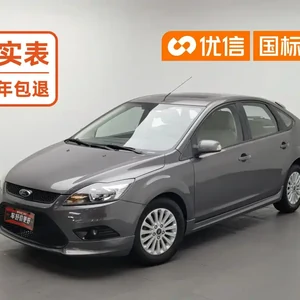
Ford Focus 2018 Hatchback Classic 1.6L Automatic Trend Smart Edition
How to buy a Ford Focus from China
-
1
Define the target vehicle
Choose the required body style, engine, gearbox, condition and destination market before comparing individual listings.
-
2
Review live Focus inventory
Check the current per-unit condition, specification, MOQ and price on the ChinaCarDirect live Focus listings.
-
3
Verify technical and market details
Request the VIN-linked engine, gearbox, steering-side, emissions and equipment documents before committing funds.
-
4
Request a written quotation
Ask for the vehicle price, payment milestones, warranty, Incoterm, freight estimate and document list tied to the selected unit.
-
5
Confirm destination compliance
Use a local broker or compliance specialist to check type approval, taxes, age restrictions, fleet rules and any required modifications.
-
6
Complete inspection and payment checks
Review vehicle-specific photographs, inspection findings, ownership documents and refund terms before releasing the balance.
-
7
Plan loading and shipment
Agree secure packing, VIN lists, insurance, port handling, customs clearance and delivery responsibilities before shipment release.
Focus vs rivals
| Volkswagen Golf | The Golf is the closest hatchback alternative for buyers prioritizing a familiar global identity and established local support. The Focus offers greater Chinese-market trim variety and a sedan option for buyers sourcing directly from China. |
|---|---|
| Toyota Corolla | The Corolla is a strong fleet and sedan benchmark where global parts identification and multiple powertrain choices in the destination market simplify operations. The Focus provides a more driver-focused character and a distinct hatchback format. |
| Hyundai Elantra | The Elantra is a credible value-focused compact sedan rival, particularly for distributors with a strong local Hyundai support network. The Focus is preferable when the hatchback format, manual availability or a specific Chinese-market configuration is central to the brief. |
Frequently asked questions
How is the Ford Focus export price determined?
Each vehicle has its own export quote, influenced by model year, body style, trim, engine and transmission, mileage, condition, currency movements, freight and the chosen Incoterm. The vehicle amount should be separated from insurance, port, customs, tax and inland charges to build a landed estimate. ChinaCarDirect’s live Focus listings show the current per-unit price, condition and commercial terms that should be used for a binding decision.
Which Ford Focus engines and transmissions are available?
The catalogue naming covers 1.6L and 1.8L petrol versions, including EcoBoost-badged 125 and 180 variants, with manual and automatic transmissions depending on trim. These identifiers are not a substitute for the VIN-linked engine, output, emissions and gearbox documentation. Buyers should confirm the actual configuration and destination compliance before ordering.
Should I buy a new or used Ford Focus?
New examples generally offer the clearest ownership history and warranty path, but production date, delivery status and registration must still be verified. A used Focus can suit a buyer seeking a specific older configuration or lower initial commitment, but mileage, service history, accident repair and wear can change the economics. Read the condition field and supporting documents for the exact live listing rather than assuming condition from age.
How does Ford Focus MOQ work?
MOQ is a seller- and listing-level term, not a fixed characteristic of the Focus. A selected listing may permit a single unit, while another may require a batch or repeat order, and this must be confirmed for the exact trim and condition. The current minimum, price and availability should be taken from that unit’s live listing and written quotation.
What factors affect shipping time and cost?
Shipping time and cost depend on origin port, sailing schedule, carrier space, destination port, insurance, documentation, terminal handling, customs clearance and inland delivery. The Incoterm determines which party bears freight and risk, but it does not eliminate local charges or delay. Request a route-specific estimate and build contingency time into the launch plan.
Are Ford Focus spare parts available overseas?
Parts support can vary because Chinese Focus trim names and equipment may not map directly to global Ford catalogues. Confirm the VIN, engine, platform and component references, and check local dealer or importer support before committing to a fleet. For long-term use, agree initial service-kit quantities and reorder routes in the supply agreement.
Can I buy a right-hand-drive Ford Focus?
Right-hand-drive availability cannot be assumed from a Focus trim name or a general marketplace search. Confirm the steering side and destination-market specification from VIN-linked photographs and documents; factory configuration is preferable. If conversion is proposed, verify parts, labour, certification, registration and residual-value implications in the destination market.
Where can I buy a Ford Focus from China and how do I order?
Start with the ChinaCarDirect live Focus listings, compare matching body styles, engines, transmissions and conditions, and select the exact listing. Request a written quote covering MOQ, payment milestones, Incoterm, estimated freight and document list, then complete inspection, homologation and payment checks before shipment release. Use the RFQ channel for a vehicle-specific export quotation.
Ready to source the Ford Focus?
Request a vehicle-specific Ford Focus RFQ with the live price, MOQ, Incoterm and freight estimate for your destination.
Request a quote