
Ford Kuga Export Buying Guide for Overseas Dealers
Buy a Ford Kuga from China with clear guidance on trims, engine options, export pricing, MOQ, shipping, compliance and rival alternatives for dealers.
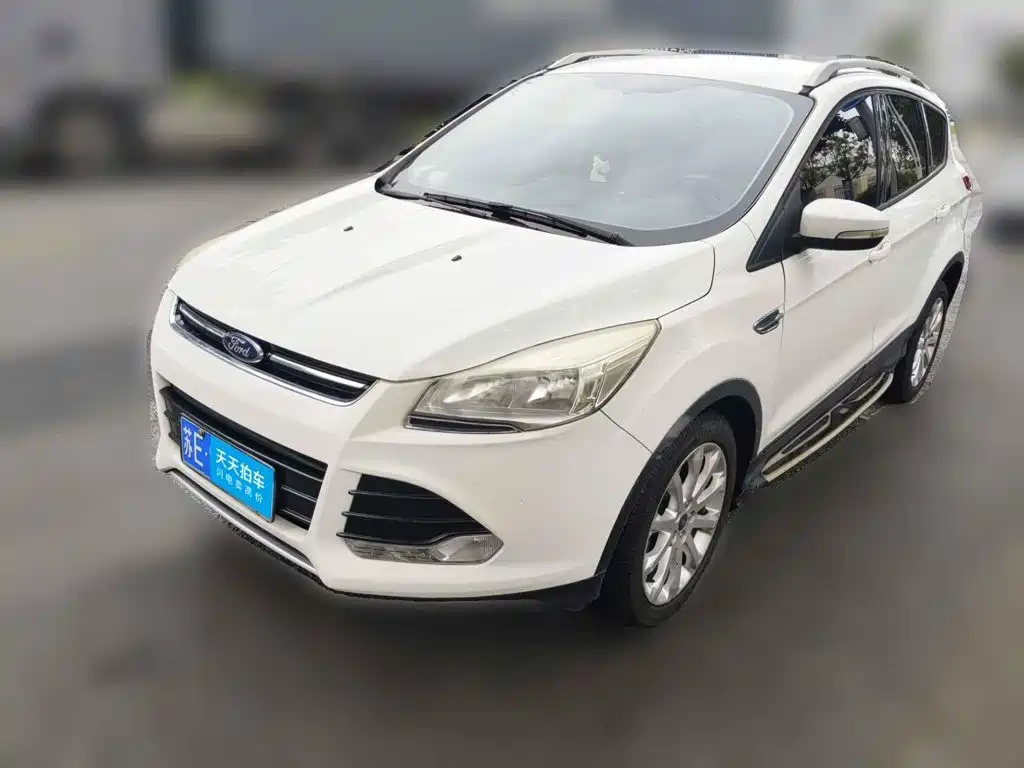
At a glance
- The Ford Kuga for export combines compact-SUV packaging with several petrol engine and drivetrain choices.
- Front-wheel-drive/two-wheel-drive and all-wheel-drive/four-wheel-drive options are represented.
- A used Ford Kuga can suit lower lifecycle budgets, but condition and history need close review.
- Export pricing should be read as vehicle price plus separate freight, duty and compliance decisions.
- Steering side, homologation, documents and parts support must be checked for each destination.
Why the Ford Kuga matters for export markets
The Ford Kuga sits in the compact SUV segment, combining the raised seating position and usable cargo space of an SUV with the road manners and operating simplicity of a passenger car. That balance makes it relevant to overseas dealers serving families, company fleets and mixed-use customers who want a manageable footprint rather than a large off-road vehicle. The model is especially useful where fuel stations, servicing networks and petrol vehicles are more practical than electrified alternatives. Its conventional format also allows comparison with established compact SUVs already serving local duty cycles.
Demand for the Kuga in export markets is best understood as demand for a versatile global model rather than for one particular market specification. Chinese-origin examples can carry 1.5-, 1.6- or 2.0-litre GTDi engines, EcoBoost-branded variants, two-wheel-drive front-wheel-drive layouts, and all-wheel-drive derivatives. That variety gives importers a way to match price bands, terrain and fleet requirements, but it also means trim names cannot be read as a universal equipment list. Model-year and market differences can change standard equipment, infotainment, safety features and emissions treatment. Confirm each example against its specification label.
For overseas buyers, the Kuga's main appeal is the breadth of choice within a familiar SUV format. Petrol power supports long-distance flexibility, while available all-wheel-drive versions suit buyers who need extra traction without moving to a much larger and generally less economical vehicle. Dealers can also compare newer and used examples to serve customers at different lifecycle budgets. The critical discipline is to separate attractive model-level positioning from unit-level facts: engine, transmission, steering position, condition, documentation and destination-market suitability must be verified before a vehicle is presented as importable to a customer.
- Confirm engine, drive layout and steering side.
- Compare condition and documents unit by unit.
- Check destination-market approval before payment.
Model range, trims and powertrain variants: how the lineup is structured and how to choose
The Kuga lineup is easiest to navigate by separating engine family from trim grade. The 1.5L GTDi appears in two-wheel-drive Trend and Comfort cars, while the 1.6L GTDi is offered with front-wheel drive and 4x4 Elite versions. The 2.0L GTDi branch includes all-wheel-drive or four-wheel-drive trims such as Sport, Premium and Elite. These designations identify engineering branches, but do not disclose transmission type, suspension tuning or equipment without checking the vehicle. A matching trim name across model years is a starting point for comparison, never proof of an identical specification.
A second naming layer uses EcoBoost with numerical labels. Available listings include EcoBoost 180 front-wheel-drive and all-wheel-drive grades, as well as EcoBoost 245 all-wheel-drive and 4x4 versions carrying Luxury, Prestige, Platinum and related designations. China VI appears in the names of some versions, which is a useful emissions clue but not a complete import approval for another country. When comparing an EcoBoost 180 car with an EcoBoost 245 car, ask for the official output, torque and gearbox data rather than relying on the badge alone. The same caution applies to 2WD, FWD, AWD and 4WD labels.
For a practical choice, begin with load and road conditions, then narrow the engine and drivetrain before equipment. Two-wheel-drive versions are generally the simpler configuration for paved routes and fleets that prioritise acquisition cost and predictable servicing. All-wheel-drive derivatives can be more appropriate for wet regions, poor surfaces or customers who regularly carry equipment. Within each branch, compare the live specification sheet for dimensions, tyre size, infotainment, driver aids, upholstery and safety equipment. For a mixed fleet, a standard buying template prevents attractive higher-grade vehicles from silently raising cost without adding required capability.
- Filter first by engine and drivetrain.
- Treat power labels as identifiers, not full specifications.
- Verify China VI status for the exact vehicle.
- Request output, gearbox and equipment in writing.
New vs used Ford Kuga: how export inventory is structured and how buyers choose
Export inventory for the Kuga can include both new vehicles and used examples, and the two categories should be evaluated through different checklists. A new listing may represent a newer production vehicle, a remaining dealer stock car or a parallel-import route; the wording alone does not reveal the full history. A used vehicle may have been previously exported, privately owned or fleet-maintained. The relevant question is therefore not simply whether a listing is labelled new or used, but whether its age, condition, prior registration and documents support the importer's intended use and legal resale plan.
For a used Ford Kuga, the value of a lower acquisition price can be offset by wear, deferred maintenance or harder-to-repair damage. Ask for exterior and interior photographs, cold-start behaviour, tyre age, service records, accident history, diagnostic results and the readings from every warning lamp. Check that the seller can identify the vehicle consistently across the VIN, registration papers, import history and listing. A clean inspection should also establish whether the car starts, shifts, steers, brakes and runs as intended; a concise video walk-around can expose issues that polished listing images do not.
For a new Ford Kuga, focus on specification control rather than cosmetic presentation. Confirm production date, factory configuration, warranty coverage, delivery history and whether the vehicle will be supplied under a dealer, fleet or parallel-import arrangement. Newer hardware may provide a more current safety and infotainment package, yet imported examples can still differ from the version sold under the same model name in the buyer's home country. The strongest purchase process uses a written specification sheet, pre-delivery inspection and delivery checklist recording mileage, paint, panels, tyres, fluids, warning lamps and included accessories.
How export pricing works: the factors behind a live listing price, and how to read one
A Ford Kuga export price is not a fixed model-level figure. It is generated for each vehicle from variables including model year, trim grade, engine branch, all-wheel-drive hardware, mileage, condition, ownership history, visible equipment and market demand. Seller margin and the currency in which the vehicle is offered also matter. A newer or highly equipped car will naturally sit above an older example in weaker condition, while identical model names can still produce different quotes. Export buyers should compare like with like and avoid treating a headline Kuga price as a universal valuation.
The displayed vehicle price is only one layer of the commercial calculation. A buyer also needs to budget freight, marine insurance, port charges, inland transport, customs duties, taxes, registration and any compliance work. The result changes with container or vehicle-carrier method, ports, routing, exchange rates and the chosen Incoterm. Some quotes exclude destination charges; others include transport to a named point but not customs clearance. Ask for a written price basis identifying what is included, what remains payable by the buyer and which party carries risk at each handover point.
To read a live ChinaCarDirect Kuga listing, start with the unit identifier, model year, trim, engine description, drivetrain and condition. Check whether the price is negotiable, whether the seller accepts your Incoterm, and whether the listing states the required purchase quantity. Use the RFQ to request the vehicle price, landed-cost estimate and payment schedule separately, so shipping assumptions are not mistaken for the seller's price. Current per-unit prices, availability and terms appear on the live inventory page and should be reconfirmed before a deposit; they are the binding reference for the vehicle.
- Separate vehicle price from landed cost.
- Match year, trim, engine and condition.
- Confirm Incoterms and risk-transfer points.
MOQ, ordering and payment: single units vs consolidating a container
Minimum order quantity is a commercial term to confirm for the specific seller and vehicle, not assume from a general catalogue. A single-unit purchase may suit a test vehicle or small importer establishing demand, while a seller may prefer a batch with a common colour or configuration. The live listing and direct RFQ should state whether the advertised unit can be purchased alone and whether a volume discount applies. For a Ford Kuga wholesale order, clarify whether the quantity must share one specification and shipment or may be consolidated across units and sellers.
Consolidating a container can reduce per-vehicle freight pressure and preserve a uniform fleet, but it turns many unit checks into one coordinated operation. Every vehicle must fit the loading plan and have its own VIN, condition record and document pack. Mixed model years, trims, colours or drive layouts may be feasible, yet they complicate allocation, parts planning and resale. Obtain an itemised packing list and loading plan before release, specify how vehicles are protected, and confirm whether the freight quote assumes one vehicle per slot, mechanical securing and a RoRo or container carrier.
The order should be controlled by a pro forma invoice or equivalent contract. Once specification and commercial terms are agreed, obtain the seller's authenticated bank details, define deposit and balance milestones, and state refund or cancellation conditions in writing. Payment methods, release documents and inspection rights should be understood before funds move. Record the agreed VIN or SKU, serial numbers, colour, options and shipping scope on the invoice. Do not release funds merely because photographs look good; title, identity and conformity must connect with the unit actually being paid for.
- Confirm MOQ with each seller.
- Use one written specification per line.
- Define deposits, documents and cancellation terms.
Shipping, homologation and market compliance caveats: LHD/RHD and import rules by country
Export logistics begin after the sale and vehicle condition are frozen. Depending on route and cargo, the Kuga may travel by enclosed vehicle carrier, RoRo service or container, and a forwarder should confirm the practical method. Key documents include the commercial invoice, export declaration, bill of lading or carrier receipt, vehicle identification records and original registration or cancellation documents required by the destination. Marine or transit insurance should match the agreed Incoterm and cover the period after the vehicle leaves seller custody. Track the unit by VIN through loading, customs and delivery.
Steering configuration is a critical sourcing question because a left-hand-drive Kuga cannot be assumed to suit a right-hand-drive market. Chinese-market sourcing does not by itself prove factory right-hand-drive availability, so the seller must confirm the steering position from the VIN and photographs. Some destinations accept imports only in their expected steering form, while others impose conversion or inspection conditions. A conversion adds cost, changes safety and resale considerations and may affect type approval. Right-hand-drive buyers should therefore filter by factory-built configuration and reject any listing that cannot provide a consistent steering-side statement.
Import eligibility is determined by the destination authority, not by roadworthiness in China. Buyers may need a valid VIN, type approval, emissions compliance, customs valuation, ownership evidence, roadworthiness testing, insurance, registration and payment of duties or taxes. Used vehicles can face age limits, inspection requirements or restrictions on right-hand-drive imports. China VI wording does not establish emissions acceptance, and imported software, lighting or emissions systems may require modification. Treat homologation as a pre-purchase task involving a customs broker and local specialist, and withhold final payment until written eligibility is credible for the VIN.
- Verify steering side against the VIN.
- Check local rules before final payment.
- Use a broker for homologation planning.
Who should buy the Kuga — and who should pick a different vehicle
The Kuga suits overseas dealers and fleet buyers who need a compact SUV with petrol operation, flexible engine choices and front-wheel-drive or all-wheel-drive configurations. It can serve a family rental programme, a company vehicle pool or a dealer seeking several trims without changing body style. Buyers who value a familiar Ford product, straightforward refuelling and a manageable shipping footprint will find the proposition coherent. The best use case is one where size, specification and compliance route match the customers and operating environment, rather than one based only on the badge or asking price.
For fleet economics, evaluate operating requirements rather than a single purchase figure. Compare Kuga trims against payload, towing where needed, fuel availability, expected uptime, parts support and driver comfort or safety needs. A two-wheel-drive unit may suit paved duties and simplify the specification, while an all-wheel-drive version may justify added hardware where traction matters. Mixed fleets should use common drivetrain and engine choices where possible, reducing diagnostic equipment, training and spare-parts complexity. Ask the supplier for a parts list and identify obsolete or market-specific components before committing to a large batch.
Choose a different vehicle when the requirement falls outside the Kuga's practical envelope. Buyers committed to battery-only operation should select an EV SUV rather than interpret EcoBoost as electrification; fleets needing more than five seats should consider a larger people carrier or three-row SUV, while heavy-duty users may need a pickup or van. A buyer wanting a factory right-hand-drive Kuga where Chinese units are left-hand-drive may prefer a locally homologated rival. Buyers focused on hybrid efficiency should compare dedicated alternatives with verified local specifications. Follow the operating need first, then the model.
Main rivals and how the Kuga compares
The closest global alternatives to the Kuga are the Hyundai Tucson, Toyota RAV4 and Honda CR-V, although the best local comparison can change with powertrain, size and import rules. All occupy the mainstream compact-SUV class and compete for family, rental and company-fleet buyers. The Kuga differentiates through the breadth of Chinese-market GTDi and EcoBoost variants and the mix of two-wheel-drive and all-wheel-drive grades visible in export supply. That breadth is useful when sourcing, but it must be narrowed against each rival's locally approved engine, safety and after-sales proposition before making a commercial decision.
Against the Hyundai Tucson, the Kuga offers a different mix of turbocharged engine choices and front- or all-wheel-drive configurations for buyers sourcing from China. Tucson may be attractive where a buyer already has a strong Hyundai service relationship or can secure a preferred local specification, but that advantage should be demonstrated rather than assumed. Against the Toyota RAV4, the Kuga may deliver broader visible trim and drivetrain choice in Chinese export inventory, while RAV4 buyers often prioritise a well-established local service and hybrid option. These are use-case comparisons, not universal claims of superiority.
The Honda CR-V is another direct competitor, particularly for fleet buyers who prioritise a conventional compact SUV, driver familiarity and local aftersales access. The Kuga can be the better sourcing choice when Chinese inventory offers the needed configuration with suitable documents, but may be weaker if parts support or roadworthy approval is unclear. Compare like-for-like quotations covering model year, condition, drivetrain, warranty, shipping scope, compliance status and parts support. The strongest vehicle meets the duty cycle and can be supported in the destination market, not automatically the newest or lowest-priced model.
- Tucson: compare sourcing choice with local support.
- RAV4: weigh visible options against fleet familiarity.
- CR-V: prioritise fleet suitability and parts confidence.
Live Ford Kuga export inventory
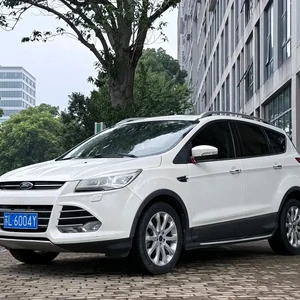
View all listings →Real units currently on ChinaCarDirect with per-unit asking prices and MOQ. Availability updates live from the catalogue.

How to buy a Ford Kuga from China
-
1
Define the operating requirement
Record the intended passengers, load, road conditions, fuel needs, drivetrain, steering configuration and destination market before choosing a trim.
-
2
Search the live Kuga inventory
Compare model year, engine, drivetrain, condition and equipment. Confirm the current per-unit price, availability and purchase quantity on each live listing.
-
3
Request unit-level evidence
Ask for the VIN, factory specification, steering position, service or ownership history, condition photographs and all available original documents.
-
4
Build a written commercial quote
Request the vehicle price, freight, insurance, port charges, Incoterm, payment milestones and any compliance costs as separate clearly identified items.
-
5
Inspect before release
Verify panel condition, paint, tyres, mileage, fluids, warning lamps and mechanical operation. Use an independent inspection where the value justifies it.
-
6
Place the order under written terms
Ensure the pro forma invoice identifies the exact vehicle or SKU, deposit and balance conditions, inspection rights, release documents and cancellation terms.
-
7
Coordinate export and homologation
Confirm the loading plan, insurance, shipping documents and customs route with a forwarder, while using a local specialist to check destination-market approval.
Kuga vs rivals
| Hyundai Tucson | A direct compact-SUV rival with different local powertrain and equipment packages. Choose Tucson where established Hyundai aftersales support outweighs the Kuga's broader visible GTDi/EcoBoost and drive-layout choice in Chinese sourcing. |
|---|---|
| Toyota RAV4 | A close global competitor for families and fleets, with locally approved engine and hybrid options. The Kuga may appeal to buyers seeking broader visible trim and drivetrain choice, while RAV4 may suit buyers prioritising familiar Toyota support. |
| Honda CR-V | A direct fleet and family rival valued for conventional packaging and established local ownership experience. The Kuga can be the stronger sourcing fit when the required Chinese configuration and documents are available, but CR-V may be safer operationally where local parts and homologation are clear. |
Frequently asked questions
How is Ford Kuga export pricing determined?
Each live quote is built around unit-specific factors such as model year, trim, engine, drivetrain, mileage, condition, history and equipment; freight, exchange rates, Incoterms, duties and taxes then affect the landed cost. Sellers set the vehicle price, so a model-level number is not a universal valuation. Check the current per-unit amount on the live Kuga inventory and request an itemised RFQ that separates vehicle price from shipping and destination charges.
What are the key Ford Kuga specs for export buyers?
The Kuga sourcing range comprises petrol internal-combustion versions: 1.5L, 1.6L and 2.0L GTDi engines plus EcoBoost 180 and 245-labelled variants. No battery-electric configuration appears in this lineup, so do not request battery capacity or electric range for these vehicles. Ask the seller for official output, torque, transmission, fuel and drivetrain details for the exact unit.
Should an overseas buyer choose a new or used Ford Kuga?
New vehicles suit buyers who want a defined delivery process and controlled specification; used vehicles can offer more acquisition choice but require inspection for wear, accident history, service gaps and document continuity. The label does not reveal the full background, so request production or registration dates and a vehicle-specific history. Inspect each unit against the same checklist and choose according to condition, warranty route and lifetime cost.
What is the MOQ for a Ford Kuga wholesale order?
MOQ is set or negotiated for the specific seller and listing rather than being a universal Kuga rule. A single-unit purchase may be possible for a test order, while wholesale or container requirements can vary; the live listing and written RFQ should confirm the quantity. If multiple vehicles are needed, specify whether they must share one trim, condition grade and shipment or may be consolidated.
What determines Ford Kuga shipping time and cost?
Transit time and freight cost depend on origin and destination ports, carrier method, route, cargo, exchange rates, insurance, port charges and the Incoterm. A forwarder should quote the actual unit and loading plan, including any destination services excluded from the rate. Do not rely on a generic shipping estimate for a vehicle's condition or compliance work.
How should buyers assess Ford Kuga spare-parts support?
Parts support must be checked for the exact engine, trim and model year because replacement components may not be interchangeable across families. Ask for a parts list, warranty contact and any supplied service materials, then compare local Ford support with the cost of importing specialist items. Secure written confirmation of parts availability before committing to a large fleet order.
Is a right-hand-drive Ford Kuga available for export?
Right-hand-drive availability is unit-specific and cannot be inferred from the model name or country of origin. Ask the seller to confirm factory steering configuration from the VIN and photographs, and state the destination's acceptance rules. If no factory right-hand-drive example is available, compare locally homologated rivals or budget for conversion before making a compliance decision.
How do I order a Ford Kuga from China?
Begin with the live Kuga inventory, select a vehicle by VIN or SKU, and send the required specification and destination in an RFQ. Compare the written quote, inspection rights, payment milestones, document pack and Incoterm before the pro forma invoice is accepted. After payment and pre-shipment verification, coordinate loading, insurance, customs, clearance and local registration.
Ready to source the Ford Kuga?
Send your Ford Kuga requirements and destination to ChinaCarDirect for a unit-specific export quote and RFQ.
Request a quote