
Ford Mustang for Export: Overseas Dealer Buying Guide
Compare Ford Mustang trims, powertrains, export pricing factors, MOQ, shipping and compliance, then check live listings for current unit quotations.
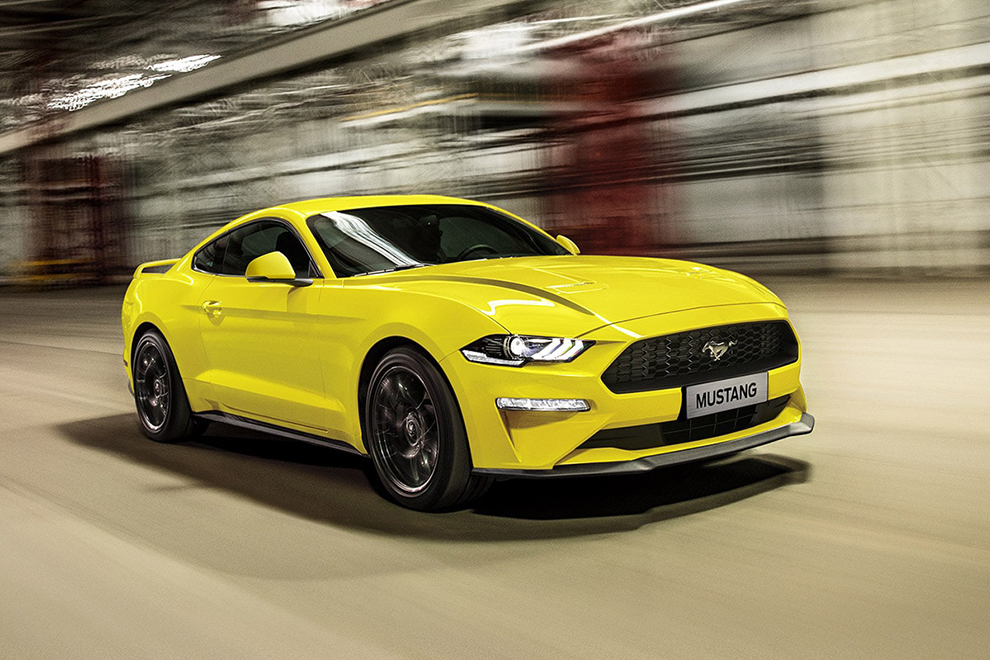
At a glance
- The Mustang is best treated as a halo sports car rather than a volume-fleet model.
- Choose between the 2.3-liter turbo EcoBoost and 5.0-liter V8 applications, then verify the exact trim.
- Battery-electric entries with standard- and long-range labels require VIN-level range, motor and charging confirmation.
- New cars simplify provenance; used cars can suit specific preferences but need stronger condition evidence.
- Export cost depends on configuration, condition, freight, Incoterm, duties, taxes and compliance work.
- Confirm per-unit MOQ, steering configuration and destination-country homologation before paying.
Why the Ford Mustang matters for export markets
The Ford Mustang matters in export markets because it combines a widely recognized performance nameplate with a distinctive pony-car identity. For an overseas dealer, it can serve as a halo product that attracts walk-in traffic, supports brand positioning and gives sales staff a recognizable model to demonstrate. Its value proposition is not simply speed: coupe and convertible body styles, rear-drive character and a choice of turbocharged four-cylinder or V8 power make it emotionally engaging while still fitting established sports-car sales channels. That makes the model commercially useful even when its unit volume is modest relative to mainstream sedans and SUVs.
The Mustang is most likely to sustain buyer interest where it has an established local following and a credible workshop or dealer network to support it. The model can attract enthusiasts seeking a factory-backed muscle car, buyers comparing modern engineering with traditional rear-drive proportions, and customers who value a dramatic coupe or convertible for private use. For rental, promotional or employee fleets, however, it is usually a specialist purchase rather than a cost-minimizing one. Dealers should therefore assess service capability and residual-value expectations alongside the badge's marketing pull before committing to meaningful import or consignment stock.
The practical export decision is therefore market-by-market. A distributor should ask whether the Mustang fits local emissions and safety rules, whether left- or right-hand drive is expected, and whether spare-parts support is realistic for the selected model year. The live catalogue is useful for identifying available trims, but a firm quote must be tied to a specific vehicle, condition, documentation set and delivery term. Buyers comparing the Ford Mustang wholesale proposition should look beyond list price and assess how quickly each unit can be sold, serviced and rehoused in the destination market.
- Best positioned as a halo product.
- Confirm destination workshop support.
- Match quotes to VINs.
Model range, trims and powertrain variants: how the lineup is structured and how to choose
The export-relevant line-up should first be read as a hierarchy rather than a flat list of badges. The 2.3-liter turbocharged EcoBoost four-cylinder forms the efficiency-oriented branch, with Sport, Performance and special-edition labels appearing across coupe and convertible applications. The 5.0-liter V8 branch includes GT and Dark Horse designations, while GT Performance variants sit at the enthusiast end of the V8 hierarchy. Because export names can be translated or market-specific, compare the engine, body style, transmission and equipment list rather than assuming similarly named trims are identical carefully across source markets.
For a buyer choosing an internal-combustion Mustang, the first decision is how the car will be used. The EcoBoost branch is the more rational choice for longer road travel, frequent demonstrations and customers who want strong performance without choosing the largest engine. The V8 GT and Dark Horse options suit buyers who place greater value on throttle response, exhaust character and traditional muscle-car identity. Coupes generally deliver the lower fastback profile, while convertibles add open-air appeal; the final trade-off should be made from actual vehicle photographs and a drive or inspection.
Battery-electric Mustang-badged vehicles create a separate decision path. The export data includes rear-wheel-drive entries described as Standard Range or Long Range, so range version, motor output, charging specification and usable battery capacity must be verified for the exact listing. An electric model may suit a distributor with charging infrastructure and strong EV demand, but a buyer focused on long-distance touring should not equate a trim's range label with the real destination-market certification figure. Always obtain the homologation record and confirmed charging standard before treating an electric entry as commercially interchangeable with an EcoBoost or V8 car.
- EcoBoost favors efficiency; V8 favors character.
- Verify each trim's actual equipment.
- Check certified range, not labels.
New vs used Ford Mustang: how export inventory is structured and how buyers choose
Export inventory is easiest to understand as a set of vehicle-specific configurations rather than a generic pool of Mustangs. A new listing may represent a factory-built coupe or convertible ordered with a particular engine, transmission, market specification and option package. Parallel-import vehicles can add further differences in origin and documentation. For a buyer searching for a Ford Mustang from China, the live inventory should therefore be read as the first screening layer: confirm condition, model year, trim wording, VIN availability and whether the seller can support export documentation before comparing units.
New cars offer the clearest configuration history, a known ownership status and potentially manufacturer or importer warranty coverage, although those benefits must be confirmed for the exporting entity and destination. A used Ford Mustang can suit buyers with a tighter acquisition budget or a specific model-year preference, but condition becomes the central risk: service history, accident repair, corrosion, suspension wear, tire condition and odometer authenticity all affect value. A mileage reading alone is not proof of condition. Buyers should request inspection photographs and an independent report before paying a balance to the seller.
The right choice depends on whether the objective is immediate resale, a controlled pilot or a long-term collector program. A new unit offers the cleanest basis for standardizing a dealer's sales narrative, while a used car can provide a more individual proposition if its provenance is strong. For either condition, check the VIN against the build sheet, confirm title and import-eligibility documents and ask whether the vehicle has been repaired or modified. Current new-versus-used availability changes, so use the live listings rather than assuming either category is stocked at any time.
- New cars simplify configuration history.
- Used cars require condition evidence.
- Verify title, VIN and eligibility.
How export pricing works: the factors behind a live listing price, and how to read one
A live Ford Mustang export quotation starts with the vehicle's configuration: model year, trim, body style, engine or battery version, transmission, mileage, condition and market-specific equipment. These variables should be evaluated before discounts or transport are discussed, because changing the 2.3-liter EcoBoost to a V8 GT, selecting a convertible or moving from standard- to long-range hardware represents a different product. For a used car, paint condition, tires, service status and repair history can move the value materially. The listing description must therefore define the exact asset rather than only its series name.
Export cost is then layered on top of the vehicle price. Exchange-rate movement, supplier margin, payment terms, inland transport to the export port, freight, insurance, documentation, inspection, port handling and destination taxes or duties all affect the obligation. Incoterms decide where risk and responsibility transfer, so an EXW, FOB or CIF figure should not be interpreted as the same offer. Freight consolidation, routing, seasonal vessel space, port congestion and the distance from the destination port to the dealer can also change logistics cost. Ask for every charge included and identify any exclusions.
To read a live listing properly, open the unit record and verify the year, full trim name, body style, powertrain, gearbox, drive configuration, mileage or condition, steering position, VIN documentation, seller location, MOQ and stated Incoterm. Then calculate landed cost separately: vehicle amount plus freight, insurance, handling, duty, tax, homologation and local delivery. Treat a displayed amount as a point-in-time quotation tied to that description, not a permanent market value. ChinaCarDirect's live Mustang listings are the authoritative place to check the current per-unit quotation and availability, while a written RFQ should confirm which vehicle it covers.
- Vehicle configuration drives base value.
- Incoterms allocate cost and risk.
- Build a separate landed-cost worksheet.
MOQ, ordering and payment: single units vs consolidating a container
MOQ is the minimum quantity a seller will accept for a listing or batch, so it must be read from the unit page or confirmed in writing. A single-unit purchase is useful for testing demand, reducing exposure and moving one identifiable vehicle; it also leaves more logistics cost per car and less leverage. A consolidated order can reduce unit freight and handling costs, but it concentrates cash in multiple vehicles and may mix trims that sell at different speeds. Neither approach is automatically better: the correct decision depends on sell-through evidence, financing and inventory risk.
The ordering sequence should be disciplined. Select the vehicle, request a written quotation with the exact specification and Incoterm, review the pro forma invoice and payment milestones, then pay through a traceable method to the named beneficiary. The contract should state the VIN or allocation rule, inspection standard, title-transfer documents, export timing, cancellation terms, refund conditions and what happens if freight or customs documentation changes. For a container order, request an allocation sheet so each VIN is linked to its trim and condition. Do not treat an inventory message as a binding order or sales contract.
Consolidation also changes pre-shipment control. The buyer should define a photograph and inspection standard covering exterior panels, paint, glass, tires, underbody, cabin wear, warning lights, fluids and, for an electric vehicle, battery condition and displayed state of charge. A mixed-model container may need separate securing and documentation, and shipping one damaged vehicle can affect the whole group's usability. Repeated catalogue entries can describe similar stock patterns rather than unique physical assets, so request VIN-level confirmation before allocating funds. Only release the balance after the agreed inspection and document check are satisfactory.
- Confirm MOQ on every listing.
- Use a VIN-level allocation sheet.
- Inspect before releasing the balance.
Shipping, homologation and market compliance caveats: LHD/RHD and import rules by country
Shipping should be planned around the vehicle's condition and the seller's location. A complete, roadworthy Mustang may move by Ro-Ro or be containerized, while a non-running or damaged vehicle may need special handling and a different cost structure. Before dispatch, agree on shut-off procedures for the battery in an electric vehicle, fuel and fluid status for an internal-combustion car, key and document packing, lifting points, securement and protection against movement. Pre-shipment inspection should include a lift check where practical, because underside corrosion or leakage may not be visible in ordinary photographs.
Steering configuration is a sourcing issue, not a cosmetic preference. Left-hand-drive cars suit many markets, but right-hand-drive demand requires a vehicle built or converted for that configuration, with steering, instruments, lighting and related systems checked rather than merely moving the wheel. Availability of RHD Mustangs from an origin is limited and varies by trim and body style, so do not infer it from the brand name. Confirm the VIN and build sheet, ask whether the car was originally RHD and involve a conversion specialist only if necessary. An incorrect conversion can affect safety, legality and parts support.
Import and homologation requirements must be checked country by country. Authorities may apply emissions rules, safety and lighting standards, noise limits, VIN and title requirements, age restrictions on used vehicles, customs valuation, duties, taxes, quotas and local registration or dealer-licensing procedures. Approval in one Asian market does not make a car road-legal elsewhere. The export file may need a commercial invoice, packing list, bill of lading or transport record, certificate of origin, registration and title evidence, and any certificates required by the buyer country. Use a customs broker or compliance specialist, and verify tariff treatment before payment.
- Match shipping method to condition.
- Confirm RHD status from the VIN.
- Check destination rules before payment.
Who should buy the Mustang — and who should pick a different vehicle
The Mustang is a strong fit for a dealer or importer that wants a recognizable halo model, a specialist enthusiast channel or a demonstrator that supports a performance-brand identity. It also works for buyers who value the combination of rear-drive muscle-car character, turbocharged or V8 powertrain choice and coupe or convertible styling. A commercial operator can justify it where the vehicle has marketing value and can be maintained, but the business case should include insurance, fuel or charging, servicing and slower stock turn. One niche vehicle is not a substitute for a mainstream fleet.
A different vehicle is usually better for daily commuting, high-mileage business use, large families or buyers focused on low running costs and easy servicing. Those priorities favor models with more practical cabins, stronger fuel economy, predictable maintenance, stronger cargo capacity and warranty structures suited to the destination. A buyer without a reliable workshop may also be poorly served by a performance specialty car, especially an older used Mustang. Electric shoppers should confirm that the available range variant matches local charging habits, home charging access and route requirements; a Mustang badge alone does not remove range-planning constraints.
The buying decision should be framed as total cost and fit over time, not badge appeal alone. Compare the sale price after taxes and preparation, the cost of parts and technician time, insurance classification, fuel or electricity, depreciation and the time each vehicle remains unsold. For a test order, a well-documented EcoBoost coupe may be easier for staff to position and service than a high-specification V8 or an electric derivative, provided the destination can support that configuration. Conversely, a specialist importer may seek scarce trims. The right Mustang is the one whose use case, compliance status and service economics remain attractive after it reaches the destination.
- Strong fit for halo and enthusiast roles.
- Weak fit for high-mileage fleet use.
- Compare total ownership cost.
Main rivals and how the Mustang compares
The Mustang's closest alternatives vary by market, but the most credible comparisons are with other rear-drive performance coupes. Chevrolet Camaro is the most direct muscle-car rival, Nissan Z is a modern Japanese sports-car alternative and Toyota Supra focuses on a smaller, more handling-oriented coupé format. Rather than declaring a universal winner, match the candidate to the customer: displacement and character for traditional enthusiasts, packaging and usability for daily use, or development and charging for EV buyers. Test-drive, service-cost and resale evidence should carry more weight than badge prestige or headline figures.
Against the Chevrolet Camaro, the Mustang generally carries the stronger global badge recognition and a broad coupe-and-convertible identity, while the Camaro remains a credible alternative for buyers focused on the American muscle-car formula. Engine and feature availability can change by country, so compare the exact local specification rather than assuming parity. The Nissan Z offers a different modern Japanese character and a more car-focused sports-coupe proposition; it may appeal where its tuning, ownership costs and local support are better aligned. Neither comparison should be made without checking emissions approval and parts availability.
The Toyota Supra is the sharper contrast: it emphasizes a compact sports-coupé image, while the Mustang offers a broader range of V8, turbo four-cylinder, convertible and electric-badged choices. That breadth can help a dealer cover several customer niches with one name, but it complicates stock planning and technician training. An importer should compare the rivals on homologation, expected service intervals, parts lead times, insurance and the ability to hold several units without excessive capital. The best competitor is not the fastest car; it is the alternative a local buyer is most likely to consider.
- Camaro is the closest muscle-car alternative.
- Nissan Z emphasizes a modern sports coupe.
- Supra contrasts with the Mustang's range.
Live Ford Mustang export inventory
View all listings →Real units currently on ChinaCarDirect with per-unit asking prices and MOQ. Availability updates live from the catalogue.
How to buy a Ford Mustang from China
-
1
Define the destination and use case
Record the destination country, steering configuration, body style, engine or battery preference, quantity, budget framework and intended Incoterm. This turns a broad Ford Mustang search into a compliant shortlist.
-
2
Review the live Mustang inventory
Compare the full trim, model year, body style, transmission, drive layout, condition, mileage, VIN availability and seller location. Use the live listing for the current per-unit price, MOQ and availability.
-
3
Request vehicle-level evidence
Ask for the VIN or build sheet, option list, exterior and interior photographs, registration and title documents, condition report and, for an electric vehicle, battery-state evidence. Check that every document matches the advertised vehicle.
-
4
Obtain a written export quotation
Request an itemized vehicle amount, inland transport, freight, insurance, documentation, inspection, handling, Incoterm and quotation validity. Calculate destination duty, taxes and homologation separately.
-
5
Check destination-country compliance
Use a customs broker or local specialist to confirm emissions, safety and lighting rules, noise limits, used-vehicle age rules, duties, taxes, quotas and registration requirements. Verify LHD or RHD suitability before paying.
-
6
Reserve, inspect and verify documents
Put the VIN or allocation rule, trim, condition, inspection standard, payment milestones and cancellation terms into the order. Release the balance only after the agreed inspection and title-document checks are satisfactory.
-
7
Consolidate, secure and ship
Choose single-unit or container purchasing according to sell-through evidence and capital exposure. For a container, approve the unit allocation, complete pre-shipment inspection, confirm securement and execute the transport documents.
Mustang vs rivals
| Chevrolet Camaro | Chevrolet Camaro is the closest traditional muscle-car rival, with a comparable coupe, convertible and rear-drive proposition. It can suit buyers who prefer an alternative American performance nameplate, but local engine, emissions and parts options must be checked before treating it as a close substitute. |
|---|---|
| Nissan Z | Nissan Z is a modern rear-drive sports coupe with a different Japanese tuning and ownership proposition. It may fit customers wanting a more focused sports-car image, while the Mustang offers broader coupe, convertible, V8 and EcoBoost choice. |
| Toyota Supra | Toyota Supra is a compact, strongly driver-focused coupe rather than a broad muscle-car range. It is relevant for handling-oriented buyers, while Mustang buyers may prioritize the latter's broader body-style and powertrain selection. |
Frequently asked questions
How is the Ford Mustang export price determined?
The starting point is the vehicle's year, trim, body style, engine or battery version, transmission, mileage and condition. Freight, insurance, handling, exchange-rate movement, Incoterm, duties, taxes and compliance work then affect the landed cost. The current per-unit amount and MOQ appear on ChinaCarDirect's live Mustang listings, and an RFQ should bind the quotation to a specific unit or batch.
Which Mustang engine or electric range should I choose?
The export range includes 2.3-liter turbo EcoBoost and 5.0-liter V8 internal-combustion applications, plus battery-electric entries described as Standard Range or Long Range. Exact motor output, usable battery capacity, charging method and certified range are not fixed by a trim name alone. Check the live listing, build sheet and destination homologation record before selecting an electric version.
Is a new or used Ford Mustang better for export?
A new car generally provides clearer configuration history, known ownership status and potentially more straightforward warranty support. A used car can suit a specific model-year preference but carries greater uncertainty involving condition, service history and repairs. Compare both options using VIN-level documents and an independent inspection rather than mileage alone.
What is the MOQ for a Mustang order?
MOQ is a per-listing or negotiated commercial term rather than a universal Mustang rule. One seller may quote a single vehicle while another may require a batch, so confirm the displayed MOQ and request alternatives where necessary. Any revised requirement should appear in the written order.
What affects shipping time and cost?
Origin port, destination port, carrier routing, vessel or Ro-Ro method, container consolidation, fuel surcharges, insurance, port handling and seasonal capacity all matter. Vehicle condition, documentation readiness and congestion can add time, while customs clearance is separate from the freight journey. Ask for an itemized quote and realistic delivery assumptions.
Can I source spare parts for an exported Mustang?
Parts support depends on the model year, engine, body style and the destination's Ford dealer network. Regional versions can use different components, and not every catalogued part will be locally stocked. Confirm parts availability with the dealer before shipment and consider ordering known maintenance items with the vehicle.
Are right-hand-drive Mustangs available?
RHD availability is not guaranteed by the Ford name or the Chinese source market. Confirm from the VIN and build sheet whether the unit was factory RHD or converted, and check the applicable right-hand-traffic approval rules. If conversion is required, use a local specialist and obtain written compliance acceptance before payment.
How do I order a Ford Mustang from China?
Start with ChinaCarDirect's live Mustang listings, shortlist exact vehicles and send an RFQ stating the destination, quantity, trim, body style and Incoterm. After receiving the written quotation and completing compliance checks, sign a VIN-level order, make the agreed payment and complete inspection and document verification. Arrange freight only after the inspection, title documents and final payment conditions are satisfied.
Ready to source the Ford Mustang?
Send a Mustang RFQ with your destination, trim, body style, quantity and Incoterm to receive a current unit-based export quotation.
Request a quote