
Ford New Generation Transit Export Guide for Overseas Buyers
Compare Ford New Generation Transit trims, export pricing, ordering, shipping and compliance before checking live inventory for overseas dealers, fleet buyers.
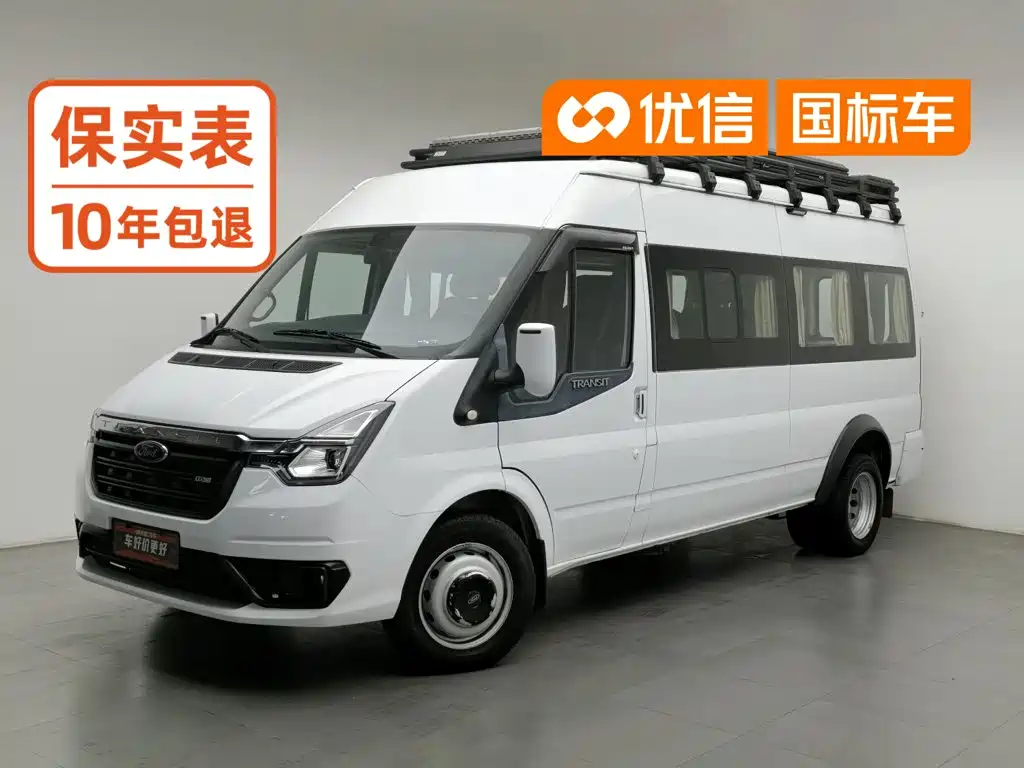
At a glance
- The China-market New Generation Transit spans logistics, passenger, multi-purpose and high-roof bus bodies for varied fleet duties.
- Buyers can compare 2.2T petrol and 2.4T diesel branches, with manual or automatic transmissions depending on configuration.
- Short- and long-wheelbase options, multiple roof heights and seating layouts make route and payload matching essential.
- China III, IV and VI labels must be checked against destination emissions, type-approval and passenger-service rules.
- Live listings provide current per-unit pricing, availability and MOQ, while landed cost also depends on freight, Incoterms, duties and local charges.
Why the Ford New Generation Transit matters for export markets
The Ford New Generation Transit matters for export markets because it combines a familiar Ford van architecture with a broad set of Chinese-market body, seating and powertrain choices. Importers can compare short- and long-wheelbase logistics vans, multi-purpose vehicles, passenger vans and high-roof bus derivatives instead of forcing one configuration into every market. That breadth is valuable where one fleet serves delivery, trade work, hotels, airports or passenger transport, while allowing a distributor to stock body styles that suit different local registration rules. It makes the Transit a platform for fleet planning rather than a single-model purchase.
Global demand for commercial vans is driven less by fashion than by usable cargo volume, short loading times and the ability to serve narrow urban streets. The Transit's configurable floor lengths, roof heights and rear layouts can address those needs, although buyers should not assume every wheelbase suits every road. Passenger-carrying derivatives add value where operators need a legal people mover with more seats than a standard taxi, especially for fixed-route, hotel, airport or employee transport. The model should therefore be evaluated against operating utility, not badge appeal alone on paper.
The export opportunity has an important qualification: a New Generation Transit built for China is not automatically a homologated version of every Ford Transit sold elsewhere. Steering position, emissions documentation, safety approvals, axle loads and passenger-carriage rules can affect registration. Its value is strongest for buyers prepared to handle those checks early, verify local Ford service support and specify the exact derivative they need. Treating it as a flexible commercial platform, rather than a turnkey global van, prevents compliance surprises and unsuitable fleet purchases at the destination border during operation.
- Short- and long-wheelbase derivatives
- Passenger, cargo and multi-purpose bodies
- Chinese-market homologation requires verification
Model range, trims and powertrain variants: how the lineup is structured and how to choose
The visible New Generation Transit structure separates passenger, logistics and multi-purpose bodies rather than offering one universal van. Short- and long-wheelbase versions can be paired with medium-low, medium, medium-high or high roofs, while 6- and 7-seat derivatives suit commercial or mixed duties. Nine-seat passenger vans address shuttle work, and 15- or 17-seat high-roof configurations suit larger people-carrying operations. Selected long-wheelbase or extended versions also show dual rear tires, so axle and load requirements should be checked before selection. Roof height also changes the vehicle's role in loading access, garage access and route suitability.
The powertrain choice is closely tied to the listed configuration. The 2.2T family appears with manual and automatic transmissions and is commonly paired with the China VI passenger, logistics and multi-purpose labels in this range. The 2.4T entries are diesel and are shown with China III or China IV designations, generally in passenger or logistics bodies. This is not a simple old-versus-new hierarchy: fuel availability, local tax treatment, route conditions and the destination's emissions rules should determine which branch makes commercial sense for a particular importing fleet or operating company.
A disciplined choice starts with the duty cycle, then narrows body, wheelbase, roof, seats and transmission. A courier may prioritize a short loading bed and easy urban maneuverability; a trade operator may need a long body, dual rear tires or more durable commercial equipment; a shuttle buyer may prioritize floor flexibility and passenger access over cargo volume. Because the listing names mix these elements, buyers should compare the actual specification sheet, photos and identification numbers rather than infer capability from the Ford badge or a family photograph.
- 2.2T petrol: manual or automatic
- 2.4T diesel: China III or IV examples
- Six to seventeen seats across body variants
- Roof and wheelbase determine route access
New vs used Ford New Generation Transit: how export inventory is structured and how buyers choose
A new New Generation Transit gives a fleet buyer a defined configuration and avoids uncertainty around wear, prior repairs and unfinished maintenance histories. It is particularly useful when an importer wants several related body styles to share an emissions version, powertrain family or parts strategy. The trade-off is a higher vehicle acquisition commitment and potentially more export spend because premium versions, high roofs, long bodies, automatic transmissions or larger passenger configurations cost more to manufacture and move. Condition and configuration should be evaluated together, not as separate assumptions before contracting.
A used Ford New Generation Transit can suit importers whose priority is lower entry cost or immediate availability in a specific body style. However, used condition introduces a different diligence process: mileage, service history, accident repair, tyres, interior wear, engine condition and the validity of emissions documents all affect residual value and operating cost. Older 2.4T examples marked China III or IV may also face more difficult registration in markets that emphasize current emissions standards. A used unit should be bought only after its paperwork and physical condition match the quoted description.
The best comparison is total operating and compliance cost, not simply the amount attached to the vehicle. Buyers should build a like-for-like scenario: identical wheelbase, roof, seating and transmission; equivalent mileage or delivery condition; the same destination charges; and a realistic view of parts, maintenance and eventual resale. New inventory offers standardization and a clearer warranty path, subject to the seller's terms, while used inventory can free capital for fleet deployment. Exact model-year mix and condition availability change, so use current live listings rather than an old stock summary or saved article.
- New: defined configuration and condition
- Used: inspect wear, repairs and records
- Compare landed and operating costs
- Check current model-year availability
How export pricing works: the factors behind a live listing price, and how to read one
An export price is the result of several interacting variables, not a fixed market value attached to the model name. The starting point normally reflects model year, exact derivative, 2.2T or 2.4T powertrain, transmission, wheelbase, roof, seating, equipment and whether the vehicle is new or used. Condition, mileage and repair history become material for a used unit. Options that are standard on one body but optional on another can also move the quote, so a short description should never be used to calculate a complete budget before freight and duty.
Freight and transaction terms can change the final figure as much as the vehicle specification. Relevant variables include origin and destination ports, transport mode, route, cargo volume, insurance, documentation, customs brokerage, exchange rates, financing and the selected Incoterm. Under an ex-works structure, the buyer arranges the main carriage and takes more control; under a delivered or turnkey quotation, more obligations and charges may be included. Ask what each quote covers, including port handling, documentation, insurance and destination fees, because a lower vehicle figure may produce a higher landed cost at the destination.
To read a live listing, begin with the vehicle title, then verify year, trim, gearbox, seating, roof, wheelbase, emissions version, condition and equipment against the photographs and identification numbers. Confirm whether the displayed amount is the vehicle-only price or an export quotation, and check its validity period. Treat any budget as provisional until the seller reconfirms the unit and trade terms. Current per-unit prices and availability should be taken from the live New Generation Transit inventory at ChinaCarDirect, because exchange-rate, freight or catalogue changes can make an older figure obsolete.
- Compare identical derivatives, not model names
- Separate vehicle cost from landed cost
- Confirm quote scope and validity
- Use live listings for current figures
MOQ, ordering and payment: single units vs consolidating a container
The minimum order quantity is a commercial term that should be confirmed on each vehicle or seller's live quotation, rather than assumed from the model or from an earlier catalogue. Some commercial-vehicle suppliers will release one unit for direct sale, while others set a batch minimum for a particular production run. A distributor may also request several mixed derivatives under one wholesale purchase order. Buyers should ask whether the stated minimum applies per trim, per model year or across the order, because those structures produce very different cash requirements and allocation risk.
A single-unit purchase can suit a pilot fleet, a specialist conversion business or a dealer testing demand, but it usually leaves the buyer carrying more logistics and compliance cost per vehicle. Container consolidation can improve freight efficiency when several Transit units share a destination and loading plan. It also introduces allocation questions: which trim, roof, wheelbase and model year are reserved, and what happens if only part of the order is ready? Model the consolidation around confirmed demand, cargo restraints and realistic part-load rules rather than filling every available space with a less suitable van.
When buying a Ford New Generation Transit from China, ordering should be treated as a controlled sequence: select the unit or build a specification sheet, request a pro forma invoice, verify payment and title documents, arrange inspection, then release the balance against agreed evidence. The invoice should identify each vehicle or the agreed configuration, Incoterm, payment milestones, claim process and estimated dispatch readiness. For a consolidated order, request an allocation list and serial or identification numbers before payment. A written RFQ that states destination, intended use and required documents usually produces a more binding response than a general enquiry.
- Confirm MOQ for the exact trim
- Request written allocation details
- Link final payment to inspection evidence
- State destination and use in the RFQ
Shipping, homologation and market compliance caveats: LHD/RHD and import rules by country
Steering configuration is an early check. Vehicles built for the Chinese market are commonly configured for left-hand drive, while buyers in right-hand-drive markets need a confirmed right-hand-drive build or a legally acceptable conversion and a locally compliant steering position. Do not rely on a listing photograph or assume that export means a destination-ready RHD vehicle. Ask for the steering-wheel side, instrument cluster, indicators, wiper arrangement and relevant approval documents. A conversion can affect price, delivery timing, warranty and insurance, so it belongs inside the original specification and quote.
Import rules are destination-specific. A buyer may need VIN and title checks, customs valuation, duty and tax payment, emissions conformity, safety approval, roadworthiness inspection, and separate approval for carrying passengers commercially. China VI is a Chinese emissions designation, not automatic approval in another country, and China III or IV vehicles can face tighter age or emissions restrictions. Logistics vans may also be taxed or regulated differently from passenger vehicles. Obtain a written local compliance opinion before committing, especially for high-roof buses, shuttle configurations or vehicles intended for public hire operation.
Shipping cost and time depend on origin and destination ports, vessel or roll-on/roll-off sailing schedules, cargo volume, dimensions, securing requirements, congestion, weather, insurance and customs clearance. High-roof, long-wheelbase or extended passenger bodies may need more suitable handling space than standard vans, while dual rear tires and roof height affect securing. Compare door-to-door and port-to-port quotations, state who handles terminal and customs charges, and confirm the carrier's load plan and cut-off dates. Transit the lead time from confirmed production and payment to actual vessel loading before relying on it for vehicle launch dates.
- Confirm steering side before contracting
- Check destination type and emissions rules
- Compare door-to-door and port-to-port scope
- Verify loading dimensions and cargo securing
Who should buy the New Generation Transit — and who should pick a different vehicle
The New Generation Transit is a strong candidate for importers and fleet operators that need a configurable van for delivery, trade, shuttle or mixed commercial work. It is especially useful where a short logistics body and a long passenger body must share a brand and parts ecosystem, or where a dealer wants to offer several seating and roof choices. The model can also serve as a base for vocational conversions, subject to local engineering and approval. Buyers should prioritize the derivative that matches their routes, loading equipment and customer contract before considering appearance or trim prestige.
The 2.2T branch is likely to suit fleets already set up for petrol and seeking manual efficiency or automatic convenience, while the 2.4T diesel branch may fit operators with established diesel supply and routes where fuel consumption is central. That is a framework, not a substitute for fuel-economy and load testing. For a passenger operation, prioritize seating layout, ventilation, entry steps, restraint provisions and approved classification. For cargo work, check the load floor, tie-down arrangement, payload documentation, wheelbase maneuverability and access to service parts before placing an order in writing.
Different vehicles are better when the requirement is plug-in or zero-emission operation, a ready-certified RHD build, heavy-duty towing beyond the Transit's intended class, or a passenger configuration already approved for a regulated service such as school transport. Buyers who need turnkey delivery into a tightly regulated market may prefer a locally homologated competitor with a stronger service footprint. The New Generation Transit makes more sense when its configuration flexibility and vehicle economics outweigh the administrative work needed for registration, fleet support and after-sales parts in the destination country over the vehicle life.
Main rivals and how the New Generation Transit compares
The closest benchmark is the destination-market Ford Transit, because it shares the core commercial-van proposition and buyer expectations but is normally engineered, homologated and supported for its home region. A global Transit may offer simpler compliance and stronger familiarity with local service networks; the China-built New Generation Transit may offer a wider visible choice of body, roof, seating and powertrain combinations. The name on the badge is not enough for a decision: compare VIN-level specifications, emissions approval, parts access and total operating suitability rather than assuming one is mechanically superior.
The SAIC Maxus V90 is a more direct China-export alternative for distributors already familiar with Chinese van supply. It competes for the same delivery, workshop, airport and passenger-shuttle use cases, so the practical questions are similar: which powertrain and body are available, what local approvals apply, and can parts and technicians be supported over the vehicle's service life. The Transit may be attractive to buyers who place more confidence in Ford recognition, but brand familiarity should be assessed locally rather than assumed from the exporting country. Compare landed cost, warranty administration and aftersales coverage on equivalent configurations.
The Iveco Daily is a credible rival where an established European commercial-van presence and destination-market approvals reduce deployment risk for fleet buyers. It may be the safer operational choice in markets with strong Daily service coverage, while the New Generation Transit may offer more Chinese configuration flexibility or a different acquisition proposition. That does not make either one universally cheaper: insurance, financing, fuel, parts and downtime can reverse a simple vehicle-price comparison. Use the Daily as a benchmark for operating support and homologation, then test the Transit against the same route, load and residual-value assumptions.
Live Ford New Generation Transit export inventory
View all listings →Real units currently on ChinaCarDirect with per-unit asking prices and MOQ. Availability updates live from the catalogue.
Ford New Generation Transit 2021 Model 2.2T Automatic Logistics Vehicle Pro 5.9m Long Wheelbase Dual Rear Tires 7-Seat Medium Roof China VI

Ford New Generation Transit 2022 2.2T Automatic Logistics Vehicle Pro Medium Wheelbase 7-Seater High Roof
Ford New Generation Transit 2022 2.2T Manual Standard Passenger Van Pro Medium Wheelbase 9-Seater High Roof
Ford New Generation Transit 2021 Model 2.2T Automatic Logistics Vehicle Pro Long Wheelbase 7-Seat Medium Roof China VI
How to buy a Ford New Generation Transit from China
-
1
Define the operating requirement
Record the intended cargo or passenger use, route conditions, loading equipment, seating needs, fuel preference and destination country. Flag LHD or RHD requirements and any regulated passenger-service use before selecting a vehicle.
-
2
Compare live vehicle records
Review the live New Generation Transit listings by body, wheelbase, roof, seating, powertrain and gearbox. Compare exact derivatives and photographs rather than relying on the model name alone.
-
3
Request specifications and compliance records
Ask for the identification number, engine, transmission, emissions version, dimensions, axle configuration, steering side, ownership documents and any available approval certificates.
-
4
Build the landed-cost quotation
Specify the destination, chosen Incoterm, insurance and cargo plan. Request separate vehicle, freight, documentation, customs and destination charges so each cost can be reviewed.
-
5
Choose a direct purchase or consolidation
Confirm the MOQ applicable to the exact trim and whether mixed derivatives can share an order. For consolidation, request an allocation list, readiness schedule and agreed procedure for partial completion.
-
6
Inspect and secure payment
Use an agreed pre-shipment inspection and verify the vehicle identity and condition. Link deposit and balance payments to the pro forma invoice, inspection evidence and ownership documents.
-
7
Arrange shipping and destination registration
Book freight after confirming dimensions, securing needs, cut-off dates and the carrier's load plan. Complete customs clearance, local inspections and registration before releasing the vehicle for commercial operation.
New Generation Transit vs rivals
| Ford Transit, destination-market version | A destination-market Transit often provides simpler local homologation and stronger familiarity with regional service networks. The China-built New Generation Transit offers a broader visible choice of body, roof and seating configurations, so approved specifications should be compared rather than treating the names as equivalent. |
|---|---|
| SAIC Maxus V90 | The V90 is a direct China-built van competitor for cargo, workshop and shuttle buyers, with similar questions surrounding emissions approval, parts support and residual values. The Transit may appeal where Ford has greater recognition, while the V90 can be equally relevant when its local configuration and service package are stronger. |
| Iveco Daily | The Daily is an established commercial-van benchmark with ready-supported configurations in many markets. It may reduce deployment risk where its service network is stronger, while the New Generation Transit may offer different configuration flexibility and acquisition economics. |
Frequently asked questions
How is Ford New Generation Transit export pricing determined?
The quote is built around the exact derivative, model year, powertrain, gearbox, body, condition and equipment, then adjusted for the Incoterm, freight, insurance, exchange rates and destination charges. Check the live New Generation Transit listings for the current per-unit amount and reconfirm the figure with the seller before preparing a budget.
What engine and transmission options are available?
The range includes 2.2T petrol and 2.4T diesel derivatives. Manual and automatic transmissions appear depending on the body, while exact engine output, drivetrain and axle arrangement must be confirmed on the live listing.
Should an overseas buyer choose a new or used Ford New Generation Transit?
A new unit provides a defined specification and cleaner condition, which helps fleet standardization. A used unit can reduce entry cost but requires checks of mileage, repairs, service history, condition and emissions documentation; total ownership and residual value matter more than purchase cost alone.
What is the MOQ, and can I buy one Ford New Generation Transit?
MOQ is set by the individual listing or seller and may apply per trim, model year or the whole order. Do not assume a catalogue-wide minimum: ask whether one unit can be released and whether consolidation across several derivatives is permitted.
What affects shipping time and cost?
The main factors are origin and destination ports, transport mode, sailing schedule, cargo volume, dimensions, securing, insurance, congestion, weather and customs clearance. The Incoterm determines which party bears the various legs and charges, so door-to-door and port-to-port quotations should not be compared directly.
How are spare parts arranged for an imported Ford New Generation Transit?
Parts should be ordered using the vehicle identification number, model year, engine and exact body configuration. Before purchase, confirm access to Chinese-language parts information, wear-item availability and local Ford or dealer support; unusual body or emission versions may require advance parts planning.
Is a right-hand-drive New Generation Transit available?
Do not assume RHD availability from an export listing, because many China-built vehicles are left-hand drive. Request a confirmed factory RHD vehicle or discuss a legally acceptable conversion, including its effects on price, warranty, insurance, homologation and delivery timing.
How do I order a Ford New Generation Transit from China?
Start with the live inventory, select a suitable derivative and submit a written RFQ stating destination, use, documents and preferred Incoterm. Review the pro forma invoice, payment milestones, allocation and inspection terms, then complete payment and freight only after the vehicle and supporting records have been verified.
Ready to source the Ford New Generation Transit?
Send an RFQ for a tailored Ford New Generation Transit quotation with your destination, seating, roof, wheelbase and Incoterm requirements.
Request a quote