
Ford Taurus Export Buying Guide for Overseas Dealers
Compare Ford Taurus trims, EcoBoost engines, export pricing, MOQ, shipping and compliance, then check live listings and request a tailored quotation.

At a glance
- The China-market Taurus is a front-wheel-drive petrol sedan positioned between compact models and premium saloons.
- The lineup spans EcoBoost 180 and 245 turbo four-cylinder versions plus a 325 V6, with multiple equipment-focused trims.
- New units simplify specification and warranty planning, while used examples require inspection, provenance and condition checks.
- Export pricing and MOQ depend on the exact unit and quotation; current figures appear in live listings and are confirmed by RFQ.
- Left-hand drive is the straightforward case, so right-hand-drive availability and destination-market approval must be confirmed before shipment.
Why the Ford Taurus matters for export markets
The Ford Taurus occupies a middle ground between a compact family sedan and a premium executive car: it is a large, front-wheel-drive saloon with a four-door body and turbocharged petrol engines. That makes it relevant to overseas dealers serving customers who need more cabin and boot room than a compact model but do not require the cost and running expenses of a luxury executive saloon. The model is easy to position because Ford is an established marque, although the China-market Taurus should not be confused with Ford sedans sold under that name elsewhere.
For export markets, the Taurus is more often a targeted opportunity than a universal volume model. Distributors can use it to fill a gap between compact sedans and larger premium cars, while fleet buyers may value the combination of a three-box layout, rear-seat space and turbocharged powertrains. Its strongest audience is therefore a dealer with evidence of demand for larger Ford sedans, not a buyer speculating that a global market exists for every Chinese-built car. Local aftersales support, fuel availability and parts planning should shape that decision before inventory is committed.
Demand must be tested at the destination level. Petrol quality, urban congestion, tolls, parking limits, insurance categories and local emissions rules can make a large sedan either practical or awkward. Before placing an order, compare the Taurus with models already selling in the same dealer network and identify whether customers are asking for size, comfort, performance or a lower acquisition cost. That evidence is more valuable than treating the Ford badge as a guarantee of rapid resale. An order profile also makes it easier to choose the correct trim and engine.
- Midsize saloon positioning.
- Best where Ford demand is proven.
- Size and fuel costs matter.
Model range, trims and powertrain variants: how the lineup is structured and how to choose
The Chinese-market Taurus lineup is organized around three EcoBoost power labels: 180, 245 and 325 V6. The 180 and 245 versions use a turbocharged four-cylinder, while the 325 V6 uses a turbocharged six-cylinder. Names such as Luxury, Premium, Fashion, Flagship, Excellence, Enjoyment, Cognac Special Edition and Limited Edition describe equipment, comfort and positioning. For procurement, engine designation and trim should be treated separately: the trim explains what the buyer receives, while the engine determines performance, fuel use and running costs. This distinction should be checked before comparing export quotations or placing a bulk order.
The 180 version is the lower-output, typically lower-cost way to enter the range, while the 245 version is the broad-volume choice for buyers wanting stronger performance without moving to the V6. These ratings are China-market designations and should not be compared directly with figures quoted for unrelated markets without checking test standards. A buyer should also match the engine to the use case: urban stop-start work, highway transfers, taxi duty and executive customers create different priorities from maximum acceleration. Fuel availability and tax treatment can also change the real operating-cost advantage.
The 325 V6 versions are positioned as the more powerful, more aspirational end of the range and are normally the most demanding in fuel consumption and purchase budget. Trim names do not guarantee a mechanical advantage, so the buyer should verify standard and optional equipment against the exact model year. China V and China VI labels are important for regulatory planning, but they are not the same as approval in the destination country. Confirm the powertrain, transmission, emissions document and equipment list before a final unit-level decision and binding freight quote.
- 180, 245 and 325 V6.
- Trims describe equipment.
- China V/VI needs approval.
New vs used Ford Taurus: how export inventory is structured and how buyers choose
Export inventory should be assessed unit by unit because condition, year and specification can differ even when two vehicles carry the same name. For buyers looking to buy a Ford Taurus from China, begin with the live inventory record, which shows whether a Taurus is new or used and allows review of year, trim, engine label, mileage where applicable, steering position and seller notes. For Chinese-market examples, the emphasis is commonly on new vehicles, but that should not replace inspection or document review. The listing starts verification; it does not end due diligence.
A new Taurus generally offers the cleanest comparison with the factory specification, clearer warranty handling and lower uncertainty from prior use. It can still have delivery mileage, dealer preparation or minor transport damage, so “new” must be defined in the contract. A used example may cost less and could suit a budget buyer or a fleet seeking a depreciated vehicle, but it introduces wear history, accident repair, maintenance records, remaining-life and resale-value questions. Buyers should not infer either condition solely from model year or discount or the seller's listing photographs.
The best choice depends on the business model rather than a universal rule. A dealer building a launch range may favor a coherent set of new vehicles, while a rental operator may prefer lower acquisition cost and accept planned replacement cycles. Fleet buyers should request maintenance records, inspect tyres, underbody, paint and cabin condition, and confirm whether the odometer and manufacture date are consistent. Used imports also need clear ownership and import-history documents so that the vehicle can be registered without a title or history dispute in the destination country.
- Check condition and year.
- Define “new” contractually.
- Used units need inspection.
How export pricing works: the factors behind a live listing price, and how to read one
An export price is not a fixed market value for the Taurus name. The quoted amount can move with model year, trim, 180/245/325 V6 selection, mileage and condition, production or delivery status, and whether the unit is new or used. It is also affected by exchange rates, seller margin, payment timing, port charges, inland haulage, insurance, freight market conditions and the chosen Incoterm. Two similarly named sedans can therefore show different numbers for legitimate commercial reasons rather than because one listing is mispriced. Always compare offers on the same commercial basis.
To read a live listing correctly, start with the vehicle identity: model year, trim, engine designation, China V or China VI version, condition, mileage if applicable and any options. Then check what the seller includes—roadworthiness preparation, documents, export declaration, transport or loading—and whether the price is FOB, CIF or another basis. The same vehicle can cost differently under different Incoterms because responsibility for cost and risk moves between seller and buyer. Ask for the currency, tax treatment and validity period rather than assuming a displayed figure is a landed cost.
The most reliable comparison is a written, line-item quotation against a defined specification. Request separate figures for the vehicle, domestic handling, export documentation, freight or shipping, insurance, destination charges and any optional service, with the Incoterm and named place stated clearly. Ask how long the quote is valid and which exchange-rate date or pricing mechanism applies. ChinaCarDirect's live Taurus listings provide the current per-unit price and availability to check; they should be paired with an RFQ before a budget is approved. This avoids confusing a vehicle price with a delivered, compliant vehicle cost.
- Year, trim and engine affect price.
- Confirm currency and Incoterm.
- Separate vehicle and landed costs.
MOQ, ordering and payment: single units vs consolidating a container
Minimum order quantity is a commercial term, not a fixed property of the Taurus model. Some sellers may release a single unit, particularly for a test vehicle or an established distributor, while a factory programme or container consolidation can impose different minimums. Buyers should read the MOQ attached to each live listing and confirm it with the seller in the quotation. The key questions are whether one unit can be purchased, whether mixed trims or model years can share an order, and whether repeat orders are required to reach a freight break.
Buying one vehicle can be sensible for a market test, a showroom demonstrator or a low-volume importer because it limits exposure to unsold stock and local registration delays. The trade-off is that a single-unit shipment may not obtain the same freight economics as a consolidated vehicle load, and destination charges are spread across fewer units. A wholesale shipment can improve cost efficiency, but it increases complexity: every vehicle must match the buyer’s homologation plan, and a mixed batch can create spare-parts, branding and inventory-management costs. It should therefore be planned as a commitment.
A typical ordering workflow begins with a signed specification, followed by a pro forma invoice that states the vehicle, options, price basis, MOQ, payment schedule and delivery terms. The buyer should specify inspection, document, shipping and insurance responsibilities, and tie the final release of funds to those agreed conditions. Payment structures often use a deposit followed by a balance against documents or shipment, but the actual sequence must be confirmed in writing. Forex terms, cancellation rules and ownership transfer should be reviewed before any remittance is sent through a secure channel.
- Read MOQ per listing.
- Start with one unit.
- Consolidate within homologation plan.
Shipping, homologation and market compliance caveats: LHD/RHD and import rules by country
Most Taurus exports move by sea as finished vehicles, commonly through a roll-on/roll-off service, although the route depends on origin and destination port availability. Freight cost and transit time are driven by sailing frequency, port charges, fuel and handling surcharges, insurance, cargo space, security requirements and the distance between loading and discharge ports. The seller's location is not necessarily the loading port. Buyers should obtain the actual port pair, routing plan, booking party and charge schedule before comparing quotations. A booking confirmation is more useful than a generic estimated transit range.
China V and China VI descriptions in a listing describe the vehicle's Chinese emissions classification; they do not automatically satisfy the destination market's type-approval, emissions, safety or registration rules. Importers may need a Certificate of Conformity, customs clearance, age or emissions restrictions, inspection, local taxes, insurance and proof of roadworthiness. The importer should confirm the exact VIN, engine, gearbox and emissions documents with the relevant authority or an inspection company before shipping. Modifications performed after import can also affect legality, warranty and resale. Do this before the vehicle leaves China.
Steering configuration deserves separate attention. Chinese-market Taurus examples are primarily associated with left-hand drive, so buyers needing right-hand drive should not assume that a listing can simply be converted. A factory right-hand-drive version, a documented conversion and a locally supported model are different propositions, with different safety, parts and resale implications. Confirm the steering side on the VIN and photograph the cabin, then check whether local Ford service coverage can support the vehicle's engine and trim. This check is especially important for fleet buyers planning regional deployments across several countries.
- Confirm loading and discharge ports.
- China labels are not approval.
- Verify steering side early.
Who should buy the Taurus — and who should pick a different vehicle
The Taurus is a strong candidate for an overseas dealer that wants a recognisable Ford sedan with a substantial body, a useful three-box layout and a choice of turbocharged petrol engines. The 245 version is generally the sensible default when customers want more assured performance than the 180 without committing to the V6's fuel use. It can also work for hotel, corporate or rental fleets where passenger space and a conventional fuel supply matter more than running cost. The deciding evidence should come from local test-drive requests and comparable Ford sales.
It is a weaker choice when the target customer prioritises fuel economy, emissions performance, easy urban parking or the lowest whole-life cost. A business needing frequent short urban trips should compare the Taurus with smaller hybrids or electrified alternatives rather than assume its turbo performance offsets consumption. Buyers in markets with strong Japanese-brand loyalty may prefer a Camry or Accord because those models often have a more familiar resale story and broader local familiarity. A dealer should also avoid the Taurus if parts support, servicing capability or registration certainty is weak.
A disciplined purchase decision should compare three numbers: acquisition cost, expected operating cost and likely exit cost. Add registration, insurance, fuel, maintenance, depreciation and downtime to the vehicle quote rather than focusing on the lowest listing amount. For a fleet, also model servicing intervals, spare-part lead time, tyre and fluid specifications, and the resale horizon in the destination country. If those checks do not produce a clear advantage over established locally sold sedans, a smaller initial order is wiser than a large speculative shipment, particularly when local market demand remains unproven.
- Best for comfort-focused buyers.
- 245 balances performance and fuel.
- Avoid weak parts or resale support.
Main rivals and how the Taurus compares
The Toyota Camry is the closest global benchmark for buyers seeking a conventional midsize saloon with a strong reputation for fuel economy, comfort and broad market recognition. It can be the safer resale choice where Toyota has dense dealer and parts coverage, while the Taurus offers a distinctive Ford alternative and a more turbo-focused driving proposition. Neither should be chosen on badge alone: compare the exact imported versions, because equipment, warranty, emissions approval and after-sales support can differ more than the model names suggest. Test-drive both before committing inventory to the market.
The Honda Accord is another relevant rival, particularly for buyers who value cabin packaging, driving response and a long-established export reputation. Its local familiarity can make it easier to service and resell in markets with a mature Honda network. The Taurus may appeal where a dealer already supports Ford and wants a larger-looking, more comfort-focused alternative with the 245 or 325 V6 choices. The trade-off is that buyers should verify fuel economy, noise, parts pricing and electronics support for the precise Chinese-market unit rather than importing assumptions from another Accord version.
The Nissan Teana, or its market-specific equivalents, competes more directly for fleet and family buyers seeking a comfortable, conventionally sized sedan. Teana can be persuasive where Nissan's dealer network and used-car recognition reduce resale uncertainty, whereas Taurus buyers may prefer the Ford badge, turbo power and a newer-looking China-market specification. Selection should turn on local parts coverage, the ability to obtain emissions approval, total running cost and the customer's preference for Japanese or Ford ownership. A short local test and a parts-price check are more informative than brochure comparisons alone.
- Camry: efficiency and resale.
- Accord: established midsize rival.
- Teana: fleet and comfort focus.
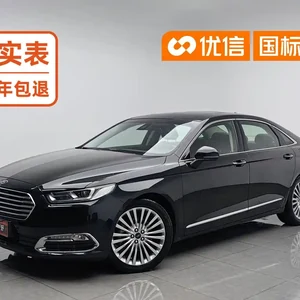
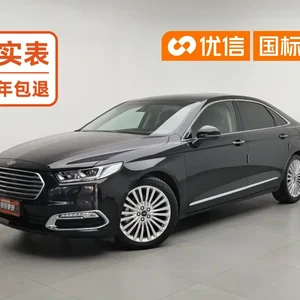
Live Ford Taurus export inventory
View all listings →Real units currently on ChinaCarDirect with per-unit asking prices and MOQ. Availability updates live from the catalogue.

How to buy a Ford Taurus from China
-
1
Define the destination and use case
Record the country, destination port, steering requirement, expected volume, passenger or luggage needs, fuel conditions and service expectations. This determines which Taurus trims are realistic.
-
2
Shortlist exact live units
Use the live Taurus listings to compare model year, trim, engine label, China V or China VI version, condition, mileage, steering position and seller notes. Treat each listing as a candidate requiring verification.
-
3
Request a line-item RFQ
Send the destination, preferred units, intended quantity and Incoterm. Ask for separate vehicle, documentation, freight, insurance, destination and optional charges, with quote validity and payment schedule stated.
-
4
Check compliance before commitment
Confirm the VIN, emissions category, steering side, age rules, certification needs, taxes and inspection requirements with the relevant authority or an inspection company. Do not rely solely on the Chinese emissions label.
-
5
Approve the vehicle and documents
Request photographs, option lists, ownership documents, manufacture date, odometer information and an independent condition report. Define condition, warranty scope and remedies in the pro forma invoice.
-
6
Agree payment and Incoterm
Select the appropriate Incoterm after clarifying responsibilities, then use a staged payment structure linked to inspection, documents and shipment. Review foreign-exchange, cancellation and beneficiary details before remitting funds.
-
7
Book, track and register
Confirm the loading and discharge ports, carrier, insurance, document set and arrival plan. After arrival, use a customs broker or inspection company to complete clearance and registration before customer delivery.
Taurus vs rivals
| Toyota Camry | The Camry often benefits from stronger Toyota dealer familiarity and efficient petrol or hybrid choices, making it a lower-risk resale and fleet option where those priorities dominate. The Taurus offers a more turbo-oriented character and distinct Ford identity, but its imported-specification support and fuel cost must be confirmed. |
|---|---|
| Honda Accord | The Accord has established midsize credentials and a familiar ownership profile that can reduce buyer uncertainty in markets with mature Honda networks. The Taurus suits dealers already supporting Ford that want a comfort-focused alternative with 245 or 325 V6 choices, subject to verifying parts and service availability. |
| Nissan Teana | The Teana competes strongly for family, fleet and comfort-led buyers and may have the safer resale story where Nissan support is widespread. The Taurus differentiates through turbo performance and a China-market Ford specification, while the Teana may be easier to place in markets where its local familiarity is stronger. |
Frequently asked questions
How is the Ford Taurus export price determined, and where can I see the live price?
The live price for a specific unit is affected by model year, trim, engine, condition, mileage where applicable, currency movement, freight and the Incoterm. Check the current Ford Taurus listings for the per-unit asking price, then request a written RFQ separating vehicle cost, documentation, shipping, insurance and destination charges. Exact prices and availability should be confirmed for the selected unit.
Which Ford Taurus engines and powertrains are available?
The China-market range shown uses turbocharged petrol powertrains: EcoBoost 180 and 245 four-cylinder versions and an EcoBoost 325 V6. The 245 is a general-purpose middle choice, while the 180 prioritizes lower output and the V6 prioritizes performance; fuel use and destination taxes vary. Confirm displacement, output label, transmission, drivetrain and emissions version for the exact model year in the live listing.
Should an overseas buyer choose a new or used Ford Taurus?
A new example provides the clearest factory specification and warranty path, but it can still carry delivery mileage or dealer preparation. A used unit can reduce acquisition cost and suit planned fleet replacement, but it requires condition, mileage, service-history and ownership checks. Condition should be stated per listing, and “new” should be defined contractually.
How does the minimum order quantity work for Ford Taurus exports?
MOQ is a seller or listing term rather than a permanent feature of the model. A single-unit purchase may be available for testing or low-volume distribution, while wholesale or consolidated shipments may carry different conditions. Read the MOQ on each live listing and confirm it in the quotation, including whether mixed trims or model years can share one order.
How long does shipping take, and what determines the cost?
Finished Taurus vehicles commonly move by sea through roll-on/roll-off services, with transit time determined mainly by port routing, sailing schedules, handling and destination arrangements. Freight cost also depends on fuel surcharges, insurance, cargo space, security requirements and the selected Incoterm. Request the named loading and discharge ports, routing plan and complete charge schedule.
Are spare parts readily available for exported Ford Taurus models?
Parts availability depends on the destination's Ford network and the exact Chinese-market engine, electronics and trim. Before ordering, identify likely service items, verify VIN-level compatibility and obtain indicative prices and lead times for body, electrical and maintenance parts. A locally supported alternative may be safer where specialist support is limited.
Is a right-hand-drive Ford Taurus available for export?
Chinese-market examples are primarily left-hand drive, and right-hand-drive availability should never be assumed. State the steering requirement in the RFQ and request VIN-level confirmation. A factory right-hand-drive vehicle, a professionally converted example and a locally sourced model have different safety, warranty, parts and resale implications.
How do I order a Ford Taurus from China?
Review the live inventory, shortlist the relevant units and submit an RFQ with the destination, desired specification, quantity, steering requirement and Incoterm. The seller should then issue a pro forma invoice covering unit identity, price, MOQ, payment schedule, documents, inspection and shipping terms. Complete the agreed inspection and payment stages before shipment and use customs support for destination registration.
Ready to source the Ford Taurus?
Send your destination, preferred trim, quantity and Incoterm requirements through the RFQ page for a current, unit-level export quotation.
Request a quote