
Ford Transit Export Buying Guide for Dealers and Fleet Buyers
Plan a Ford Transit export purchase with a practical guide to trims, diesel and petrol options, pricing logic, MOQ, shipping, compliance and rival vans.
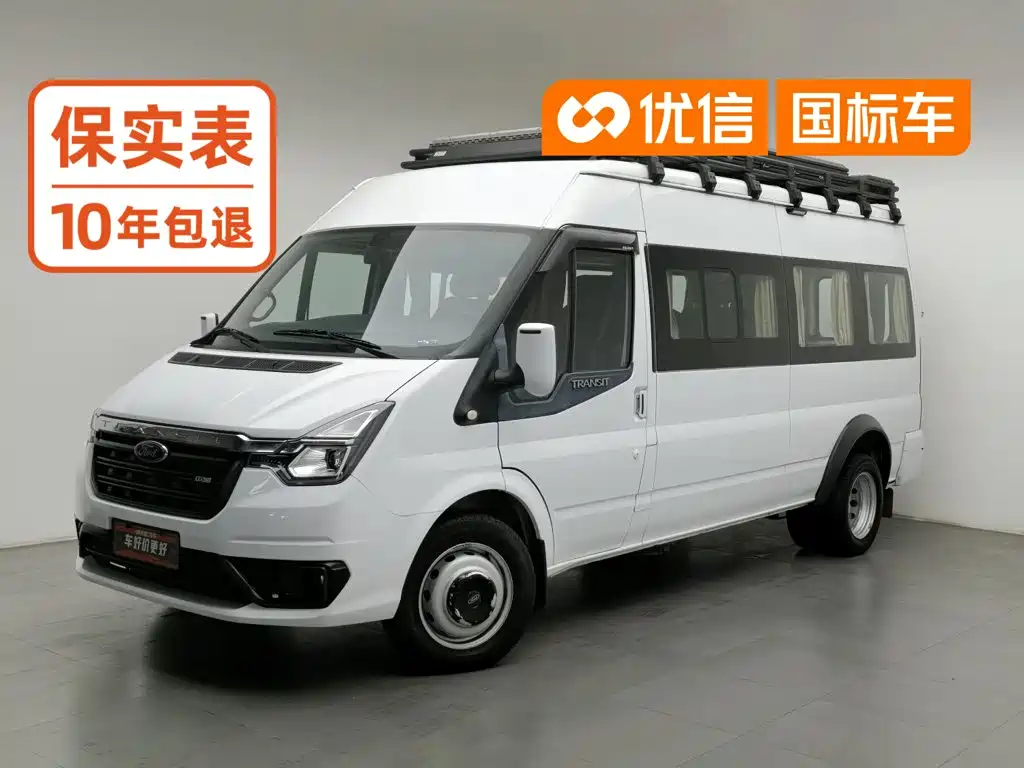
At a glance
- Transit spans cargo, passenger and multi-purpose bodies with short-, medium- and long-wheelbase options.
- Low-, medium- and high-roof formats serve different loading, standing-room and passenger-space requirements.
- The represented applications include 2.0T petrol and diesel, 2.2T logistics, 2.3T diesel business travel and 2.8T diesel versions.
- Manual and automatic transmissions are available, allowing buyers to match the gearbox to route and driver requirements.
- New units reduce wear uncertainty, while used Transits require careful inspection of their commercial history.
- Live per-unit pricing, MOQ and availability must be confirmed before commitment, alongside local compliance.
Why the Ford Transit matters for export markets
The Ford Transit occupies a practical middle ground between a compact delivery van and a full-size passenger or logistics vehicle. In China, the model is offered in cargo, multi-purpose and passenger configurations, with short-, medium- and long-wheelbase bodies and low-, medium- or high-roof packaging. That breadth makes it relevant to distributors building a general-purpose fleet, as well as to niche buyers needing a specific roof, wheelbase or seating layout. For overseas importers, the key attraction is not one universal specification but the ability to match a vehicle to route economics and customer expectations before shipment.
Transit demand is strongest where buyers need proven van versatility rather than a passenger-car-derived crossover. The platform supports three-seat logistics bodies, six- to nine-seat business-travel layouts and larger passenger arrangements, while commercial versions prioritize load access and roof height. Dealers can therefore serve delivery fleets, shuttle operators, airport or staff transport, and converted-vehicle projects from the same model family, provided each selected body is checked for local registration rules. It is equally important to distinguish a locally homologated commercial van from a passenger derivative whose tax, inspection and insurance treatment may differ.
Export buyers should assess Transit demand through utilization rather than badge recognition alone. A van with the correct roof, doors and seating can consolidate delivery and passenger requirements within one fleet, reduce fleet complexity and make spare-parts planning easier within the same model family. Conversely, a listing that is inexpensive on its own may not suit the destination if its dimensions, emissions, steering position or certification do not match local use. The strongest purchase is therefore the specification that solves the operating requirement first before any price negotiation begins in the destination market.
- Match roof, wheelbase, doors and seating to the duty cycle.
- Check cargo and passenger registration separately.
- Verify certification before funds are committed.
Model range, trims and powertrain variants: how the lineup is structured and how to choose
The China-market Transit is structured around several body and powertrain paths. Visible engine choices include 2.0T petrol, 2.0T diesel, a 2.2T automatic logistics version, a 2.3T diesel automatic business-travel version, and 2.8T diesel applications. Manual and automatic transmissions are both represented. Rather than treating the Transit as one van, buyers should read the complete listing: the same 2.0T label can belong to petrol or diesel units with very different operating characteristics. Wheelbase and roof designations then narrow the vehicle further: short-wheelbase low-roof units favor urban loading, while medium- or long-wheelbase and high-roof formats can suit cargo volume or passenger accommodation.
Seat count helps reveal the intended role. Three-seat versions are typically listed as logistics vehicles; six-seat multi-purpose versions bridge cargo and passenger duties; and seven-, eight- or nine-seat business-travel variants prioritize cabin space. Some examples are marketed for larger passenger groups. These descriptions do not replace a body inspection: check whether rear seats are fixed, removable or limited, how luggage is carried, and whether the passenger version has the access and emergency equipment required in the destination. A seating designation alone does not establish carrying capacity, axle rating or permitted commercial use.
Emissions labels form another selection layer. The listings represented here include China IV, China V and China VI versions, sometimes paired with standard, facelift, logistics-pro or passenger designations. Those labels identify the Chinese configuration but do not guarantee that a vehicle will be accepted unchanged in another country. If your route is emissions-sensitive, compare the destination’s current rules and any age or retrofit requirements before paying for a unit. For fleet procurement, fuel choice should follow annual utilization, payload, route speed and local fuel availability rather than engine prestige alone.
- Match engine and gearbox to the operating load.
- Verify fuel, seats, emissions and roof in each listing.
- Treat wheelbase and roof as core fit variables.
New vs used Ford Transit: how export inventory is structured and how buyers choose
ChinaCarDirect’s export catalogue can contain both new Transit vehicles and used examples sourced from the Chinese domestic market, so the buying task begins with condition rather than model year. New entries may be factory-configured commercial derivatives or business vehicles; used entries may include former logistics, passenger or fleet units with mileage, wear and service history. The relevant distinction is whether the vehicle’s history, paperwork and remaining economic life support your resale or deployment plan. A lower purchase outlay does not automatically translate into a lower cost per kilometre over time.
Used Transits require a tighter inspection because commercial duty can be severe. Check body panels, roof seams, rear-door loading edges, floor condition, seat wear, windscreen and glass, tyre age, service records, odometer consistency and evidence of accident repair. Diesel versions deserve attention to smoke, fluid leaks, suspension noise, cooling and drivetrain condition. Ask for a cold start, road test and current emissions inspection, and have any outstanding recalls or repair obligations verified in writing. The inspection should also confirm that seat belts, locks and safety equipment are complete for use.
New inventory can reduce uncertainty about wear, service history and hidden repair, especially for fleet buyers who need predictable downtime and a consistent specification. It can also expose the buyer to unused-vehicle depreciation and higher freight or working-capital requirements. A used vehicle may deliver better value where its condition is documented, the model is still current in the destination, and maintenance can be handled locally. The decision should compare total cost over the intended holding period, not simply acquisition cost. Residual value, downtime and compliance effort belong in the same calculation.
- New units reduce wear uncertainty but raise capital exposure.
- Used units can lower entry cost; inspect history closely.
- Compare cost over the planned holding period.
How export pricing works: the factors behind a live listing price, and how to read one
A Ford Transit export price is not a fixed catalogue figure; it is the result of a particular vehicle’s specification and the transaction terms attached to it. Model year, petrol or diesel choice, displacement, transmission, wheelbase, roof, seating, factory configuration and option content all affect the starting point. For a used unit, mileage, condition, repair history and remaining service life can move it further. The first discipline is to compare like with like rather than treating every headline price as equivalent. Currency exchange and seller margin may also change the quoted amount.
Freight can be as important as the vehicle line in the calculation. Relevant variables include the vehicle’s packed dimensions, destination port or inland delivery point, container or roll-on/roll-off handling, customs brokerage, insurance, inland transport, financing and exchange-rate timing. Incoterms define where responsibility transfers, but the label alone does not reveal every landed cost. Ask for a written quotation that states inclusion or exclusion of shipping, duty, taxes, documentation and terminal charges for the same destination and delivery basis. Then calculate the residual registration and operating cost locally before final approval.
Live inventory is the correct source for the current per-unit price, minimum order quantity and availability because each vehicle can differ. Open the listing, verify the seller’s identifiers, pictures, year, exact trim, engine, gearbox, mileage and condition, then copy the SKU or listing reference into your enquiry. Check whether the displayed amount is an asking price, a promotional price or one part of a larger offer. Request the final quotation directly for the unit, because an inquiry that changes trim, destination or payment terms may require recalculation before payment is made.
- Compare identical specifications and delivery terms.
- Separate vehicle price from freight, duty and local charges.
- Confirm current per-unit price, MOQ and availability live.
MOQ, ordering and payment: single units vs consolidating a container
Minimum order quantity is a commercial term attached to the seller’s offer, not a fixed characteristic of the Transit model. A single-unit purchase may be possible, while some sellers, agents or wholesale programs may set a larger lot. Because terms can vary by vehicle and configuration, read the MOQ field on the specific live listing and include it in the written quotation. If a seller asks for several units, confirm whether they must share the same trim and production specification or may be mixed within an approved container plan in advance.
Container consolidation is useful when several buyers need near-identical vans, but it introduces coordination risk. Grouping the same body, roof and gearbox makes loading and resale planning easier, while mixed stock can improve space utilization if every vehicle is correctly secured. Agree the allocation method, vehicle list, inspection standard and shipping deadline in advance. Someone must control the flow of inspection reports, payments, release documents and corrections; otherwise a single delayed vehicle can hold the whole group’s dispatch schedule. This is particularly important for high-roof or specially equipped vans requiring special handling.
A sound ordering workflow separates commercial commitment from vehicle acceptance. Review the pro forma invoice, specification sheet, payment schedule, inspection standard, Incoterm and cancellation terms before paying a deposit. Many export transactions use staged payment, but the exact sequence must be agreed in writing rather than assumed. Balance settlement should follow satisfactory inspection and receipt of agreed release documents. Retain the signed contract, invoice, vehicle photos, inspection report and shipping records as the audit trail for customs and resale. Confirm how changes, delays, cancellations and refunds will be handled before the deposit is irreversible.
- Check MOQ on the individual live listing.
- One-unit orders may be negotiable; confirm in writing.
- Define allocation, inspection and deadlines for group shipments.
Shipping, homologation and market compliance caveats: LHD/RHD and import rules by country
Steering configuration is a critical sourcing question. Transit vehicles built for the Chinese market are commonly supplied with left-hand drive, while some overseas markets require right-hand drive. A left-hand-drive unit is not automatically suitable for a right-hand-drive country, and converting the steering system is not a substitute for a compliant factory configuration. Ask for the steering position and any market-specific build details before confirming a vehicle. If right-hand-drive availability is essential, source it explicitly rather than assuming a Chinese listing can be adapted. Confirm local legality before committing to freight costs.
Import approval is separate from the ability to buy and move the vehicle. Depending on the destination, authorities may impose type approval, VIN checks, emissions, noise, safety, age, inspection and used-vehicle restrictions. A China IV, China V or China VI description is not a universal export passport. Obtain a written assessment from a local customs broker or vehicle-compliance specialist covering the exact configuration, then allow time for any certificate, modification, inspection or refusal before booking cargo. Tax treatment can also differ between commercial, passenger and conversion products. Confirm all costs upfront.
Shipping method follows the vehicle’s dimensions, roof height and destination infrastructure. A standard van may fit a conventional container, while a high-roof, long-wheelbase or specially equipped example needs exact packed measurements and a check of container or roll-on/roll-off suitability. The Transit’s commercial use also makes securement and loading protection important. Confirm lashing points, vehicle protection, dry-run loading, inspection access, insurance and delivery release responsibilities. Local delivery should be specified as port-to-port, terminal, depot or door-to-door so no stage is left ambiguous. Any mismatch can create expensive delays at the port or destination.
- Confirm LHD or RHD before selecting the vehicle.
- Check type approval, emissions, tax and age rules.
- Measure the vehicle and define secure delivery responsibilities.
Who should buy the Transit — and who should pick a different vehicle
The Transit is a strong candidate for distributors that need one model family to cover several commercial roles. It suits last-mile delivery operators, courier fleets, shuttle services, hospitality and staff transport, and importers developing passenger or conversion products. The short-wheelbase low-roof format is relevant where urban maneuverability and frequent loading matter; longer bodies and higher roofs make more sense when load volume, standing room or passenger capacity drives the business case. A common platform can simplify parts planning, training and branding, provided the chosen versions share serviceable components in practice.
It may be the wrong choice when the duty cycle demands a much larger load, a smaller parking footprint or a van with a different commercial certification. Very high-mileage work may expose weak resale assumptions, especially for an imported used example. Buyers needing an ambulance, refrigerated body, wheelchair-accessible vehicle or other regulated conversion should not assume a standard Transit can be converted economically. Those projects usually need a specialist chassis, bodybuilder approval and destination-specific certification before shipment. Confirm whether local rules permit self-conversion or require an approved manufacturer program.
Used Transit ownership can make sense for a buyer with local repair capability, clear maintenance records and a realistic resale plan. It is less attractive for an operator that values uptime above all else or expects every vehicle to carry a fresh warranty. New buyers should account for working capital, registration, insurance and early depreciation; used buyers should account for repair reserves, replacement interior parts and potential downtime. A pre-purchase inspection is especially valuable when the van has a commercial history, regardless of how attractive the acquisition price appears on paper.
- Best for mixed commercial fleets and multi-format importers.
- Choose smaller vans for tighter urban operating footprints.
- Use approved specialists for regulated body conversions.
Main rivals and how the Transit compares
The Volkswagen Transporter is the closest conceptual rival for buyers comparing a straightforward midsize cargo van. Both offer commercial and passenger-oriented versions, but the Chinese Transit catalogue includes diesel, petrol, manual and automatic combinations, several roof and wheelbase choices, and larger passenger layouts. The Transporter may have stronger familiarity in some European markets, while Transit availability and configuration should be judged from the live inventory and local service network rather than assumed from global model history. Serviceability, parts lead times and total operating cost should carry more weight than badge preference.
The Mercedes-Benz Sprinter competes as a larger, more premium-oriented van, with a broad commercial and passenger range and a strong reputation in many established markets. It can be attractive to buyers who value a particular brand, drivability or an established resale proposition. The Transit, particularly in lower-spec commercial configurations, can offer a more cost-conscious acquisition route. That does not settle the decision: compare payload, body access, fuel use, service intervals and the actual landed cost in the destination market. Availability of parts and technician familiarity are equally important after delivery.
The Iveco Daily is another direct competitor for urban and vocational work, especially where high-volume configurations and established European fleet acceptance matter. Transit offers a more visible spread of Chinese-market diesel and petrol specifications, roof heights and passenger layouts, which can make configuration easier for certain importers. The Daily may be preferable for buyers whose local network already supports it. For any rival, obtain a specification-matched quote and compare total cost rather than relying on generic category labels or historic purchase prices. The best rival is the one your service network can maintain profitably.
- Volkswagen Transporter: direct midsize cargo-van alternative.
- Mercedes-Benz Sprinter: larger, premium-oriented option.
- Iveco Daily: close vocational and fleet-work competitor.
Live Ford Transit export inventory
View all listings →Real units currently on ChinaCarDirect with per-unit asking prices and MOQ. Availability updates live from the catalogue.
Ford New Generation Transit 2021 Model 2.2T Automatic Logistics Vehicle Pro 5.9m Long Wheelbase Dual Rear Tires 7-Seat Medium Roof China VI
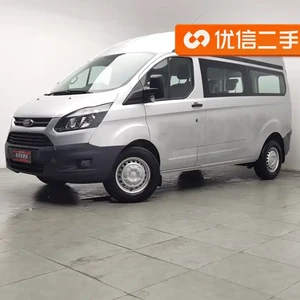
Ford Transit 2021 Model 2.0T Diesel Manual Premium Operating Business Travel Medium Wheelbase Medium Roof 7-Seater China VI
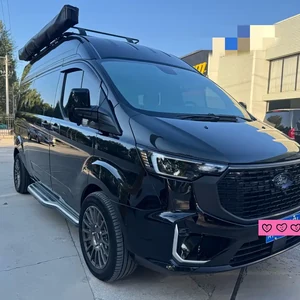
Ford Transit 2023 Model 2.0T Gasoline Automatic Business Travel Mid-Axis Mid-Roof 7/8/9 Seater
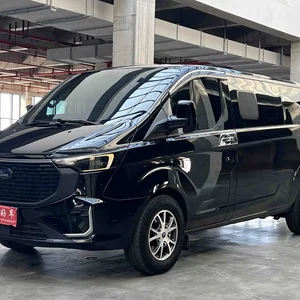
Ford Transit 2023 Model 2.0T Diesel Automatic Business Travel Mid-Axis Mid-Roof 7/8/9 Seater
How to buy a Ford Transit from China
-
1
Define the operating requirement
Set the route, payload, loading frequency, passenger capacity, roof preference and steering-side requirement before choosing a Transit body. This prevents a visually similar listing from being selected for the wrong commercial purpose.
-
2
Shortlist the matching vehicles
Review the live Ford Transit listings and compare engine, gearbox, wheelbase, roof, doors, seating and emissions designation. Use the listing reference or SKU when requesting more details.
-
3
Verify condition and documents
For a used vehicle, request photographs, service records, odometer evidence, inspection results and details of accident or repair work. Confirm that the documents match the engine, body and vehicle identifiers.
-
4
Request a comparable landed quote
Ask for the current per-unit price, MOQ, payment schedule, Incoterm and freight basis on the same destination and delivery terms. Separate vehicle charges from duty, insurance, brokerage, documentation and inland delivery.
-
5
Clear destination compliance
Give the exact vehicle specification to a local broker or compliance specialist. Check LHD/RHD suitability, type approval, emissions, tax, inspection and used-vehicle age restrictions before booking cargo.
-
6
Order, inspect and dispatch
Review the signed specification, inspection standard and release procedure before payment. Retain the contract, invoice, inspection report, photographs and shipping documents through customs clearance.
Transit vs rivals
| Volkswagen Transporter | A direct midsize cargo-van comparison for European buyers, with the Transit offering a broad visible mix of Chinese-market petrol, diesel, roof, wheelbase and passenger configurations. Choose the Transporter where local service familiarity and its specific variant package outweigh those configuration advantages. |
|---|---|
| Mercedes-Benz Sprinter | A larger, more premium-oriented competitor with broad commercial and passenger applications. The Transit can suit buyers prioritizing a more cost-conscious Chinese-market route, while the Sprinter may be preferable where Mercedes service support, brand positioning or established resale demand is stronger. |
| Iveco Daily | A close vocational and fleet-work rival, particularly for buyers already served by Iveco networks. Transit stands out in the represented range for varied body formats and passenger layouts, while the Daily may be the better operational fit where payload, service access and local parts supply dominate. |
Frequently asked questions
How is Ford Transit export pricing determined?
Ford Transit export pricing is calculated from the exact vehicle and deal terms, including year, trim, engine, transmission, body, condition, mileage, options, exchange rates, freight and insurance. Incoterms and destination charges can change the landed total, so compare written quotations on the same basis. The current per-unit price, MOQ and availability appear on the relevant live listing; request confirmation for the SKU you intend to buy.
Which Ford Transit engine and transmission options can be exported from China?
The represented China-market Transits use petrol or diesel and appear with manual or automatic transmissions. Visible applications include 2.0T petrol and diesel, 2.2T automatic logistics, 2.3T diesel automatic business travel, and 2.8T diesel variants. These are combustion vehicles, so battery capacity and electric driving range are not applicable; confirm the exact engine and gearbox in the live specification.
Should I buy a new or used Ford Transit for export?
New Transit examples offer lower uncertainty about wear and service history but require more capital and can lose value quickly. Used examples may cost less to acquire, but commercial use can mean substantial interior wear, deferred repairs or downtime. Choose by condition records, holding period, warranty needs and total operating cost, not by acquisition price alone.
How does MOQ work when ordering a Ford Transit from China?
MOQ is set by the seller and offer rather than by the model itself, so the individual live listing is the controlling source. One-unit purchases may be available, while group programs can require a specified lot. Confirm the requirement, allowed model mix, allocation and any container program in the written quotation before paying.
How long does shipping take and what determines the cost?
Shipping time and cost depend on the vehicle’s packed dimensions, roof and body format, chosen container or roll-on/roll-off method, port capacity, customs clearance and inland delivery. Long-wheelbase or high-roof units may require additional handling, while paperwork or inspection delays can affect the schedule. Ask the forwarder for a clearly scoped quotation based on the exact vehicle measurements.
How are Ford Transit spare parts supplied?
Spare-parts planning starts with the VIN or production details, engine, gearbox, trim, roof and steering configuration because parts are not interchangeable across every variant. Confirm whether a component is available through the seller, a Ford parts channel or the local service network before shipment. For imported used units, also check whether the destination can support maintenance without long cross-border waits.
Is right-hand-drive Ford Transit availability assured?
China-market Transit examples are commonly left-hand drive, while right-hand-drive availability varies by source and destination. Do not assume a Chinese listing can be converted economically or will remain compliant after conversion. State the required steering side at enquiry stage and have the broker confirm any factory RHD option or legal route before committing.
How do I buy and order a Ford Transit from China?
Start with the live Ford Transit listings, select the closest body and powertrain, and send the listing reference or SKU in your enquiry. Ask for a specification sheet, current per-unit price, MOQ, payment schedule, Incoterm, inspection standard and shipping estimate. Review those documents before paying, then use the agreed inspection and release process for final settlement and dispatch.
Ready to source the Ford Transit?
Send your preferred Transit specification and destination to ChinaCarDirect for a current unit-level quote and export plan.
Request a quote