
Foton Scenic G5 Export Buying Guide for Overseas Buyers
Export buying guide for the Foton Scenic G5, covering trims, petrol and diesel options, used vehicles, export pricing factors, shipping, compliance and rivals.
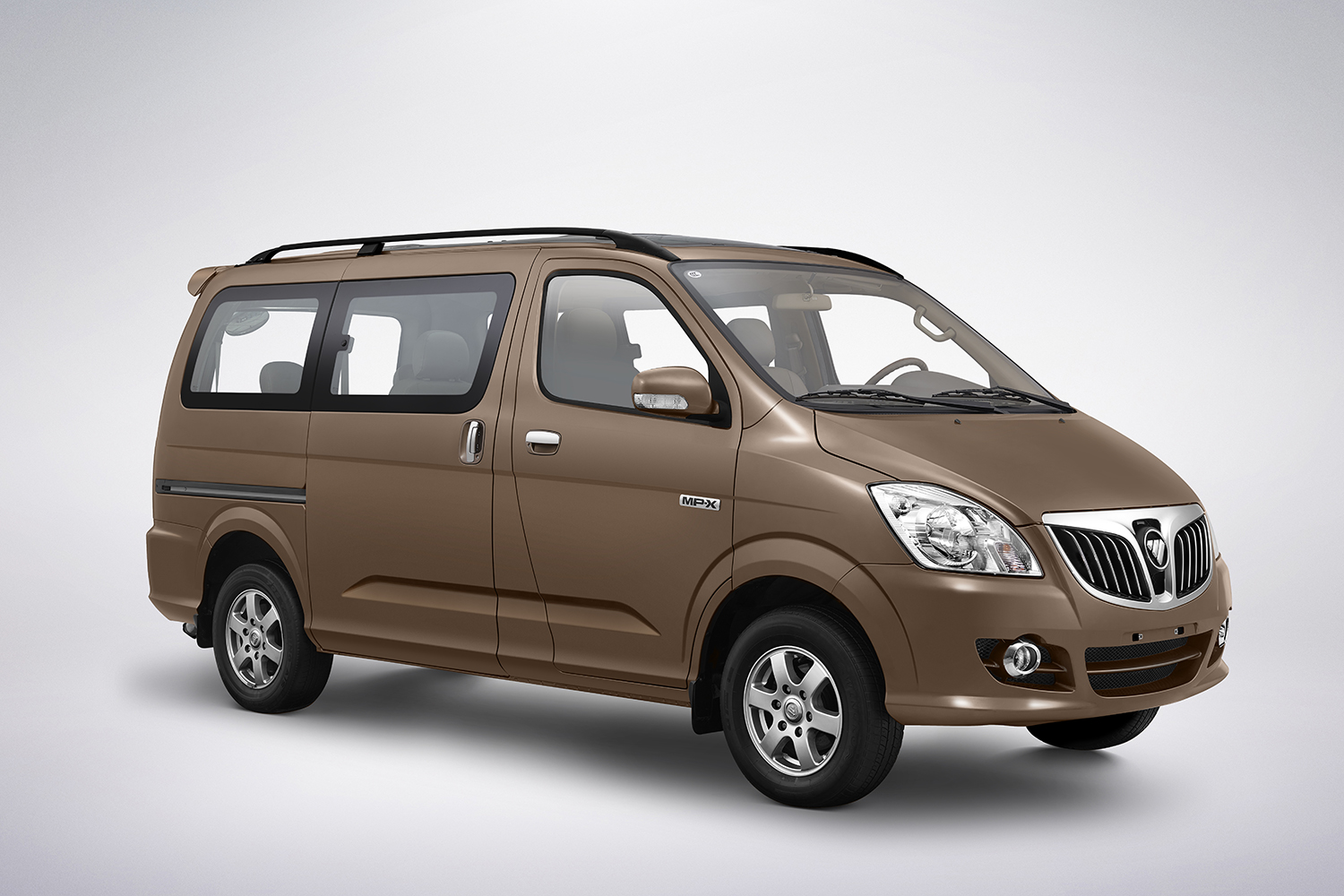
At a glance
- The Scenic G5 is a multi-purpose passenger vehicle and van with documented six-, seven- and ten-seat configurations.
- The lineup includes 2.0-litre and 2.4-litre petrol engines plus a 2.0T diesel commercial derivative.
- Passenger, commercial, flat-roof and long-wheelbase descriptions allow buyers to match the body to shuttle or fleet work.
- Used vehicles suit buyers able to inspect history and condition, while new vehicles suit buyers prioritising known history and initial condition.
- Live pricing must be assessed unit by unit, with vehicle cost, Incoterm, freight, insurance and destination charges separated.
- Confirm right-hand-drive availability, type approval, local service capability and spare-parts support before committing to an import.
Why the Foton Scenic G5 matters for export markets
The Foton Scenic G5 occupies the practical space between a passenger MPV and a commercial van. Its six-, seven- and ten-seat formats, together with passenger, commercial, flat-roof and long-wheelbase versions, make it relevant to hotel and airport shuttles, employee transport and fleet buyers needing one chassis for several operating briefs. The appeal is configurability rather than a single flagship specification: a buyer can prioritise passenger comfort, luggage flexibility, cabin capacity or commercial utility without moving to an entirely different vehicle family. That makes it relevant to importers building a mixed fleet.
The model also fits markets where compact people carriers and light vans are used as working tools rather than lifestyle products. Overseas decision-makers ask practical questions: Can it carry the planned people and bags? Is the floor and roof suitable for local conversion work? Can a dealer service petrol and diesel variants economically? Does the steering position and documentation match the destination? These questions matter more than a generic global-sales claim. Overseas acceptance still depends on local homologation, a realistic parts plan and transparent condition reporting rather than manufacturing origin alone.
Global demand should therefore be understood by segment, not by assuming every country wants the same van. In a tourism market, a six- or seven-seat vehicle may be judged on ride comfort, luggage capacity and air-conditioning performance. In an institutional fleet, a ten-seat layout, ease of cleaning and a commercial-oriented interior may carry more weight. In a last-mile or light-distribution assignment, loading access and payload matter, subject to local passenger-transport rules. For exporters researching a Foton Scenic G5 for export, the strongest case is a clear operating requirement matched to a verified configuration, not an assumption of low purchase cost.
- Best suited to passenger-shuttle, group-transport and mixed luggage duties.
- Configuration breadth is the central export buying case.
- Local homologation and service support decide viability as much as vehicle pricing.
- Passenger comfort, commercial utility and seating capacity must be balanced against the intended route.
Model range, trims and powertrain variants: how the lineup is structured and how to choose
Within the documented range, Foton Scenic G5 specs cover three powertrain families and several body and seating configurations. The 2.0-litre 1TZ and 1TZS versions are petrol engines, while the 2.4-litre 4K22D4M is also petrol and the 2.0T 4F20TC3 is diesel. Listings include six-seat commercial and passenger vehicles, a seven-seat petrol commercial version, long-wheelbase flat-roof derivatives and manual ten-seat passenger-bus versions. Engine code, body description and seating should therefore be read together; “Scenic G5” alone is not a sufficiently precise specification for an export order. Confirm every point against the unit being quoted.
For fleets operating where petrol is easier to obtain, the 2.0-litre 1TZ/1TZS cars are the straightforward starting point for six-seat work. The related restyled and long-wheelbase flat-roof descriptions show that this mechanical family is adapted to more than one duty cycle. Choose among them by checking the actual floor length, roof treatment, seat count, transmission, payload information and luggage arrangements in the unit listing. For shuttle use, the relevant question is not simply whether it is a six-seater; it is whether the cabin can be configured, cleaned and serviced for the route and passenger profile without compromising uptime.
The 2.4-litre 4K22D4M petrol versions appear in six- and seven-seat applications, including a long-wheelbase flat-roof six-seat commercial derivative. Select these when the duty cycle, load or operating conditions justify the larger-displacement option and when petrol remains the practical fuel choice. The separate 2.0T 4F20TC3 diesel commercial version is suited to buyers with reliable diesel supply and service capability, but fuel availability alone is insufficient: confirm the engine, gearbox, emissions specification and local workshop support. Manual ten-seat versions broaden passenger-bus choices, yet the exact transmission, axle configuration and local permits should be verified before purchase.
- Match the engine to the local fuel network, duty cycle and technician capability.
- Match seating, roof and wheelbase to passenger count, luggage volume and loading access.
- Confirm transmission, drivetrain and detailed specifications on the exact unit listing.
- Treat manual ten-seat versions as passenger-bus configurations subject to local operating permits.
New vs used Foton Scenic G5: how export inventory is structured and how buyers choose
Export inventory for this model can include used vehicles from prior fleet, shuttle or commercial operation, while new examples may be offered through separate sourcing channels. Used units can represent several production years, and the same model name may cover petrol and diesel engines, different seat counts, roof forms and wheelbases. That makes condition and configuration more important than the year label alone. Buyers should treat each listing as a separate vehicle with its own history, photographs, documents and price, and should consult the live inventory for current units rather than assume a fixed model-year mix.
A used Foton Scenic G5 can make sense when the buyer has a limited acquisition budget and can commission a rigorous inspection. The key is to separate normal age-related wear from evidence of poor fleet management. Review cold starting, idle quality, oil condition, warning lights, clutch or automatic-gearbox operation, brakes, suspension noise, tyre age, corrosion and accident repair. Also examine the underside, roof, floor and passenger compartment for commercial abuse. Ask for the VIN, production date, odometer record, service invoices, emission documents and maintenance evidence, then have an independent inspector test the exact vehicle.
New stock offers a different proposition: no prior operating history, a known production sequence and more straightforward condition claims, subject to warranty and supplier terms. It can reduce uncertainty for fleets that cannot tolerate downtime and value a factory-fresh interior or agreed handover inspection. Used vehicles may offer better value after depreciation, but condition variability raises inspection and warranty risk. Choice depends on route, annual kilometres, resale strategy and workshop capability. Never assume that a new shipment is automatically compliant or that a used vehicle automatically qualifies; each route requires its own documentation and destination assessment.
- For used vehicles, prioritise an independent inspection, VIN verification and documented maintenance history.
- For new vehicles, confirm the production date, warranty, handover inspection and delivery terms.
- Fleet history can be valuable, but commercial wear, deferred maintenance and accident repairs must be checked.
- New and used units should both be matched to the destination’s registration and operating requirements.
How export pricing works: the factors behind a live listing price, and how to read one
A Foton Scenic G5 export price guide cannot assign one defensible price because the model name covers materially different vehicles. The starting point in any live listing is the exact year, trim and engine, followed by mileage, service history, accident or damage status, interior condition, options, transmission and production availability. Petrol and diesel versions cannot be valued as equivalent because fuel, maintenance and residual-demand profiles differ. Six-, seven- and ten-seat bodies may attract different buyers, while commercial, passenger, flat-roof and long-wheelbase variants have different use cases. A responsible quote must identify the unit rather than apply a broad model-level figure.
The next layer is logistics and transaction structure. Exchange-rate movement, origin charges, inland transport, export handling, freight, insurance and the selected Incoterm can change the landed cost even when the vehicle quote has not moved. Import duty, value-added tax, port or terminal charges, inspection, registration and local delivery may sit outside the listed vehicle price. Ask the seller or forwarder to state whether the quote is FOB or another term, what documents are included, and which charges are excluded. For a genuine total-cost comparison, use the same destination, Incoterm and compliance assumptions for the Scenic G5 and every alternative.
To read a live listing, begin with the title, then verify the variant against the specification panel, photographs, chassis or VIN details, mileage, condition notes, stated minimum order and seller location. Request a written quotation tied to the SKU, plus a specification sheet and clear images of tyres, interior, engine bay and underside. Check whether “used” means a clean fleet vehicle or one requiring rectification, and ask for every known defect. Use the live listing for the current vehicle price and availability; request a quote for the landed scenario, because freight and destination charges cannot be reconstructed from a generic model page.
- Separate the vehicle-side quote from freight, insurance, duty, tax, registration and local delivery.
- Use the SKU-specific live listing for the current price, MOQ and availability.
- Compare variants using the same year, mileage, condition and Incoterm assumptions.
- Request a written quotation tied to the VIN or chassis number before transferring funds.
MOQ, ordering and payment: single units vs consolidating a container
Buyers seeking to buy Foton Scenic G5 from China should note that minimum order quantity is a listing-level commercial term, not a permanent property of the model. A marketplace buyer may be able to buy one unit when a seller permits it, while a container programme may require a larger batch or a seller-specific commitment. The current MOQ is shown with each live unit, so read that field before budgeting or promising customers. If a single vehicle is unavailable under the stated MOQ, ask whether the seller can release one unit, introduce a compatible unit, or combine orders with other buyers. Always obtain the answer in writing before paying a deposit.
For Foton Scenic G5 wholesale planning, consolidating several vehicles into one container can improve freight efficiency, but it is not simply a matter of filling unused cubic space. Units must match the buyer’s objective and be safe to transport together; floor coverings, loose equipment, fluids, vehicle batteries and securing requirements need professional handling. Mixed engine, seat and trim specifications can complicate customs description, parts planning and fleet standardisation. For small orders, a freight forwarder may quote a shared or consolidated service where commercially acceptable. Compare the consolidated freight rate and handling charge with each vehicle’s delivered cost rather than assuming consolidation automatically saves money.
The ordering sequence is straightforward when each step is tied to a specific SKU. Select the vehicle and destination market, review the live specification, request a pro forma invoice and quote, then verify the payment beneficiary, deposit and balance terms. The invoice should mirror the listing: year, variant, engine, seats, mileage, condition, VIN or chassis number, options and agreed Incoterm. Many exporters use a staged process—deposit, inspection or documentation milestone, balance, then release against transport documents—but the exact sequence is negotiable. Payment methods, bank charges, inspection fees and cancellation terms should all be understood before funds are committed.
- Read the MOQ on each live listing rather than relying on a general model-level assumption.
- Ask whether single-unit release, compatible-unit substitution or consolidation is available.
- Ensure the pro forma invoice identifies the exact vehicle, condition, mileage, VIN and Incoterm.
- Agree deposits, balance milestones, inspection rights, bank charges and cancellation terms before payment.
Shipping, homologation and market compliance caveats: LHD/RHD and import rules by country
Steering configuration is an early technical gate. A left-hand-drive vehicle cannot simply be assumed acceptable in a right-hand-drive country, and an RHD example may not exist in the same trim or condition as an LHD listing. Confirm the steering position, door layout, lighting, mirrors and equipment in the exact unit before ordering. Retrofitting steering and related components can affect safety, warranty, type approval and residual value, so it should be treated as a local engineering task, not a routine conversion. Where an RHD factory version is required, ask the supplier to source and document it rather than relying on model-level availability.
Import and road use are separate questions. A vehicle may be capable of entering a country yet fail local registration, passenger-service or commercial-use requirements. Depending on the destination, authorities may require VIN and identity checks, customs valuation, evidence of roadworthiness, compliant emissions, safety equipment, approved lighting, seat belts, noise compliance and a recognised type approval or individual approval. Used vehicles can face additional age, condition or emissions restrictions, while exemptions differ by jurisdiction. The importer or local compliance specialist should confirm the current rules for the exact engine and seating configuration before contracting or shipping.
Shipping and compliance planning should therefore happen together. Obtain verified exterior and cargo-area dimensions, roof and wheelbase configuration, weight information and lashing points before choosing an enclosed container, roll-on/roll-off service or other method; a flat-roof van should not be assumed to suit the same cargo plan as a lower passenger MPV. Use a pre-shipment inspection, confirm export and import documents, arrange cargo insurance where appropriate and plan for port handling, delivery and local registration. For passenger transport, also check whether the seating layout, exits, accessibility provisions and commercial permits meet the operator’s legal obligations.
- Confirm LHD or RHD configuration on the exact vehicle before contracting.
- Verify destination-specific type approval, customs valuation, emissions and passenger-service rules.
- Obtain verified dimensions, weights and roof configuration before selecting the freight method.
- Use pre-shipment inspection, appropriate cargo insurance and complete transport documentation.
Who should buy the Scenic G5 — and who should pick a different vehicle
The Scenic G5 is a strong candidate for small hotels, tour operators, airport-transfer businesses, employee-shuttle providers, community transport operators and importers serving a mixed passenger-and-luggage brief. A six- or seven-seat version may suit premium shuttle or chauffeured-hotel work, while a ten-seat derivative can suit group passenger service. Commercial and flat-roof variants can be considered for luggage-intensive or locally authorised conversion work, subject to inspection and certification. The buyer should select a version by passenger count, daily route, luggage volume, cleaning requirements and access to service—not by the model badge alone.
Other buyers should look elsewhere or wait for more evidence. The G5 may not be the right answer for a fleet requiring a fully accessible wheelchair configuration, a certified school bus, an advanced driver-assistance specification, an emergency-response body or a zero-emission mandate; those requirements need verified homologation and specialist equipment rather than an assumption based on the standard van. It may also suit an operator less well if the destination has no support for the chosen engine or no realistic parts channel. High-utilisation buyers should be especially cautious where reliability history, warranty coverage and diagnostic support remain unproven locally.
A sensible buying decision compares total operating exposure, not only the vehicle-side quote. Petrol may be simpler where most fleets already maintain petrol engines and where diesel quality or availability is uncertain. Diesel may suit a duty pattern with suitable refuelling and maintenance infrastructure, but the engine choice should not be made on fuel perception alone. Add expected fuel use, likely duty cycles, insurance, local registration, technician access, spare-part lead times and resale prospects to the acquisition analysis. Test the shortlisted configuration with the importer, operator and compliance adviser; that three-way review usually exposes more risk than another specification comparison alone.
- Strong fit for hotel, airport, employee and group passenger operations requiring flexible seating.
- Commercial derivatives may suit authorised luggage or conversion work after local inspection.
- Choose another vehicle when accessibility, emissions, certification or specialist safety standards cannot be verified.
- Consider diesel only where fuel quality, servicing and parts support are dependable.
Main rivals and how the Scenic G5 compares
Three practical rivals are the JAC Refine M3, the SAIC Maxus M5 and the Ford Transit Custom. The Refine M3 sits closest to the passenger-MPV side of the market, while the Maxus M5 is a van/MPV-style alternative for crew and commercial duties. The Transit Custom represents a larger, more globally familiar van proposition where an established Ford service network is important. None is a perfect substitute everywhere: the closest comparison depends on whether the buyer needs passenger presentation, a flexible cargo-passenger body, engine choice or after-sales reach in the destination market.
The Scenic G5 differentiates itself through the breadth of configurations documented for this export model: 2.0-litre and 2.4-litre petrol engines, a 2.0T diesel commercial derivative, and six-, seven- or ten-seat bodies in passenger or commercial formats. That variety can be valuable to a buyer standardising one model family across several routes. The JAC and Maxus alternatives may align more naturally with particular local commercial expectations, while Transit Custom can appeal where fleet familiarity and established parts channels outweigh configuration breadth. Compare the locally homologated derivative of each rival rather than judging a Chinese-market trim against an international-market version.
For an overseas buyer, the deciding test is local operability. Compare the exact seating and load arrangement, fuel availability, engine and transmission suitability, safety and type-approval evidence, parts access, technician familiarity and expected resale. The Scenic G5 should win where its seating choices, commercial derivatives and China-sourced acquisition route match a defined fleet brief and where an importer can support compliance and maintenance. If the mission instead prioritises a globally familiar badge, a mature local service network or a specialised passenger body, a rival may deliver lower execution risk even without the G5’s configuration variety.
- JAC Refine M3: the most relevant passenger-MPV comparison for shuttle and private-hire work.
- SAIC Maxus M5: a direct van and crew-transport alternative for commercial operators.
- Ford Transit Custom: relevant where an established local Ford service network outweighs configuration breadth.
- Compare locally homologated derivatives, landed costs, parts access and fleet-support coverage.
Live Foton Scenic G5 export inventory
View all listings →Real units currently on ChinaCarDirect with per-unit asking prices and MOQ. Availability updates live from the catalogue.
Used Foton Scenic G5 2020 2.0L Long-Wheelbase Flat-Roof 6-Seater Multi-Purpose Passenger Vehicle 1TZS
Used Foton Scenic G5 2020 2.0L Long-Wheelbase Flat-Roof 6-Seater Multi-Purpose Passenger Vehicle 1TZS
Used Foton Scenic G5 2019 2.0L Restyled New Express 6-Seater Multi-Purpose Passenger Vehicle 1TZ
Used Foton Scenic G5 2021 2.0L Gasoline Commercial Version 6-Seater Multi-Purpose Passenger Vehicle 1TZS
How to buy a Foton Scenic G5 from China
-
1
Define the operating brief
Specify passenger count, luggage volume, route, daily distance, fuel preference, body format, destination and required steering position. Keep shuttle, commercial and passenger-bus duties separate when comparing configurations.
-
2
Filter the live inventory
Review ChinaCarDirect’s live Scenic G5 listings by year, trim, engine code, seating, body, mileage and condition. The live inventory provides the current per-unit price, MOQ and availability.
-
3
Verify the individual vehicle
Request the VIN or chassis number, production date, odometer reading, service records, emissions documents, option list and photographs of the tyres, interior, engine bay and underside. For a used vehicle, commission an independent inspection.
-
4
Build a landed-cost quotation
Ask for the vehicle price, Incoterm, freight method, insurance, export handling, origin charges and estimated destination costs. Keep import duty, tax, registration and local delivery separate until confirmed by a broker.
-
5
Complete the compliance review
Confirm LHD or RHD configuration, type-approval or individual-approval requirements, emissions rules, passenger-service permits, insurance and local registration with an importer or compliance specialist.
-
6
Place the order and agree payment terms
Use a pro forma invoice tied to the exact SKU and vehicle identification. Confirm the payment beneficiary, deposit, inspection milestone, balance, document-release conditions, bank charges and cancellation terms before transferring funds.
-
7
Arrange shipment and destination registration
Approve the pre-shipment inspection, cargo-loading plan, insurance and export documents. Track the shipment, reconcile the delivered vehicle against its VIN and inspection record, then complete customs, registration and any operating permits.
Scenic G5 vs rivals
| JAC Refine M3 | A closer passenger-MPV alternative for buyers prioritising a more car-like passenger layout. The Scenic G5’s documented commercial, flat-roof and ten-seat configurations can suit mixed-use fleets, subject to local homologation and service support. |
|---|---|
| SAIC Maxus M5 | A close van and crew-transport competitor for commercial operators. Compare the rear layout, load arrangement, engine choice, fuel network and parts support locally; the Scenic G5 offers a documented mix of petrol and diesel configurations. |
| Ford Transit Custom | A larger and more globally familiar van alternative that may appeal where an established Ford dealer network is important. The Scenic G5 may offer a better fit for buyers seeking varied seating and body configurations through a China-sourced acquisition route. |
Frequently asked questions
How is Foton Scenic G5 export pricing determined?
The live vehicle price is based on the exact unit’s year, trim, engine, seating, mileage, condition, history and seller terms. Export costs also reflect freight, insurance, exchange rates, Incoterm and destination charges. Use the live Scenic G5 listings for the current vehicle price, then request a written landed-cost quotation for your destination.
Which engines and seating options are available?
The documented range includes 2.0-litre 1TZ/1TZS petrol, 2.4-litre 4K22D4M petrol and a 2.0T 4F20TC3 diesel commercial version. Seating is offered in six-, seven- and ten-seat layouts, with passenger, commercial, flat-roof and long-wheelbase descriptions. Transmission and other detailed specifications should be checked on the exact live listing.
Should I buy a new or used Foton Scenic G5?
A used vehicle can suit buyers focused on acquisition value and able to inspect its condition, while a new vehicle may suit fleets prioritising known history and low initial wear. Used units demand close scrutiny of mileage, maintenance, corrosion, accident repair and commercial abuse. New does not remove destination-compliance or delivery risk.
What is the MOQ for a Scenic G5 order?
MOQ is set by the seller and shown on each live listing, not by the model name. A buyer may be able to purchase one unit if the seller releases it, while bulk orders may require a larger commitment. Ask whether single-unit release or consolidation with compatible vehicles is available before paying.
How long does shipping take and what affects the cost?
Shipping time and cost depend on origin, transport availability, vehicle configuration, container or roll-on/roll-off method, route, port conditions, insurance and the Incoterm. A written quote should separate vehicle, origin, freight, insurance and destination charges. Confirm the loading plan before dispatch.
How are spare parts and service support handled?
Check the destination’s support for the chosen engine and body before ordering. Ask the supplier for parts identification, catalogue references, warranty procedures and realistic lead times, then confirm whether local dealers or workshops can support those requirements. A documented parts plan is essential for high-utilisation fleets.
Is a right-hand-drive Scenic G5 available for export?
Chinese-origin examples may be left-hand drive, and RHD availability depends on the exact market, trim and supplier. Do not assume a listed vehicle can be registered in a right-hand-drive country, and avoid casual steering conversions because they can affect safety, approval and resale. Request an RHD example or local specialist confirmation before contracting.
How do I order a Foton Scenic G5 from China?
Start with the live listings, choose an exact configuration and request a unit-specific quotation. Confirm the VIN or chassis number, condition, mileage, Incoterm, MOQ, payment milestones, inspection and cancellation terms in the pro forma invoice. Then arrange compliant transport, export documentation and destination registration support.
Ready to source the Foton Scenic G5?
Request a unit-specific Foton Scenic G5 quotation for your destination, preferred configuration and Incoterm through ChinaCarDirect.
Request a quote