
Foton Toano Export Buying Guide for Overseas Fleet Buyers
Buy Foton Toano from China with guidance on export variants, powertrains, seating, pricing, MOQ, shipping and market compliance for fleet buyers.
At a glance
- The Toano spans enclosed cargo vans, passenger minibuses and multi-function bodies.
- Short, long and extended wheelbases support different access and load requirements.
- Combustion options include 2.0T, 2.5T and 2.8T packages, with manual and automatic examples.
- A listed Zhilan New Energy Xiangling EV uses a 44.9 kWh battery.
- EV range, motor and charging details require confirmation on the exact listing.
- Check unit-level price, MOQ and availability in the live Toano listings.
Why the Foton Toano matters for export markets
The Toano is best understood as a family of light commercial vehicles rather than one fixed configuration. The range spans enclosed cargo vans, multi-function people carriers, shuttle versions and a new-energy cargo derivative. It targets buyers who need flexible carrying capacity, seating choices and practical dimensions rather than passenger-car comfort or long-distance luxury. That makes it relevant to distributors, fleet operators and vehicle converters serving delivery, trades, mobility and group transport. The commercial priority is straightforward: match usable space and configuration choice to each duty cycle, while keeping the vehicle suitable for ordinary fleet procurement and local road use.
Its strongest export argument is the breadth of body and powertrain choice. The range includes short-, long- and extended-wheelbase versions, flat, mid, high and ultra-high roofs, and layouts for three to nine seats. Combustion versions span 2.0T, 2.5T and 2.8T engines, while an electric Xiangling cargo listing identifies a 44.9 kWh battery. Importers can therefore match road access, load demands and operating patterns instead of forcing one van into every role. Seating and tire arrangements also vary, so the correct comparison is always between equivalent body formats. That discipline prevents an unsuitable body or powertrain from being overlooked.
Demand is most logical where operators need a commercial vehicle with flexible conversion potential. The Toano can suit urban parcel delivery, equipment transport, staff or hotel shuttles and light fleet deployment, subject to local limits on passenger use, emissions and vehicle dimensions. It is not positioned as a heavy-duty box truck or premium ride-hailing vehicle. Market fit should therefore be judged against cargo-floor length, roof clearance, seat count, rear-tire arrangement, fuel availability and the after-sales support the importer can sustain. The useful question is not whether the badge is popular, but whether one configuration solves the local job.
- Cargo, shuttle and multi-function formats
- Multiple wheelbases, roofs and seat counts
- A listed 44.9 kWh EV variant
Model range, trims and powertrain variants: how the lineup is structured and how to choose
Start with body architecture. Tongtu passenger-oriented versions appear with five, six, seven or nine seats and multiple roof and wheelbase choices. Jixiang and Joy Elephant multi-function names cover passenger-cargo mixes and, in some configurations, a single rear tire. The E and restyled E commercial versions include enclosed cargo vans in short- and long-wheelbase forms. A Dachi Man Niu E+ example is described as a double-expansion six-seat six-seat vehicle with a 2.8T automatic, so names alone are not enough for comparison. Inspect the body drawing, seating plan and axle layout before selecting a vehicle.
Engine choice should follow the duty cycle and destination approval rather than displacement alone. The 2.0T 4F20TC3 appears across passenger and multi-function versions and is shown with manual transmission. The 2.5T 4J25TC3 covers manual commercial and passenger vans, while 2.8T entries include ISF2.8 and F2.8 NS6B177L identifiers, Cummins branding on one example, and an automatic option. Confirm power, payload and emissions treatment from seller documents and homologation records before ordering. A larger engine may suit heavier loads, but the relevant certificate is the one issued for the exact vehicle, not a generic family claim.
For an electric buyer, the documented line is narrower and should not be inferred from combustion variants. One Zhilan New Energy Foton Xiangling EV listing is a rear-single-wheel, single-row cargo van with a 44.9 kWh battery. Use that listing-specific description as the starting point for usable range, charging method, motor output, payload and battery warranty. Request a battery state-of-health report, charging test and destination-market type approval before treating an imported EV as a routine used-van purchase. Do not assume that a range figure from another drivetrain or a different body applies.
- Select body and seating before powertrain
- Match engine output to approved load
- Verify EV range, charging and battery health
New vs used Foton Toano: how export inventory is structured and how buyers choose
Export buyers commonly approach the Toano through used vehicles, because the model has accumulated a broad mix of model years, body versions and powertrain packages. That is useful for acquiring a configuration no longer aligned with mainstream new-stock demand or testing demand before a larger container commitment. The distinction is not simply “new versus used”; it is whether the unit’s configuration, condition and paperwork justify its place in the destination fleet. A familiar badge offers no substitute for a VIN-specific condition report, service history and destination-market approval check before payment.
A used Toano can be attractive where the buyer values known configuration and accepts normal depreciation. Inspect body structure, roof and door alignment, corrosion, glass, tires, brakes, suspension, fluid leaks, engine mounts and evidence of chassis repair. For commercial work, verify the cargo floor, payload data, rear-tire loading and any welding or conversion work. Clean paint matters less than disciplined use, but a full mechanical inspection remains essential because former delivery vehicles may have been overloaded or poorly maintained. Prioritize a repair history that can be inspected and independently verified.
A new or nearly new Toano can be preferable for a launch fleet that needs standardized configuration, predictable warranty support and lower early-maintenance risk. However, “new” should be defined by records rather than appearance: verify production date, first registration, invoice, odometer, title, immobilizer and export eligibility. Chinese new-vehicle channels may include vehicles intended for domestic use, including registered test or display units. Conversely, a low-mileage used van can be more appropriate when the importer already knows the body and engine it needs. That makes document checks more important than a broad age label.
- Used units suit defined operational needs
- Newer units favor standardized launch fleets
- Inspect structure, drivetrain and documents
How export pricing works: the factors behind a live listing price, and how to read one
A live Toano export price is not a fixed model-wide amount. It reflects unit attributes such as model year, trim, engine, transmission, wheelbase, roof, seating, rear-tire layout, mileage, condition and service history. Road-ready status, incomplete vehicles and display units can also be valued differently. For combustion vans, fuel and emissions specification affect buyer demand; for an EV, battery age and state of health can be decisive. A long-wheelbase, high-roof or high-capacity passenger conversion may command more than a basic short-wheelbase cargo van, but the comparison must use equivalent vehicles only.
Logistical and commercial variables sit on top of vehicle value. Exchange-rate movements, origin inland freight, export documentation, inspection, marine or air freight, insurance, port charges, destination taxes and the chosen Incoterm can all change the landed cost. Ask whether the displayed amount is FOB, CIF or another basis, and confirm which charges are included. Normalize two quotes to the same Incoterm and destination before judging which vehicle is cheaper. A lower visible listing figure can therefore produce a higher delivered cost if the quotation basis, export scope or vehicle condition differs.
Read each live listing as a structured quotation rather than a generic catalogue price. Check the year and exact trim name, then verify dimensions, seats, engine, transmission, battery if applicable, mileage, condition notes, images, seller type and available documents. Request a unit-specific quotation that includes packing, loading, inland haulage and freight options. Exact price, minimum order and availability are shown in the live ChinaCarDirect inventory and should be confirmed there or through an RFQ before budgeting. Do not rely on a model-level description when the order depends on one physical vehicle.
- Compare equivalent vehicle configurations
- Normalize every quote to one Incoterm
- Confirm unit price and availability live
MOQ, ordering and payment: single units vs consolidating a container
For distributors and wholesale buyers sourcing a Foton Toano from China, it can suit both a one-unit trial purchase and a consolidated fleet order, but the mechanics depend on the seller and destination. Some vehicle listings can be bought individually; larger shipments may involve a container quantity, a mixed-model consolidation or a supplier allocation. Do not assume that one displayed unit carries the same commercial terms as a multi-unit booking. Confirm whether the seller accepts single vehicles, whether the minimum applies per trim or shipment, and whether mixed configurations are allowed in one container without written seller confirmation in advance.
A one-unit purchase is useful for importers validating demand, checking a local conversion standard or serving a single operator. It reduces inventory exposure but may offer less favorable freight economics and weaker after-sales bargaining power. Consolidation can improve freight utilization and support stronger supplier engagement, yet it increases working-capital risk and makes specification errors more expensive. The practical question is whether one body, engine, emissions specification and documentation standard can serve the whole group. A container plan should also identify the legal importer, inspection party, release sequence and responsibility for damage in transit.
Structure the order with a specification sheet, vehicle acceptance criteria and payment milestones tied to those criteria. Define what happens if a unit differs in year, mileage, paint, tire condition or conversion specification, and require photographs and documents before release. Payment methods, deposit balance, cancellation terms and refund mechanics should be written into the pro forma invoice and sales contract. Use a verified business account and independent inspection rather than relying on photographs alone, especially for a first transaction. Fraud-resistant payment channels and a named dispute contact reduce avoidable execution risk.
- Single purchases limit inventory exposure
- Consolidation can improve freight utilization
- Tie payments to acceptance criteria
Shipping, homologation and market compliance caveats: LHD/RHD and import rules by country
Exportability starts with destination rules. Confirm whether the vehicle must be right- or left-hand drive and whether the Chinese configuration can be converted without violating local type-approval, registration, insurance or roadworthiness requirements. For passenger vans, seat count, seat-belt anchors, emergency exits, windows and interior safety equipment may receive closer scrutiny than a basic enclosed cargo body. Imported commercial and passenger vehicles can also face different licensing and tax treatment. Do not assume that a right-hand-drive conversion is acceptable merely because a local workshop can perform it and the work is physically possible.
Dimensions and loading are equally important. One 2.5L high-roof enclosed van is listed at 5,990 mm long, 2,090 mm wide and 2,750 mm high, but Toano variants use different wheelbases, roofs and tire layouts. Compare the exact listing with route restrictions, garage access, bridges, parking bays and cargo-door clearances. Check whether published width includes mirrors, whether single or dual rear tires affect axle loading, and whether the vehicle can be secured safely using its provided lashing points. For converted passenger vehicles, also confirm door and step geometry against local curb and depot rules.
Local compliance extends beyond the vehicle. Confirm customs classification, commercial-plate or passenger-registration rules, emissions and roadworthiness, local inspection, noise requirements, and certification for refrigeration or fuel-system conversions. For an EV, destination charging standards, battery transport documents, electrical-safety approvals and charging-equipment compatibility may be decisive. Supply the exact VIN, homologation papers, bill of sale and maintenance records early so an importer does not discover an approval gap after freight is booked. Where local rules are unclear, obtain a written determination from a customs broker or the relevant vehicle-approval authority before committing.
- Verify steering side and local approvals
- Check dimensions and axle loading
- Complete compliance checks before freight
Who should buy the Toano — and who should pick a different vehicle
The Toano is a strong candidate for distributors serving delivery and trades, converters building enclosed or windowed passenger carriers, and fleet buyers needing several seat and roof configurations. It is especially attractive where operational utility matters more than premium cabin refinement. The range includes practical cargo bodies, multi-function passenger vehicles and shuttle formats, with three-, five-, six-, seven- and nine-seat arrangements and roof heights selected around the loading task. Buyers should match floor length, standing room, luggage capacity and local occupancy rules to the intended service before placing an order.
The Toano is less suitable for operators requiring a certified heavy-duty chassis, high-volume urban parcel performance or a premium passenger van with extensive dealer support in a specific market. A fleet that routinely exceeds the listed vehicle’s payload or axle limits should choose a heavier-duty model. If an application requires advanced driver-assistance systems, a broad warranty network or a proven residual-value platform, a rival with a stronger local presence may offer the safer business case. This trade-off should be tested against total cost, downtime and customer service rather than purchase price alone.
The ideal Toano buyer can manage configuration complexity. Multiple body names, wheelbases, roof heights, seating plans and engine packages make the model flexible, but they make shorthand such as “Toano automatic” or “Toano nine-seater” inadequate. Specify steering side, emissions version, fuel, transmission, tire arrangement, payload, cargo volume and required documents. For one-off imports, an experienced vehicle inspector or export broker is valuable; for repeatable programs, build a written acceptance checklist. The same discipline should govern spare-parts planning, including engine, transmission, roof, seat and rear-axle component identification before vehicle acceptance sign-off.
- Strong fit for delivery and trade fleets
- Useful for converters and shuttle operators
- Weak fit for heavy-duty or premium work
Main rivals and how the Toano compares
The closest alternatives vary by market and duty cycle, but three useful benchmarks are the Ford Transit, Maxus V80 and JMC V-Series. They compete in the light commercial van and passenger-shuttle field with different engines, body configurations and distribution footprints. The comparison should not be based on badge alone or a headline purchase figure. Compare the exact body, permissible payload, conversion cost, energy availability, parts access, warranty and likely resale demand in the destination. A locally supported rival may be more valuable overall even if its visible quotation is higher.
Ford Transit is the benchmark when a buyer values a widely understood commercial-van format and established brand recognition. A Toano may offer a broader visible selection of Chinese-market body and seating configurations, but a Transit can be preferable where the local service network and standardized parts matter more than configuration flexibility. Test both against the same route, load and passenger layout rather than assuming equivalence from similar appearance. For a bus conversion, assess floor attachment points, ventilation, glazing, seat mounting and local certification in equivalent detail before choosing a platform.
Maxus V80 is a closer Chinese-brand comparison for buyers already familiar with SAIC Maxus products and van conversions. It provides an alternative platform to evaluate for fleet standardization, routine commercial operation and local conversion support. JMC V-Series is another China-origin benchmark worth testing in markets where its parts and service channels are established. The Toano’s differentiator is a range represented by Tongtu, E commercial, multi-function and new-energy variants; decide using destination support, parts access and importer confidence. Neither should be assumed compliant before its exact configuration receives local approval in the destination.
- Ford Transit: stronger recognition in many markets
- Maxus V80 and JMC V-Series: direct alternatives
- Compare payload, parts, conversion and support
Live Foton Toano export inventory
View all listings →Real units currently on ChinaCarDirect with per-unit asking prices and MOQ. Availability updates live from the catalogue.
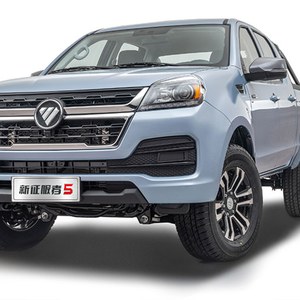
Used Foton Toano 2021 2.0T Manual Tongtu Long Wheelbase Mid-Height 5/6/7-Seater 4F20TC3
Used Foton Toano 2021 2.0T Manual Tongtu Short Wheelbase Mid-Height 5/6-Seater 4F20TC3
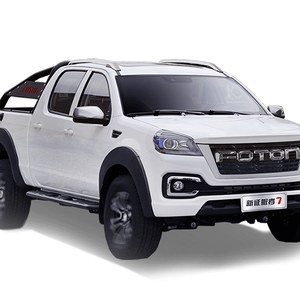
Used Foton Toano 2022 2.0T Manual Tongtu Multi-Function Long Wheelbase Mid-Roof Single-Tire 5/6/7/9-Seater 4F20TC3
How to buy a Foton Toano from China
-
1
Define the operating requirement
Specify the cargo, passenger count, roof, wheelbase, payload, route and destination before choosing a trim or engine. Include local registration and passenger-use restrictions from the outset.
-
2
Shortlist equivalent live listings
Compare vehicles with similar body, powertrain, seating and tire layouts rather than grouping every Toano under one model description. Review the current unit-level details on the live Toano inventory.
-
3
Verify configuration and documents
Request the VIN, engine and transmission codes, dimensions, emissions version, steering side, registration, title and service records. Confirm that the exact configuration can be approved and registered in the destination.
-
4
Commission an independent inspection
Use a vehicle inspector for structural condition, engine, transmission, brakes, tires, fluids, cargo floor and conversion work. For an EV, also require a battery state-of-health report and charging test.
-
5
Request a normalized export quotation
Ask for an itemized unit quotation covering vehicle price, export preparation, inland transport, freight, insurance and the applicable Incoterm. Compare quotations using the same destination and payment basis.
-
6
Confirm MOQ and payment terms
Establish whether the seller accepts single vehicles, how the minimum applies and whether mixed configurations can be consolidated. Put acceptance criteria, inspection rights, cancellation terms and refund mechanics into the contract.
-
7
Arrange logistics and market clearance
Book freight only after documents and vehicle acceptance are confirmed. Coordinate customs classification, insurance, loading, destination inspection, registration and local spare-parts support.
Toano vs rivals
| Ford Transit | A familiar light-commercial benchmark that can be preferable where local brand recognition, service coverage and standardized parts are stronger. The Toano offers a broader documented selection of body, seating and powertrain configurations, so compare certified payload, conversion requirements and local support on equivalent vehicles. |
|---|---|
| Maxus V80 | A direct Chinese-brand van alternative for fleet standardization and passenger or cargo conversions. The Toano differentiates through Tongtu, E commercial, multi-function and new-energy variants; compare diesel availability, approved loads, parts access and importer confidence in the target market. |
| JMC V-Series | Another China-origin competitor that deserves inclusion in fleet and distributor evaluations, particularly where its parts and service channels are established locally. The deciding factors are configuration fit, approved payload, warranty support, conversion capability and the total operating requirement rather than badge familiarity. |
Frequently asked questions
How is the export price of a Foton Toano determined?
A live price reflects the specific vehicle’s year, trim, powertrain, body configuration, mileage, condition and documentation. The quotation basis may include or exclude freight, insurance and destination charges, so compare the same Incoterm and use the live Toano listings on ChinaCarDirect for current unit-level pricing and availability.
What engine and electric-range options are available?
The combustion line is represented by 2.0T 4F20TC3, 2.5T 4J25TC3 and 2.8T packages, with manual and automatic examples. The listed Zhilan New Energy Foton Xiangling EV has a 44.9 kWh battery, but usable range, motor and charging details must be confirmed for that unit rather than inferred for the whole range.
Should an overseas buyer choose a new or used Foton Toano?
A used Toano can be economical when the buyer knows the required body and accepts normal wear, provided its inspection and paperwork are sound. A newer unit may suit a standardized launch fleet because it reduces early-maintenance uncertainty, but production date, registration, odometer and export eligibility must be verified rather than relying on appearance.
How does the MOQ work for Toano orders?
Some sellers accept a single vehicle, while others set minimums for a container, trim or shipment and may permit mixed configurations. Ask for the minimum in writing, whether it applies per unit or per order, and how the seller allocates vehicles, inspection, payment and release for a multi-unit booking.
What determines shipping time and cost?
Shipping time and cost depend on the origin port, destination, transport mode, route, sailing or flight schedule, vehicle preparation, documentation and cargo volume. Request separate quotations for packing, loading, inland haulage, marine or air freight and the Incoterm so the landed cost can be compared fairly.
How should buyers plan for Toano spare parts?
Parts planning should be based on the exact engine, transmission, body, roof, seat and rear-tire configuration because Toano variants are not interchangeable in every component. Before ordering, request the VIN, engine code, part numbers and confirmed local supplier coverage, and include a serviceable stock of wear items and locally hard-to-source parts.
Is right-hand-drive Toano availability guaranteed?
Right-hand-drive availability is not a blanket Toano feature and must be checked for the exact configuration and destination market. Confirm the steering side in the listing, then verify whether conversion is permitted, practical and covered by local type approval; do not assume an overseas workshop can create a compliant RHD vehicle after shipment.
How should an overseas buyer order a Foton Toano from China?
Start with the live Toano inventory, shortlist equivalent vehicles and send a written RFQ specifying body, wheelbase, roof, seats, powertrain, transmission, steering side, condition and destination. Request unit photographs, documents, an itemized quote, an independent inspection and clear payment, MOQ, Incoterm and shipping terms before authorizing payment.
Ready to source the Foton Toano?
Send ChinaCarDirect your exact Toano specification and destination for a unit-level quote and export plan.
Request a quote