
Foton Xiangling V Export Buying Guide
Buy a Foton Xiangling V from China with clear guidance on body styles, engine options, export pricing, MOQ, shipping, compliance and live inventory.
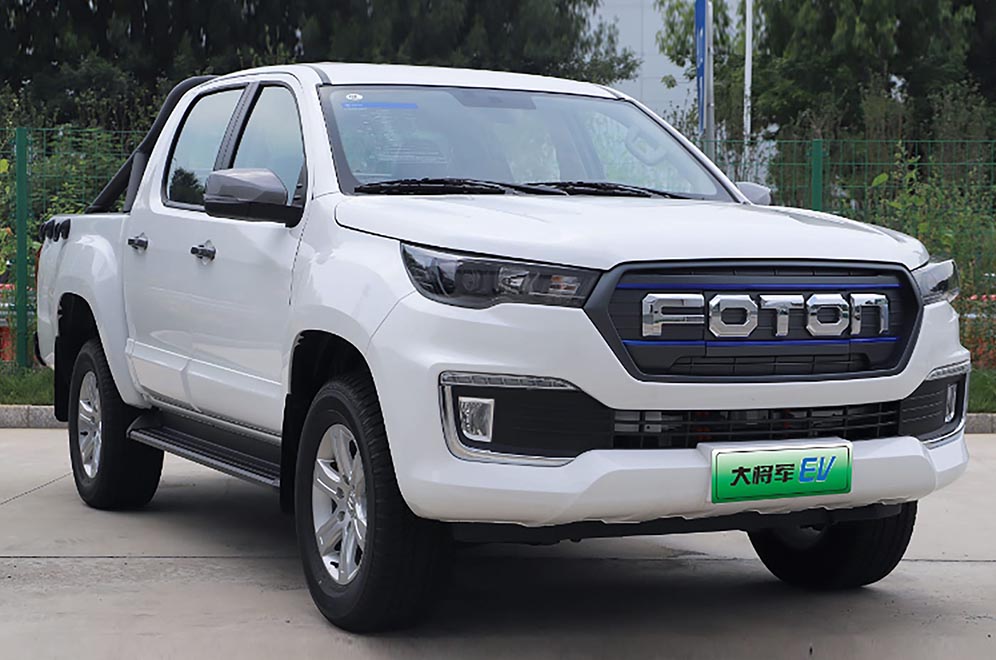
At a glance
- For export buyers, the Foton Xiangling V is a compact pickup, van and passenger-oriented platform built around practical commercial use.
- Listed gasoline versions use 1.2 L, 1.5 L or 1.6 L engines with manual transmission, while the Xiangling Q EV is an automatic two-seat derivative.
- Body choice must follow cargo, crew, load and registration requirements rather than the “V” family badge alone.
- Used units can reduce acquisition cost, but condition and documentation require stricter scrutiny; new units still need destination-market approval.
- Current pricing, availability, MOQ and shipping scope must be confirmed on live listings and in a written quotation.
Why the Foton Xiangling V matters for export markets
For overseas buyers evaluating the Foton Xiangling V for export, the model sits in the compact Chinese light-commercial segment, offering pickup, van and passenger-oriented derivatives for small businesses, trades and fleets. Its export appeal is not premium comfort or performance, but versatility, straightforward operation and a lower acquisition burden than many larger work vehicles. It is especially relevant where operators need a local repair network more than advanced driver-assistance systems. That makes it a practical option for importers comparing operating cost, local parts support and regulatory suitability rather than image alone.
Global demand tends to be strongest where operators use one vehicle for both passengers and commercial tasks. Single-cab pickups suit tools and site work; double-cab layouts can add crew capacity; flatbed and cargo-van derivatives serve delivery duties, while passenger/RV layouts address mobility or specialist needs. This variety lets an importer narrow the Xiangling V around a duty cycle rather than treat it as one universal trim. Before ordering, buyers should still confirm all local registration rules, payload limits, insurance categories and requirements, and whether the intended body conversion is recognized in the destination country for the intended commercial use.
The model is also relevant to fleet buyers seeking a second work vehicle rather than a premium family SUV. Buyers can compare a straightforward gasoline unit with a more specialized electric derivative, provided they accept that specifications and certification must be checked for the exact unit. The decisive questions are practical: can the vehicle be registered, serviced and insured locally, and will its configuration meet route, load and fuel requirements? A low purchase price alone does not establish a low cost of ownership. Local downtime and fuel consumption can reverse that conclusion.
Model range, trims and powertrain variants: how the lineup is structured and how to choose
When comparing Foton Xiangling V specs, focus on the derivative level: the “V” should not be treated as a single body style. Export listings can include V1 and V2 versions, single-cab pickups, double-cab flatbeds, cargo vans, passenger/RV layouts and a separately named Xiangling Q EV derivative. Wheelbase and body designation also vary by conversion. The safest approach is to start from the required use, then verify the VIN-linked body, seating, load arrangement and dimensions on the live listing rather than relying on a family-level label. Body conversions may carry separate local approval and load certification.
Most gasoline examples in the available model family use manual transmission and are listed with 1.2 L, 1.5 L or 1.6 L displacement, depending on body and version. Available seating spans two, five or six seats, but a two-seat pickup, a cargo van and an RV should not be compared as equivalent products. Engine selection should be based on the seller’s confirmed power and emissions data, local fuel availability, route gradients, load and after-sales support, not displacement alone. A larger badge does not automatically mean better suitability for every operating condition.
The electric option appears as the Xiangling Q EV with an automatic transmission and two-seat layout, rather than as a simple trim badge on every gasoline vehicle. Because battery capacity, range, charging method and output are not interchangeable assumptions, they must be confirmed for the exact listing. Electric suitability depends on duty-cycle range, charging access, payload after battery installation, weather and local incentives or restrictions. Any importer should also verify that the power and charging standards fit the destination market before treating it as a routine import without supporting documentation.
- Match body to duty.
- Verify VIN-linked specifications.
- Evaluate Q EV separately.
New vs used Foton Xiangling V: how export inventory is structured and how buyers choose
Export inventory for the Xiangling V can include both new vehicles and used examples from different model years and body configurations. That structure is normal for a mature light-commercial nameplate: buyers may want a recent registered vehicle for immediate work, or an older, simpler unit for fleet replacement. The relevant comparison is not simply new versus used, but vehicle condition, remaining service life and whether the seller can document the exact configuration. Current new, used and model-year availability should always be read from the live listings for the units being considered.
A used Foton Xiangling V can make sense when the buyer has a narrow, predictable duty cycle and can absorb a shorter economic life. Inspect the VIN, registration documents, engine and gearbox, cooling system, brakes, suspension, tires, chassis, rust and evidence of accident repair. Start it cold, verify gauges and road behavior, and confirm that modifications are disclosed. Cargo vans and converted bodies deserve extra scrutiny: ask for the original body specification, conversion records, load ratings and proof that the conversion will not invalidate registration or insurance in the destination market.
A new Xiangling V can reduce inspection uncertainty and align more closely with current safety, emissions and equipment expectations. It may also simplify fleet standardization if the importer intends to buy several similar units. However, a new Chinese-market vehicle is not automatically road-ready abroad: local type approval, emissions rules, safety equipment, warranty coverage and parts support still apply. Buyers should compare the total expected operating period and downtime against the price of a well-maintained used unit, including the cost of registration and any modifications in the importing country and local certification.
- Used value depends on condition.
- New needs local approval.
- Compare service life.
How export pricing works: the factors behind a live listing price, and how to read one
Foton Xiangling V export pricing cannot be reduced to one fixed figure because the same model name covers materially different vehicles. The vehicle basis moves with model year, trim, body style, cab and seating arrangement, engine or battery version, transmission, mileage, condition, options, and whether the unit is new or used. A converted cargo van or passenger/RV is not economically equivalent to a basic pickup. Sellers may also reflect local availability, replacement demand or a supplier’s inventory position. A responsible quote must identify the exact unit or specification behind the figure shown to the buyer.
Export charges can change the commercial meaning of that vehicle price. Freight or roll-on/roll-off transport, marine insurance, export documentation, origin handling, destination charges, customs duty, taxes, port fees and delivery are not necessarily included. Incoterms determine where responsibility transfers, while exchange rates and sailing space affect the final landed outlay. Compare offers on the same basis: same vehicle condition, same destination, same documentation scope and same trade term. Otherwise, a seemingly favorable listing price may simply exclude costs that another quote includes. Port capacity and destination charges can be equally decisive.
On ChinaCarDirect, read the live listing rather than relying on an article or an old saved quotation. Check whether the amount covers one specified vehicle or a generic variant, whether the condition and mileage match, and whether the unit has a VIN. Review the stated minimum order, availability status, location, currency, payment terms and quote validity. For a Foton Xiangling V wholesale request, send the required configuration and destination to the seller for a written quotation. Exact current price, per-unit availability and any binding commercial terms should be confirmed on the live listing at the time of order.
MOQ, ordering and payment: single units vs consolidating a container
Minimum order quantity is a seller term, not a fixed attribute of the Xiangling V model. Some unit-level listings may be available without a fleet-sized commitment, while a supplier or a mixed wholesale request may impose its own minimum. For an importer testing demand, one clearly identified vehicle can be the simplest entry point, subject to the listing’s stated terms. Do not infer a universal MOQ from a catalogue search: read it on the specific listing and repeat it in the purchase order and invoice so there is no ambiguity about the quantity being sold.
A container consolidation can improve freight efficiency, but only when the vehicles, homologation documents and delivery schedule genuinely align. Do not assume unrelated pickups, vans or converted bodies can be combined simply because their order values are substantial. Each unit still needs a clear description, condition report, VIN where applicable, title or ownership evidence and consistent export paperwork. Supplier allocation can also separate matching units across different shipments. Model the saving against administration, inspection, financing and delay risk rather than treating freight per vehicle as the only container economics involved.
The ordering sequence should move from specification to written terms, then to inspection and payment. Ask the seller to confirm the VIN or production identity, exact body, engine, transmission, mileage, condition, equipment, documents, price basis and readiness status. Agree what happens if an inspection finds an undisclosed defect or if the vehicle fails destination-market approval. Deposits, balance timing, accepted payment method, refund conditions and cancellation terms should be written rather than negotiated only in conversation. A purchase order should reconcile the live listing, seller quotation and final shipment documents before payment.
- MOQ is seller-specific.
- Test demand with one unit.
- Consolidate compatible units only.
Shipping, homologation and market compliance caveats: LHD/RHD and import rules by country
Steering-hand configuration is a critical sourcing question. Many China-market vehicles are built for left-hand drive, but the model name does not prove that a particular example is available in right-hand drive. State the required hand explicitly when requesting a vehicle and have the seller confirm it in the listing, photographs and final documents. Changing steering side is not automatically a simple conversion: electrical, safety and certification implications may arise. Where RHD supply is uncertain, compare the cost and lead time of a factory-appropriate example with a suitable locally converted alternative where permitted.
Import eligibility is determined by the destination country, not by Chinese-market sale alone. The vehicle may need a valid type approval, VIN recognition, emissions compliance, safety-equipment checks, customs classification, roadworthiness inspection and local taxes. Pickup or van rules can differ for open cargo beds, dual-purpose classification, seating, payload and commercial use. An RV or converted passenger vehicle may be taxed and insured differently from a standard pickup. Use an importer or local compliance specialist before committing funds, and keep original Chinese documents with the vehicle’s technical record throughout the ownership period.
Shipping should be planned around vehicle condition, route safety and document readiness. Pickups and vans may travel in a container or roll-on/roll-off service, but the method must be confirmed with the carrier after dimensions and loading requirements are known. For an EV derivative, battery transport, charging access and isolation or disconnection rules require advance coordination. Complete a pre-shipment inspection, photograph the body and cargo area, secure loose items, verify insurance and export documents, and agree who bears port, storage and demurrage charges. Transit duration and cost vary with origin, destination, sailing schedules, congestion and season.
- Confirm steering side first.
- Check approval and taxes.
- Plan inspection and port time.
Who should buy the Xiangling V — and who should pick a different vehicle
The Xiangling V is a strong candidate for small contractors, rural service businesses, delivery operators and fleet buyers that need inexpensive, easily understood vehicles. It is especially relevant when units must perform short, repetitive routes and local technicians can service basic gasoline mechanicals. Pickup users may value an open cargo bed; cargo-van users may prioritize enclosed load protection; passenger/RV versions address a different mobility need. The right version is the one whose body, seating, load rating and local legality match the actual operation, not the most elaborate listing on paper.
A buyer should choose a new unit when predictable specification, warranty handling and a longer planned operating life outweigh the higher acquisition commitment. A used unit can be more rational where acquisition cost is critical, the work environment is moderate, and a competent inspection can establish condition. Manual transmission may suit operators comfortable with it, while the electric derivative suits buyers who can match charging access and verified range to the duty cycle. None of these preferences replaces checking the actual vehicle’s documents, capability and destination-market approval before releasing funds.
Different vehicles are better when a business needs stronger crash-safety credentials, advanced braking and driver-assistance systems, a proven resale reputation, higher towing capacity or emissions performance that can be registered without extensive modification. Large-load operators may prefer a heavier-duty pickup, while enclosed-delivery fleets may need a purpose-built van. Buyers seeking long-distance electric travel should not choose an EV derivative solely from its badge; verified range, charging logistics and weather sensitivity must work. In short, buy the Xiangling V for economical, flexible utility—not as a substitute for a safer, stronger or more specialized vehicle.
- Best for cost-conscious operators.
- Match version to duty.
- Choose alternatives for heavy duty.
Main rivals and how the Xiangling V compares
The Wuling Rongguang is a close Chinese-market comparator because it targets compact pickup and light-commercial buyers seeking low purchase cost and simple utility. Both nameplates can appeal to trades and small fleets, but engine, tax, insurance and homologation treatment vary by market and exact version. The Xiangling V may offer a broader visible choice of pickups, vans and passenger layouts, while local Rongguang support can be stronger in some markets. Compare the exact body, permitted payload, safety specification and landed cost rather than declaring a universal winner before placing an order.
The Changan Kaicene K1 is another relevant compact pickup competitor aimed at commercial users who value straightforward utility and local cost control. It can be a persuasive alternative when a buyer can obtain competitive servicing and a clearer homologation path in the destination country. Against it, the Xiangling V’s different cab, van, seating and engine configurations offer broader task matching, but the broader catalogue does not guarantee better economics for every unit. Check dealer support, parts access, payload documentation and total operating requirements on both sides before committing to funds.
The JAC V6 is another relevant Chinese compact-pickup competitor, particularly where JAC parts and service are easier to access than Foton support. Both are work-focused, but the Xiangling V family exposes a broader visible mix of cab, van, seating and engine configurations, while the JAC comparison may be simpler within one model family. Do not force a universal verdict: compare permitted payload, roadworthiness, safety, purchase terms and total operating requirements in the destination market. Availability, emissions rules and fleet support may favor one name in a particular country, so local evidence should outweigh generic badge comparisons.
- Compare payload and safety.
- Service support may outweigh badge.
- Match market and configuration.
Live Foton Xiangling V export inventory
View all listings →Real units currently on ChinaCarDirect with per-unit asking prices and MOQ. Availability updates live from the catalogue.
Used Foton Xiangling V New Energy 2025 Xiangling Q EV Automatic 2-Seater
How to buy a Foton Xiangling V from China
-
1
Buy a Foton Xiangling V from China
Start with the duty cycle: define the body, seating, load, route, fuel and required steering side. State the destination country before comparing configurations because registration and tax treatment can change the suitable vehicle.
-
2
Review the live listings
Compare the closest live listings by body, model year, engine, transmission, mileage, condition, VIN and documents. Treat the listing description as the starting point and request missing production or compliance details.
-
3
Request a written quotation
Send the exact configuration, destination, quantity and preferred Incoterm. Ask the seller to identify every included charge and provide the current per-unit price, payment milestones, readiness status and quote validity.
-
4
Verify documents and homologation
Check VIN, ownership evidence, import classification, emissions, safety requirements, taxation, body-conversion legality and LHD or RHD suitability with the destination authorities or a local specialist.
-
5
Inspect and secure payment
Use a competent or independent inspector, particularly for used and converted vehicles. Agree in writing on defect remedies, document discrepancies, deposits, balance timing, refunds and cancellation conditions before paying.
-
6
Ship, clear and receive
Complete a pre-shipment inspection, verify insurance and export papers, secure the vehicle and cargo area, and confirm port and freight charges. Use a customs broker to complete clearance and retain the vehicle’s technical and ownership records.
Xiangling V vs rivals
| Wuling Rongguang | A close compact pickup and light-commercial alternative, especially where Wuling has stronger local service. The Xiangling V offers a broader visible mix of pickups, vans and passenger layouts, but homologated payload, safety and ownership costs should determine the better fit. |
|---|---|
| Changan Kaicene K1 | A relevant compact-pickup competitor for cost-conscious commercial buyers with established Kaicene support. Xiangling V buyers gain more visible body and seating choice, while the Kaicene may offer a simpler local ownership proposition in certain markets. |
| JAC V6 | A direct work-pickup alternative, particularly attractive where JAC parts and service are more accessible. The Xiangling V family provides broader configuration choice, but the better commercial fit depends on local approval, payload documentation and operating support. |
Frequently asked questions
How is the Foton Xiangling V export price determined?
Foton Xiangling V export pricing is driven by the exact body, model year, engine, transmission, mileage, condition, configuration and whether the vehicle is new or used. Freight, insurance, documentation, customs, taxes, exchange rates and the Incoterm can change the landed total. Check the live listing for the current per-unit amount and request a written quotation for the intended destination.
What engine and electric options are available?
The gasoline versions shown use 1.2 L, 1.5 L or 1.6 L engines with manual transmission. A Xiangling Q EV derivative is also listed with an automatic transmission and two seats. Battery capacity, range, charging and output are not stated here, so confirm them on the specific live listing before purchase.
Is a used Foton Xiangling V better than a new one?
A used unit can suit a buyer with a short planned operating life who can verify condition and accept more maintenance risk. A new unit offers more consistent specification and potentially simpler fleet standardization, but it still needs destination-market approval and local parts support. Compare the inspection evidence, warranty terms and expected downtime rather than using age alone.
What is the MOQ for the Xiangling V?
MOQ is set by the seller and the specific listing, not by the model name. A unit-level purchase may be possible, while fleet or consolidated requests can carry different conditions. Read the stated MOQ on the live listing and repeat the accepted quantity, price and payment terms in the purchase order.
How long does shipping take and what does it cost?
Shipping time and cost depend on origin and destination ports, carrier capacity, congestion, vehicle dimensions, documentation readiness, insurance and the selected Incoterm. A vehicle that is not ready for export can incur storage and handling charges while awaiting paperwork. Ask the freight provider for a route-specific schedule and all charge inclusions.
Are spare parts available for the Foton Xiangling V?
Parts support depends on the exact engine, body and production variant, and whether local dealers hold the relevant Chinese references. Ask the seller for a parts list using the VIN or vehicle identity, common wear-item availability and recommended import channels. For a fleet, consolidating model-compatible vehicles can simplify parts planning.
Is right-hand-drive Xiangling V availability confirmed?
The model name alone does not establish RHD availability. Confirm steering side in writing, request photographs and supporting documents, and check destination-country approval before ordering. A local conversion may be possible in some markets, but it should not be assumed to be electrically, structurally or legally equivalent to a factory configuration.
How do I order a Foton Xiangling V from China?
Start with the ChinaCarDirect live listings, select the closest configuration and send the destination, quantity, preferred trade term and required documents through the RFQ channel. Confirm the VIN-linked specification, compliance path, inspection, payment milestones and shipping plan in writing. The seller’s current quotation and listing terms should be reconciled in the final purchase order.
Ready to source the Foton Xiangling V?
Send your destination, required body, powertrain and quantity to ChinaCarDirect for a current Foton Xiangling V quotation.
Request a quote