
GAC Trumpchi Gs4 Export Buying Guide for Overseas Buyers
Buy a GAC Trumpchi Gs4 from China with guidance on trims, PHEV and gasoline options, live export pricing, MOQ, shipping, compliance and rivals.
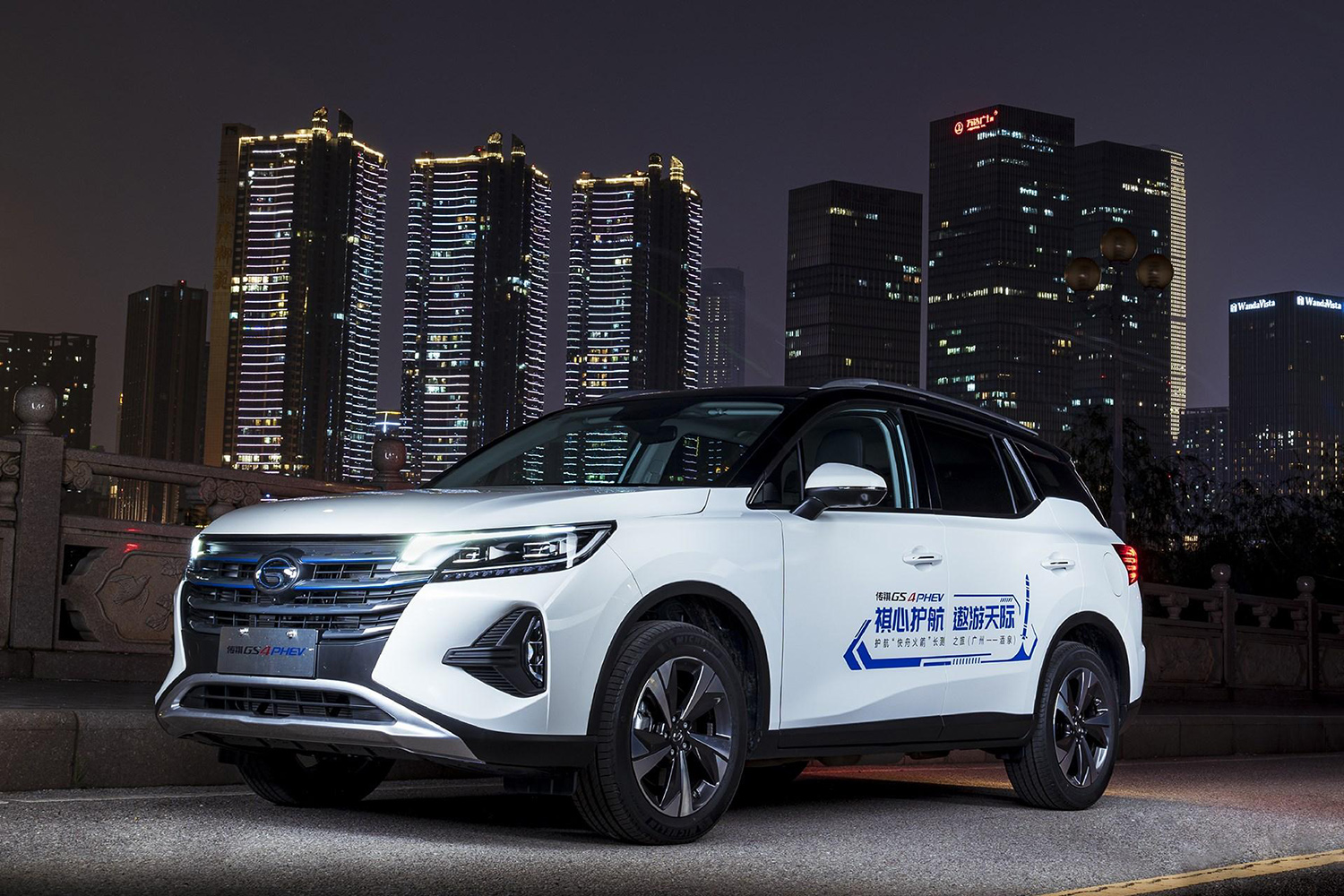
At a glance
- The Gs4 combines compact-SUV positioning with gasoline and plug-in hybrid choices for overseas buyers.
- The export range includes 235T, 270T, 1.5L PHEV and 1.5T PHEV routes, but every unit needs exact specification verification.
- New inventory supports fleet consistency, while used inventory can ease acquisition cost but requires closer inspection.
- Export pricing must be assessed per vehicle, with freight, Incoterm, duties, taxes and destination charges included.
- Confirm market homologation, steering side, parts support and charging access before scaling an order.
Why the GAC Trumpchi Gs4 matters for export markets
The GAC Trumpchi Gs4 is a compact SUV positioned for buyers who want more height and practicality than a sedan without moving into a large, costly SUV class. Its export relevance comes from a lineup that combines conventional gasoline versions with plug-in hybrid versions under the GAC Trumpchi New Energy name. That mix gives distributors a single model family to consider for urban fleets, company cars and general retail sales. It is especially relevant where compact dimensions, familiar service categories and multiple propulsion choices matter more than premium branding or the very latest body design.
Across many export markets, compact crossovers address a broad buyer need: usable passenger space, easier urban parking and a higher seating position than a saloon. The Gs4 is relevant to importers seeking Chinese manufacturing value without moving immediately to a premium European badge or a larger family SUV. Its appeal is particularly credible for company-car programmes, ride-hailing operations and distributors building a value-focused compact-SUV range. Local fuel availability, road conditions and tax policy will determine which powertrain becomes commercially stronger. Buyers should assess total operating cost and customer acceptance, not just acquisition appeal.
For overseas buyers, however, “compact SUV” is not a universal product description. Design, equipment, emissions rules, safety approval and after-sales support vary by destination, and the Gs4 should be sold on verified configuration rather than broad assumptions. ChinaCarDirect’s GAC Trumpchi brand hub is useful for identifying the model family, but the final case for a market depends on live unit photographs, documents and homologation evidence. A disciplined import decision starts with customer use cases and ends with landed operating cost. That sequence prevents attractive catalogue claims from outrunning local evidence.
- Gasoline and PHEV variants share one model family.
- Compact positioning suits urban fleets and importers.
- Homologation and aftersales remain destination-specific.
Model range, trims and powertrain variants: how the lineup is structured and how to choose
The Gs4 range is easier to navigate when it is split into two powertrain families rather than treated as one undifferentiated list. Conventional entries use 235T or 270T engine designations and may appear with manual or automatic transmissions, depending on trim. New Energy entries are labelled as 1.5L PHEV or 1.5T PHEV, with Smart Enjoyment and Deluxe grade names. Export listing titles therefore combine model year, engine, transmission, drive configuration and commemorative or technology wording. That long title should be translated into a simple comparison sheet before any commercial discussion begins.
Among gasoline versions, the visible distinctions include 235T and 270T engine labels, two-wheel-drive wording, and trim levels such as Elite, Luxury Smart Connect and related commemorative editions. Some listings pair the 235T with a manual gearbox, while automatic versions cover both designations in the available mix. For an importer, engine code alone is not a sufficient technical specification: ask for the exact engine, output, transmission type, drivetrain and equipment fitted to the serial-number vehicle. Do not assume automatic transmission, climate control or infotainment features carry across every named edition without confirmation.
The plug-in hybrid branch gives buyers a different operating proposition: a 1.5L or 1.5T PHEV can support electric driving where suitable, while the combustion engine remains part of the vehicle’s propulsion. The listed Smart Enjoyment and Deluxe names describe commercial grades, not a universal equipment standard across countries. Because battery capacity, electric range, charging method and export homologation are not safely inferred from the grade name, request the live vehicle specification and test-cycle information before comparing total cost. For fleet tenders, compare both fuel and charging assumptions with the actual duty cycle.
- 235T and 270T need exact engine confirmation.
- Manual and automatic choices vary by trim.
- PHEV battery, range and charging require verification.
New vs used GAC Trumpchi Gs4: how export inventory is structured and how buyers choose
ChinaCarDirect live inventory can include both new and used examples of the Gs4, so a buyer should first decide which type of transaction the business can support. New units generally offer a more consistent condition, clearer model-year comparison and warranty terms that can be verified before shipment. They may also carry features that are harder to verify on an older vehicle. Used units can widen sourcing choice and reduce the initial acquisition burden, but each requires tighter inspection and a different risk calculation. Neither category is automatically cheaper on a landed basis.
For a used Gs4, mileage is only the first evidence point. The exterior, interior, chassis, tyres, fluids, battery or hybrid components, engine, transmission, dashboard warnings and service history should form an inspection brief matched to the exact listing. PHEV units need particular attention to battery condition, charging behaviour and any evidence of incomplete maintenance or flood exposure. Ask for clear photographs, diagnostic information where available, title documents and a truthful history rather than relying on a model-year label. A pre-shipment inspection should then be tied to documented acceptance criteria before final payment.
For a new purchase, ask whether the vehicle is truly unused, how it was prepared for export, whether the warranty starts at production or shipment, and which documents accompany it. A fleet order should be consistent across a grade, but consistency does not remove the need to inspect each unit for transit damage, missing equipment and specification variance. The practical choice is therefore not “new good, used bad”; it is whether your process can absorb the documentation and condition risks of each category. For mixed fleets, separate warranties and inspection records by unit.
- New units favour consistency and warranty clarity.
- Used units require condition and history checks.
- PHEVs need dedicated battery and hybrid inspection.
How export pricing works: the factors behind a live listing price, and how to read one
A live Gs4 export price is the output of several variables, not a fixed wholesale rate. Model year and condition usually shape the starting point, while trim level, engine or PHEV version, transmission, drivetrain and included equipment can create a material difference between units. Mileage and repair history matter most for used vehicles. Exchange-rate movements, freight, marine insurance, port handling, inland transport, duty and tax can further separate the displayed vehicle price from the buyer’s true landed cost. The same trim name may not guarantee an identical export specification across units.
Read each listing as a vehicle-specific commercial offer rather than a catalogue benchmark. Confirm whether the quoted amount covers the vehicle only or also includes defined export services, and identify the Incoterm, destination port, payment route and expected schedule. Check whether images match the named year, trim and powertrain, and whether the seller has answered requests for identification documents. Exact current price, minimum order quantity and availability are shown per unit in the live ChinaCarDirect inventory, so only those unit pages should be treated as binding references for current quotations.
For a workable comparison, build a landed-cost worksheet for shortlisted units. Start with the live asking price, then add or subtract only the items stated in that quotation, including international freight, insurance, handling, destination charges, customs duties, taxes and local delivery. Model several transport and exchange-rate scenarios rather than burying uncertainty in one estimate. A cheap vehicle with an incomplete quote can be more expensive than a higher-priced unit with clearer terms. Use the same assumptions when testing a dealer, broker or direct-export route rather than relying on incomparable headline figures.
- Year, trim, powertrain and condition shape asking prices.
- Incoterm and destination charges affect landed cost.
- Live pages show current price, MOQ and availability.
MOQ, ordering and payment: single units vs consolidating a container
Ordering starts with deciding whether the intention is to secure one vehicle for evaluation or to build a repeatable container programme. A single-unit purchase is useful for testing demand, inspecting local reception and validating service arrangements before committing larger stock. It also exposes the full fixed-cost burden of freight and compliance on a smaller cargo base. The listing’s stated minimum order quantity must be confirmed for the selected unit and must not be assumed from other vehicles in the same model family. Ask the supplier to state it in writing in the purchase order.
For container consolidation, compatible Gs4 versions can improve freight efficiency, but the loading plan depends on verified dimensions, packing requirements and vehicle mix. Grouping the same model year, powertrain and specification simplifies parts planning, technician training and customer messaging, although it may reduce flexibility if demand changes. Confirm how many units can be loaded safely and how the seller or freight forwarder calculates actual vehicle capacity. Consolidation should improve economics, not obscure unit-level differences or quality-control responsibility. A written loading plan should identify inspection access, securing points and responsibility for handling damage.
Payment and order mechanics should be written into a purchase confirmation. The agreement should identify the exact vehicle or agreed production batch, specification, price basis, Incoterm, inspection standard, document list, delivery terms and the point at which each payment milestone is due. Use a traceable contractual channel, verify the legal seller and scrutinise changes to bank details independently. Release the balance only against the agreed handover and document conditions rather than relying on informal promises. For a container, also define responsibility for damage, shortages, unit rejection and related claims.
- Confirm listing-specific MOQ before ordering.
- Single units test demand and operations.
- Container plans align specification, loading and parts.
Shipping, homologation and market compliance caveats: LHD/RHD and import rules by country
Gs4 vehicles can move by enclosed container or roll-on/roll-off vessel, and the right method depends on verified dimensions, loading access, cargo volume and destination handling. A container can offer greater physical protection but demands careful loading and securement; RoRo is efficient for compatible wheeled vehicles and often suits mixed cargo. Freight quotations depend on origin and destination ports, vehicle count, route, sailing frequency, season, congestion, fuel surcharges and insurance. Obtain the logistics plan from the seller or its appointed forwarder before treating an ex-vehicle price as a delivered price with defined accessorial charges and responsibilities at destination.
Import approval belongs to the destination market, not the Chinese factory or export listing. The importer should check VIN and title documents, customs classification, applicable duty or VAT treatment, local emissions and safety requirements, warranty rules, software and language, lighting, tyres, mirrors and equipment relevant to road use. PHEV imports may also require attention to charging interfaces, electrical safety and local incentive or tax treatment. Homologation and certification work can add cost and lead time, so begin it before committing stock. Use the exact configuration when applying; a similar Gs4 cannot validate another vehicle or approval evidence for another market.
Steering configuration is a separate sourcing decision. A Chinese-market production run may be left-hand drive, while right-hand-drive availability can vary by model, factory run, trim and destination. Do not assume that a LHD unit can be converted economically or that every advertised Gs4 is available in the required configuration. State the required drive side, then ask the seller to evidence the actual vehicle. Local conversion workshops, parts supply and inspection should be considered before accepting a mismatched unit. Steering changes alone do not replace market homologation requirements for that market.
- Compare container and RoRo using verified dimensions.
- Homologation depends on exact destination configuration.
- Specify steering side and verify each vehicle.
Who should buy the Gs4 — and who should pick a different vehicle
The Gs4 is best suited to importers and fleet buyers that need a compact crossover with a choice between gasoline and plug-in hybrid drivetrains. It can suit urban company-car users, short-distance ride-hailing fleets and customers prioritising useful space and operating flexibility over premium status. The broad trim naming also gives buyers room to match price and equipment to different market segments. These strengths make it relevant where a distributor wants a recognisable Gs4 product story and a manageable aftersales platform. A smaller dealer can begin with a mixed but tightly controlled stock plan.
It is less suitable for buyers who require the latest global safety architecture, advanced driver assistance, large boot volume, seven-seat packaging or heavy-duty towing. The PHEV branch also deserves caution where charging access is unreliable, electricity is expensive, local incentives are unattractive or drivers will not maintain the vehicle correctly. A used unit may not suit a customer needing predictable warranty support or homogeneous fleet specification. In these cases, another Chinese compact SUV or a newer electrified platform may be the better commercial decision. Do not buy around a known operating constraint merely to access a particular model.
A disciplined buyer should score the Gs4 against fleet requirements before looking at individual listings. Compare vehicle size, drivetrain, fuel or charging assumptions, service capability, parts lead time, homologation and expected residual demand. Then test whether the proposed trim delivers those requirements at a sensible fully landed cost. If the evidence is incomplete, a short verification or pilot purchase may be more valuable than filling a container immediately. The right question is not whether the Gs4 is competitive in isolation, but whether it is competitive for a defined customer and operating environment.
- Best for urban fleets and budget-focused importers.
- PHEV fit depends on charging and duty cycles.
- Avoid when premium technology, space or towing dominates.
Main rivals and how the Gs4 compares
Three relevant Chinese-market rivals for the Gs4’s compact-SUV and value-oriented position are the Changan CS35 Plus, Chery Tiggo 4 and JAC JS3. Each competes for budget-conscious private buyers and fleet operators seeking Chinese-manufactured crossovers, although trim mix, powertrains and market presence differ by country. Comparing badge names alone is not enough. The useful test is whether an alternative offers a better combination of dimensions, fuel choice, equipment, homologation, aftersales and landed cost in the importer’s actual destination. A buyer should also include locally dominant brands with stronger residual-value evidence available locally.
The Changan CS35 Plus is a useful alternative when its local trim mix and dealer support better match the target market. The Chery Tiggo 4 can appeal to buyers who prioritise an established export-facing name or a particular equipment level, but the exact variant must be checked rather than assumed. The JAC JS3 offers another value-led compact-SUV comparison and may suit different engine and feature preferences. For the Gs4, the relevant advantage to test is its combined gasoline and PHEV family, while rivals may offer simpler specification matching or broader market familiarity.
The Gs4 should win when a buyer wants several clearly labelled trim routes, is comfortable decoding Chinese export names and can support both conventional and electrified service requirements. It should lose when another rival has stronger distributor coverage, simpler compliance or a better proven residual market in the destination. Make the final comparison with the same vehicle condition, transport basis and cost assumptions. Request a written Gs4 specification and competing quotation, then stress-test both against warranty, parts, financing and customer acceptance before deciding and update the decision if either offer changes.
- CS35 Plus: compare local trims and dealer reach.
- Tiggo 4: weigh brand familiarity and parts support.
- JS3: compare value trims against Gs4 powertrain breadth.
Live GAC Trumpchi Gs4 export inventory
View all listings →Real units currently on ChinaCarDirect with per-unit asking prices and MOQ. Availability updates live from the catalogue.
GAC Trumpchi Trumpchi GS4 2018 235T Automatic 2WD Luxury Smart Connect Million Commemorative Edition
GAC Trumpchi Trumpchi GS4 2018 235T Automatic 2WD Elite Million Commemorative Edition
How to buy a GAC Trumpchi Gs4 from China
-
1
Define the target configuration
Specify the destination, steering side, powertrain, passenger requirement, charging access and aftersales coverage. Use this brief to filter unsuitable Gs4 trims before discussing commercial terms.
-
2
Shortlist the live inventory
Review the live Gs4 listings and compare model year, trim, engine, transmission, condition and photographs. Treat the unit page as the source for its current price, MOQ and availability.
-
3
Request an RFQ and documents
Ask the seller for the complete specification, identification documents, warranty terms, price basis and Incoterm. Request separate answers for any missing technical or condition information.
-
4
Validate market compliance
Have the exact configuration reviewed against destination rules for customs, safety, emissions, software, tyres, lighting and charging where relevant. Record any approval work required before shipment.
-
5
Agree price and payment
Build the landed-cost worksheet and document freight, insurance, duties, taxes, local delivery and inspection costs. Set payment milestones against the exact vehicle, documents and acceptance criteria.
-
6
Inspect, load and ship
Use a written pre-shipment inspection brief and select container or RoRo only after checking dimensions and loading access. Track securing, insurance, shipping documents and destination charges through the agreed forwarder.
-
7
Complete arrival handover
Complete customs, registration and mechanical or hybrid checks before releasing the vehicle for sale or fleet use. Record the parts, manuals, diagnostic support and warranty documents needed for local aftersales.
Gs4 vs rivals
| Changan CS35 Plus | A close value-oriented compact-SUV rival whose local trim and powertrain mix can make it easier to service. Choose it when its equipment, dealer coverage and landed cost better match the market than the Gs4. |
|---|---|
| Chery Tiggo 4 | A direct export-facing rival with potentially stronger brand familiarity in some markets. It may be preferable where parts support or residual demand is better proven, but the exact engine, trim and steering side must be compared. |
| JAC JS3 | Another price-led compact crossover competing for budget fleets and private buyers. The Gs4 may be easier to specify where both gasoline and PHEV routes are commercially useful and can be locally supported. |
Frequently asked questions
How is the GAC Trumpchi Gs4 export price determined?
A Gs4 export quote is built from the vehicle’s model year, trim, engine or PHEV version, gearbox, condition, mileage and equipment. The quote can then vary with exchange rates, freight, marine insurance, port charges, duties, taxes and the selected Incoterm. Review the live Gs4 inventory on ChinaCarDirect for the current per-unit price and ask for an RFQ stating what that amount includes.
Which GAC Trumpchi Gs4 powertrain and range options are available?
The export range includes 235T and 270T gasoline versions and 1.5L and 1.5T PHEV versions. Exact engine outputs, battery capacity, electric range and charging details are not defined by the trim name alone and should be checked in the live listing. Do not convert a Chinese test-cycle range directly into an export-market operating assumption without reviewing local approval and real-world conditions.
Is a new or used GAC Trumpchi Gs4 better for export?
New Gs4 units generally offer more consistent condition and easier model-year comparison, while used units can offer a lower acquisition burden but more condition risk. For used PHEVs, inspect battery health, charging behaviour, service records and hybrid-system warnings. Choose new when warranty and fleet uniformity dominate; choose used when the buyer has strong inspection and repair capability.
What is the MOQ for GAC Trumpchi Gs4 wholesale orders?
MOQ is a term attached to the selected listing and commercial offer, not a permanent property of the Gs4 name. Confirm the minimum quantity shown on the live unit and in the written quotation. A pilot order may suit one vehicle, while container consolidation requires an agreed vehicle mix, loading plan and responsibility for each unit.
How long does shipping a Gs4 take and what does it cost?
Shipping time and cost depend on origin and destination ports, sailing schedule, congestion, season, vehicle count, cargo method, insurance and accessorial charges. Compare an enclosed container with RoRo only after confirming Gs4 dimensions and local port handling. Treat the seller’s vehicle price as ex-vehicle until the Incoterm and destination charges are defined.
Can spare parts for the GAC Trumpchi Gs4 be supplied for export?
Before ordering, ask whether trim-specific parts, manuals, service procedures and diagnostic support can be supplied through the seller or a local network. For PHEVs, confirm access to battery and hybrid components rather than assuming ordinary service covers every item. Parts lead time, interchangeability and freight method should be included in the aftersales cost model.
Is a right-hand-drive GAC Trumpchi Gs4 available?
Right-hand-drive availability depends on the exact model, factory run, trim and destination, so it should never be inferred from the general model name. Specify LHD or RHD in the RFQ and require photographs and vehicle documents showing the actual configuration. A steering conversion may be possible in some markets, but it adds cost and does not replace homologation.
How can I buy a GAC Trumpchi Gs4 from China?
Use the live Gs4 listings to shortlist a unit, then submit an RFQ for its exact specification, documents, price basis, MOQ, Incoterm, payment milestones and delivery plan. Verify the seller and contract, inspect or accept the vehicle against agreed criteria, and release payment only under those terms. After arrival, complete customs, registration and local handover before selling or deploying the vehicle.
Ready to source the GAC Trumpchi Gs4?
Request a unit-level GAC Trumpchi Gs4 RFQ with specification, live price, MOQ, Incoterm, documentation and shipping options.
Request a quote