
Geely Galaxy Galaxy L7 Export Buying Guide
Export buying guide for the Geely Galaxy Galaxy L7, covering PHEV trims, range choices, pricing factors, MOQ, shipping, compliance and rival alternatives.
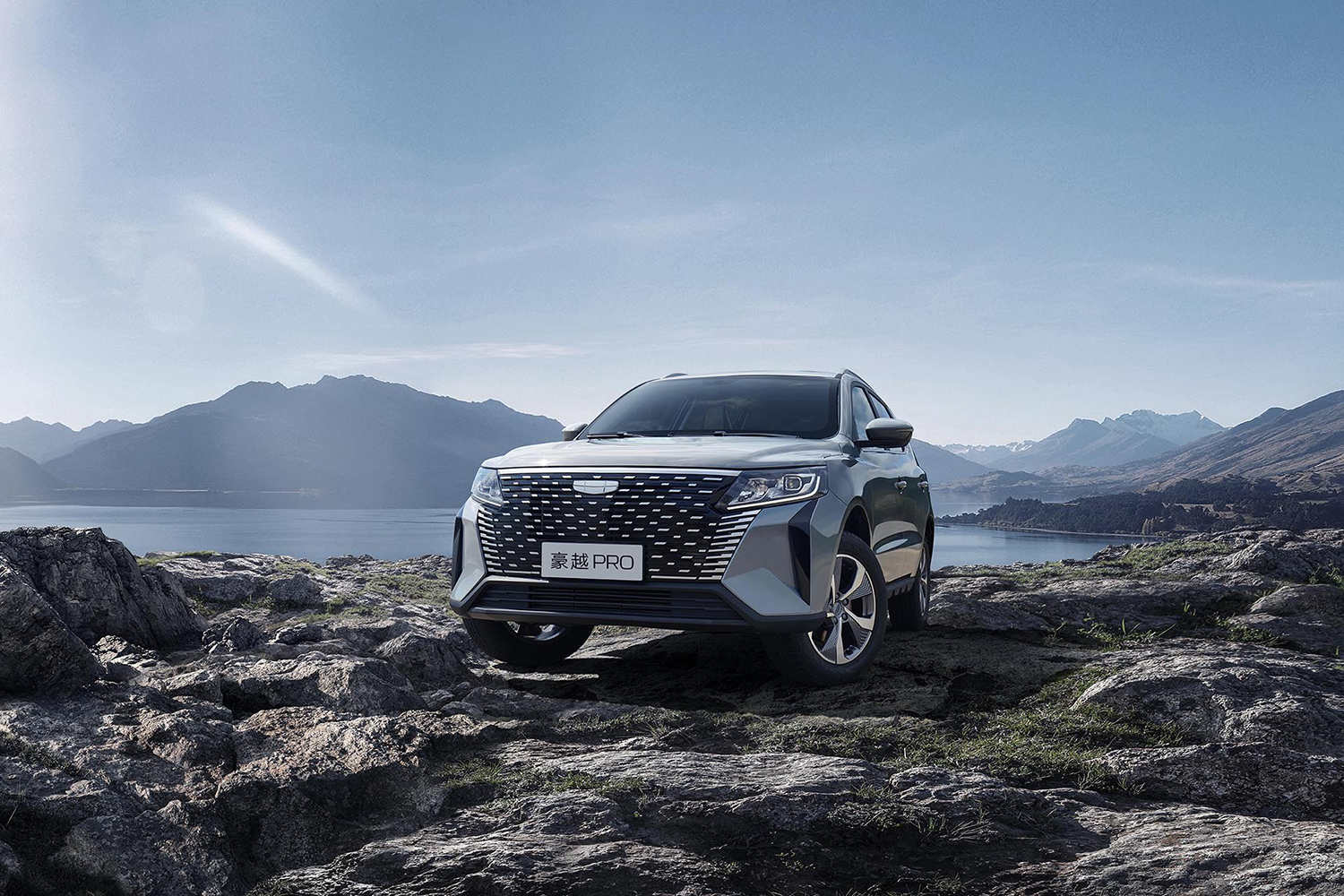
At a glance
- A 1.5T plug-in-hybrid compact SUV designed for mixed electric and combustion-engine use.
- Choose between 55 km and 115 km electric-range versions according to duty cycle and charging access.
- Select a trim based on verified equipment, warranty support and homologation rather than the badge alone.
- Compare export prices using identical vehicles, conditions, destinations and Incoterms.
- Confirm steering configuration, import eligibility and parts support before expanding an order.
Why the Geely Galaxy Galaxy L7 matters for export markets
The Geely Galaxy Galaxy L7 occupies the compact SUV segment with a proposition that is practical for cross-border evaluation: a 1.5T plug-in-hybrid system, a family-oriented five-door body, and selectable 55 km or 115 km electric-range versions. That mix suits buyers who want routine journeys powered by electricity but still require a combustion engine for longer trips or uneven charging access. For importers, this broadens the market beyond plug-in EV-only products. Its relevance depends on local energy infrastructure, taxation and homologation rather than on any single export-market ranking, so the decision should begin with operating conditions.
Global buyer interest in this format is strongest where charging networks are developing faster than public confidence in them. Fleets, company-car programs and private buyers may value the ability to charge overnight, use electricity for daily mileage, and avoid range anxiety on intercity routes. The 115 km-labelled version can make electric operation more relevant for longer urban commutes, while the 55 km-labelled version places a stronger emphasis on hybrid efficiency and purchase economics. Neither label should replace a local route study, including winter temperature, payload, route length and charging availability at the point of purchase.
The L7 also matters because it illustrates how Chinese domestic vehicles are adapted for export evaluation rather than sold as an unexamined specification sheet. Dealers must convert trim labels into equipment, confirm battery and charging information, establish parts support, and price the vehicle for the destination's taxes and standards. A listing can therefore represent sound export value only when it is paired with documentation, after-sales arrangements and a realistic landed-cost calculation. ChinaCarDirect's live Galaxy L7 inventory is the correct place to inspect the units currently offered, rather than relying on a generic market summary.
- 1.5T plug-in-hybrid compact-SUV format
- 55 km and 115 km range choices
- Charging access determines daily value
Model range, trims and powertrain variants: how the lineup is structured and how to choose
The line-up is structured around the 1.5T plug-in-hybrid family and two electric-range labels. Across the PRO, PLUS, Starship and MAX Soaring Dragon names used for the Galaxy L7, the most important first split is 55 km versus 115 km, followed by trim equipment. The latter names should not be treated as universal grade rankings because Chinese-market equipment, option bundles and export documentation can differ. Buyers should read the full trim description, including any named editions, before assuming two similarly named cars are functionally identical on a unit being offered for export.
Choosing between the two range versions starts with the buyer’s daily mileage and charging routine. A 55 km electric-range version may fit shorter commutes, frequent depot charging and routes where the combustion engine is expected to handle more of the distance. The 115 km version offers more electric-only potential before the hybrid system has to rely more heavily on its engine. Actual savings depend on charging discipline, terrain, weather, speed and how often the battery is replenished, so a spreadsheet based on the official range alone is not enough for a decision.
Trim selection should then be driven by operational needs rather than the most prominent badge. Fleet buyers may prioritize durable cabin materials, climate control, infotainment, cargo flexibility and a warranty process that their technicians can support. Dealer buyers may place greater weight on appearance, driver-assistance features and parts commonality. For every route from PRO to MAX Soaring Dragon, verify seat configuration, charging equipment, safety systems, software functions and documentary status on the specific live listing. A range version that fits the duty cycle but lacks the required service package is not the better purchase.
- 55 km for shorter commutes
- 115 km for more electric potential
- Verify named trim equipment
New vs used Geely Galaxy Galaxy L7: how export inventory is structured and how buyers choose
Export inventory should be read as a set of individual vehicles rather than a generic new-or-used category. A new listing may identify factory configuration, model year and expected delivery condition; a used listing should be treated as a separate asset with mileage, ownership history and condition risk. Because condition labels can change as vehicles are consigned, the binding information is the one attached to the particular listing and sales invoice. Buyers should not infer that similar trim names mean equivalent warranty, preparation, residual value or equivalent availability in the relevant market.
For a new Galaxy L7, the comparison should focus on factory specification, expected homologation work, delivery preparation, warranty coverage and whether the seller can support the destination market. For a used example, request the VIN, registration or import history where relevant, odometer evidence, service records, accident disclosure and a physical or third-party inspection. The high-voltage battery and hybrid system deserve particular attention because operating history can affect condition, software updates and future repair planning. A lower acquisition figure is not automatically a lower cost of ownership over the planned holding period.
The practical choice depends on the importing business. A dealer testing a new model may prefer a factory-sealed unit for marketing and aftersales consistency, while a fleet buyer with a defined disposal cycle may accept used stock if inspection and warranty are clear. Test-drive and demo vehicles can also be useful when equipment needs are simple, but their history should be fully documented. Search the live listings for the current condition, compare like with like, and ask for a condition-specific quote before choosing between new and used inventory on a unit basis.
How export pricing works: the factors behind a live listing price, and how to read one
Export pricing for a Galaxy L7 is the result of several variables rather than a single universal amount. Model year, trim, 55 km or 115 km range version, production status, mileage for used units, paint, optional equipment and local availability all influence the seller’s asking position. Currency movements, financing, port or inland destination, freight, marine insurance, export documentation and the chosen Incoterm can then change the amount payable. The most useful comparison is therefore the landed cost for identical vehicles under identical terms, not headline figures attached to unrelated listings in the destination market.
Learn the delivery term before comparing quotes. EXW generally places more responsibility on the buyer from the supplier’s premises; FOB typically covers export handling and loading at the named origin port; CIF normally includes freight and minimum insurance to the named destination port. None of those terms automatically includes import duty, VAT or GST, customs clearance, destination inland transport or port charges. Request a quotation that names the origin, destination, Incoterm, condition, trim, documentation fee and payment milestones. Then ask the importer or broker to calculate duties and taxes under the destination country’s rules.
When reading a live listing, verify that the displayed figure belongs to the exact vehicle or trim and condition, rather than a starting or expiring quotation. Check the VIN or model-year description, range label, options, stated damage or repaint status, and whether the seller can provide the nameplate, conformity documents and export invoice. Confirm how long the quote is valid and what event changes it, such as a revised exchange rate or a different shipping plan. Current binding prices and per-unit availability should always be taken from the live listing or a written RFQ response.
- Compare year, trim, range and condition
- Check EXW, FOB or CIF scope
- Add tax, duty and inland transport
MOQ, ordering and payment: single units vs consolidating a container
MOQ is a commercial term, not a fixed characteristic of the Galaxy L7. A seller may be able to release one unit for a test or dealer order, while a consolidated container can carry several vehicles under a separate production plan. The minimum must be confirmed for the listing, trim, condition and destination because allocation and export arrangements differ. Do not assume a catalogue-level MOQ; use the live listing and written quotation. If it is higher than your requirement, ask whether mixed-model consolidation or phased delivery is possible.
A single-unit purchase usually suits a distributor validating market demand, a fleet operator testing one vehicle, or a buyer who wants to avoid carrying too much inventory. The ordering flow is broadly inquiry, specification confirmation, deposit, production or inspection, balance payment, document release, and shipping. Payment stages and refund terms should be written into the contract, especially if the vehicle is built to order or the delivery date is not yet fixed. The buyer should also identify the party responsible for inspection, title transfer, export clearance and any storage charges before funds are released.
Container consolidation changes the calculation. Sharing a container with other compatible Galaxy L7 units—or arranging mixed cargo with additional models—can improve freight efficiency, but it introduces specification, preparation and payment differences among buyers. Agree in writing who owns each unit, how dealer discounts or rebates are allocated, which party controls loading, and what happens if inspection fails before departure. Consolidation can concentrate risk in a delayed vehicle or a damaged unit before loading. For a first order, compare the freight saving against that operational exposure rather than assuming a full container is automatically economical.
- MOQ is listing-specific
- Pilot one unit before scaling
- Define ownership in consolidated loads
Shipping, homologation and market compliance caveats: LHD/RHD and import rules by country
Steering configuration is the first export-specific check. Galaxy L7 vehicles originate in a left-hand-drive domestic market, so RHD availability should never be assumed from a model listing; it may require a conversion or a market-specific source. Confirm the intended hand, instrument and safety-equipment arrangement before paying. A conversion can affect cost, lead time, parts availability and type approval, and it should be disclosed on the invoice and conformity documents. Local rules may restrict altered vehicles for legal registration and road use, even where the mechanical conversion itself is technically straightforward.
Import acceptance also depends on the destination country, not on the vehicle’s Chinese trim name. The importer should check VIN and type-approval rules, emissions and noise requirements, safety and cybersecurity provisions, charging or electrical standards, and local age or used-vehicle restrictions. PHEV systems can face different treatment from pure EVs under tax, subsidy or emissions policy, so the powertrain classification should be confirmed with the broker or authority rather than assumed. Duty, VAT or GST, customs value and registration can change the commercial case even when the export quote appears competitive.
Shipping requires more than a port-to-port booking: confirm export packing, vehicle securing, inspection timing, documentation, marine insurance, loading restrictions and who bears damage during each custody transfer. Ask for the relevant battery test information required for transport, together with the charging and vehicle documents needed at destination. Transit duration and cost vary with origin and destination ports, container availability, seasonality, congestion, inland distance and the chosen Incoterm. Agree who performs the pre-loading inspection and records seals or defects, then keep the VIN, photos and shipping documents together for delivery acceptance and any claim.
- Confirm LHD or RHD first
- Check local PHEV type approval
- Track custody and battery documents
Who should buy the Galaxy L7 — and who should pick a different vehicle
The Galaxy L7 is a strong candidate for importers serving urban and regional markets where drivers have regular charging access but also need longer-distance flexibility. Its plug-in-hybrid format can support lower-emission daily operation without requiring every journey to begin with a full charge. The compact SUV format also suits buyers who need more passenger and luggage room than a sedan while avoiding a much larger fleet vehicle. Those advantages are strongest when the fleet has controlled routes, sensible charging procedures, access to technicians familiar with hybrid systems and predictable residual values.
It is less suitable for operators whose core requirement is a long, emissions-free range from a single charge or whose customers have no reliable charging option. Buyers needing more than five seats, extensive towing, heavy-duty commercial capability or a specific right-hand-drive factory build may also need to look elsewhere. A market without a viable Geely parts and diagnostic network should also influence the decision, because hybrid software, battery service and warranty work cannot be treated like a routine tyre or brake order. Availability alone does not remove those operating constraints.
The strongest buying case combines the vehicle’s duty cycle with the importer’s commercial capability. Map typical mileage, overnight charging location, depot dwell time, local tax treatment and expected holding period, then compare the total cost with properly equipped rivals. Before a container commitment, arrange a product inspection, verify service literature and confirm how warranty claims will be handled locally. A single-unit pilot can reveal charging, software and service issues that a paper specification cannot. If those results are weak, a conventional hybrid or a battery-electric vehicle may align more closely with the market.
Main rivals and how the Galaxy L7 compares
The BYD Song Plus DM-i is one of the closest conceptual rivals because it also combines a compact SUV body with a plug-in-hybrid system for markets seeking lower-emission urban driving; in some markets it is called Seal U DM-i. It may appeal to buyers who already know BYD’s hybrid technology or can access a stronger local service network. The Galaxy L7 should not win automatically on trim labels: compare range homologation, equipment, warranty, parts support and total landed cost. Dealer familiarity with the competing brand can materially affect resale and workshop efficiency.
Deepal S07 is another relevant Chinese-market alternative for buyers considering a newer compact SUV with electrified powertrain options. Its presence gives importers another way to balance styling, technology and electric-range choice against established Geely nameplates. The decision should focus on homologated equipment, software support, charging access, parts logistics and the importer’s existing brand relationships rather than brochure positioning. Consider local technician access and resale support too, or dealer coverage in a new market; both vehicles can meet the same broad use case, yet their after-sales networks may differ sharply by country.
Toyota Corolla Cross Hybrid represents a different but commercially relevant benchmark for markets that favor a non-plug-in hybrid and established brand support. It removes the need for external charging and may reduce operational complexity, although it does not provide the same ability to cover a meaningful daily distance on stored electricity alone. It can be sensible for conservative fleet buyers, but a locally adapted Corolla Cross may cost more or sit in a different segment. Compare the Galaxy L7 against this option on total operating strategy, certified equipment and aftersales support, not only on the PHEV label.
- Compare homologated range labels
- Match charging access to powertrain
- Weigh service and resale support
Live Geely Galaxy Galaxy L7 export inventory
View all listings →Real units currently on ChinaCarDirect with per-unit asking prices and MOQ. Availability updates live from the catalogue.
How to buy a Geely Galaxy Galaxy L7 from China
-
1
Define the duty cycle and destination
Map daily mileage, overnight charging access, longest routes, payload and local tax treatment. These conditions determine whether the 55 km or 115 km range version is more suitable.
-
2
Compare the live trim listings
Review the live inventory to buy a Geely Galaxy Galaxy L7 from China with the correct range version, condition and equipment. Compare full descriptions rather than trim names alone.
-
3
Verify configuration and compliance
Confirm the VIN, steering configuration, charging equipment, safety systems, conformity documents and destination-country PHEV rules. Record every approved modification in the order.
-
4
Request an itemized landed quote
Ask for the vehicle price, freight, insurance, documentation charges, Incoterm, destination port and payment schedule in one written response. Separately identify duty, tax, clearance and inland charges.
-
5
Confirm MOQ and payment terms
Read the MOQ on the live listing and include it in the formal quotation. Document deposits, balance triggers, refund conditions and title-transfer requirements before paying.
-
6
Inspect the specific vehicle
Check exterior condition, mileage, VIN, seals, cabin wear, charging accessories and service documents. For a used unit, include the hybrid system and high-voltage battery in the inspection scope.
-
7
Arrange export shipping and delivery
Confirm export clearance, battery documentation, marine insurance, loading inspection, custody transfer and destination transport. Retain the inspection record and shipping file for final acceptance.
Galaxy L7 vs rivals
| BYD Song Plus DM-i | The closest PHEV-SUV alternative for many importers, with comparable electric-assisted urban use and a related model name in some export markets. Choose on certified range, equipment, parts coverage, warranty and local dealer support rather than assuming either brand offers a better landed cost. |
|---|---|
| Deepal S07 | A relevant Chinese-market electrified compact-SUV alternative with battery-electric and extended-range configurations serving broadly similar buyers. Compare range hierarchy, software, charging access and local technician support, while accounting for potentially less familiar after-sales coverage. |
| Toyota Corolla Cross Hybrid | A useful non-plug-in hybrid benchmark for fleets prioritizing established brand support and a charging-free operating model. It cannot match the Galaxy L7’s electric-only daily capability, but may suit conservative buyers focused on operational simplicity and recognized service networks. |
Frequently asked questions
How is the export price of the Geely Galaxy Galaxy L7 determined?
The live price reflects factors such as model year, trim, range version, condition, equipment, currency movements, freight, insurance and the selected Incoterm. Compare identical vehicles with the same destination and delivery scope, then add duties, taxes and inland costs. Current binding prices are shown on the live Galaxy L7 listings and confirmed in a written quotation.
What powertrain and electric range does the Galaxy L7 have?
The Galaxy L7 uses a 1.5T gasoline plug-in-hybrid system and is offered with 55 km and 115 km electric-range labels across the named trims. These are trim-level range designations, so buyers should confirm the official test cycle, battery information and local homologation on the specific listing.
Should I buy a new or used Galaxy L7?
A new vehicle generally offers clearer factory condition, warranty and preparation, while a used vehicle can suit buyers with a defined disposal cycle and a lower initial acquisition position. For used examples, inspect the VIN, mileage, service history, accident disclosure and high-voltage battery. The better choice depends on condition, holding period and aftersales support.
Can I order one Galaxy L7 or must I buy a container?
A single-unit order may be possible depending on the seller, allocation and destination, while consolidated orders may require several vehicles or a mixed cargo plan. The applicable MOQ is listing- and quote-specific and should be confirmed in writing. Ask about phased delivery or consolidation if the stated minimum does not suit the buyer.
How long does shipping take and what affects the cost?
Transit time and freight cost depend on origin and destination ports, container availability, seasonality, congestion, inland distance, fuel surcharges, insurance and the Incoterm. The exporter and freight forwarder should provide the route, loading plan, document set and cost allocation. Import clearance and destination charges may occur after the sea journey.
How are spare parts ordered for the Galaxy L7?
Ask the supplier for confirmed part numbers, diagnostic support, warranty procedures and the availability of consumables before placing a larger order. Import lead times can differ from factory availability, especially for body panels, electronic modules and hybrid-system components. A local parts plan or recommended initial stock should be agreed with the importer.
Is a right-hand-drive Galaxy L7 available for export?
RHD availability must be confirmed because Galaxy L7 vehicles originate in a left-hand-drive domestic market, and some export units may require conversion. Verify the steering, instruments, safety equipment and type-approval status before contract. Conversion costs, lead time and legal registration requirements should be disclosed.
How do I order a Geely Galaxy Galaxy L7 from China?
Start with the live listings, select a vehicle or defined trim, and submit an RFQ stating the destination, condition preference, range version, Incoterm and required documents. Confirm the MOQ, deposit, balance-payment trigger, inspection process and shipping plan in the contract. Release the balance only after the agreed inspection and documentation checks are complete.
Ready to source the Geely Galaxy Galaxy L7?
Check the live Galaxy L7 listings and send ChinaCarDirect an RFQ with your destination, preferred trim, condition and Incoterm for a binding quote.
Request a quote