
Geely Emgrand Export Buying Guide for Dealers and Fleets
Compare Geely Emgrand trims, new and used options, export pricing, MOQ, shipping and compliance, then request a unit-specific quote for your market.
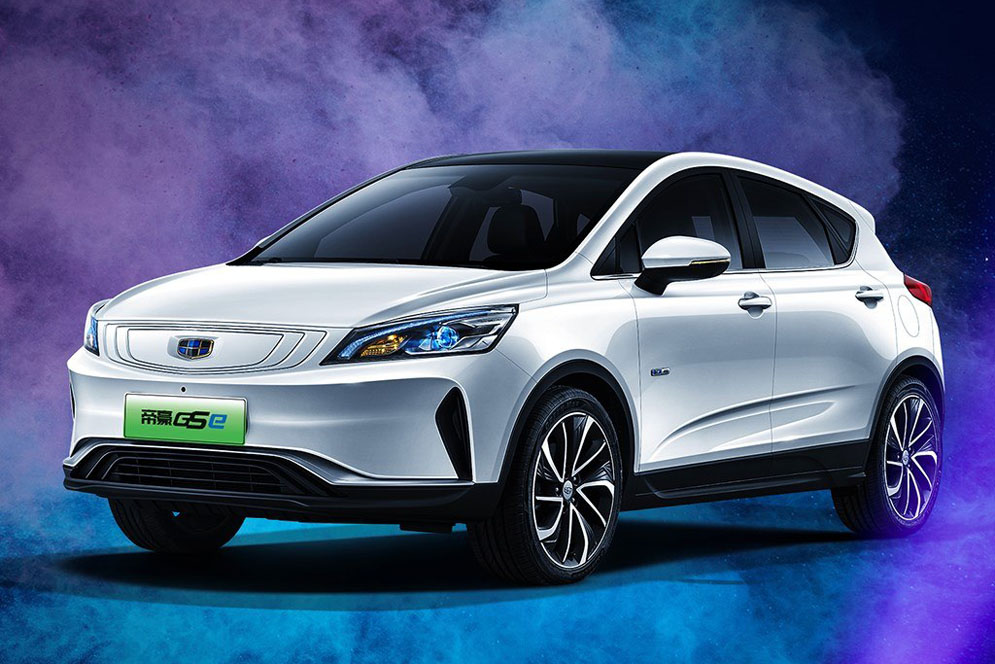
At a glance
- The Emgrand export family spans sedan, hatchback, GT, GS crossover-style and X7 Sport Boyue derivatives.
- Powertrain choices include 1.3T, 1.4T and 1.8T turbo engines, plus 1.5L and 1.8L naturally aspirated versions.
- Manual, CVT and automatic applications allow buyers to match transmission choice to driver and fleet requirements.
- New units provide defined configurations, while used vehicles widen access to older trims and body styles.
- Landed cost depends on vehicle terms, exchange rates, freight, Incoterms, duties and destination-side charges.
- Verify RHD or LHD, homologation, parts support and current per-unit terms before placing an order.
Why the Geely Emgrand matters for export markets
The Geely Emgrand matters in export markets because it combines a familiar compact-car layout with several body styles and a broad choice of petrol powertrains. The range seen under the Emgrand name includes sedan, hatchback, GT, GS crossover-style and X7 Sport Boyue versions, although availability depends on model year and trim. That gives importers a practical way to match a vehicle to private buyers, ride-hailing operators or company fleets without moving outside one model family. It is particularly relevant where buyers want a straightforward internal-combustion vehicle rather than an unfamiliar electrified platform.
For overseas buyers, the attraction is not simply the acquisition price. Emgrand versions offer 1.3T and 1.4T turbo engines, naturally aspirated 1.5L and 1.8L units, plus manual, CVT and other automatic transmissions. That choice lets a buyer prioritize driver familiarity, operating economy or easier urban traction instead of taking one universal specification. Petrol vehicles also fit established refuelling patterns in many importing markets. The commercial case still depends on freight, duties, taxes, serviceability and residual value, all calculated together rather than inferred from the vehicle price alone. A listing is only the starting point.
The Emgrand is most useful to importers who can manage a China-sourced vehicle properly rather than treat it as an unverified bargain. Dealers should compare body style, transmission, documentation and destination approval before committing, while fleet buyers should test a representative unit and plan parts support. In markets with limited Chinese-brand coverage, a strong local workshop relationship and realistic warranty arrangements may matter more than the headline specification. ChinaCarDirect's live Emgrand inventory establishes what is actually offered, while the Geely brand hub helps narrow the relevant model family before purchase.
- Verify the exact unit, not only the model badge.
- Match the body style to fleet use.
- Budget local approval and service support.
Model range, trims and powertrain variants: how the lineup is structured and how to choose
Emgrand is best treated as a family rather than a single body. Listings include the conventional Emgrand sedan, a hatchback with RS/Million Edition naming, the GS crossover-style derivative, GT versions and descriptions such as X7 Sport Boyue. Within each derivative, trim names signal equipment and powertrain combinations, but the same label can appear across model years. Buyers should identify the exact body, generation, engine and transmission shown on each unit rather than relying on the badge. This matters when comparing a GS crossover with a lower sedan for fleet deployment.
The powertrain menu spans 1.3T, 1.4T and 1.8T turbocharged engines alongside 1.5L and 1.8L naturally aspirated versions. Turbo engines generally suit buyers wanting stronger performance from smaller displacement, while naturally aspirated units can appeal where simplicity and repair familiarity matter. The catalog also shows 1.4T CVT trims, 1.8L manual versions and several automatic applications. Since output and equipment differ by derivative and market, any horsepower, torque or consumption claim should be verified against the exact listing and homologation documents. Ask the supplier for the relevant market documentation when confirming a vehicle.
Transmission choice can be as important as engine choice. Manual models may suit fleets with in-house technical teams; CVT applications prioritize smooth delivery in dense traffic; conventional automatics may be more familiar in some destination markets. Ask whether an advertised automatic is a CVT and confirm the production year, because the same trim family can appear with different gearboxes. Compare the same body style with equivalent engine, gearbox, mileage and condition, then include local fuel, insurance and tax bands rather than choosing on trim name alone before committing any funds.
- T identifies turbocharged engine options.
- Manual, CVT and automatic choices coexist.
- Confirm body and year per unit.
New vs used Geely Emgrand: how export inventory is structured and how buyers choose
ChinaCarDirect's Emgrand inventory includes both new and used vehicles, spanning sedan, hatchback and GS-style bodies with numerous trims. New inventory is relevant when a buyer wants a newer model year, a defined configuration and less uncertainty about prior use. Used inventory opens access to older GT, GS, X7 and Emgrand variants that may no longer be offered in the same form. Neither category is automatically superior: compare the condition, specification, documentation and total operating cost of each individual vehicle in that market before it is offered for local sale or export.
For a dealer, a used Emgrand can supply a specification no longer offered locally, while a new unit may make a coherent showroom range easier to maintain. Fleet operators should compare purchase outlay with downtime, fuel use, insurance and likely resale rather than focusing on depreciation alone. On any used vehicle, inspect bodywork, tyres, fluids, cold start, gear changes, warnings and service history, and request a clear condition report. A lower entry price can be offset by near-term repairs or parts that are harder to source for an older configuration before shipment.
Export age rules can change the practical value of each option. Some destinations restrict used-vehicle imports by age, emissions standard or inspection history, while others impose different documentation or modification requirements on new vehicles. The Chinese-market specification should never be treated as automatically export-compliant. Buyers mixing new and used units should verify each vehicle separately, because a dealer's mixed shipment does not transfer the same approval risk from one chassis to another. Stock selection is therefore a technical and regulatory decision, not merely a new-versus-used preference for the target market.
- New: newer configuration and lower prior-use risk.
- Used: broader older trims, subject to condition.
- Check age rules and parts support.
How export pricing works: the factors behind a live listing price, and how to read one
An export price has several layers, beginning with the vehicle. Model year, body derivative, trim, engine, transmission, mileage, condition, options and new-or-used status affect the seller's asking price. Currency movements can alter a China-based quotation, while freight, marine insurance, port charges, inland haulage, export handling and transaction costs sit outside it. The Incoterm determines where responsibility transfers; duties and destination taxes come later. Buyers must distinguish the live unit price from the fully landed cost of legal delivery, roadworthiness and destination-side preparation for accurate planning before committing any funds to the purchase.
To read a live Emgrand listing correctly, open the individual unit rather than relying on a model-level headline or search result. Check its exact name, body style, model year, engine, gearbox, fuel type, mileage and condition, then compare photographs with the description. For a used vehicle, ask how the seller defines condition and whether repairs or cosmetic work are disclosed. Confirm what is physically included, the Vehicle Identification Number or equivalent, and whether the displayed price covers only the vehicle. These checks reveal whether apparently similar trims are genuinely comparable.
A sound quote should state its currency, validity period, payment schedule, document set, shipping assumption and Incoterm. Freight is not universal because container space, route, vehicle dimensions, destination port, seasonality and security requirements enter the calculation. Ask whether the seller or forwarder arranges export customs and which costs the displayed amount excludes. Compare quotes on the same landed-cost basis, including pre-shipment inspection and destination charges, and obtain written terms before sending funds. Exact current prices and availability should come from each live listing, without relying on historical averages or estimates.
- Vehicle price differs from landed cost.
- Verify currency, Incoterm and freight scope.
- Use live unit details and written quotes.
MOQ, ordering and payment: single units vs consolidating a container
MOQ is the minimum quantity a seller will accept for a particular order, and it must be read from the current unit or product terms. One-unit buying can suit a small dealer testing demand, an importer assembling a mixed range or a fleet purchaser needing limited numbers of cars. Consolidating compatible vehicles into one container can reduce freight and handling cost per unit, but concentrates capital, market risk and unsold stock. A single-vehicle purchase offers flexibility; a container creates efficiency only when every chassis has a realistic customer or deployment plan.
Container consolidation calls for tighter configuration control. Mixing body styles, engines, transmissions and model years may improve loading flexibility, yet it complicates parts planning, insurance declarations, resale and fleet handover. Before committing, calculate the total landed cost, expected sales cycle, likely re-sale price in the destination market and carrying cost for vehicles that remain in stock. Compare that outcome with the higher unit freight that may apply to a smaller shipment. For fleet programs, stagger deliveries where possible so vehicles arrive close to the operating need rather than becoming idle inventory.
The ordering sequence normally starts with a specification request, followed by a written quotation and pro forma invoice. Buyer and seller should agree the deposit, balance milestone, payment method, inspection rights, document timing, shipping responsibility and cancellation terms. Payment methods and protection vary, so verify them directly and do not send funds against an informal message alone. A pre-shipment inspection is valuable for used units and mixed loads because it records condition before loading. Balance release should be tied to agreed documentary or inspection milestones in writing before final release.
- Read MOQ from current terms.
- Single units buy flexibility; containers buy efficiency.
- Link payment release to inspection milestones.
Shipping, homologation and market compliance caveats: LHD/RHD and import rules by country
Handedness is a critical sourcing issue because a Chinese-market listing may be left-hand drive unless explicitly stated otherwise. Right-hand-drive demand must be identified before payment, and a buyer should distinguish a factory right-hand-drive car from one converted after production. Conversion can involve the steering wheel and related components, lighting, instruments and market-specific details, with cost and quality varying by scope. Some import rules restrict modification, while others require approval through a licensed route. Specify the required driving side in every quotation and confirm it in handover photographs and documents before shipment.
Local homologation is equally important. Import rules may cover emissions, roadworthiness, lighting, glass, seat belts, noise, cybersecurity or software requirements, depending on the destination and vehicle age. A vehicle approved for Chinese roads is not automatically accepted elsewhere, and a used vehicle can face additional age, corrosion or modification checks. The importer or local compliance specialist should confirm customs classification, the certificate package, inspections, taxes, insurance and used-vehicle restrictions before loading. Early confirmation prevents a compliant-looking shipment from becoming stranded at the border or delayed in port during final clearance.
Freight method and insurance should match the vehicle mix rather than follow a generic booking. A forwarder can recommend container, roll-on/roll-off or specialist handling after confirming dimensions and port requirements. The cargo must be secured, photographed and inspected; insurance should cover agreed risks through the voyage and any inland movement. Buyers should plan for export documents, terminal handling, customs clearance, demurrage and delivery from the destination port. Shipment duration is not fixed: sailing schedules, transshipment, congestion, inspections and missing documents can change the timetable and costs. Confirm responsibility in the booking.
- Specify LHD or RHD before payment.
- Distinguish factory RHD from conversion.
- Complete homologation checks before loading.
Who should buy the Emgrand — and who should pick a different vehicle
The Emgrand is a strong candidate for small and mid-sized dealers, private importers and fleet buyers seeking a petrol compact car with several body and gearbox choices. It can fit a price-conscious sedan program, a hatchback requirement or a crossover-style fleet where one procurement channel is useful. Manual versions may suit organizations with experienced drivers and maintenance capability, while CVT and automatic versions can reduce driver workload. Used units require extra attention to condition and parts planning, which can be central to the procurement decision for a mixed fleet program.
It is a weaker choice for a buyer whose mandatory requirements include a particular hybrid or battery-electric drivetrain, very high towing capability, a premium performance specification or a uniform factory warranty package that cannot be verified locally. A buyer who needs advanced driver-assistance equipment as a non-negotiable fleet standard should compare the exact Emgrand trim against alternatives rather than assume the top badge supplies it. Used examples also require realistic allowances for age-related maintenance and uncertain residual values. These are reasons to walk away from a specific unit, not blanket judgements about every Emgrand.
The strongest buyers treat the Emgrand as a total-cost decision. They verify that the selected body, engine and gearbox have a realistic parts pathway in the destination market, test the vehicle if possible and estimate insurance, fuel, maintenance and resale separately from the purchase price. A pilot unit can reveal workshop requirements, fuel consumption under local conditions and customer reaction before a larger order. For a dealer, aftersales support and spare-part planning may be more valuable than an extra feature. For a fleet buyer, uptime, compatibility and delivery scheduling should outweigh badge prestige.
- Strong for value-focused compact fleets.
- Match gearbox to drivers and maintenance.
- Reject unmet EV, hybrid or safety mandates.
Main rivals and how the Emgrand compares
The Toyota Corolla is one of the closest global segment references. It is familiar to many buyers and benefits from a broadly established service and resale presence in numerous markets, while the Emgrand offers a China-sourced alternative with a wider visible choice of engines, transmissions and body derivatives. The Corolla may be easier to value where local stock is deep, but landed cost, specification and taxes can reverse that apparent advantage. Compare the exact destination-approved versions rather than assuming equal equipment or total ownership cost. Availability should be checked locally over time.
The Hyundai Accent is a closer value-oriented comparison than a large premium sedan. Both models target efficient, practical transport, but the Emgrand inventory visible to an exporter includes hatchback, sedan and crossover-style applications plus manual and automatic options. Accent may have a stronger local presence or easier service recognition in some markets; Emgrand may offer useful body-style flexibility for buyers importing from China. Neither should be chosen by badge alone. Compare engine servicing, parts interchange, insurance classification, warranty arrangements and the number of units a distributor can realistically support locally.
The Kia Rio serves a similar budget-conscious buyer, particularly where a small sedan or hatchback is required. It is a useful benchmark for purchase outlay and local acceptance, while the Emgrand's export proposition includes older GT, GS and X7 derivatives as well as newer configurations. The Rio may offer a more familiar ownership proposition in countries with established Kia distribution, whereas Emgrand availability can fill a distinct body-style or specification need. The decisive comparison is a compliant, landed example of each model: purchase and finance costs, fuel, maintenance, downtime and expected resale.
- Corolla: local familiarity and resale benchmark.
- Accent: close value-oriented compact rival.
- Rio: budget sedan and hatchback comparison.
Live Geely Emgrand export inventory
View all listings →Real units currently on ChinaCarDirect with per-unit asking prices and MOQ. Availability updates live from the catalogue.
How to buy a Geely Emgrand from China
-
1
Define the destination brief
Specify the destination country, LHD or RHD requirement, body style, engine, gearbox, intended use and expected vehicle condition. Include local tax, insurance and homologation considerations in the brief.
-
2
Compare live Emgrand units
Review individual live listings rather than relying on a model-level description. Compare model year, derivative, engine, transmission, mileage, condition, photographs and the Vehicle Identification Number.
-
3
Request a written quotation
Ask for the current per-unit amount, stated MOQ, availability, currency, validity, included documents and Incoterm. Request a separate freight estimate so vehicle price and landed cost remain clear.
-
4
Verify compliance and documents
Confirm destination import rules, used-vehicle age restrictions, emissions requirements, inspection requirements and the document package. Establish whether factory RHD or approved conversion is required.
-
5
Arrange pre-shipment inspection
Use an independent inspection for used vehicles and mixed shipments. Record body condition, tyres, fluids, warning systems, engine bay, transmission operation and included accessories before loading.
-
6
Place the order and control payment
Agree the pro forma invoice, deposit, balance milestone, payment method, inspection rights and cancellation terms in writing. Tie balance release to the agreed inspection and document conditions.
-
7
Book shipping and plan clearance
Confirm the freight method, securing, marine insurance, export documentation, terminal handling and destination responsibilities with the forwarder. Track customs clearance and inland delivery to avoid avoidable storage charges.
Emgrand vs rivals
| Toyota Corolla | The Corolla is a close global compact-sedan benchmark and often benefits from stronger local service familiarity. The Emgrand can offer more visible powertrain, transmission and body-style choice from China, but the better choice depends on compliant specification, landed cost and local resale support. |
|---|---|
| Hyundai Accent | The Accent is a close value-oriented rival for small sedans and fleets. The Emgrand may provide a broader visible body and gearbox choice, while the Accent may be easier for buyers to support where Hyundai distribution is stronger. |
| Kia Rio | The Rio is a credible compact-value benchmark for budget-conscious buyers. The Emgrand stands out where its available GS, GT, X7 or other body derivatives meet a specific fleet or customer need, provided parts support and resale planning are credible. |
Frequently asked questions
How is the Geely Emgrand export price determined?
A live export price reflects model year, body style, trim, engine, gearbox, mileage, condition and the seller's commercial terms. Exchange-rate movement, freight, insurance, export handling, Incoterm, duties and destination taxes must then be added to estimate landed cost. Check each live Emgrand listing for the current vehicle amount and request a written quote stating its shipping assumptions.
Which Emgrand engine and transmission options can buyers expect?
The visible range includes 1.3T, 1.4T and 1.8T turbo engines, plus 1.5L and 1.8L naturally aspirated versions. Manual, CVT and automatic applications appear depending on body and trim, so use the exact unit designation rather than a general Emgrand badge.
Should an overseas buyer choose a new or used Geely Emgrand?
A new vehicle reduces uncertainty about prior use and provides a more clearly defined configuration. A used Emgrand may provide a wider selection of older trims and derivatives but requires closer condition inspection, parts planning and an allowance for age-related maintenance. Compare compliant examples on total operating cost rather than purchase price alone.
How does MOQ work for an Emgrand order?
MOQ is the minimum quantity accepted for a particular seller or order, and it can vary between listings and negotiated shipments. Read it from the current product terms or written quotation. A single-unit request is worth testing when market demand is unproven, while a container requires a clear plan for every vehicle included.
What determines shipping time and cost for Emgrand vehicles?
Vehicle dimensions, body style, cargo quantity, sailing schedule, route, transshipment, port congestion, insurance, security and customs clearance all affect the result. Missing documents or failed inspections can add delays and storage charges. Obtain a route-specific freight quotation and confirm whether each cost is included.
How should buyers plan Emgrand spare parts?
Record the exact body, model year, engine, transmission and trim before ordering parts, because configurations may not be interchangeable. Identify a local supplier for routine service items and less common trim-specific components, and confirm lead times before committing to a fleet. A parts pathway should be established before importing vehicles that depend on uncommon configurations.
Are right-hand-drive Geely Emgrand vehicles available for export?
RHD availability cannot be assumed because listings may be left-hand drive or have unconfirmed handedness. State the requirement in the RFQ and ask the seller to verify it before payment. If a conversion is proposed, confirm the scope, applicable market rules and the quality of the finished installation.
How do I order a Geely Emgrand from China?
Start with the live Emgrand listings, select the exact body and powertrain, then request a unit-specific quotation through the RFQ process. Verify documents, inspection terms, MOQ, payment milestones, shipping scope and compliance before sending funds. After the agreed inspection and payment conditions are met, release the shipment for transport and customs clearance.
Ready to source the Geely Emgrand?
Send your destination, body style, powertrain, quantity and handedness requirement through the RFQ form for a current Emgrand quote.
Request a quote