
Geely Boyue Export Buying Guide for Overseas Buyers
Plan a Geely Boyue export purchase with practical guidance on trims, engine options, live pricing, MOQ, shipping, compliance, and rival SUVs.
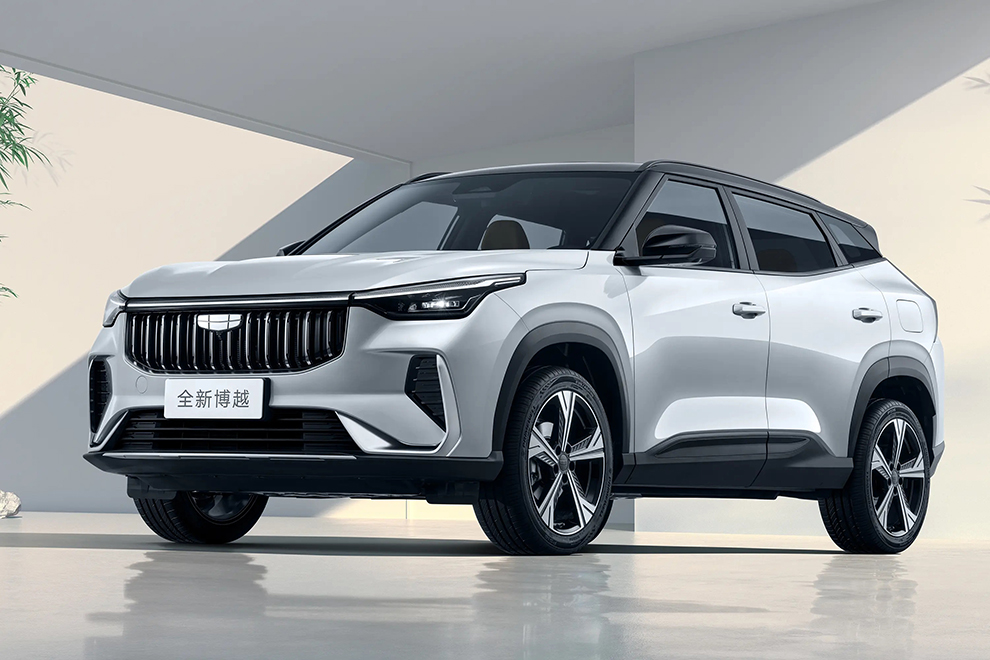
At a glance
- The Boyue family is a gasoline compact-SUV line offered under Boyue, Boyue X, Boyue L and Boyue COOL labels, giving importers several market-facing configurations.
- Listed powertrain choices include 1.5TD, 1.8TD and 2.0L engines with manual, automatic or DCT transmissions, but output and consumption must be verified per unit.
- Selected trims explicitly identify 2WD, so buyers needing another drivetrain should request written confirmation rather than infer it from the model name.
- New and used options support different strategies: current configurations for lower operational uncertainty and earlier vehicles for lower entry cost after inspection.
- Landed cost, rather than the visible vehicle price alone, should drive an export decision, with trim, freight, duties, compliance and after-sales support included.
Why the Geely Boyue matters for export markets
The Geely Boyue is a compact, gasoline-powered SUV family built around the kinds of vehicles many overseas importers understand well: a road-focused utility format with normal-car driving manners. Boyue, Boyue X, Boyue L and Boyue COOL labels give buyers different market-facing versions, while engine and transmission choices create further differentiation. Its relevance is practical rather than trend-led: it suits buyers who need a manageable SUV for resale, company use or fleet deployment without moving into a larger or electrified footprint. The result is a line that can be narrowed by use case, budget and local service capacity.
For export demand, the Boyue’s strongest argument is choice within a familiar segment. A dealer can compare smaller-displacement 1.5TD, 1.8TD and 2.0L entries, then match a manual, automatic or DCT to local preferences. Fleets may focus on straightforward specification, uptime and parts planning, while private importers may prioritise equipment, condition and resale appeal. The decision should not be made by badge alone: ask for the exact vehicle identification number, trim, engine, gearbox, drivetrain and option list before treating it as comparable stock, with photographs, documents and condition evidence supplied at order.
Global demand for models such as this is usually driven by operating context rather than a single global specification. Markets with established petrol infrastructure, mixed road conditions and dealer networks suited to compact SUVs are natural fits, but local preferences for steering position, emissions rules, financing and spare-parts access can reverse the decision. Brand familiarity at the point of sale does not automatically translate into overseas support, so importers should investigate service coverage, diagnostic capability and parts sourcing in the destination market before committing to a mixed fleet order or a large single consignment.
- Compare Boyue, Boyue X, Boyue L and COOL labels.
- Match engine and gearbox to fleet use.
- Verify local parts and workshop support.
Model range, trims and powertrain variants: how the lineup is structured and how to choose
The line is internal-combustion rather than battery-electric: available Boyue descriptions use 1.5TD, 1.8TD and 2.0L engine designations, paired with DCT, conventional automatic or manual transmissions depending on the version. Selected trim names explicitly identify 2WD, while some do not state drivetrain, so that field must be confirmed from the VIN and seller documentation. This variety gives fleet planners room to standardise, but it also makes exact configuration control essential before combining vehicles in one shipment because trim names can change between model years and markets without altering the basic body style.
Trim naming is functional, not standardized across the export catalogue. Labels such as Smart, Premium, Elegance, Prestige, Flagship, Luxury and Asian Games appear on different model labels, and some versions add Smart Connect, Smart Connect+ or 4G Connected Edition. Those names can help form a shortlist, but they do not establish the same equipment across years. Buyers should compare the photographed interior, option list, infotainment, roof, wheels and driver-assistance fit, then record any differences in the purchase specification so a quoted equivalent is genuinely equivalent at the vehicle level for delivery.
Choice should begin with operating priorities, not badge hierarchy. A 1.5TD pairing may suit buyers focused on a smaller-displacement specification; the 1.8TD is a separate engine option, while the 2.0L manual represents a different mechanical and driver preference. Because verified output, torque, consumption, payload and towing limits are not established by the trim label, request the homologation or technical sheet. Then weigh gearbox behavior, local fuel availability, expected parts support and resale preferences. This avoids choosing a nominally newer edition when its equipment or parts profile is less suitable for the destination market.
- Confirm engine, gearbox and 2WD per VIN.
- Cross-check equipment across model years.
- Request certified output and load data.
New vs used Geely Boyue: how export inventory is structured and how buyers choose
ChinaCarDirect’s live Boyue inventory can bring together current-model examples and earlier used vehicles under the same model family, so an importer should first identify whether a unit is new or used and which Boyue label it carries. Model year is only the first sorting key. Engine, transmission, drivetrain, mileage, condition and equipment can differ within the same year. Treat each listing as an individual vehicle, not as evidence that every Boyue of that year or trim shares one specification. Confirm this from the listing photographs and seller statement before payment.
A new Boyue is generally the cleaner route for a buyer prioritising present equipment, low prior-use uncertainty and a straightforward relationship between warranty, service history and the factory specification. A used vehicle can reduce acquisition cost, but that advantage should be tested against condition rather than assumed. Review wear on tyres, brakes, suspension and interior, inspect the body, and verify service records, roadworthiness tests and the vehicle history report where the seller can provide them. Ask for cold-start evidence, underside photographs and confirmation that all displayed systems operate correctly as delivered.
New-versus-used selection should reflect the buyer’s risk tolerance. New purchases are easier to standardise when connected features, transmission type and trim equipment must match across a fleet; used purchases may offer more model-year diversity but require closer inspection and stronger documentation. For a dealership, resale speed matters. For a company fleet, uptime, warranty handling and parts planning may matter more. Build a written acceptance checklist, decide which defects are acceptable, and use an independent inspection rather than relying on listing photography alone. A written sign-off also limits later disputes.
- Read condition evidence, not model year.
- Inspect tyres, brakes, body and records.
- Match new-unit certainty to fleet risk.
How export pricing works: the factors behind a live listing price, and how to read one
A Boyue export price is the output of several variables rather than one fixed model-level rate. Model year, Boyue label, engine, transmission, drivetrain and equipment all affect value; for a used unit, mileage, condition, service history and remaining factory coverage can matter as much as age. External variables also move the delivered result, including exchange rates, freight, insurance, port charges, local taxes and the Incoterm that defines responsibility. This is why a visible vehicle figure must not be treated as a universal landed price. Confirm the quoted scope with the seller.
When buying a Geely Boyue from China, read each live listing line by line. Confirm the model year, exact trim wording, VIN, engine, gearbox, drivetrain, steering position, options, condition, mileage where stated, and the quantity available for that specific unit. Check whether the displayed amount is the vehicle sale price or includes any stated export services, and identify the Incoterm. Ask for dated photographs, a specification sheet and a written packing list. Current exact price, MOQ and availability for each unit are shown in the live inventory on ChinaCarDirect; use those figures, not an old catalogue or a verbal range, when budgeting.
To compare offers fairly, create a landed-cost worksheet for each candidate. Start with the vehicle price, then add the agreed export charge, inland handling, documentation, freight, insurance, destination charges, customs duties, taxes, registration and local delivery. Some taxes depend on the importer’s status and cannot be assumed from the vehicle description. Show alternatives as delivered-to-port and delivered-to-dealer scenarios. The Boyue option becomes meaningful only when its total cost, expected support and residual prospects are competitive with the other candidates. Ask for each charge to be shown separately rather than hidden in an undifferentiated landed figure.
- Compare identical trims, years and drivetrains.
- Confirm Incoterm scope and exclusions.
- Add freight, duties, tax and registration.
MOQ, ordering and payment: single units vs consolidating a container
The minimum order is a property of each live offer, not a permanent attribute of the Boyue model. Some unit-level listings may be available without a large wholesale commitment, while other arrangements may be tied to a seller’s stock program. Read the MOQ field, ask whether it applies per model or per configuration, and obtain written confirmation for the exact VIN or production batch. A unit that can be bought singly still needs the same identity, inspection and payment controls as a consolidated order before funds are committed internationally.
Container consolidation can reduce the freight burden per vehicle, but only when the buying group handles specification, timing and risk correctly. Starters often accept mixed model years or trims to fill space; others insist on one configuration, which simplifies installation, branding and parts planning but narrows selection. Compare the vehicle-level saving with added inland transport, storage, inspection and demurrage exposure. Agree who owns each unit before payment, how damage claims will be handled, and what happens if a vehicle fails inspection or cannot be loaded as planned in the container.
A sound ordering sequence protects both the vehicle identity and the commercial terms. Send one consolidated RFQ showing the target model label, engine, transmission, drivetrain, steering position, condition, preferred quantity and destination. Review the seller’s written quotation, unit list, payment milestones, refund triggers, inspection standard and document schedule. After deposit, lock the VIN or production batch and approved photographs; before final balance, inspect the actual units and reconcile the condition report, packing list and shipping marks. Only then release the balance against agreed documents and keep the signed records.
- Check the MOQ on each live unit.
- Agree ownership before consolidating payment.
- Lock VIN, inspection and refund terms.
Shipping, homologation and market compliance caveats: LHD/RHD and import rules by country
Shipping method should follow route economics, vehicle dimensions, urgency and risk allocation. Full-container carriage is commonly considered for complete vehicle consignments, while less-than-container or specialist vehicle services may suit smaller consolidated orders; actual options depend on origin, destination and carrier availability. The Incoterm determines where the seller’s obligation ends and the buyer’s begins, so ask what is included under each quote. Compare insurance coverage, inland haulage, export handling, destination charges and the consequence of a delayed vessel before choosing the cheapest headline freight option for the planned consignment specifically locally.
Steering configuration is a market-critical check. The available material does not establish that every Boyue is left-hand drive or right-hand drive, and steering position can vary by production batch and trim. Do not infer it from a model badge. Require photographs of the steering wheel and dashboard, the VIN, and written confirmation of handedness. If the destination requires right-hand drive and no suitable unit is available, compare the cost and lead time of a compliant vehicle against a locally converted example, including electrical compatibility, warranty and safety implications before shipment.
Import compliance is destination-specific, and a Chinese-market listing is not evidence that a vehicle is already approved elsewhere. The importer may need to address customs classification, duty and tax calculation, emissions standards, VIN or chassis documentation, insurance, registration and local type approval. Connected-system versions carrying 4G naming may also raise questions about network support, subscription arrangements and data treatment in the destination country. Obtain written confirmation from a customs broker or local authority, and use the VIN to check every approval rather than relying on the trim description for supply.
- Compare container, LCL and specialist options.
- Confirm LHD or RHD before contracting.
- Obtain destination-specific customs approval.
Who should buy the Boyue — and who should pick a different vehicle
The Boyue is a sensible candidate for importers and fleet buyers who want a compact SUV, a combustion powertrain and a broad enough trim-and-gearbox choice to serve several customer groups. It may fit a dealership that wants both automatic and manual options, or a fleet manager standardising a 1.5TD or 1.8TD configuration where petrol is more practical than charging infrastructure. The strongest case is operational: a suitable unit exists, the papers can be completed, and local technicians can support the chosen model. The weakest case is an unsupported or non-compliant variant.
A different vehicle is usually better when the destination strongly favours electrified powertrains, when fleet policy excludes combustion vehicles, or when buyers need a larger passenger or cargo capacity than the Boyue’s compact format provides. Premium-brand buyers may prefer stronger residual-value assumptions or a more developed local support network, although those assumptions should be tested rather than accepted automatically. Drivers with specialist off-road, heavy-towing or high-performance requirements should also verify capability from certified data; the model name alone does not establish it. Ask the seller for approved limits and test evidence.
Use a staged decision rather than a badge-led choice. First screen for regulatory and steering fit; second, compare engine and transmission suitability; third, calculate delivered cost; fourth, test parts, workshop and warranty access; fifth, consider resale and residual risk. Inspect more than one comparable Boyue, because trim names and condition can differ materially. A test drive should cover low-speed manoeuvring, gearbox changes, braking, cabin refinement and visibility. The right purchase is the configuration whose verified strengths and support arrangements outweigh its weaker paperwork, equipment or after-sales profile for that vehicle.
- Best for compact-SUV fleets needing choice.
- Compare support for every selected engine.
- Check compliance, residuals and workshop access.
Main rivals and how the Boyue compares
The Chery Tiggo 7 Pro is one of the closest alternatives for an overseas buyer comparing Chinese compact SUVs. Both families can be evaluated around the same core requirements: a combustion engine, road-focused SUV packaging, automatic or DCT-based fleet suitability and a need for local servicing. The Boyue’s differentiator is not a single headline feature but its visible choice of Boyue labels, 1.5TD and 1.8TD options, and some manual offerings. Compare an equivalent live vehicle on total cost, warranty handling and parts access rather than assuming the rival’s badge settles the choice.
The Haval H6 is another realistic compact-SUV benchmark, often attractive where Haval recognition and broader local familiarity matter to buyers. The comparison should remain configuration-specific: verify the engine, gearbox, drivetrain, equipment, safety provisions and approval status for the exact vehicle rather than borrowing specifications from a different market. A Boyue can be preferable where its exact trim meets the brief and delivered economics work; the Haval may be easier to justify where established workshop coverage or model awareness dominates. Neither brand guarantees resale or service support automatically in a new country.
The Changan CS35 Plus provides a third like-for-like Chinese comparison, with a similar broad-market compact-SUV proposition. Use all three brands to test the buyer’s real priorities: powertrain choice, equipment, gearbox preference, documentation, parts lead time, dealer reach and landed cost. Build a quotation sheet containing the exact vehicle, not just the model name, and include destination charges and compliance work. The Boyue earns a place on a shortlist when a specific 1.5TD, 1.8TD or 2.0L configuration provides the required balance and the importer can support it consistently after delivery.
- Compare exact configurations, not model badges.
- Include delivered cost and local support.
- Test-drive shortlisted vehicles before ordering.
Live Geely Boyue export inventory
View all listings →Real units currently on ChinaCarDirect with per-unit asking prices and MOQ. Availability updates live from the catalogue.
Used Geely Auto Emgrand X7 Sport 2022 Boyue X 1.8TD DCT Smart Edition
How to buy a Geely Boyue from China
-
1
Define the destination and operating use
Confirm the destination country, steering-side requirement, import rules, expected annual mileage and whether the vehicles are for resale, company use or fleet deployment.
-
2
Shortlist the Boyue configuration
Compare the available Boyue labels, 1.5TD, 1.8TD or 2.0L engine, manual, automatic or DCT transmission, drivetrain and equipment against your target market.
-
3
Inspect the live inventory
Open the current Boyue listings and verify the model year, VIN, trim, condition, photographs, per-unit price, MOQ and availability for each candidate.
-
4
Request a delivered-cost quotation
Ask for the Incoterm, export charge, freight method, insurance, documentation, destination costs, estimated duties and taxes, and any charges excluded from the visible vehicle price.
-
5
Agree ownership and payment terms
For a single vehicle or consolidated order, document who owns each unit, the deposit schedule, inspection standard, refund triggers, payment methods and shipment milestones.
-
6
Lock and inspect the actual vehicles
After the deposit, confirm the VIN or production batch and approved photographs. Inspect the delivered units and reconcile condition reports, packing lists and shipping marks before releasing the balance.
-
7
Consolidate, ship and complete clearance
Arrange the agreed carrier service and insurance, provide customs documents, use a local broker where required, and complete registration and compliance steps before release.
Boyue vs rivals
| Chery Tiggo 7 Pro | The Tiggo 7 Pro is the closest like-for-like Chinese compact-SUV benchmark. Compare equivalent engine, gearbox and equipment packages; the Boyue is attractive when its 1.5TD or 1.8TD choice or manual availability matches the fleet better and delivered support is adequate. |
|---|---|
| Haval H6 | The Haval H6 is a credible alternative where local brand recognition and workshop familiarity influence buyers. The deciding factors are the exact configuration, landed quote, homologation and after-sales reach—not the model name alone. |
| Changan CS35 Plus | The Changan CS35 Plus is a useful third benchmark for a mainstream Chinese compact SUV. A Boyue is more compelling when the selected Boyue label, powertrain or gearbox creates a better fit for the intended resale or fleet channel. |
Frequently asked questions
How is Geely Boyue export pricing determined?
Price depends on model year, Boyue label, engine, transmission, drivetrain, equipment, mileage, condition and external costs such as exchange rates, freight, insurance and local taxes. The visible listing may not represent the fully delivered cost, so confirm the Incoterm and every excluded charge in writing. Current exact per-unit prices are shown in the live ChinaCarDirect inventory.
Which Geely Boyue engine and transmission options are available?
The export examples include 1.5TD, 1.8TD and 2.0L engine designations, with manual, automatic and DCT transmissions depending on the model and trim. Selected versions explicitly identify 2WD. Because output, torque, fuel consumption and emissions are not fixed by the trim label alone, request the technical sheet for the exact vehicle.
Should I buy a new or used Geely Boyue?
A new Boyue generally offers clearer condition, current equipment and simpler fleet standardisation. A used Boyue may reduce the initial acquisition cost but requires careful inspection of mileage, bodywork, tyres, brakes, service records and vehicle history. Choose based on the buyer’s risk tolerance and aftersales requirements rather than model year alone.
What is the minimum order quantity for a Boyue?
MOQ is set by the individual live offer and may depend on the model, configuration or seller’s stock arrangement. Check the MOQ displayed for the specific unit or grouping, then obtain written confirmation before paying a deposit. Current binding MOQ terms should be read directly from the live listing.
How long does shipping take, and what determines the cost?
Lead time depends on vehicle availability, inland handling, port congestion, sailing or carrier schedules, customs clearance and inland delivery at the destination. Cost varies with the transport mode, route, distance, insurance, Incoterm, fuel surcharges and handling requirements. Ask for both a delivered-to-port and delivered-to-dealer quotation.
How are Geely Boyue spare parts arranged for export?
Request the parts catalogue using the exact model label, trim, VIN and engine code, and ask which consumables, service items and warranty parts can be supplied. Obtain realistic lead times and confirm whether support comes through Geely, the seller or a local distributor. A vehicle listing alone is not proof that an overseas parts network is stocked.
Can I buy a right-hand-drive Geely Boyue?
Do not assume steering availability from the model name. Check the live listing for steering-side photographs and request VIN confirmation from the seller; suitable RHD units may not be available for every configuration. If conversion is considered, involve a local specialist and review electrical compatibility, safety, warranty and homologation consequences.
How do I order a Geely Boyue from China?
Select and verify the live listing, then send one consolidated RFQ with the destination, model, engine, transmission, drivetrain, steering position, condition and quantity. Review the written quotation, payment milestones, inspection terms, documents and Incoterm before paying. Lock the VIN or production batch, inspect the actual vehicles and release the balance only after they match the agreed specification.
Ready to source the Geely Boyue?
Send your destination, preferred Boyue configuration and quantity to ChinaCarDirect for a current unit-by-unit quotation and export plan.
Request a quote