
Geely Emgrand S Export Guide: Specs, Pricing & Buying
Buy a Geely Emgrand S from China with confidence: compare export trims, pricing factors, MOQ, shipping, compliance and rival options for importers.
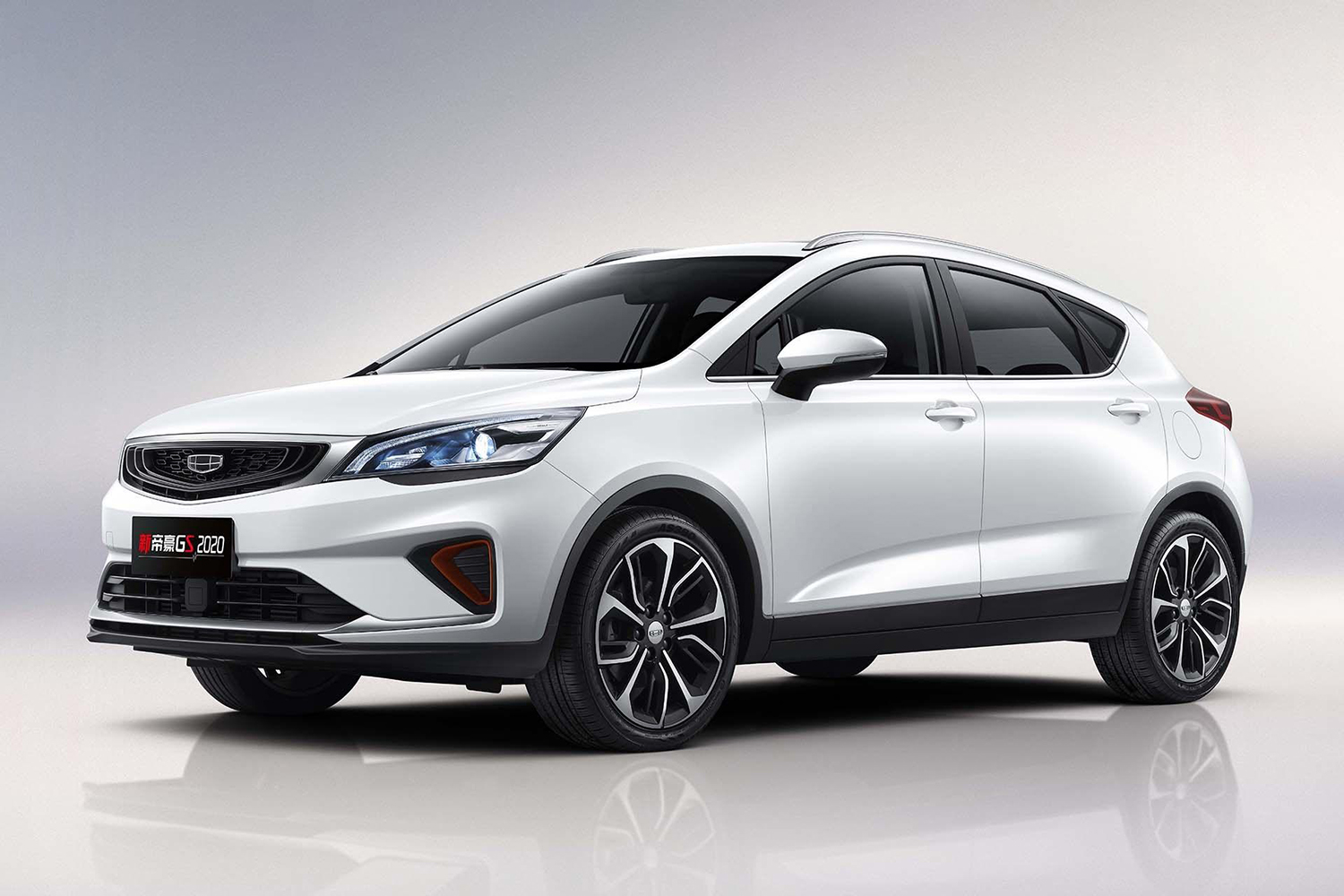
At a glance
- The Emgrand S is a five-seat compact crossover suited to value-conscious fleet and dealer programmes.
- Its export-facing powertrain pairing is a 1.4-litre turbocharged petrol engine with a CVT.
- Premium, Crossover Player and Luxury provide conventional, style-led and higher-equipment options.
- Live export pricing changes with trim, age, specification, condition, currency, freight and Incoterm.
- Buyers should confirm LHD or RHD availability, homologation, parts support and landed cost before ordering.
Why the Geely Emgrand S matters for export markets
The Geely Emgrand S matters overseas because it combines a compact crossover format with a 1.4-litre turbocharged petrol engine and a CVT, a combination aimed at buyers who want SUV styling and usability without moving into larger, costlier classes. Its appeal is strongest where fleets, ride-hailing operators and independent dealers need a practical vehicle that can be sourced competitively from China. For those markets, the Emgrand S is not simply a low-price car; it is a channel opportunity built around Chinese manufacturing and export logistics. That combination invites closer scrutiny.
That positioning depends on disciplined market selection. Compact dimensions can help with urban parking, loading and fuel economy, while the raised body and five-seat layout make it more versatile than a saloon for family use. Overseas demand should nevertheless be validated rather than assumed: the same specification that works for a private buyer in one city may not satisfy local approval, parts support or resale expectations in another. The right export question is therefore whether the Emgrand S fits the market's price band, fleet policies and dealer economics in practice.
Geely's badge carries more recognition than an unknown Chinese marque, but buyers should assess the model on evidence rather than brand impressions alone. A live listing should be checked for trim identity, steering configuration, condition, documents and equipment appropriate to the destination. A sample drive and an independent inspection are more valuable than vague claims of popularity. For import businesses, the Emgrand S earns its place when it offers predictable specification, manageable homologation and a total cost that remains competitive after shipping, taxation and local operating requirements are fully accounted for.
- Compact five-seat crossover.
- Turbo-petrol CVT powertrain.
- Value-led export proposition.
Model range, trims and powertrain variants: how the lineup is structured and how to choose
The export-facing Emgrand S lineup shown for this model is built around the 1.4T engine and CVT, with Premium, Crossover Player and Luxury trims. This common powertrain backbone simplifies comparison: engine behavior, gearbox type and basic operating costs are broadly aligned, while equipment, styling and intended character differ. Premium should be treated as the more conventional entry point; Crossover Player emphasizes the crossover-led presentation; Luxury represents the higher-equipment version. Exact equipment can vary by production period and market, so the trim label alone is not a substitute for a vehicle-by-vehicle specification check.
For a fleet buyer, the sensible selection rule is to pay only for equipment that improves utilization or reduces operating friction. Driver-assistance functions, infotainment, climate control, seating surfaces and cargo usability may matter more than cosmetic upgrades. A taxi or ride-hailing buyer should test visibility, rear-seat comfort, air-conditioning performance and durability. A family dealer should examine rear space, ISOFIX provision where fitted, luggage capacity and whether locally popular safety equipment is present. Crossover Player may suit buyers wanting visual differentiation, while Luxury may be more relevant when customer-facing presentation influences resale.
Do not assume every vehicle carrying the same trim has identical specification. Production dates, optional equipment, market configuration and condition can create meaningful differences between listings, even when model-year and trim names appear similar. Request the VIN, production or build date, complete option list, maintenance record and photographs of panels and dashboard surfaces. Confirm whether equipment is fitted and working. This is important when consolidating units: if a fleet order depends on a radio, safety system or trim specification, that condition should be written into the contract rather than inferred from the listing title.
- Premium: conventional fleet choice.
- Crossover Player: style focus.
- Luxury: higher equipment.
New vs used Geely Emgrand S: how export inventory is structured and how buyers choose
The Emgrand S export market can be evaluated in two channels: factory-new and used vehicles. New examples are generally easier to standardise for fleet purchasing because their condition, history and remaining factory warranty position are more transparent, assuming the supplier documents are valid. Used examples can offer a different acquisition profile and may suit buyers comfortable with condition risk, but they require closer inspection and a clearer understanding of prior use, repairs and title history. Availability changes continuously, so buyers should review current listings rather than assume either channel is always available.
New is usually the stronger choice for commercial operators who need uniform cars, predictable interiors and simplified handover processes. It also reduces uncertainty about wear, accident repair and missing equipment. Used Emgrand S vehicles can make sense for a dealer seeking a lower entry point, a test unit for a new market, or a vehicle with a confirmed service history. The trade-off is that initial acquisition cost can be offset by maintenance risk, uncertain remaining life and the inspection time required before shipment. A used unit should never be judged from mileage alone.
A used-vehicle workflow starts with identity documents, then proceeds to an independent condition report, title verification, mechanical inspection and a check of parts availability. For the Emgrand S specifically, inspect the 1.4T engine bay, CVT behaviour, steering and suspension, cooling and electrical systems, plus any evidence of flood or accident damage. Compare every unit against the same trim checklist so that a fleet does not become fragmented. If new and used examples are being evaluated together, calculate the total cost of ownership over the intended service life rather than comparing acquisition numbers alone.
- New supports fleet uniformity.
- Used raises condition risk.
- History outweighs mileage.
How export pricing works: the factors behind a live listing price, and how to read one
A live Emgrand S export price is an output of several inputs, not a fixed wholesale rate for the model. Model year and trim normally influence the starting point, while specification, production date, mileage, condition and vehicle history can change an individual quote. Currency movements also matter when the seller prices in renminbi or another currency and the buyer settles in dollars or another currency. Freight method, route, port charges, insurance, payment fees and the selected Incoterm can add or clarify costs that are not visible in the headline vehicle figure.
Buyers should first establish what the displayed number includes. Is it the ex-factory vehicle value, an FOB or CIF basis, or a destination-oriented quote? Has export documentation, inspection, loading, insurance or inland haulage been included? A lower listing figure may be preferable for a buyer with efficient consolidation, while a delivered quote may reduce coordination risk for a first-time importer. Ask for each cost as a separate line and confirm the currency, tax treatment, payment deadline and validity period. Those details make two apparently similar listings economically comparable on a landed basis.
The most reliable comparison is a like-for-like landed-cost worksheet covering the vehicle, transport, insurance, destination charges, duties, taxes, registration and dealer margin. Obtain a written quotation tied to a specific VIN or unit rather than relying on a model-level headline. If several vehicles are being considered, record whether each price includes the same warranty, inspection and documentation package. ChinaCarDirect's live Emgrand S listings are the authoritative place to check current per-unit price, MOQ and availability; request a formal quote because the final payable amount can differ with terms and destination.
MOQ, ordering and payment: single units vs consolidating a container
Minimum order quantity separates two questions: whether a seller will release one vehicle, and whether a factory or consolidated shipment has a larger threshold. A buyer testing demand may begin with a single-unit order if the live listing permits it, but not every seller, trim or destination will accept the terms. Conversely, a container-sized program may require a negotiated batch quantity. Read the MOQ attached to the specific listing and include it in the live quotation; do not infer an Emgrand S MOQ from a unit or group shipment.
Single-unit purchasing is useful for importers validating a model, dealers testing local demand and fleet operators piloting a specification. The trade-off is that buying one vehicle often provides less freight efficiency than a consolidated batch and may leave the buyer carrying fixed transaction, inspection and documentation costs on a small volume. A larger order can improve unit economics, yet it increases exposure to model-year, trim and specification mistakes. Before committing, align all units on a common configuration sheet and define in advance how substitutions, shortages or rejected units will be handled.
Payment mechanics should follow the transaction's risk profile. A typical sequence is a deposit to reserve the vehicle, inspection against the agreed specification, balance payment, release of export documents and then loading or shipment. The percentages, accepted methods, refund conditions and timing should be taken from the seller's terms rather than assumed. Confirm title ownership, liens, which conformity certificate or other documents are included, and what happens if a payment, inspection or shipping delay occurs. For a container order, use the same discipline as for a single unit, with the milestones documented in the contract.
Shipping, homologation and market compliance caveats: LHD/RHD and import rules by country
Emgrand S export logistics begin with confirming the destination and vehicle configuration. Left- and right-hand-drive availability must be checked for each unit; a right-hand-drive requirement cannot be solved by assuming the crossover is compliant. Buyers should verify that the VIN, engine documents, keys, spare equipment and required certificates match the vehicle being sold. Freight can be arranged by container or roll-on/roll-off where appropriate, and the safer method depends on dimensions, port handling and available bookings. Neither the vehicle price nor a generic shipping estimate will establish the landed cost by itself.
Import rules are destination-specific and may cover customs valuation, tariff classification, emissions standards, safety equipment, roadworthiness, insurance, taxes and local type approval. A Chinese-market vehicle is not automatically homologated for use everywhere. The importing party or a local compliance specialist should identify the applicable requirements before the vehicle is committed, especially for fleet or commercial use where rules can differ from private registration. Confirm whether modifications, inspections or registration deposits are required and who bears the cost and delay risk. If the model cannot meet a rule, do not attempt to solve it after loading.
Shipping time and cost depend on origin and destination ports, vessel schedules, transshipment, customs clearance, terminal handling, congestion, insurance and inland delivery. The seller or freight forwarder should state the planned routing, latest shipment milestone, chargeable weight or vehicle method and the Incoterm in the quotation. Use milestone-based payment and document checks to reduce risk, while allowing a realistic buffer for port inspections and corrections. The key commercial question is not simply how long transit takes, but when title, documents and a compliant vehicle will become available for sale in the destination market.
- Confirm LHD or RHD.
- Check destination homologation.
- Itemize freight and charges.
Who should buy the Emgrand S — and who should pick a different vehicle
The Emgrand S is most suitable for overseas buyers seeking a five-seat compact crossover with a 1.4T petrol powertrain, CVT convenience and a China-sourced value proposition. It can suit urban fleets, campus and staff transport, ride-hailing operations, and dealer programmes aimed at practical SUV buyers. The format is also logical for importers already familiar with Chinese brands and able to support parts, documentation and aftersales. It is less compelling for buyers who require a hybrid or battery-electric drivetrain, heavy-duty payload, premium refinement, all-weather capability or a large seven-seat family package.
Buyers should consider whether a used or lower-spec example matches the business case. A commercial operator that values simple utility may be happy with a straightforward Premium vehicle, while a customer-facing dealer may prefer the distinction of Crossover Player or the presentation of Luxury. However, higher equipment does not automatically improve resale in a price-sensitive market. Fleet managers should test total operating cost, downtime and residual value assumptions. If after-sales support is uncertain in the destination country, a locally stronger rival with parts networks may be the safer commercial choice despite a higher purchase position.
A different vehicle is wiser when the use case prioritises fuel savings, long-distance efficiency, low running costs, advanced driver assistance, a large boot or proven local residual values. Electric or plug-in hybrid alternatives may be more appropriate where charging infrastructure and incentives exist, but their acquisition and compliance burdens must be assessed. For buyers needing a robust seven-seater or a commercial van, a purpose-built model is more efficient. The Emgrand S makes strongest sense when its compact SUV format, turbo-petrol performance and China export economics align with local demand and the importer can support it.
- Strong urban-fleet fit.
- Not for EV or seven seats.
- Local support is decisive.
Main rivals and how the Emgrand S compares
Among the closest Chinese-brand rivals are the Chery Tiggo 4, Changan CS35 Plus and JAC JS3. All offer compact or subcompact crossover formats that compete for the same value-conscious fleet, dealer and family buyers, but their engine, transmission, equipment and local support can differ by market. Comparison should not be based on brochure size or badge alone. Buyers should obtain equivalent vehicles in the destination configuration, then compare purchase price, fuel use, warranty, parts lead time, boot volume, safety equipment and expected resale before selecting the Emgrand S for the intended local market.
The Chery Tiggo 4 is a particularly relevant benchmark because it targets a similar mainstream compact-SUV buyer with more conventional Chinese-brand export positioning. Changan CS35 Plus offers another modern crossover alternative and may appeal where Changan's local representation is stronger. The JAC JS3 competes in the accessible small-SUV segment and is relevant when buyers prioritise a compact footprint. None is a universal winner: the Emgrand S may have a particular trim, drivetrain or price advantage, but homologation, service coverage and parts availability can outweigh those differences in a specific country.
A disciplined comparison should use the actual destination specification rather than imported-market brochures. Include acceleration and overtaking needs, fuel consumption over a duty cycle, cabin heat management, loading practicality, tyre and service costs, warranty exclusions and the time required to obtain parts. For a fleet, test one Emgrand S against the leading alternative for a defined period and record uptime, fuel use and driver feedback. Dealer economics should include expected preparation, certification and unsold-stock costs. The best rival is the one that is more suitable overall in that market, not necessarily the newest or best-equipped on paper.
- Compare local specifications.
- Price is not decisive.
- Test the alternative.
Live Geely Emgrand S export inventory
View all listings →Real units currently on ChinaCarDirect with per-unit asking prices and MOQ. Availability updates live from the catalogue.
Used Geely Auto Emgrand X7 Sport 2022 Boyue X 1.8TD DCT Smart Edition
How to buy a Geely Emgrand S from China
-
1
Define the operating requirement
Set the destination market, passenger count, urban or regional duty cycle, fuel expectations, service capacity and resale objective. This prevents a trim or drivetrain mismatch before individual vehicles are shortlisted.
-
2
Shortlist live Emgrand S units
Use the live Emgrand S inventory to compare model year, trim, title, condition and visible options. Treat listing photographs as an initial screen rather than a substitute for inspection.
-
3
Verify the vehicle specification
Request the VIN, build date, steering configuration, full option list, maintenance records, keys and export documents. Confirm that any features important to the fleet are fitted and working.
-
4
Obtain a written landed quote
Ask for the vehicle price, freight, insurance, port and documentation charges, taxes, payment schedule, validity period and Incoterm as separate lines. Confirm the MOQ for the exact listing and destination.
-
5
Complete the compliance review
Check destination-country type approval, emissions and safety rules, customs classification, import taxes, insurance and fleet registration requirements. Use a local broker or compliance specialist where the rules are complex.
-
6
Inspect and secure payment
Use an independent pre-shipment inspection and verify title, liens, condition and document consistency before releasing the balance. Keep deposit, inspection, payment and document milestones in the written contract.
-
7
Consolidate, ship and receive
Choose single-unit shipping or consolidation according to volume, freight efficiency and inventory risk. Track loading, customs clearance, inland delivery, registration and initial parts support before releasing vehicles to service.
Emgrand S vs rivals
| Chery Tiggo 4 | A close Chinese-brand compact-SUV benchmark for buyers comparing mainstream fleet and retail vehicles. Choose it when its local trim, operating result and parts support are stronger; choose the Emgrand S when its offered specification and delivered commercial terms fit better. |
|---|---|
| Changan CS35 Plus | A modern compact-crossover alternative with similar appeal for value-focused private buyers and commercial operators. The Emgrand S may have the stronger proposition where its available equipment, condition and export terms are more suitable, while Changan can lead on local brand recognition. |
| JAC JS3 | A smaller crossover that competes for buyers prioritising a compact footprint and accessible SUV positioning. The Emgrand S is the more relevant choice when its turbo-petrol CVT configuration and higher trim ladder better suit the fleet, while the JAC may be easier for some buyers to support locally. |
Frequently asked questions
How is Geely Emgrand S export pricing determined?
Export pricing reflects the specific vehicle's year, trim, condition and specification, then accounts for currency, freight, insurance, payment terms, destination charges and the chosen Incoterm. Current per-unit price, MOQ and availability are shown on the live ChinaCarDirect Emgrand S listings, but the binding figure should be confirmed in a written quote tied to the selected unit. Compare like-for-like landed costs rather than headline vehicle prices alone.
What engine and transmission does the export-facing Emgrand S use?
The export-facing versions use a 1.4-litre turbocharged petrol engine with a CVT; they are not battery-electric, so EV range and charging figures do not apply. Front-wheel drive and a five-seat layout are the relevant configuration points for this model. Confirm the VIN, local-market specification and fitted equipment on the actual vehicle before ordering.
Should an overseas buyer choose a new or used Geely Emgrand S?
New vehicles generally suit fleets that prioritize uniform condition, predictable interiors and straightforward handover, provided the warranty and documentation are valid. Used vehicles can suit market testing or buyers comfortable with condition risk, but they require stronger inspection of the engine, CVT, accident history, title and maintenance records. Compare total ownership cost over the intended service life.
How does MOQ work for an Emgrand S order?
MOQ is seller-, listing- and transaction-specific rather than a universal model rule. A single-unit purchase may be possible when the live listing permits it, while a factory or consolidated container program can involve a larger negotiated quantity. Read the MOQ attached to the exact listing and include it in the written quotation.
What determines Emgrand S shipping time and cost?
Origin and destination ports, vessel schedules, transshipment, terminal handling, customs clearance, congestion, insurance, cargo method and inland delivery all affect the result. The freight quotation should identify the route, shipment method, Incoterm, documentation requirements and milestones. Allow a realistic buffer for customs inspection and document corrections.
Can spare parts be ordered for the Geely Emgrand S?
Parts should be ordered using the VIN or confirmed model and trim reference, with the supplier checking catalog compatibility before shipment. Ask about availability, lead time, packaging and any import restrictions before adding service items to a vehicle order. For a fleet launch, confirm a basic first-service parts package and the local repair network.
Is right-hand-drive Emgrand S availability confirmed?
Right-hand-drive availability must be checked for each live unit and destination; it should not be assumed from the Emgrand S model name or trim. Buyers requiring RHD should ask for the steering configuration in writing before paying. If suitable units are unavailable, consider a locally supported RHD alternative rather than accepting an unverified vehicle.
How do I order a Geely Emgrand S from China?
Start with the live listings, shortlist vehicles by trim and configuration, and request a detailed quotation for the selected unit. The normal sequence is specification confirmation, compliance review, inspection, payment, export documentation and shipping. For a container order, define the common fleet specification, inspection standard, payment milestones and rejection process before placing it.
Ready to source the Geely Emgrand S?
Request a current Geely Emgrand S quotation with vehicle-level specifications, MOQ, Incoterm and a destination-specific landed-cost breakdown.
Request a quote