
Geely Vision X3 Export Buying Guide for Overseas Dealers
Plan a Geely Vision X3 export purchase with practical guidance on trims, specs, pricing, MOQ, shipping, compliance, rivals, and live supplier quotes.
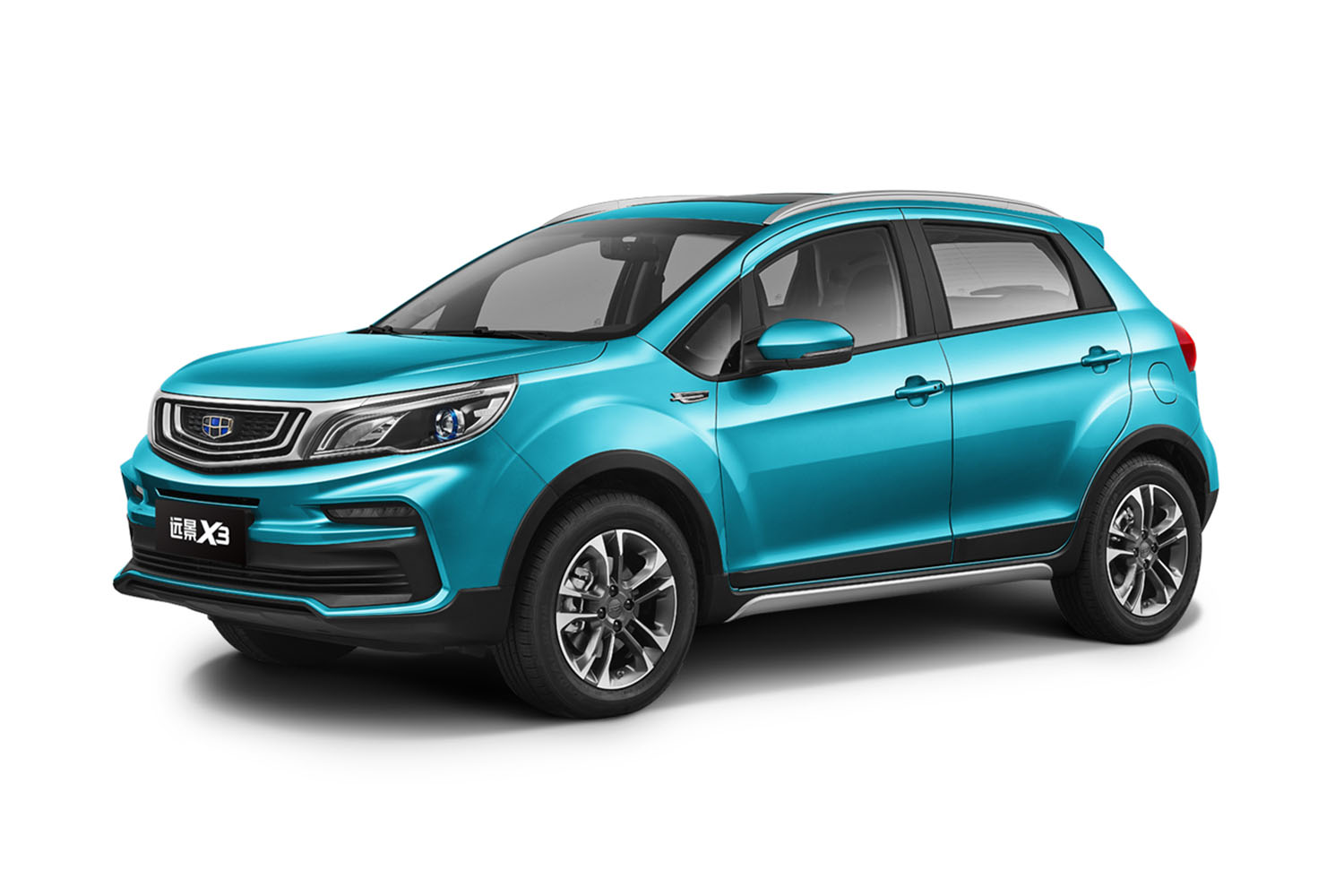
At a glance
- The Vision X3 is a compact, 1.5-litre petrol SUV positioned for value-led importers and small fleets.
- Manual, CVT and automatic descriptions are represented across the range, so transmission choice should follow local drivers and servicing capability.
- Trim labels alone do not establish equipment; verify the VIN, production date, specification and export documents for the exact vehicle.
- New and used examples involve different depreciation, compliance and inspection trade-offs, so the buying brief must define the priority.
- Use the live per-unit price and MOQ, then add freight, insurance, duties and registration to compare landed cost.
Why the Geely Vision X3 matters for export markets
The Geely Vision X3 occupies the affordable compact-SUV segment, where overseas buyers often want a more versatile body than a sedan without moving into an expensive premium vehicle. Its relevance to export markets comes from that practical positioning: a straightforward 1.5-litre petrol model that can suit distributors, small fleets, and private importers entering a value-oriented retail segment. The case therefore rests on affordability, ease of operation, and access to Chinese supply, rather than luxury branding or the newest technology. For buyers, that makes total delivered cost more informative than badge appeal alone.
Demand potential is strongest where buyers need a small SUV for mixed urban and regional use, yet operate price-sensitive customer bases. The Vision X3 can suit taxi-style operations, company-car programs, and dealer retail aimed at first-time SUV buyers, provided its dimensions, equipment, and fuel use suit local conditions. It is less compelling where buyers require long-distance comfort, maximum cargo volume, or advanced driver-assistance systems as standard. A distributor should therefore validate the use case before ordering, rather than relying on the SUV label alone against the locally sourced alternatives available in the same price band.
International demand for Chinese compact vehicles increasingly depends on after-sales support, not just the factory specification. For the Vision X3, an importer should examine local technician familiarity, parts routing, diagnostic access, warranty handling, and expected resale positioning before committing to a programme. Those factors often determine whether an apparently economical purchase becomes a sustainable long-term business. Reviewing the wider Geely range can also help a distributor assess brand recognition and whether the Vision X3 is the right badge for its market in the region rather than a temporary opportunistic import.
- Value-led compact-SUV positioning.
- Relevant to urban fleet importers.
- After-sales support is decisive.
Model range, trims and powertrain variants: how the lineup is structured and how to choose
The export-visible Vision X3 lineup is built around a 1.5-litre petrol powertrain, with manual, CVT, and automatic transmission descriptions appearing across trim names. Buyers will encounter labels such as Premium, Elite, PRO, Upgrade, and Upgraded Edition, but those labels should be treated as listing identifiers rather than a complete equipment matrix. The safest approach is to request the VIN, build plate, specification sheet, and photographs before carefully comparing it. The model year and production date should be checked as well, since equipment and supplier sourcing can change noticeably over time.
Transmission choice is often more useful to an overseas buyer than cosmetic trim naming. A manual can suit markets where drivers are familiar with it and where buyers prefer a direct, uncomplicated driving experience; the acquisition quote should show whether its cost advantage remains after freight and taxes. CVT versions prioritize ease of use and urban traffic, while listings marked automatic still need verification of the actual gearbox, service requirements, and local technician support. For fleet procurement, availability of the chosen transmission in destination markets can be as important as its purchase price. Confirm that parts and servicing arrangements are available before committing to a fleet order.
When comparing Premium, Elite, PRO, Upgrade, and Upgraded Edition variants, build a requirement list rather than assuming every step adds the same equipment. Separate safety, comfort, infotainment, seating, and exterior items, then check which are fitted on the exact car. Because model years and market versions may use similar names differently, a broad trim label alone cannot establish equipment, warranty, or specification. A written trim confirmation attached to the order is more dependable than photographs alone. Ask also whether the equipment is standard, optional, or locally fitted for export use before dispatch.
- Verify gearbox and trim.
- Match transmission to local use.
- Compare fitted equipment, not labels.
New vs used Geely Vision X3: how export inventory is structured and how buyers choose
A live Geely Vision X3 export inventory can mix unused and previously operated vehicles, but a new listing should not automatically be read as a current-year vehicle. In Chinese export channels, “new” can describe an unused vehicle, including older model-year stock held by a dealer or distributor, while used inventory represents vehicles with prior registration or operation. Buyers should therefore separate three questions: Is the car unused? What is its model and production year? And is its specification intended for the destination market? Those distinctions affect depreciation, compliance, and warranty treatment. Confirm all three directly with the seller before payment and release.
Used Geely Vision X3 purchases can improve affordability and reduce initial depreciation, but the saving must be weighed against condition, remaining service life, and import treatment for older vehicles. Ask for the VIN, registration history, verified odometer reading, maintenance records, accident evidence, and photographs of the engine bay, underside, cabin, and wheels. A pre-purchase inspection is especially valuable for checking engine, cooling, transmission, steering, suspension, and electrical condition, as well as confirming that wear is consistent with the stated mileage. Request a written inspection summary and repair estimate where applicable.
The best choice depends on the business model. A dealer launching a new brand may prefer an unused, uniformly prepared vehicle for consistent presentation and simpler staff training; a cost-led importer may accept an older new vehicle or a carefully inspected used example. Fleet buyers should also compare availability, specification consistency, and support arrangements, because mixed transmissions or trim levels can complicate parts planning. In every case, total cost of ownership should include freight, taxes, registration, maintenance, financing costs, downtime, and expected resale, not simply the vehicle’s live asking price.
How export pricing works: the factors behind a live listing price, and how to read one
A Vision X3 export price is the output of several variables, not a fixed market rate. Model year, production date, trim, transmission, mileage, condition, and visible equipment can move a unit away from the category average. At the transaction level, the seller’s commercial terms, currency movement, inland transport, export handling, insurance, freight, port charges, and the selected Incoterm also matter. Import duty and taxes may sit outside a factory or ex-works quote, so “cheapest” cannot be judged until every required charge is included. The same rule applies to used and new units.
When you open a live Vision X3 listing, read the title, trim, model year, transmission, condition, location, and stated terms together rather than looking at the number. Confirm whether the amount is an asking price for the vehicle only, whether it includes export documentation, and which Incoterm governs delivery. Check the SKU or reference, seller identity, images, and description for inconsistencies, and ask for a written quotation that separates vehicle price, inland logistics, freight, insurance, and destination charges. Only compare listings prepared on the same basis for landed comparison.
A disciplined export-price comparison uses a simple worksheet: start with the live per-unit price, add the cost of the selected transport and Incoterm, then add all confirmed import and registration charges for the destination. Record currency, payment timing, validity period, warranty treatment, and whether inspection or repainting is included. Volume can influence commercial terms, but it should not replace vehicle-level inspection. ChinaCarDirect’s live Vision X3 inventory is the place to verify the current per-unit price, availability, and minimum order quantity shown for each vehicle before placing any binding order with the supplier.
- Separate vehicle and landed prices.
- Confirm terms and exclusions.
- Use live per-unit figures.
MOQ, ordering and payment: single units vs consolidating a container
MOQ should be read listing by listing, not as a universal rule for the Vision X3. Each live Vision X3 listing states the applicable minimum order quantity for that unit, so a dealer should check it before planning a pilot or batch. For a first-time importer, one pilot vehicle can expose demand, parts consumption, service issues, and homologation requirements before a larger commitment. It also reduces the risk of filling a container with a specification that has not yet been proven and sold through locally at acceptable margins for the channel.
When building a wholesale order and consolidating a container, treat the shipment as a matched batch rather than several unrelated bargain vehicles. Keep model-year, trim, transmission, colour, equipment, and documentation as consistent as practical, retaining a contingency if one vehicle is unavailable. Compare full-container and shared-container options after accounting for terminal handling, storage, insurance, and demurrage risk. Mixed stock can create unsold units or different service and resale propositions, especially for fleet buyers. Ask the freight provider to confirm loading assumptions and securement in writing before the vehicle is loaded at origin.
The ordering sequence should be controlled rather than improvised. Confirm the live listing, seller, VIN or production identity, specification, price, MOQ, delivery term, and payment conditions in a written quotation or pro forma invoice. Agree the deposit and balance schedule, inspection point, documentary pack, refund remedy, and ownership-transfer mechanics before remitting funds. Payment method, currency, bank charges, and any platform or third-party fees should be explicit. Release should follow the agreed inspection and shipment milestones, with copies of transport and customs documents retained for registration or later local resale.
- Check MOQ on each listing.
- Pilot before scaling.
- Match container stock to demand.
Shipping, homologation and market compliance caveats: LHD/RHD and import rules by country
Left- and right-hand-drive availability cannot be assumed from a Chinese-market listing. Before paying, confirm the steering position, build specification, and whether the car was manufactured for export or converted after production. Conversion can affect suitability, homologation, warranty, and parts consistency, so factory configuration is preferable where possible. Import rules also differ by country: engine size, vehicle age, emissions standard, origin, and local tax treatment can influence duty, eligibility, registration, or restrictions, and no single rule applies globally. Ask the seller and a local customs broker to verify the applicable route.
Homologation is a destination-market process, not a box-checking exercise. Depending on the country, the importer may need a certificate of origin, customs declaration, VIN documentation, type approval, emissions evidence, safety compliance, inspection, insurance, and registration. The exact HS classification and evidence required must be verified for the actual vehicle configuration. A broker should also check whether local taxes, emissions-zone restrictions, age limits, or importer responsibilities apply. ChinaCarDirect provides an RFQ route to a supplier, but the importer remains responsible for destination compliance and should plan for local inspection timelines before shipment.
Shipping cost and timing are consequences of choices: origin port, destination port, carrier, container mode, route, season, cargo value, insurance, inspection, and documentation. Export preparation should include a pre-shipment condition report, secure loading plan, and verified vehicle identification so damage or identity issues are not discovered at the border. Cover insurance, port handling, customs clearance, storage, and demurrage terms in the freight quotation. A realistic schedule combines production or stock readiness, inspection, booking, loading, transit, customs, and inland delivery rather than promising a generic lead time for the selected route.
Who should buy the Vision X3 — and who should pick a different vehicle
The Vision X3 is a candidate for an importer seeking an entry-level petrol SUV with manual and automated transmission choices, especially where first-time buyers value straightforward operation over premium features. It can suit dealer stock programs, regional distribution, and fleet use in paved-road markets. The deciding question is whether the planned mix of manual and CVT or automatic cars matches local driving habits, service capability, and resale expectations. A buyer who can support the model and maintain parts availability will extract more value than one focused only on the initial vehicle price.
It is a weaker choice when the brief requires an electric or hybrid powertrain, emissions-zero urban access, premium crash-warning technology, heavy towing, high payload, or assured off-road performance. The Vision X3 is a petrol compact SUV, so range should be discussed through usable fuel capacity and real-world consumption rather than battery range. Equipment levels also vary by trim and market, so buyers needing a particular safety or convenience feature must verify it on the exact vehicle. A premium crossover or an electrified platform may serve those requirements better for those briefs.
A sound purchase decision should compare total operating cost over the intended holding period. That calculation needs verified fuel economy, expected service intervals, tyre and fluid availability, insurance, repair access, and likely resale demand for the destination. The Vision X3 may be attractive where parts can be consolidated across a sizeable fleet and where its compact size simplifies urban use. It may be less attractive where a new-car programme requires frequent model changes, software support, or a stronger residual-value brand. A pilot purchase can test those assumptions before any scale-up.
- Best for value-led urban fleets.
- Verify destination-market equipment.
- Compare operating cost and residuals.
Main rivals and how the Vision X3 compares
The Chery Tiggo 4 is a close Chinese-brand alternative for buyers comparing compact, value-focused SUVs from China. Both names can suit price-sensitive distributor programmes, so the decision should not rely on badge familiarity alone. Compare the exact engine and transmission menu, measured cargo and passenger space, equipment that is actually fitted, parts support, and homologation in the destination. Chery may have greater recognition in some markets, while the Vision X3 may present a different dealer and vehicle proposition; the live landed quote and service evidence should decide between them.
The Haval Jolion is another relevant value-oriented compact-SUV rival, particularly for importers already familiar with Chinese marques and the broader Haval range. Its relevance does not guarantee a lower delivered cost: shipping method, destination taxes, model-year availability, and local parts channels can reverse a narrow vehicle-price comparison. Test the Vision X3 against the Jolion using the same specification standard and the same Incoterm. If one model has a stronger local service network or a simpler compliance route, that advantage may outweigh a small difference in the vehicle quotation before either order.
The Dacia Duster serves as a more established value-SUV benchmark rather than a direct Chinese-sourcing equivalent. It can be attractive where Dacia has a local dealer network, brand familiarity, and residual-value confidence outweigh the acquisition economics of importing a Vision X3. The Duster gives buyers a useful benchmark for packaging, equipment, and ownership expectations, though exact market specifications vary. For a Geely programme, the Vision X3 must still make sense after the same operating, compliance, and resale tests; lower acquisition cost alone will not compensate for weak support or slow parts supply.
- Compare landed cost, not vehicle price.
- Service can outweigh badge familiarity.
- Check local approvals.
Live Geely Vision X3 export inventory
View all listings →Real units currently on ChinaCarDirect with per-unit asking prices and MOQ. Availability updates live from the catalogue.
How to buy a Geely Vision X3 from China
-
1
Set the destination and operating brief
Record LHD/RHD needs, road conditions, expected volume, transmission preference, and required documents. This prevents a visually attractive but commercially unsuitable unit from entering the shortlist.
-
2
Shortlist live inventory
Compare model year, trim, gearbox, condition, seller information, current per-unit price, and MOQ on ChinaCarDirect. Save the listing reference and ask the seller to confirm that it remains available.
-
3
Verify the vehicle and paperwork
Request the VIN or build identity, production date, full equipment list, origin documents, and export paperwork. Confirm the engine, transmission, steering position, and every option stated in the listing.
-
4
Request a landed quotation
Specify the destination, Incoterm, transport mode, insurance, and payment terms. Ask for a written breakdown separating vehicle price, inland handling, freight, port costs, duties or taxes, and registration assumptions.
-
5
Check compliance before payment
Have a local customs broker verify HS classification, age and emissions restrictions, type approval, and registration documents. Review the pro forma invoice, payment beneficiary, deposit and balance schedule, inspection point, and refund terms.
-
6
Inspect, ship, and retain records
Approve a pre-purchase or pre-shipment inspection and confirm vehicle identity and securement. Keep the inspection report, transport booking, insurance, bill of lading, customs papers, and handover records for registration and resale.
Vision X3 vs rivals
| Chery Tiggo 4 | The Chery Tiggo 4 is a close Chinese-brand alternative in the compact, value-focused SUV segment. Compare exact powertrain choices, fitted equipment, parts support, homologation, and landed cost; Chery may be more familiar in some markets, while the Vision X3 should be judged on the evidence supplied for its dealer and vehicle. |
|---|---|
| Haval Jolion | Haval Jolion is a relevant value-oriented compact-SUV rival, especially for buyers already familiar with Haval. It is worth comparing on the same specification and Incoterm basis, because model-year availability, taxes, shipping, and local parts support can outweigh a narrow vehicle-price difference. |
| Dacia Duster | Dacia Duster is an established value-SUV benchmark with stronger recognition in some markets, rather than a direct China-sourcing equivalent. Choose Duster where a local dealer network and known residual-value proposition dominate; choose the Vision X3 where China supply access and delivered economics are the priority, subject to service support. |
Frequently asked questions
What engine does the Geely Vision X3 use, and does it have electric range?
The Vision X3 lineup uses a 1.5-litre petrol engine. Depending on the trim, listings describe a manual, CVT, or automatic transmission, so confirm the actual gearbox on the selected vehicle. It is not a battery-electric model, and buyers should assess petrol range using verified fuel consumption rather than CLTC battery range.
How is the Geely Vision X3 export price determined?
Export pricing combines the live per-unit vehicle price with model year, trim, transmission, condition, seller terms, exchange rate, freight, insurance, and destination charges. The exact current amount is shown on the relevant ChinaCarDirect live listing. Compare a written quote and the same Incoterm before judging one vehicle against another.
Should I buy a new or used Geely Vision X3?
New vehicles offer a cleaner ownership history and more consistent preparation, but “new” can include older unused model-year stock. Used vehicles may cost less and depreciate differently, but they require stronger inspection, clearer service history, and a check of age-related import rules. The right choice depends on fleet consistency, warranty needs, and total operating cost.
What is the MOQ for a Geely Vision X3 order?
MOQ is set for the particular listing or supplier order, not by the model name alone. Check the per-unit minimum displayed in live inventory and request an RFQ if a multi-vehicle quotation is needed. If a pilot order is permitted, use it to validate demand and compliance before consolidating a container.
What affects Vision X3 shipping time and cost?
Shipping time and cost depend on origin and destination ports, carrier, route, container mode, season, documentation, inspection, insurance, and customs handling. The freight quote should separate vehicle preparation, port charges, transit, insurance, and delivery. Ask the carrier or forwarder for a route-specific schedule because no generic lead time covers every shipment.
Can I source Geely Vision X3 spare parts?
Parts can be ordered for the Vision X3, but compatibility depends on the exact model year, engine, transmission, and trim. Use the RFQ route to request original or clearly described aftermarket identifiers, current availability, and shipping terms. Before funding an order, verify the part number and compatibility with the vehicle’s VIN and the supplier’s records.
Is a right-hand-drive Geely Vision X3 available?
Right-hand-drive availability depends on the exact source and export configuration, so it should not be assumed from a general model listing. Check the live listing, production specification, and photos for steering position, then ask the supplier to confirm. Local rules may make a factory-built RHD example more practical than a converted vehicle.
How do I buy a Geely Vision X3 from China?
Browse the live Vision X3 inventory, compare model year, trim, gearbox, condition, per-unit price, and MOQ, then send an RFQ with your destination and preferred Incoterm. Confirm documents, inspection, payment milestones, and the final landed-cost assumption before paying. The supplier quotation and the live listing together define the current commercial offer.
Ready to source the Geely Vision X3?
Request a Vision X3 RFQ with your destination, preferred trim and transmission, and shipping term to receive a current per-unit quote.
Request a quote