
Great Wall C30 Export Guide for Overseas Buyers
Buy a Great Wall C30 from China with confidence: compare trims, used and new options, live export pricing, MOQ, shipping and compliance before ordering abroad.
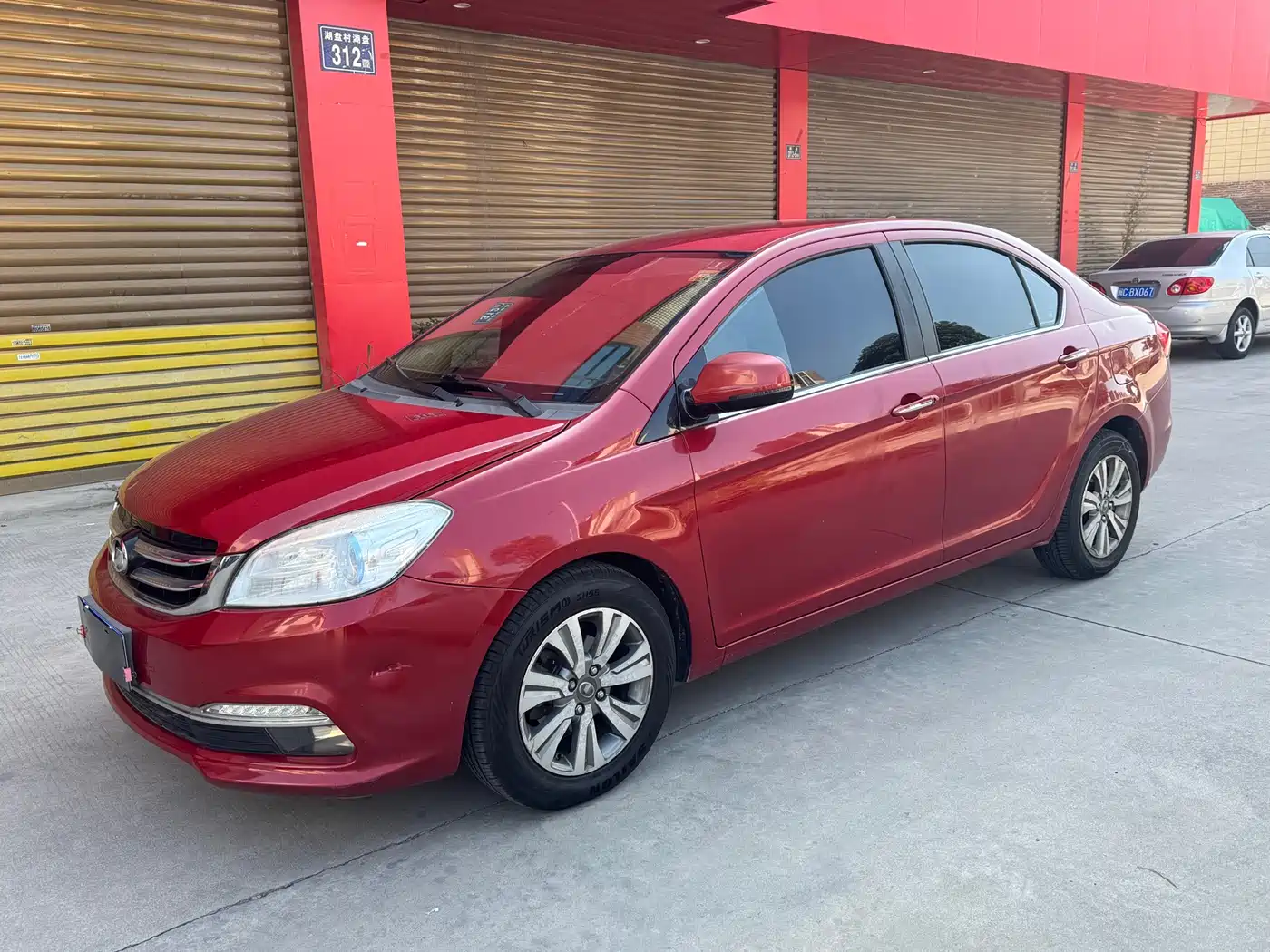
At a glance
- The C30 is a compact petrol sedan suited to value-focused dealers, fleets and ride-hailing operators.
- Manual, AMT and CVT versions let buyers balance driver control, convenience and acquisition cost.
- Used C30s offer configuration choice but require document checks, inspection and destination-specific age-rule reviews.
- Export quotes vary by vehicle and Incoterm, so buyers should compare fully landed cost against the live unit listing.
- Steering configuration, homologation and parts availability can outweigh the purchase price in an unsuitable market.
Why the Great Wall C30 matters for export markets
The Great Wall C30 is a compact petrol sedan from a Chinese manufacturer with an established export presence. For overseas dealers and fleet buyers considering the Great Wall C30 for export, its relevance lies in offering a familiar four-door format, a modest 1.5-litre engine and several transmission choices at a value-led price point. That positioning is especially relevant where buyers need an inexpensive, serviceable car for urban work, taxi-style operations or fleet replacement rather than premium styling or high-performance capability. It is not positioned as an off-road model or a direct substitute for larger family sedans with more rear-seat and luggage room.
Demand for the C30 is driven less by headline technology than by the economics of keeping vehicles on the road. A 1.5-litre petrol unit, manual availability and compact dimensions can support straightforward operation where fuel economy, repair familiarity and driver acceptance matter. Export buyers should nevertheless avoid treating “popular” as a substitute for local demand analysis: registration rules, taxi rules, insurance categories and customer preferences vary substantially between countries. A vehicle that suits one market may be difficult to insure, register or resell in another, regardless of its purchase economics.
For importers, the C30 can serve as a practical bridge between a low acquisition cost and a saleable product, but only after the complete operating environment is priced. Buyers should compare expected resale or fleet uptime against parts access, technician familiarity and the likely difficulty of supplying a discontinued model year in a remote market. The strongest case is therefore a destination with proven demand for compact petrol sedans and an independent plan for after-sales support. That includes access to compatible consumables and realistic lead times for reliable mechanical components.
- Compact 1.5-litre petrol sedan.
- Fleet-friendly four-door layout.
- Local support is decisive.
Model range, trims and powertrain variants: how the lineup is structured and how to choose
The export-facing C30 range is built around a consistent 1.5-litre petrol powertrain, while transmission and equipment labels distinguish the variants. Manual versions span many trims in the available lineage, including Comfort, Luxury, Fashion, Enjoyment, Elite and related editions. Automatic alternatives appear as AMT and CVT versions. Buyers should read the full trim name rather than assume that similarly named Luxury or Comfort models are mechanically identical. Equipment, production year, gearbox type and market origin can alter the practical value even when the listing title looks almost the same on paper.
For a manual C30, the main advantage is direct driver control and a straightforward mechanical interface, often attractive to fleets where drivers already know the pattern. It also makes the transmission choice easy to communicate to buyers who equate manuals with lower purchase complexity. The trade-off is greater driver workload in congested traffic and less refinement. Confirm the precise gearbox specification, clutch condition and pedal feel during inspection rather than inferring condition from the trim badge. A road test should cover clutch bite, gear engagement, noise and any warning lights.
AMT models automate a mechanically simple gearbox architecture, which can reduce physical gear-shifting effort while retaining a lower-cost drivetrain concept than many more sophisticated systems. CVT versions prioritise smooth, uninterrupted torque delivery and may appeal to ride-hailing or executive-car buyers. Neither label guarantees better durability or resale, so evaluate shift quality, heat build-up in stop-and-go use, service records and warranty terms for the exact vehicle. For a used example, the inspection should compare the transmission report with what the seller has disclosed and with the vehicle's age and intended duty cycle.
- Manual: direct driver control.
- AMT: automated shift convenience.
- CVT: smooth torque delivery.
New vs used Great Wall C30: how export inventory is structured and how buyers choose
ChinaCarDirect’s C30 inventory is structured around petrol, 1.5-litre examples offered in used and new conditions, with used examples spanning several distinct trim and transmission configurations. That mix matters because the model line includes manual, AMT and CVT versions across Comfort, Luxury, Fashion, Enjoyment and other named trims. A wholesale buyer should therefore define the required condition, gearbox and equipment first, then review the live listings for the specific combinations currently available. Because catalogue composition changes, current unit availability should always be confirmed on the listing page rather than inferred from a general model description.
Used Great Wall C30 vehicles suit buyers who recognise the model, need a specific older configuration or want a lower acquisition outlay without replacing every vehicle at once. The trade-off is uncertainty: age, mileage, prior repair history, gearbox condition and cosmetic wear may not be fully visible in a listing. Ask for identification documents, service records, inspection photographs, a current condition report and an independent pre-shipment inspection before treating the advertised condition as established. A buyer sourcing for work rather than occasional use should also test hot and cold starts, brakes and steering response.
New inventory can reduce uncertainty about age and accumulated wear, which matters for buyers building a repeatable fleet programme or launching into a new market. However, “new” does not remove the need to compare specification, production date, warranty transfer and expected standard equipment. Used vehicles may offer more character or better trim value, while a new example may be easier to standardise across a fleet. The decision should follow total operating needs, not a general assumption that newer is automatically cheaper. Compare landed acquisition, running costs and expected resale separately.
- Used: higher condition risk.
- New: simpler fleet standardisation.
- Inspect the exact unit.
How export pricing works: the factors behind a live listing price, and how to read one
A Great Wall C30 export price is not a fixed model-level figure; it changes with the particular vehicle and the deal structure. The starting point is normally the asking price shown on the live unit listing, then adjusted for exchange-rate movement, freight, insurance, inspection, documentation, destination charges and the selected Incoterm. Trim, production year, transmission, mileage and condition usually create meaningful differences within the same model. Use the live ChinaCarDirect listing as the current source for the exact quoted amount. A quote without its Incoterm and charge assumptions is not directly comparable.
When reading a live C30 listing, separate vehicle attributes from logistics assumptions. Confirm how the trim title maps to engine, gearbox and equipment, then verify mileage, condition, ownership history and included documents. Next identify whether the displayed amount is vehicle-only or an export estimate, and whether shipping, taxes, customs clearance, port charges and inland delivery are excluded. Ask for a written quotation that names every line item and states the validity period. This prevents a cheaper unit with unclear condition or a broader shipping scope from appearing better than it is.
The most useful export-price comparison is landed cost per saleable vehicle, not the smallest visible asking price. For a dealer, include transport, insurance, port handling, taxes, compliance work, inspection, demurrage exposure and the cost of correcting defects before delivery. For a fleet buyer, also calculate downtime, financing and expected service life. Model-level guidance should never substitute for the live per-unit quotation, because two C30s can sit in different trim, age and condition categories. A written quote should also state whether the vehicle remains subject to formal rechecking before balance payment.
- Vehicle attributes move base quotes.
- Incoterms change logistics scope.
- Compare full landed cost.
MOQ, ordering and payment: single units vs consolidating a container
Minimum order quantity is a commercial term, not a fixed characteristic of the C30 model. Some suppliers and marketplace listings accept a single-unit inquiry, while vehicle distributors may set a higher MOQ or offer a lower threshold when several buyers consolidate units. Read the MOQ field on each live listing, then ask the seller directly whether it applies to that SKU, whether mixed trims or conditions can share a booking, and whether one vehicle can be reserved before a larger consolidated order. Treat the written confirmation, not an inferred marketplace norm, as binding.
Consolidating a container can improve freight efficiency, but it turns a vehicle purchase into a coordinated logistics project. The importer must match trim, gearbox, condition and production-year requirements across units, then budget for loading, securing, insurance, destination handling and possible storage. It also exposes the buyer to delays if one vehicle is unavailable or does not pass inspection. A mixed-consignment strategy may offer flexibility, provided every participant accepts the final vehicle mix and cost allocation. For first-time importers, one or several clearly specified units may be easier to manage than a full container.
A sound ordering process separates the vehicle commitment from the balance of the transaction. After selecting a live listing, request the seller’s identity, vehicle identification details, condition evidence, export documents, warranty position and payment instructions. Agree the deposit, inspection milestone, balance trigger, refund conditions, title-transfer method and allocation of charges in writing. Payment should never be released solely from a photograph or copied vehicle number; the inspected vehicle, invoice and shipping documents must match. Use a traceable payment channel and preserve every message, receipt and inspection report throughout the transaction.
- Confirm the listing MOQ.
- Ask about mixed-unit consolidation.
- Put payment triggers in writing.
Shipping, homologation and market compliance caveats: LHD/RHD and import rules by country
Steering configuration is a first-order export check because it affects driver familiarity, vehicle usability and sometimes homologation. A left-hand-drive C30 may suit markets and fleets accustomed to that layout, while a right-hand-drive example is required where traffic rules or vehicle registration require it. Do not assume every trim can be converted economically or legally. Confirm the actual steering position, pedals, dashboard and instrument layout on the VIN-specific listing, then verify whether local rules accept that configuration. A conversion can add cost, introduce compliance risk and reduce the appeal of an otherwise suitable used car.
Import rules differ by destination, so the C30 must be assessed against the importing country’s type-approval, emissions, safety, noise and equipment requirements. Dealers should check whether the exact engine and gearbox variant, lighting, tyres and emissions system are accepted, and whether a Certificate of Conformity, customs declaration or other evidence is required. Used vehicles may face extra age restrictions, inspection regimes or proof-of-roadworthiness tests. These checks should begin before payment because approval problems can make a cheap vehicle uneconomic. Ask a local customs broker or homologation specialist for a vehicle-specific answer.
Export shipping should be planned around the vehicle’s age and condition as well as the destination. Roll-on/roll-off shipping is common for finished vehicles, but securement, drainage, lashing points and exposure to weather or salt need attention, especially with older stock. The export file should reconcile the VIN, purchase invoice, packing list, export declaration, title or ownership documents and any customs records. Booked sailing or truck time is only one factor; congestion, terminal handling, inspections and inland delivery can extend the route. Insure the vehicle across the full inland, port and destination journey.
- Verify steering configuration first.
- Check local type approval.
- Reconcile VIN and documents.
Who should buy the C30 — and who should pick a different vehicle
The C30 best fits importers seeking a straightforward compact petrol sedan for budget-conscious customers, company fleets or ride-hailing use. Manual versions can suit experienced drivers and operations comfortable with a conventional change, while AMT and CVT choices broaden the appeal to buyers who prioritise convenience. Its core advantage is the combination of a practical four-door body, established trim choice and potentially manageable acquisition costs. The vehicle becomes attractive only when parts, servicing and resale demand in the destination are credible. Fleet buyers should still model fuel use, downtime and replacement-cycle economics.
It is a poor fit for buyers whose core requirement is an electrified powertrain, zero-emission compliance, off-road ability, premium cabin quality or high-performance driving. Compact sedans can also offer less luggage and rear-seat space than larger models, while an ageing vehicle may not satisfy modern crash, emissions or driver-assistance expectations in tightly regulated markets. Buyers planning a long ownership cycle should ensure that software, replacement parts and technical support remain available rather than buying solely on the initial vehicle cost. A pre-purchase inspection is especially important when those assurances cannot be verified online.
Choosing between a used and new C30 should begin with the operating scenario. A used car makes sense when the buyer accepts known age, accepts a planned refurbishment budget and values access to a particular configuration. A new example may be preferable for standardised fleet deployment, simpler condition management and clearer warranty workflows. Neither route guarantees easy homologation or parts support. The best purchase is the one whose condition, specification and compliance pathway are verified—not the newest or cheapest label alone. Document every assumption in the purchase file before payment.
- Strong fit for value fleets.
- Convenient automatic options.
- Weak fit for EV mandates.
Main rivals and how the C30 compares
The C30 competes in the affordable compact-sedan segment, but the closest rival depends on whether the comparison is a like-for-like Chinese model, a mainstream Asian alternative or a used fleet benchmark. Buyers should compare the exact vehicle on cost to repair, fuel use, gearbox behavior, availability of parts, local homologation and resale expectations. Badge recognition alone is not decisive in markets where Chinese models are newer or less established. A fair comparison also separates purchase price from the cost of shipping, certifying and supporting each vehicle over the intended ownership period.
The JAC J3 is a direct value-segment comparison because it is also a compact Chinese sedan aimed at buyers seeking small-displacement petrol power and economical operation. The C30 gives this comparison an explicitly 1.5-litre range with manual, AMT and CVT choices, while the J3 may benefit from a different model identity in some destinations. Neither badge guarantees superior quality; compare service history, gearbox condition, parts access and the exact vehicle's local approval because model names do not tell you which units are already homologated for the intended use in that market.
The Toyota Vios and Hyundai Accent are mainstream benchmarks for fleet and dealer buyers who prioritise brand confidence, broad parts recognition, established resale expectations and more familiar local comparison points. The C30 may win on initial sourcing value or access to older fleet configurations, while either mainstream model may win on driver confidence, residual value and easier homologation support. Availability, specification, vehicle age and local compliance must be checked like-for-like; do not compare the newest Vios or Accent against an older C30 without adjusting for age, fuel use, warranty, payload and operating cost.
- JAC J3: Chinese value rival.
- Toyota Vios: fleet benchmark.
- Hyundai Accent: global benchmark.
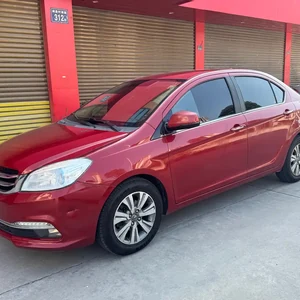
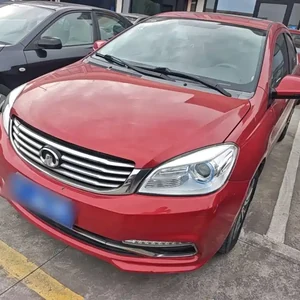
Live Great Wall C30 export inventory
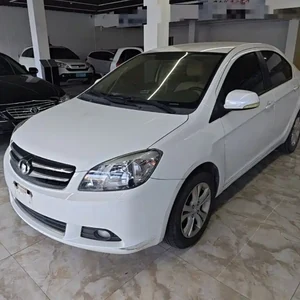
View all listings →Real units currently on ChinaCarDirect with per-unit asking prices and MOQ. Availability updates live from the catalogue.
How to buy a Great Wall C30 from China
-
1
Define the destination and operating role
Define the destination, driving side, buyer type and operating environment before selecting a trim. Include fleet duty cycles, road conditions and local registration needs so the vehicle is viable after landing.
-
2
Filter the live C30 inventory
Filter the live Great Wall C30 listings by condition, transmission and trim, then save the candidate units. Treat each live listing as the source for its current price, availability, MOQ and unit identification.
-
3
Request unit-level documents
Request the VIN or vehicle identification number, registration or ownership documents, service history, condition photographs and a current inspection report. Verify that the listing title, photographs and documents describe the same vehicle.
-
4
Build a landed-cost comparison
Separate vehicle price, freight, insurance, inspection, taxes, port charges, customs work and inland delivery. Compare scenarios using the same Incoterm and quotation-validity period.
-
5
Confirm MOQ and payment terms
Ask the seller to confirm the MOQ, unit reservation, deposit, balance trigger, refund terms and payment channel in writing. Clarify how mixed trims or conditions would be allocated if units are consolidated.
-
6
Complete compliance and shipping checks
Check destination-specific type approval, emissions and safety requirements with qualified local specialists, and confirm LHD/RHD suitability. Match the transport method, insurance, export documents and delivery schedule to the vehicle's age and condition.
-
7
Inspect before releasing the balance
Arrange an independent pre-shipment inspection and reconcile the inspected vehicle, invoice and shipping documents. Release the balance through a traceable channel only after the agreed inspection and document checks pass.
C30 vs rivals
| JAC J3 | The JAC J3 is a close Chinese value-sedan comparison, with a similar focus on economical small-displacement petrol transport. The C30 stands out through its explicit 1.5-litre manual, AMT and CVT choice set, but the better unit depends on condition, parts access and local approval. |
|---|---|
| Toyota Vios | The Toyota Vios is the fleet benchmark for brand confidence, international parts recognition and established resale expectations. It may be the safer commercial choice where Toyota support is deep, while the C30 may suit buyers seeking a lower acquisition route or older fleet configuration. |
| Hyundai Accent | The Hyundai Accent offers a more modern mainstream alternative and may be easier for some customers to value locally. The C30 can suit importers prioritising initial cost and specific configurations, but compare age, warranty, compliance and running costs before choosing. |
Frequently asked questions
How is the Great Wall C30 export price determined?
The export price begins with the vehicle-specific live listing and is then adjusted for the agreed Incoterm and logistics. Trim, production year, transmission, mileage, condition, exchange rates, freight, insurance, taxes and destination charges can all affect the total. Check the current C30 listings on ChinaCarDirect and request a written quotation for the exact unit.
What are the key Great Wall C30 specs for export buyers?
The C30 range reviewed here uses a 1.5-litre petrol engine, with manual, AMT and CVT transmissions depending on trim. It is not a battery-electric model, so electric range and battery capacity do not apply. Confirm the final gearbox, condition and technical details on the live vehicle record before ordering.
Is a used Great Wall C30 better value than a new one?
Used C30s can suit buyers seeking a lower initial outlay or a specific older configuration, but they carry more uncertainty in condition, mileage and repair history. New examples reduce wear-related risk and may simplify fleet standardisation, yet they still require specification, warranty and homologation checks. The better choice depends on your budget, condition tolerance and local market.
What is the MOQ for a wholesale C30 order?
There is no universal model-level MOQ; the applicable minimum may be set by the seller, listing, destination or consolidation plan. Check the MOQ on the selected live listing and ask whether mixed trims or used and new units can share an order. Treat any agreed threshold and its exceptions in the written quotation or contract.
What controls C30 shipping time and cost?
Shipping time and cost depend on origin and destination ports, transport mode, vehicle condition, fuel or freight surcharges, insurance, customs clearance, terminal handling and inland delivery. Older vehicles may need extra protection or inspection, but age alone does not determine the route. Obtain a door-to-door or port-to-port cost and schedule with the selected freight provider.
Can spare parts be sourced for an older Great Wall C30?
Spare-parts support depends on the destination, model year and the supplier's access to Chinese OE or compatible parts. For an older C30, confirm common service items, wear parts, electronic components and technical documentation before committing to a fleet. Ask the supplier to name realistic lead times and shipping channels for the parts you expect to need.
Is a right-hand-drive Great Wall C30 available?
Right-hand-drive availability changes with the live export stock and the exact trim, so buyers should filter the current listings rather than assume every C30 can be supplied in that configuration. Local traffic and registration rules may require a specific steering side. Do not rely on a late conversion: verify the actual vehicle and obtain destination-specific approval before contracting.
How do I buy a Great Wall C30 from China?
Start by defining the destination, use case, transmission preference and condition, then review the live Great Wall C30 inventory. Request unit documents, a condition report, written landed-cost terms, MOQ and payment milestones, and complete compliance and shipping checks. Release the balance only after the inspected vehicle and documents match the contract.
Ready to source the Great Wall C30?
Send your destination, trim, transmission and condition requirements to ChinaCarDirect for a current unit-level export quotation.
Request a quote