
Great Wall C50 Export Buying Guide for Wholesale Buyers
Buy a Great Wall C50 from China with practical guidance on trims, used versus new vehicles, export pricing, MOQ, shipping, parts support, and compliance.
At a glance
- The C50 is a compact SUV offered with a 1.5-litre turbocharged petrol engine and manual transmission.
- Fashion, Elite and Luxury are the main visible trim labels, while upgraded or comfort wording needs year-specific checks.
- Used cars suit value-led importers with repair capacity; unused or new-old-stock examples require condition and warranty verification.
- Export comparisons should use landed cost, separating vehicle price, freight, duties, compliance and exchange-rate effects.
- RHD supply, homologation and spare-parts support must be confirmed before an importer commits to a shipment.
Why the Great Wall C50 matters for export markets
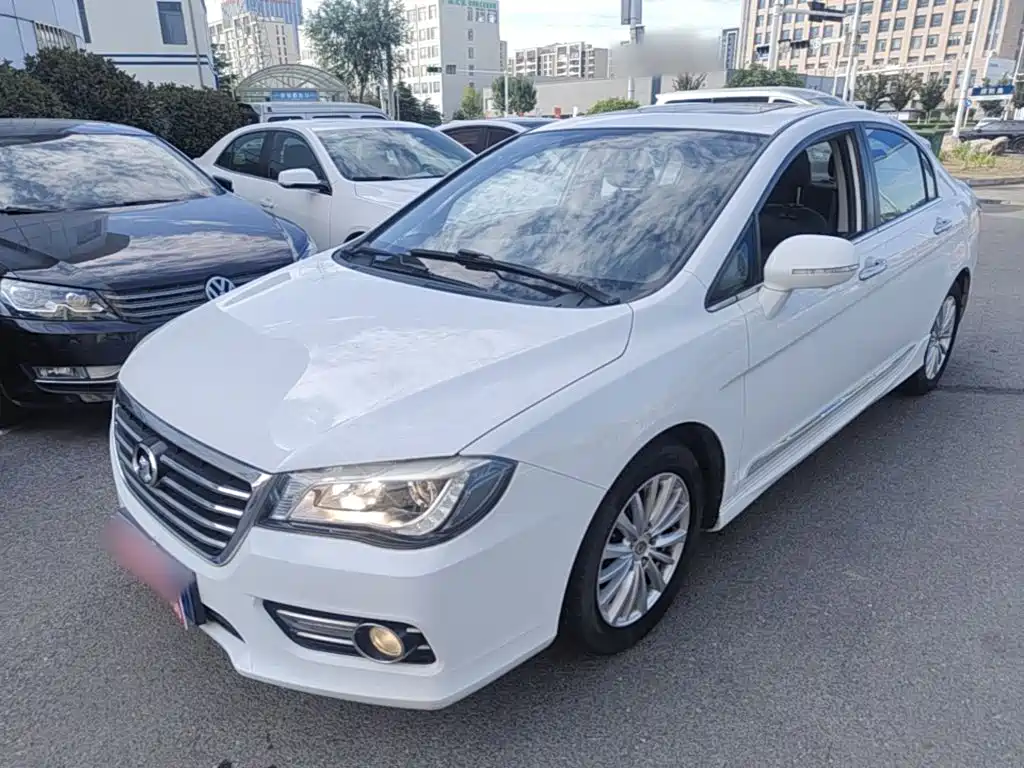
The Great Wall C50 is a compact SUV built around a 1.5-litre turbocharged petrol engine and manual transmission, a configuration that gives export buyers a straightforward, non-electrified alternative. Its attraction is not cutting-edge technology; it is the combination of SUV body style, useful equipment tiers and a comparatively accessible acquisition profile. For importers serving cost-sensitive customers, that can make the C50 easier to position than larger premium crossovers. That does not make it the cheapest vehicle to land, but it gives buyers a model family to compare, service and remarket.
Global demand for the C50 is best understood by buyer segment rather than by headline volume. It can suit small fleet operators, regional distributors and private buyers who need a durable-looking, practical vehicle for markets still dominated by internal-combustion transport. The manual gearbox can also suit buyers accustomed to it and able to maintain it. However, these are use-case advantages, not proof that the model has a strong residual value or broad dealer support in every destination. Local service reach should be verified before any fleet order is placed abroad.
Export relevance also depends on whether the vehicle can enter the market profitably. The C50 is an established but older design, so buyers seeking current crash structures, connected services, advanced driver assistance or electrified powertrains may find newer Chinese or Korean crossovers more suitable. The strongest case is therefore in destinations that accept older petrol vehicles, have a sensible compliance path, and can support the model locally. Treat demand validation and parts access as core market-entry work, not afterthoughts. A listing photograph or low asking price cannot resolve those issues.
- 1.5T petrol manual compact SUV.
- Strongest fit: supported petrol markets.
- Weak fit: EV and modern-safety briefs.
Model range, trims and powertrain variants: how the lineup is structured and how to choose
The export-visible C50 range is organized around 1.5T manual versions with translated trim labels such as Fashion, Elite and Luxury, plus entries described as Upgraded or Comfort versions. Those labels indicate equipment tiers, but translated names are not standardized across model years. A buyer should therefore compare the equipment list—cabin comfort, infotainment, upholstery, safety equipment and exterior fit—rather than assume that one badge delivers the same specification in every vehicle. The VIN-linked build record should support any trim claims made in the quotation or in the sales description itself.
The 1.5T designation identifies a turbocharged 1.5-litre petrol powertrain, while the listed C50 examples use a manual gearbox. Turbocharging can provide more responsive performance than a similarly sized naturally aspirated engine, although output, gearbox count, drivetrain and calibration must be confirmed for the exact car. For export buyers, the manual is a practical advantage only where drivers know how to use it and workshops can service the clutch, transmission and engine mounts. Do not infer those mechanical details from the trim name or from a photograph alone in any listing.
A sound selection method is to build a matrix of trim, production year, mileage, condition, equipment, steering side and documentation, then mark the features your market actually sells. Fleet buyers often benefit from consistency: choose one specification and colour combination that can be stocked and supported. Distributors carrying several trims should verify that each has a realistic market and adequate parts coverage. Where the listing does not disclose a material dimension, seating configuration or mechanical detail, request it before paying a deposit. Live inventory remains the binding source for each unit.
- Fashion, Elite and Luxury tiers.
- Upgraded and Comfort labels need verification.
- Confirm gearbox, drivetrain and dimensions.
New vs used Great Wall C50: how export inventory is structured and how buyers choose
ChinaCarDirect’s C50 category can contain ownership states, including used vehicles, unregistered examples and vehicles presented as new. The words “new” and “used” are not substitutes for documents. Ask for the production date, vehicle identification number, registration or import history, customs status, original invoice where available, and the basis on which the seller defines the condition. These checks are especially important when a vehicle has been stored for a period or imported previously. They reveal age, history and legal status that photographs cannot. Inspection reports can add context, but cannot replace those records.
A used C50 offers visible history and may reduce the initial purchase commitment, but the buyer inherits maintenance uncertainty. Inspect the engine, cooling system, turbocharger area, transmission, clutch, suspension, steering, bodywork, interior and electrical equipment, and verify that the odometer is consistent with available service records. A new-old-stock vehicle can avoid use-related wear, yet age can still bring tyre degradation, seal deterioration, battery-related faults and warranty uncertainty. Its condition should be inspected with the same rigour. Newness alone is not a substitute for preservation checks before any final purchase commitment.
Value-led importers with local repair capability may find a well-maintained used example the rational entry point, provided the repair history, title and remaining service life are credible. Fleet operators may prefer a newer or unused vehicle when uniformity and predictable downtime matter, but they should confirm whether any manufacturer warranty remains and whether ageing components reduce that benefit. Whichever route is chosen, budget for registration, initial servicing, transport, compliance and unsold-stock carrying cost rather than comparing only the vehicle’s headline price. The lowest acquisition price can become the costliest option.
- Demand VIN, date and ownership records.
- Inspect used and stored examples.
- Compare acquisition, downtime and compliance.
How export pricing works: the factors behind a live listing price, and how to read one
A live Great Wall C50 export price reflects the vehicle’s own configuration and the commercial terms attached to it. Model year, trim, exact equipment, mileage, condition, service history and whether the car is used or presented as unused all influence the seller’s ask. Market variables matter too: the renminbi-to-buyer-currency exchange rate, seller margin, freight method, insurance, port handling and the selected Incoterm can change the final commercial position. These are pricing drivers, not a fixed value attached to the C50 name. Compare the same option only with the same option.
Read each listing as a vehicle record rather than a headline. Confirm the year, trim translation, gearbox, steering configuration, odometer, condition wording, included documents and any repair or repainting disclosure. Then ask whether the displayed amount refers to the vehicle alone or to a package containing transport, documentation, insurance or inland delivery. A seller quote should identify the currency, payment stage, validity period, and unit or consolidated shipment to which it applies. These details prevent a cheaper listing from becoming more expensive after adjustment. Save the assumptions beside the listing.
The best comparison is landed cost. Build the comparison in a consistent order: vehicle price, international freight, insurance, origin charges, destination customs and port charges, inland transport, taxes or duties where applicable, homologation, and warranty or repair reserve. Keep taxes and duties separate if the seller cannot confirm them. Exchange-rate assumptions should be documented and refreshed at contracting. Exact per-unit prices and terms are shown in the live ChinaCarDirect inventory and should be reconfirmed with the seller before a binding order. This method is more reliable than chasing the lowest visible number.
- Separate vehicle price from landed charges.
- Verify currency, Incoterm, validity and inclusions.
- Use one exchange-rate basis.
MOQ, ordering and payment: single units vs consolidating a container
Minimum order quantity is a seller and transaction condition, not a permanent property of the Great Wall C50. C50 offers may permit single-unit purchases, while some sellers may require a lot, a mixed shipment or larger volumes. Do not infer a catalogue-wide MOQ from a search result: read the listing and obtain written quantity terms. If buying one vehicle for resale, confirm whether the price and documentation package apply unchanged to a single unit and whether a deposit is required to reserve it. An RFQ can make those terms explicit.
A consolidated container can improve freight efficiency and give a distributor model-year or trim flexibility, but it raises inventory risk. Do not fill unused space with unrelated vehicles merely to reach volume; a batch of slow-moving trims, colours or steering configurations can consume cash and storage. For fleet buyers, one consistent specification may be easier to equip, maintain and sell. Model each vehicle’s retail cycle, carrying cost and parts requirement, and agree the shipment plan with a freight forwarder before paying balances. A mixed lot may be safer than a full container.
A workable ordering sequence is to select the live unit, request a written quotation, verify identity and documents, appoint inspection, agree the deposit and balance schedule, and then authorize release for export. The purchase document should state the exact vehicle, price, MOQ, Incoterm, payment milestones, production date, ownership classification, documentation list, inspection standard and dispute process. Keep correspondence and inspection evidence with the contract. Only after those controls are in place should the buyer instruct shipping and prepare destination clearance. Changes should be confirmed in writing before shipment or loading.
- Check MOQ on every quotation.
- Consolidate only against credible demand.
- Tie release to documents and inspection.
Shipping, homologation and market compliance caveats: LHD/RHD and import rules by country
Great Wall C50 shipping commonly moves by enclosed sea vessel or other protected carrier, with freight determined by route, vehicle dimensions, container or loading method, origin and destination charges, insurance, and the number of units loaded. Used vehicles need protection from moisture, movement and handling damage; securing and condition records at loading are therefore important. Obtain a freight proposal using the vehicle’s confirmed dimensions and weight rather than generic estimates. Establish the port, delivery point and party responsible for customs clearance before shipment. Delivery time is route-dependent, not a product attribute.
Steering configuration is a market-critical check. A left-hand-drive C50 cannot simply be treated as a right-hand-drive equivalent: conversion adds cost and can affect safety, warranty, insurance and local type approval. Available C50 export supply does not by itself establish universal RHD availability, so buyers in RHD markets should require a verified right-hand-drive vehicle or local approval for a specific conversion. Never accept “right-hand drive available” without a VIN-level check, photographs and the relevant conformity documents. Local driving rules may add constraints and may vary by destination market and vehicle category.
Import compliance belongs to the destination market. Authorities may apply vehicle-age limits, emissions and type-approval rules, VIN and document checks, customs valuation, taxes, duties, insurance requirements, safety inspections and local registration procedures. Some countries also restrict particular origins, engine standards or used vehicles. These rules can change, so the importer or local compliance adviser should confirm the pathway before contracting. Product descriptions and export documents reduce risk but do not guarantee registration, road use or resale in the destination country. Budget the technical file before assuming the vehicle is importable.
- Confirm dimensions, route and freight.
- Verify RHD status by VIN.
- Seek destination-specific compliance advice.
Who should buy the C50 — and who should pick a different vehicle
The C50 can suit importers and fleet buyers who prioritize a compact SUV format, manual petrol operation and a lower entry point into branded Chinese vehicles. It is particularly relevant when the operator already understands Great Wall vehicles, can source parts, and can inspect or maintain the model without relying on extensive dealer support. A distributor may value the choice between Fashion, Elite and Luxury specifications when assembling a retail catalogue. These advantages work where demand is tested and the model can be supported locally. They are less compelling if support is speculative.
Choose a different vehicle when the mission depends on electrification, low running costs, advanced driver assistance, modern infotainment, high factory warranty coverage or a strong residual-value proposition. The C50’s export-visible powertrain is a 1.5T petrol unit with manual transmission, so it does not answer a fleet brief built around battery range or charging infrastructure. It may be unsuitable where older vehicles are restricted or where the model lacks a dependable parts channel. In such markets, a newer petrol competitor or an electrified crossover may offer better fit. Test the brief, not the badge.
The buying decision should compare total exposure rather than vehicle desirability in isolation. Include purchase and financing cost, freight and clearance, expected fuel use, insurance, maintenance and parts, warranty handling, downtime, registration risk and expected holding period. A used C50 may be rational when acquisition savings exceed likely refurbishment and downtime; a newer vehicle may be rational when consistency is worth more. Before placing a fleet order, test one vehicle locally, confirm parts lead times and speak with independent inspectors and freight partners. Scale only after the first unit performs.
- Best for supported value-focused fleets.
- Unsuitable for EV-first briefs.
- Pilot one unit before scaling.
Main rivals and how the C50 compares
The Chery Tiggo 3 is a close segment benchmark because it is also a compact SUV positioned for value-conscious buyers. It generally offers access to a newer product generation and, across the broader Tiggo range, more powertrain choice than the C50’s 1.5T manual export offering. That can appeal to customers seeking newer styling, electronics or efficiency. The C50 may still make sense for a buyer focused on a lower-cost used example, a straightforward manual drivetrain or established local familiarity with Great Wall. Compare units rather than badge-level expectations on paper.
The JAC S3 is another budget compact-SUV alternative, especially for buyers comparing Chinese brands with similar size and utility ambitions. The choice often comes down to trim equipment, parts availability, condition evidence and the strength of the local network rather than headline features. A C50 with a clear service history and desirable manual specification may be easier for a Great Wall-focused dealer to support, while an S3 may be more attractive where JAC service coverage or newer stock is stronger. Test both against the intended customer. After-sales reach should carry weight.
The Dongfeng Fengxing T5 is a practical compact-SUV competitor, with the final choice shaped by seating needs, cabin equipment, safety content and after-sales support. It can broaden a buyer’s shortlist when the C50’s exact dimensions, seat layout or trim specification do not fit the planned market. No rival wins automatically: build the same landed-cost model for each candidate, verify steering and homologation, inspect the actual vehicle and confirm spare-parts availability. The best purchase is the one that satisfies the market brief and total-cost threshold. Specification consistency matters more for fleets.
- Tiggo 3: newer, broader choices.
- JAC S3: support varies by market.
- T5: compare seating and parts.
Live Great Wall C50 export inventory
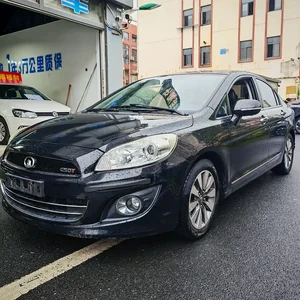
View all listings →Real units currently on ChinaCarDirect with per-unit asking prices and MOQ. Availability updates live from the catalogue.
How to buy a Great Wall C50 from China
-
1
Set the destination and use-case brief
Define the required steering side, fuel type, passenger or cargo needs, operating environment and local registration route before selecting a vehicle.
-
2
Filter the live C50 inventory
Compare model year, trim, gearbox, mileage, condition and equipment. The current per-unit price, availability and MOQ are shown in the live listings.
-
3
Request a unit-specific quotation
Ask the seller to identify the exact vehicle, condition, documents, MOQ, Incoterm, freight inclusions, payment milestones and quotation validity.
-
4
Verify identity, documents and condition
Check the VIN, production date, ownership history and import status, then use an independent inspection for mechanical, structural and cosmetic condition.
-
5
Build the landed-cost comparison
Calculate vehicle cost, freight, insurance, origin and destination charges, inland delivery, taxes, duties, compliance and expected maintenance under one exchange-rate basis.
-
6
Agree the order and payment schedule
Record the exact unit, price, MOQ, payment milestones, inspection standard, document list and release conditions in the purchase agreement.
-
7
Arrange shipping, clearance and support
Confirm loading protection, freight booking, customs responsibility, destination registration and a local spare-parts plan before the vehicles depart.
C50 vs rivals
| Chery Tiggo 3 | A newer-generation compact SUV with broader powertrain choices across the Tiggo family. It may better fit buyers prioritizing newer design and options, while the C50 can suit a lower-entry used manual vehicle. |
|---|---|
| JAC S3 | A close budget compact-SUV alternative with a similar focus on practical Chinese-brand value. The better choice depends on trim equipment, documented condition, parts access and local after-sales coverage. |
| Dongfeng Fengxing T5 | Another practical compact-SUV option for value-focused buyers. Compare seating, dimensions, safety equipment and service support, especially when the C50’s exact configuration does not match the target market. |
Frequently asked questions
How is Great Wall C50 export pricing determined?
Export price is set unit by unit and moves with model year, trim, mileage, condition, ownership history, seller terms and exchange-rate conditions. Freight, insurance, origin and destination charges, taxes, duties and compliance work are usually assessed separately because they depend on the chosen Incoterm and destination. ChinaCarDirect’s live C50 inventory is the place to check the current per-unit price and request a binding quotation.
What engine and transmission does the Great Wall C50 use?
The export-visible C50 uses a 1.5T engine, meaning a 1.5-litre turbocharged petrol unit, paired with a manual transmission. Exact output, gear count, drivetrain and calibration depend on the vehicle and must be confirmed in the live listing. Because available examples cover different trims and production periods, do not treat one listing’s mechanical description as universal.
Is a used Great Wall C50 better value than a new one?
A used C50 can reduce acquisition cost and provide visible service history, but it carries wear, repair and downtime risk. An unused or new-old-stock example avoids use-related wear, yet age-related deterioration, storage effects and warranty validity still require inspection. Choose from the buyer’s total-cost and downtime priorities, not the condition label alone.
What is the MOQ for Great Wall C50 wholesale orders?
There is no permanent model-wide MOQ; terms belong to the seller, live listing and quoted shipment. A live offer may allow one vehicle, while another supplier may require a lot or consolidated order, so check the per-unit terms rather than assume. Ask the seller to state MOQ, mixed-unit rules and any volume condition in writing.
What affects C50 shipping time and cost?
Time and cost depend on origin, destination, carrier mode, confirmed dimensions and weight, loading method, insurance, port charges, customs and inland delivery. Enclosed carrier protection and loading-condition records are especially important for used vehicles. Your forwarder should quote a route and service level rather than offer a generic vehicle-shipping rate.
How are spare parts and service handled?
Parts support depends on model year, trim and local Great Wall or aftermarket coverage; it is not uniform worldwide. Before ordering, request common service-part references, confirm dealer or alternative-supplier availability, and estimate lead times for wear items. Also check whether exported parts remain supported locally and how warranty claims would be handled.
Is a right-hand-drive Great Wall C50 available for export?
RHD availability is not automatic and must be verified for the individual live vehicle, including VIN, photographs and conformity documents. Do not assume an LHD C50 can be converted without cost, warranty and type-approval consequences. If no compliant RHD unit exists, compare the conversion route with an RHD-native alternative before placing an order.
How do I order a Great Wall C50 from China?
Start with the live Great Wall C50 listings, then submit the destination, preferred trim, condition, steering side and quantity through the RFQ process. Compare the written quotation and per-unit MOQ, inspect the vehicle, verify ownership and import documents, and agree payment milestones before shipment. The forwarder and importer should then confirm loading, freight, customs clearance and local registration steps.
Ready to source the Great Wall C50?
Send your destination, preferred trim, condition and quantity to ChinaCarDirect for a current Great Wall C50 export quotation.
Request a quote