
Great Wall Fengjun 7 Export Guide for Overseas Buyers
Buy a Great Wall Fengjun 7 from China with clear guidance on 2.0T trims, 2WD/4WD options, export pricing, shipping and market compliance requirements.
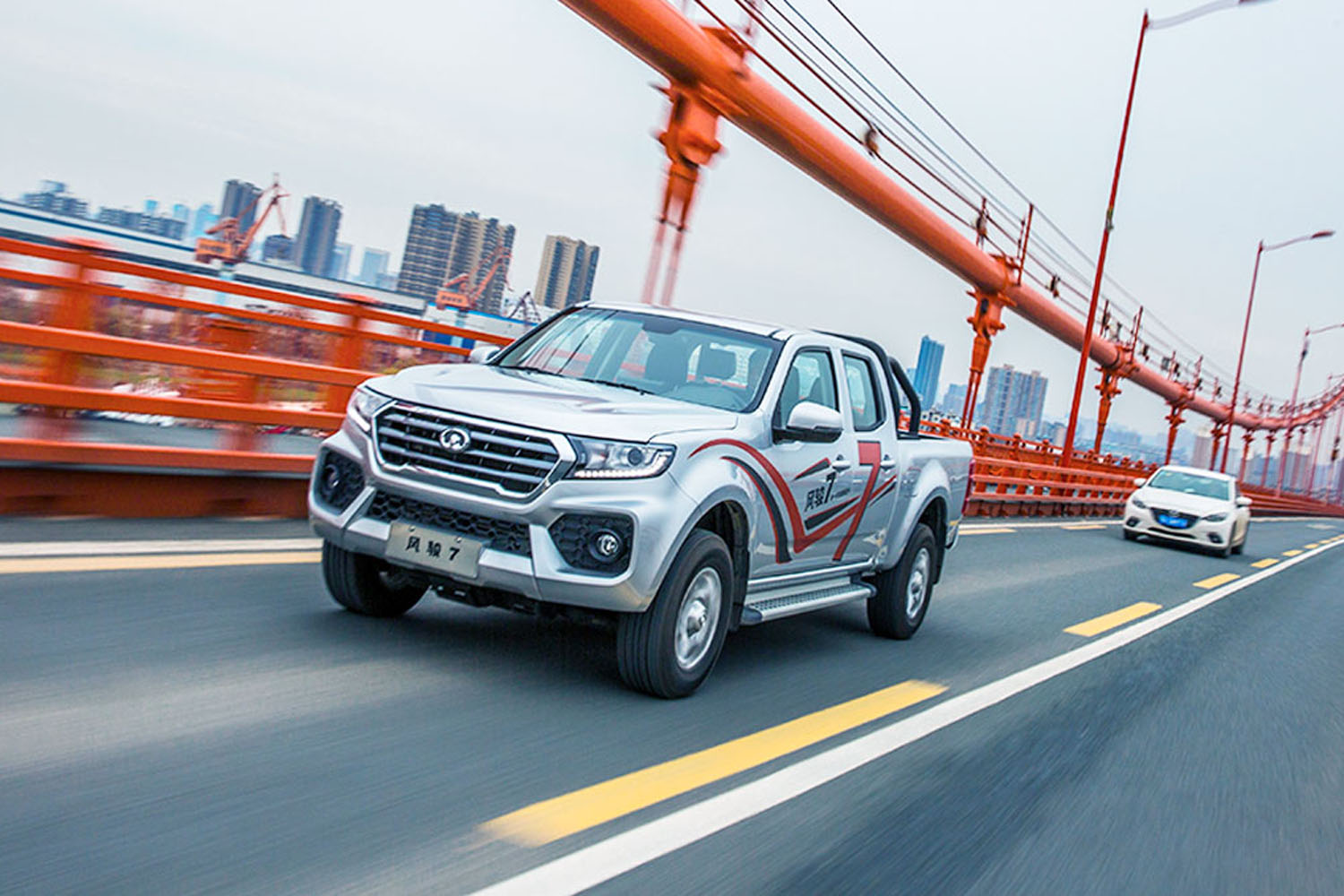
At a glance
- The Great Wall Fengjun 7 is a double-cab pickup rather than a conventional SUV.
- The range spans 2.0T gasoline and diesel engines with two-wheel-drive and four-wheel-drive layouts.
- Large and small double-cab configurations support different commercial and fleet requirements.
- Trim labels vary between markets, so buyers should verify the VIN-level equipment and documentation.
- Export pricing and MOQ are commercial terms that should be confirmed through live listings and written quotations.
- Right-hand-drive availability and destination-market homologation must be checked before shipment.
Why the Great Wall Fengjun 7 matters for export markets
For Great Wall Fengjun 7 export planning, the model should first be understood as a double-cab pickup for buyers who need one vehicle to carry cargo, serve as a work platform and remain usable as a road-going passenger vehicle. Its export-facing range is built around 2.0-litre turbocharged gasoline and diesel engines, with two-wheel-drive and four-wheel-drive versions and both large- and small-double-cab configurations. It is therefore more relevant to fleet, trade and rural-market buyers than to shoppers looking for a conventional SUV. That utility-led positioning matters because pickup duties impose different cost, compliance and resale expectations from passenger-car procurement.
Demand potential is greatest where pickup trucks serve multiple purposes: construction and agricultural sites, mining and utility fleets, security operations, and mixed urban-rural transport. A diesel 2WD version may suit fleets prioritising fuel versatility and paved-road efficiency, while a 4WD derivative is more appropriate where access roads are unsealed or slippery. Gasoline versions can be attractive where diesel quality or cold-weather operation is a concern. These are use-case distinctions, not verified performance ratings. For an importer, the key question is not simply which engine sounds most capable, but which version matches local fuel, road and duty-cycle reality.
The Fengjun 7's relevance should be assessed as a complete operating proposition rather than by headline hardware alone. Buyers need to consider parts availability, technician familiarity, corrosion protection for coastal or humid routes, warranty administration and the vehicle's likely resale position. A lower acquisition price can be offset by expensive downtime if a trim is difficult to support. The best export choice is the version whose mechanical configuration, documentation and service ecosystem can be sustained in the destination market. That is particularly important for multi-vehicle importers standardising a fleet nationally.
- Double-cab utility, not SUV positioning.
- Gasoline or diesel 2.0T choices.
- 2WD and 4WD suit road conditions.
Model range, trims and powertrain variants: how the lineup is structured and how to choose
Model names are not a simple global luxury hierarchy. The Fengjun 7 catalogue includes Value, Pilot, Champion, Elite and Navigator-type versions, plus a New Champion designation, with equipment changing between export listings. Buyers should treat the trim label as a configuration identifier, then compare seating, bed size, safety equipment, infotainment, wheels and included accessories from photographs and the written specification. Exact equipment may differ by model year and destination. Because trim names are not fully standardised across borders, the build sheet and photos should carry more weight than an attractive badge or a translated sales description.
The stable technical split is straightforward. Gasoline versions are identified with the 2.0T GW4C20B family, while diesel versions use the 2.0T GW4D20M family; some listing descriptions also carry the 4D20D designation. China VI-labelled variants appear alongside other designations. Buyers can match engine, fuel and drive layout from the listing name, but should still verify transmission type, emissions documentation and any market-specific calibration before placing an order. Do not assume that four-wheel drive, automatic transmission or a particular axle is fitted merely because a trim name appears in one country's catalogue.
A practical selection path starts with the duty cycle. Choose diesel with 2WD for consistent commercial work on maintained roads; consider diesel 4WD for poorer surfaces or demanding access. Gasoline 2WD and 4WD options suit buyers who prefer petrol operation or have different fuel logistics. Large double cabs prioritise passenger-and-cargo flexibility, while the smaller double cab may suit buyers whose operating priorities do not require the largest available load area. Confirm bed dimensions, payload ratings and towing limits separately. Those certified figures are essential because trim names alone do not establish carrying capacity or equipment.
- Verify trim equipment by build sheet.
- Use engine codes to avoid errors.
- Start selection from duty cycle.
New vs used Great Wall Fengjun 7: how export inventory is structured and how buyers choose
Export inventory can reach a dealer through several channels, including factory-supported shipments, domestic dealer stock, trade-ins and used-vehicle pools. Consequently, the Fengjun 7 market may include factory-new vehicles, demonstration or registration-plate stock, ex-fleet trucks and privately used examples. The useful distinction is not only new versus used, but whether the seller can prove ownership history, import status and road or customs eligibility for the destination country. This matters because visually similar trucks can carry different VAT, registration, duty or documentation histories that affect both legality and total cost for importers.
Factory-new examples offer the clearest configuration history and can be easier for an importer to standardise across a fleet. Their advantages may include contemporary factory equipment, consistent wear and simpler warranty coordination, subject to the seller's terms and the vehicle's destination-market approval. Buyers should still request the production date, VIN, odometer reading, invoice, customs and emissions documents, and confirmation that the truck has not been registered or operated commercially. A new listing should not be accepted on appearance alone; request a pre-shipment inspection and reconcile the VIN across the body, paperwork and seller invoice.
A used Fengjun 7 can make economic sense when the buyer values a known purchase-price level more than a factory-fresh specification, but the inspection must be more forensic. Check chassis corrosion, accident repairs, suspension and steering wear, engine and transmission condition, cooling systems, electrical faults, and whether the cargo bed or work history explains the odometer reading. Compare the condition-adjusted total cost with new stock, including likely registration, remediation and downtime, rather than using purchase price alone. Live listings remain the proper source for the unit, condition and price actually available.
How export pricing works: the factors behind a live listing price, and how to read one
An export listing price is a comparison point, not automatically the landed cost of a Fengjun 7. The main variables are model year, trim, cab configuration, gasoline or diesel choice, 2WD or 4WD layout, mileage and condition for used units, production or registration status, and the seller's commercial terms. Currency movements also alter the quoted amount, while destination taxes, duty and local charges depend on the importing country. These factors explain why two similarly named trucks can carry different totals. A disciplined buyer normalises every quote before making a decision.
Read each live listing line by line. Confirm whether the displayed amount is a unit price or a deposit, which Incoterm applies, and whether the seller includes export preparation, inland transport, marine insurance, documentation and port charges. Establish whether destination duty, VAT or other taxes are excluded. If the listing is incomplete, request a written landed-cost estimate using the named port, destination address and vehicle count. That estimate should also identify any assumption that could change later. Ask for quote validity, payment milestones and the exact currency so comparisons remain meaningful.
For a useful price comparison, hold the specification constant: same year, engine, drive layout, cab, condition, documentation and destination. Then compare the final payable amount, not just the number displayed on the marketplace. A higher quote may include services a lower one omits, while a lower quote may require separate freight or dealer handling. Exact current prices and availability are binding only in the live ChinaCarDirect inventory, so use the individual listing for the commercial offer and request an RFQ for written confirmation before transferring any funds or committing to an order.
- Compare identical vehicle specifications.
- Confirm Incoterm and hidden charges.
- Use live listings for current offers.
MOQ, ordering and payment: single units vs consolidating a container
Minimum-order rules are commercial terms, not a fixed characteristic of the model. For wholesale planning, a dealer buying one vehicle may be able to order against a single-unit listing, while a direct factory programme may impose a batch requirement. Some sellers allow mixed allocations within one consolidated shipment; others prefer identical configurations. Therefore, check the MOQ attached to the specific unit and confirm it with the supplier in writing. Never infer a blanket MOQ from a marketplace category or from another Fengjun 7 transaction. The current unit-level terms remain visible in live listings.
The normal order sequence begins with selecting a specific listing and confirming that its year, trim, powertrain and availability meet the buyer's requirement. The seller should then issue a pro forma invoice or quotation showing the vehicle identity, agreed price, Incoterm, payment schedule, estimated production or dispatch timing, and included documents. Payment commonly uses staged terms, such as an agreed deposit followed by a balance before release, but the actual structure must be confirmed. Verify the seller's legal identity and use a protected payment route. Do not send funds to an unverified personal account.
For multi-vehicle purchases, consolidation can improve freight planning and dealer stock control, but it adds configuration and allocation decisions. A container may combine different years or trims when customs and the receiving dealer accept the mix; it may instead carry a uniform batch chosen for fleet standardisation. Individual vehicles may travel through a specialist vehicle carrier or a consolidated container depending on method and availability. Agree allocation, inspection, damage responsibility and payment triggers in writing, and avoid relying on a general cargo description that cannot identify each truck by VIN.
Shipping, homologation and market compliance caveats: LHD/RHD and import rules by country
Steering configuration is an early screening criterion. Chinese-market examples may be predominantly left-hand drive, while right-hand-drive availability depends on the source vehicle, conversion quality and destination approval. A Fengjun 7 listing should not be assumed to be suitable for a right-hand-drive market merely because it can be registered commercially. Ask for the original steering position, photographs, conversion details where applicable, and confirmation from the importer or local authority that the configuration is acceptable. A conversion should be assessed for component quality, safety documentation and the effect on warranty coverage terms.
Import requirements are country-specific, and a China VI label does not guarantee automatic approval elsewhere. Buyers may need proof of emissions compliance, roadworthiness testing, VIN or chassis-plate conformity, customs valuation, duty and VAT assessment, insurance, and registration. Commercial pickup classifications can also affect taxation and licensing. Obtain a written import assessment from a local customs broker or vehicle-homologation specialist before paying, and make any required modifications part of the quoted landed cost. The same truck can be readily importable in one market but subject to extra testing, fees or restrictions in another.
Shipping method, routing and handling influence both delivery timing and damage risk. Vehicle-carrier and container options each require secure loading, restraint and inspection procedures, while port congestion, sailing schedules, customs clearance and inland transport can extend the timeline. Buyers should define who arranges export clearance, who insures the vehicle, when risk passes, and what evidence is required to document a new scratch or mechanical issue. For commercial users, spare-parts planning and workshop access should be considered before the first shipment. A realistic handover plan reduces pressure to accept undocumented defects.
- Confirm steering-hand configuration early.
- China VI is not local approval.
- Record risk transfer and damage evidence.
Who should buy the Fengjun 7 — and who should pick a different vehicle
The Fengjun 7 fits buyers who need a double-cab work vehicle and can support its Chinese-brand ownership cycle. It is particularly relevant to agricultural, utility, construction and mixed fleet operators comparing diesel 2WD operating simplicity with 4WD access capability. Dealers can also use it to serve local pickup users seeking a large or small double cab, provided they establish reliable parts supply and a technician network. For these buyers, uptime, payload verification and total operating suitability matter more than passenger-car prestige. A dealer should model aftersales cost before promoting the model to fleet accounts.
It is a weaker match for buyers who primarily want an SUV, premium cabin, electric drivetrain or a vehicle with a long, standardised dealer warranty in the destination market. The bed-and-cabin layout will not replace a passenger SUV for family travel, and the buyer should not assume the latest local safety or emissions specification from a China VI listing name. Those customers should compare an SUV, hybrid or battery-electric alternative with verified local compliance. For a pickup buyer, however, its commercial utility may outweigh those limitations, but only after inspection.
Importers should also consider fleet standardisation and residual-value risk. A common engine, cab and drive configuration can simplify training and parts stocking, while mixing many trim labels can undermine those benefits. Buyers needing advanced driver assistance, extensive infotainment or a specific bed utility should request the actual equipment list rather than assuming the highest-sounding trim includes it. The strongest case is a clear commercial brief, a compliant specification and a credible long-term parts plan; without those, a more established rival may offer lower operational risk in that particular fleet deployment.
- Strong fit for commercial fleet use.
- Parts planning is essential.
- Weak fit for SUV or EV priorities.
Main rivals and how the Fengjun 7 compares
The JMC Yuhu 9 is a close Chinese-market comparison because it is also sold as a double-cab pickup with gasoline and diesel choices and two- or four-wheel-drive configurations depending on version. The decision often comes down to verified local specification, engine and gearbox availability, service-part support, and importer confidence in each brand. Neither model should be favoured from trim names alone; compare homologated versions, warranty handling and the exact quote for the intended duty. Local taxation and residual demand can also matter more to a distributor than broad global brand awareness.
The Ford Ranger is a more internationally established rival in the same double-cab pickup category. Depending on the destination, its buyer appeal may be driven by a broader familiar dealer network, wider accessory ecosystem or stronger used-vehicle recognition, although those advantages vary by market and are not automatic. The Fengjun 7 may offer a different value proposition for fleets able to manage Chinese-platform parts and inspection. Compare local service access, safety equipment and total cost rather than assuming either badge is universally superior. A field test under real loads is decisive.
The Isuzu D-Max is another credible benchmark for buyers focused on diesel work use and four-wheel-drive availability. Its established commercial positioning can influence fleet familiarity and parts planning in some markets, while the Fengjun 7 presents a China-sourced alternative with several cab, trim and powertrain combinations. The right comparison is market-specific: inspect equivalent vehicles, verify emissions and safety approval, obtain landed quotes, and test load and towing requirements. Engine choice alone cannot establish the better business purchase. Service access, fuel planning and residual-value assumptions should form part of the final decision.
- Yuhu 9 is the closest Chinese benchmark.
- Ranger offers established global support.
- D-Max benchmarks diesel 4WD use.
Live Great Wall Fengjun 7 export inventory
View all listings →Real units currently on ChinaCarDirect with per-unit asking prices and MOQ. Availability updates live from the catalogue.
Great Wall Fengjun 7 2019 2.0T diesel 2WD Value Type China VI big double cab GW4D20M
Great Wall Fengjun 7 2019 2.0T Gasoline 2WD Navigation China VI Large Double GW4C20B
Great Wall Fengjun 7 2019 2.0T diesel 2WD Pilot Type China VI big double cab GW4D20M
Great Wall Fengjun 7 2019 2.0T diesel 4WD Elite Type China VI big double cab GW4D20M
How to buy a Great Wall Fengjun 7 from China
-
1
Define the destination and duty cycle
Record the destination country, cab size, fuel, 2WD or 4WD requirement, payload and towing needs. Separate legal requirements from preferred trim and equipment.
-
2
Shortlist live inventory
Search the current Great Wall Fengjun 7 listings and compare vehicles with equivalent year, trim, powertrain, drivetrain and condition. Review the per-unit price, MOQ and availability shown for each vehicle.
-
3
Verify the build and documents
Request the VIN, production date, engine code, transmission, emissions documentation, photos and equipment list. Reconcile the description with the vehicle identification and seller invoice.
-
4
Request a landed-cost quotation
Ask for the unit price, Incoterm, freight method, insurance, export documents and destination charges. Identify exclusions, currency and quote validity in writing.
-
5
Confirm MOQ and payment terms
Confirm whether single-unit or mixed allocations are accepted and whether shipment can be consolidated. Use a verified seller, a pro forma invoice and an agreed deposit-and-balance schedule.
-
6
Complete the compliance review
Use a local customs broker or homologation specialist to check emissions, safety, VIN, taxation, registration and RHD requirements. Do not ship until written approval is available.
-
7
Inspect, settle and arrange freight
Complete a pre-shipment inspection, photograph the vehicle and document its condition. Pay the balance under the agreed terms, then confirm loading, insurance, risk transfer, export clearance and freight booking.
Fengjun 7 vs rivals
| JMC Yuhu 9 | The Yuhu 9 is a close Chinese pickup benchmark, often available with gasoline or diesel and selectable drive layouts by market. The Fengjun 7 may suit buyers prioritising its particular GWM trim and cab options; compare local homologation, parts support and landed quotes. |
|---|---|
| Ford Ranger | The Ranger may appeal where an established international pickup network and stronger used-vehicle recognition reduce operational risk. The Fengjun 7 can suit fleet buyers able to support Chinese-platform service, but equivalent equipment, safety and local support must be compared. |
| Isuzu D-Max | The D-Max is a strong diesel and 4WD benchmark for commercial users. The Fengjun 7 offers a China-sourced alternative with multiple trims, so buyers should compare verified output, payload, towing needs, parts support and total operating fit. |
Frequently asked questions
How is Great Wall Fengjun 7 export pricing determined?
Export pricing is built around model year, trim, cab, engine, drivetrain, condition, currency, freight, insurance, Incoterms, and destination taxes and charges. A marketplace price may not represent the landed cost, so compare written quotes using the same destination and specification. Current per-unit prices are shown in the live Fengjun 7 listings; request an RFQ for the binding offer.
What are the key Great Wall Fengjun 7 specs?
Listings show 2.0T gasoline versions associated with GW4C20B and 2.0T diesel versions associated with GW4D20M; some descriptions also use 4D20D. Both 2WD and 4WD layouts appear, along with large- and small-double-cab bodies. Because transmission, output, payload and equipment can differ, verify the VIN and full build sheet rather than generalising from the model name.
Is a new or used Fengjun 7 better for export?
New examples provide the clearest build and wear history and can simplify fleet standardisation. Used examples may cost less to acquire but require deeper checks for corrosion, repairs, mechanical wear and work-related mileage. Neither category is automatically cheaper on a landed basis once freight, registration, remediation, downtime and local support are included.
What is the MOQ for a Great Wall Fengjun 7 wholesale order?
The MOQ belongs to the seller and sales channel, not to the Fengjun 7 model itself. Check the MOQ shown for the specific live unit and ask whether the seller accepts mixed allocations or single-unit orders for the planned shipment. The applicable quantity should be stated in the quotation or pro forma invoice before any deposit is paid.
What determines shipping time and cost?
Shipping time and cost depend on origin and destination ports, carrier or container routing, vessel availability, port handling, customs clearance, inland transport, insurance and the size and consistency of the shipment. Quote comparisons must use the same Incoterm and service scope. A freight forwarder should confirm the route, risk-transfer point and realistic schedule in writing.
Can buyers obtain Fengjun 7 spare parts for export?
Spare-part support depends on the exact engine and chassis version, destination-country supply chain and the seller's technical documentation. Buyers should identify core service items and part-number procedures before shipment, then ask their importer or workshop to confirm local stock and interchangeability. A sensible first consignment may include agreed service consumables if the supplier recommends them.
Is a right-hand-drive Fengjun 7 available for export?
Right-hand-drive availability is market-specific and should not be assumed from a general Chinese-market listing. Confirm whether the vehicle is factory right-hand drive, converted, or left-hand drive, and obtain local approval before shipment. Photos, the VIN and importer or homologation advice should reconcile the actual configuration.
How do I buy a Great Wall Fengjun 7 from China?
Start with the live Fengjun 7 listings, then shortlist by year, trim, cab, fuel and drive layout. Request a written quotation with the Incoterm, landed-cost exclusions, unit MOQ and payment milestones; complete compliance checks and seller verification before paying. A pro forma invoice should identify the chosen vehicle, after which inspection, balance payment, export preparation and freight booking complete the process.
Ready to source the Great Wall Fengjun 7?
Send ChinaCarDirect your destination, required configuration and vehicle quantity for a current Great Wall Fengjun 7 wholesale quotation.
Request a quote