
Great Wall M2 Export Buying Guide for Overseas Buyers
Buy a Great Wall M2 from China with practical guidance on 1.5L trims, export pricing, shipping, compliance and choosing the right vehicle for dealers.
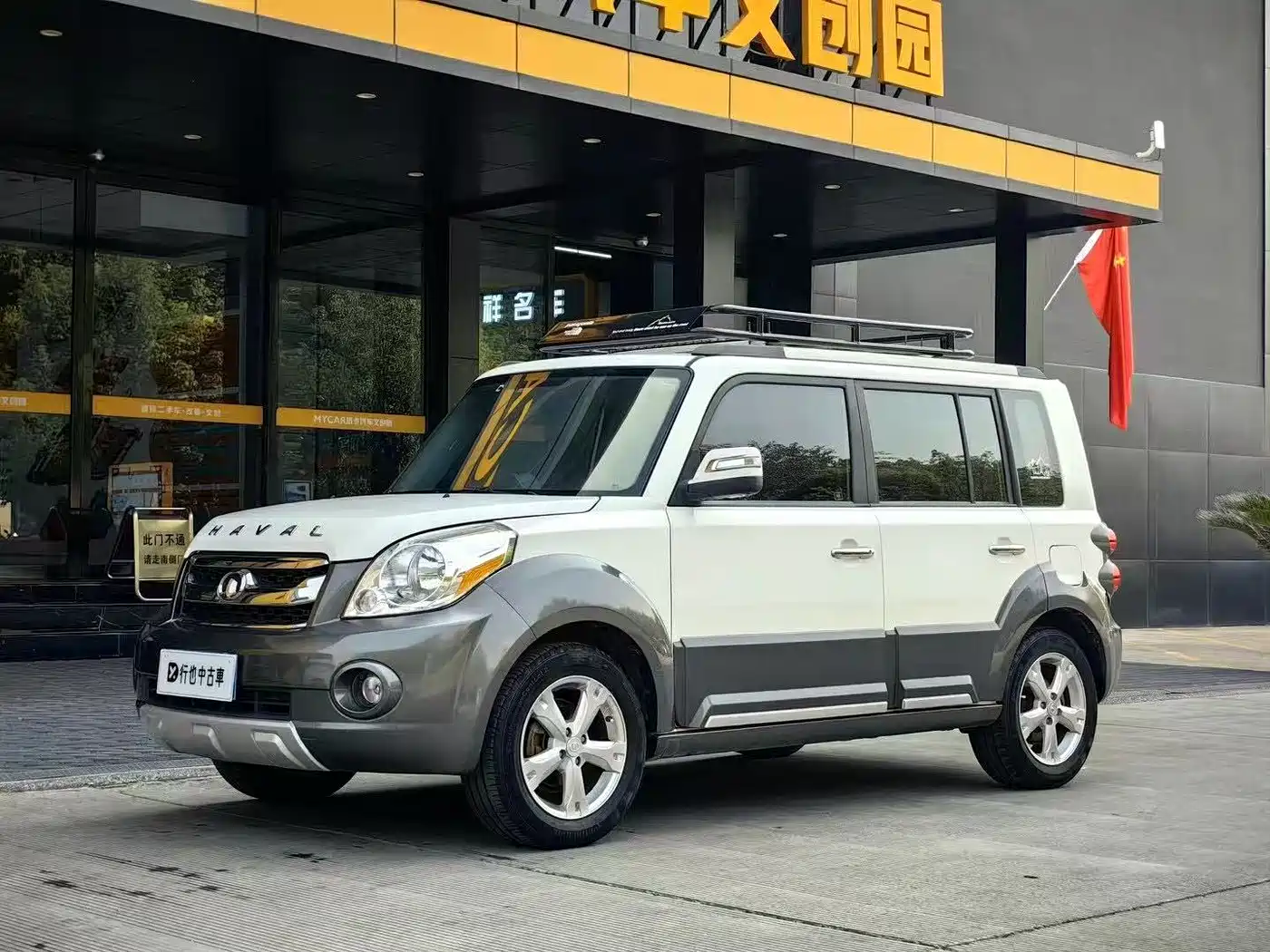
At a glance
- The M2 is a compact SUV built around a 1.5-litre petrol engine, with manual and CVT choices.
- Urban and Luxury trims should be verified by VIN, photographs, and the seller's specification sheet.
- Used units can reduce entry cost but require careful inspection; a new label still needs age and warranty checks.
- Export pricing changes with condition, trim, gearbox, freight, Incoterm, duties, and exchange-rate movements.
- Confirm destination homologation, steering side, parts access, and landed cost before releasing payment.
Why the Great Wall M2 matters for export markets
The Great Wall M2 is a compact, non-luxury crossover positioned below larger Great Wall SUVs. Its 1.5-litre petrol powertrain, manual or CVT transmission, and Urban and Luxury trims make it relevant to price-sensitive importers, small dealers, and fleet operators seeking basic transport rather than premium styling or high performance. For export buyers, its value proposition depends on finding a well-kept unit and calculating the full landed cost, not simply choosing the lowest advertised number. It is most useful in markets where compact dimensions, familiar mechanical components, and straightforward servicing matter more than advanced driver assistance or modern electrified powertrains.
The model matters in export markets because it offers a simpler entry into SUV ownership. A manual version may suit buyers comfortable with conventional controls, while the CVT option can reduce driver workload in dense traffic. Neither transmission automatically makes the vehicle cheaper to operate, so compare fuel economy, insurance, maintenance plans, and parts costs in the destination market. The live Great Wall M2 inventory is the correct place to confirm which transmission and trim each unit actually has. Ask for the VIN, production details, and photographs before treating a listing description as final.
In segment terms, the M2 serves as a bridge between a passenger car and a larger family SUV. Its appeal is strongest where buyers need a raised driving position, useful cargo space, and modest operating costs on limited budgets. For an overseas buyer, however, that appeal must be tested against local safety and emissions requirements, which can change with model year and market. An affordable vehicle is not economical if it cannot be registered, insured, or serviced lawfully. That makes early document review more important than securing a particular trim before all other checks.
- Compact, non-luxury SUV positioning
- 1.5L petrol powertrain
- Manual and CVT options
Model range, trims and powertrain variants: how the lineup is structured and how to choose
The M2 range is organized around a 1.5-litre engine and three commonly identified trim-and-transmission combinations: 1.5L Manual Urban, 1.5L Manual Luxury, and 1.5L CVT Urban. That structure gives buyers a simple decision tree rather than a broad electrified or performance range. Because equipment and production details can vary between individual vehicles and export batches, buyers should verify the exact trim, gearbox, engine, steering configuration, and option list against the unit's VIN and photographs. Treat a listing label as a starting point, then request a specification sheet and a current exterior and interior condition report.
Between manual and CVT, the manual gearbox generally appeals to drivers and fleets that value direct control, straightforward servicing, and a familiar operating pattern. The CVT provides smoother speed management and may be easier for frequent urban drivers, although its suitability for local duty cycles, towing, or fully loaded operation should be checked. Neither choice resolves the age and condition of the individual vehicle, so transmission type should be weighed alongside maintenance evidence, road-test results, and replacement-part availability. A written quote should also state whether any included service assumes this gearbox and whether the warranty covers it.
Urban and Luxury denote the visible trim hierarchy, but labels alone do not establish which safety, comfort, or convenience equipment is present or road-legal in the destination country. Urban versions may be selected when a simpler specification is the priority; Luxury versions may warrant review when a buyer values additional equipment. Neither description guarantees condition, and no trim should be chosen until the seller's option sheet, VIN, and inspection report have been reconciled. Also confirm whether any aftermarket modifications, repairs, or market-specific changes affect the original specification before final purchase.
- Manual Urban: core utility configuration
- Manual Luxury: higher equipment tier
- CVT Urban: listed alternative to manual
New vs used Great Wall M2: how export inventory is structured and how buyers choose
Great Wall M2 export inventory can include both new and used vehicles, so the first distinction is the condition and documentation attached to a specific unit. A used example usually offers a lower entry cost but may show mileage, wear, deferred servicing, corrosion, or prior repair work. A vehicle marketed as new should be checked just as carefully: age, storage, production date, warranty, and whether it has been registered or demonstrated can affect its value. The listing photograph, VIN, and inspection should therefore carry more weight than a broad condition label.
Used Great Wall M2 purchases suit buyers with limited acquisition budgets who can inspect the vehicle and accept targeted maintenance in exchange for a lower starting point. Fleet buyers may prefer the consistency of newer examples but should not equate a new label with modern design, emissions performance, or current production. This distinction matters because registration rules, service support, and resale expectations can differ sharply between markets. Buyers should compare total ownership cost over the planned service life, not purchase price alone. A rigorous pre-purchase inspection remains essential for either category.
For fleet buyers, the best approach is to standardize the trim and transmission only after checking local driving patterns, service coverage, and driver familiarity. Used units may fit maintenance budgets better, while newer examples may simplify cosmetic expectations. Before confirming an order, ask for the odometer reading, service records, title or ownership documents, engine and gearbox identification, photos of the underside, and known damage, plus a written statement of known defects. Have any discrepancy corrected before payment or shipment release. The current [Great Wall M2 listings](https://chinacardirect.com/products?q=M2&brands%5B%5D=1148) show which units are available to review, but an RFQ begins due diligence rather than ending it.
- Used: lower entry cost, visible wear
- New: verify production age and warranty
- VIN and inspection outrank labels
How export pricing works: the factors behind a live listing price, and how to read one
A Great Wall M2 export price is not a fixed market rate but the result of several variables attached to a particular vehicle and transaction. Model year, trim, transmission, mileage, condition, paintwork, options, service history, and whether the unit is new or used all affect the seller's asking position. Exchange-rate and market movements can also change a quote between enquiry and confirmation, so a buyer should treat any displayed figure as time-sensitive and obtain the final amount for the selected unit. This guide explains the method rather than presenting a temporary market figure.
Freight and transaction terms often move an export quote as much as the vehicle itself. The Incoterm determines which party arranges carriage, handles export clearance, bears insurance, and accepts risk at the named point. Ocean freight depends on route, carrier space, vehicle size, port charges, fuel and congestion surcharges, and the number of units shipped together. Import duty, VAT or sales tax, customs valuation, inland transport, and local registration can add further costs after arrival. Buyers should request those destination charges separately so the advertised vehicle price is not mistaken for the landed cost.
To read a live listing properly, compare like with like: same year range, trim, gearbox, condition, mileage band, and sales status. Confirm whether the displayed amount is a vehicle-only figure or includes transport, insurance, documentation, and export handling. Review every photograph, read the condition notes, and ask whether there is a defect, lien, registration, or outstanding repair that affects legal transfer. Only a written, unit-specific quotation should be used for budgeting or approval. The [live Great Wall M2 listings](https://chinacardirect.com/products?q=M2&brands%5B%5D=1148) provide current per-unit price and availability; request a written quotation for binding terms.
- Match condition, trim, gearbox, and age
- Confirm Incoterm and risk transfer
- Use live prices and written quotes
MOQ, ordering and payment: single units vs consolidating a container
The MOQ for a Great Wall M2 order is a commercial term that must be confirmed in the seller's quotation; it is not a universal property of the model. Some vehicle suppliers will release a single unit to a qualified buyer, while others set a lot requirement or prefer consolidated shipments. A dealer should therefore treat one-unit availability as something to verify, not a promise, and place the confirmed quantity, unit allocation, and permitted mix of trims in the purchase contract. Any change to quantity or trim should trigger a revised written quote.
Single-unit buying is useful as a market test: it limits exposure while the importer evaluates vehicle quality, freight handling, customs experience, and workshop support. A larger fleet order should come only after that process has been tested with real invoices and delivery records. For consolidation, the importer can work with a freight forwarder or vehicle exporter to combine compatible M2 units with other cargo, where permitted, reducing the cost effect of shipping vehicles separately. The consolidation plan must identify who owns each vehicle and who bears losses during shared handling, carefully in writing.
The payment sequence should match the risk and the documentary milestones. A buyer can request a modest deposit, inspect or verify the unit, pay the balance against agreed documents, and schedule release only after export clearance and shipping confirmation. Use a protected payment channel and a verifiable seller identity, and state refund, cancellation, storage, demurrage, and damage responsibilities in writing. For used vehicles, title transfer, export declaration, and lien release should be resolved before the vehicle leaves China. Keep copies of every invoice, identity document, inspection report, and shipping instruction together.
- Confirm MOQ in the written quote
- Test the process with a single unit
- Link balance payment to document milestones
Shipping, homologation and market compliance caveats: LHD/RHD and import rules by country
Export planning must start with steering configuration and destination-market approval. The model name does not establish whether a particular M2 is left-hand-drive or right-hand-drive, so buyers should never assume from a thumbnail or general range description. The importer should obtain written confirmation of the steering side, then check whether local rules permit that configuration and whether any modification or conversion would be required. A conversion can affect safety, warranty, insurance, and parts support. For fleet deployment, record the approved configuration on every purchase order and vehicle file before dispatch.
Homologation is market-specific and cannot be inferred from an export listing. Depending on the destination, imported vehicles may face emissions limits, safety or type-approval tests, age limits, customs valuation rules, quotas, insurance requirements, and local registration procedures. The importer or local compliance specialist should confirm the current requirements before the vehicle is purchased. Request the homologation documents that apply to the exact configuration, and use a customs broker to assess duties and taxes rather than relying on a generic online estimate. This also protects the vehicle's future resale value locally.
Shipping cost and time are route-specific rather than promises attached to the model. The booking depends on vehicle dimensions, port and inland destinations, sailing schedule, carrier space, seasonal demand, fuel surcharges, terminal handling, insurance, and documentation readiness. Vehicles commonly move by roll-on/roll-off vessel or container service, with shared or consolidated cargo options where commercially suitable. Use a landed-cost worksheet covering pre-shipment inspection, loading, ocean freight, arrival charges, customs, inland haulage, and registration. Build the schedule backward from the importer's target readiness date, allowing contingency for inspections, customs queries, and terminal congestion.
- Confirm steering side before payment
- Check destination rules before ordering
- Separate freight, duty, and registration costs
Who should buy the M2 — and who should pick a different vehicle
The M2 is best suited to overseas buyers who want a basic, affordable compact SUV and can manage a conventional petrol vehicle through its ownership life. Dealers in secondary vehicle markets may appreciate a straightforward 1.5L model with manual or CVT options, while small fleets can use it for light urban or site transport where load capacity and road conditions are modest. Its appeal is strongest where servicing knowledge, replacement-part planning, and realistic maintenance reserves already exist. It is less convincing for buyers who prioritize the newest platform, advanced safety systems, or low running costs.
It may be the wrong choice for an importer seeking a modern battery-electric vehicle, a premium cabin, high towing capacity, or the latest collision-avoidance technology. Such buyers should compare the M2 with newer hybrid, plug-in, or electric alternatives and assess charging access or fuel infrastructure before switching. Heavy-duty fleet users should verify payload, roof, towing, and braking limits for the exact vehicle, rather than assuming its SUV body implies commercial capability. The same caution applies to long-distance operations where fuel economy, cabin refinement, and roadside support materially affect operating cost.
A disciplined decision should compare the M2 with the alternative vehicles a buyer would actually buy in the destination market. Create a shortlist covering purchase price, registration eligibility, fuel use, expected service parts, insurance class, resale demand, and the cost of finance or downtime. If the M2 wins mainly because it is cheaper but fails a legal, safety, or support requirement, it is not a viable purchase. If it fits the duty cycle, its straightforward specification may make it easier to operate. That is the strongest argument for a controlled pilot order.
- Best for budget-conscious light-duty use
- Unsuitable for modern EV or premium needs
- Verify payload, towing, and road support
Main rivals and how the M2 compares
The M2's closest export-market alternatives sit in the affordable compact-SUV and small-crossover class. The Dacia Duster is a direct global budget-SUV comparison, while the Chery Tiggo 3 and JAC S2 are close China-origin alternatives. These vehicles are not interchangeable: body size, age, engine and gearbox choice, safety content, service access, and local resale demand can change the buying decision significantly. For the M2, emphasize purchase condition, service access, and total ownership cost rather than headline equipment alone. A live comparison should use comparable vehicle age and destination-market support, not just brochure positioning.
Against the Dacia Duster, the M2 may suit buyers seeking an older, lower-entry-cost unit and manual gearbox, while the Duster may suit drivers wanting a more recent platform, diesel choices, or broader international recognition. Against the Chery Tiggo 3, compare platform age, cabin and cargo space, parts catalog, and workshop coverage; both are China-origin marques familiar to many importers, but support can vary by country. The JAC S2 may appeal where a later-looking small crossover is preferred, while the M2's attraction can be a well-documented used unit with known mechanical configuration. Availability in the destination country can outweigh broad comparisons.
Ultimately, the Great Wall M2 competes less on modern features than on simplicity, affordability, and the availability of serviceable used examples. A buyer should value a documented unit with a known transmission and trim, local homologation, accessible parts, and a realistic maintenance reserve. If the import plan cannot support those requirements, a newer rival may reduce risk. If it can, the M2 can be a rational compact-SUV choice for the right market and duty cycle. Review current unit details, request a destination-specific quote, and make the final decision only after compliance and landed-cost checks.
- Duster: newer mainstream budget benchmark
- Tiggo 3: direct China-origin rival
- JAC S2: close small-crossover alternative
Live Great Wall M2 export inventory
View all listings →Real units currently on ChinaCarDirect with per-unit asking prices and MOQ. Availability updates live from the catalogue.
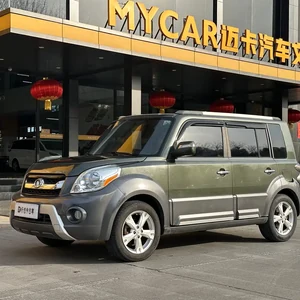
How to buy a Great Wall M2 from China
-
1
Define the operating requirement
Record the destination, steering side, passenger and load needs, annual mileage, preferred transmission, and local compliance requirements. This prevents a low-cost but unsuitable vehicle from entering the buying process.
-
2
Compare live M2 inventory
Use the [live Great Wall M2 listings](https://chinacardirect.com/products?q=M2&brands%5B%5D=1148) to compare year, trim, transmission, condition, mileage, and options. Shortlist units whose basic configuration matches the operating brief.
-
3
Verify the selected unit
Request the VIN, engine and gearbox identification, service records, ownership documents, option list, photographs, and known defects. Confirm that the listing description and physical vehicle agree.
-
4
Build a landed-cost quotation
Ask for the unit price, MOQ, payment milestones, Incoterm, freight, insurance, export handling, and destination charges as separate items. The quote should also state its validity period and vehicle-allocation method.
-
5
Inspect and protect payment
Use an independent pre-purchase or pre-shipment inspection and resolve discrepancies in writing. Pay through a protected channel, with the balance linked to verified documents and shipment approval.
-
6
Ship, clear, and register
Complete export documentation, freight booking, customs clearance, inland delivery, and local registration with qualified partners. Build a parts and workshop plan before the vehicles enter service.
M2 vs rivals
| Dacia Duster | The Duster is a close mainstream budget-SUV benchmark, with newer generations and diesel options in some markets. It may suit buyers prioritizing a more recent platform and international recognition over the older M2. |
|---|---|
| Chery Tiggo 3 | The Tiggo 3 is a direct China-origin compact-crossover rival with a different platform and parts catalog. Compare body space, gearbox choice, condition, and local workshop support before choosing between it and the M2. |
| JAC S2 | The JAC S2 is a close small-crossover alternative that may appeal to buyers seeking a more recent-looking export product. The M2 may remain attractive where a well-documented used unit and known mechanical configuration are available. |
Frequently asked questions
How is the Great Wall M2 export price determined?
A Great Wall M2 export price reflects the unit's age, trim, transmission, mileage, condition, options, and whether it is new or used. Freight, insurance, Incoterm, exchange rates, import duty, taxes, and inland delivery can also change the final amount. Review the [live M2 listings](https://chinacardirect.com/products?q=M2&brands%5B%5D=1148) for current per-unit price and availability, then request a written, destination-specific quotation.
What engine and transmission options should buyers expect?
The core lineup uses a 1.5-litre petrol engine with either a manual or CVT, depending on the edition and individual vehicle. Urban and Luxury labels describe the trim hierarchy, but exact equipment should be confirmed by VIN and the seller's specification sheet. Driveability and operating costs should be checked against the destination's traffic, terrain, and operating conditions.
Are new or used Great Wall M2 vehicles better for export?
A used M2 can suit a budget-conscious buyer when it has a clear service history and passes a detailed inspection. A unit sold as new may reduce wear concerns, but the label does not by itself confirm recent production, warranty coverage, or modern roadworthiness. Compare the same condition and sales category, then assess total operating cost over the intended service life.
Can I buy one Great Wall M2, and how does MOQ work?
MOQ is set by the seller and transaction rather than being a fixed feature of the M2 model. Some quotations may release one vehicle, while others require a lot or consolidated shipment, so quantity must be confirmed in writing. The live listing shows current availability, but the purchase order and quotation should state the binding MOQ, unit allocation, and permitted trim mix.
How long does shipping take and what determines the cost?
Shipping time and cost depend on vehicle dimensions, origin and destination ports, sailing schedule, carrier space, cargo consolidation, fuel surcharges, insurance, and terminal charges. Customs clearance and inland delivery can add further time and cost. Ask the freight forwarder for a port-to-port or door-to-door landed schedule with separate charges.
Are spare parts available for the Great Wall M2?
Spare-part availability varies by country and is best confirmed for the exact engine, transmission, and model year. Parts for a 1.5L petrol M2 may be obtainable, but importers should check supplier coverage, VIN-specific fitment, stock depth, and lead times before ordering. A sensible initial consignment of routine service items can reduce downtime while local supply is established.
Is right-hand-drive Great Wall M2 availability assured?
Right-hand-drive availability is unit-specific and cannot be inferred from the model name. Ask the seller for the steering configuration, VIN, and photographs, and confirm that the configuration is approved for registration in the destination market. Do not assume a steering conversion is lawful, practical, insured, or covered by warranty.
How do I order a Great Wall M2 from China?
Start with the [live Great Wall M2 listings](https://chinacardirect.com/products?q=M2&brands%5B%5D=1148), shortlist suitable units, and send the destination, required quantity, trim preference, and inspection scope through the RFQ process. Before payment, verify ownership and export documents, complete an inspection, and agree on the Incoterm, payment milestones, refund terms, and shipping plan. The final purchase order should identify the exact vehicle or agreed allocation.
Ready to source the Great Wall M2?
Tell us your destination, preferred M2 configuration, and required quantity for a current unit-level export quote.
Request a quote