
Great Wall M4 Export Guide for Dealers and Fleet Buyers
Buy a Great Wall M4 from China with clear guidance on 1.5L trims, export pricing, MOQ, shipping, homologation, rivals and current unit listings.
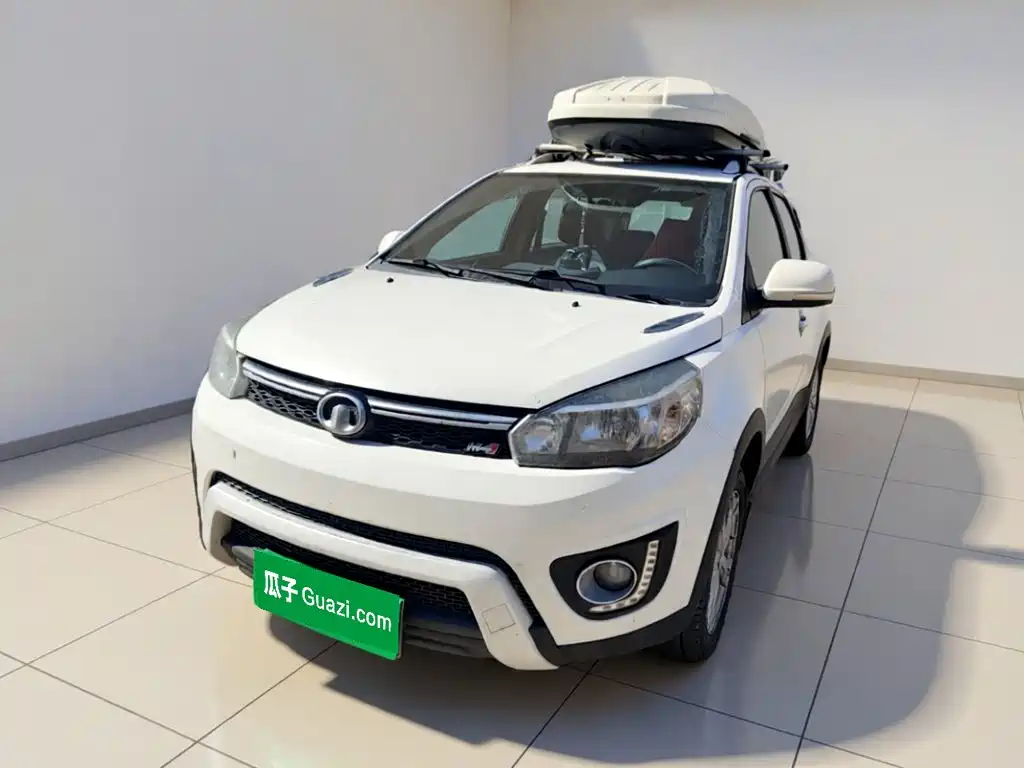
At a glance
- The Great Wall M4 is a value-led compact crossover aimed at importers, dealers and fleet buyers prioritising practical utility over premium positioning.
- Its export-relevant powertrain choices centre on a 1.5-litre petrol engine with manual and selected AMT transmissions.
- Comfort, Luxury, Elite and special-edition labels are visible, but trim names alone do not prove equipment.
- Used M4s need a condition-led inspection, while new-labelled units need proof of production date, PDI and warranty status.
- Exact per-unit price and MOQ belong in the live ChinaCarDirect listing, not in an evergreen market average.
- Wholesale buyers should model destination compliance, landed cost, spare parts and workshop support before committing.
Why the Great Wall M4 matters for export markets
The Great Wall M4 occupies an accessible, compact-crossover position that can appeal to overseas dealers, importers and fleet operators prioritising acquisition cost and straightforward utility. Its practical attraction is a small SUV-style body paired with a 1.5-litre petrol engine, manual transmission choices and selected automated-manual versions. It is not positioned as a premium or high-performance export product; it is a value-led model for buyers who need enclosed, raised-space transport without paying for a larger and more costly crossover. For markets where new compact SUVs carry a high landed cost, it can provide a practical alternative, provided local type approval and parts support are checked before commitment.
Global demand for the M4 is best understood through its use case rather than an assumption that Chinese specification translates directly into overseas homologation. Compact dimensions suit crowded cities, while the manual gearbox can appeal to markets with a large manual-driving base or lower-cost replacement expectations. For fleet buyers, lower purchase price may support better entry economics, but operating cost depends on real-world fuel use, servicing intervals, tyre availability and workshop capability, none of which should be inferred from the model name alone across the importing country and intended sales region.
The M4 matters most where an importer can manage Chinese-market sourcing deliberately: compare comparable units, inspect them before shipment, secure clear ownership documents and build a realistic parts plan. It is less compelling as an off-the-shelf product for a buyer who assumes every overseas market has the same emissions standard, safety approval or dealer support. The model therefore offers genuine export potential, but its value depends more on disciplined due diligence and landed-cost control than on headline specifications. That makes it a useful sourcing case, especially where fleet replacement decisions are planned over several purchasing cycles.
- Value-led compact crossover.
- 1.5L petrol; manual or AMT.
- Planned, compliance-led sourcing.
Model range, trims and powertrain variants: how the lineup is structured and how to choose
The M4 range is built around a 1.5-litre petrol powertrain rather than an electric or hybrid family. Most identifiable configurations use a manual gearbox, while Comfort and Luxury versions also appear with AMT, an automated manual transmission. Trim names visible across the export range include Comfort, Luxury, Elite and a Spring Festival Limited Edition. Because Comfort and Luxury are China-market labels, an overseas buyer should not infer equipment levels from the words alone; the VIN, build specification and option list should be checked against the vehicle being offered for import.
For a buyer who values control, familiarisation and straightforward servicing, the manual is the most important choice to test. For drivers moving from automatic vehicles, an AMT may reduce clutch-management effort, but the exact feel, calibration and maintenance expectations should be assessed rather than assumed to match a conventional torque-converter automatic. Since M4 output, kerb weight and fuel-consumption figures are not confirmed consistently in export listings, use the live vehicle specification and a road test rather than comparing categories or market brochures from unrelated models or another market.
A sensible selection sequence starts with body and use case, then transmission, then trim. Compare the same model year and configuration where possible, checking exterior panels, interior wear, seat covering, steering-wheel position, electrical equipment and cold-start behaviour. If two units look similar, the lesser-known trim may still be preferable when its mechanical condition is stronger and essential equipment is present. Conversely, a higher trim does not compensate for poor service history, incorrect documents or a gearbox that requires repair. That distinction matters because acquisition price alone cannot reveal the true cost of ownership ahead of delivery.
- Verify engine and gearbox.
- Do not equate trim names with equipment.
- Compare condition before luxury trim.
New vs used Great Wall M4: how export inventory is structured and how buyers choose
The M4 is chiefly encountered in export channels as an older compact crossover, so used units form the most relevant sourcing pool, while new-labelled examples may represent remaining stock rather than current mass production. That distinction changes the inspection method. A used vehicle needs a condition-led assessment of age, mileage and maintenance; a new vehicle needs a stock-age assessment that checks manufacturing date, warranty commencement, battery and tyre condition, PDI and any prolonged storage effects. The listing condition alone does not answer either question. The relevant questions remain age, provenance and mechanical condition.
For used M4s, mileage is useful but not conclusive. Chinese-market usage can differ from the buyer’s expectations, so ask for the odometer record, service invoices, fuel receipts where available, and photographs of the warning lights, instrument cluster and underside. Check for accident repair, corrosion, oil leaks, overheating signs, suspension noise and irregular gearbox operation. An apparently attractive used price can be erased by a clutch, timing-related repair, electrical fault or regulatory rejection, so inspection should be treated as a purchase condition rather than an optional reassurance before funds are committed.
For a new-labelled unit, ask whether it has been registered, road-tested, exported or held in storage, and confirm that the warranty applies to the importing entity rather than only to the first Chinese retail delivery. A new label can still represent a vehicle that has aged while sitting in stock. If the buyer needs predictable support, a well-documented used unit with recent servicing may be operationally safer than an old new vehicle without a clear history. Conversely, a genuinely low-mileage unit can suit a buyer seeking immediate handover, provided all pre-delivery checks are completed.
- Used: verify age, mileage and history.
- New: verify stock age and warranty.
- Condition outweighs the label.
How export pricing works: the factors behind a live listing price, and how to read one
A Great Wall M4 export price is not a fixed market tariff. It is built from the unit’s own attributes—model year, trim, manual or AMT gearbox, mileage, condition, history and documentation—then adjusted for commercial factors such as currency movement, seller margin, inland transport, export handling, freight, insurance and the Incoterm. Two similar-looking vehicles can therefore carry different live quotes, and a low listing figure may not represent the landed cost at the buyer’s destination. The correct comparison is like-for-like under one stated delivery basis and payment schedule documented.
To read a live listing, first identify whether the displayed amount is the vehicle price alone, the vehicle price plus inland transport and export charges, or a delivered estimate. Then check the stated Incoterm, destination port, payment timing, inspection inclusion, document fees and validity period. A buyer should ask for a written pro forma invoice that separates the vehicle, freight, insurance, taxes or duties, and local charges where known. This prevents a low headline quote from masking expensive obligations. It also creates a clear basis for comparing offers from different suppliers.
Build the landed-cost model from the confirmed quote rather than from a remembered market average. Include the vehicle, inland transport, export documents, ocean or roll-on/roll-off freight, marine insurance, destination handling, customs duties, taxes, inspection, registration, port charges and the importer’s financing and margin. Exchange rates and fuel or freight surcharges can move before delivery, so ask how long the quote remains valid and which party bears currency or shipping escalation. Exact current figures belong in the live listing and binding quotation. Treat any provisional number as an estimate, not a final commitment.
- Compare like-for-like units.
- Confirm inclusions and Incoterm.
- Calculate full landed cost.
MOQ, ordering and payment: single units vs consolidating a container
For wholesale planning, the practical choice is between buying one M4 for resale or fleet use and consolidating several units to spread freight and handling across more cargo. A single-unit purchase can be appropriate for a dealer testing demand or an importer filling a small gap, but the buyer should confirm whether the quoted quantity is a true MOQ or simply the seller’s available quantity. A container plan may reduce unit freight, yet it also concentrates capital in several older vehicles that must all clear inspection, customs and destination requirements on the same delivery date.
A container-level order should be assembled from a condition matrix rather than a single trim preference. Compare model year, transmission, mileage, equipment, condition grade and document completeness for each proposed unit. Confirm that mixed configurations are acceptable to the seller and that the freight method can accommodate the selection. Also model the downside: if one vehicle is rejected, delayed or damaged, the remaining units still carry freight, duty and financing commitments. Clear allocation rules prevent a dispute over which vehicle belongs in the shipment, especially when the cargo is mixed by age and specification.
Payment structure should follow evidence, not just sequence. Common mechanisms include a deposit followed by balance payment after inspection and against agreed documents, with the exact allocation of risk determined in the contract. A letter of credit may suit a higher-value transaction, but its wording must match the inspection and shipment milestones. Buyers should verify the seller’s legal identity, the vehicle’s ownership and export eligibility, and the payee details. Confirm who controls release of funds if inspection, shipping or customs documentation fails. Also ask for cancellation and delay terms in writing.
- Confirm live MOQ and quantity.
- Document mixed-unit allocation.
- Link payment to evidence.
Shipping, homologation and market compliance caveats: LHD/RHD and import rules by country
Shipping begins with the vehicle configuration and destination rules, not merely the port. Chinese-market M4 examples are commonly left-hand-drive, while some export destinations require right-hand-drive; the steering arrangement, pedals, lighting, mirrors and related specification must be confirmed for the exact unit. Do not assume a right-hand-drive conversion is automatically legal or practical. Depending on the importing country, local rules may cover emissions, roadworthiness, VIN and type approval, safety equipment, noise, customs classification, duties, taxes and restrictions on used vehicles. Requirements can differ between a private import, a dealer re-export and a fleet tender.
Homologation is a market-by-market commercial risk. A vehicle sold legally in China does not automatically hold approval for the destination country, and used imports may face a different inspection pathway from new vehicles. Before contracting, ask the seller for the VIN, homologation or conformity documents, engine and emissions information, customs classification support, and evidence that the vehicle can be exported. Then obtain confirmation from a local customs broker or vehicle-compliance specialist. If certification is absent or ambiguous, the commercial value of the unit can remain uncertain even when it has arrived.
For transit, decide between container and roll-on/roll-off handling with the carrier or forwarder, considering route availability, securement, exposure, loading dates and the risk of damage to bodywork, glass, tyres and underbody components. Photograph the vehicle at pickup, loading, discharge and handover, and agree the inspection standard and claims process. Marine insurance and local terminal costs should be identified before payment. Delivery is not complete until port release, customs clearance, local registration and a satisfactory final inspection have occurred. Coordinate these steps with the importer’s launch schedule to avoid unnecessary storage or demurrage.
- Confirm LHD/RHD and approvals.
- Consult a local import broker.
- Record every handover condition.
Who should buy the M4 — and who should pick a different vehicle
The M4 is a sensible candidate for a budget-conscious importer, a small dealer testing a value segment, or a fleet buyer replacing compact vehicles for light urban duties. The combination of an SUV-style body, 1.5-litre petrol engine and available manual configurations can fit drivers who want straightforward operation and a manageable purchase outlay. It may also suit buyers who can maintain a stock of common service consumables and have access to technicians familiar with the model. The strongest case is where acquisition savings matter more than having the newest technology available.
It is a weaker choice for a buyer who needs contemporary infotainment, advanced driver assistance, the latest crash-safety data, broad global dealer coverage, assured residual values or a clearly supported right-hand-drive supply. An older M4 may also be unsuitable where emissions standards, used-vehicle age rules or safety inspection are strict. Buyers with high annual mileage should compare real fuel consumption, tyre and brake replacement, insurance, and downtime against alternatives. A low acquisition price cannot compensate for a vehicle that spends more time off road or incurs unexpected compliance work ahead.
Before choosing the M4 over a newer rival, run a three-way comparison: acquisition and compliance cost, expected operating cost, and supportability after sale. Ask whether the planned sales region can service the exact gearbox and trim, whether spare parts can be ordered before launch, and whether the vehicle will be roadworthy for the required inspection. For a fleet, include driver training, parts holding, residual-value assumptions and a replacement reserve. If those checks are weak but the purchase price is compelling, a mainstream used crossover may offer the safer business decision.
- Best for budget-led urban use.
- Weak fit for modern-support priorities.
- Compare compliance, uptime and residuals.
Main rivals and how the M4 compares
The closest export-market alternatives are not determined by badge alone but by the same brief: an affordable compact crossover that can be imported, registered and supported. The Ford EcoSport, Dacia Duster and Chevrolet Trax sit in this broad value-oriented segment and offer buyers more familiar international model names. Exact engine, trim and equipment vary by country, so compare the locally registered version against the actual M4 unit. A useful shortlist should test cargo capacity, fuel use, parts access, safety evidence and compliance rather than rely on visual size or purchase-price headlines.
Against the Ford EcoSport, the M4’s strongest distinction is its China-market sourcing profile and the availability of manual and AMT configurations. The EcoSport generally has the advantage of a more globally established model identity and a clearer expectation among buyers about parts and residual-market understanding. The M4 may still win when its particular unit is better documented or its landed total is lower, but the importer must verify the local Ford service network before assuming equivalent support. For a dealer, brand recognition and resale education can be as important as acquisition cost.
Against the Dacia Duster, the decision is often parts logistics, specification and local acceptance. The Duster has a long-standing presence across many markets, which can make service expectations easier to plan, while the M4 gives access to a different China-origin supply route and a simple manual option. Against the Chevrolet Trax, the M4’s value proposition is similarly acquisition-led, but buyers should compare the exact local Trax specification, safety and after-sales information with the chosen M4. Neither comparison is automatic: verify registration rules, parts lead time and workshop support for the destination.
- EcoSport: global brand familiarity.
- Duster: parts-planning benchmark.
- Trax: close specification check.
Live Great Wall M4 export inventory
View all listings →Real units currently on ChinaCarDirect with per-unit asking prices and MOQ. Availability updates live from the catalogue.

How to buy a Great Wall M4 from China
-
1
Define the destination and use case
Map the target country’s used-vehicle import, emissions, safety and registration rules. Decide whether the M4 is for resale, a small fleet or a specific operating environment before shortlisting vehicles.
-
2
Set the required configuration
Choose between manual and AMT, identify essential equipment and confirm whether an LHD or RHD unit is required. Treat Comfort, Luxury and other trim names as starting points rather than proof of specification.
-
3
Shortlist live inventory
Review the live Great Wall M4 listings and compare matching years, trims, gearboxes, mileage and condition. Use each listing’s current per-unit price and MOQ as the starting point for a formal quotation.
-
4
Verify identity and documents
Request the VIN, production details, ownership and export documents, conformity information and a clear condition history. Check that the seller’s identity and receiving details match the agreed transaction.
-
5
Order a pre-shipment inspection
Use an independent inspector to assess the engine, cooling system, gearbox, suspension, brakes, electrical equipment, bodywork and underbody. Make the inspection result a condition of final payment where possible.
-
6
Agree MOQ, quote and payment
Confirm whether the order is for one unit or a consolidated shipment, and obtain a written quote specifying Incoterm, freight, insurance, taxes, payment milestones and cancellation terms.
-
7
Ship, clear and complete delivery
Book the agreed transport method, record vehicle condition at each handover, and arrange customs clearance and local registration. Complete a final inspection after discharge before closing the transaction.
M4 vs rivals
| Ford EcoSport | A close rival for buyers who prioritise a globally recognised model name and established service expectations. The M4 offers a different China sourcing route and manual or AMT choices, but local parts access and residual-value support should be verified. |
|---|---|
| Dacia Duster | A serious compact-SUV benchmark where parts availability and local acceptance are priorities. The M4 may be attractive for acquisition cost and simple manual configurations, provided the importing market can support the exact vehicle. |
| Chevrolet Trax | A close value-oriented compact crossover for buyers comparing practicality and acquisition. The M4’s manual options are distinctive, while a Trax may be easier to evaluate locally, making registration, safety and after-sales support important checks. |
Frequently asked questions
How is Great Wall M4 export pricing determined?
The live price reflects factors such as model year, trim, gearbox, mileage, condition, documentation, seller margin, exchange rates, freight, insurance and the stated Incoterm. Destination duties and taxes may be separate. Check the live Great Wall M4 listings on ChinaCarDirect for the current per-unit amount and request a binding landed-cost quotation.
What engine and transmission does the Great Wall M4 use?
The export-relevant range centres on a 1.5-litre gasoline engine paired with a manual gearbox, with selected AMT versions also available. It is not an electric model, so battery capacity and driving range do not apply. Confirm the exact engine, output, emissions and gearbox on the VIN and live listing.
Should a buyer choose a new or used Great Wall M4?
A used M4 is often more practical when its service history, mileage and mechanical condition are fully documented. A new-labelled unit may be older stock, so verify manufacturing date, PDI, tyres, warranty transfer and storage condition before treating it as preferable.
What is the MOQ for Great Wall M4 orders?
MOQ can vary by seller, trim and shipment plan, so it should be confirmed for the selected unit rather than assumed from an old catalogue snapshot. Single-unit and consolidated-container requests are both worth comparing, but the seller should confirm quantity, vehicle allocation and freight basis in writing.
What affects M4 shipping time and cost?
Origin transport, loading availability, vessel or roll-on/roll-off schedules, destination port, insurance, customs clearance, storage and final delivery all affect the result. Route congestion and handling requirements can change timing, so obtain a forwarder’s schedule and a quote tied to the agreed Incoterm.
How are spare parts supplied for exported M4 vehicles?
Parts support depends on the destination, model year, gearbox and local workshop access. Ask the seller for catalogue references and compatible part numbers, then confirm international freight, lead time and customs treatment before ordering. A basic consumables and maintenance plan is advisable before the vehicle enters service.
Is a right-hand-drive Great Wall M4 available for export?
Availability cannot be assumed from the model name because many China-market M4 vehicles are left-hand-drive. Ask the seller to confirm the steering position and whether a right-hand-drive unit or conversion is available and legal for the destination. Never order on a general statement that RHD supply exists.
How do I order a Great Wall M4 from China?
Start with the live M4 listings, select a suitable unit and request a vehicle-specific quotation covering export documents, freight, inspection and payment. Review ownership and compliance records, complete the agreed inspection, and release the balance only against the contracted inspection and document milestones.
Ready to source the Great Wall M4?
Contact ChinaCarDirect for a vehicle-specific M4 quotation, landed-cost estimate and export document checklist.
Request a quote