
Great Wall Wingle 6 Export Buying Guide
Compare Great Wall Wingle 6 engine, drivetrain and trim options, understand export pricing and compliance, then review live listings for used units.
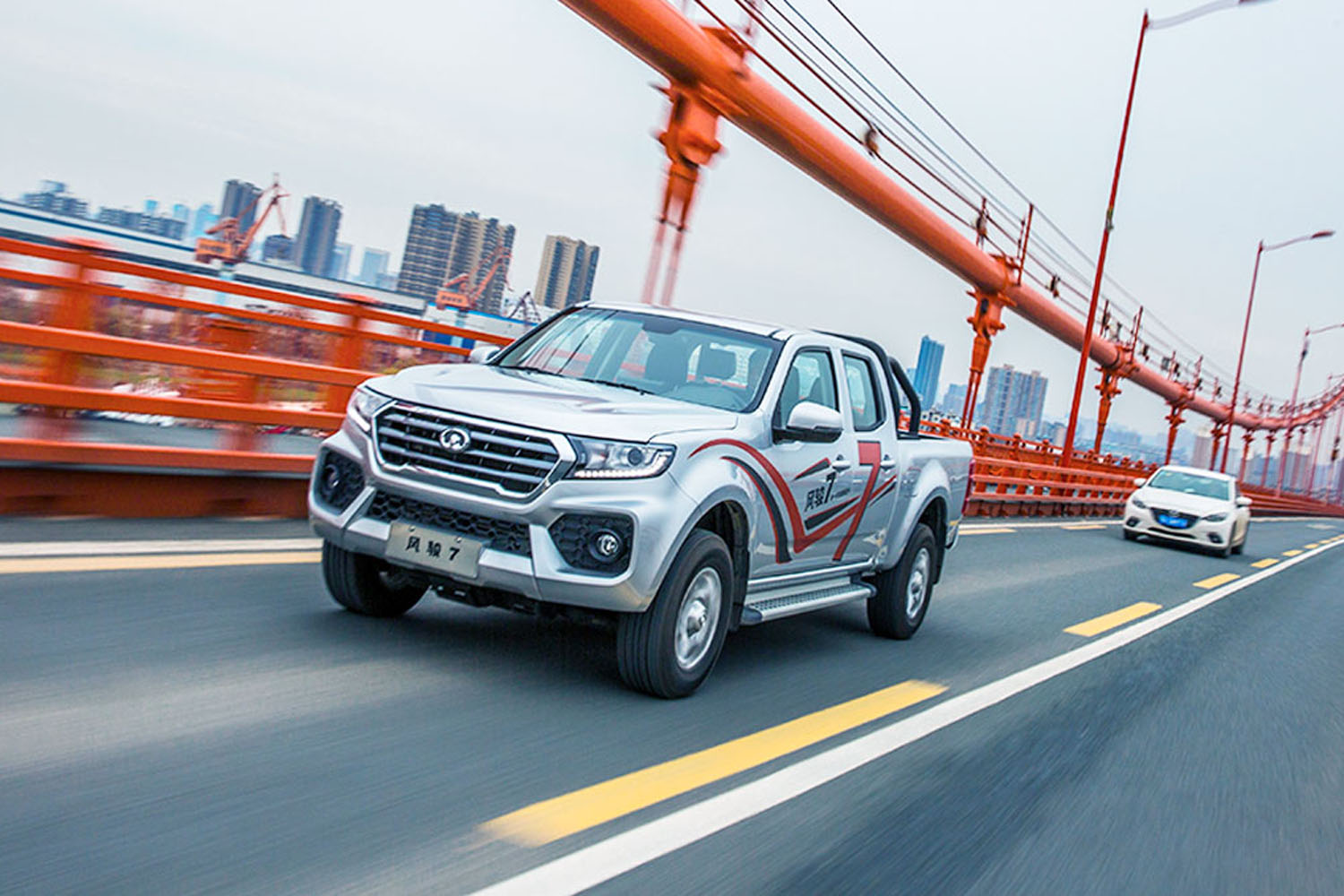
At a glance
- The Wingle 6 combines compact-SUV packaging with 2WD, 4x4, gasoline and diesel choices.
- Its export value is strongest for utility-led fleets and importers able to support parts and compliance locally.
- Buyers should compare the 2.4L 4G69 gasoline, 2.0T gasoline and 2.0T diesel variants against duty-cycle needs.
- Used inventory offers vehicle-level selection and inspection opportunities, but condition, age and repair history require close scrutiny.
- Exact pricing, MOQ and unit availability must be confirmed on live listings and in a written landed quote.
Why the Great Wall Wingle 6 matters for export markets
The Wingle 6 sits in the compact-SUV segment, where buyers want the seating and ride height of an SUV without moving into premium-brand costs. Its export appeal comes from a practical combination of 2WD road-oriented versions, 4x4 versions, gasoline and diesel powertrains, and trim levels that range from work-focused Elite to better-equipped Navigation variants. That breadth lets an importer match the model to paved urban use, regional distribution, or more demanding access routes rather than treating every Wingle 6 as the same vehicle. That flexibility is particularly useful for fleet buyers.
The model is most relevant in markets where operators value durable utility, local availability of parts, and a manageable purchase outlay. Farmers, contractors, rural transport operators, and mixed institutional fleets can find the basic 2WD model more economical to deploy, while 4x4 and diesel variants suit buyers who place greater importance on load tolerance or operation on poor surfaces. Because the Wingle 6 is a Chinese-market model in many destinations, its commercial potential depends as much on homologation, after-sales planning and resale as on the vehicle itself. Local execution decides success.
The model is therefore most relevant to buyers seeking capability value rather than badge value. Its strongest case is a disciplined import: select the powertrain and drive layout for the duty cycle, confirm that parts can be sourced locally, and build a realistic landed-cost model before committing. A polished appearance or the Wingle name cannot compensate for an unsuitable emissions category, unavailable service components, or a vehicle selected solely from a photograph. For overseas purchasers, evidence and supportability are as important as the purchase price. That discipline protects import budgets.
- 2WD road use
- 4x4 access routes
- Gasoline or diesel
Model range, trims and powertrain variants: how the lineup is structured and how to choose
The export-relevant lineup is organized around three engine families. The 2.4L gasoline 4G69 appears in two-wheel-drive Elite versions and in a 4x4 Elite version. A 2.0T 4D20B gasoline version is also listed in two-wheel-drive form. Diesel choices appear with 4D20B and 4D20D designations, normally paired with four-wheel drive in the variants shown, including Navigation and Elite grades. Engine codes should be treated as identifiers, not a substitute for the seller’s documents. Trim and drivetrain labels should be reconciled with the same documents. Verify the code against the vehicle identification number before shipment.
Drive layout is the next decisive choice. Two-wheel-drive versions should suit distributors concentrating on urban roads, motorway delivery, or relatively even regional routes, subject to the road conditions buyers actually face. Four-wheel-drive versions add a mechanical advantage for buyers operating beyond paved surfaces or carrying heavier loads through variable terrain. The choice also affects tyre, fuel, and maintenance planning, so a four-wheel-drive vehicle should not be bought merely because it appears more capable without confirming that local tyres, service capacity, and insurance assumptions fit for the destination market or fleet.
Trim choice is partly about equipment and commercial simplicity. Elite denotes the more functional versions seen, while Navigation suggests a higher equipment tier on at least one diesel four-wheel-drive listing. Transmission details are not consistent across descriptions: one five-seat Fengjun 6 entry explicitly states manual, while other titles do not make the gearbox equally clear. Buyers should compare a five-seat 2.4L manual with other transmission choices only after confirming the actual gearbox, final drive, equipment, and condition of each specific unit before placing a binding order or reserving export capacity.
- 2.4L 4G69 gasoline
- 2.0T gasoline or diesel
- Elite and Navigation grades
New vs used Great Wall Wingle 6: how export inventory is structured and how buyers choose
Export inventory for this model is commonly vehicle-specific rather than a standardized new-car programme, so every listing must be assessed as a separate asset. This structure can suit an importer seeking an identified chassis for resale or fleet deployment, but it makes condition the central commercial variable. A used listing should be evaluated through its service history, remaining useful life, repair record, and suitability for the destination market. Those checks may matter more than the model name or a generic year designation before any deposit is paid or export capacity reserved.
The case for buying used is straightforward: the acquisition requirement is generally lower, the vehicle’s history can be inspected before shipment, and an importer can select equipment around an existing budget. The trade-off is uncertainty. Fleet vehicles may have heavy wear, suspension components may be near replacement, and accident repairs may not be visible in a standard photo. Age can also trigger import restrictions, emissions charges, or registration problems in some countries. Buyers should separate a well-maintained older vehicle from a neglected one and avoid treating a low purchase outlay as a low total cost.
New inventory offers a different proposition rather than a universally superior one. A new vehicle provides an agreed specification and documented delivery condition; warranty coverage may simplify fleet standardization if it remains valid in the destination market. It can also require a larger cash commitment and more pre-delivery planning for shipping and local type approval. Used units can be the better choice for a dealer testing demand, a fleet replacing vehicles selectively, or a buyer comfortable with maintenance. The correct decision is based on total cost, downtime, warranty transfer, parts support, and the buyer’s ability to inspect the vehicle.
- Used history and condition
- New specification and warranty
- Age and emissions rules
How export pricing works: the factors behind a live listing price, and how to read one
A live Wingle 6 export price is the starting point for a transaction, not automatically the landed cost of importing it. The vehicle-side factors are model year, engine and output version, transmission, drive layout, trim equipment, mileage, condition, service history, exterior finish, and whether the seller treats the unit as fully prepared for export. Market-side factors include the exchange rate, shipping method, insurance, port handling, inland transport, destination duties, taxes, and the Incoterm that defines which party bears cost and risk. Any quote should therefore state exactly what is included.
To read a listing, compare like with like. A two-wheel-drive 2.4L gasoline car, a 4x4 diesel, and a higher-equipped example may all carry the Wingle 6 name, yet they represent different regulatory propositions. Mileage influences condition and resale positioning; four-wheel drive may add acquisition and servicing considerations; and diesel can fall into a different customs or tax category from gasoline in some markets. The exact duty treatment must be checked for the destination rather than inferred from the listing. Ask for a pro forma invoice showing the vehicle description, sale price, preparation, and payment conditions.
A price comparison also requires a landed-cost worksheet. Start with the live asking price, identify what the seller excludes, then add the agreed freight and insurance solution, destination charges, taxes, registration, pre-delivery work, and a reserve for repairs. A dealer should present alternatives such as a different Incoterm only when the cash-flow and risk consequences are clear. Exchange-rate movements can alter the final commercial level, so a short validity period on the quote is normal. Current figures should be taken from each live listing, where per-unit price and commercial conditions can be confirmed.
- Vehicle price versus landed cost
- Match year, trim and condition
- Written pro forma quote
MOQ, ordering and payment: single units vs consolidating a container
MOQ should be treated as an order condition, not a universal property of the model. A buyer may be able to secure one suitable used vehicle for a test or replacement, while a fleet order can require the seller to reserve several units, coordinate inspection, and plan loading together. Current MOQ, availability, and per-unit terms belong in the live listing rather than in a general guide. Buyers should read them before discussing volume and ask the seller to repeat them in the quotation. This prevents container plans relying on sold stock.
Ordering a single unit and consolidating a container involve different controls. For one vehicle, the sequence is to confirm the VIN and specification, agree on inspection and condition standard, receive a pro forma invoice, verify payment instructions, and approve the release and freight booking. For a consolidated wholesale shipment, buyers should group vehicles by destination and specification, define one inspection and documentation standard, and balance the purchase with the available container capacity. Mixed grades can help fill volume, but only if every unit is suitable for the same buyer or resale channel.
Payment terms should be documented before funds are committed. Buyers should know the deposit and balance structure, currency, beneficiary identity, refund conditions, inspection period, shipment deadline, and what happens if the vehicle materially differs from the agreed description. Independent verification of the invoice, VIN, export documents, and beneficiary details is essential, especially when intermediaries are involved. Freight should not be booked against an unverified chassis. An RFQ that includes destination, port, desired trim, drive layout, budget basis, and inspection expectations will produce a more comparable response than a general price request.
- Live MOQ and availability
- Invoice matched to VIN
- Verified payment milestones
Shipping, homologation and market compliance caveats: LHD/RHD and import rules by country
Freight method should follow the vehicle and route, not a fixed assumption. Enclosed container transport offers protection and can suit smaller consolidated lots, while specialized vehicle carriers or roll-on/roll-off options may suit larger movements or looser loading schedules. The quote must state origin and destination charges, route, cargo space, securing requirements, insurance, and the Incoterm. Under a port-to-port arrangement, the importer may still face terminal handling, documentation, customs, taxes, storage, and inland delivery. Experienced export coordinators should review dimensions and weight against actual booking capacity before the vehicle is committed to a sailing.
Steering configuration is a market-specific compatibility issue. Left-hand-drive and right-hand-drive Wingle 6 vehicles can serve different countries, but a listing should explicitly identify the configuration, and an importer should never assume it can be changed casually. Local rules may cover steering position, lighting, indicators, mirrors, windshield equipment, and adaptations associated with left- or right-side traffic. A professional conversion can add cost and complexity and should be assessed separately from the vehicle purchase. For right-hand-drive markets, ask the seller for available units and supporting photographs rather than relying on a model-level expectation.
Local homologation and customs clearance are importer responsibilities. Depending on the destination, a vehicle may need emissions compliance, safety or type approval, VIN verification, roadworthiness testing, customs registration, and proof of local lighting and equipment compliance. Engine displacement and fuel type can influence duty, tax, age, or emissions treatment, so the buyer should obtain a written classification from a customs broker before shipment. Documents should match the physical vehicle, including model designation, engine code, VIN, and seating configuration. Buying without a compliance plan can turn the cheapest quote into the costliest transaction.
- Confirmed steering side
- Pre-cleared emissions treatment
- Documents matched to VIN
Who should buy the Wingle 6 — and who should pick a different vehicle
The Wingle 6 is a strong candidate for buyers whose priorities are compact SUV utility, a choice of drive layouts, and access to gasoline or diesel variants. It can suit a dealer building a lower-cost resale range, a rural fleet needing four-wheel drive, or an organization replacing selected vehicles without requiring an electric powertrain. The strongest use case is one where the buyer can maintain vehicles locally, document maintenance, and plan parts before delivery. A Wingle 6 should not be selected merely because its purchase price is lower than a mainstream rival’s.
A different vehicle is usually wiser when the operation prioritizes the lowest urban running cost, a battery-electric range strategy, a factory-fresh homogeneous fleet with transferable warranty, or the strongest secondary-market credentials in a mature market. Urban buyers who rarely need four-wheel drive may prefer a more efficient crossover or hybrid, while fleets requiring advanced driver-assistance and standardized safety systems should verify whether the selected Wingle 6 provides them. Heavy-duty towing or commercial abuse also calls for a vehicle rated and warranted for that work; an older used example may not be the right commercial platform.
Passenger capacity, parts access, and ownership horizon should complete the decision. A five-seat configuration is represented in the Wingle 6 material, but buyers who need a different seating layout must confirm the body variant rather than assume it from the model name. Spare-parts planning should cover service items, sensors, panels, and electrical modules, with lead times for less common versions. For a short ownership cycle, a mainstream rival with deeper local service may retain value more easily. For a longer cycle, acquisition cost and suitable hardware can make the Wingle 6 the rational tool.
- Utility-led fleet use
- Seating and equipment checks
- Parts depth and resale
Main rivals and how the Wingle 6 compares
The closest alternatives depend on how a buyer frames the Wingle 6, but three useful comparisons are the Haval Jolion, Toyota RAV4, and Nissan Qashqai. The Jolion is the most direct Chinese-brand comparison in compact-SUV positioning and often gives buyers a more familiar global product name, while offering a different design and powertrain mix. The RAV4 and Qashqai bring stronger international dealer familiarity and established resale recognition in many markets. Those advantages can matter enough to justify a higher acquisition or ownership cost for a resale-led importer or fleet buyer.
Against the Haval Jolion, the Wingle 6 differs less by basic SUV format than by the selected variant, especially where four-wheel drive or diesel is required. The Jolion may be easier for some buyers to place against mainstream global ranges, so compare spare-parts coverage, local repair knowledge, and landed cost, not badges alone. Against the RAV4, the Wingle 6 may offer a lower acquisition entry point and rugged derivative choices, while Toyota benefits from stronger market recognition. For fleet resale, the better-value unit is the one that can be serviced and remarketed locally.
The Qashqai provides a useful road-focused benchmark, especially for buyers valuing a more conventional compact crossover, established parts channels, and global recognition. The Wingle 6 can make more sense where buyers specifically want a 4x4 or diesel derivative and can support those systems. Neither vehicle should be selected without a destination-specific cost of ownership review that includes duty, fuel, insurance, maintenance, and resale. For used purchases, compare condition, mileage, remaining service life, and documentation. A lower acquisition cost helps only if the chosen unit remains economical to own and easy to place.
- Jolion: parts and powertrain
- RAV4: resale and support
- Qashqai: operating costs
Live Great Wall Wingle 6 export inventory
View all listings →Real units currently on ChinaCarDirect with per-unit asking prices and MOQ. Availability updates live from the catalogue.
Used Great Wall Wingle 6 2019 Fengjun 6 five-seater, 2.4L, manual transmission

Used Great Wall Wingle 5 2026 2.0T Diesel Two‑Drive Entry Big Double Cab
Used Great Wall Wingle 5 2017 2.4L European Version Gasoline Two-Wheel Drive Entry-Level Big Double Cab 4G69S4N
Used Great Wall Wingle 5 2017 2.4L European Version Gasoline Two-Wheel Drive Entry-Level Big Double Cab 4G69S4N
How to buy a Great Wall Wingle 6 from China
-
1
Define the operating requirement
Specify the destination, steering configuration, road surfaces, expected load, seating needs and preferred powertrain. This prevents a visually attractive but commercially unsuitable Wingle 6 from entering the shortlist.
-
2
Review live vehicle listings
Compare each relevant listing by year, engine code, transmission, drivetrain, trim, condition and seller location. Use the live listing for the current per-unit price, MOQ and availability.
-
3
Request specification and condition evidence
Ask for the VIN, engine and gearbox details, equipment list, mileage, service records, photographs and an inspection report. Resolve any repair history or description discrepancy before payment.
-
4
Request a landed quotation
Provide the destination port, Incoterm preference and inspection requirements. Require the quotation to separate the vehicle price from freight, insurance, preparation and other stated charges.
-
5
Pre-clear compliance requirements
Have an importer or customs broker confirm VIN acceptance, emissions rules, age limits, duty treatment, safety requirements and registration steps for the destination.
-
6
Verify the order and payment
Check that the pro forma invoice matches the agreed VIN and specification. Verify the beneficiary, payment milestones, refund terms and export document list before transferring funds.
-
7
Inspect, document and ship
Complete the agreed inspection, confirm shipping preparations and secure suitable freight. Retain the inspection report, vehicle documents and transport evidence for customs clearance and delivery.
Wingle 6 vs rivals
| Haval Jolion | The Jolion is a close Chinese-brand compact-SUV benchmark for buyers comparing design, equipment and powertrain choices. The Wingle 6 may offer more distinctive utility hardware, particularly four-wheel-drive or diesel variants, while the Jolion may provide a more familiar global model identity. |
|---|---|
| Toyota RAV4 | The RAV4 generally benefits from stronger international recognition, broader service familiarity and established resale credentials. The Wingle 6 can suit value-focused buyers who can source parts and operate its more utility-oriented variants effectively. |
| Nissan Qashqai | The Qashqai is a road-focused alternative for buyers prioritizing a conventional compact crossover and established parts channels. The Wingle 6 is more relevant when four-wheel drive, diesel availability or lower acquisition outlay outweigh local-service and resale considerations. |
Frequently asked questions
How is Great Wall Wingle 6 export pricing determined?
The live price reflects the specific vehicle’s year, trim, engine, transmission, drivetrain, mileage and condition, together with the seller’s preparation and commercial terms. Freight, insurance, exchange rates, duties and other destination charges can change the landed total. Review each ChinaCarDirect live listing for the current per-unit price, then request a written quotation stating the Incoterm and included costs.
Which Great Wall Wingle 6 engines and drivetrains are available?
The lineup includes a 2.4L gasoline 4G69, a 2.0T gasoline 4D20B and 2.0T diesel versions identified by 4D20B or 4D20D codes. Two-wheel-drive and 4x4 layouts are represented, with Elite and Navigation equipment grades also appearing. Confirm the exact engine code, gearbox, drive layout and VIN on the individual listing before ordering.
Are used or new Great Wall Wingle 6 vehicles better for export?
Used vehicles let buyers assess and select a specific chassis, but they carry more uncertainty over wear, repairs, service history and remaining useful life. New vehicles provide a defined specification and delivery condition, although international warranty coverage and the larger cash requirement should be confirmed. The better choice depends on inspection access, downtime, destination rules and total ownership cost.
What is the MOQ when buying a Great Wall Wingle 6 from China?
MOQ is determined by the seller, vehicle and order rather than by the model alone. A live listing may accept an individual unit, while volume purchases can involve seller-specific minimums and coordinated inspection. Check the current MOQ and availability on the relevant live listing and repeat them in the quotation and pro forma invoice.
How long does shipping take and what affects the cost?
Shipping time and cost depend on origin and destination ports, vessel or carrier schedules, container availability, vehicle dimensions, cargo volume, route, insurance and Incoterm. Destination terminals, customs, storage, inland delivery and taxes can add further charges. Ask for an all-in freight schedule and identify which party bears charges and risk at each stage.
Can I source spare parts for a used Great Wall Wingle 6?
Parts can usually be matched more accurately using the VIN, engine code, gearbox type, drivetrain and trim, but availability and lead time vary by component and destination. Common service items may be easier to support than sensors, electronic modules or body-specific parts. Confirm the supplier’s parts catalogue and expected lead time before committing to an older or less common vehicle.
Is a right-hand-drive Great Wall Wingle 6 available for export?
Right-hand-drive availability depends on the individual vehicle and current seller inventory, so it should be confirmed through live listings or an RFQ. A buyer should request photographs of the steering position, lighting and relevant equipment rather than assume every Wingle 6 has the required configuration. Professional conversion is possible in principle, but it adds cost, lead time and compliance checks.
How do I order a Great Wall Wingle 6 from China?
Start with the live ChinaCarDirect inventory, identify a suitable chassis and submit an RFQ stating the destination, trim, engine, drivetrain and inspection requirements. Review the written quotation, pro forma invoice, payment milestones and export documents, and verify the beneficiary independently before paying. Complete the agreed inspection and freight booking only after the VIN and commercial terms have been confirmed.
Ready to source the Great Wall Wingle 6?
Send a Wingle 6 RFQ with your destination, preferred powertrain, drivetrain and inspection requirements to request a current unit-level quotation.
Request a quote