
GWM Poer Export Guide: Choosing the Right Pickup
Buy GWM Poer from China with confidence: compare trims, powertrains, used vehicles, export pricing logic, shipping, compliance and key rivals for overseas buyers.
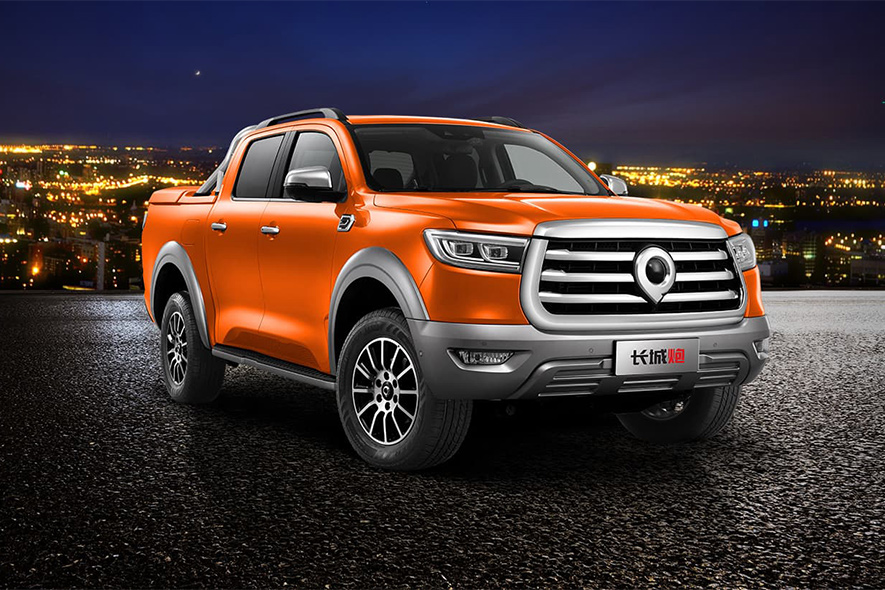
At a glance
- The Poer spans passenger, commercial and off-road roles within the midsize-pickup segment.
- Gasoline and diesel choices include 2.0T applications, with a 2.4T diesel commercial option.
- Manual and automatic transmissions can be matched with two- or four-wheel-drive layouts.
- Cab and bed choices should be selected from the exact listing, not from the model name alone.
- A sound export decision combines unit condition, landed cost, compliance, parts support and expected downtime.
Why the GWM Poer matters for export markets
The GWM Poer matters in export markets because it combines the work utility of a midsize pickup with passenger and off-road configurations for dealer channels. The model family is not limited to one crew cab: GWM offers passenger, commercial, and off-road interpretations, with gasoline and diesel powertrains. That structure lets an importer build a coherent vehicle programme around local work patterns rather than importing one generic version and hoping it fits every customer. It gives fleet buyers a way to compare cab, bed, axle, and transmission choices against local operating needs before approval.
Export demand for the Poer is best understood through use cases rather than a single sales trend. Construction contractors, agricultural operators, utility companies, security fleets and distributors need vehicles that can carry equipment, serve as a passenger platform and tolerate imperfect roads. A pickup that can be ordered with a commercial long bed, a standard box, two-wheel-drive or four-wheel-drive, and manual or automatic transmission gives those buyers a way to standardize a fleet while preserving specialization. The commercial buyer purchases uptime, load security and an adaptable platform, not simply transport capacity.
The Poer’s export proposition is therefore broader than a low acquisition price. The relevant value equation combines vehicle condition, configuration, fuel availability, parts support, expected downtime, freight and the destination market’s taxes or compliance burden. A dealer that can source the right cab, powertrain and drivetrain while controlling those variables may find the model commercially persuasive even when it is not the cheapest option on a comparison sheet. Buyers should treat the live ChinaCarDirect inventory as the starting point for those unit-level decisions rather than rely on a generic model-level assumption.
- Passenger, commercial and off-road roles.
- Gasoline and diesel options.
- Match configuration to duty.
Model range, trims and powertrain variants: how the lineup is structured and how to choose
The lineup is organized around three broad roles. Passenger versions prioritize a more car-like utility format; commercial versions emphasize long beds, work use and diesel availability; off-road editions add four-wheel-drive-oriented positioning and higher-equipment specifications. Within those families, the documented powertrain choices include the 2.0T gasoline GW4C20B, the 2.0T diesel GW4D20M and a 2.4T diesel commercial option. Transmission options include manual and automatic, while two-wheel drive and four-wheel drive are both represented. That breadth matters because trim names alone do not identify the vehicle’s operating character on the specific quoted export unit.
Start the selection with the duty cycle. A gasoline, two-wheel-drive commercial pickup may suit urban delivery, estate or general fleet work where simplicity and fuel access drive the decision. A four-wheel-drive version becomes more relevant where mud, steep access, snow or unpaved routes are routine. Diesel choices deserve close attention where fuel quality, diesel availability and the need for loaded operation support them, but fuel labels alone should not decide the purchase. For buyers carrying high-value cargo, restraint systems, load fixation and the exact bed construction should be confirmed separately.
Because the same model name can cover standard-cab, double-cab, standard-box, long-bed, commercial, passenger and off-road configurations, the correct method is to build a written trim matrix. Compare engine code, gearbox, drive layout, cab and bed, edition equipment, emissions specification and any towing or load claims against the intended market. Dimensions and equipment can differ by body, so never carry a specification from one listing into another quotation without written confirmation of the chassis and version. That discipline prevents an attractive but unsuitable vehicle from entering an import programme or customer order.
- Manual and automatic choices.
- Two- and four-wheel drive.
- Verify body and emissions.
New vs used GWM Poer: how export inventory is structured and how buyers choose
An export catalogue for the Poer should be understood as a mixed marketplace rather than a standardized new-vehicle programme. Unit records may represent used examples from different production periods and new examples when a seller offers them. The commercial implication is important: a dealer can test demand with individual used units, but it cannot assume every listing shares one specification, one condition grade or one documentation package. Each vehicle needs its own identity and condition assessment. This is particularly relevant when comparing listings that appear similar by name at first glance.
Used GWM Poer vehicles can make sense where the buyer needs a proven platform at a lower acquisition commitment, but the saving must be evaluated against rectification, wear and uncertain resale positioning. Ask for the VIN, production year, registration history, service records, accident disclosure, roadworthiness evidence and photographs of the engine bay, underside, cab interior and cargo bed. For four-wheel-drive or diesel versions, the transfer system, injectors or turbo hardware, cooling system, mounts and chassis condition deserve specific inspection. The inspection should match the exact variant, not a Poer checklist.
A new example may be easier to specify when a buyer needs a known drivetrain, body, finish and equipment set, particularly for fleet standardization or launch stock. It can also reduce the need to budget for age-related wear, although purchase cost, shipping and operating expenses still require comparison. Used inventory offers greater variety and potentially better acquisition economics; new inventory offers configuration certainty. The sound decision is therefore total-cost based, using the live per-unit price and condition evidence for each candidate. Neither status guarantees the best import economics for the destination market.
- Verify new or used status.
- Inspect condition and documents.
- Compare total operating risk.
How export pricing works: the factors behind a live listing price, and how to read one
An export price is a negotiated quotation built from several layers, not a universal model price. At its core is the value of the specific vehicle: production year, trim, engine and gearbox, drivetrain, cab and bed, mileage or delivery status, condition, ownership history and cosmetic work. For a used unit, rectification and inspection can change the amount a responsible seller will accept. For a new unit, the exact factory configuration and supply origin matter more than the Poer badge alone. The quotation should also state which of those costs it covers.
Logistics and deal structure form the next layer. Freight depends on origin and destination ports, route, container or roll-on/roll-off method, cargo weight, securement requirements, fuel and handling charges, and the Incoterm selected. Foreign-exchange movements can alter the local-currency vehicle cost between quotation and settlement. Import duty, value-added tax, customs classification, brokerage, port fees and inland delivery are destination costs and may sit outside the seller’s quoted price. Comparing two listings without normalizing all of these terms can be misleading. Ask for the total payable at each named milestone and the currency.
To read a live Poer listing, separate the unit price from the landed cost. Confirm the vehicle identity, condition, quantity required, payment schedule and Incoterm; then identify exclusions such as international freight, insurance, duties, taxes, registration and inland transport. Check whether the displayed amount is a binding offer, a reference figure or a condition attached to services. Current prices and availability for each vehicle are shown in ChinaCarDirect’s live listings, where buyers verify the unit rather than infer figures from an article. Do not budget from an old page or an unrelated trim.
- Unit condition sets the base.
- Incoterm changes the total.
- Verify current live figures.
MOQ, ordering and payment: single units vs consolidating a container
Minimum order quantity is a seller transaction rule, not a permanent property of the Poer. A vehicle already allocated to a buyer can normally be discussed as a single-unit sale where the supplier confirms that MOQ; a dealer programme may instead require several units of a specified configuration. The correct question is not whether “Poer wholesale” implies one universal quantity, but what MOQ is attached to the listing, whether mixed models are allowed and how that quantity is counted. Get the answer in writing before arranging payment or freight booking.
Consolidating several vehicles into one container can improve freight planning and may give a buyer more negotiating leverage, but it creates operational dependencies. All units must meet the destination’s import rules, and a shipping slot cannot rescue a vehicle that is unsuitable for homologation or has unresolved title documents. Cargo securement, axle loading, weight distribution and lashing should be planned by the carrier or forwarder, not improvised. A mixed load can work only when every unit’s specification and paperwork has been accepted. A full container is not automatically the cheapest route.
The ordering sequence should be controlled. Select a vehicle or production specification, obtain a written pro forma invoice, confirm the MOQ and refund terms, pay the agreed deposit, and use a milestone tied to inspection rather than relying on photographs. Before release, verify the VIN or chassis identity, matching options, condition report, export documents and repair history. The balance should be linked to those checks, with the shipping party, Incoterm, insurance and title-transfer process stated in the agreement. Keep every approval and payment instruction in one transaction record for audit and dispute review.
- MOQ is seller-specific.
- Confirm mixed-model eligibility.
- Link balance to inspection.
Shipping, homologation and market compliance caveats: LHD/RHD and import rules by country
Pickups are commonly moved from China by container, flat rack or roll-on/roll-off service, depending on route economics and vehicle dimensions. Because Poer dimensions and configurations vary, the forwarder should measure the actual unit and confirm the loading method, lashing points and weight distribution before booking. Marine insurance, destination terminal charges, customs brokerage, demurrage, storage and inland haulage can all change the delivered cost. Transit time is equally variable because vessel schedules, port transfers, congestion and customs clearance affect the route. Treat the booking confirmation, not an estimate, as the controlling document.
Import eligibility is country-specific, and the Poer must be checked against the destination’s rules. Buyers should establish whether the vehicle is configured for left- or right-hand drive and whether the local version can be registered. The review should cover VIN and homologation documents, emissions and noise rules, customs classification, engine and fuel restrictions, used-vehicle age or condition limits, safety equipment, warranty or recall obligations where applicable, and local insurance. Commercial and passenger body versions may also face different rules. LHD and RHD availability must be confirmed for the exact source vehicle.
Compliance work should start before the deposit is paid, because changing steering configuration, emissions hardware or equipment after shipment can be expensive and may not make the vehicle road-legal. Request the vehicle identification and supporting documents, and use an importer or local compliance specialist to check the destination requirements against the proposed trim. Before loading, complete a condition report, confirm fluids and battery condition, check the bed and cab, verify included tools or accessories, and arrange cargo-cover, strapping and transport insurance. Local registration should never be presumed from export paperwork.
- Confirm steering configuration.
- Check local homologation.
- Inspect before loading.
Who should buy the Poer — and who should pick a different vehicle
The Poer is a candidate for contractors, farms, utility operators, security providers, regional distributors and commercial fleets that need a platform for passengers and cargo. The deciding criterion is operational fit: a long-bed commercial diesel may suit load-intensive work, while a shorter body or passenger-oriented double cab may be easier to allocate to supervisors or service teams. Four-wheel drive is worth considering where access conditions justify it, but drivetrain choice should follow route and load requirements rather than marketing language. A fleet specification can simplify training and parts planning across mixed fleets.
For buyers and lifestyle operators, the passenger and off-road versions can be more relevant than the work truck. Their equipment level, four-wheel-drive layout, towing provision and ride character should be compared with locally sold alternatives, while checking load limits and road legality. A Poer is not automatically the right leisure vehicle: buyers who prioritize fuel economy in daily commuting, quiet refinement, long-established dealer support or a particular towing standard may find another model better aligned with their market. The decisive evidence is the specification and ownership experience, not the edition badge.
Different vehicle categories suit some situations better. A buyer with full-load towing or payload demands should move to a tow package rated for the actual load; a fleet constrained by urban emissions policy may need a lower-emission or electric solution; and a narrow use case may be better served by a smaller van or pickup. Buyers in markets with sparse Poer parts networks should consider a model with stronger aftersales coverage. The right choice remains legal, supportable and economical after arrival. Availability alone does not make that choice over the ownership life.
- Strong for mixed work fleets.
- Match body to duty cycle.
- Check support before specialization.
Main rivals and how the Poer compares
The Ford Ranger is one of the Poer’s closest global competitors because both are midsize pickups offered to commercial, fleet and private buyers in multiple body and drive configurations. Ranger may have the advantage in markets where its dealer network, residual-value history and locally familiar configurations are stronger. Poer’s case is strongest when its available gasoline, diesel, manual, automatic, two-wheel-drive and four-wheel-drive combinations solve a particular sourcing need. Compare the exact local versions on tax, parts, servicing, finance and registration, not class-level reputation. Neither name guarantees the lower operating cost.
The Toyota Hilux is a benchmark for buyers who value global recognition and acceptance as a work tool. It can be a lower-risk choice where local service infrastructure, used-market liquidity and buyer confidence are strong. Against that, the Poer may offer a broader configuration matrix, including long-bed commercial diesel variants and off-road editions, which can be useful to a dealer seeking to differentiate. The fair comparison is total landed cost and support over ownership cycles, including downtime and resale, rather than price alone. Local taxation and rules may favor one version.
The Isuzu D-MAX is another rival, especially in diesel-led commercial markets where buyers prioritize work-oriented durability and established fleet acceptance. The Poer’s 2.0T and 2.4T diesel commercial options, manual and automatic choices, and two- or four-wheel-drive layouts make it a practical alternative to test against D-MAX equivalents. Verify towing, payload, bed, chassis, emissions and local parts support using the precise vehicles. In practice, the selection comes from matching a verified Poer unit to the duty and the destination’s after-sales reality. That comparison should be based on documents and inspection, not badges.
- Ranger: direct global rival.
- Hilux: familiarity benchmark.
- D-MAX: work-led alternative.
Live GWM Poer export inventory
View all listings →Real units currently on ChinaCarDirect with per-unit asking prices and MOQ. Availability updates live from the catalogue.
Used Great Wall Poer 2021 Great Wall Cannon 2.0-liter, five-seater, diesel, automatic transmission
Used Great Wall Poer 2026 Model 2.4T Passenger Cannon Automatic Diesel Two-Wheel-Drive Comfort
How to buy a GWM Poer from China
-
1
Define the destination and duty cycle
Specify the destination country, steering configuration, cargo, passenger numbers, road conditions and local fuel choice. Use these requirements to decide which Poer body and powertrain should enter your comparison.
-
2
Shortlist live Poer listings
Review the current GWM Poer listings by body, engine, transmission, drivetrain, condition and location. Compare individual vehicles rather than treating every Poer listing as the same specification.
-
3
Request configuration and documents
Ask the seller for the VIN or production identity, factory configuration, ownership or delivery status, service history and available export documents. Put the exact body, engine code, gearbox, axle and equipment in the written quotation.
-
4
Build a landed-cost comparison
Request the unit price, MOQ, payment schedule, Incoterm and freight quote separately. Add duties, taxes, insurance, customs brokerage, port charges, registration and inland delivery to calculate the total landed cost.
-
5
Verify condition and compliance
Use an independent inspection for a used vehicle and check the physical vehicle against the contract. Have the destination importer confirm homologation, emissions, steering configuration, customs treatment and used-vehicle import restrictions before payment.
-
6
Agree MOQ and payment terms
Confirm whether the order covers one allocated unit or several vehicles, whether configurations can be mixed and how the MOQ is counted. Tie deposit and balance payments to documented vehicle checks and agreed refund conditions.
-
7
Book shipping and prepare clearance
Approve the loading method, route, insurance, securement, Incoterm and estimated schedule with the forwarder. Complete the pre-shipment inspection and issue the required export and customs paperwork before the vehicle leaves China.
Poer vs rivals
| Ford Ranger | The Ranger is a direct global midsize-pickup competitor with comparable commercial, fleet and private-buyer roles. It may have the advantage in markets with stronger local familiarity and resale support, while the Poer can appeal where its broader matrix of gasoline, diesel, manual, automatic, two- and four-wheel-drive combinations better fits the fleet. |
|---|---|
| Toyota Hilux | The Hilux is the benchmark for global recognition, local service familiarity and broad work-tool acceptance. The Poer is most competitive where its long-bed commercial diesel, off-road and other visible configurations provide a sourcing advantage that outweighs differences in dealer support, taxation and resale. |
| Isuzu D-MAX | The D-MAX is a credible work-led alternative, particularly for diesel-oriented commercial buyers. The Poer offers several diesel, transmission and drivetrain combinations for comparison, but towing, payload, bed construction, parts support and local compliance must be verified for the exact vehicles. |
Frequently asked questions
How is GWM Poer export pricing determined?
The price reflects the individual vehicle’s year, trim, engine, transmission, drivetrain, body, condition, mileage or delivery status, plus the agreed commercial terms. Freight, insurance, duties, taxes and inland transport must be added separately where the Incoterm excludes them. Current per-unit prices and availability are shown in ChinaCarDirect’s live listings.
Which GWM Poer engines and transmissions are available?
The range includes a 2.0T gasoline GW4C20B, a 2.0T diesel GW4D20M and a 2.4T diesel commercial option. Manual and automatic transmissions are offered, while two-wheel-drive and four-wheel-drive configurations depend on the body and edition. Confirm the engine code and gearbox on the specific unit.
Should an overseas buyer choose a new or used Poer?
Used vehicles provide greater variety and may reduce the initial acquisition commitment, but buyers must allow for wear, repairs, documentation gaps and uncertain resale positioning. A new vehicle offers greater configuration certainty and reduces age-related condition risk, but it may not be the most economical option after freight, taxation and operating costs.
How does MOQ work for a Poer order?
MOQ is set by the seller and may apply differently to an allocated vehicle, a dealer programme or a mixed configuration order. A single-unit purchase may be possible where the listing permits it, while consolidation may require several vehicles. Read the MOQ shown on the live listing and obtain written confirmation before paying.
What affects Poer shipping time and cost?
Shipping time and cost depend on the origin and destination, transport method, route, vessel or carrier schedule, vehicle dimensions and weight, securement, insurance, port handling and customs clearance. Obtain a forwarder’s written quotation and booking confirmation rather than relying on a general transit estimate.
How can overseas buyers source Poer spare parts?
Parts can be requested through the supplying dealer or another specialist using the vehicle identification and correct part number. Buyers should confirm availability, lead time, packaging, freight, customs treatment and local installation before ordering. For high-use fleets, check whether common service and wear parts can be stocked locally.
Is a right-hand-drive GWM Poer available?
RHD availability depends on the exact Poer configuration, source vehicle and destination market. Buyers should not infer it from the model name or assume that a Chinese listing is locally homologated. Confirm the steering configuration, VIN or production identity and registration requirements in writing before ordering.
How do I order a GWM Poer from China?
Start with the live Poer inventory, select vehicles that match the destination and duty cycle, and request a written quotation covering configuration, MOQ, Incoterm, payment and documentation. Verify the unit and compliance before release, then use a qualified forwarder and local importer for shipping, clearance and registration.
Ready to source the GWM Poer?
Send your destination, preferred configuration and required quantity to ChinaCarDirect for a current unit-level Poer quotation and export checklist.
Request a quote