
Haval F5 Export Guide: Specs, Pricing and Buying Risks
Buy a Haval F5 from China with clear guidance on trims, used-unit checks, export pricing, MOQ, shipping, homologation and the strongest alternatives.

At a glance
- The Haval F5 is a compact, petrol-powered crossover built around a 1.5-litre turbocharged engine, with manual and DCT variants.
- Chinese-market trim labels require VIN-level interpretation because equipment and emissions versions vary between vehicles.
- A used Haval F5 can reduce acquisition cost, but service history, condition, mileage and mechanical checks should drive the decision.
- Live export prices move with trim, gearbox, condition, exchange rates, freight, insurance and the selected Incoterm.
- Single-unit RFQs suit market testing, while container consolidation can improve freight efficiency when cash flow and demand justify it.
- Steering configuration, destination-market approval, customs treatment and parts support must be confirmed before committing funds.
Why the Haval F5 matters for export markets
For buyers evaluating the Haval F5 for export, it is a Chinese-market compact crossover positioned between a small family SUV and a mainstream premium compact. Its practical footprint, elevated seating and 1.5-litre turbocharged petrol powertrain make it relevant to overseas buyers seeking a versatile vehicle without moving into a larger, costlier SUV class. For export markets where compact crossovers are established but household budgets remain sensitive, the F5 offers a sensible value equation based on equipment, utility and acquisition cost rather than badge prestige. Dealers should confirm local demand before importing.
The F5’s export appeal is not based on a single global specification. The model has been sold principally in China, where trim names such as i-Trend, i-Type and i-Van reflect a domestic range structure, while overseas availability can vary sharply by country. Dealers can therefore source attractive used or lower-mileage examples, but must treat each vehicle as a market-specific conversion candidate rather than assume that a Chinese listing is ready for local registration. That distinction is particularly important where steering-hand, emissions, software or safety requirements differ in the destination market.
Global interest in the F5 should be assessed segment by segment. It can make sense in markets prioritising affordable crossover utility, fuel economy and easy replacement sourcing, yet it may be less persuasive where buyers place greater weight on an established resale network, long-term factory warranty or a broad local homologation history. The deciding metric should be landed operating cost over the planned ownership period, including parts, service intervals, compliance work and realistic resale—not simply the lowest export quotation. A low pre-freight price can still become costly after tyres, body repair or market-specific certification.
- Compact crossover utility at a value-oriented cost.
- Chinese specifications are not automatically export-ready.
- Confirm parts, warranty and resale support.
Model range, trims and powertrain variants: how the lineup is structured and how to choose
All F5 versions in the available trim structure use the 1.5T turbocharged petrol engine, but the domestic naming system can obscure the mechanical hierarchy. The i-Trend, i-Type, i-Van and National Trend labels identify trim families, while DCT explicitly marks versions paired with a dual-clutch automatic transmission; other versions use a manual. Because translated equipment names are not consistent across export catalogues, a buyer should read the VIN-linked vehicle specification rather than infer features from the badge alone. This is especially important when comparing an apparent equivalent trim in another country.
Manual and DCT examples serve different operating priorities. A manual can suit buyers focused on straightforward operation, mechanical simplicity and lower-complexity maintenance, while a DCT adds convenience and may suit urban traffic or fleets that want consistent shift automation. On a used vehicle, however, the gearbox condition, service history, software updates and absence of warning symptoms can matter more than the broad label. Test the gears, clutch engagement or DCT behaviour and obtain service evidence before selecting either. Do not assume the newer-looking transmission option is automatically the better economic purchase.
The trim references also reveal that emissions versions were not uniform: National Trend entries in the market carry either China V or China VI designations. Those labels are useful for identifying the vehicle’s origin configuration, but they do not establish that it satisfies a destination country’s type approval, emissions or used-vehicle import rules. For a coherent specification, compare engine, gearbox, axle layout, tyres, software, equipment and documented service history, then ask the importer to confirm what must be changed or approved. Avoid buying on trim prestige alone when the underlying compliance package is uncertain.
- All listed trims use the 1.5T petrol engine.
- Manual and DCT versions serve different buyers.
- China V and China VI are not overseas approvals.
New vs used Haval F5: how export inventory is structured and how buyers choose
For this model, export sourcing should be treated as a used-led proposition rather than a guaranteed flow of new production vehicles. ChinaCarDirect’s live F5 results are the authority on what is available at the moment, and each result should be checked for its year, trim, transmission, mileage, condition and location. That structure gives buyers access to comparatively priced vehicles, but it also means selection quality depends on individual inspection, documentation and transparent condition reporting. No buyer should infer that similar-looking listings represent a homogeneous fleet with identical history or quality.
A used Haval F5 can suit a dealer testing demand, a fleet buyer replacing vehicles on limited capital, or an importer seeking an established Chinese specification without waiting for a new allocation. Advantages include a lower acquisition hurdle, faster access to stock and a vehicle that can be inspected before commitment. The trade-offs are accumulated wear, unknown handling history, deferred maintenance, repair quality and less protection for electronics or software-related faults. A service-supported unit with transparent records can narrow those risks and reduce the chance of an unplanned repair bill.
New-versus-used choice should be made on total cost and supportability, not badge alone. A new vehicle may simplify initial condition concerns, yet a Chinese-market specification can still require local compliance work, while warranty coverage may not transfer intact. A used vehicle may offer better value if its VIN, title, service history, tyres, fluids, accident record and electronics have been verified. For fleet purchases, one carefully selected used exemplar is more informative than committing to a mixed batch before proving demand, reducing the risk of filling a container with unsuitable trim or condition.
How export pricing works: the factors behind a live listing price, and how to read one
A Haval F5 export price guide should explain variables, not publish a fixed number that may quickly become misleading. The vehicle-side price is shaped by model year, trim, manual versus DCT, mileage, condition, accident or repaint history, options and the seller’s location. The export-side total can also move with the renminbi exchange rate, inspection and documentation charges, insurance, inland haulage, freight, port handling and whether the transaction is priced FOB, CIF, DAP or on another Incoterm. The same vehicle can therefore show different totals for different buyers and delivery terms.
When reading a live listing, first separate the vehicle price from the landed cost. Confirm whether the displayed figure includes export clearance, inspection, documentation, loading, ocean freight, marine insurance, destination charges, customs duty and local taxes. Then check whether the quote is reserved for a specific VIN, how long it remains valid, and what payment or cancellation terms apply. A precise unit price is useful, but only when the inclusions and Incoterm are equally precise. Request the pro forma or invoice wording if any line is ambiguous rather than infer it from a headline.
Compare like with like. An apparent saving between two F5 listings may disappear if one has a different gearbox, higher mileage, unresolved paint damage, a fresh battery, missing equipment or fewer export checks. Normalise each quote using the same freight, insurance, duty and handling assumptions, then test the result against local operating costs and resale. Exact live pricing, seller terms and availability should be confirmed on current ChinaCarDirect listings, not inferred from this guide. This prevents comparisons between retail-style asking prices and fully delivered import costs before the final commitment.
- Match year, trim, gearbox, mileage and condition.
- Separate vehicle price from landed charges.
- Confirm VIN, quote validity and Incoterm.
MOQ, ordering and payment: single units vs consolidating a container
There is no universal Haval F5 wholesale MOQ that an overseas buyer should assume across every seller or shipment. A marketplace listing may be structured for a single unit, while a supplier quotation can impose a lot quantity for direct export. Read the MOQ shown for the exact unit and include it in the written RFQ; if that field is unclear, ask whether one inspection, one booking and one set of export documents are permitted for a sample purchase. In a wholesale programme, the distinction is whether the requirement is commercial, logistical or purely a seller preference.
Single-unit buying suits dealers testing demand, fleet pilots, replacement purchases and buyers who want to inspect one vehicle before scaling. Consolidating several F5 vehicles into one container can spread fixed costs such as origin handling, chassis booking, documentation and some destination charges across more units, potentially improving landed economics. The trade-off is greater cash tied up in stock, less flexibility if one vehicle has an issue, and exposure to destination storage or demurrage if sales slow. Calculate the full per-vehicle cost, not just the freight rate, before choosing a larger lot.
A safe ordering sequence is to specify the destination, quantity, preferred trim and gearbox, then obtain a written quotation stating the unit price, MOQ, deposit, balance trigger, inspection standard, document list, packing method and Incoterm. Payment should be tied to agreed milestones rather than an informal promise, and the buyer should verify the seller’s legal entity, vehicle title and export authority before remitting funds. The final shipping booking should follow inspection and document approval, not precede them. This sequence protects the buyer and makes responsibility for each stage explicit in the contract.
- Confirm MOQ for each unit or quote.
- Compare single-unit and container economics.
- Link payment to inspection and documents.
Shipping, homologation and market compliance caveats: LHD/RHD and import rules by country
Steering configuration is the first practical export check. The F5 is primarily associated with left-hand-drive Chinese-market production, so right-hand-drive availability can vary by model year, trim and destination; it should never be presumed from the model name. A genuine RHD example is preferable where local rules or customer expectations demand it. A conversion may involve steering, pedals, controls, lighting, cooling and safety-related work, so ask for conversion records and an assessment of warranty, resale and regulatory implications. Do this before paying a balance or booking freight for the vehicle at all.
China V or China VI on the original trim does not by itself satisfy overseas compliance. Depending on the destination, an importer may need VIN and title verification, emissions and type approval, safety and component checks, software or cybersecurity declarations, customs classification, duties, VAT or GST, and age restrictions for used vehicles. Rules may distinguish a permitted used import from a vehicle requiring individual approval. These are country-specific legal and customs questions, not claims settled by the trim label. Use an experienced local customs broker before contracting or booking.
Treat homologation and shipping as two separate workstreams. For shipping, request the VIN, clear interior and exterior photographs, accident or repair disclosures, tyre condition, service records, title and export documents, and an independent inspection before release. For compliance, provide the proposed VIN early to the local authority or broker and check whether modifications are required. Insure the vehicle against agreed risks, understand the port handover, and do not let a vessel departure deadline override unresolved legal or condition issues. A fast sailing slot is useful only if the vehicle can lawfully enter and be sold.
- Verify steering-hand configuration before payment.
- Local approval differs from China V/VI.
- Use a broker and inspect before release.
Who should buy the F5 — and who should pick a different vehicle
The F5 is a strong candidate for a cost-conscious dealer that wants a compact, petrol-powered crossover with useful road presence, a turbocharged engine choice and manual or DCT options. It can suit fleet replacement where purchase price, fuel use and parts planning matter more than luxury equipment. For an importer already familiar with Chinese vehicles, the model offers a clear way to address mainstream SUV demand while keeping each unit within a practical size and operating-cost envelope. It is especially suitable for a small pilot order with a disciplined inspection and resale plan.
It is a weaker choice for a buyer whose core requirement is a battery-electric powertrain, plug-in charging access, extended electric range, seven-seat capacity, a factory-backed AWD system, heavy towing or serious off-road use. It may also disappoint buyers who place a high value on a long local warranty, a mature resale history or extensive dealer service coverage. RHD markets should proceed only after a suitable derivative and local support pathway are confirmed, not on the assumption that conversion is routine. Those requirements should drive the alternative shortlist rather than a forced F5 purchase.
The decision is strongest when the buying brief is explicit. Compare the F5’s total landed cost, serviceability and holding period against rivals that better match local fuel policy, road conditions, charging infrastructure or resale demand. A used F5 can win on acquisition value if its condition is transparent, but a newer rival with clearer warranty and homologation may reduce risk. Conversely, a dealer able to source and support the Chinese specification may find the F5 more economical than an unfamiliar import. Buy it for value and utility, not assumptions about universality.
Main rivals and how the F5 compares
The Chery Tiggo 4 is a close Chinese compact-SUV alternative for buyers comparing size, turbocharged powertrains and value-oriented import economics. Its local visibility and trim availability can differ by market, so the fair test is not the badge but the landed specification. The F5 may have a useful acquisition-cost or unit-history advantage in some searches; the Tiggo 4 may be easier for a dealer already supported by Chery parts and residual-value knowledge. Compare warranty, RHD availability and repair support in the destination country before ordering any vehicle in bulk.
The Changan CS35 Plus competes directly with the F5 in the mainstream compact crossover segment, and buyers should compare its available petrol and automatic options with the F5’s 1.5T manual and DCT choices on a like-for-like basis. Changan can have stronger recognition in certain export markets, while the F5 may be easier to value when a suitable used listing is available. Back-seat space, boot usability, equipment, fuel economy and parts lead times should carry more weight than badge prestige. Verify which rival specification is actually homologated for local use before setting a shortlist.
The Geely Coolray, also sold under the Binyue name in some markets, is another relevant compact crossover benchmark. It is generally positioned around a more modern, higher-visibility export proposition, so dealers may compare it when customer demand favours a more familiar international model. The Haval F5 can still make sense where its used acquisition cost, manual/DCT options and straightforward compact dimensions create a better commercial fit. For resale-sensitive importers, verify local parts support and real-world residual demand before choosing. No rival wins automatically: the best vehicle is the compliant, supportable one for the buyer’s market.
- Tiggo 4: close Chinese compact-SUV benchmark.
- CS35 Plus: direct size and powertrain rival.
- Coolray: internationally visible alternative.
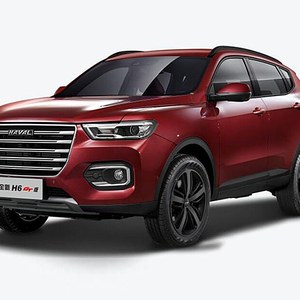
Live Haval F5 export inventory
View all listings →Real units currently on ChinaCarDirect with per-unit asking prices and MOQ. Availability updates live from the catalogue.

How to buy a Haval F5 from China
-
1
Define the destination and operating brief
State the country, quantity, preferred body style, fuel type, driving-hand requirement and expected holding period. This filters out technically unsuitable vehicles before commercial discussions begin.
-
2
Shortlist live F5 inventory
Compare current listings by trim, manual or DCT gearbox, mileage, condition, location and seller terms. Treat the live unit-level price, MOQ and availability as the binding commercial information.
-
3
Verify the individual vehicle
Request the VIN, title, registration details, service records, photographs, accident disclosures and original specification. Match the documents to the trim and gearbox shown in the listing.
-
4
Request a landed quotation
Ask for the vehicle price, inspection, documentation, freight, insurance, handling, duty assumptions and Incoterm separately. This prevents a headline vehicle price from being mistaken for a delivered import cost.
-
5
Inspect before release
Use an independent inspection covering bodywork, tyres, fluids, engine, transmission, electronics, emissions equipment and test-drive behaviour. Record defects and required corrections in writing.
-
6
Lock the order terms
Confirm the VIN, MOQ, deposit, balance trigger, document list, packing method, insurance, freight booking and cancellation conditions. Payment should follow the agreed milestones.
-
7
Complete export and market clearance
Use a local customs broker to verify RHD suitability, type approval, used-vehicle eligibility, customs classification, taxes and VIN registration requirements. Do not ship until inspection and legal checks are complete.
F5 vs rivals
| Chery Tiggo 4 | A close Chinese compact-SUV alternative with similar value-oriented positioning. Compare landed specification, RHD availability, local parts support and resale; the F5 may win on a specific used unit’s acquisition value, while Tiggo support can be easier in established dealer networks. |
|---|---|
| Changan CS35 Plus | A direct size-and-powertrain rival for buyers focused on a petrol compact crossover. The F5 can appeal where a suitable manual or DCT unit is well priced, but buyers should compare the homologated CS35 specification, equipment, service network and resale rather than assume either model is universally better. |
| Geely Coolray | A more internationally visible compact crossover benchmark that may appeal where customer recognition and parts familiarity outweigh used-unit savings. The F5 is more relevant to buyers who can source, inspect and support the Chinese specification and obtain a better total commercial fit. |
Frequently asked questions
How is the Haval F5 export price determined?
The live price reflects the vehicle’s year, trim, manual or DCT choice, mileage, condition and options, plus currency movement, inspection, documentation, freight, insurance and the selected Incoterm. The binding unit-level figure is the current ChinaCarDirect listing or written RFQ; use the live listings rather than an old guide or headline price as the starting point.
What engine and transmission does the Haval F5 use?
The F5 range is built around a 1.5-litre turbocharged petrol engine, with trim names such as i-Trend, i-Type and i-Van identifying versions rather than a different power type. Manual and DCT automatic transmissions are both represented, so confirm the actual gearbox, axle layout and emissions version from the VIN-linked listing before ordering.
Should overseas buyers choose a new or used Haval F5?
A used F5 can offer a lower acquisition cost and faster access to an established specification, making it practical for a dealer pilot or fleet replacement. A new vehicle may reduce initial wear concerns, but Chinese-market compliance, warranty transfer and availability still require verification; inspect the used unit’s history, tyres, fluids, accident record and electronics before deciding.
What is the MOQ for a Haval F5 order?
There is no reliable catalogue-wide MOQ to assume for this model. The applicable requirement may be one unit for some marketplace purchases or a larger lot for a direct-export quotation, so read the specific listing and ask the supplier to state the MOQ, inspection, documentation and booking rules in writing.
How long does shipping take and what affects the cost?
Shipping time and cost depend on origin and destination ports, sailing schedule, container availability, port handling, documentation, insurance, seasonality and the Incoterm. The freight provider should quote the route and charge basis for the actual VIN, quantity and delivery term; a vessel date alone does not include clearance or inland delivery.
Are spare parts available for the Haval F5?
Parts availability varies by market and trim, and Chinese-market VIN or plate matching may be needed to identify the correct components. Before buying, ask the supplier or parts channel to confirm engine, transmission, electronics and body-part support, realistic lead times and whether consumables can be ordered independently of the vehicle.
Is a right-hand-drive Haval F5 available?
RHD availability is not uniform across F5 years, trims and countries because the model is primarily associated with left-hand-drive Chinese production. Buyers needing RHD should request a genuine market-appropriate example and local confirmation of registration, safety and warranty implications rather than assume a conversion is acceptable.
How do I order a Haval F5 from China?
Start with a live listing, then send an RFQ stating the destination, quantity, trim, gearbox, condition preference and required Incoterm. Before payment, verify the VIN, title, inspection findings, document set, MOQ, deposit, balance trigger and freight arrangement in writing; release shipping only after the agreed inspection and compliance checks are complete.
Ready to source the Haval F5?
Send your destination, quantity, trim and condition preference through the RFQ form for a current, unit-level Haval F5 export quotation.
Request a quote