
Haval F7x Export Buying Guide for Dealers and Importers
Buy a Haval F7x from China with practical guidance on trims, used units, export pricing, MOQ, shipping, compliance and rivals for overseas dealers.
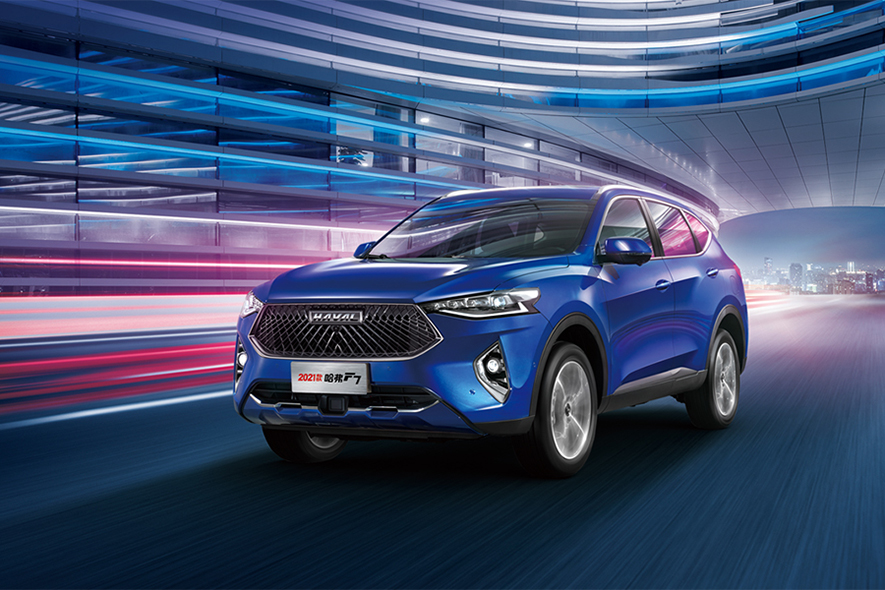
At a glance
- Haval F7x for export pairs turbo-petrol SUV positioning with 1.5T and 2.0T engine choices.
- Two-wheel drive covers most named trims, while the 2.0T Performance Edition adds four-wheel drive.
- A used F7x can reduce initial capital, but inspection and early maintenance must be budgeted.
- Live listings determine current unit price, minimum order and availability; landed cost also includes freight and import charges.
- LHD examples are the typical export focus; RHD supply and local homologation require separate confirmation.
- The F7x best suits importers prioritizing design, equipment and powertrain choice over a mature residual-value network.
Why the Haval F7x matters for export markets
The Haval F7x is a gasoline-powered crossover SUV built around coupe-like styling and a focus on technology and road presence. For export buyers, its main appeal is the combination of turbocharged engine choices, two-wheel-drive versions and a four-wheel-drive Performance derivative. The model sits in the value-oriented SUV segment, where overseas importers seek modern design and equipment without the premium of an established marque. That positioning makes the F7x relevant to dealers serving budget-conscious customers and fleet operators seeking a more substantial vehicle than a compact hatchback for mixed urban and highway use.
For an overseas buyer, the F7x is more than styling. The 1.5T and 2.0T powertrains, with FWD broadly available and 4WD reserved for the 2.0T Performance Edition, let buyers balance operating efficiency against stronger performance and four-wheel traction. Chinese-market vehicles may carry equipment and software not offered on parallel global models, so specifications should be read line by line rather than inferred from a badge. This makes the model relevant to distributors that can source, inspect and resell units. It creates an aftersales duty: secure parts, service information and technical support before committing.
The strongest case for Haval F7x export is in markets where Chinese vehicle ownership is accepted and an importer can add value through sourcing, preparation and distribution rather than relying on mainstream dealerships. Demand is strongest when the vehicle fills a clear gap: a stylish SUV with road performance, competitive equipment and sensible operating economics. It is weaker where buyers expect an established model history, standardized parts and a residual-value network. For a first program, treat the F7x as a controlled market-entry exercise. Compare landed cost and support readiness, not just the specification.
Model range, trims and powertrain variants: how the lineup is structured and how to choose
The F7x range is structured around 1.5T and 2.0T turbocharged petrol engines, with the drivetrain and equipment level changing by trim. Named examples include 1.5T Two-Wheel Drive Intelligent Technology, 1.5T Two-Wheel Drive Smart & Trendy and 2.0T variants in Intelligent Technology, Smart & Stylish Play and Smart & Trendy forms. The 2.0T Four-Wheel Drive Performance Edition is the clear traction-focused branch. Trim naming describes hierarchy, but it is not a substitute for a specification sheet. Buyers should request the engine, gearbox, axle layout, standard equipment and production details for each vehicle.
For fleets and high-mileage dealers, the 1.5T FWD model is the logical starting point because it prioritizes fuel economy and lower operating load over maximum performance. The 2.0T is more appropriate where stronger acceleration, higher passenger carrying confidence or additional four-wheel-drive capability matters. The 4WD Performance Edition should not be chosen solely for its appearance: check whether its drivetrain and tire configuration suit local roads, parking limits and duty cycle. All three remain road-oriented crossovers rather than heavy-duty off-road tools. Compare real operating costs, insurance classes and the equipment each trim actually adds.
Because the F7x is developed for the Chinese market, imported examples may differ from vehicles sold under the same name elsewhere. Driver-assistance features, infotainment languages, seat materials, climate-control equipment and cosmetic details can vary by trim. For an overseas buyer, treat each listing as a separate vehicle, then verify its VIN, engine badge, gearbox, driven axles, options and condition. Do not assume that Intelligent Technology translates into a standard package for another market. Ask for photographs, a current specification sheet and written confirmation of items that affect resale at handover.
- 1.5T and 2.0T options
- FWD across most trims
- 4WD Performance derivative
New vs used Haval F7x: how export inventory is structured and how buyers choose
Used Haval F7x inventory is shaped by model year, mileage, condition, trim and service-history completeness. A used unit can be an efficient way to enter a niche segment, but age should be treated as a technical and commercial variable rather than a simple discount. Inspect the engine bay, underbody, suspension, tires, glass and body panels, and review documents before assigning residual value. The same trim can look attractive in one unit and weak in another because mileage, repairs and option content differ. Compare like-for-like examples rather than relying on model names alone.
A new F7x can remove many condition uncertainties associated with an older import, but it introduces production-date, configuration and delivery questions that a used purchase avoids. Confirm whether the vehicle is new, demonstrator or parallel-import stock, and obtain the build plate, factory specification and applicable warranty terms. A new unit may be easier to standardise across a dealer order, yet standardisation is valuable only if the selected trim is correct for the market. Before a larger order, ask the supplier to confirm production consistency, colour availability and the treatment of any substitutions.
For an importer testing demand, one selected used vehicle may offer better feedback than a speculative container, provided it is exportable and supportable. The trade-off is capital exposure against the risk of carrying an ageing vehicle with deferred maintenance and weaker residual appeal. Haval F7x wholesale buying should use a repeatable inspection standard, not simply chase the lowest asking price. Compare each unit under the same landed-cost worksheet, including compliance, repairs and expected marketing time. If used units dominate a proposed order, budget for servicing and corrective work rather than assuming used means road-ready without checks.
- Used units require inspection
- New units require build checks
- Compare landed cost per unit
How export pricing works: the factors behind a live listing price, and how to read one
A live Haval F7x export price guide should be read as a unit-level equation, not a fixed market rate. Year, trim, engine, FWD or 4WD layout, mileage, condition, options and demand all influence the seller's asking price. A Performance derivative may carry a different value from an Intelligent Technology FWD vehicle within the same generation. For used cars, disclosed repairs, paint work, tire age and service history can materially change risk. For new stock, factory age and requested configuration affect negotiation. Always inspect the specific unit rather than applying a model-wide adjustment.
The quoted figure needs a defined boundary. An EXW price normally leaves the buyer responsible for inland transport, export handling, freight, insurance and destination costs; FOB and CIF place selected responsibilities and risks with the seller or carrier arrangement. The landed budget may include customs duty, import VAT or taxes, port and terminal fees, inspection, storage, inland delivery, insurance and dealer margin. Freight can move independently of vehicle price, so two SUVs may have different costs. Ask for an itemized quote, confirm the Incoterm and currency, and separate pre-shipment charges from post-arrival costs.
To compare offers consistently, capture the listing ID and VIN, trim, model year, engine, gearbox, drivetrain, mileage, condition notes, options and equipment on every offer. Check whether photographs show all panels and the odometer, and request a fresh inspection if the unit is old or remotely located. Record quote validity, exchange-rate basis, deposit terms, payment fees and customs-paperwork responsibility. Current per-unit price, minimum order and availability appear in live ChinaCarDirect listings; treat them as binding only after written confirmation. Do not use an old email or remembered marketplace figure as the current offer.
- Price follows the specific unit
- Separate freight from vehicle price
- Confirm Incoterm and currency
MOQ, ordering and payment: single units vs consolidating a container
MOQ is a commercial term, not a universal property of the F7x. Some offers are structured for one-unit purchases, while others apply a batch minimum or require a wholesale allocation. Required quantity and lot pricing should appear on the listing and be confirmed in the quotation; do not infer them from the model name or marketplace category. For a dealer, ask whether a single unit receives the terms of a consolidated order. Establish whether mixed trims, colours or model years can share one shipment, because that affects MOQ negotiation and vehicle matching.
A single-unit purchase usually lowers the cash committed to one vehicle and limits exposure to one difficult specification, but the buyer still bears freight, compliance and inventory costs. A consolidated container can improve transport efficiency and may create purchasing leverage, yet it locks up more capital and creates risk if specifications, quality or resale assumptions prove wrong. Mixed lots can reduce unused space but make sourcing harder and create uneven margin when one vehicle sells faster. Compare cash conversion cycles, not only unit prices, and exclude vehicles that cannot be insured, registered or supported locally.
A buyer choosing to buy a Haval F7x from China should use a controlled order sequence. Select the target vehicle and destination, obtain a quotation and pro forma invoice, then confirm VIN or listing identity, ownership, export status and payment schedule. Deposit, balance trigger, payment method and currency should be agreed before funds are sent, along with bank fees and what happens if an inspection issue intervenes. Before final payment, confirm the vehicle remains available, agreed repairs have occurred and release documents will be presented correctly. Keep assurances, invoices and condition records with the transaction file.
- MOQ varies by offer
- Single units limit exposure
- Consolidation increases commitment
Shipping, homologation and market compliance caveats: LHD/RHD and import rules by country
Vehicle shipping can use a roll-on/roll-off vessel, a containerized vehicle carrier or a consolidated cargo service, depending on origin, destination and quantity. Cost and transit time are shaped by vehicle count, route distance, port handling, surcharges, congestion, seasonality and insurance. Shipping a complete vehicle creates a logistics task that must be planned around port windows and customs clearance. Secure loading, lashing, damage inspection and documentation should be agreed in the transport plan. Obtain a freight quotation using the vehicle specification and pickup location, then compare the landed total rather than freight alone.
Steering configuration is a sourcing question. China-origin F7x examples are commonly left-hand drive, but the exact side and equipment must be confirmed for the unit. Right-hand-drive availability is not equivalent to a simple conversion option: local type approval, safety requirements, insurance, registration and equipment compatibility matter. Some buyers may find a supported right-hand-drive alternative more practical than modifying a left-hand-drive China vehicle. Do not assume a converted cabin, altered controls or imported electronics will pass inspection or be insurable. Put steering configuration, VIN verification and homologation evidence in writing before paying a balance.
Import compliance is country and vehicle specific, so consult a customs broker or homologation specialist before shipment. Depending on the market, checks may cover VIN and document integrity, emissions, road safety, used-vehicle age restrictions, customs valuation, duty and VAT, inspection and insurance. The Chinese specification does not automatically satisfy overseas lighting, crash, cybersecurity or occupant-protection rules. A vehicle may also enter under a different treatment as a personal or commercial purchase, but classification must be confirmed locally. Budget compliance work, port charges and possible rectification before treating the purchase price as final.
- Confirm steering before contracting
- Homologation remains market-specific
- Model all import charges
Who should buy the F7x — and who should pick a different vehicle
The F7x best fits importers and dealers seeking a modern turbocharged SUV with design appeal and a choice between smaller displacement and stronger performance. It also suits fleet uses where passenger comfort, road presence and four-wheel drive matter more than maximum cargo efficiency. The 1.5T FWD is the starting point for cost-conscious commercial use, while the 2.0T FWD gives a performance balance. The 2.0T 4WD Performance Edition is most relevant where traction on wet, loose or uneven roads reduces operational risk. Match the choice to real duty cycles, not equipment alone.
It is a weaker fit for buyers requiring a homologated model with a mature dealer network, standardized parts and predictable residual values. Fleets may prefer established servicing and a clear warranty chain rather than an imported niche marque. It also suits buyers less where priority is minimum fuel use, compact maneuverability, heavy-duty towing or commercial payload. An electric or hybrid alternative may fit markets with stringent emissions policy and charging access. The F7x is most defensible when the buyer can support it properly, not when its badge alone is the reason.
Before approving a program, calculate total cost of ownership across purchase, freight, duty, insurance, fuel, servicing, tires and eventual disposal. Then test the commercial assumptions: can the vehicle be insured and registered, are mechanics able to handle its powertrain, are common wear parts obtainable, and will buyers accept the badge and layout? A pilot vehicle can reveal whether customers value the F7x's styling and equipment more than established resale conventions. Use actual inquiry and conversion data to refine trim choice rather than ordering a broad mix speculatively in the chosen market.
- Best for value-focused importers
- 4WD suits tougher roads
- Service capacity can decide
Main rivals and how the F7x compares
The Changan CS75 Plus is a close Chinese-market comparison because it competes in the same modern, value-oriented SUV bracket. Buyers should compare actual vehicle dimensions, engine and gearbox options, driven-axle layout, equipment and local homologation rather than relying on segment labels. The F7x may offer a distinctive coupe-style presentation and a clear 2.0T 4WD Performance option, while the CS75 Plus line may appeal where its powertrain and trim mix are easier for a buyer to source. The deciding issue is often after-sales support and the landed cost of the exact configuration.
The Chery Tiggo 7 Pro is another relevant compact SUV comparator for buyers who want a similar turbocharged, technology-led proposition with different design and market-specific equipment. The F7x's sportier roofline and Performance derivative may provide stronger visual differentiation and a more obvious 4WD choice, while the Tiggo 7 Pro may have a different commercial appeal in markets where its local presence is stronger. Compare boot usability, rear passenger comfort, safety equipment, fuel requirements and the availability of service parts. Neither should be assumed compliant or supported identically across every destination.
Geely Atlas is useful when buyers weigh the F7x against a larger, more premium-styled crossover. Atlas may offer additional rear and cargo space, while the F7x may deliver a more assertive design and different value equation after equipment and operating costs are included. Because homologation and after-sales coverage vary by country, neither should win on global brand recognition alone. Compare trims by total cost, replacement-parts availability and expected resale. For a dealer, the best rival matches local customers, compliance rules and service capacity—not necessarily the largest vehicle.
Live Haval F7x export inventory
View all listings →Real units currently on ChinaCarDirect with per-unit asking prices and MOQ. Availability updates live from the catalogue.
Used Haval F7x 2019 1.5T Two-Wheel Drive Intelligent Technology Edition
Used Haval F7x 2021 2.0T Two-Wheel Drive Intelligent Technology Edition
Used Haval F7x 2019 2.0T Two-Wheel Drive Smart & Stylish Play Edition
How to buy a Haval F7x from China
-
1
Define the destination and use case
List the destination country, customer type, road conditions and expected annual mileage. Check local rules for used-vehicle age, emissions, safety, VAT and insurance before selecting a vehicle.
-
2
Choose the engine and drivetrain
Compare the 1.5T FWD, 2.0T FWD and 2.0T 4WD Performance Edition against operating costs, route conditions and equipment needs. Request the exact gearbox and axle configuration for the selected unit.
-
3
Shortlist live Haval F7x inventory
Review current listings by model year, trim, mileage, condition and steering configuration. Treat every listing as a separate vehicle and request recent photographs and specification details.
-
4
Request an itemized landed-cost quote
Ask for the unit price, Incoterm, currency, freight, insurance, inspection, duty, VAT, port charges and inland delivery. Clarify which costs are paid before shipment and after arrival.
-
5
Verify homologation and title
Use a local customs or homologation specialist to confirm admissibility, steering configuration and classification. Verify the VIN, ownership, export status and supporting documents before payment.
-
6
Agree payment and release terms
Confirm the deposit, balance trigger, payment method, currency, bank fees, warranty and document-release conditions in writing. Keep every invoice and written assurance with the transaction record.
-
7
Inspect, secure and ship
Complete or commission the agreed pre-shipment inspection and record the vehicle's condition. Confirm loading, lashing, marine insurance, freight booking, tracking and arrival documentation.
F7x vs rivals
| Changan CS75 Plus | A close value-oriented Chinese SUV alternative with a similar technology-led proposition. The F7x stands out for its coupe-inspired design and clear 2.0T 4WD Performance route, but the better choice depends on the exact specification, landed cost and local parts support. |
|---|---|
| Chery Tiggo 7 Pro | A more compact comparator with different styling and market-specific equipment. Choose the F7x when its road presence, powertrain range or 4WD differentiation better matches local demand; compare space, safety, fuel use and aftersales support before deciding. |
| Geely Atlas | A larger, more premium-styled alternative that may prioritize additional passenger and cargo space. The F7x can offer a more assertive design and different value equation, so compare total operating cost, homologation, parts availability and expected resale. |
Frequently asked questions
How is the Haval F7x export price determined?
The live asking price is unit-specific and reflects model year, trim, engine, drivetrain, mileage, condition, options and seller terms. Exact price, MOQ and availability must be checked on the current ChinaCarDirect listing and confirmed in writing. A landed quote should separately show freight, insurance, duty, VAT, port, inspection, inland delivery and margin.
What are the key Haval F7x specs?
The F7x is a petrol SUV with 1.5T and 2.0T turbocharged engine options. Most named trims are two-wheel drive, while the 2.0T Performance Edition is offered with four-wheel drive. As an internal-combustion vehicle, it does not have a battery-electric driving-range figure; confirm the gearbox and exact unit specification in the live listing.
Should an overseas buyer choose a new or used Haval F7x?
A used F7x can lower initial capital and provide useful market-testing data, but age, mileage, repairs and deferred maintenance must be inspected. A new unit reduces condition uncertainty but brings build-date, configuration, warranty and delivery questions. Compare both under one landed-cost worksheet and include servicing needs in the decision.
Does Haval F7x wholesale ordering require a full container?
No blanket MOQ should be assumed. Some offers may allow one-unit purchases, while others may set a batch minimum or allocation; check the current listing and written quotation. A dealer can compare a single vehicle with consolidation based on cash exposure, freight efficiency, specification matching, insurance and likely sell-through.
What determines shipping time and cost for a Haval F7x?
The main factors are origin and destination ports, vessel or container routing, vehicle count, port handling, congestion, seasonality, fuel surcharges, insurance and customs work. Obtain a freight quote using the actual vehicle and pickup location, and confirm whether the price is EXW, FOB, CIF or another Incoterm before comparing landed totals.
Can overseas buyers obtain spare parts for the Haval F7x?
Parts sourcing should cover the engine, model year, wear items and service components relevant to the selected unit. Before buying, confirm part references, lead times and return terms with a Chinese supplier or local parts partner. For low-volume importers, hold fast-moving service stock only after checking actual demand.
Is right-hand-drive Haval F7x availability limited?
Most China-origin F7x examples are left-hand drive, and the specific steering side must be checked for every unit. A right-hand-drive vehicle may be available through particular suppliers or conversions, but local type approval, safety, insurance and registration rules still apply. Do not assume a converted left-hand-drive import is admissible or insurable.
How do I order a Haval F7x from China?
Select a live unit, request its VIN or listing identity, and obtain a written quotation covering specification, Incoterm, payment schedule and shipping documents. Confirm export eligibility, ownership, title, warranty and inspection terms before sending a deposit, then pay the balance only against agreed documentary and vehicle-condition checks. Use the ChinaCarDirect contact page for an RFQ and current confirmation.
Ready to source the Haval F7x?
Request a current Haval F7x quotation with unit-level availability, Incoterm and a complete landed-cost breakdown.
Request a quote