
Haval Fierce Dragon Max Export Buying Guide
Buy a Haval Fierce Dragon Max from China with clear guidance on Hi4 trims, used inspections, export pricing, MOQ, shipping, compliance and rival choices.
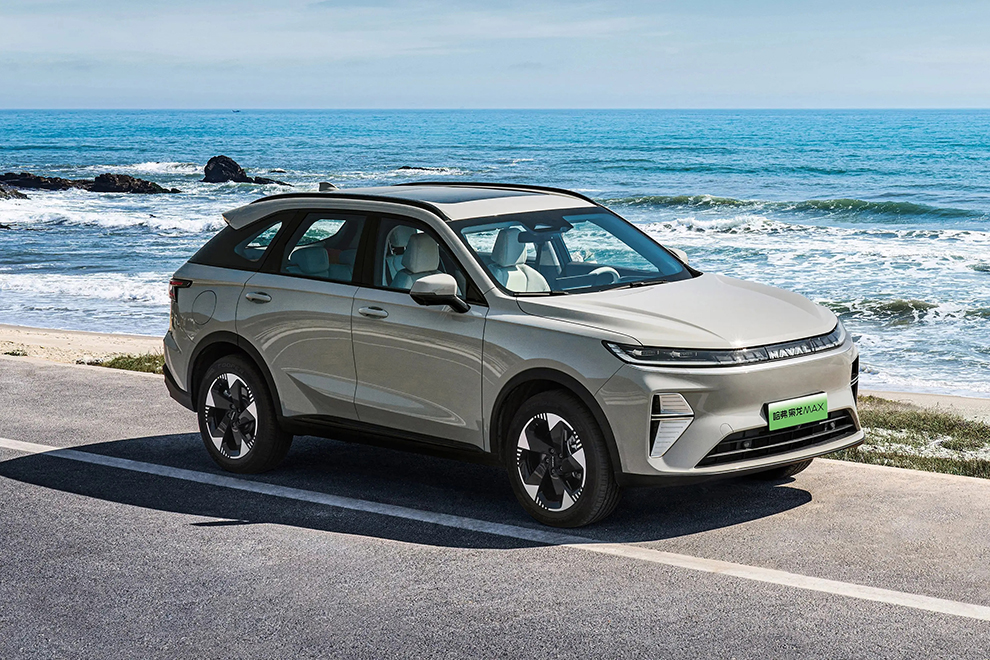
At a glance
- The Fierce Dragon Max is a compact plug-in hybrid SUV built around Haval's Hi4 system.
- A choice of 105, 110 and 165 versions lets importers match equipment, drivetrain and range priorities.
- Named 105 editions explicitly offer four-wheel drive, while the 165 range includes a Long-Range version.
- Used units require battery, diagnostic, mileage and accident-history checks beyond a basic cosmetic inspection.
- Export quotes must separate vehicle cost from freight, duties, taxes, homologation and inland delivery.
Why the Haval Fierce Dragon Max matters for export markets
The Haval Fierce Dragon Max matters to export buyers because it combines a practical SUV format with Haval's Hi4 plug-in hybrid technology. Instead of choosing between a combustion vehicle and a battery-electric model, a buyer can assess a gasoline-electric drivetrain designed to work with both daily charging and longer trips. For overseas dealers, this creates a useful middle ground: familiar engine fuelling remains available, while electric driving can reduce local fuel use in suitable conditions. The appeal is strongest where charging access is improving but not yet universal, without requiring a fully electrified support network.
The model is particularly relevant to the compact SUV segment, where overseas buyers often weigh size, fuel economy, driving assistance and equipment against purchase and operating costs. The Fierce Dragon Max lineup includes 105, 110 and 165 Hi4 designations, plus named editions that differ in drivetrain, range positioning and equipment. Those distinctions allow an importer to match a vehicle to local conditions rather than treating the name as one generic specification. They also create a need to compare like with like, because a different Hi4 label may change the propulsion and equipment package.
Global demand should not be inferred from the badge alone; it depends on certification, service coverage and how the PHEV is presented to local drivers. A vehicle can be attractive to a distributor with charger partnerships, but less suitable where household charging is rare or where local rules favour full-electric vehicles. Conversely, markets with long distances, uncertain charging networks and meaningful fuel use may value the flexibility of a hybrid SUV. The right export case is therefore operational: compare charging habits, road patterns, customer expectations and aftersales capability before committing inventory, especially for fleet buyers.
- Hi4 plug-in hybrid supports mixed charging access.
- 105, 110 and 165 broaden specification choice.
- A 105 four-wheel-drive route is clearly named.
Model range, trims and powertrain variants: how the lineup is structured and how to choose
Start by reading the trim names as a decision tree, not as a specification sheet. The range includes the 1.5L Hi4 105 Four-Wheel Drive Smart Flagship Edition, 1.5L Hi4 105 Four-Wheel Drive Navigation Edition, Hi4 110 Air, Hi4 110 Pro, Hi4 110 Plus Smart Drive Edition, Hi4 165 Ultra Smart Drive Edition and Hi4 165 Plus Long-Range Version. Across those labels, 105, 110 and 165 identify different Hi4 versions; they should not be read as battery capacity or electric range without the vehicle's own technical sheet for the selected unit.
For a dealer serving mixed driving patterns, the 105 four-wheel-drive trims are the logical starting point because four-wheel drive is stated in their names. The 110 Air, Pro and Plus editions form a separate ladder, so equipment level—not merely headline output—may determine customer value. Hi4 165 variants target buyers who place greater weight on the higher Hi4 specification or, for the Plus Long-Range Version, the range proposition. Smart Drive naming suggests an assisted-driving package, but sensors, functions and homologation must be confirmed for the destination market before sale and local insurance.
Because this is a plug-in hybrid, evaluate three distances together: usable electric range, total range and the real-world gap between them. Published CLTC figures can look favourable, while local test cycles, temperature, speed, load and charging habits produce different results. Ask each seller for battery capacity, certified electric range, combined range, charging connector and charging time, then verify them against the VIN-linked specification. For fleet tenders, include a duty-cycle test and define whether the quoted range is electric-only or combined; this avoids a technically correct but commercially misleading comparison between rival vehicles.
- Match 105 AWD trims to traction needs.
- Treat 110 trims as an equipment ladder.
- Verify battery and range against each VIN.
New vs used Haval Fierce Dragon Max: how export inventory is structured and how buyers choose
A used Haval Fierce Dragon Max can make sense for an importer whose priority is acquiring a known configuration below the depreciation curve of a new vehicle. ChinaCarDirect's export inventory is structured as individual listings, so the model year, exact Hi4 trim, condition, mileage, ownership and stated MOQ should be checked on the unit being considered. The benefit is strongest when that vehicle has documented service history, clean body condition and verifiable hybrid-system health. The corresponding risk is that age can obscure battery degradation, suspension wear, software updates and accident repair. Condition evidence matters more than the attractive-sounding edition name.
Inspections for this kind of vehicle should cover more than paint and mileage. Ask for a battery state-of-health report, evidence of charging and fault checks, scan-tool diagnostics, and confirmation that the engine, electric motor, transmission and Hi4 control systems are free of warning messages. Examine the underbody, wheels, cabin wear and accident-repair history, and verify that the odometer reading is consistent with maintenance records. Request the inspection report and repair invoices before paying, because a local buyer may not know the vehicle's operating history or have an independent specialist verify them.
New versus used should be decided by total cost and transferability, not age alone. A new vehicle may offer clearer warranty pathways and known delivery history, while a well-maintained used example may leave more budget for homologation, freight, charging support or launch marketing. Conversely, replacing every used unit with new stock may create unnecessary working-capital pressure. Read the condition, model year, mileage, ownership and documentation fields on each live listing, and request an RFQ for the precise units being considered. Exact availability must be confirmed in the live inventory rather than assumed from the model range.
- Inspect battery health, diagnostics and repair history.
- Compare total cost rather than acquisition cost alone.
- Confirm condition and availability on live listings.
How export pricing works: the factors behind a live listing price, and how to read one
A Haval Fierce Dragon Max export price is not one fixed factory number. It is built from the unit's model year, exact trim, Hi4 version, mileage, condition, ownership history, equipment, powertrain package, and the terms of sale. Currency movements can also alter a quoted foreign-currency amount. Freight is sometimes visible and sometimes folded into a delivered quotation, so an importer should establish whether the displayed figure covers the vehicle only, port charges, documentation, insurance, inland transport, duties or delivery to the final destination. Compare all quotes on the same scope.
Read a live listing line by line: identify the year and trim, confirm whether the price is negotiable, check the stated MOQ, and look for seller notes about condition and export readiness. Then request a written pro forma invoice showing the vehicle identity, VIN, quantity, Incoterm, payment milestones, freight assumptions and validity period. Compare equivalent units rather than the lowest headline number, which may belong to a different Hi4 version or a less complete shipment scope. ChinaCarDirect's live Fierce Dragon Max listings are the authoritative source for current per-unit figures.
The landed-cost calculation is where export pricing becomes commercially meaningful. Start with the vehicle quotation, then add international freight, marine insurance, export handling, origin charges, destination port or terminal fees, customs duty, taxes, inland haulage, inspection and homologation work. Used vehicles may attract different customs treatment or age restrictions from new ones, depending on the destination. Because every market applies its own rules, request a broker's landed-cost estimate using the VIN, vehicle type and declared value rather than borrowing another country's assumptions. A low vehicle price can still produce an unattractive landed cost.
- Compare equivalent units on identical terms.
- Separate vehicle price from landed cost.
- Check MOQ, Incoterm and freight scope.
MOQ, ordering and payment: single units vs consolidating a container
The MOQ shown on an individual live listing is the relevant condition for a Haval Fierce Dragon Max wholesale purchase: it may permit a single vehicle or require a batch. Do not substitute a general marketplace assumption for the number attached to the listing you intend to buy. Dealers testing demand can often start with one carefully selected unit, provided the seller accepts that quantity; larger importers can negotiate a mixed batch across trims. The RFQ should state the quantity, preferred versions, destination and target delivery schedule so the seller can confirm whether production, consolidation or another arrangement is required.
Single-unit buying gives the importer maximum flexibility to test trim demand, local pricing and customer feedback before scaling. Its trade-offs are higher per-unit freight and handling costs and less leverage than a consolidated order. A container plan can reduce unit logistics cost and simplify fleet deployment, but it requires accurate inventory control, sufficient volume, clear responsibility for every unit, and alignment on specifications. For used vehicles, consolidation also creates inspection and re-marketing risk if one unit is rejected or cannot be sold in the intended market. Build the batch around confirmed demand, not optimistic forecasts.
A sound ordering sequence starts with a written specification and commercial terms, followed by a pro forma invoice, vehicle identification, inspection, payment according to agreed milestones, release documentation and shipping instructions. The buyer should verify the seller's legal identity, the VIN, title or ownership documents, export declaration, and whether the vehicle is free of liens. Payment and release should be linked to documentary milestones and an independent inspection, with the method and beneficiary confirmed directly. Before paying, compare the unit's physical VIN plate, paperwork and listing record for complete consistency.
- Each listing's MOQ governs that offer.
- Single units test demand; batches need firm orders.
- Link payment release to verified documents.
Shipping, homologation and market compliance caveats: LHD/RHD and import rules by country
Steering configuration is the first physical check. Vehicles prepared for the Chinese market are commonly left-hand drive, and a listing should not be assumed to offer right-hand drive unless the VIN-linked specification confirms it. A right-hand-drive conversion can affect parts, software, indicator placement, visibility and insurance. Buyers for RHD markets should ask the supplier to document the configuration before shipment and compare it with their local type-approval rules. If no compliant RHD unit is available, selecting another export model may be safer than undertaking an unverified late conversion at origin.
Import compliance is market-specific rather than universal. Check VIN and title documents, customs classification, duties and taxes, emissions rules, noise limits, safety requirements, lighting, charging equipment, software language, connected-service rules and any local driving-assistance restrictions. PHEVs may also need confirmation of charging voltage, connector compatibility and treatment as a hybrid vehicle at customs and for tax. A Smart Drive edition's functions may be reduced, disabled or legally different after import. Obtain written confirmation from an importer, homologation specialist or broker before treating the vehicle as road-ready in the destination country.
Used Haval Fierce Dragon Max imports can face additional age, emissions, inspection or documentation rules. The destination country—not the seller—sets the acceptable condition and registration pathway. Arrange a pre-shipment inspection for a newly manufactured unit and an independent condition inspection for a used example, while allowing time for corrective work before loading. Also plan for parts and aftersales: confirm model-specific availability, technical documentation, diagnostic access and a supply route before taking customer vehicles. Warranty transfer may differ from the Chinese market, so retain the original purchase and complete service documents.
- Confirm LHD or RHD before contracting.
- Check destination-specific type approval.
- Validate charging, software and parts support.
Who should buy the Fierce Dragon Max — and who should pick a different vehicle
The Fierce Dragon Max fits an overseas buyer who wants a modern compact SUV, a plug-in hybrid and, where relevant, four-wheel drive without moving to a full battery-electric platform. It is especially suitable for dealers with charging access, customers who value electric running in daily use and fleet programmes that can manage a mixed fuel-and-charging duty cycle. It can also serve as a controlled market-entry test when one or a few differentiated units are preferable to a full container. The strongest case is a dealer that can support the product locally, not merely resell an attractive specification sheet.
A different vehicle is more sensible if charging is rarely available, the application requires emissions-free operation, or the buyer values a long-established local service and residual-value network more than Hi4 technology. Commercial operators with high daily mileage should calculate real fuel consumption, charging uptime, payload and downtime rather than relying on headline range. Buyers needing a larger three-row vehicle, heavy towing or highly specialized cargo capability should compare purpose-built rivals. Likewise, an importer unable to source parts, diagnostics or compliance support should choose a model with stronger local representation.
Used inventory is attractive only if the buyer can convert its lower acquisition cost into a reliable retail proposition. A vehicle with incomplete service evidence, battery uncertainty or unresolved faults can erode savings through repairs, downtime and customer dissatisfaction. Before ordering, define the target customer, expected annual mileage, charging pattern, required safety and assistance features, service standard and acceptable total cost of ownership. That brief will reveal whether the Hi4 105, 110 or 165 route is the right fit—and whether a rival with simpler operations would serve the market better.
- Best for mixed fuel-and-charging operations.
- Useful for controlled importer market tests.
- Requires local service and parts capability.
Main rivals and how the Fierce Dragon Max compares
BYD's Song Plus DM-i, sold under related naming in some export markets, is a direct benchmark for buyers comparing Chinese plug-in hybrid SUVs. Its broader market familiarity can reduce the education burden for customers, while the Fierce Dragon Max competes through its own Hi4 version choices and stated four-wheel-drive options. Neither should win on badge alone: compare the exact homologated powertrain, usable electric range, safety and assistance equipment, warranty, service access and landed price in the destination country. Dealer support and parts availability can be as decisive as the vehicle itself.
Geely's Galaxy L7 is another credible alternative in the Chinese electrified-SUV market, aimed at buyers seeking a practical family vehicle with plug-in-hybrid flexibility. The decision is less about whether both can charge and drive than about equipment, packaging, efficiency and ownership support. An importer should compare the versions actually sold under local rules, including drivetrain, cargo practicality, software and after-sales coverage. The Fierce Dragon Max may be the better fit where four-wheel drive and the selected Hi4 specification are priorities; the Galaxy L7 may suit a buyer making a different feature and support trade-off.
Deepal S07 is a useful alternative for buyers attracted to a more overtly electrified SUV proposition, including electric or extended-range options depending on market. Its appeal may come from cabin technology and the ability to emphasize electric driving, while the Fierce Dragon Max's compact SUV format and named Hi4 variants offer a more conventional PHEV purchasing route. Again, local availability matters: verify charging provisions, software, safety approval, service, parts and resale prospects. The right rival is the version a buyer can inspect, homologate and support locally—not the most prominently advertised specification.
- Compare homologated versions, not launch claims.
- Dealer support can outweigh badge familiarity.
- Charging access and cargo needs should decide.
Live Haval Fierce Dragon Max export inventory
View all listings →Real units currently on ChinaCarDirect with per-unit asking prices and MOQ. Availability updates live from the catalogue.
Used Haval Fierce Dragon Max 2025 Hi4 165 Ultra Smart Drive Edition
Used Haval Fierce Dragon Max 2023 1.5L Hi4 105 Four-Wheel Drive Smart Flagship Edition
Used Haval Fierce Dragon Max 2023 1.5L Hi4 105 Four-Wheel Drive Smart Flagship Edition
How to buy a Haval Fierce Dragon Max from China
-
1
Set the destination brief
Define the destination, steering configuration, customer type, charging conditions, annual mileage and local approval requirements before selecting a vehicle.
-
2
Match the Hi4 version
Compare the 105 AWD trims, 110 equipment ladder and 165 range-oriented versions using a VIN-linked specification rather than the trim badge alone.
-
3
Review live unit records
Check each live listing for year, trim, condition, mileage, ownership, stated MOQ and the current per-unit quote.
-
4
Request a landed quotation
Send an RFQ identifying the vehicle, quantity, destination and required Incoterm. Ask the seller to separate vehicle cost, freight, insurance, handling and destination charges.
-
5
Verify identity and condition
Match the VIN to the physical vehicle and review title, export and service documents. For used units, require battery health, diagnostic and independent inspection reports.
-
6
Confirm terms and payment
Approve a written pro forma invoice, inspection condition, payment milestones and document-release process. Confirm the payment method, beneficiary and ownership status directly.
-
7
Plan loading and compliance
Choose single-unit or consolidated shipping, arrange freight and insurance, and complete RHD, homologation, customs and destination-document checks before loading.
Fierce Dragon Max vs rivals
| BYD Song Plus DM-i | This is a direct Chinese plug-in hybrid SUV benchmark and may offer greater customer recognition in some markets. The Fierce Dragon Max is more distinctive where four-wheel drive and a specific Hi4 version are central to the buyer's proposition. |
|---|---|
| Geely Galaxy L7 | The Galaxy L7 is a credible electrified family-SUV alternative with a different equipment, packaging and ownership-support balance. Choose according to the locally sold version, customer needs and after-sales coverage rather than headline range. |
| Deepal S07 | The S07 is more relevant for buyers seeking an overtly electrified SUV route with electric or extended-range alternatives. The Fierce Dragon Max suits importers focused on a compact PHEV, Hi4 choices and named four-wheel-drive versions. |
Frequently asked questions
How is the Haval Fierce Dragon Max export price determined?
A live export quotation reflects the unit's year, exact trim, Hi4 version, mileage, condition, ownership history and commercial terms. Currency, freight and the chosen Incoterm can also affect the displayed amount. Check the live listings for the current per-unit figure and request a written quote that clearly defines the freight, insurance, duty and delivery scope.
What powertrain and range should I expect?
The Fierce Dragon Max uses Haval's Hi4 plug-in hybrid architecture, with 105, 110 and 165 version labels. Some 105 trims explicitly identify a 1.5L engine and four-wheel drive, while the 165 range includes a Long-Range version. Obtain battery capacity, motor output, certified electric range, total range and charging details from the specification for the selected VIN.
Should I buy a new or used Haval Fierce Dragon Max?
A new vehicle can provide clearer warranty and delivery history, while a well-maintained used unit may reduce depreciation and initial working-capital pressure. A used vehicle also requires closer inspection of battery condition, mileage, repairs and ownership. Review the condition fields and current availability on each live listing before calculating total ownership cost.
How does the MOQ work when ordering from China?
The MOQ attached to an individual live listing is the relevant purchasing condition for that offer; it may allow a single vehicle or require a batch. Do not assume a catalogue-wide minimum or place an order until the seller confirms the quantity in the RFQ and pro forma invoice. Container consolidation is an option only when every unit, specification and destination requirement has been agreed.
What determines shipping time and cost for the Fierce Dragon Max?
Origin and destination ports, transport method, vessel space, handling, insurance, customs clearance and inland delivery all affect the result. PHEV or used-vehicle documentation can also add preparation time. Request a booking-based freight quotation and a realistic schedule from the freight forwarder rather than relying on a generic transit estimate.
Are spare parts and technical support available?
Parts access depends on the destination, model version and local Haval or importer support. Before ordering, request model-specific parts references, diagnostic requirements, software information, lead times and an import route for replacement components. This is particularly important when launching an unsupported market with a mixed fleet of trims.
Can the Fierce Dragon Max be supplied in right-hand drive?
Do not assume right-hand-drive availability because Chinese-market vehicles are commonly left-hand drive. Request VIN-linked confirmation of the steering configuration and check whether it complies with local type-approval rules. If no compliant RHD unit is available, consider another export model or obtain specialist advice before accepting a late conversion.
How do I order a Haval Fierce Dragon Max from China?
Shortlist the live listings, select the relevant trim and condition, and send an RFQ for the unit identity, quantity, destination and Incoterm. Review the pro forma invoice, verify vehicle identity and documents, complete the agreed inspection, and release payment against the specified milestones. The seller then handles export release and shipping arrangements while the buyer coordinates customs, homologation and local delivery.
Ready to source the Haval Fierce Dragon Max?
Send an RFQ with your destination, preferred Hi4 trim, quantity and delivery terms to request a current per-unit Haval Fierce Dragon Max quote.
Request a quote