
Haval H Dog Export Buying Guide for Dealers
Plan a Haval H Dog import from China with trim, powertrain, used-unit, pricing, MOQ, shipping and compliance guidance for overseas dealers and importers.
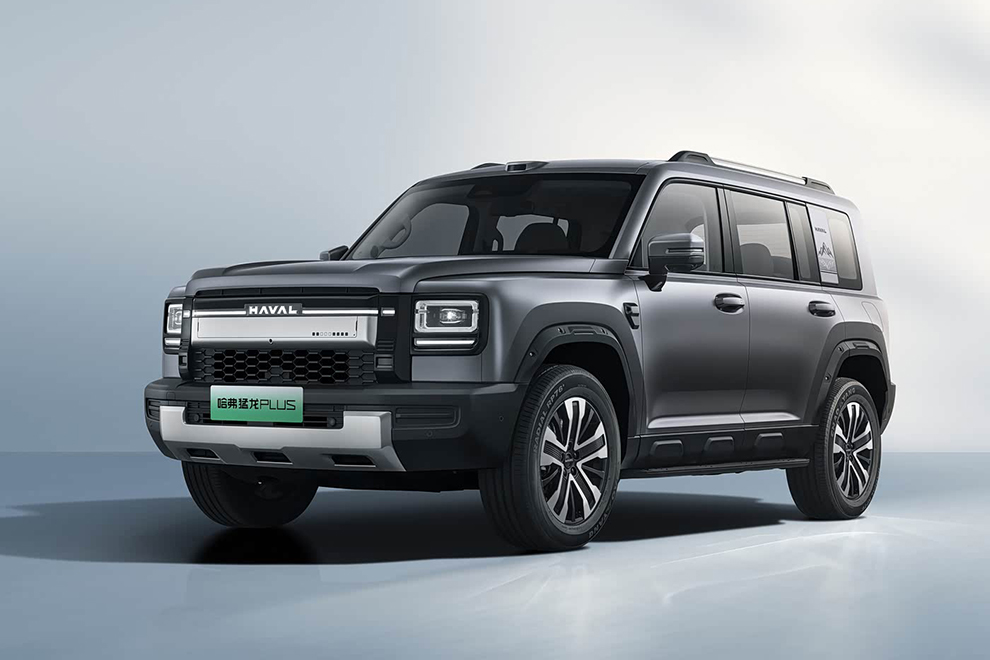
At a glance
- The H Dog pairs rugged-styled compact-SUV design with petrol and plug-in-hybrid choices.
- The lineup includes 1.5T and 2.0T petrol versions, two-wheel-drive and all-wheel-drive configurations, and outdoor-themed editions.
- Advertised electric-range labels include 102 km, 105 km and 150 km; real-world results vary by test cycle and use.
- Used-unit sourcing can widen trim availability, making condition inspection and documentation central to the decision.
- Export price is unit-specific; compare trim, condition, destination, freight, Incoterm and landed charges before ordering.
Why the Haval H Dog matters for export markets
The Haval H Dog occupies an interesting middle ground between a conventional urban crossover and a rugged-styled off-road SUV. Its boxy design, upright stance and SUV cues appeal to buyers who want more visual presence than a compact crossover but do not necessarily need full-time expedition capability. For overseas dealers, this positioning is commercially useful because it targets a broad crossover customer while providing a distinctive display product for showrooms and test-drive events. Its proposition rests on design, packaging and drivetrain breadth rather than one universal market-ready specification for buyers.
This breadth is important because overseas demand is not driven by a single fuel path. Haval's H Dog range includes petrol-only versions and plug-in-hybrid versions, allowing a distributor to serve customers who require a refuelling network as well as buyers attracted by electric driving and lower tailpipe emissions. The result is not simply an off-road lookalike; it is a compact SUV with road-use priorities from city commuting to family travel and light recreation. For dealer briefs, that flexibility must become market-specific configurations rather than a vague promise of electrified capability.
Demand potential is strongest where consumers want a rugged-looking SUV but still expect car-like convenience, competitive equipment and a manageable footprint for urban use. The H Dog's strongest visual differentiators can help it stand out in crowded showroom channels, particularly against more conventional rounded crossovers. However, overseas success still depends on factors: fuel economics, charging access, road rules, service coverage, spare-parts planning and the model's ability to pass destination-market type-approval and registration requirements. A strong design brief therefore does not replace market research, landed-cost modelling or a realistic after-sales plan.
- Rugged-styled compact-SUV positioning.
- Petrol and plug-in-hybrid options.
- Compliance determines export viability.
Model range, trims and powertrain variants: how the lineup is structured and how to choose
The lineup divides into two technical families. The petrol branch includes 1.5T and 2.0T turbo engines, with two-wheel-drive versions and two-wheel-drive and all-wheel-drive 2.0T trims. Outdoor and Wilderness editions add an adventurous specification theme, while Chao Ye, Trendy and Plus naming identifies market-specific equipment tiers. These names should be decoded carefully: a trim label signals equipment and positioning, but it does not replace the vehicle's build sheet. For quotation purposes, record engine, axle layout, gearbox, tyre size, dimensions and factory option list rather than relying on the marketing badge alone.
The petrol models should be matched to the destination's refuelling habits and operating priorities. A 1.5T two-wheel-drive version may suit fleets and buyers prioritising efficiency and simpler mechanical architecture, while 2.0T output can be preferable where stronger performance is valued. All-wheel-drive versions add a different cost and ownership proposition because they require different tyres, hardware and servicing considerations. For any of them, verify actual engine output, transmission type, emissions standard and equipment against the exact unit before ordering. Ask for the manufacturer data plate and a signed, itemised specification sheet.
The plug-in-hybrid branch is more nomenclature-heavy, but it gives buyers a choice of advertised electric-range labels. The range names include 102 km, 105 km and 150 km versions, including DHT-PHEV 105 km editions and a Model Hi4 150 km Trendy Electric Edition. These figures describe the version naming and should not be treated as guaranteed real-world range; the test cycle, usable battery capacity, charging rate and local conditions all affect the result. Confirm each value in the seller's documentation. Battery size and motor output are not inferred from the range label.
- 1.5T and 2.0T petrol.
- 2WD and AWD variants.
- 102, 105 and 150 km labels.
New vs used Haval H Dog: how export inventory is structured and how buyers choose
Export sourcing for the H Dog is handled unit by unit, so the distinction between factory-new and used vehicles is more than a negotiating point. A new vehicle offers a direct route to a known factory configuration, warranty terms and a predictable delivery sequence, although the buyer must confirm whether that warranty transfers to the destination market. Conversely, a used vehicle can make a trim and axle combination available without waiting for a production allocation. The real question is whether the unit's condition and history justify the saving after freight.
Used Haval H Dog sourcing should therefore be treated as a technical due-diligence exercise. Request the VIN, registration history where available, odometer evidence, service records, accident-repair disclosures, photographs of bodywork and underbody, tyre condition and an inspection report. For a plug-in hybrid, ask specifically about battery health or warranty evidence, charging tests and hybrid-system faults. A clean appearance or low photographed mileage alone is not a substitute for a documented condition assessment. For a petrol model, cold-start behaviour, fluid leaks, exhaust condition and maintenance quality deserve equivalent attention.
A sensible selection process compares the same variables across candidates: model year, trim, drivetrain, range version, mileage, condition, provenance and total delivered cost. Choose a used vehicle when it offers the required configuration at a defensible condition-adjusted value and acceptable documentation. Choose a new vehicle when warranty certainty, emissions conformity, cosmetic condition or fleet consistency outweighs the higher acquisition requirement. Whichever route is chosen, make the unit's identity and condition clearly part of the written contract, not an informal verbal description. Any agreed repairs or missing equipment should be listed.
How export pricing works: the factors behind a live listing price, and how to read one
A live export price is not a universal market value for the model. It is the seller's asking price for one configuration and condition, and it can move with model year, trim, engine, axle layout, plug-in range version, specification details and the terms included. Exchange-rate movements also affect how an overseas buyer interprets a quote. For used units, mileage, service history, cosmetic condition, tyre wear and repair quality may matter as much as the trim badge. Strictly compare like with like rather than ranking vehicles by headline model name alone.
When reading a listing, separate vehicle value from logistics and compliance costs. A quoted amount may exclude inland transport from the seller's location, export documentation, vehicle handling, RoRo or flat-rack freight, marine insurance, destination terminal fees, taxes, registration and dealer margin. The same unit can produce different totals depending on the Incoterm and requested destination. Ask the seller to identify which charges are included and which remain payable by the importer; do not treat the asking price as a delivered price. A written pro forma invoice should clearly itemize them.
For a buying decision, build the comparison around the same assumptions: identical trim and drivetrain, comparable mileage and condition, one destination, one currency, one Incoterm and the inspection standard. Then add duty, tax, port and insurance estimates from the destination rather than relying on a calculator. ChinaCarDirect's live H Dog listings are the source for the current unit price and commercial terms; treat the displayed amount as an asking point, confirm it in writing and recalculate the landed cost before approval. Exchange rates can change again before payment and loading.
- Vehicle price differs from landed cost.
- Condition and trim drive value.
- Compare under one Incoterm.
MOQ, ordering and payment: single units vs consolidating a container
Minimum order quantity is a commercial term attached to a listing or supplier, not a permanent model rule. For a single H Dog, ask whether the seller will release one unit and which payment, inspection and freight arrangements apply. A dealer testing demand may prefer one vehicle, while a distributor placing a larger order may obtain better unit economics through consolidation. The key is to separate the supplier's stated MOQ from the quantity ChinaCarDirect displays for an individual unit and to obtain the current MOQ and terms in writing before committing funds.
A sound payment process progresses from identification of the exact vehicle to a written commercial invoice, deposit, inspection, balance payment and release against agreed shipping documents. The purchaser's name, vehicle identifiers, trim, options, condition statement, Incoterm and delivery place should appear consistently across the quotation, invoice, inspection report and transport record. Payment channels should be traceable and owned by the contracting seller, and any inspection or release condition should be a contractual milestone rather than an informal expectation. This protects the sides if the vehicle changes or documents are incomplete.
Container consolidation can improve freight planning when several buyers accept the same model year, trim specification and inspection standard. The coordinator should create a unit-by-unit manifest, record VINs and agreed options, photograph each vehicle before loading, coordinate origin inspections and clarify who owns losses, damage, customs delays and demurrage. For complete H Dog vehicles, specialist vehicle carriage or flat-rack arrangements may be more practical than assuming dry-container capacity. Consolidation should not replace individual unit-level verification or a clear allocation of insurance responsibilities. Confirm the final packing plan before paying deposits.
Shipping, homologation and market compliance caveats: LHD/RHD and import rules by country
Vehicle shipping begins with a route from the seller's premises to the destination port. Complete H Dog units are commonly moved by specialist vehicle carriers or on RoRo/flat-rack equipment, while the inland leg may use enclosed or open vehicle transport depending on distance and value. The quotation should state origin handling, loading method, carrier, route, sailing schedule, destination charges and insurance coverage. Transit time is not the same as total delivery time: export clearance, port handling, customs, inland haulage and registration can add material lead time, particularly for used units.
Left-hand drive is the orientation for vehicles originating in the Chinese market, but the destination may require right-hand drive or accept only a specific configuration. A buyer should never assume a steering-wheel conversion is acceptable or trivial. Confirm whether a factory right-hand-drive H Dog is available for the route; if not, discuss conversion only where local law, safety certification, warranty, wiring and insurance allow it. Steering, lighting, parking sensors, driver-assistance functions and the data plate can be affected by conversion, so inspection after any work is essential. Use specialist approval.
Homologation is the decisive compliance step for every destination. Depending on local rules, the importer may need emissions approval, safety and type-approval documents, a Certificate of Conformity, customs classification, duty and tax payment, local inspection and registration. Used imports can face additional age, emissions, inspection or proof-of-ownership rules, and PHEVs may require battery transport and conformity documents in addition to vehicle papers. Obtain a broker's written requirements list before shipping and verify that the exact unit can be registered, not merely that the model is sold nearby. Early verification avoids costly rework.
- Confirm LHD or RHD conformity.
- Broker approval precedes shipping.
- Used and PHEV rules differ.
Who should buy the H Dog — and who should pick a different vehicle
The H Dog is a strong candidate for dealers seeking a distinctive compact SUV with a choice of petrol and plug-in-hybrid drivetrains. It can appeal to private customers who value upright space, bold styling and an electrified option without requiring a larger premium SUV. Two-wheel-drive versions may align with urban or fleet buyers focused on operating simplicity, while all-wheel-drive and outdoor-themed versions suit customers who emphasize traction, travel capability and visual intent. The best fit is therefore a market with demand for individual, design-led purchases rather than homogeneous fleet-only purchasing.
It is a less suitable choice when lowest operating cost, maximum cargo volume, seven-seat flexibility or heavy-duty work is the priority. The H Dog's styling should not be mistaken for commercial off-road certification, and its road-focused positioning may not satisfy buyers who regularly tow, climb or operate on poor surfaces. A pure battery-electric crossover may be stronger where emissions rules, charging networks and corporate sustainability targets dominate. A conventional compact SUV may be easier to support when a market has limited PHEV adoption or few technicians trained in high-voltage systems.
Before committing, model the business case around the actual market rather than the trim badge. Include local taxes and duties, fuel or electricity, insurance, servicing, tyre replacement, parts lead time, residual values and the cost of holding several trims in stock. A mixed petrol and PHEV inventory can reduce dependence on one fuel ecosystem, but it also creates two training, diagnostic and parts streams. For fleets, compare the H Dog with lower-cost production vehicles and validate payload, towing and duty-cycle requirements with the importer before including it in a tender.
- Best for style-led SUV buyers.
- Weaker fit for heavy-duty fleets.
- Compare running and parts costs.
Main rivals and how the H Dog compares
Against its closest competitors, the H Dog's clearest distinction is the combination of rugged-styled compact dimensions and a mix of petrol and plug-in-hybrid versions. The Chery Tiggo 7 family competes for mainstream compact-SUV buyers and may offer a more conventional, familiar proposition. The Jaecoo 7 competes strongly with design-conscious buyers seeking an electrified compact SUV, often presenting an urban-lounge character. The Jetour Traveller is a more overtly off-road-oriented boxy SUV with petrol and plug-in options. Market availability varies by country. Compare local warranties, homologation support and after-sales coverage before choosing.
Where rivals may have the edge, the decision depends on the buyer's brief. Chery can benefit from broader recognition in some export regions, while Jaecoo may appeal to customers who prioritise a premium cabin and road-oriented presentation. Jetour may be the better fit where visual off-road intent and family-oriented rugged styling are central. The H Dog stands out when a dealer wants Haval branding, a 1.5T-versus-2.0T choice, two-wheel-drive and all-wheel-drive options, and plug-in variants carrying different advertised electric-range labels. None of those features removes the need for a test drive.
A final comparison uses an in-person or video inspection, a verified specification sheet and a complete landed-cost quote. Check cabin layout, visibility, boot usability, ride quality, infotainment compatibility, safety equipment, ground clearance and parts support against the leading rival. On a plug-in hybrid, confirm charging compatibility and utility savings; on a petrol model, confirm that the chosen output and axle layout meet fleet expectations. If the H Dog wins on desired design, drivetrain availability and a credible total-cost case, it is a strong wholesale candidate rather than a novelty purchase.
- Chery Tiggo 7: conventional rival.
- Jaecoo 7: urban electrified rival.
- Jetour Traveller: overtly rugged rival.
Live Haval H Dog export inventory
View all listings →Real units currently on ChinaCarDirect with per-unit asking prices and MOQ. Availability updates live from the catalogue.
Used Haval H Dog New Energy 2023 DHT-PHEV 105km Tide Electric Version Plus
Used Haval H Dog New Energy 2023 DHT-PHEV 105km Tide Electric Version Plus
Used Haval H Dog New Energy 2023 DHT-PHEV 105km Tide Electric Version Plus
How to buy a Haval H Dog from China
-
1
Define the market and operating requirement
Set the destination, preferred steering side, fuel pathway, passenger or fleet use, road conditions and after-sales coverage required. Check local import, emissions and used-vehicle rules before selecting a configuration.
-
2
Shortlist the live inventory
Review current unit-level asking prices, availability, model years and trims in the live Haval H Dog listings. Compare vehicles using the same condition, drivetrain and destination assumptions.
-
3
Verify the exact build
Request the VIN, signed specification sheet, data plate, engine and gearbox details, axle layout, dimensions, emissions standard and fitted equipment. For PHEVs, confirm battery capacity, motor output, charging compatibility and the applicable range test.
-
4
Request a landed-cost quotation
Ask for an itemized quote using one destination, currency and Incoterm. Separate the vehicle price from inland transport, export handling, freight, insurance, destination charges, duties, taxes and registration.
-
5
Confirm MOQ and commercial terms
Check the current MOQ and conditions for each live listing rather than assuming a permanent catalogue rule. Agree the deposit, balance-payment milestone, cancellation terms and consolidation responsibilities in writing.
-
6
Inspect before releasing funds
Use a pre-shipment inspection that covers bodywork, underbody, tyres, fluids, mileage, VIN, warning lights and included equipment. For plug-in hybrids, include charging and high-voltage diagnostic checks.
-
7
Complete shipping and registration
Have the destination broker approve the vehicle and documents before loading, then track export clearance, carriage, customs, port handling and inland delivery. Retain the homologation file and transport records for registration and future resale.
H Dog vs rivals
| Chery Tiggo 7 Pro | The Tiggo 7 Pro is a more conventional compact-SUV alternative with broad market familiarity, while the H Dog stands out for rugged styling and a clearer 1.5T-versus-2.0T drivetrain ladder. It may suit dealers wanting stronger visual differentiation. |
|---|---|
| Jaecoo 7 | The Jaecoo 7 is a close design-led electrified compact-SUV competitor with a more road-focused and premium-lounge presentation. The H Dog is compelling for buyers prioritising overt rugged cues and a broader selection of petrol versions. |
| Jetour Traveller | The Jetour Traveller is a boxy, off-road-styled family SUV that competes for rugged-design and electrified buyers. It may appeal to those wanting a more overtly expedition-oriented image, while the H Dog targets a somewhat more compact urban footprint. |
Frequently asked questions
How is Haval H Dog export pricing determined?
Export pricing is determined by model year, trim, engine, drivetrain, range version, condition, mileage, equipment, provenance, exchange rates and the seller's commercial terms. The visible price normally represents the vehicle's asking point and may exclude freight, insurance, duties and destination charges. Check the live H Dog inventory on ChinaCarDirect for current unit pricing and availability, then confirm the complete landed cost in a written quotation.
What powertrain and range options are available?
The range represented includes 1.5T and 2.0T petrol versions plus DHT-PHEV and Hi4-branded plug-in-hybrid versions. Named electric-range labels include 102 km, 105 km and 150 km. These are version labels rather than guaranteed real-world results, so confirm the test cycle, battery capacity, motor output and charging details for the exact vehicle.
Should an overseas buyer choose a new or used H Dog?
A new vehicle provides greater configuration and warranty certainty, but warranty portability and local approval must be confirmed. A used vehicle can offer a specific trim at a more competitive acquisition value, while making condition, service history, tyres, mileage and repair quality more important. Base the decision on documented condition and total delivered cost rather than model year alone.
What is the MOQ for Haval H Dog orders?
MOQ is a commercial term attached to an individual listing or supplier and can change with that vehicle's circumstances. For one vehicle, ask whether the seller will release a single unit and what freight plan applies; for a larger purchase, request consolidated-shipment terms. Confirm the current MOQ, price condition and payment schedule in live listings and in the written quotation.
What affects shipping time and cost from China?
Shipping cost depends on origin handling, inland transport, loading method, carrier, route, sailings, freight market, insurance and destination charges. Total delivery time also includes export clearance, customs, port handling, inland haulage and registration. Obtain a door-to-door schedule with responsibilities and exclusions stated for every stage.
Can spare parts be supplied with the H Dog?
Common service and wear parts can usually be ordered, but availability depends on the vehicle's model year, trim and production specification. Ask the supplier to confirm genuine-part numbers, aftermarket alternatives, packaging and shipping arrangements before adding parts to the vehicle shipment. Also confirm local dealer or distributor support for long-term maintenance.
Is a right-hand-drive Haval H Dog available for export?
Chinese-market H Dog vehicles are generally left-hand drive, and a factory right-hand-drive configuration may not be available for every trim or destination. Ask the seller to verify steering side, VIN and factory specification before ordering. Do not assume a conversion is legal or homologation-compliant; obtain local approval and inspect all affected systems after any conversion work.
How do I order a Haval H Dog through ChinaCarDirect?
Start with the live H Dog listings, select an acceptable configuration and send an RFQ with the destination, quantity, preferred Incoterm and required inspection standard. Confirm the current price, MOQ, payment milestones, documents and freight plan in writing. Complete the agreed inspection, release the balance and arrange destination homologation, customs clearance and delivery.
Ready to source the Haval H Dog?
Send an H Dog RFQ with your destination, powertrain, trim, quantity and Incoterm so the supplier can quote the current unit and landed cost.
Request a quote